
Living plant profile
Cochinchina Chinese evergreen
Aglaonema cochinchinense
Comprehensive botanical dossier for Cochinchina Chinese evergreen (Aglaonema cochinchinense). Identification, lighting calibration, porous substrate formulation, and cultivation guide by Saigon Cay Canh.
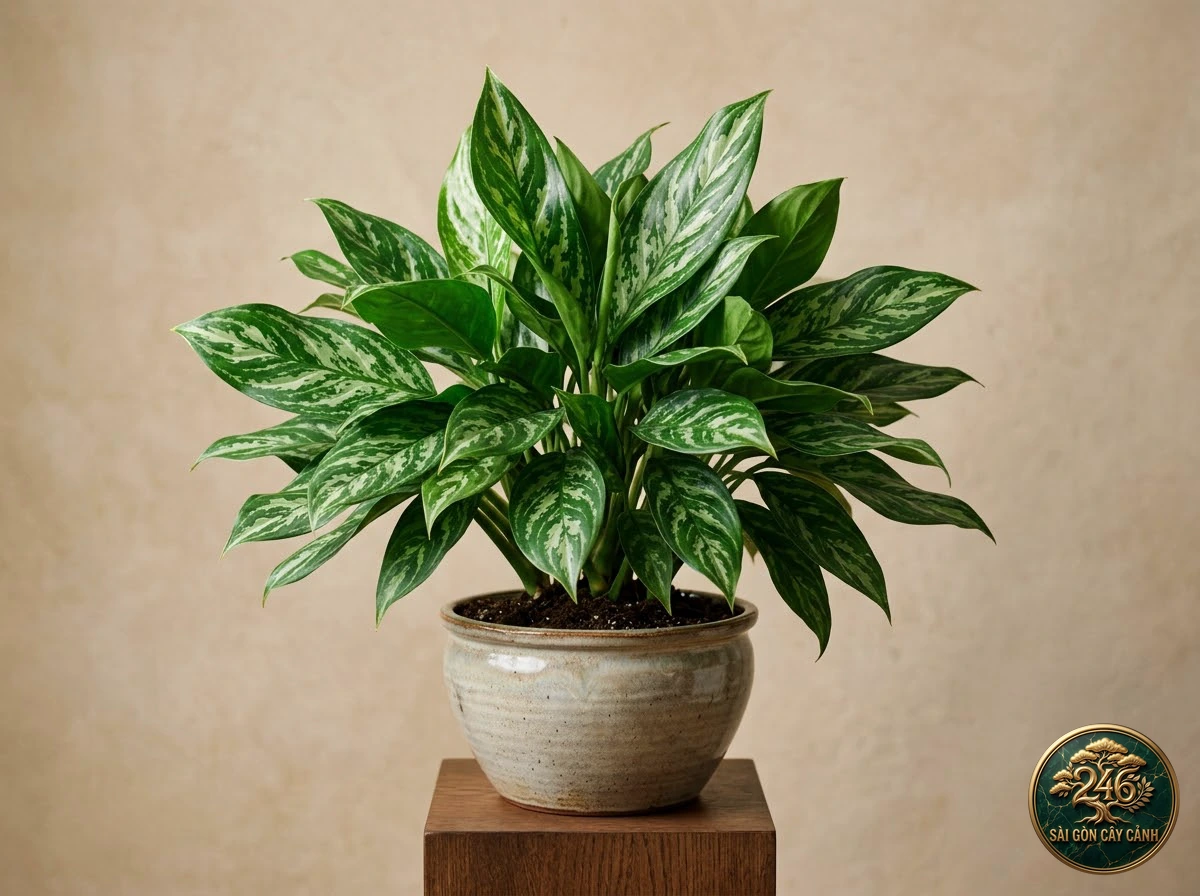
Cochinchina Chinese evergreen (Aglaonema cochinchinense) is an enduring indigenous tropical foliage species characteristic of the humid southern delta floodplains. Celebrated across generations for its tranquil presence and glossy emerald foliage, this resilient plant delivers timeless botanical appeal across indoor environments.
1. Core Botanical Taxonomy & Cultural Specifications
| Scientific Name | Aglaonema cochinchinense |
|---|---|
| Botanical Family | Araceae (Aroid Family) |
| Native Distribution | Alluvial lowland floodplains and monsoonal forest floor niches of Southern Vietnam and the Mekong basin |
| Growth Demeanor | Robust clumping terrestrial perennial producing thick fibrous root masses and vigorous subterranean runners |
| Lighting Threshold | Low to medium filtered daylight (800 – 2,000 lux); remarkable physiological endurance in dim domestic quarters |
| Hydration Cadence | Irrigate once upper 3 cm soil feels dry; semi-succulent stems buffer short periods of drought |
| Substrate Formulation | 35% buffered coco peat, 30% biochar rice hulls, 20% perlite, and 15% vermicompost |
| Thermal Range | 18°C – 32°C (64°F – 90°F; fully adapted to monsoonal tropical heat regimes) |
| Relative Humidity | 55% – 80% (Highly tolerant of typical domestic indoor ambient humidity levels) |
| Cultivation Difficulty | Extremely Easy (Highly resilient, dependable starter plant for urban residences) |
| Pet Safety Profile | Toxic (Insoluble calcium oxalate crystals irritate animal oral tissues) |
Recorded in taxonomic registries of Kew Gardens (POWO), Aglaonema cochinchinense is native to alluvial floodplains and moist shaded forest understories across Southern Vietnam and Indochina. Thriving along humid riverbanks under dense swamp tree canopies, it anchors into deep silt deposits enriched by seasonal organic floodwaters.
Evolving under monsoonal wet-and-dry cycles, Cochinchina Chinese evergreen acquired exceptional physiological hardiness. Its thick rhizomatous subterranean stems store hydration effectively, allowing the plant to navigate domestic microclimatic shifts with minimal stress.
Throughout the lower Mekong delta wetlands, this native perennial contributes significantly to soil stabilization along riparian margins. Its fibrous root matrix anchors tenaciously into dense alluvial silt, drawing sustenance from nutrient-laden flood deposits while withstanding temporary inundation without tissue compromise.
2. Morphological Identification & Foliar Architecture
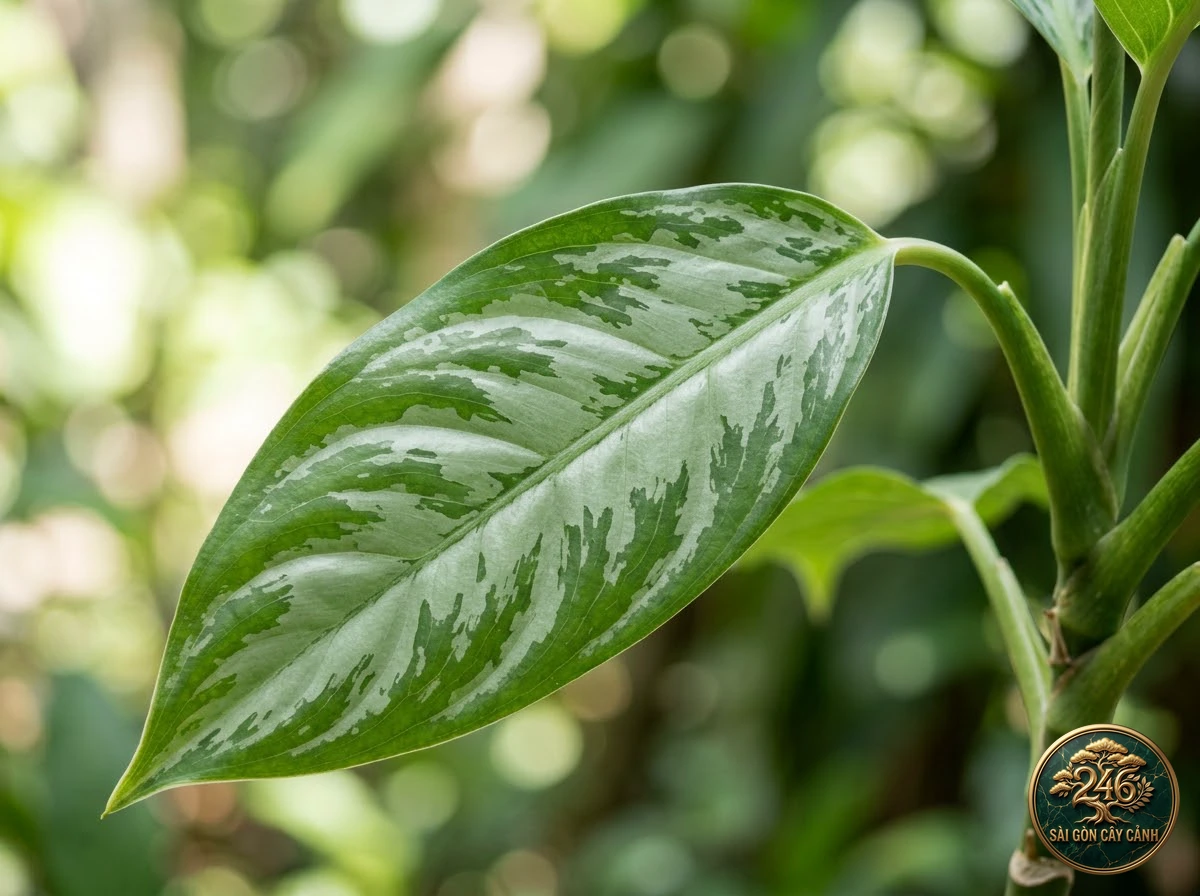
Morphologically, the specimen features elongated lanceolate foliar blades tapering gracefully to pointed tips. Surfaces present a uniform deep satin emerald hue coated in a natural waxy cuticular sheen. Leaf margins are smooth with gentle undulations, producing a lush tiered canopy architecture.
Flexible, elongated petioles spread outwards from the base in an expansive fan configuration. Basal sheaths sheath subterranean nodes from which secondary suckers steadily emerge, forming a dense clump. Abaxial blade surfaces display a paler green tone with uniform pinnate lateral venation.
3. Photometric Calibration & Window Exposure Optimization
Reflecting its forest floor origin, this species thrives within modest illumination parameters between 800 and 2,000 lux. It tolerates shaded domestic areas, library shelves, and interior hallways remarkably well while retaining deep foliar pigmentation.
Exposure to direct solar rays must be avoided as unshielded ultraviolet radiation bleaches foliage and scorches thin lamina margins. If stationed in deeper interior corners, periodically moving the planter toward indirect window light for a couple of days per week restores vigor.
4. Structural Cane Dynamics & Form Optimization
Cochinchina Chinese evergreen maintains a compact, self-supporting clumping habit via subterranean tillering. It requires no moss totem or climbing framework, naturally organizing multiple vegetative stems into a neat, upright domestic bush.
As offshoots crowd the central crown, pruning spent basal leaves maintains airflow through the inner canopy. Turning the container ninety degrees every week encourages radial foliar expansion, resulting in a balanced circular specimen.
5. Engineered High-Porosity Substrate Formulation
While forgiving of various potting media, the plant demonstrates optimum vitality in airy organic mixes. Heavy clay-rich garden soils compact over time, restricting subterranean oxygen diffusion and fostering root rot during prolonged damp spells.
A recommended bespoke mixture combines 35% buffered coco peat, 30% whole biochar rice hulls, 20% perlite, and 15% mature vermicompost. This blend ensures excellent porous structure, sustaining gentle moisture without pooling stagnant water around lower drainage holes.
Carbonized biochar rice hulls contribute natural silica and potassium, strengthening cell wall rigidity across elongated petioles against domestic air drafts. The porous biochar matrix also provides protective microbial micro-habitats that foster beneficial biological suppression of pathogenic root fungi.
6. Organic Bio-Fertilization & Mineral Management
Nutrient requirements remain refreshingly modest. Top-dressing with worm castings or administering diluted organic fish emulsion once monthly during the warm monsoon season sustains active vegetative growth and enhances leaf glossiness.
Avoid placing concentrated chemical granules directly against cane bases to prevent localized fertilizer burn. Every three to four months, perform a thorough pot flush with plain water to clear accumulated mineral salts from the potting medium.
7. Clinical Diagnostic Matrix & Horticultural Resolutions
| Clinical Symptom | Root Pathology | Diagnostic Method | Targeted Resolution |
|---|---|---|---|
| Basal leaves turn pale yellow, root soggy | Frequent irrigation under dim interior light | Inspect deep core soil moisture | Reduce watering cadence, relocate to brighter airy spot |
| Foliar tips display scorched blackish-brown margins | Direct midday solar exposure hitting lamina | Observe sun trajectory through domestic glass | Draw sheer curtain or retreat pot deeper into room |
| Elongated spindly stems with sparse small leaves | Severe deficit of photosynthetic daylight | Assess light levels at plant location | Move planter nearer diffused daylight or install horticultural lamp |
| Cottony white tufts clustered inside leaf sheaths | Mealybug infestation taking hold in sheltered axils | Inspect petiole clefts and emerging shoot bases | Clean manually using soft cloth soaked in mild bio-soap or 70% alcohol |
| Lower leaf margins develop water-soaked black lesions | Bacterial soft rot from nocturnal foliage wetness | Evaluate night airflow around planter | Halt late evening foliar misting, excise compromised foliage |
8. Pest Mitigation Protocols & Foliar Sanitation
Possessing robust native constitution, this species rarely suffers severe pest outbreaks indoors. The primary domestic concern is mealybugs sheltering within tight petiole sheaths. Gently dislodge colonies using a soft brush dipped in 70% alcohol to clear pest pockets effectively.
Wiping foliage monthly with a moist cotton rag clears urban particulate accumulation. This simple maintenance preserves the natural glossy sheen of the cuticular layer and keeps stomata functional across all seasons.
9. Asexual Propagation Methodology
Propagating Cochinchina Chinese evergreen is straightforward via clump division during seasonal container refreshes. Using a sterilized knife, sever the connecting rhizome beneath a mature sucker bearing three or more viable roots, seal cut surfaces, and pot separately.
Alternatively, stem sections 8 to 10 cm long with viable dormant nodes can be air-dried for 12 hours and bedded horizontally in damp propagation media. Within 4 to 6 weeks in warm shade, adventitious roots and leafy shoots emerge from node junctions.
10. Veterinary Toxicology & Domestic Safety Safeguards
Position planters on elevated furniture or stands beyond companion animal access. In case of accidental ingestion, immediately rinse oral tissues with clean lukewarm water, contacting a veterinary professional if symptoms of pharyngeal distress appear.
11. Biophilic Interior Design & Architectural Styling
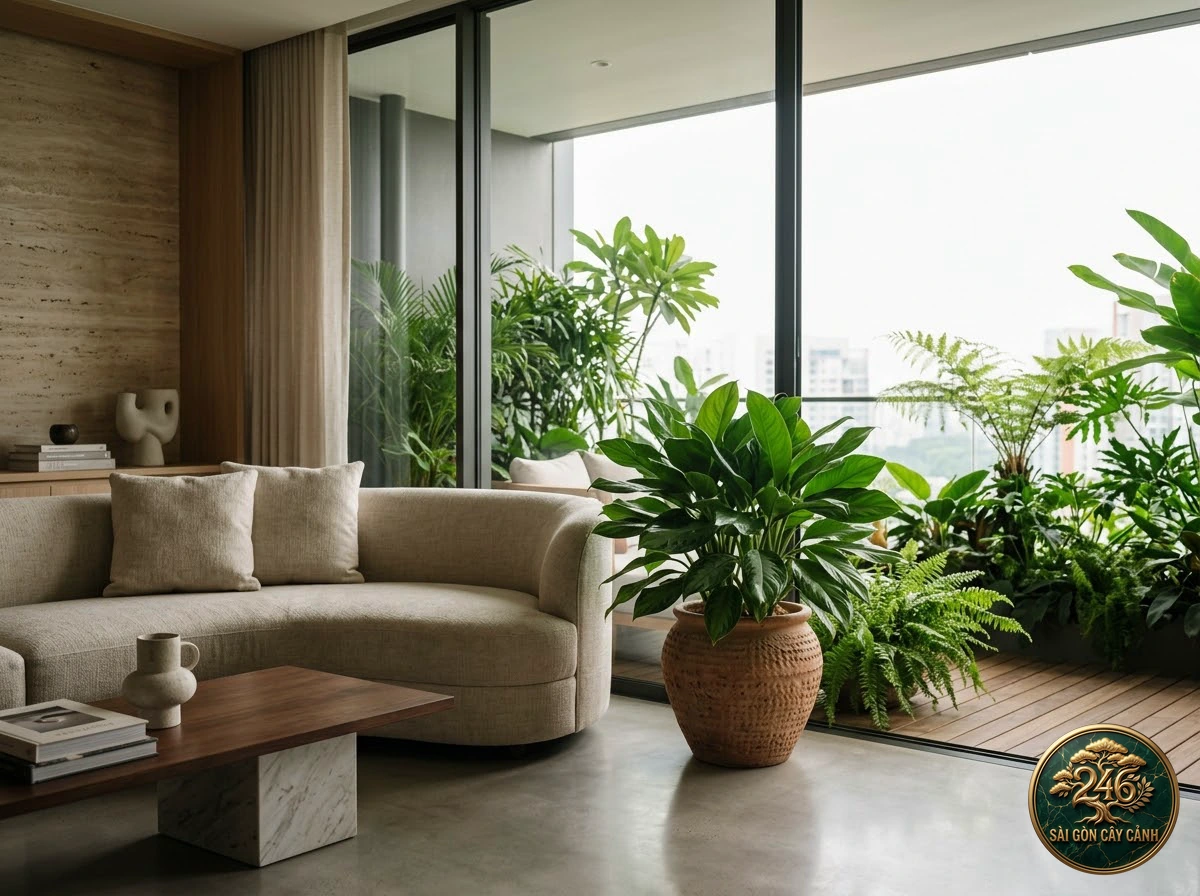
Understated emerald elegance and balanced silhouette make Cochinchina Chinese evergreen an ideal botanical companion for Indochine-inspired interiors, contemporary tropical homes, or busy offices seeking restful organic greenery.
The specimen looks particularly striking housed within rustic glazed stoneware, traditional terracotta pots, or handcrafted woven wicker planters. Its serene foliage calms visual fatigue and introduces tranquil equilibrium into active domestic life.
Within Eastern interior philosophy and traditional Southern cultural heritage, the perpetual evergreen presence of this plant symbolizes household harmony, tranquil resilience, and enduring natural vitality across life’s everyday vicissitudes.
12. Master Cultivation Axioms
Based on horticultural nursery practice at Saigon Cay Canh, remember these three foundational tenets for cultivating this native perennial:
- Hydration Precision: Irrigate only after the topsoil layer dries down several centimeters; never permit surplus drainage to sit in saucers.
- Solar Management: House the plant in well-ventilated diffused daylight; shield completely from harsh direct solar rays at midday.
- Foliar Care: Wipe leaf surfaces periodically with a soft cloth to remove domestic dust and maintain deep foliage luster.
13. Frequently Asked Botanical Questions (FAQs)
Can Cochinchina Chinese evergreen be cultivated hydroponically in glass vessels?
Yes, it adapts remarkably well to water culture. Thoroughly rinse soil particles from roots, trim aged roots, and suspend in rested water supplemented with occasional drops of liquid hydroponic nutrients.
Why do individual lower leaves occasionally turn yellow and wither?
This reflects natural senescence as the plant allocates resources toward emerging foliage. If only the outermost older leaf yellows while the crown remains robust, simply snip it off.
Does the plant bloom indoors and what do flowers look like?
Mature specimens produce characteristic aroid spadix inflorescences sheathed by pale green spathes. Blooms typically appear toward the conclusion of the rainy season under warm conditions.
Where is the most suitable interior spot to position the container?
Locations 1 to 2 meters away from a sheer-curtained window or well-lit living spaces with good ambient illumination provide ideal conditions.
How long does a newly divided offset take to unfurl its first new leaf?
Roughly 3 to 4 weeks following separation, once roots establish into the new container, a fresh rolled shoot will emerge steadily from the central sheath.
How resilient is the specimen to prolonged drought during homeowner travel?
Owing to succulent subterranean rhizomes, it endures 10 to 14 days without irrigation with only minor petiole relaxation, bouncing back vigorously once rehydrated.