
Living plant profile
Parlor palm
Chamaedorea elegans
Parlor palm (Chamaedorea elegans) is a celebrated solitary dwarf understory palm renowned for its graceful, feathery arching fronds and remarkable tolerance of indoor shade. Cherished since the Victorian era for its compact elegance, it brings a serene tropical ambiance to compact urban apartments and quiet workspaces. The definitive factor for success in apartment cultivation lies […]
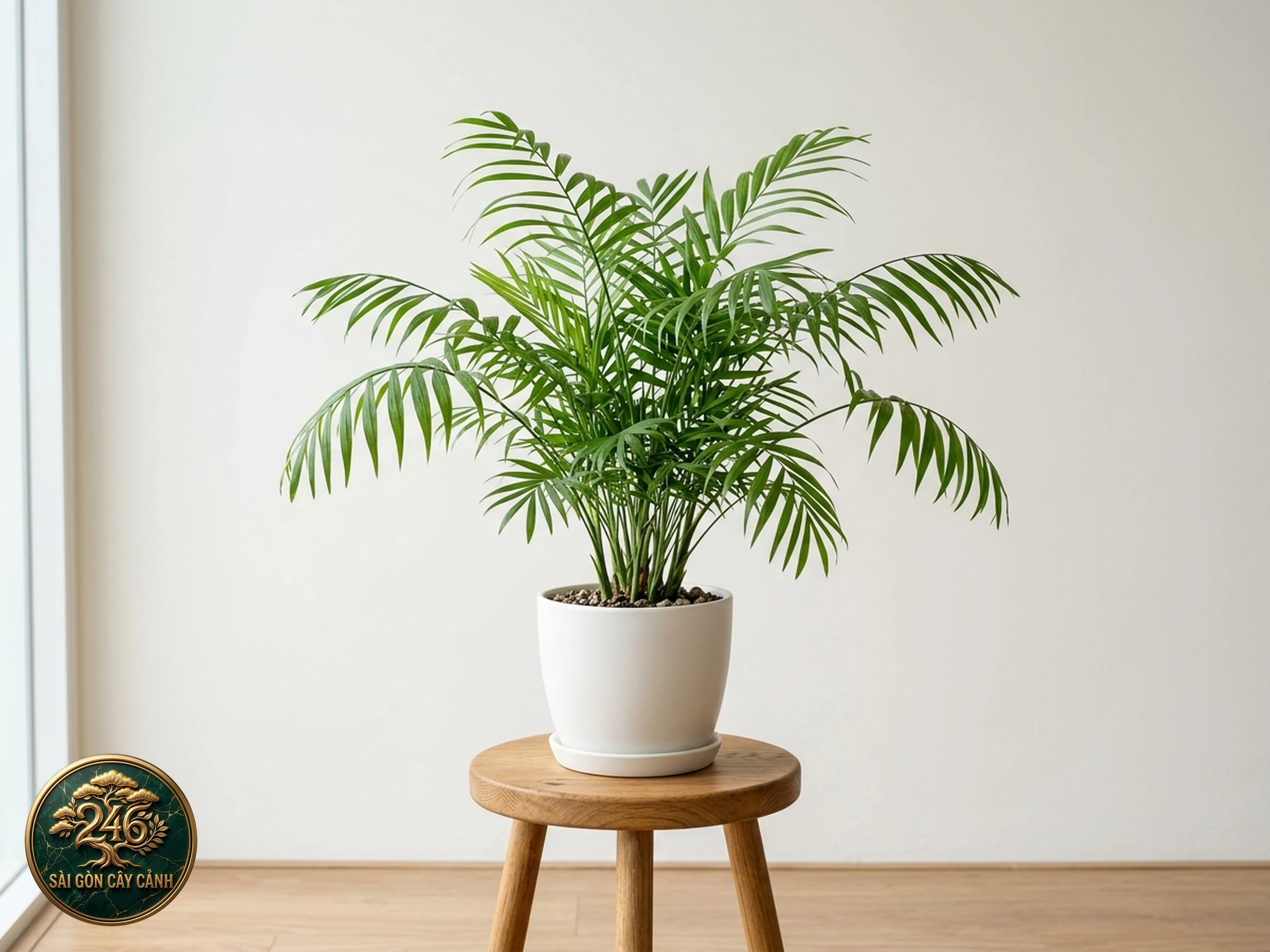
Parlor palm (Chamaedorea elegans) is a celebrated solitary dwarf understory palm renowned for its graceful, feathery arching fronds and remarkable tolerance of indoor shade. Cherished since the Victorian era for its compact elegance, it brings a serene tropical ambiance to compact urban apartments and quiet workspaces. The definitive factor for success in apartment cultivation lies in establishing a responsive watering routine guided by direct substrate assessment rather than a rigid calendar schedule.
1. Botanical Heritage of Rainforest Understory Chamaedorea Elegans
| Scientific Name | Chamaedorea elegans |
|---|---|
| Botanical Family | Arecaceae (Palm family) |
| Growth Habit | Solitary dwarf understory palm forming multi-stemmed aesthetic clusters in nursery pots |
| Light Exposure | Gentle dappled shade to medium indirect light (800 – 2,200 lux); sensitive to harsh midday sun |
| Watering Requirement | Maintain light, even moisture; water when top 2-3 cm becomes dry to the touch |
| Recommended Substrate | Spongy, moisture-retentive yet free-draining loam: 40% fibrous peat, 30% perlite, 20% aged fine bark, 10% worm castings |
| Optimal Temperature | 18°C – 28°C (64°F – 82°F); ideal for temperate interior rooms and office climates |
| Relative Humidity | 50% – 75% RH; benefits from gentle pebble trays in low-humidity environments |
| Care Difficulty | Easy / Dependable indoor performer |
| Pet Safety Status | Non-toxic to pets: Fully verified safe for dogs and cats by ASPCA Animal Poison Control |
Endemic to the dense, perpetually humid rainforest understories of southern Mexico and Guatemala, Chamaedorea elegans has evolved over millennia beneath a dense three-tier forest canopy. In this shaded natural habitat, it grows slowly as a solitary slender cane, sheltered from harsh tropical squalls and intense solar irradiation by towering mahogany and fig trees. This deep evolutionary adaptation enables the parlor palm to thrive under low ambient luminescence that would cause severe etiolation or chlorosis in sun-adapted palm species.
2. Pinnate Frond Characteristics & Identification vs Areca Palms
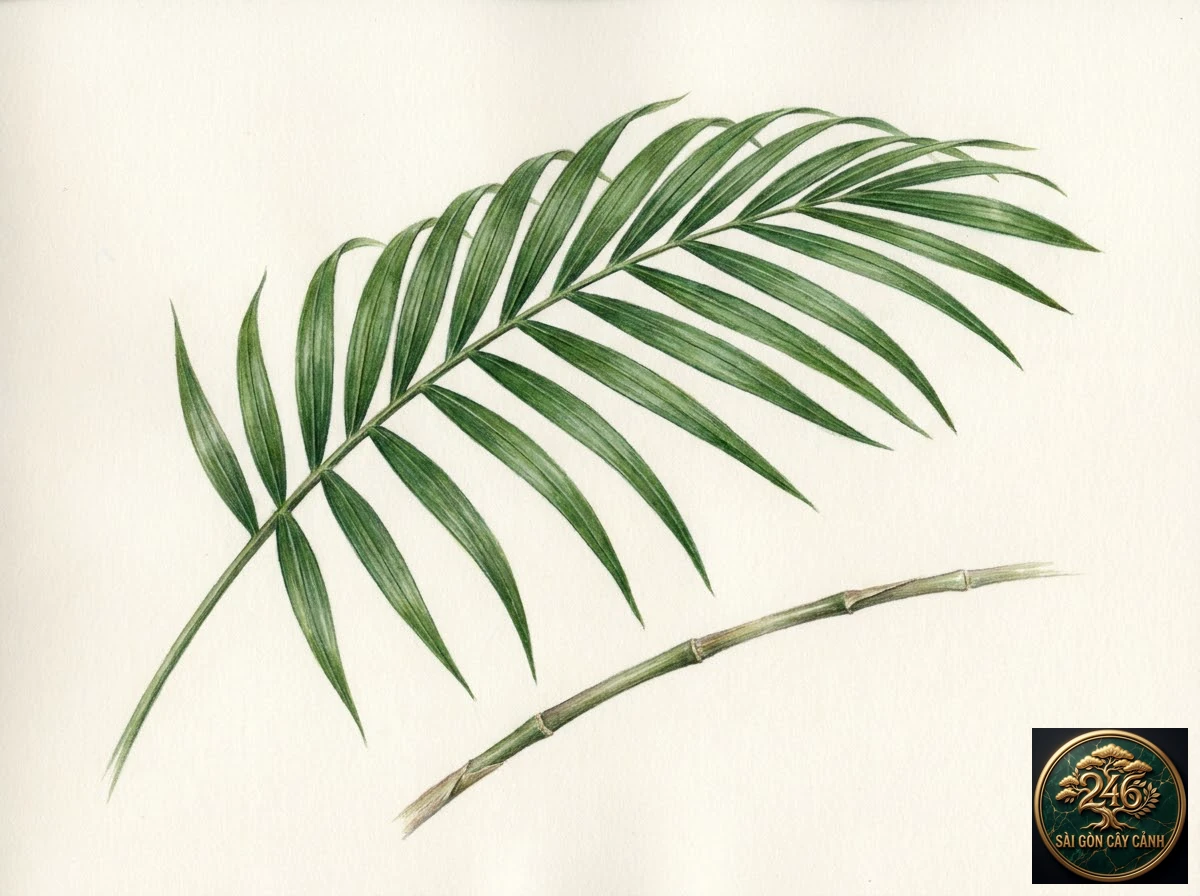
Accurate identification of Chamaedorea elegans requires close inspection of foliar structure, petiole anatomy, and developmental habit. In commercial horticulture, ambiguous common names frequently cause misidentification, leading to improper care regimens.
Each frond of the parlor palm is pinnately compound, supporting between 11 and 20 pairs of soft, linear-lanceolate pinnae that arch gracefully from a slender rachis. The leaves exhibit a thin, delicate epidermis with high chlorophyll density per unit area, optimizing the absorption of diffused blue and green wavelengths filtering through indoor windows. Because the leaflets lack thick sclerified margins, they are particularly susceptible to dry air conditioning currents, which accelerate edge transpiration and induce localized tip necrosis.
Key Diagnostics: Readily differentiated from Dypsis lutescens seedlings (which feature yellowish cane stems with denser, narrower pinnae) and Rhapis excelsa (which exhibits broader, deeply palmate fan-shaped frond divisions). Slender bamboo-like green stems with fine annular ring scars confirm botanical identity.
3. Compact Ambient Air-Filtration Design for Urban Living Rooms
Within urban residences, position the plant in accordance with natural lighting dynamics: Ideal for quiet office desks, reading corners, and filtered north-facing or east-facing window ledges. Avoid placing foliage directly in cold convective drafts from air conditioning units, as rapid evaporative loss compromises leaf margins while soil remains wet.
4. Moisture Balancing: Avoiding Frond Tip Desiccation and Root Suffocation
Do not adhere to a predetermined watering schedule. Transpiration rates fluctuate with seasonal warmth, airflow, and pot volume.
Three-Step Moisture Check:
- Insert a wooden dowel or finger 3-5 cm into the potting medium.
- If damp substrate particles adhere to the probe: Delay watering for 48-72 hours.
- When the probe emerges clean and dry: Saturate the root zone thoroughly until water flows freely from drainage holes, then discard standing saucer water after 15 minutes.
5. Humus-Rich Yet High-Percolation Soil Mixture Recommendations
The root system of Chamaedorea elegans demands substantial gas exchange. Dense potting soils compact over repeated waterings, generating hypoxic conditions that foster anaerobic root pathogens.
The root system consists of fine, adventitious fibrous roots emerging from the subterranean stem base. These roots require a spongy, moisture-retentive yet well-aerated potting matrix rich in organic humus. Soils that dry into hard, hydrophobic bricks cause root dieback, while heavy waterlogged clays suffocate delicate root hairs. Incorporating coarse perlite and screened fine bark ensures constant oxygen diffusion to the root zone while retaining adequate moisture between watering intervals.
Recommended Soil Mix: Nutritious, spongy organic blend offering consistent moisture retention without standing water, balanced with coarse perlite and composted pine bark for aeration. Unglazed terracotta or specialized aerated nursery pots provide superior root zone oxygenation compared to non-porous containers.
6. Micronutrient Supplementation to Maintain Deep Emerald Foliage
Modest, consistent fertilization sustains healthy foliage without mineral burn. During active vegetative flush (spring and summer), supply balanced liquid organic fertilizer diluted to half strength monthly. Discontinue feeding during dormant or low-light winter intervals.
Understory palms such as Chamaedorea elegans are particularly susceptible to micronutrient imbalances, notably manganese and magnesium deficiencies, which cause chlorotic speckling and frizzled leaf margins. Utilizing a specialized palm fertilizer containing controlled-release nitrogen and chelated trace elements ensures sustained nutrient availability. Apply liquid feed at one-quarter strength once every six weeks during the warm growing season. Never apply concentrated synthetic spikes directly adjacent to the delicate basal root crowns.
7. Diagnostic Chart: Brown Leaf Tips, Stem Droop, and Chlorosis
| Observed Symptom | Primary Root Cause | Verification Method | Corrective Action |
|---|---|---|---|
| Lower leaf chlorosis (yellowing) | Overwatering / hypoxic root environment | Inspect lower substrate moisture | Extend dry intervals, verify drainage holes |
| Crispy brown margins | Sub-optimal ambient humidity / AC airflow | Measure room humidity, check draft paths | Relocate away from vents, elevate humidity |
| Etiolation (pale, stretched stems) | Insufficient photosynthetic photon flux | Assess light intensity at foliage level | Shift closer to bright indirect source |
| Soft basal stem / wilting | Fungal root compromise (pythium/phytophthora) | Unpot root ball and inspect root firmness | Excise decayed roots, treat with fungicide, repot |
8. Eradicating Spider Mites and Dry Air Pests Under Fronds
Mealybugs and two-spotted spider mites present the most frequent pest challenges. Regular foliar cleansing with a damp microfiber cloth serves as primary defense. For localized infestations, isolate the specimen and treat with 70% isopropyl alcohol via cotton swab or apply cold-pressed horticultural neem oil during evening hours.
In warm, dry apartment settings, two-spotted spider mites (Tetranychus urticae) constitute the primary pest threat to parlor palms. Because these micro-arthropods proliferate in low-humidity microclimates, establishing a regular routine of misting the frond undersides or gently rinsing the foliage under a tepid shower dislodges dust and disrupts mite reproduction cycles. If webbing is observed, apply a cold-pressed horticultural insecticidal soap solution across all frond surfaces.
9. Gentle Clump Division Techniques During Repotting Seasons
As a solitary understory palm belonging strictly to the family Arecaceae, Chamaedorea elegans originates from a single terminal apical bud. It completely lacks lateral vegetative meristems along its slender trunk and does not form aerial adventitious root structures. Consequently, propagation via severed vegetative stems or cuttings is biologically unviable and inevitably causes basal tissue rot. In professional horticulture, population reproduction is accomplished exclusively through two verified pathways:
1. Root Clump Separation During Repotting: Commercial containerized specimens sold as bushy tabletop palms are almost universally comprised of 10 to 30 independently germinated seedlings grown together in a single pot to cultivate a dense canopy. When repotting in spring or during warm monsoonal transitions (22°C to 28°C / 72°F to 82°F), growers can submerge the entire root ball into a bucket of tepid water to wash away exhausted substrate. Once the tangled roots are visible, gently tease apart individual plants or small clusters by hand, ensuring that each separated cane retains its own intact fibrous root system. Immediately pot the divisions into aerated potting mix and maintain high ambient humidity under dappled shade for three weeks.
2. Sexual Seed Germination: Fresh, fully ripened drupes collected after the fruit jacket darkens to a deep blackish-green are cleaned of pericarp tissue and soaked in warm water for 24 hours. The seeds are sown shallowly in a sterile propagation medium consisting of peat moss and horticultural perlite, placed in a humid chamber maintained at 24°C to 29°C. Germination is slow and uneven, typically requiring between 90 and 180 days before the initial lanceolate eophylls emerge.
10. ASPCA Certified Non-Toxic Status for Households with Pets
11. Misting and Air Quality Maintenance Under Air Conditioning
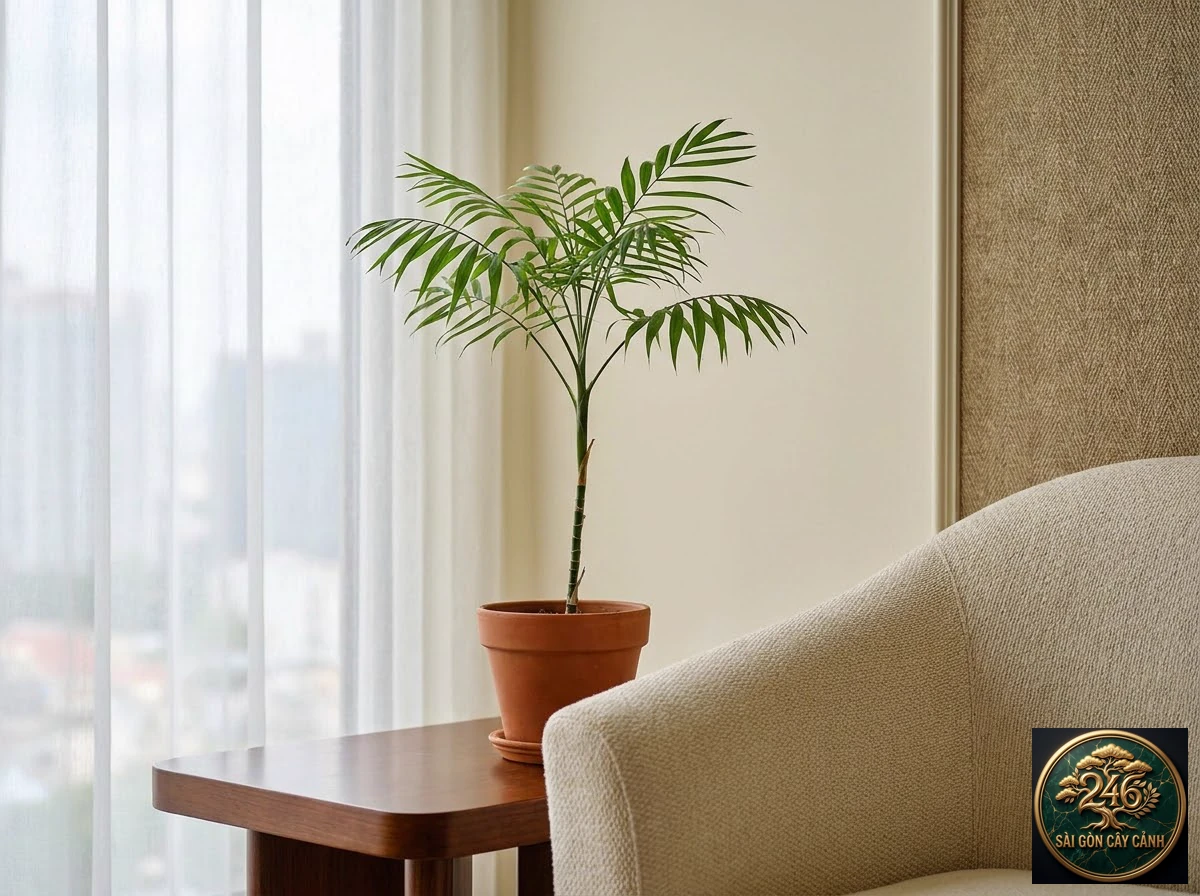
The sculptural foliage of Chamaedorea elegans harmonizes gracefully with biophilic, Scandinavian, and contemporary architectural settings. Pair alongside trailing pothos or structural snake plants to create dynamic multi-tiered botanical arrangements.
From a decorative perspective, the parlor palm is a timeless classic that brings an understated, refined botanical aesthetic to study spaces, bedside consoles, and modern minimalist tables. Its delicate, feathery fronds contrast elegantly with bold, broad-leaved tropicals such as rubber plants or monsteras, making it an indispensable element in multi-textured indoor plant compositions.
12. Expert Solutions to Frequent In-House Parlor Palm Dilemmas
“Plants can thrive indefinitely in windowless interior spaces” — All vegetative growth requires photosynthetic photons. In rooms devoid of natural light, full-spectrum horticultural LED fixtures must be provided for 8-10 hours daily to maintain metabolic equilibrium.
“Brown frond tips always indicate that the parlor palm is being underwatered” — When plant owners notice dry brown leaf tips, their reflexive response is often to pour more water into the container. However, saturated anaerobic soil that suffocates the root system prevents roots from absorbing moisture, producing identical necrotic tip symptoms as dehydration. Before altering irrigation volume, always probe the lower root ball with a wooden dowel: if the substrate is wet and heavy, root rot is the true culprit, requiring immediate reduction in watering frequency.
13. Frequently Asked Questions (FAQ)
When should this plant be repotted?
Repot every 18-24 months or when roots spiral densely and emerge through bottom drainage ports. Select a replacement container 3-5 cm wider in diameter.
Should foliar shine products or oils be applied?
Never apply culinary oils or commercial leaf gloss. They occlude stomata, hindering gas exchange and attracting particulate debris. Clean foliage solely with pure water.
Is daily misting beneficial in air-conditioned apartments?
Misting provides only transient humidity spikes and may cause fungal leaf spot if foliage remains wet without air movement. Use a pebble tray or ultrasonic humidifier for sustained ambient moisture.
How can I distinguish underwatering from overwatering?
Underwatered foliage exhibits uniform dry limpness in a desiccated root ball. Overwatered plants display yellowing lower leaves accompanied by mushy, dark petioles and sodden soil.
Can tap water be used directly?
Municipal water often contains dissolved chlorine and fluorides that cause tip burn in sensitive foliage. Allow water to sit uncovered for 24 hours prior to irrigation.