Living plant profile
Kangaroo fern
Microsorum diversifolium
Sài Gòn Cây Cảnh Botanical Dossier Kangaroo fern — Microsorum diversifolium Scientific Name: Microsorum diversifolium Botanical Family: Polypody family (Polypodiaceae) Common English Name: Kangaroo fern Digital Record ID: SGCC-PLANT-00389 SGCC Care Compass Sài Gòn Cây Cảnh Master Care Guidelines Optimal Light Bright indirect diffused light (2,500 – 5,500 lux). Watering Regimen Steady even moisture; allow […]
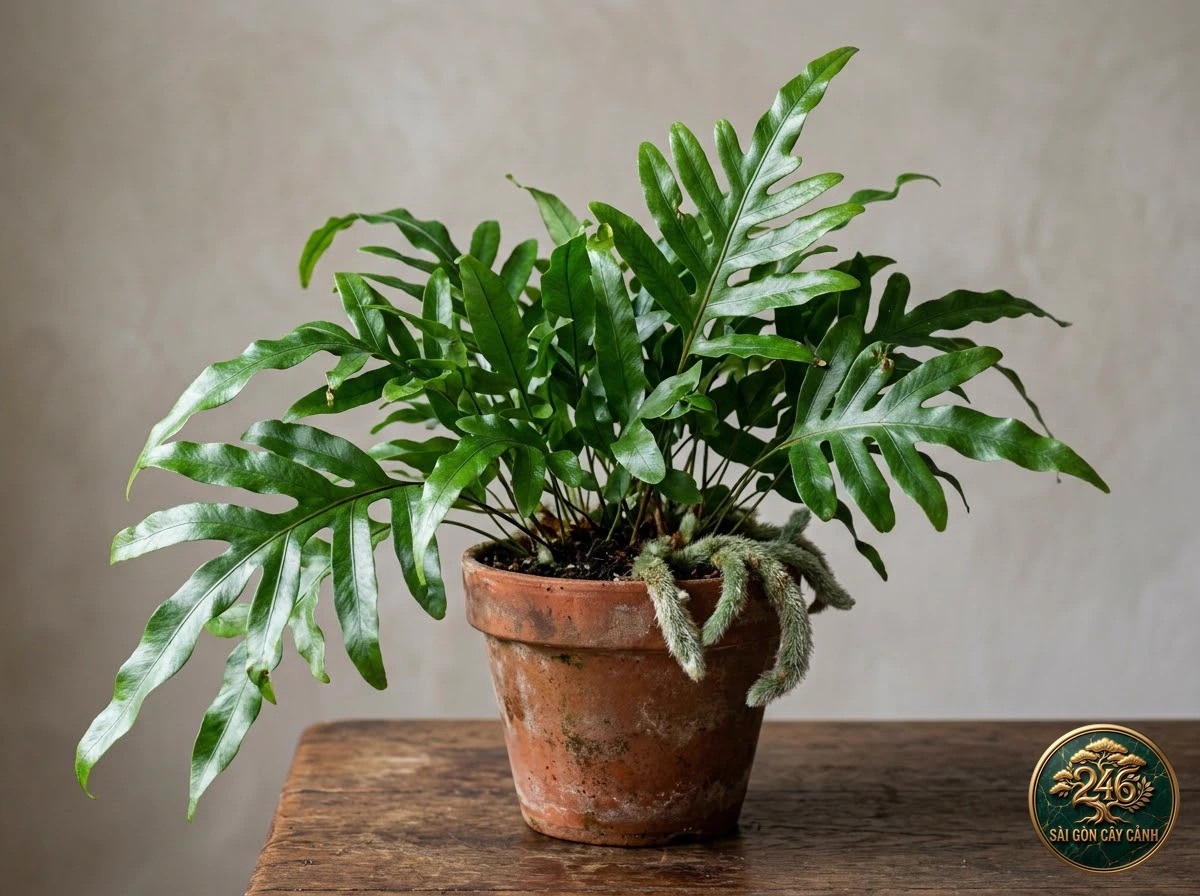
Kangaroo fern — Microsorum diversifolium
Sài Gòn Cây Cảnh Master Care Guidelines
| Optimal Light | Bright indirect diffused light (2,500 – 5,500 lux). |
|---|---|
| Watering Regimen | Steady even moisture; allow topsoil to dry slightly between waterings. |
| Potting Medium | Free-draining potting blend, Chilean moss, pumice, washed coir. |
| Temperature Range | 16°C – 32°C. |
| Atmospheric Humidity | 60% – 85%. |
| Maintenance Level | Easy (playful paw-shaped fronds and tactile furry rhizomes). |
| Pet Safety Status | Non-toxic to pets (Certified safe). |
1. Botanical Classification & Ecological Provenance
In the universal taxonomic hierarchy, Kangaroo fern is formally designated as Microsorum diversifolium, classified under the botanical family Polypody family (Polypodiaceae). This taxon is fully indexed and validated within the comprehensive global botanical records of the Royal Botanic Gardens, Kew, and the World Flora Online consortium.
Having evolved through geological epochs within dense tropical rainforest understories, this species has honed exquisite morphological adaptations to harvest filtered sunlight, regulate epidermal stomatal conductance, and foster vital symbiotic mycorrhizal root-zone dynamics.
Acclimated for contemporary living environments by Sài Gòn Cây Cảnh, Kangaroo fern stands as an exceptional botanical centerpiece, infusing interior architecture with timeless natural elegance, lush serenity, and enduring vigor.
2. Morphological Profile & Field Identification Key
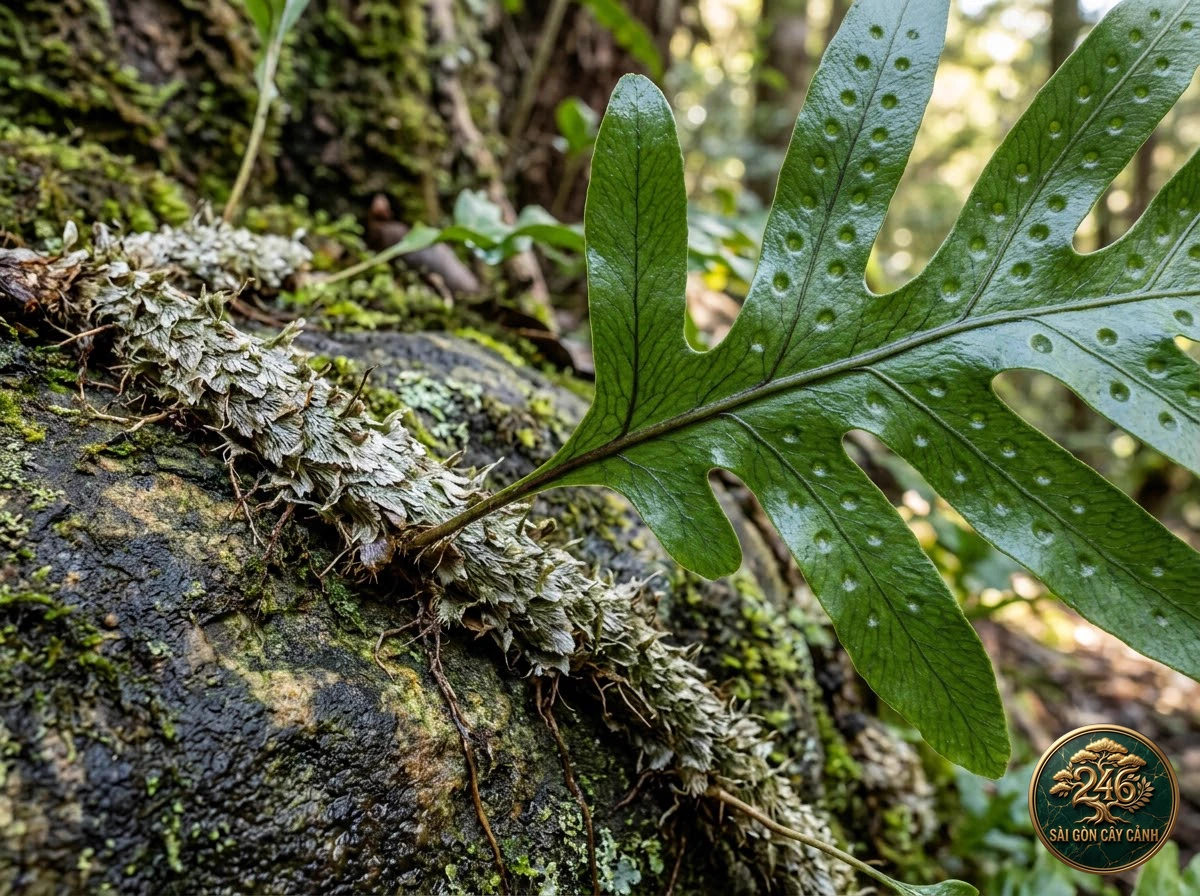
Kangaroo paw fern featuring polymorphic, glossy leathery fronds shifting from simple to deeply lobed hand-like silhouettes, accompanied by silvery-green fuzz-covered surface-creeping rhizomes.
From an ecological standpoint, the plant features robust architectural vascular structures designed to channel moisture and nutrients efficiently. Its foliage possesses a protective cuticle that curbs excessive transpirational water loss while maintaining vibrant turgidity even under fluctuating ambient humidity.
The reproductive and foliar mechanisms of this specimen represent the pinnacle of evolutionary design, capturing aerial humidity, organic forest debris, and indirect photons with sublime biological efficiency.
Sài Gòn Cây Cảnh Field Examination Standard:
- Foliar & Stem Habit: Kangaroo paw fern featuring polymorphic, glossy leathery fronds shifting from simple to deeply lobed hand-like silhouettes, accompanied by silvery-green fuzz-covered surface-creeping rhizomes.
- Epidermal Texture: Lustrous or gently pubescent leaf blades free of chlorotic halos, necrotic blemishes, or atypical pathological spotting.
- Subterranean System: Actively growing, firm roots firmly anchoring into the aerated substrate, devoid of sour odors or anaerobic fungal rot.
- Cellular Turgidity: Resilient, elastic stems that rebound gracefully when lightly deflected, indicating optimal hydraulic equilibrium.
3. Photoperiod Requirements & Lighting Dynamics
Bright indirect diffused light (2,500 – 5,500 lux).
Light governs the enzymatic velocity of the Calvin cycle and overall photosynthetic yields in Microsorum diversifolium. The specimen thrives under generous ambient indirect illumination between 2,000 and 6,000 lux, where filtered blue and red wavelengths satisfy chlorophyll absorption peaks without inducing photochemical stress.
Protracted exposure to deeply shaded conditions below 1,000 lux will trigger etiolation, weakened petioles, and reduced foliar vibrancy. Conversely, unprotected midday sun exceeding 12,000 lux will provoke acute solar scorch, disintegrating cellular chloroplasts and leaving indelible bleached lesions across the foliage.
4. Hydration Protocols & Substrate Moisture Balance
Steady even moisture; allow topsoil to dry slightly between waterings.
The foundational precept of successful irrigation is to gauge the moisture status of the inner substrate prior to adding water. Roots require intermittent dry-down phases that permit essential oxygen diffusion into the rhizosphere. Constant waterlogging suffocates root tissues and invites opportunist pathogens.
Best practices at Sài Gòn Cây Cảnh advise slow, deliberate watering using dechlorinated tap water or rainwater until moisture gently percolates from the drainage holes. Never allow stagnant water to remain in the drainage saucer for more than 30 minutes post-irrigation.
5. Engineered Substrate Formulations & Soil Physics
Free-draining potting blend, Chilean moss, pumice, washed coir.
The root network of Microsorum diversifolium requires exceptional porosity, allowing water to drain within 3 to 5 seconds while sustaining a delicate micro-reservoir of moisture around the root hairs. The proprietary Sài Gòn Cây Cảnh potting formula comprises:
| Component | Volumetric Ratio | Biological Function |
|---|---|---|
| Premium Horticultural Pumice / Perlite | 30% – 35% | Ensures permanent macropore aeration and inhibits structural compaction |
| Aged New Zealand Pine Bark | 30% – 35% | Retains micro-moisture, provides organic carbon, and releases natural tannins |
| Chilean Sphagnum Moss & Washed Coir | 20% – 25% | Delivers resilient moisture buffer and stable cation-exchange buffering |
| Sterilized Earthworm Castings | 10% – 15% | Supplies humic substances, fulvic acids, and beneficial soil microbiology |
6. Microclimatic Parameters: Thermal & Humidity Zones
16°C – 32°C.
Ideal relative atmospheric humidity: 60% – 85%.. Buoyant, gentle air circulation is vital for sustaining continuous transpirational cooling and preventing fungal stagnation on the foliar surfaces. Shield the specimen from severe air conditioner drafts and arid thermal heat registers.
7. Nutritional Regimen & Micro-Fertilization
The plant responds vigorously to dilute balanced liquid feeds or slow-release organic granules. During peak vegetative growth, apply a balanced NPK formulation diluted to one-third the manufacturer’s suggested strength every two to three weeks. Ease feeding schedules during cooler dormant intervals to safeguard the sensitive root hairs.
8. Structural Pruning & Propagation Methodologies
Inspect the crown periodically and remove senescent lower fronds flush with the root collar using sterilized stainless-steel shears. Clean pruning redirects metabolic energy toward vigorous juvenile shoots and eliminates potential pest harborage.
Propagation is primarily accomplished via root division, offset harvesting (pups), or in vitro spore germinations under controlled nursery conditions.
9. Integrated Pest Management & Disorder Diagnostics
Endowed with formidable natural defenses and dense leaf cuticles, the species shows commendable pest resistance. Nevertheless, stagnant indoor environments can occasionally foster mealybugs, scale insects, or spider mites along petiole crevices.
Diagnostic Trouble-Shooting Matrix:
- Crispy Brown Leaf Tips: Ambient air is excessively arid or direct solar radiation is too intense. Boost humidity and relocate into softer indirect light.
- Yellowing, Soft Lower Foliage: Over-saturation or compacted root medium. Cease watering, inspect drainage apertures, and repot into an open porous mix.
- Elongated Weak Stems: Insufficient illumination. Transition the plant toward brighter ambient exposure of 3,000 lux or more.
10. Toxicological Evaluation & Companion Animal Safety
Non-toxic to pets (Certified safe).
Referencing the ASPCA toxicological database and botanical chemical analyses, this specimen is classified as non-toxic, containing no dangerous insoluble calcium oxalate raphides or systemic saponins. It is completely safe for cohabitation with domestic dogs, cats, and young children.
11. Architectural Placement & Biophilic Design
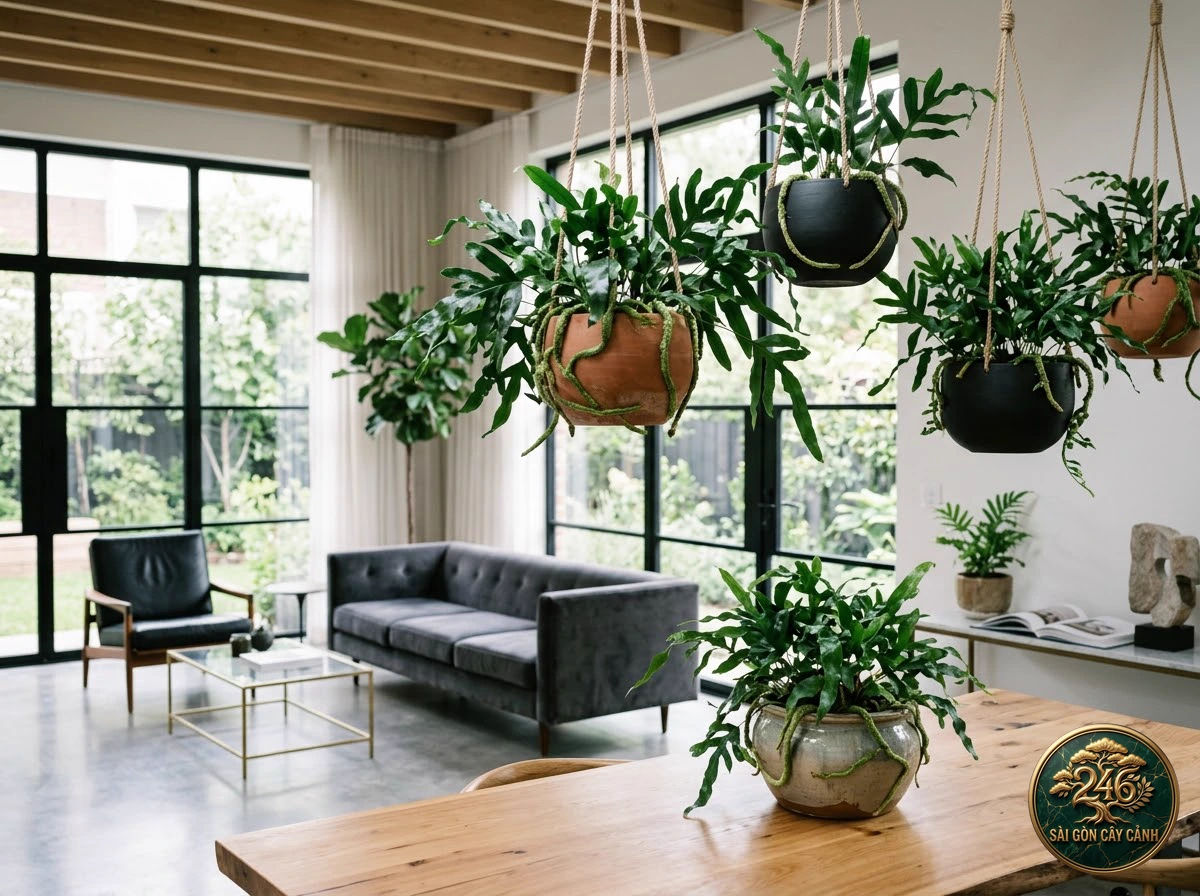
Within contemporary biophilic interior architecture, Kangaroo fern serves as a living sculptural element connecting occupants with nature. Its graceful silhouettes seamlessly complement minimalist Japandi concepts, lush Modern Tropical schemes, and warm Indochine heritage decors.
Prime placement positions include executive work desks, library shelving, hotel reception atriums, well-lit bathroom retreats, and sheltered courtyard patios.
12. Critical Pitfalls & Cultivation Precautions
To ensure year-round botanical perfection, cultivate mindfulness around these common oversights:
- Watering mechanically on a rigid schedule without feeling the substrate first.
- Exposing delicate fronds to unshaded afternoon sun behind unshielded glass.
- Over-fertilizing with synthetic salts, leading to toxic root burns.
- Positioning directly beneath cold air conditioning blast streams.
13. Botanical Inquiries & Botanical FAQ
Does this species effectively purify indoor atmospheres?
Yes. Through its generous foliar surface area and dense stomatal activity, the plant actively absorbs volatile organic compounds (VOCs) while releasing clean moisture and oxygen, enhancing indoor microclimates.
How often should repotting and substrate renewal take place?
Typically every 18 to 24 months when root structures congest the pot volume or organic components degrade into fine silt. The ideal repotting window is during early spring or monsoon transitions.
How can one sustain deep glossy green foliar color?
Supply generous diffused lighting above 3,000 lux, administer micro-doses of chelated iron and magnesium, and periodically wipe leaf surfaces with a soft damp cloth to remove urban dust deposits.