Living plant profile
Silver dollar plant
Crassula arborescens
Botanical Dossier Standard V2 • Saigon Cay Canh undefined (Crassula arborescens) Stonecrop family (Crassulaceae) • Living Herbarium Official Monograph 1. Botanical Overview & Quick Identification undefined (botanical nomenclature: Crassula arborescens) is a celebrated succulent perennial belonging to the Stonecrop family (Crassulaceae). It is cherished worldwide for its architectural foliar geometry, dynamic color shifts in response […]
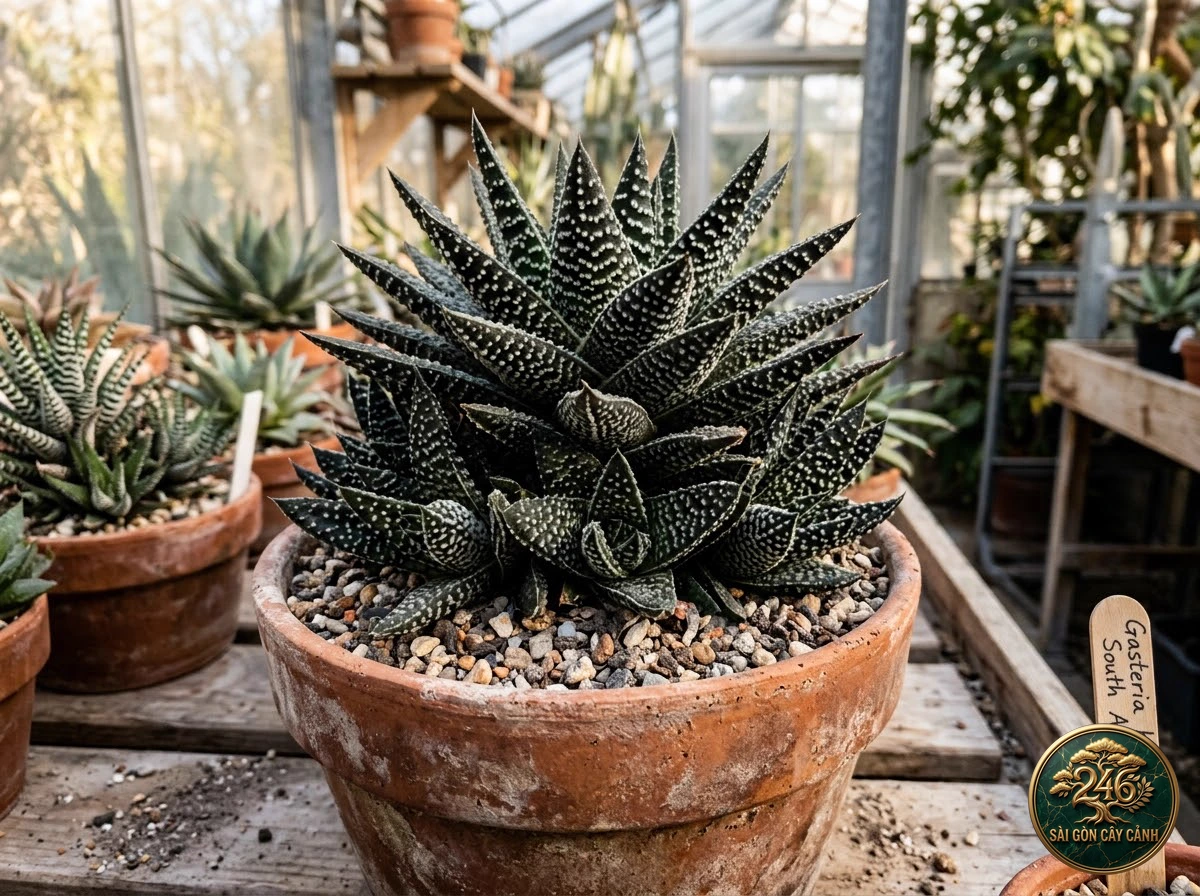
undefined (Crassula arborescens)
Stonecrop family (Crassulaceae) • Living Herbarium Official Monograph
1. Botanical Overview & Quick Identification
undefined (botanical nomenclature: Crassula arborescens) is a celebrated succulent perennial belonging to the Stonecrop family (Crassulaceae). It is cherished worldwide for its architectural foliar geometry, dynamic color shifts in response to sunshine, and remarkable resilience in arid habitats.
2. Morphological Characteristics & Diagnostic Markers
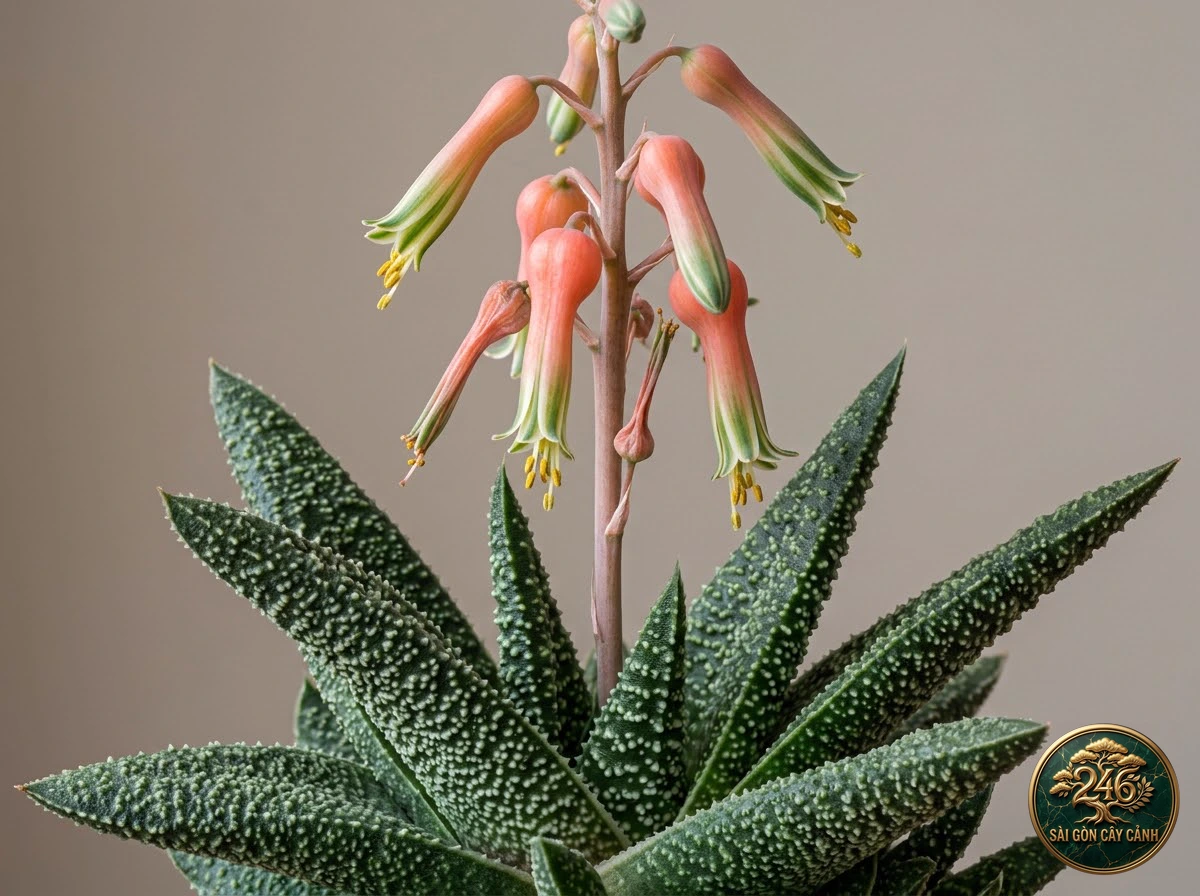
Silver dollar plant Crassula arborescens of Western Cape South Africa, a majestic succulent shrub featuring stout stems bearing thick, rounded silver-blue leaves with reddish margins and translucent dots.
Key vegetative traits include specialized succulent parenchyma tissues engineered to retain cellular water reserves under intense heat. The waxy epidermal layer reduces evapotranspiration to near-zero levels during hot daylight hours.
- Habit & Stems: Sprawling, decumbent, or miniature shrubby branches forming lush clustered colonies over time.
- Foliage Architecture: Plump, succulent leaves arranged in dense symmetrical geometry or ornamental whorls.
- Coloration: Brilliant tones spanning jade-green, amber-orange, glowing bronze, and silvery-lavender according to sun exposure.
3. Taxonomy & Phylogenetic Lineage
Classified under the APG IV system within Stonecrop family (Crassulaceae), Crassula arborescens stands as an evolutionary triumph of succulent flora in dry rocky micro-climates.
4. Distribution & Wild Ecological Habitat
Endemic to rocky cliff ledges and dry mountainous slopes with excellent natural drainage and unobstructed atmospheric airflow.
5. Light Requirements & Photometric Parameters
Abundant direct or bright indirect sunlight (5,000 – 9,500 lux). Bright morning sunlight encourages compact, vibrant growth and prevents foliar stretching.
6. Irrigation Protocol & Moisture Management
Water when substrate dries completely; superb drought endurance. Employ the classic soak-and-dry watering protocol, allowing the substrate to dry out thoroughly between sessions.
7. Substrate Composition & Drainage Requirements
Mineral aggregate (pumice, lava, perlite) and aerated loam. Highly porous mineral aggregates ensure water percolates freely without waterlogging sensitive root hairs.
8. Thermal Tolerances & Ventilation Requirements
Maintains peak vigor between 15°C – 34°C. with ambient humidity around 35% – 60%.. Consistent gentle air movement prevents stagnant humidity pockets.
9. Pest Prevention & Cultural Troubleshooting
Occasionally susceptible to mealybugs if kept in stagnant, humid corners. Treat promptly with neem oil or isopropyl alcohol swabs and optimize air circulation.
10. Horticultural Propagation Techniques
Propagates effortlessly from mature leaf cuttings or stem offsets. Allow cut ends to callus for 2-3 days before nesting on lightly moist gritty medium.
11. Biophilic Design & Landscape Applications
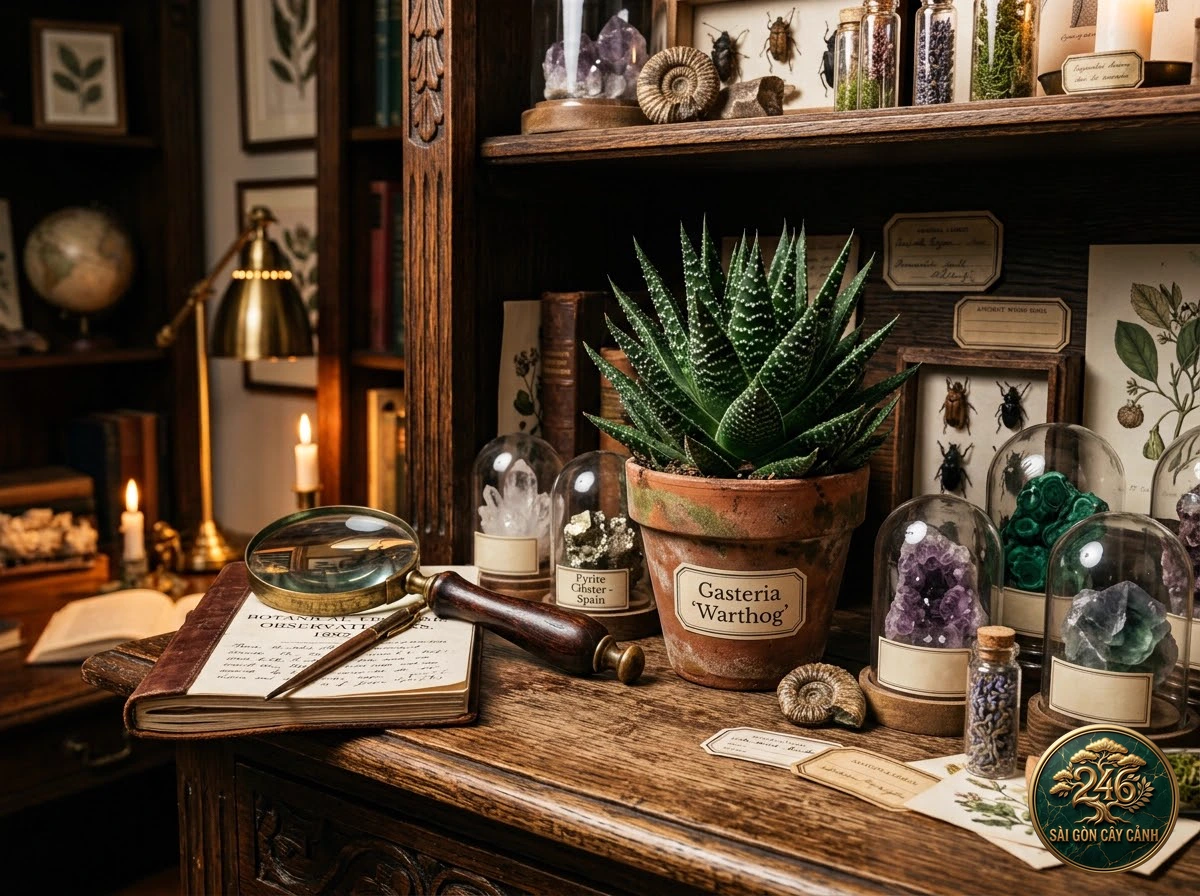
An exemplary addition to artisan ceramic containers, minimalist office workstations, modern sunny windowsill arrangements, and drought-tolerant rock gardens.
12. Toxicity Profile & Household Safety
Keep away from pets; contains mild crassulacean compounds.
13. Curated Botanical Inquiries (FAQs)
How does one know when hydration is required?
Lower leaves soften slightly and display faint wrinkles, signaling that cellular reservoirs are depleted and ready for deep hydration.
Why do succulent leaves stretch or pale in color?
Etiolation occurs when the plant lacks sufficient direct sunlight. Relocate gradually to brighter exposure to restore tight, colorful rosettes.