
Living plant profile
ZZ plant
Zamioculcas zamiifolia
ZZ plant (Zamioculcas zamiifolia) is a celebrated succulent rhizomatous geophyte with glossy pinnate leaflets and swollen succulent rachises, celebrated worldwide for its sculptural modern beauty and near-indestructible endurance. Thriving under conditions of deep shade and irregular watering that would prove fatal to most tropical houseplants, it is a premier selection for modern interior design. The […]
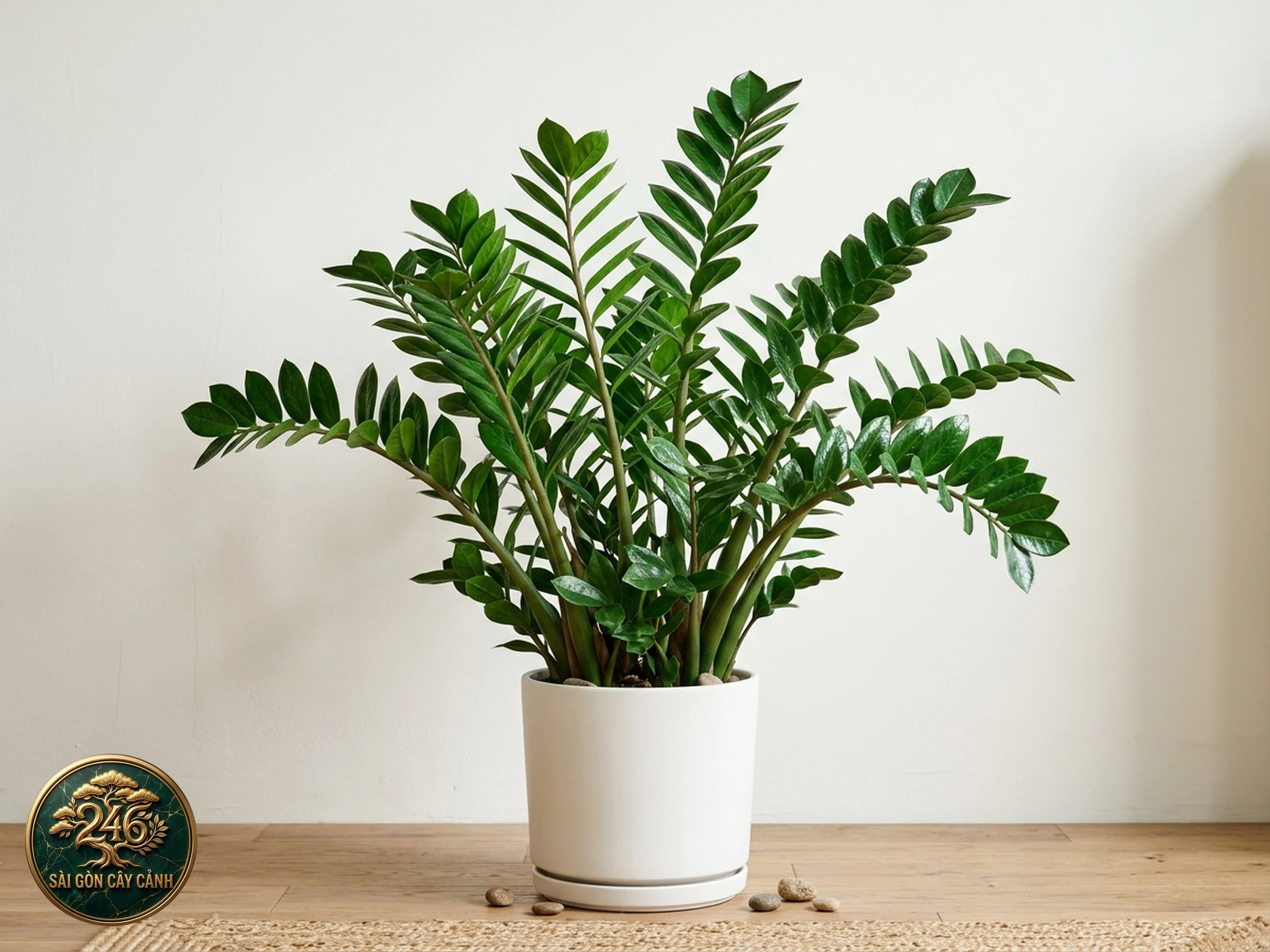
ZZ plant (Zamioculcas zamiifolia) is a celebrated succulent rhizomatous geophyte with glossy pinnate leaflets and swollen succulent rachises, celebrated worldwide for its sculptural modern beauty and near-indestructible endurance. Thriving under conditions of deep shade and irregular watering that would prove fatal to most tropical houseplants, it is a premier selection for modern interior design. The definitive factor for success in apartment cultivation lies in establishing a responsive watering routine guided by direct substrate assessment rather than a rigid calendar schedule.
1. Evolutionary Lineage & African Native Habitat of Zamioculcas Zamiifolia
| Scientific Name | Zamioculcas zamiifolia |
|---|---|
| Botanical Family | Araceae (Arum family) |
| Growth Habit | Succulent rhizomatous geophyte with glossy pinnate leaflets and swollen succulent rachises |
| Light Exposure | Deep shade to bright indirect light (500 – 3,000 lux); thrives under minimal foot-candles |
| Watering Requirement | Extremely drought-tolerant; irrigate only when substrate is completely bone-dry throughout entire pot depth |
| Recommended Substrate | Gritty, exceptionally fast-draining mix: 40% coarse pumice/perlite, 30% pine bark nuggets, 20% peat, 10% horticultural charcoal |
| Optimal Temperature | 18°C – 30°C (64°F – 86°F); must be protected from chilling temperatures below 10°C |
| Relative Humidity | 35% – 60% RH; highly resilient against dry indoor air and air-conditioned spaces |
| Care Difficulty | Virtually indestructible / Outstanding durability |
| Pet Safety Status | Toxic to Pets (Contains calcium oxalate raphides; keep away from curious chewers) |
Native to eastern Africa from Kenya south through Tanzania to Mozambique and KwaZulu-Natal, Zamioculcas zamiifolia inhabits dry deciduous forests, rocky savannas, and low coastal scrublands. In these seasonal climates, prolonged dry seasons are punctuated by brief monsoonal deluges. The plant evolved massive, potato-like underground rhizomes that store substantial water reserves, allowing it to survive complete drought for months by slowing metabolic transpiration.
2. Succulent Leaf Stems & Potato-Like Water-Storing Rhizome Architecture
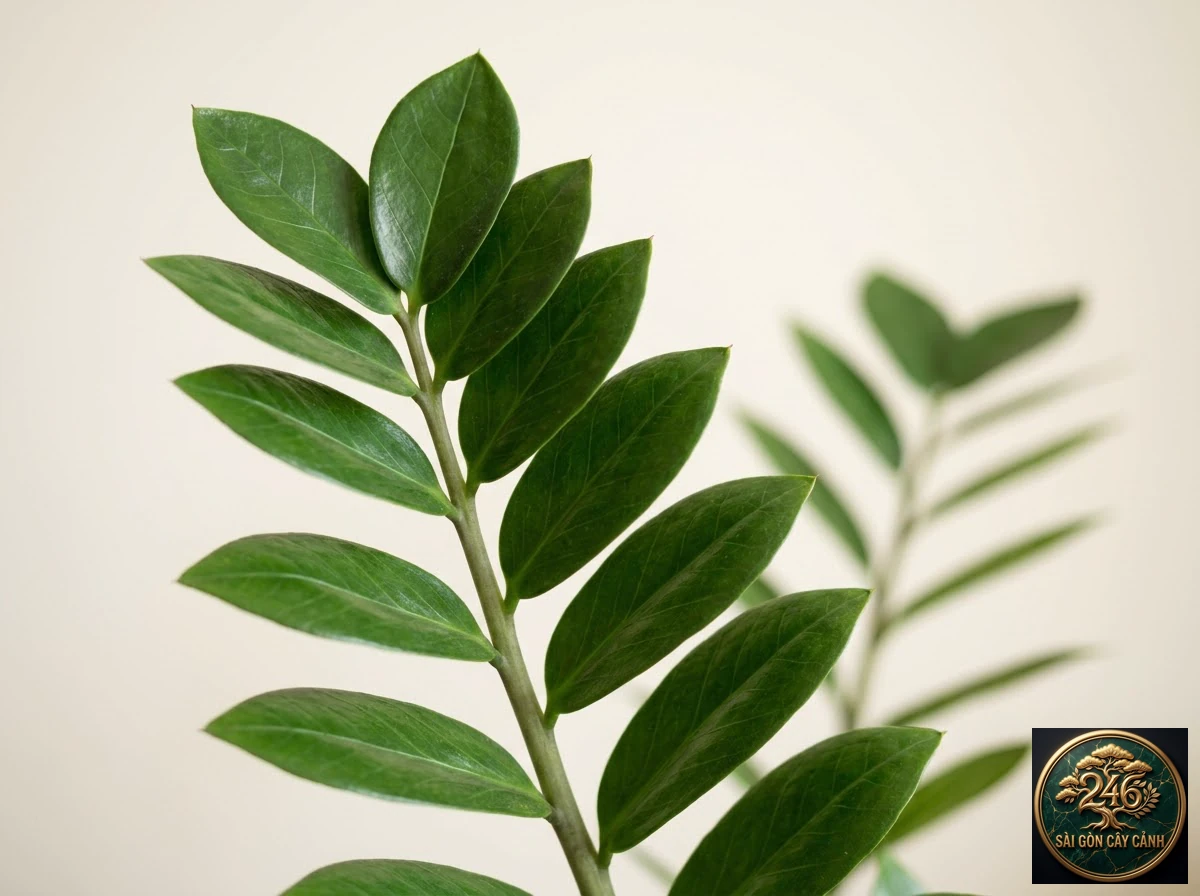
Accurate identification of Zamioculcas zamiifolia requires close inspection of foliar structure, petiole anatomy, and developmental habit. In commercial horticulture, ambiguous common names frequently cause misidentification, leading to improper care regimens.
What appears to be an upright stem on a ZZ plant is actually a large pinnately compound leaf featuring a thick, succulent petiole (rachis) bearing 6 to 8 pairs of smooth, leathery leaflets. The glossy, mirror-like sheen of the foliage is produced by a thick natural cuticle that reflects intense radiation while preventing desiccation. Uniquely among aroids, detached individual leaflets can root directly into moist substrate and regenerate entirely new subterranean tubers over several months.
Key Diagnostics: Readily distinguished from Zamia furfuracea (cardboard palm, a cycad with stiff, fuzzy, leathery oval leaflets and a woody stem base) and cultivars like ‘Raven’ (distinguished by dramatic deep purple-black pigmentation). Naturally glossy, mirror-like emerald leaflets attached to swollen petiole bases confirm identity.
3. Extreme Low-Light Survival Under Dim Artificial Office Fixtures
Within urban residences, position the plant in accordance with natural lighting dynamics: Ideal for dim corporate conference rooms, executive desks, shaded hallways, and modern urban living suites where natural sunlight is scarce. Avoid placing foliage directly in cold convective drafts from air conditioning units, as rapid evaporative loss compromises leaf margins while soil remains wet.
4. Strict Drought Discipline: The Fatal Consequence of Premature Irrigation
Do not adhere to a predetermined watering schedule. Transpiration rates fluctuate with seasonal warmth, airflow, and pot volume.
Three-Step Moisture Check:
- Insert a wooden dowel or finger 3-5 cm into the potting medium.
- If damp substrate particles adhere to the probe: Delay watering for 48-72 hours.
- When the probe emerges clean and dry: Saturate the root zone thoroughly until water flows freely from drainage holes, then discard standing saucer water after 15 minutes.
5. High-Pumice Gritty Substrate Formulation for Flawless Drainage
The root system of Zamioculcas zamiifolia demands substantial gas exchange. Dense potting soils compact over repeated waterings, generating hypoxic conditions that foster anaerobic root pathogens.
The subterranean architecture features swollen, tuberous rhizomes that expand vigorously and store carbohydrates. Surrounding these storage tubers are thick, fleshy feeder roots that require an extraordinarily aerated and well-drained potting matrix. Heavy, water-retentive garden soils cause rapid hypoxia around the tubers, fostering soft bacterial rot. An open mix dominated by coarse pumice, perlite, and bark nuggets guarantees that water flushes through rapidly.
Recommended Soil Mix: Highly aerated mineral blend preventing moisture saturation around the succulent subterranean rhizome clusters, formulated with coarse pumice, perlite, and pine bark. Unglazed terracotta or specialized aerated nursery pots provide superior root zone oxygenation compared to non-porous containers.
6. Diluted Nutrient Scheduling: Preventing Fertilizer Salts Causing Rhizome Burn
Modest, consistent fertilization sustains healthy foliage without mineral burn. During active vegetative flush (spring and summer), supply balanced liquid organic fertilizer diluted to half strength monthly. Discontinue feeding during dormant or low-light winter intervals.
Thanks to the extensive subterranean starch reserves stored within its swollen potato-like rhizomes, Zamioculcas zamiifolia has exceptionally conservative nutrient requirements. Applying fertilizer too frequently or in high concentrations quickly burns sensitive root tips and causes foliage tips to blacken. Feed once every eight to ten weeks during the warmest summer months with a balanced liquid indoor plant fertilizer diluted to half strength. Never feed during winter dormancy or when the plant is kept in low-light conditions where vegetative growth is stationary.
7. Diagnosing Yellowing Leaflets, Wrinkled Stems, and Basal Softening
| Observed Symptom | Primary Root Cause | Verification Method | Corrective Action |
|---|---|---|---|
| Lower leaf chlorosis (yellowing) | Overwatering / hypoxic root environment | Inspect lower substrate moisture | Extend dry intervals, verify drainage holes |
| Crispy brown margins | Sub-optimal ambient humidity / AC airflow | Measure room humidity, check draft paths | Relocate away from vents, elevate humidity |
| Etiolation (pale, stretched stems) | Insufficient photosynthetic photon flux | Assess light intensity at foliage level | Shift closer to bright indirect source |
| Soft basal stem / wilting | Fungal root compromise (pythium/phytophthora) | Unpot root ball and inspect root firmness | Excise decayed roots, treat with fungicide, repot |
8. Intercepting Mealybugs and Moisture-Loving Soil Fungus Gnats
Mealybugs and two-spotted spider mites present the most frequent pest challenges. Regular foliar cleansing with a damp microfiber cloth serves as primary defense. For localized infestations, isolate the specimen and treat with 70% isopropyl alcohol via cotton swab or apply cold-pressed horticultural neem oil during evening hours.
Thanks to its dense protective cuticle and low transpiration rate, Zamioculcas zamiifolia is virtually immune to common pests in domestic environments. Very rarely, mealybugs or soft scale may lodge in the crevices where petiole bases meet the subterranean tubers. If found, a targeted dab of 70% isopropyl alcohol on a cotton swab eradicates the pests swiftly without damaging the tough waxy foliage.
9. Advanced Leaflet Cutting Propagation vs Underground Rhizome Division
Propagate during the active growth season via vegetative stem cuttings or division. Select vigorous nodes possessing aerial root initials. Sever cleanly with sanitized shears, allow callous formation for two hours, then root in clean aerated water or damp sphagnum moss under warm, diffused light.
10. Insoluble Calcium Oxalate Alert: Safeguarding Household Pets
11. Monsoon Season Protocol: Zero Moisture Stagnation Within Catch Trays
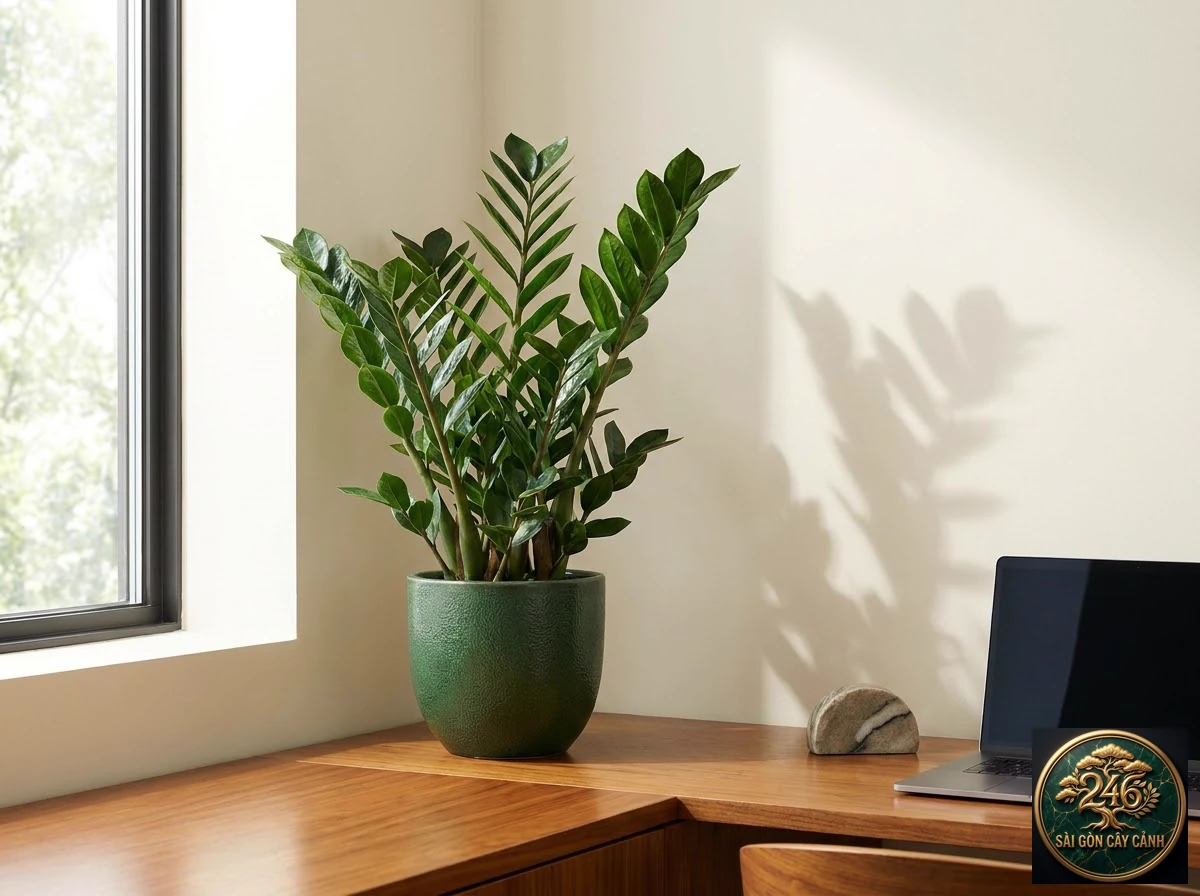
The sculptural foliage of Zamioculcas zamiifolia harmonizes gracefully with biophilic, Scandinavian, and contemporary architectural settings. Pair alongside trailing pothos or structural snake plants to create dynamic multi-tiered botanical arrangements.
In architectural interior decoration, the dark emerald, mirror-gloss foliage and architectural upright silhouette of the ZZ plant provide a dramatic contemporary focal point. It complements polished marble, brushed steel, and dark timber furniture in luxury corporate headquarters, chic apartment lounges, and modern boutique hotels.
12. Vital Principles for Long-Lived Architectural ZZ Plants
“Plants can thrive indefinitely in windowless interior spaces” — All vegetative growth requires photosynthetic photons. In rooms devoid of natural light, full-spectrum horticultural LED fixtures must be provided for 8-10 hours daily to maintain metabolic equilibrium.
“The ZZ plant can grow and thrive indefinitely in a completely dark room without windows” — While Zamioculcas zamiifolia is legendary for surviving in windowless offices and dim hotel corridors, it does so by slowly consuming its internal subterranean carbohydrate reserves. Without any light, it cannot perform photosynthesis to manufacture new sugars, eventually resulting in pale, limp, etiolated petioles and eventual decline. If displayed in windowless areas, provide 8 to 10 hours of artificial fluorescent or LED lighting daily to sustain metabolic equilibrium.
13. Frequently Asked Questions (FAQ)
When should this plant be repotted?
Repot every 18-24 months or when roots spiral densely and emerge through bottom drainage ports. Select a replacement container 3-5 cm wider in diameter.
Should foliar shine products or oils be applied?
Never apply culinary oils or commercial leaf gloss. They occlude stomata, hindering gas exchange and attracting particulate debris. Clean foliage solely with pure water.
Is daily misting beneficial in air-conditioned apartments?
Misting provides only transient humidity spikes and may cause fungal leaf spot if foliage remains wet without air movement. Use a pebble tray or ultrasonic humidifier for sustained ambient moisture.
How can I distinguish underwatering from overwatering?
Underwatered foliage exhibits uniform dry limpness in a desiccated root ball. Overwatered plants display yellowing lower leaves accompanied by mushy, dark petioles and sodden soil.
Can tap water be used directly?
Municipal water often contains dissolved chlorine and fluorides that cause tip burn in sensitive foliage. Allow water to sit uncovered for 24 hours prior to irrigation.