
Living plant profile
Fairy washboard (Haworthia limifolia)
Haworthia limifolia
Comprehensive botanical monograph on Fairy washboard (Haworthia limifolia): structural morphology, physiological adaptations, porous mineral substrate, and specialized cultivation guidelines.
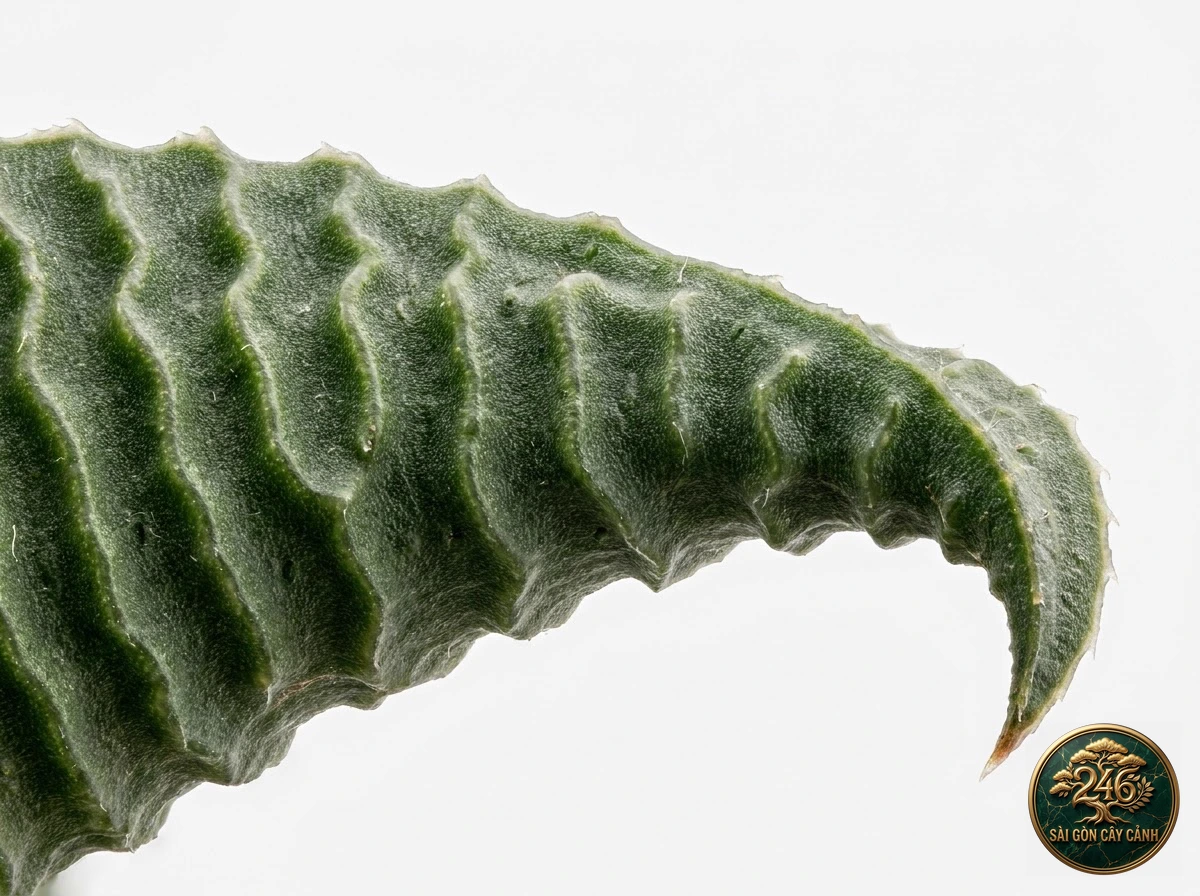
Fairy washboard (Haworthia limifolia)
Sài Gòn Cây Cảnh Care Compass
1. Botanical Introduction & Taxonomic Identity
Within the varied assemblage of Haworthia (frequently classified under Haworthiopsis by modern taxonomists), Haworthia limifolia stands out as an exquisite botanical relief carving boasting unmatched textural architecture. Its whimsical vernacular name, the Fairy Washboard, along with its Vietnamese moniker dragon-scale ripple succulent, vividly captures the raised, transverse ridges undulating across both the dorsal and ventral leaf surfaces. Unlike its windowed, soft-skinned relatives, limifolia develops stiff, coriaceous foliage resembling carved horn, colored in deep olive-green to charcoal tones. It ranks among the hardiest and most resilient of all succulent species, easily weathering environmental vicissitudes that would overwhelm less rugged xerophytes.
Haworthia limifolia was formally described and published in 1910 by the prominent German-South African botanist Rudolf Marloth in the Transactions of the Royal Society of South Africa. The specific epithet limifolia is derived from classical Latin lima (a file or rasp) and folium (leaf), accurately capturing the tactile sensation of sliding one’s fingers across its deeply corrugated transverse ridges. In the traditional ethnobotany of the indigenous Zulu and Swazi peoples, this resilient plant is known as Umathithibala, revered as a sacred protective talisman believed to bring good fortune, domestic tranquility, and ward off negative energies.
2. Native Habitat & Geographical Distribution
The native range of Haworthia limifolia spans sandstone mountain ridges, rocky gorges, and scrub savannahs straddling southeastern Mpumalanga, northern KwaZulu-Natal, Eswatini, and southern Mozambique. Unlike the winter-rainfall regions of the Western Cape, this habitat experiences a subtropical summer-rainfall regime with hot, stormy summers and dry, cool winters. Plants wedge themselves into vertical cliff fissures or cluster beneath sparse savannah grasses on west-facing ridges exposed to intense radiation and seasonal bushfires. Utilizing subterranean stolons, colonies form tight subterranean root-connected carpets that stabilize shallow soil pockets along rocky precipices.
3. Detailed Morphological Characteristics
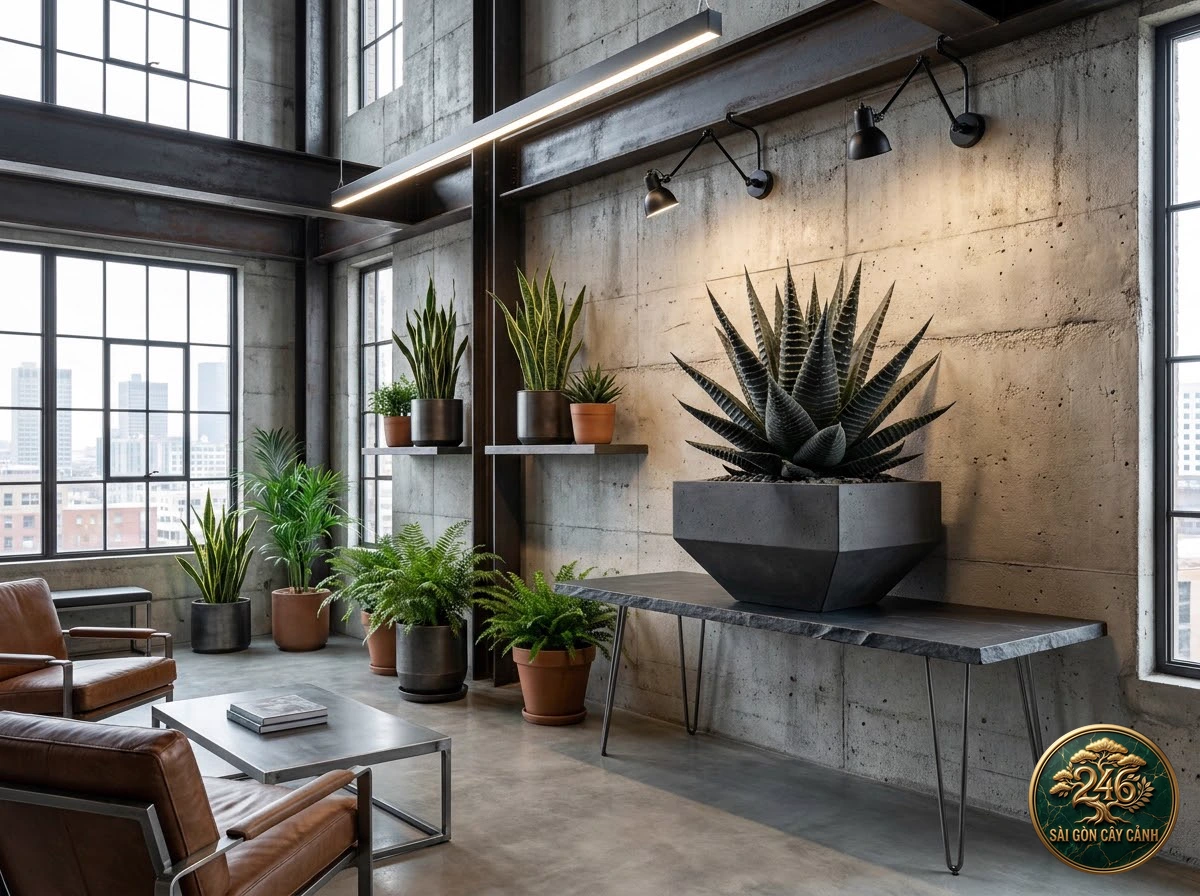
Morphologically, Haworthia limifolia constructs an acaulescent, spirally symmetric rosette measuring 8 to 15 cm across. The deltoid-lanceolate leaves are extraordinarily tough and leathery, spanning 4 to 9 cm in length and 2 to 3 cm in basal width. Both adaxial and abaxial surfaces are dominated by elevated transverse ridges running horizontally across the lamina, imparting a prominent ribbed tactile sensation. Foliar coloration varies from rich forest-green to coppery mahogany under elevated solar exposure. A distinctive reproductive adaptation is its stoloniferous propagation: subterranean runners travel 5 to 15 cm laterally beneath the grit before surfacing as autonomous plantlets. Slender, wiry inflorescences rise 30 to 45 cm, bearing small tubular white florets etched with brownish-violet keels.
Histologically, Haworthia limifolia features exceptional epidermal adaptations: the prominent transverse ridges across its foliage are raised cuticular corrugations reinforced with crystalline waxes and dense sclerenchyma fibers. This corrugated geometry expands convective surface area, casting micro-shadows into adjacent foliar furrows and directing cooling air laminar currents across the leaf surface, lowering epidermal temperatures by up to 4°C under intense savannah sun. Cell walls boast heavy lignification, rendering the foliage stiff as carved horn and providing a nearly impenetrable physical barrier against piercing sap-sucking insects. The transverse ridges across Haworthia limifolia foliage represent an evolutionary marvel of asymmetric cuticular thickening, providing extraordinary mechanical flexural rigidity against torrential summer downpours and herbivore abrasion. Scanning electron microscopy (SEM) reveals that these ridges are coated with micro-spherical hydrophobic wax particles that prevent water pooling on the lamina, ensuring that condensation rolls swiftly toward the root base.
4. Core Botanical Matrix
Core taxonomic and cultivation parameters:
| Botanical Parameter | Observed Trait | Saigon Cay Canh Horticultural Recommendation |
|---|---|---|
| Scientific Name | Haworthia limifolia Marloth | Maintain certified taxonomic labeling across nursery stock |
| Plant Family | Asphodel family (Asphodelaceae) | Observe specialized succulent physiology within Asphodelaceae |
| Native Distribution | Rocky mountain slopes and dry savannah grassland ridges across south-eastern Mpumalanga, northern KwaZulu-Natal, and Eswatini | Replicate native climatic parameters in indoor cultivation |
| Illumination Intensity | 15,000 – 35,000 lux | Versatile adaptability from bright filtered light to semi-direct sun; among the most sun-tolerant haworthias |
| Thermal Window | 12°C – 32°C | Protect against cold below 8°C and provide active ventilation during heat |
| Relative Humidity | 40% – 65% | Sustain gentle atmospheric air movement to disperse stagnant moisture |
| Substrate pH | 6.0 – 7.0 | Utilize porous neutral mineral components for rapid drainage |
| Substrate Formulation | 45% pumice, 20% black volcanic lava grit, 15% perlite, 10% zeolite, 10% clean coco peat with earthworm castings | Maintain coarse granular structure; avoid dense suffocating soils |
| Irrigation Strategy | Saturate when eighty-five percent dry; exhibits formidable drought resistance with rapid rebound capacity | Enforce thorough substrate dry-down between watering sessions |
| Propagation Pathways | Separation of stoloniferous subterranean shoots emerging around the mother clump, or whole leaf cuttings | Perform during warm spring or early wet season for peak vigor |
| Veterinary Toxicology | NON-TOXIC TO COMPANION ANIMALS (ASPCA Non-Toxic) | PET-SAFE AND NON-TOXIC (ASPCA); completely harmless if investigated or chewed by household pets. |
5. Toxicity Profile & Domestic Safety
Regarding residential safety, Haworthia limifolia is entirely companion-animal friendly. Classified as strictly NON-TOXIC by the ASPCA, it poses no danger to dogs or cats. While its textured foliage possesses firm tactile ridges, it lacks hazardous spines or needle-like prickles that could injure curious pet muzzles or eyes. Its internal sap is entirely benign, affording owners total serenity when displaying specimens on low coffee tables, desks, or windowsill perches accessible to pets.
6. Lighting Dynamics & Photosynthetic Adaptations
In light requirements, Haworthia limifolia proves remarkably accommodating, thriving across an expansive spectrum of 15,000 to 35,000 lux. It effortlessly tolerates direct early morning or late afternoon sunlight without scorching, a trait that hardens its transverse ridges and enriches its earthy coloration. In lower indoor light conditions, it remains persistent and robust, though foliar spacing may slightly loosen; periodic rotation to a brightly illuminated window perimeter maintains its optimal compact rosette density.
7. Moisture Equilibrium & Irrigation Regimes
Extraordinary drought resilience characterizes the fairy washboard: irrigation is only warranted when eighty-five to ninety percent of the soil profile dries. During peak vegetative activity, saturate the root zone once every 5 to 7 days. During cooler winter seasons or stagnant periods, substrate drying may safely extend to 12 to 16 days without foliar shriveling, as thick coriaceous leaf tissues and corrugated ridges effectively dissipate thermal load and store cellular moisture.
8. Substrate Architecture & Nutrition Strategy
The potting medium for Haworthia limifolia prioritizes rapid drainage paired with porous mineral buffering: combining 45% horticultural pumice, 20% crushed black volcanic scoria, 15% perlite, 10% zeolite grit, and 10% washed coco peat amended with organic worm castings. This open architecture provides ample oxygen to the rhizosphere, allows subterranean stolons to navigate freely, and eliminates the hazard of crown fungal decay.
9. Temperature Dynamics & Aeration Strategy
The optimal thermal comfort zone for Haworthia limifolia extends from 12°C to 32°C. Tolerating higher thermal thresholds than delicate soft-leaved congeners, it effortlessly accommodates the tropical warmth of lowland climates. Atmospheric relative humidity between 40% and 65% proves ideal. Free-flowing ambient air currents preserve leaf hygiene, maintaining the distinct sculpted relief of its iconic dragon-scale ridges.
10. Specialized Propagation Protocols
Propagating Haworthia limifolia is remarkably straightforward thanks to its vigorous subterranean stoloniferous runners. The mature crown periodically shoots horizontal underground runners across the container base, which surface several centimeters away as complete miniature rosettes. Once offsets attain 3 to 5 cm in diameter, sever the subterranean umbilical runner with sterile pruners, preserving the independent root cluster, and pot into gritty mix. Whole leaves cleanly detached from the base and positioned on moist mineral grit also root reliably, producing healthy plantlets within four to six weeks.
11. Diagnostic Matrix & Preventative Health
Haworthia limifolia demonstrates exceptional resistance to environmental pests and diseases. Thanks to thick leathery foliage, it is practically immune to superficial leaf rot and chewing insects. Its primary vulnerability lies with subterranean root mealybugs (Rhizoecus cacticans) establishing colonies in compacted, aged soil. Preventive care involves repotting every 12 to 18 months, thoroughly rinsing roots, and incorporating powdered neem cake into the fresh mineral medium to naturally repel soil-dwelling parasites.
Clinical diagnostics and remedial actions:
| Observed Symptom | Primary Root Cause | Saigon Cay Canh Remedial Action |
|---|---|---|
| Dragon-scale leaves turn dull and transverse corrugated ridges feel unusually soft | Substrate severely desiccated over multiple weeks causing partial loss of cellular turgor | Administer a deep drench along the pot rim; the coriaceous foliage firms up within twenty-four hours |
| Subterranean stolon runners blacken and rot before reaching the soil surface | Damping-off fungal spores attacking tender runners under excessive rest-period moisture | Prune compromised runners, dust with sterile lime powder, and allow the potting mix to dry fully |
| Spiral leaf tiers loosen and spread widely with foliage turning pale lime-green | Specimen kept in heavily shaded interior rooms for several consecutive months | Rotate plant periodically to a well-lit balcony or supplement with balanced LED horticultural lighting |
| Brown scale insects adhering tightly along the transverse furrows on abaxial leaf surfaces | Armored Coccus scale insects tapping into the structural vascular veins of the ribbed leaves | Gently brush affected furrows with a soft toothbrush dipped in mineral horticultural oil to dislodge scales safely |
12. Living Architecture & Interior Styling

Aesthetically, the dark ribbed muscularity of the fairy washboard creates arresting contrast alongside soft, smooth succulents like Haworthia cymbiformis, frosty moonstones Pachyphytum oviferum, or trailing Sedum morganianum. Anchoring limifolia as the central architectural focal point in a multi-tiered xerophytic planter evokes an untamed, primeval savannah presence filled with enduring vitality.
With its stark horizontal ridges and deep charcoal-green sheen, Haworthia limifolia is tailored for Industrial loft decors, Rustic organic styling, and contemporary brutalist interiors. It pairs sensationally with raw grey concrete pots, weathered corten steel vessels, or dark unglazed ceramic bowls. Stationed upon modern worktables, architectural library shelves, or reception desks, it conveys grounded strength, resilience, and executive sophistication.
Nursery Care Journal & Living Greenery Moments
At Saigon Cay Canh greenhouse, each photograph captures genuine everyday care moments between plant lovers and living greenery, spreading a passion for nature and green-living inspiration.

13. Frequently Asked Questions & Botanical Summary
Frequently Asked Question: Does my fairy washboard require intense direct sunlight to maintain its iconic transverse ridges?
Expert Diagnosis from Saigon Cay Canh: The corrugated transverse ridges of Haworthia limifolia are fixed genetic morphological structures that persist even in shaded indoor illumination. However, exposing the plant to 2 to 3 hours of soft morning sunlight hardens foliar tissue and enriches the deep olive-green skin with an antique bronze patina. In persistent deep shade, foliage may soften to a lighter chartreuse and stretch slightly; maintaining placement near bright ambient windows preserves ideal architectural vigor.
The fairy washboard Haworthia limifolia embodies unyielding fortitude and wild structural elegance, standing as a resilient botanical centerpiece curated with care in the Saigon Cay Canh plant archive.