
Living plant profile
Plains coreopsis (Coreopsis tinctoria)
Coreopsis tinctoria
📌 CLINICAL & BIOLOGICAL ABSTRACT — Plains coreopsis (Coreopsis tinctoria)Plains coreopsis (Coreopsis tinctoria) Coreopsis tinctoria, celebrated globally as plains coreopsis, calliopsis, or golden tickseed, is an exceptionally charming and floriferous annual herbaceous forb within the Asteraceae family. Indigenous to the sun-drenched prairies and riverbanks of North America, it commands international botanical affection for its captivating […]
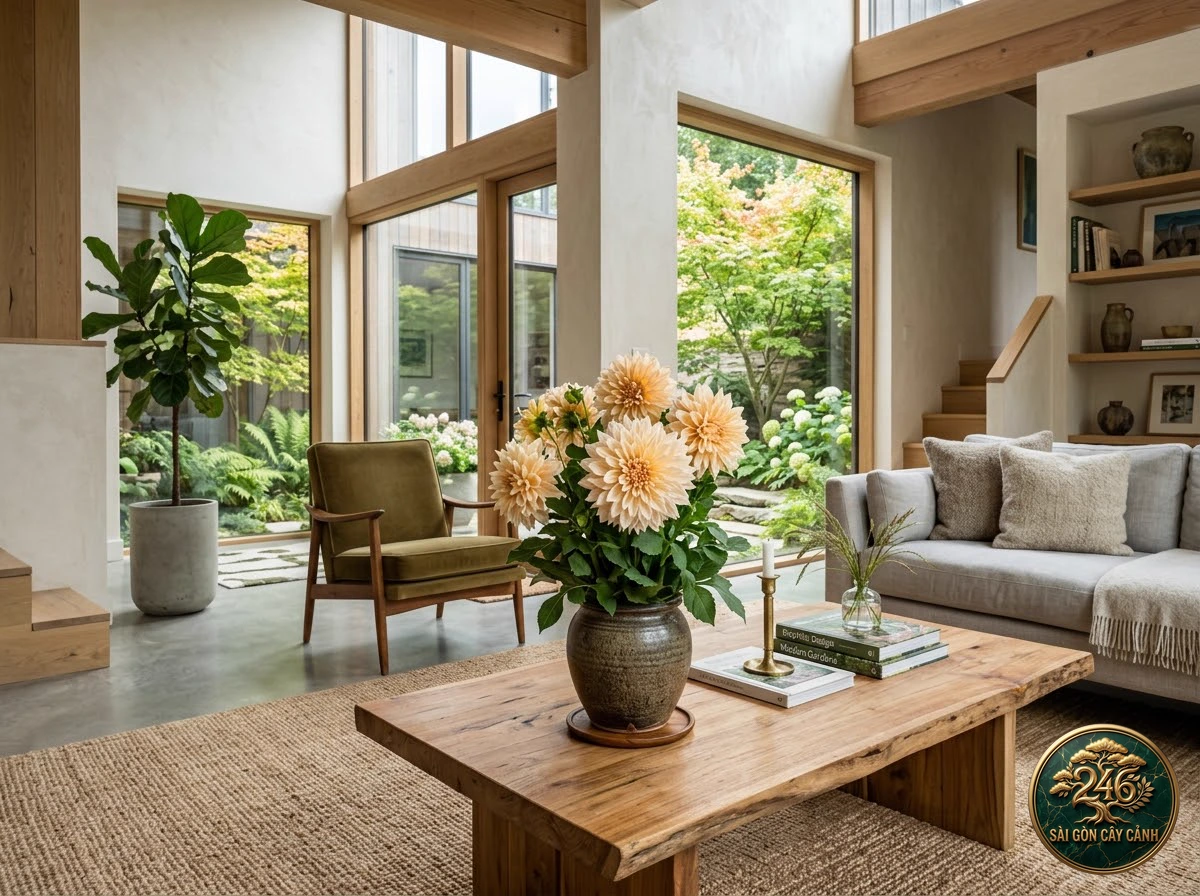
Plains coreopsis (Coreopsis tinctoria)
Coreopsis tinctoria, celebrated globally as plains coreopsis, calliopsis, or golden tickseed, is an exceptionally charming and floriferous annual herbaceous forb within the Asteraceae family. Indigenous to the sun-drenched prairies and riverbanks of North America, it commands international botanical affection for its captivating bicolored composite flower heads measuring 3 to 5 cm across, featuring a dramatic focal contrast of rich velvety mahogany-red centers fringed by brilliant golden-yellow margins. Its wiry, branching stems and finely dissected pinnatifid leaves form dynamic flowering mats that sway gracefully in summer breezes while providing rich nectar stores for native pollinators. Within Saigon Cay Canh landscape architecture, plains coreopsis symbolizes vibrant cheerfulness and resilient optimism, serving as a premier meadow annual for luxury estate borders.
Sài Gòn Cây Cảnh Care Compass
1. Botanical Identity & Taxonomic Nomenclature History
Coreopsis tinctoria was officially established by British-American botanist Thomas Nuttall in 1821 within the Journal of the Academy of Natural Sciences of Philadelphia. The generic name Coreopsis derives from Greek koris (‘bug or tick’) and opsis (‘appearance’), vividly characterizing its small, flattened, winged cypselae that resemble miniature ticks. The specific epithet tinctoria means ‘used for dyeing’ in Latin, reflecting traditional indigenous practices of boiling flowering heads to produce rich mahogany-red and warm yellow natural textile dyes.
Indigenous to the expansive prairie ecosystems of North America, plains coreopsis colonizes moist sunny riverbanks and alluvial lowlands with phenomenal vigor. Introduced to European floriculture in the early 19th century, it was celebrated as a premier cottage annual prized for its non-stop flowering cadence and prolific naturalizing habits. Acclimatized across Vietnam by Saigon Cay Canh, it has become an indispensable landscape accent for naturalistic meadow gardens and luxury resort parkways.
2. Morphological Architecture & Anatomical Characteristics

Morphologically, Coreopsis tinctoria develops as an erect, profusely branching, wiry annual herbaceous forb attaining heights of 0.4 to 0.8 meters with a lateral canopy spread of 0.3 to 0.5 meters. Stems are slender, glabrous, striate, pale green often flushed with purple, and branch repeatedly into an open, airy dome. Leaves are oppositely arranged below and alternate above; blades measure 5 to 12 cm long, deeply 1- to 2-pinnatifid into narrow linear-lanceolate segments 1.5 to 4 cm long and 1 to 3 mm wide, displaying acute apices and completely smooth lustrous margins.
Inflorescences arise as cheerful solitary terminal capitula elevated on wiry peduncles 5 to 12 cm long that sway gracefully above the foliage. The floral head measures 3 to 5 cm across, enclosed by a dimorphic involucre of narrow green bracts. The floral morphology exhibits graphic chromatic contrast: 8 broad, shallowly 3-lobed ray florets display deep velvety mahogany-crimson bases contrasting sharply with glowing golden-yellow margins; the central elevated disc is packed with fertile tubular disc florets of dark purple-brown loaded with nectar. The fruit is a miniature, compressed, wing-margined cypsela 1.5 to 4 mm long, blackish, lacking an awned pappus.
3. Photobiology & Photosynthetic Energy Thresholds
Coreopsis tinctoria is an obligate heliophyte performing best under unfiltered direct sunlight with luminous intensities between 45,000 and 85,000 lux. A daily duration of at least 6 to 8 hours of intense direct solar exposure is mandatory to ensure wiry branch strength, maximize bicolored contrast across petals, and stimulate continuous floral bud evocation across every stem tip.
When grown in shaded microclimates below 25,000 lux, stems stretch loosely, internodal distances elongate, and flower production drops significantly with faded coloration. The species exhibits phenomenal resistance to tropical summer heat exceeding 38 degrees C, supported by deep lateral root foraging and dissected linear foliage that minimizes transpirational surface area.
4. Mineral Substrate Mechanics & Root Aeration Dynamics
The root architecture of plains coreopsis consists of a sturdy taproot coupled with an expansive lateral fibrous network, demanding deep, fertile, humus-enriched topsoil engineered for rapid gravity drainage without pooling. Stagnant anaerobic waterlogging persisting beyond 24 hours suffocates delicate feeder rootlets, triggering shoot wilt and widespread foliar abscission.
Saigon Cay Canh prepares a bespoke media formula containing 45% river sand loam, 25% toasted rice husks, 15% aged coco mulch, 10% organic worm humus, and 5% pumice. The target pH is maintained around 6.2 to 7.0.
5. Irrigation Regimes & Substrate Hydrology
During juvenile development and active vegetative branching flushes, Coreopsis tinctoria requires consistent daily moisture. Once mature with deep roots, it displays outstanding drought tolerance. The baseline watering protocol calls for soaking the root zone thoroughly at dawn whenever the upper 2 cm of substrate feels dry. During dry tropical summer spells, irrigate once daily; during the monsoon season, suspend watering until surface soils drain.
Apply hydration directly around the basal soil circumference during early daylight hours. Ensure surrounding drainage ditches remain unclogged following heavy tropical storms.
6. Mineral Nutrition & Phenological Fertilization Schedule
To sustain dense mounding growth and fuel hundreds of bright bicolored blossoms continuously for months, plains coreopsis requires disciplined mineral nutrition. Top-dress with aged vermicompost or slow-release organic pellets (NPK 6-8-12) monthly at 0.5 to 1 kg worked into the perimeter drip line.
Following seedling establishment and during active flower bud initiation, dissolve a water-soluble balanced formula (NPK 15-20-25 or NPK 16-16-16) at 1.5 grams per liter every 10 to 12 days. Complement with foliar sprays rich in chelated calcium, boron, and organic potassium every 20 days to fortify petal rigidity, holding vibrant blooms aloft against wind and weather.
7. Propagation Protocols & Germplasm Preservation
Coreopsis tinctoria propagates with extraordinary facility from seed, achieving germination rates exceeding 95%. Sowing can proceed year-round in tropical climates, requiring only 45 to 55 days from sowing to peak floriferous display. Mature cypselae harvested from fully dried heads are cleaned and stored in dry paper packets.
Sow seeds into germination flats filled with washed coco coir, carbonized rice hulls, and perlite, lightly covering seeds with a 0.3 cm substrate layer and misting gently. Placed in a warm, bright shaded nursery, germination occurs synchronously within 2 to 4 days. When seedlings reach 12 to 15 days of age with 2 to 3 true leaf pairs, transplant into nursery pots or directly into outdoor landscape edging ribbons.
8. Biochemical Toxicology & Pet Biosafety (ASPCA Compliance)
Botanical safety profile and ASPCA pet safety standards: Classified within the Asteraceae family, Coreopsis tinctoria is recognized as completely NON-TOXIC and safe around companion animals (dogs, cats, horses) and humans under standard ASPCA toxicological benchmarks. The entire plant—including dissected foliage and vibrant composite blossoms—synthesizes zero dangerous alkaloids or injurious plant toxins.
Plains coreopsis possesses a documented history as a benign herbal tisane, confirming its safe nature around residential dogs and cats. Regular grooming of spent flower heads promotes recurrent blooming while ensuring garden safety.
9. Clinical Pathology Diagnostics & Therapeutic Protocols
Pathology inspection protocol for Cercospora leaf spot mitigation and floral tisane harvesting in Coreopsis tinctoria:
| Clinical Symptom | Etiological Cause | Standard Treatment Protocol |
|---|---|---|
| Stems become etiolated and floppy, internodes stretch excessively, and bicolored heads emerge sparse and pale | Severe solar deficiency caused by positioning in dense shade below 25,000 lux for extended periods | Relocate container to full-spectrum unshaded sun, prune weak spindly shoots using sanitized shears |
| Foliage displays silvery stippling, turns mottled yellow, and fine webbing develops on leaf undersides | Tetranychus urticae spider mite infestation sucking epidermal sap during prolonged arid spells | Syringe leaf undersides vigorously with fine water spray at dawn, followed by two applications of cold-pressed neem oil |
| Potting soil is waterlogged, lower leaves turn yellow and drop prematurely, and shoots wilt | Root asphyxiation and rot induced by poor drainage or clogged container drainage ports | Suspend watering immediately, clear container drainage holes, aerate surface soil, and drench with Trichoderma |
10. Comparative Morphology & Sympatric Differentiation
Taxonomic comparative matrix isolating bicolored maroon-centered ray florets and chalcone dye pigments of Coreopsis tinctoria:
| Diagnostic Trait | Coreopsis tinctoria (Plains coreopsis) | Comparative Taxon A | Comparative Taxon B |
|---|---|---|---|
| Capitulum Architecture and Color | Charming bicolored daisy heads 3 to 5 cm across with velvety mahogany-red centers and bright golden margins | Vibrant daisy heads 4 to 7 cm across in blazing golden-yellow, bright tangerine, or fiery orange-red | Massive formal or informal decorative heads 8 to 15 cm across with multi-tiered geometric petals |
| Foliage Anatomy and Canopy Texture | Pinnatifid into delicate linear segments 1 to 3 mm wide forming a light airy structural dome | Pinnatifid with broader lanceolate lobes 3 to 5 mm wide displaying deep green vigorous foliage | Pinnate compound leaves with broad ovate leaflets characterized by coarse teeth and fleshy texture |
| Companion Animal Safety and ASPCA Profile | NON-TOXIC (certified completely benign and safe for companion animals under ASPCA non-toxic benchmarks) | NON-TOXIC (certified completely benign and safe for companion animals under ASPCA non-toxic benchmarks) | MILDLY TOXIC / CAUTION (tubers and foliage synthesize irritant polyacetylenes causing mild dermatitis or emesis) |
11. Symbolic Heritage, Biophilic Design & Architectural Placement

Within botanical symbolism and biophilic landscape aesthetics, plains coreopsis stands as a sovereign emblem of pure cheerfulness, loving harmony, radiant optimism, and unyielding perseverance. Its delightful bicolored blossoms shining against lush green foliage introduce uplifting vital energy, enlivening residential sanctuaries with graceful charm.
Boasting an airy meadow habit and remarkable bloom persistence, Coreopsis tinctoria serves as a premier ornamental landscape specimen: massed in expansive flowering carpets across public botanical parks, bordering private villa walkways, potted on sunny balconies, or serving as a self-cleaning perennial groundcover under bright southern skies.
12. SGCC Acclimatization Benchmarks & Quality Guarantee
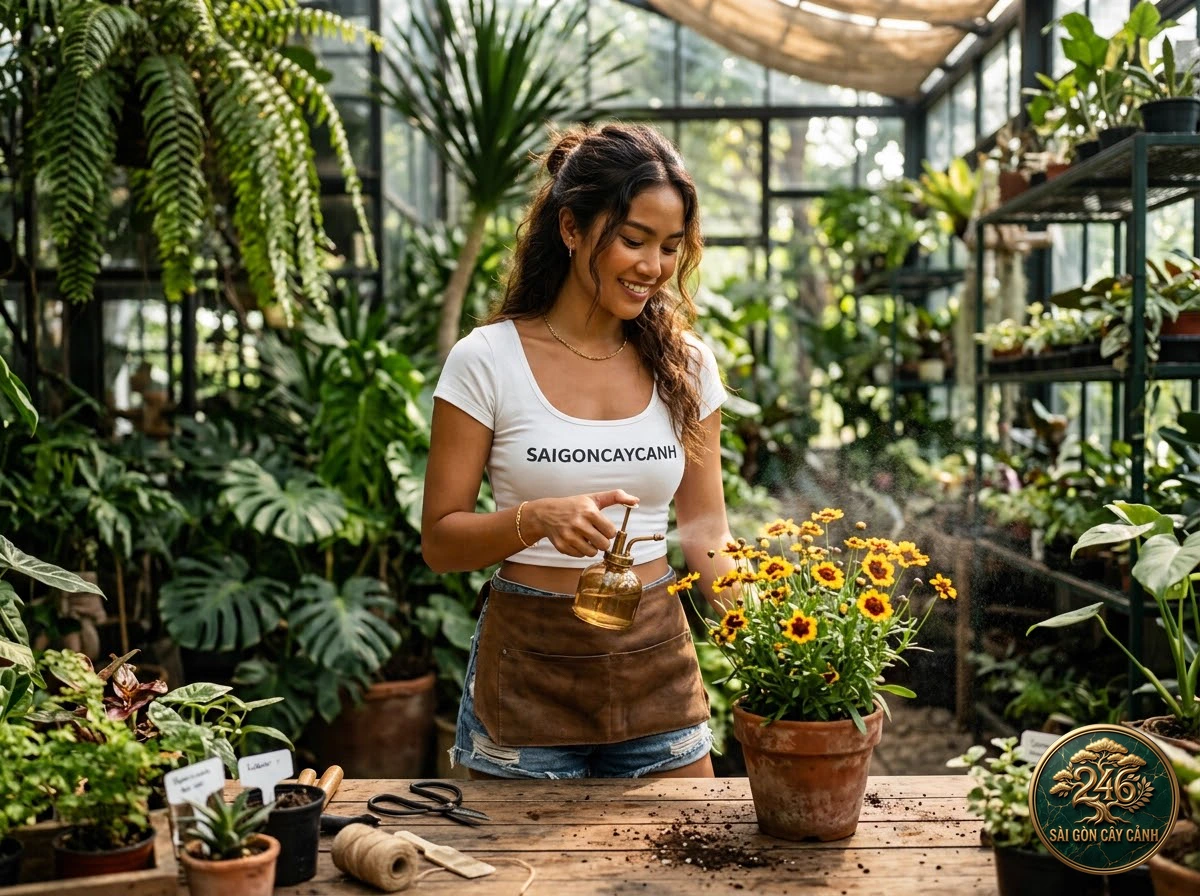
Saigon Cay Canh delivers magnificent, nursery-grown specimens of pure Coreopsis tinctoria cultivars, featuring tight mounding crowns, dense lateral branching, established root systems, and abundant floral buds prepared to burst into vibrant bicolored carpets across estate landscapes and civic gardens.
We provide 100% botanical taxonomic verification, comprehensive plant health warranties, prompt large-scale delivery services, and dedicated floricultural care advisory for luxury private estates and civic hospitality venues.
💬 Góc Tư Vấn & Hướng Dẫn Kỹ Thuật SGCC
Chuẩn E-E-A-T Kinfolk❓ Chăm sóc Plains coreopsis (Coreopsis cần lưu ý điều gì quan trọng nhất?
💡 Dạ điều quan trọng nhất là giữ môi trường sống ổn định, tránh sốc nhiệt hay dao động thông số đột ngột, đồng thời cung cấp khẩu phần ăn sạch và tươi mới ạ.
❓ Làm thế nào để phòng ngừa bệnh tật hiệu quả cho các bé?
💡 Dạ anh chị nên giữ vệ sinh chuồng/hồ nuôi sạch sẽ, thay nước hoặc dọn dẹp định kỳ và bổ sung vitamin, men tiêu hóa đều đặn để tăng sức đề kháng ạ.
🌿 Trang Thiết Bị, Đất Trồng & Dụng Cụ Bonsai Tuyển Chọn
Dụng cụ tỉa, giá thể hữu cơ & phân bón chuyên dụng cho cây cảnh.
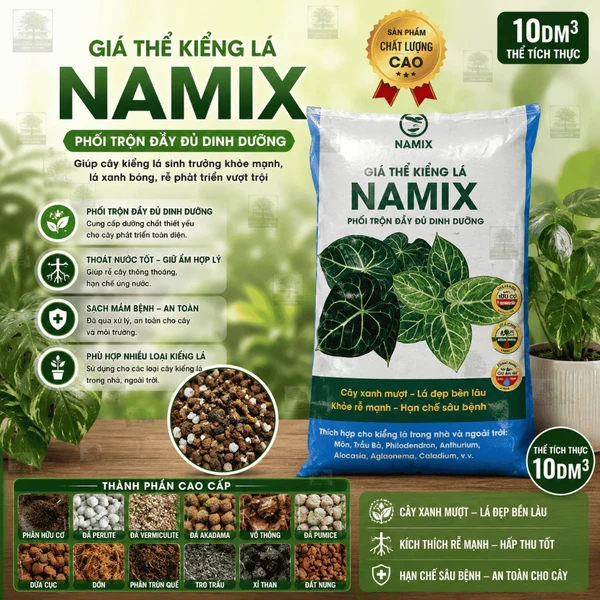
GIÁ THỂ KIỂNG LÁ NAMIX ĐÃ ĐƯỢC PHỐI TRỘN SẴN – TÚI 10DM…

Kéo cây cảnh LZEEM, Cắt cành hoa Cắt tỉa Cây cảnh sân v…
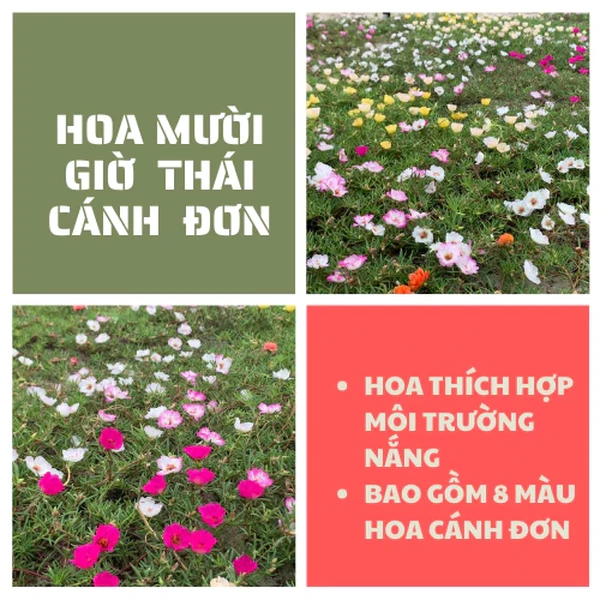
Hoa mười giờ thái đơn combo 7 màu, cây có rễ nụ hoa, nở…

Cưa Cầm Tay Mini Gấp Gọn, Cưa cây, Cưa Gỗ, Cưa Tre, Lưỡ…
ATONIK 100ML CHAI NHÔM THUỐC KÍCH THÍCH SINH TRƯỠNG – R…

Kéo tỉa cành cây, kéo cắt tỉa dăm thép trắng sắc bén, k…

Vòi phun nước đa năng 5M / 10M với 6 vòi phun chống chá…
Siêu Lân Kẽm USA Trường Phát (chai 500ml) Kích Rễ Cực M…
Mụn Dừa, Mụn Xơ Dừa Đã Qua Xử Lý SFARM 20dm3 Đặng Gia T…
Bộ ba mảnh làm vườn đẹp Bộ dụng cụ mở rộng sân vườn Bộ …
Kéo cắt cành cộng lực YOKOHAMA SK5 xuất xứ JAPAN Kéo cắ…

Lục Giác Giả Đá FAC380 (Nhựa Dày) – Chậu Nhựa trồng cây…

Busy Lizzie (Impatiens walleriana)
Busy Lizzie (Impatiens walleriana) Impatiens walleriana, internationally celebrated as busy Lizzie, sultana, or patient Lucy, is a luxuriant...
Read Monograph →
Pink kopsia
Kopsia fruticosa, celebrated across tropical Asia as pink kopsia, shrub vinca, or pink gardenia, is an aristocratic, fragrant...
Read Monograph →
French hydrangea (Hydrangea macrophylla)
French hydrangea (Hydrangea macrophylla) Hydrangea macrophylla, internationally celebrated as French hydrangea, bigleaf hydrangea, or hortensia, is a magnificent...
Read Monograph →
Summer snapdragon (Angelonia angustifolia)
Summer snapdragon (Angelonia angustifolia) Angelonia angustifolia, celebrated worldwide as summer snapdragon or angelmist, is an exceptionally durable and...
Read Monograph →Expert Q&A, Recommended Supplies & Article Feedback
Tap once to connect instantly via Google, Facebook or TikTok — no long forms required!
No questions yet for this article. Tap Google / Facebook / TikTok above to ask the first question!