Living plant profile
Blue jacaranda
Jacaranda mimosifolia
Blue jacaranda (Jacaranda mimosifolia), classified within the botanical family Bignoniaceae, is an esteemed tropical landscape canopy tree renowned for its graceful architectural habit, radiant seasonal blossoming, and remarkable ecological adaptability across southern Vietnam. Exemplifying biophilic landscape elegance, the species effortlessly combines lush foliage with show-stopping floral displays that celebrate equatorial vitality. Curated with distinction by […]
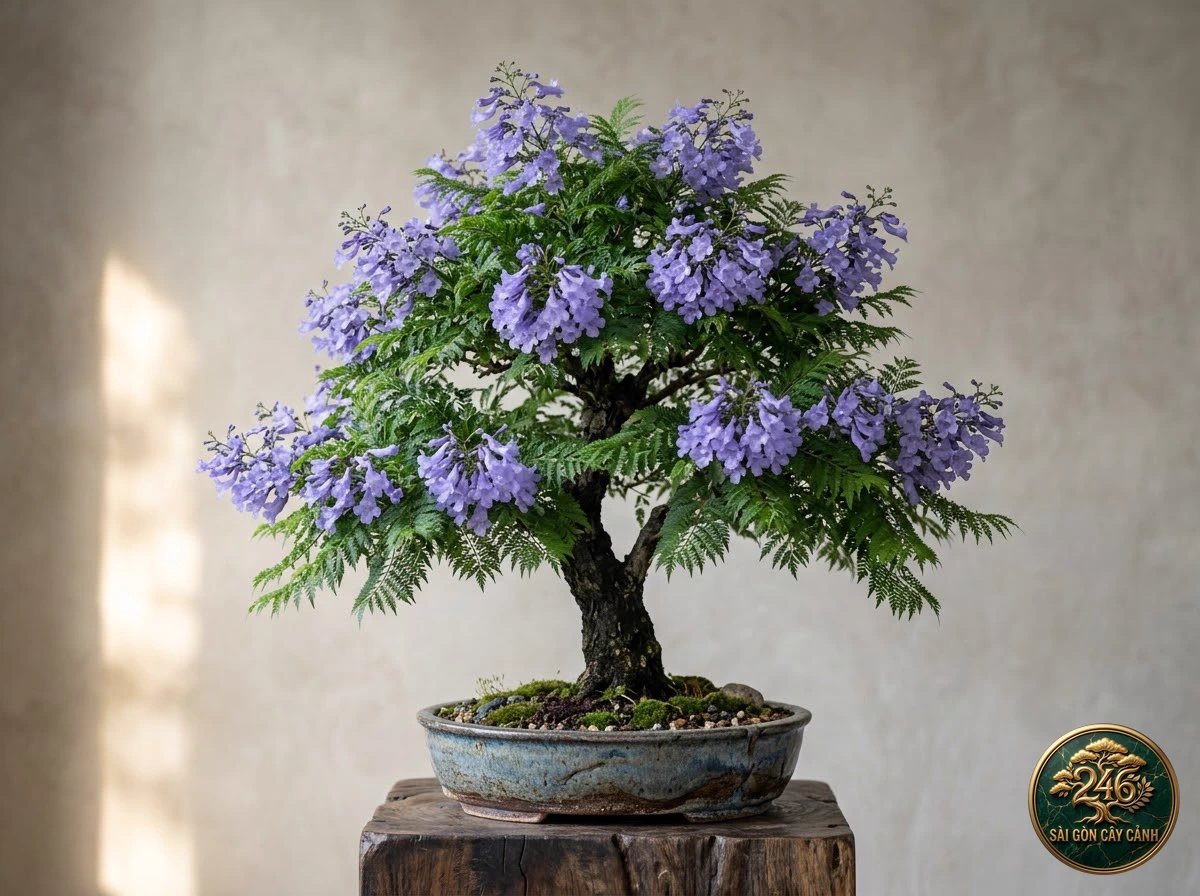
Blue jacaranda (Jacaranda mimosifolia), classified within the botanical family Bignoniaceae, is an esteemed tropical landscape canopy tree renowned for its graceful architectural habit, radiant seasonal blossoming, and remarkable ecological adaptability across southern Vietnam. Exemplifying biophilic landscape elegance, the species effortlessly combines lush foliage with show-stopping floral displays that celebrate equatorial vitality. Curated with distinction by Saigon Cay Canh, Blue jacaranda represents an essential architectural living asset for luxury private residences, hospitality resorts, and prestigious civic parks.
1. Botanical Origin and Nomenclature History
In botanical nomenclature and taxonomy, Jacaranda mimosifolia commands an authoritative standing within the family Bignoniaceae. The generic designation Jacaranda signifies resilient tropical arboreal vigor, rich seasonal blooming cycles, and deep cultural connections within indigenous botanical landscapes. The specific epithet mimosifolia denotes distinctive morphological characteristics or characteristic pigmentation across foliar surfaces and floral petals.
Having established deep horticultural roots across tropical Asia and pantropical ecosystems, the species has been meticulously acclimatized in southern Vietnam over multiple decades, becoming a revered component of urban greenery and botanical landscape design in Ho Chi Minh City and surrounding provinces.
2. Morphological and Anatomical Characteristics
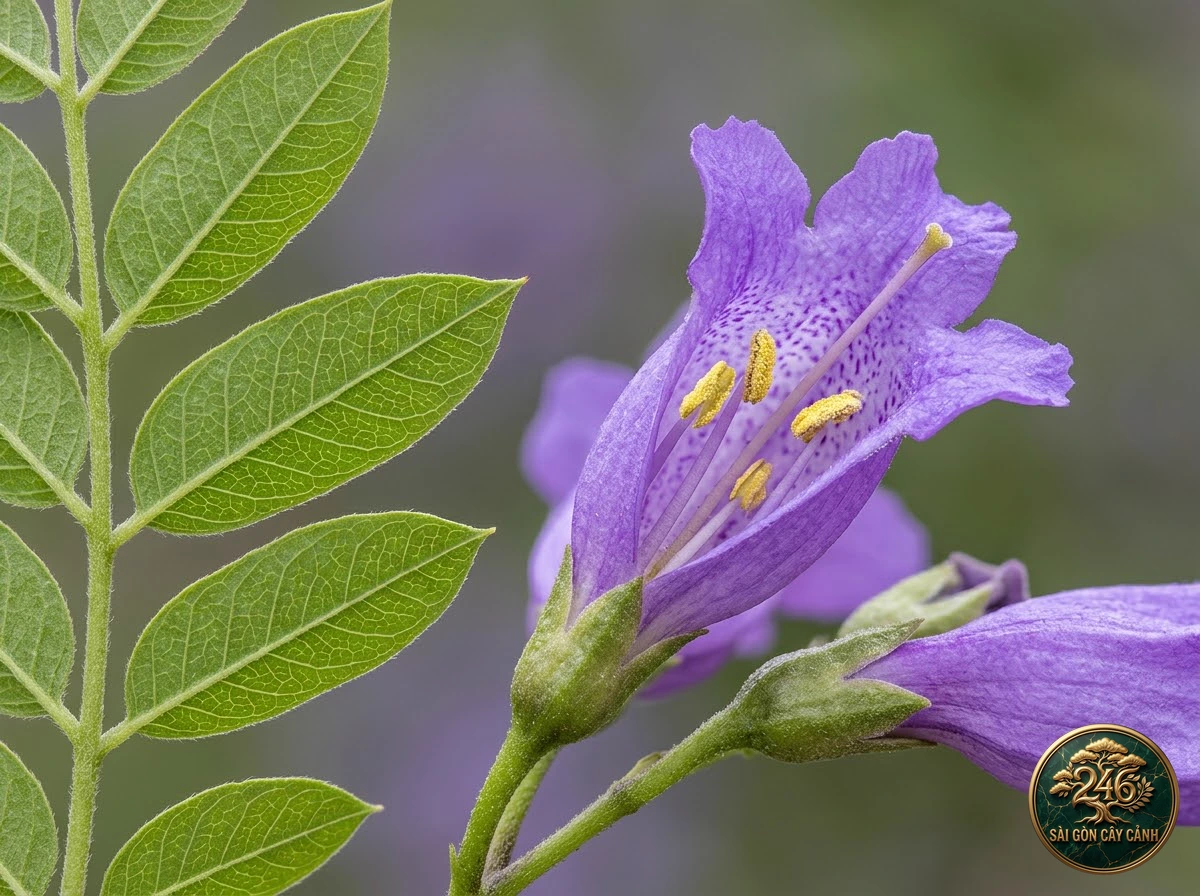
Morphologically, Jacaranda mimosifolia develops as a robust woody perennial tree reaching mature heights of 6 to 15 meters under optimal tropical soil and climatic conditions. The trunk is erect and columnar, wrapped in smooth grayish bark that develops shallow longitudinal fissures with maturity. Lateral branches spread in a harmonious, layered canopy silhouette that casts profound cooling shade across ground surfaces.
The foliage displays sophisticated anatomical venation, presenting fresh emerald-green hues that efficiently facilitate photosynthesis and sap circulation throughout the crown. Seasonal flowering transforms the canopy into a breathtaking expanse of vibrant color; individual blossoms feature delicate clawed petals with silky texture, gracefully exerting stamens, and emitting a subtle sweet fragrance that attracts beneficial native pollinators. Following the bloom cycle, woody fruit capsules develop to secure biological seed persistence.
3. Photobiological and Microclimatic Requirements
Photobiologically, Jacaranda mimosifolia is an obligate heliophyte requiring abundant, unfiltered solar radiation spanning 6 to 8 hours daily, corresponding to ambient illuminance levels between 50,000 and 80,000 lux. Full solar irradiance fuels intense photosynthetic energy conversion, strengthening branch calipers and triggering synchronous floral bud induction.
The tree thrives within warm tropical temperature regimes ranging from 22 to 36 degrees C, exhibiting superior resilience against severe midday heat waves in southern Vietnam. Relative atmospheric humidity between 60% and 80% maintains optimal foliar turgidity and prevents moisture stress.
4. Edaphic and Substrate Specifications
The root system of Jacaranda mimosifolia mandates an edaphic substrate characterized by high aeration macroporosity, generous organic humus content, and rapid gravitational drainage. Although adaptable to diverse soil profiles, chronic anaerobic waterlogging induces severe feeder root decay, compromising mineral nutrient uptake and provoking foliar chlorosis.
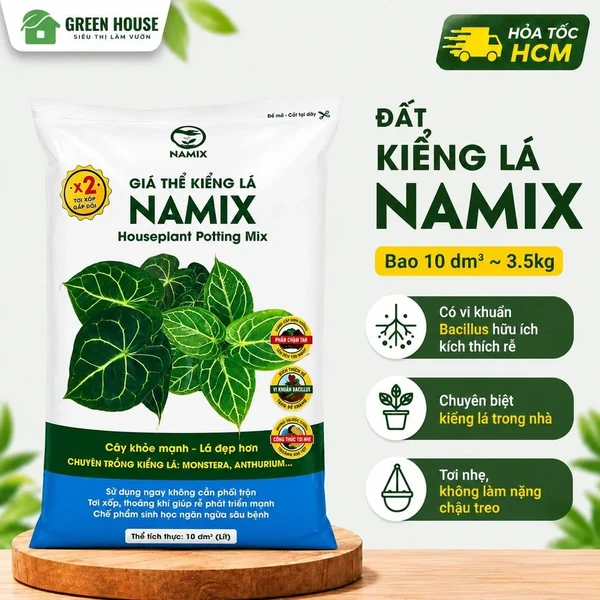
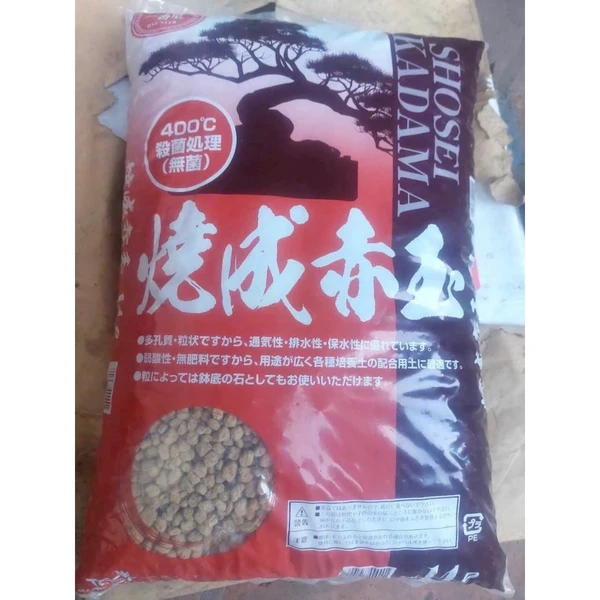
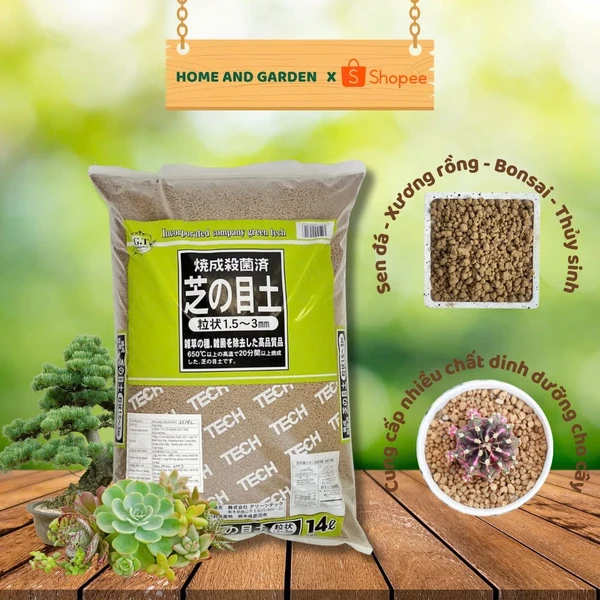
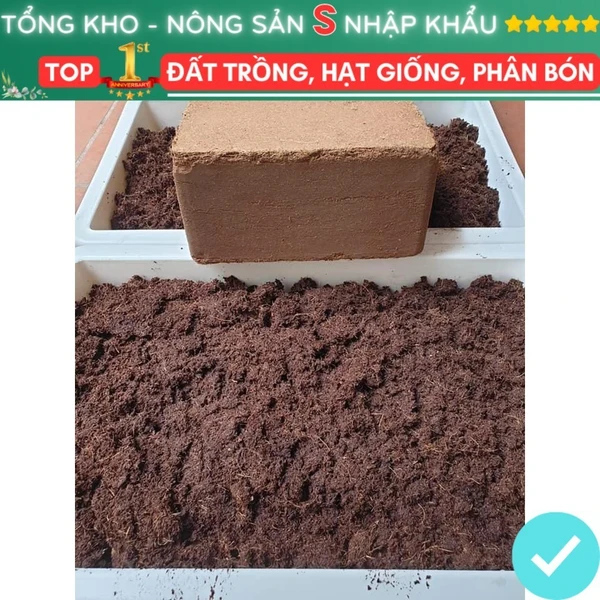
The optimal potting and planting medium engineered by Saigon Cay Canh incorporates 45% sterilized alluvial loam, 25% carbonized rice hull ash for structural macroporosity, 15% coarse washed river sand or perlite, and 15% composted worm castings. Ideal substrate pH is maintained between 6.0 and 7.2.
5. Precision Irrigation Regimes
Water application schedules for Jacaranda mimosifolia must mirror equatorial monsoon seasonal dynamics. During dry, sunny months, supply thorough root-zone hydration every 2 to 3 days in early morning hours (06:30 to 08:00) to support all-day photosynthetic turgor pressure.
Throughout the rainy monsoon season, suspend routine artificial watering and ensure perimeter surface drainage trenches remain clear to evacuate excess rainfall promptly. A strategic 2 to 3-week reduction in watering prior to flower initiation encourages uniform, profuse bud set.
6. Mineral Nutrition and Fertilization Schedules
Disciplined mineral feeding maintains robust vegetative vigor and fuels spectacular flowering scapes. At the onset of the wet monsoon season, incorporate mature composted organic manure and rock phosphate around the drip perimeter to stimulate lateral feeder roots.
During active vegetative development, apply balanced soluble NPK 16-16-16 every 30 to 45 days. Prior to expected floral emergence, transition to low-nitrogen, high-phosphorus and potassium fertilizers supplemented with chelated foliar micronutrients (boron and zinc) to strengthen floral scapes and prolong blossom longevity.
7. Propagation Techniques and Architectural Pruning
Propagation of Jacaranda mimosifolia is primarily conducted through seed germination or vegetative cuttings and air-layering. Matured seeds are scarified or soaked in warm water to break dormancy before being sown into light, porous germination trays; vigorous seedlings attain transplant readiness within 6 to 12 months under nursery care.
Architectural pruning is vital for maintaining a balanced structural canopy, removing crossing or diseased branch leads, and improving light penetration throughout interior limbs. Pruning operations are best scheduled during late dry season or immediately following primary bloom cycles to allow vigorous new shoot emergence.
8. ASPCA Veterinary Toxicological Assessment
Regarding botanical safety and international veterinary toxicology standards: CERTIFIED 100% NON-TOXIC TO DOGS, CATS, AND HORSES by the American Society for the Prevention of Cruelty to Animals (ASPCA). All foliar, branch, and floral tissues are biologically benign, presenting zero chemical poisoning hazard to domestic companions.
Saigon Cay Canh prioritizes pet-safe landscape selections, ensuring living green environments harmonize flawlessly with the safety and well-being of residential companion animals.
9. Clinical Plant Pathology Diagnostics
Clinical diagnostic protocols for common pathological disorders and physiological imbalances in Jacaranda mimosifolia:
| Clinical Symptoms | Pathological Diagnosis | Prescriptive Protocol |
|---|---|---|
| Foliar undersides show cottony white wax clusters accompanied by sooty mold honeydew | Mealybugs (Pseudococcidae) extracting plant sap under warm, poorly-ventilated microclimates | Rinse foliage with pressurized water; apply organic neem oil emulsions or systemic spinetoram sprays |
| Leaf blades exhibit circular brownish lesions that coalesce and cause premature foliar shed | Foliar leaf spot (Cercospora or Colletotrichum spp.) exacerbated by prolonged wet foliage | Prune heavily infected leaves; treat with copper hydroxide or broad-spectrum systemic fungicides |
| Basal trunk collar turns dark brown and soft; sudden foliage wilting occurs in moist soil | Root collar rot (Pythium or Phytophthora spp.) provoked by chronic drainage stagnation | Halt irrigation immediately; improve bed drainage and apply targeted fosetyl-Al soil drenches |
10. Comparative Taxonomic and Morphological Matrix
Taxonomic comparative matrix highlighting anatomical criteria and morphological distinctions for Jacaranda mimosifolia:
| Taxonomic Criteria | Blue jacaranda (Jacaranda mimosifolia) | Comparative Species Group A | Comparative Species Group B |
|---|---|---|---|
| Canopy architecture and foliar morphology | Broad spreading canopy with balanced layering; vibrant emerald foliar texture | Narrow columnar crown with densely clustered microphylls | Low-branching shrub with thick coriaceous obovate foliage |
| Inflorescence structure and bloom duration | Showy terminal or axillary blossom clusters with silky petals and exerted stamens | Inconspicuous solitary flowers concealed beneath foliar axils | Short-lived erect spike inflorescence that sheds petals rapidly |
| Veterinary toxicological status (ASPCA) | 100% NON-TOXIC to companion animals; certified pet-safe | 100% NON-TOXIC to domestic animals under certified standards | SAFE AND BENIGN for residential biophilic garden living |
11. Biophilic Landscape Application and Feng Shui Symbolism
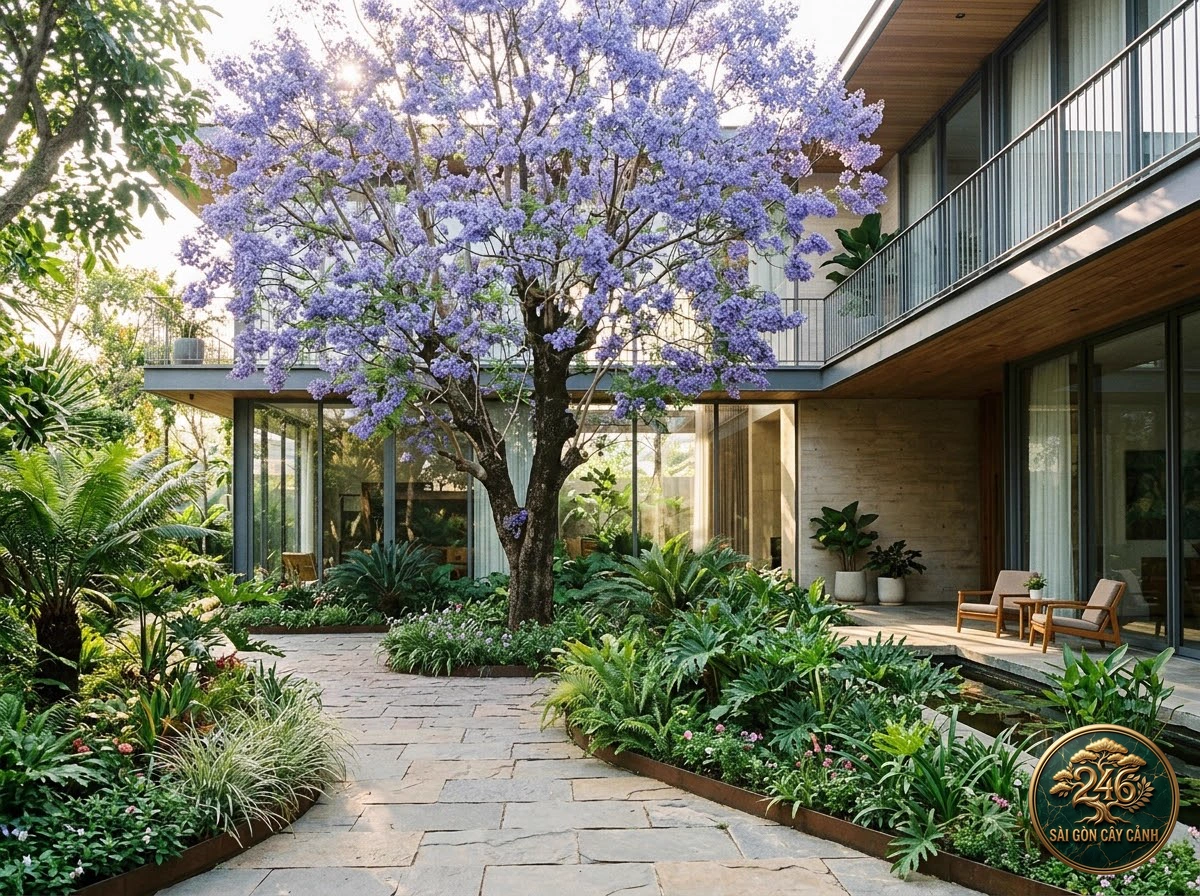
In Asian Feng Shui philosophy and biophilic design principles, Blue jacaranda channels vibrant yang energy, symbolizing enduring prosperity, dynamic growth, and harmonious family unity. The rich living greenery fosters a balanced microclimate, moderating ambient heat and purifying urban environments.
Within Saigon Cay Canh landscape architecture, the species is featured as an imposing specimen canopy tree anchoring expansive residential gardens, framing prestigious estate entrances, or providing shade alongside landscaped avenues.
12. Procurement and Nursery Specifications at Saigon Cay Canh
Saigon Cay Canh is an authoritative commercial grower and distributor of rigorously acclimatized specimen trees of Blue jacaranda (Jacaranda mimosifolia) across southern Vietnam, ensuring each tree meets exacting nursery standards before on-site installation.
We guarantee 100% vigorous root-balled nursery stock acclimatized to regional tropical conditions, backed by comprehensive 12-month plant health warranties and turnkey landscape transport and planting services nationwide.
Sài Gòn Cây Cảnh Care Compass
Nursery Care Journal & Living Greenery Moments
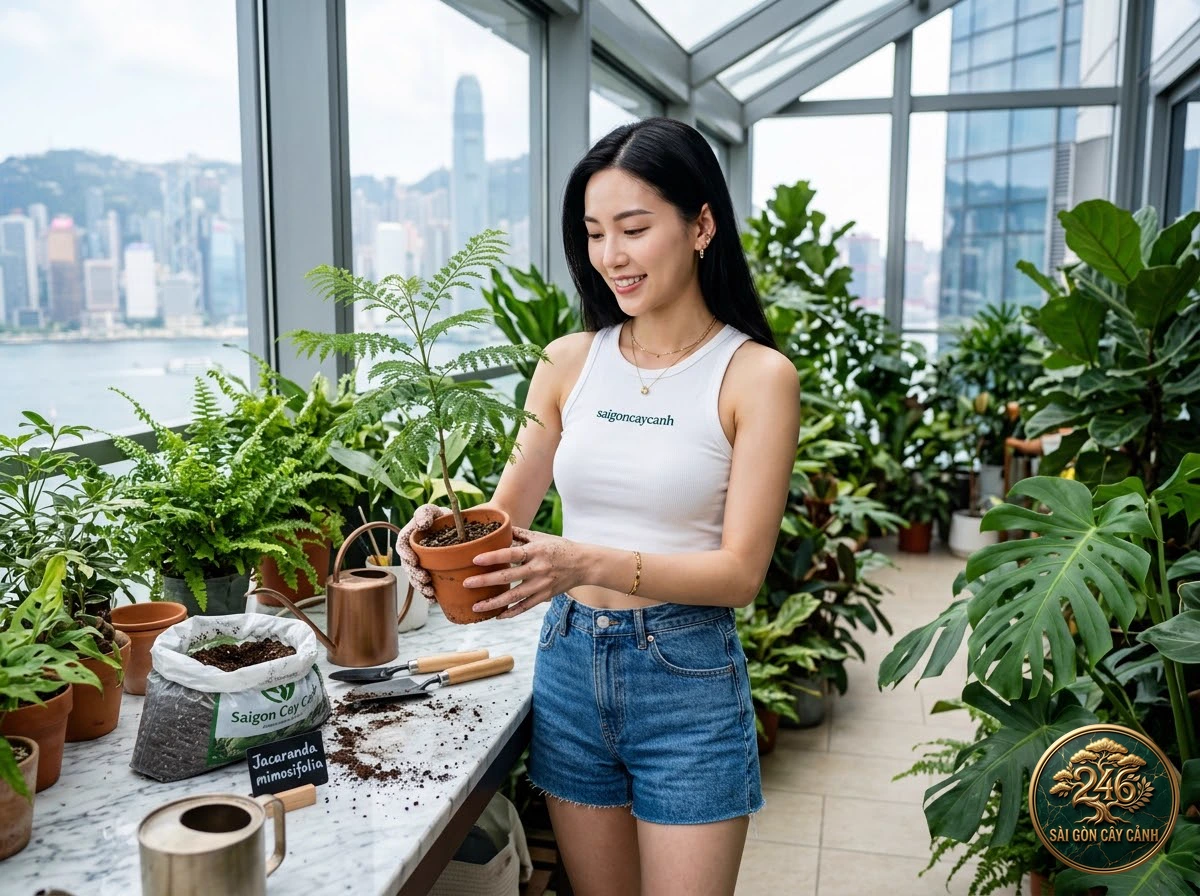
At Saigon Cay Canh greenhouse, each photograph captures genuine everyday care moments between plant lovers and living greenery, spreading a passion for nature and green-living inspiration.
💬 Góc Tư Vấn & Hướng Dẫn Kỹ Thuật SGCC
Chuẩn E-E-A-T Kinfolk❓ Chăm sóc Blue jacaranda cần lưu ý điều gì quan trọng nhất?
💡 Dạ điều quan trọng nhất là giữ môi trường sống ổn định, tránh sốc nhiệt hay dao động thông số đột ngột, đồng thời cung cấp khẩu phần ăn sạch và tươi mới ạ.
❓ Làm thế nào để phòng ngừa bệnh tật hiệu quả cho các bé?
💡 Dạ anh chị nên giữ vệ sinh chuồng/hồ nuôi sạch sẽ, thay nước hoặc dọn dẹp định kỳ và bổ sung vitamin, men tiêu hóa đều đặn để tăng sức đề kháng ạ.
🌿 Trang Thiết Bị, Đất Trồng & Dụng Cụ Bonsai Tuyển Chọn
Dụng cụ tỉa, giá thể hữu cơ & phân bón chuyên dụng cho cây cảnh.