
Cẩm Nang Cây Cảnh • Cẩm Nang Kiểng Lá & Nội Thất
Anethum dulce Container Gardening Guide: Vermicompost Nutrition, Sunlight & Blossom-End Rot Shield

Cultivating and maintaining Anethum dulce within the Organic Urban Vegetables & Rooftop Edible Gardening ecological group becomes effortless and highly rewarding when you align your care routine with its native physiological requirements: calibrated light intensity (20,000 – 55,000 Lux (5–7 hours of direct sunlight daily)), targeted moisture management (55% – 70% (Consistent moisture keeps greens tender and prevents fruit splitting)), and a breathable rhizosphere matrix (Bio-Active Organic Vegetable & Raised-Bed Soil). Below is our comprehensive, lab-verified botanical monograph designed for thriving, disease-free growth.
⚡ Core Quantitative Parameters (Quick Spec Grid)
Ecological Standard: Organic Urban Vegetables & Rooftop Edible Gardening📑 Monograph Contents & Technical Chapters
Botanical Guide1. Botanical Physiology & Native Habitat of Anethum dulce
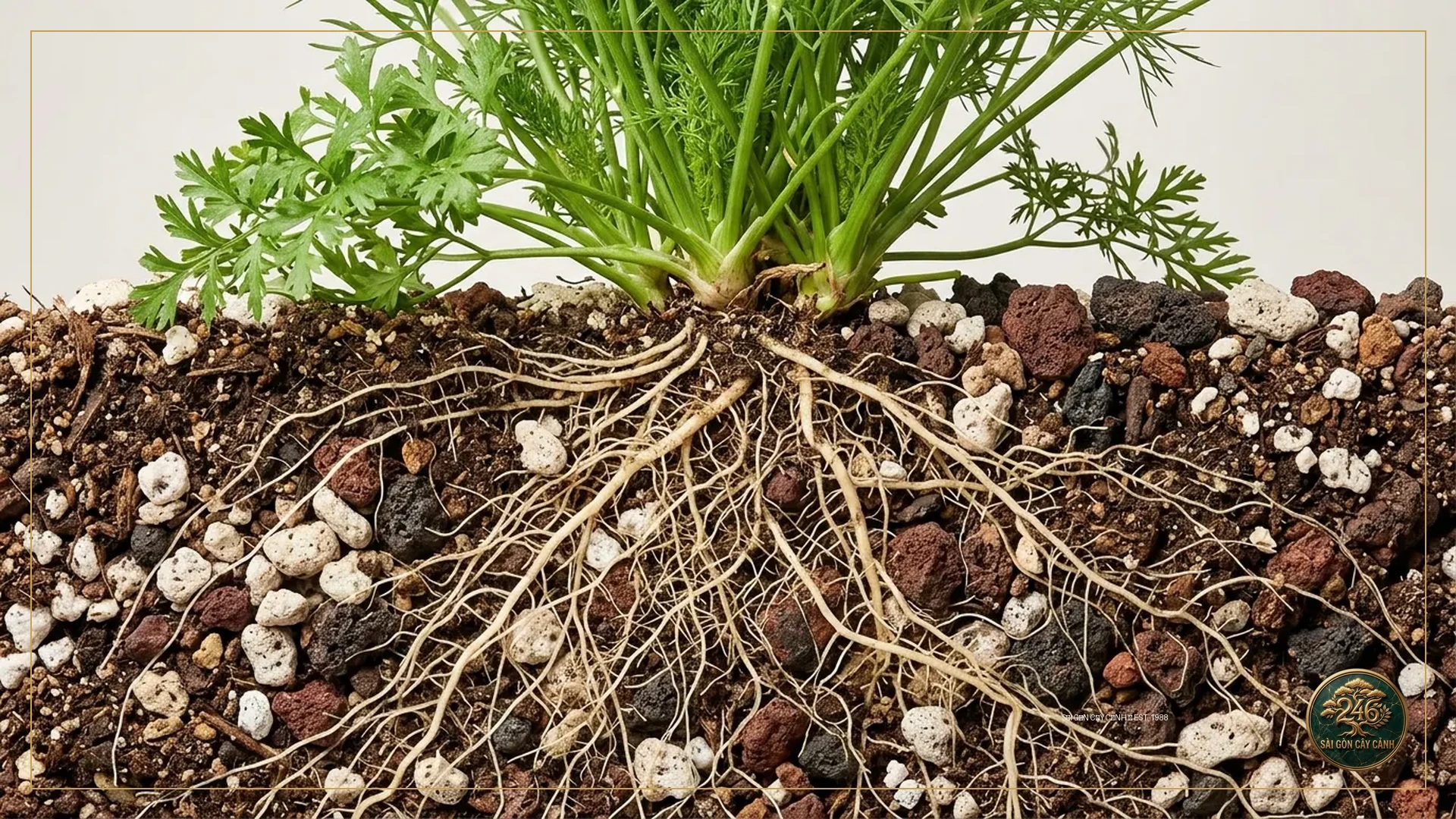
In applied botanical taxonomy, Anethum dulce belongs to the Organic Urban Vegetables & Rooftop Edible Gardening group (Solanaceae / Cucurbitaceae / Brassicaceae / Fabaceae), originating from Domesticated heirloom and tropical-adapted organic garden cultivars. In its native biome, the plant has evolved with Rapid-biomass C3/C4 photosynthesis converting solar energy into crisp leafy greens and tender pods/fruits and a specialized root architecture: Dense, fast-growing feeder root network concentrated in the top 15–25cm of organic topsoil.
A defining biological hallmark of this specimen is: Short crop cycles, high yield per square meter in balcony planters, and 100% pesticide-free family nutrition. When acclimating the plant to urban living spaces, balconies, or architectural gardens, replicating its native microclimate parameters ensures vigorous cellular turgor and uninterrupted growth.

2. Quantitative Lab-Grade Environmental Parameters (Organic Urban Vegetables & Rooftop Edible Gardening)
To sustain peak physiological performance in Anethum dulce and eliminate environmental stress, maintain the following five core environmental metrics within their calibrated ranges:
| Biological Metric | Optimal Target Range | Physiological Profile | Operational Rule |
|---|---|---|---|
| ☀️ Light Intensity | 20,000 – 55,000 Lux (5–7 hours of direct sunlight daily) | PPFD: 400 – 1,000 µmol/m²/s | Rapid-biomass C3/C4 photosynthesis converting solar energy into crisp leafy greens and tender pods/fruits. |
| 💧 Moisture & Irrigation | 55% – 70% (Consistent moisture keeps greens tender and prevents fruit splitting) | Dense, fast-growing feeder root network concentrated in the top 15–25cm of organic topsoil | Water evenly in the early morning and late afternoon; mulch soil surface with straw or coco coir to reduce evaporation. |
| 🧪 Rhizosphere pH | pH 6.0 – 6.8 | Maximizes chelated mineral uptake | Irrigate with dechlorinated water; buffer pH periodically. |
| ⚡ Nutrient Conductivity (EC) | 1.2 – 2.2 mS/cm | Prevents osmotic root tip burn | Prioritize microbial organic fertilizers and slow-release prills. |
| 🌡️ Thermal Envelope | 20°C – 32°C | Tropical & subtropical adaptation | Maintain gentle cross-ventilation around the foliage canopy. |
3. Substrate Architecture & Root Environment: Bio-Active Organic Vegetable & Raised-Bed Soil
Because each botanical guild possesses a distinct root morphology (Dense, fast-growing feeder root network concentrated in the top 15–25cm of organic topsoil), generic dense garden soil often leads to anaerobic suffocation. Always blend the specialized Bio-Active Organic Vegetable & Raised-Bed Soil engineered specifically for Organic Urban Vegetables & Rooftop Edible Gardening:

4. Nutrition Schedule & Periodic Maintenance for Anethum dulce
To fuel balanced vegetative and reproductive growth without triggering fertilizer salt burn or post-flush exhaustion, implement this 3-phase nutritional cadence:
5. Phytopathology Prevention & 5-Step Plant Rescue Protocol
The primary pathological risks affecting Organic Urban Vegetables & Rooftop Edible Gardening include: Diamondback moths, flea beetles, leafminers, Ralstonia bacterial wilt, and calcium-deficiency blossom-end rot. At the earliest sign of chlorosis, wilting, or root distress, execute this clinical 5-step recovery protocol:

6. Recommended Substrates, Nutrients & Horticultural Tools
Equipping your garden with precision pruning shears, biological fungicides, and graded mineral substrates is the foundation of effortless plant care:
🌿 Recommended Substrates, Nutrients & Precision Tools (20 Botanical Essentials)
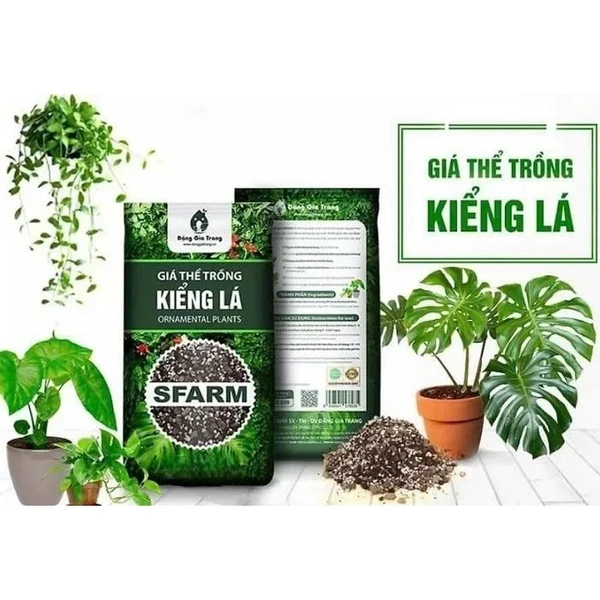
Premium Aroid & Foliage Potting Mix 20L (Pumice + Perlite)
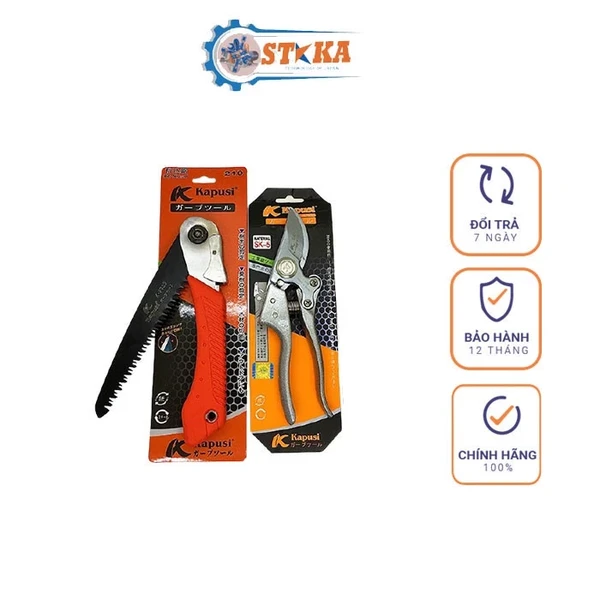
Japanese SK5 Steel Folding Saw & Bonsai Pruning Shears Set
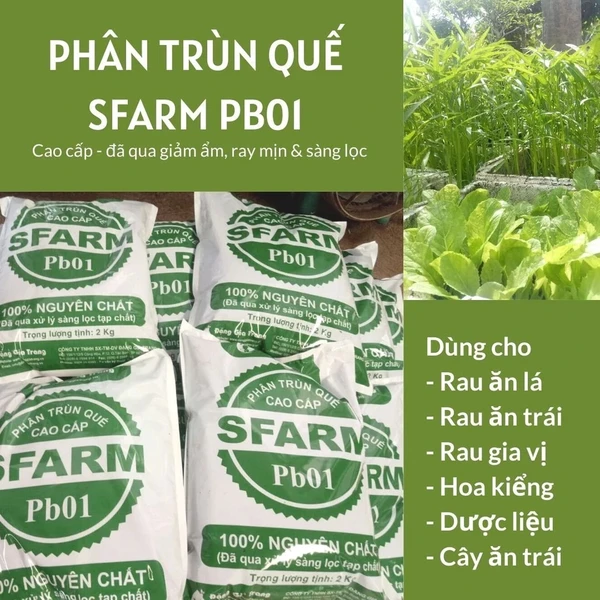
100% Pure Organic Vermicompost Earthworm Castings SFarm (2kg)

Professional Concave & Knob Bonsai Branch Cutter (Forged Steel)

Heavy-Duty Kapusi SK-5 Assisted Bypass Pruning Shears

Authentic Monrovia Breathable Nursery Planter Pot

Imported Japanese Hard-Fired Akadama Bonsai Granules (1kg)

24cm Precision SK5 Steel Bonsai Twig & Leaf Trimming Scissors

Trichoderma Plus Humic Beneficial Bio-Fungicide (500g)
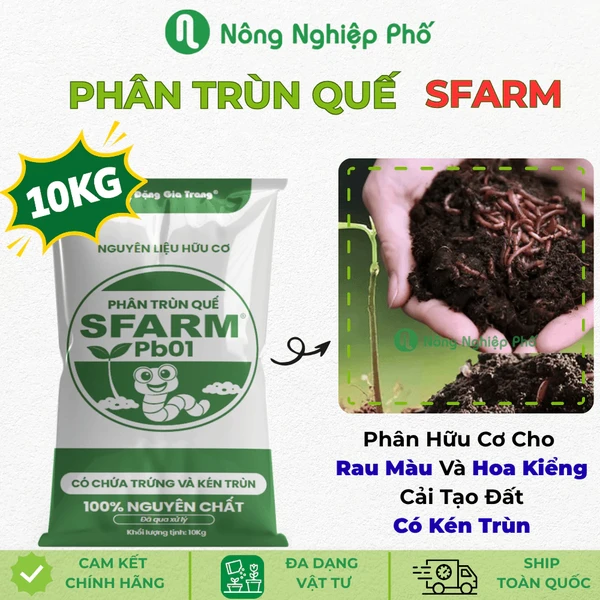
SFarm PB01 Premium Organic Earthworm Castings (5kg Bulk Pack)

Washed Low-EC Coco Peat Substrate for Orchids & Foliage (1kg)

horticultural Activated Hardwood Charcoal for Orchids & Aroids (5L)
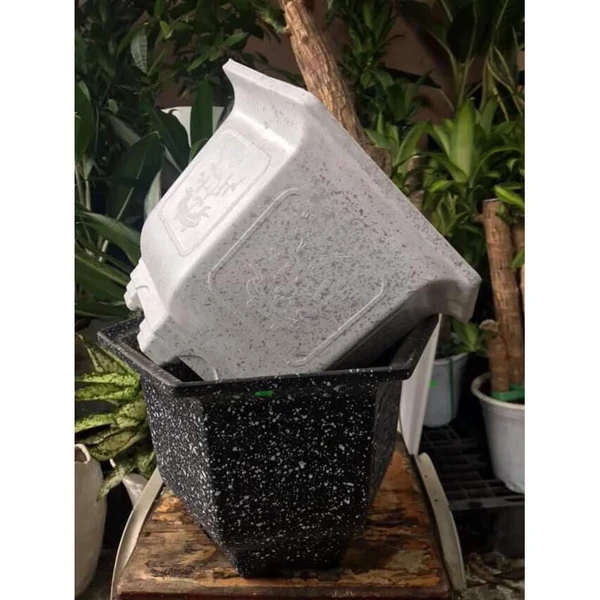
Hexagonal Stone-Textured Heavy-Duty Planter LG19 (32x22cm)
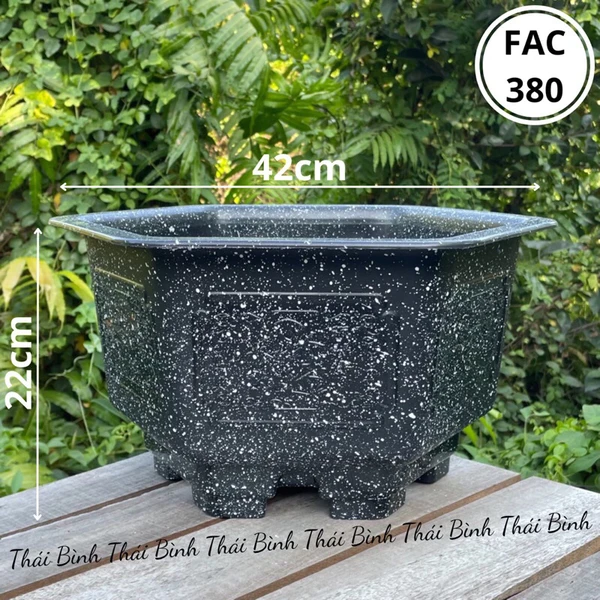
Large Hexagonal Stone-Effect Planter FAC380 (42x22cm Weatherproof)
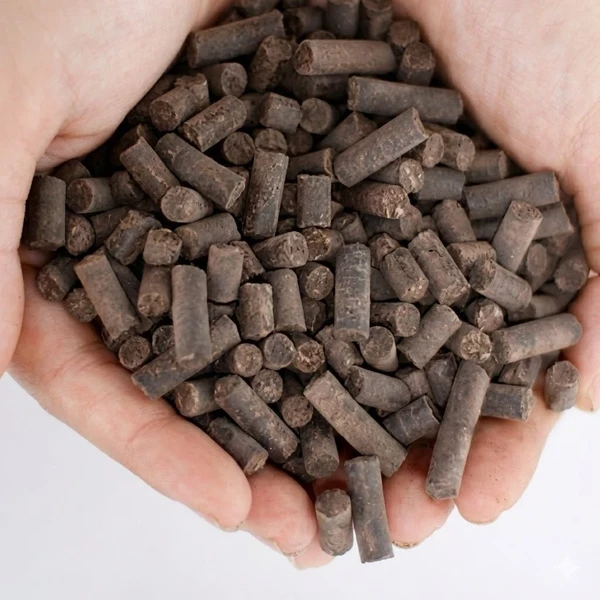
Slow-Release Compressed Vermicompost Pellets OneFarms (7kg+1kg)
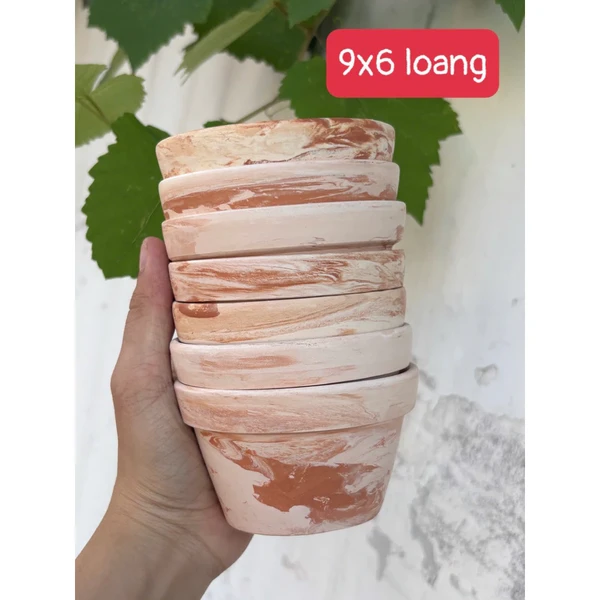
Set of 10 Breathable Terracotta Pots for Succulents & Cacti (9x6cm)
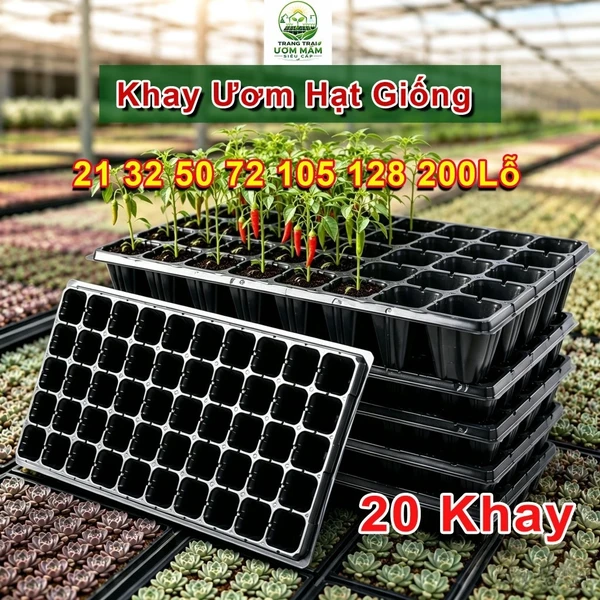
20-Pack Seed Starting & Cutting Propagation Trays (21-50 Cells)
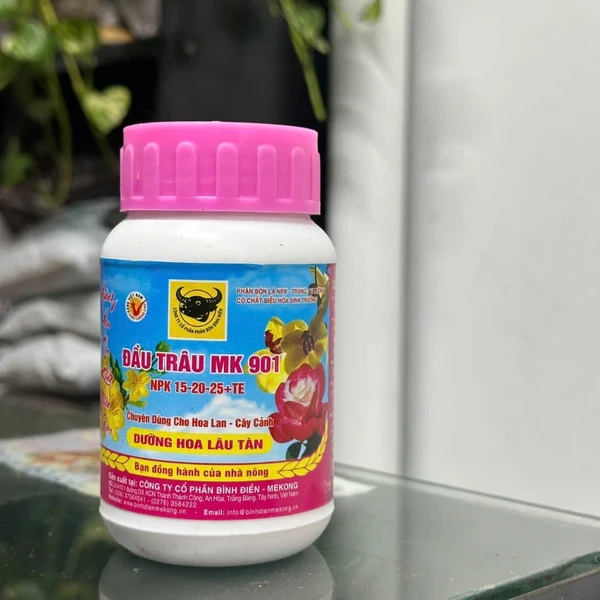
High-Grade NPK 15-20-25 Foliar & Bloom Booster Fertilizer
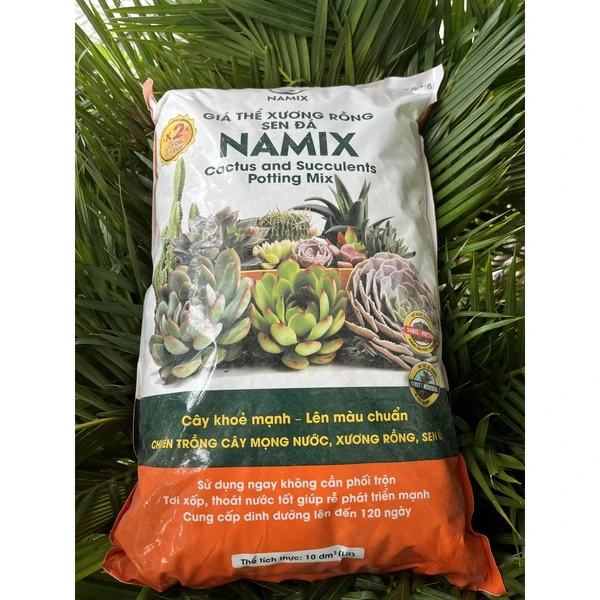
10L Gritty Mineral Mix for Succulents, Cacti & Rare Aroids

Live Air-Purifying Tropical Foliage Starter Plant for Home & Office
7. Architectural Placement & Sustainable Ecological Value
Beyond its sculptural botanical elegance, Anethum dulce actively enriches urban microclimates, regulates ambient humidity, and brings contemplative tranquility to contemporary architecture.
- Calibrated Light Positioning: Provide the exact 20,000 – 55,000 Lux (5–7 hours of direct sunlight daily) target range of the Organic Urban Vegetables & Rooftop Edible Gardening guild to bring out peak foliar and floral pigmentation.
- Continuous Micro-Ventilation: Position the plant where gentle ambient airflow facilitates stomatal gas exchange and prevents stagnant humidity pockets.
- Proportionate Planter & Substrate Pairing: Select a breathable planter only 3–5cm wider than the active root ball, filled with Bio-Active Organic Vegetable & Raised-Bed Soil.

8. Frequently Asked Questions About Anethum dulce (Practical FAQ)
❓ Q1: What is the ideal light intensity for Anethum dulce?
Answer: As a member of Organic Urban Vegetables & Rooftop Edible Gardening, it thrives under 20,000 – 55,000 Lux (5–7 hours of direct sunlight daily) (PPFD 400 – 1,000 µmol/m²/s). Rapid-biomass C3/C4 photosynthesis converting solar energy into crisp leafy greens and tender pods/fruits.
❓ Q2: Which potting mix or substrate prevents root rot in Anethum dulce?
Answer: Due to its Dense, fast-growing feeder root network concentrated in the top 15–25cm of organic topsoil, the optimal formula is Bio-Active Organic Vegetable & Raised-Bed Soil (50% Clean Organic Topsoil + 30% Vermicompost + 15% Coco Peat/Biochar + 5% Oyster Shell Calcium & Trichoderma.).
❓ Q3: How often should I water Anethum dulce?
Answer: Follow the golden rule: Water evenly in the early morning and late afternoon; mulch soil surface with straw or coco coir to reduce evaporation, maintaining substrate/ambient moisture around 55% – 70% (Consistent moisture keeps greens tender and prevents fruit splitting).
❓ Q4: What is the recommended fertilizer protocol for Anethum dulce?
Answer: Drench with vermicompost tea, hydrolyzed fish protein, or fermented banana extract every 5–7 days to sustain rapid growth. Combine this with basal feeding: Top-dress with a 2cm layer of pure earthworm castings after each leafy harvest or at first flower set.
❓ Q5: What are the most common pests and diseases on Anethum dulce and how do I prevent them?
Answer: Watch closely for: Diamondback moths, flea beetles, leafminers, Ralstonia bacterial wilt, and calcium-deficiency blossom-end rot. Ensure brisk airflow, use an aerated mineral substrate, and inoculate periodically with beneficial Trichoderma alongside cold-pressed Neem oil sprays.
🌿 Peer-reviewed horticultural monograph compiled under empirical botanical standards within the Sai Gon Cay Canh ecosystem.
🌿 Trang Thiết Bị, Đất Trồng & Dụng Cụ Bonsai Tuyển Chọn
Dụng cụ tỉa, giá thể hữu cơ & phân bón chuyên dụng cho cây cảnh.

Cây đồng tiền vàng cây tài lộc cây kim tiền 26cm 120k p…

Đá Masato (1kg) – Loại cao cấp, sạch bụi, không vụn – R…

Chậu Bầu Hỏa biến – chậu trồng Sen Đá , xương rồng men …
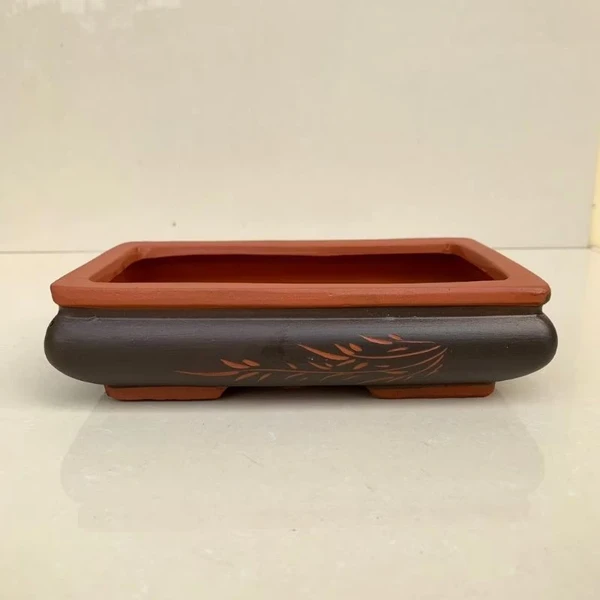
Chậu Chữ Nhật Bo Góc Trồng Cây Mini bonsai tiểu cảnh – …
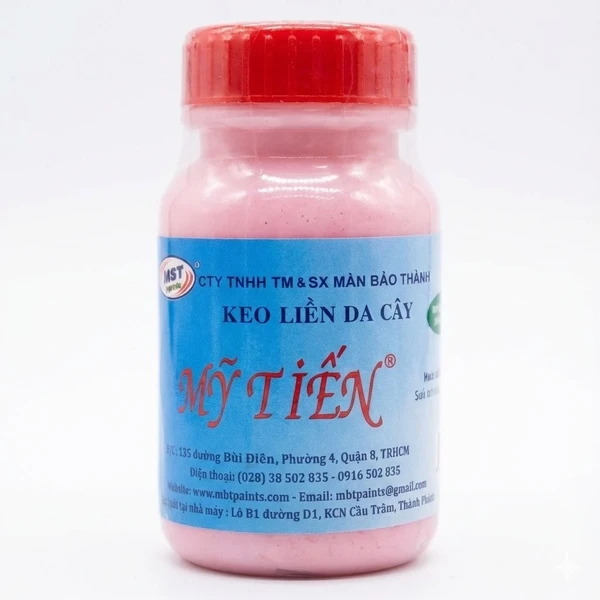
Keo liền sẹo mỹ tiến sử dụng cho cây cảnh
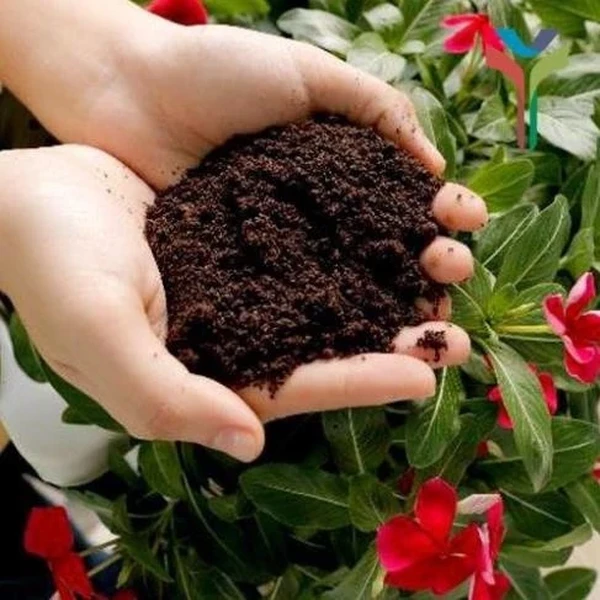
1Kg Đất sạch vi sinh siêu dinh dưỡng diệt trùng kháng k…
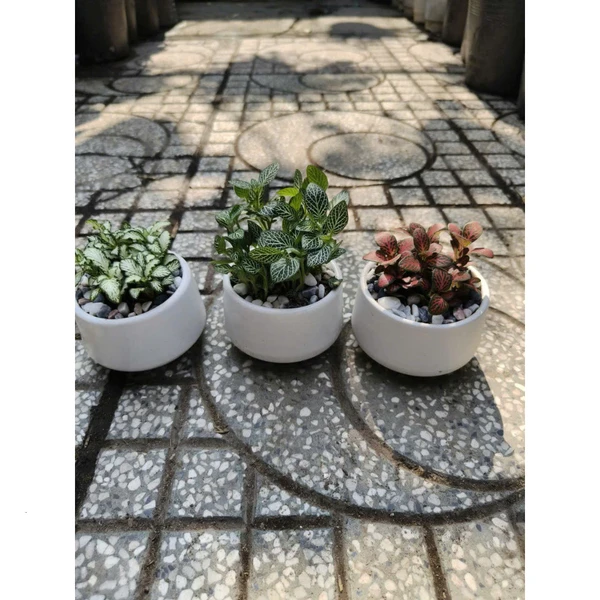
Cây Cẩm Nhung Lá May Mắn ( Fittonia) Để Bàn, Nhiều Màu …

200 Hạt Giống Hoa Cúc Họa Mi Trắng – Hoa Cánh Đơn Nhụy …

Cám Chim Chích Chòe " Vườn Chim Đại Ngàn" – C…

500gr dây nhôm đen uốn cây bon sai, cây cảnh, cây mai
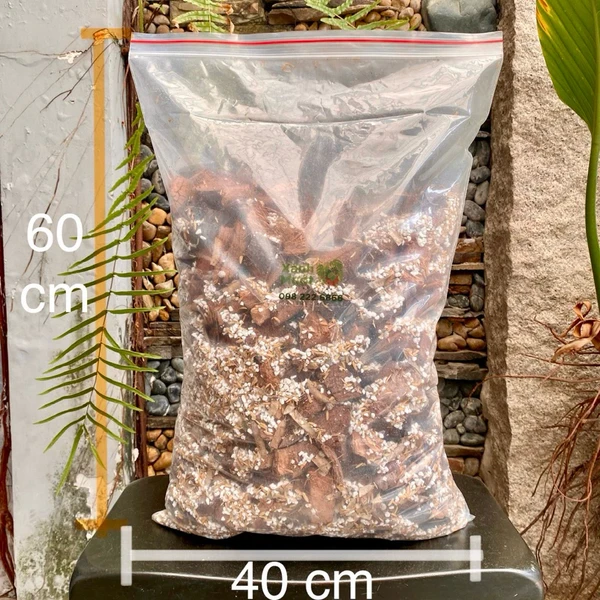
Mixed soil – Đất trộn giá thể trộn sẵn cây Kiểng lá Ind…

Đất Trồng Sen Đá, Đất Trồng Cây SOILMIX dành riêng cho …

How to Grow Vibrant Phaseolus lunatus Hue: Full-Sun Nutrition, Deadheading & Black Spot Prevention
Phaseolus lunatus Hue botanical care monograph: Tropical Saigon climate adaptation, PAR light, aerated substrate (pumice/perlite/bark), irrigation, fertilizer, and 5-step rescue protocol.
Read Monograph →
Saccharum officinarum Juice Urban Cultivation Guide: Alluvial Soil Matrix, Water Management & Grain Filling
Saccharum officinarum Juice botanical care monograph: Tropical Saigon climate adaptation, PAR light, aerated substrate (pumice/perlite/bark), irrigation, fertilizer, and 5-step rescue protocol.
Read Monograph →
Growing Organic Phaseolus vulgaris White on Urban Balconies: Bio-Active Soil, Watering & High-Yield Care
Phaseolus vulgaris White botanical care monograph: Tropical Saigon climate adaptation, PAR light, aerated substrate (pumice/perlite/bark), irrigation, fertilizer, and 5-step rescue protocol.
Read Monograph →
Sesamum indicum Black Container Gardening Guide: Vermicompost Nutrition, Sunlight & Blossom-End Rot Shield
Sesamum indicum Black botanical care monograph: Tropical Saigon climate adaptation, PAR light, aerated substrate (pumice/perlite/bark), irrigation, fertilizer, and 5-step rescue protocol.
Read Monograph →Expert Q&A, Recommended Supplies & Article Feedback
Tap once to connect instantly via Google, Facebook or TikTok — no long forms required!
No questions yet for this article. Tap Google / Facebook / TikTok above to ask the first question!