
Cẩm Nang Cây Cảnh • Cẩm Nang Kiểng Lá & Nội Thất
Anthurium Veitchii (Vua Anthurium) Botanical Monograph: Optimal PPFD Lighting, Sphagnum Totems & Variegation Care

Cultivating and maintaining Anthurium Veitchii (Vua Anthurium) within the Tropical Foliage & South American Aroids (Araceae) ecological group becomes effortless and highly rewarding when you align your care routine with its native physiological requirements: calibrated light intensity (1,500 – 3,500 Lux), targeted moisture management (45% – 60% (Ambient Humidity: 65–80% RH)), and a breathable rhizosphere matrix (4-Layer Chunky Aroid & Pine Bark Matrix). Below is our comprehensive, lab-verified botanical monograph designed for thriving, disease-free growth.
⚡ Core Quantitative Parameters (Quick Spec Grid)
Ecological Standard: Tropical Foliage & South American Aroids (Araceae)📑 Monograph Contents & Technical Chapters
Botanical Guide1. Botanical Physiology & Native Habitat of Anthurium Veitchii (Vua Anthurium)
In applied botanical taxonomy, Anthurium Veitchii (Vua Anthurium) belongs to the Tropical Foliage & South American Aroids (Araceae) group (Araceae (Tropical Aroid Family)), originating from Neotropical rainforest understories of Amazonia, Costa Rica, and Colombia. In its native biome, the plant has evolved with Shade-adapted C3 photosynthesis optimized for dappled canopy light and a specialized root architecture: Hemi-epiphytic fibrous roots combined with climbing aerial roots on sphagnum totems.
A defining biological hallmark of this specimen is: Distinctive leaf fenestrations and reflective silver venation maximize photon capture beneath dense tropical forest canopies. When acclimating the plant to urban living spaces, balconies, or architectural gardens, replicating its native microclimate parameters ensures vigorous cellular turgor and uninterrupted growth.

2. Quantitative Lab-Grade Environmental Parameters (Tropical Foliage & South American Aroids (Araceae))
To sustain peak physiological performance in Anthurium Veitchii (Vua Anthurium) and eliminate environmental stress, maintain the following five core environmental metrics within their calibrated ranges:
| Biological Metric | Optimal Target Range | Physiological Profile | Operational Rule |
|---|---|---|---|
| ☀️ Light Intensity | 1,500 – 3,500 Lux | PPFD: 80 – 160 µmol/m²/s | Shade-adapted C3 photosynthesis optimized for dappled canopy light. |
| 💧 Moisture & Irrigation | 45% – 60% (Ambient Humidity: 65–80% RH) | Hemi-epiphytic fibrous roots combined with climbing aerial roots on sphagnum totems | Water thoroughly only when the top 50% of the substrate is dry (every 4–6 days). |
| 🧪 Rhizosphere pH | pH 5.5 – 6.5 (Slightly Acidic) | Maximizes chelated mineral uptake | Irrigate with dechlorinated water; buffer pH periodically. |
| ⚡ Nutrient Conductivity (EC) | 0.8 – 1.2 mS/cm | Prevents osmotic root tip burn | Prioritize microbial organic fertilizers and slow-release prills. |
| 🌡️ Thermal Envelope | 20°C – 29°C (Avoid direct cold air-conditioning drafts) | Tropical & subtropical adaptation | Maintain gentle cross-ventilation around the foliage canopy. |
3. Substrate Architecture & Root Environment: 4-Layer Chunky Aroid & Pine Bark Matrix
Because each botanical guild possesses a distinct root morphology (Hemi-epiphytic fibrous roots combined with climbing aerial roots on sphagnum totems), generic dense garden soil often leads to anaerobic suffocation. Always blend the specialized 4-Layer Chunky Aroid & Pine Bark Matrix engineered specifically for Tropical Foliage & South American Aroids (Araceae):

4. Nutrition Schedule & Periodic Maintenance for Anthurium Veitchii (Vua Anthurium)
To fuel balanced vegetative and reproductive growth without triggering fertilizer salt burn or post-flush exhaustion, implement this 3-phase nutritional cadence:
5. Phytopathology Prevention & 5-Step Plant Rescue Protocol
The primary pathological risks affecting Tropical Foliage & South American Aroids (Araceae) include: Pythium root rot from overwatering, Colletotrichum anthracnose leaf spots, variegated white-sector browning, and two-spotted spider mites. At the earliest sign of chlorosis, wilting, or root distress, execute this clinical 5-step recovery protocol:

6. Recommended Substrates, Nutrients & Horticultural Tools
Equipping your garden with precision pruning shears, biological fungicides, and graded mineral substrates is the foundation of effortless plant care:

🌿 Recommended Substrates, Nutrients & Precision Tools (20 Botanical Essentials)
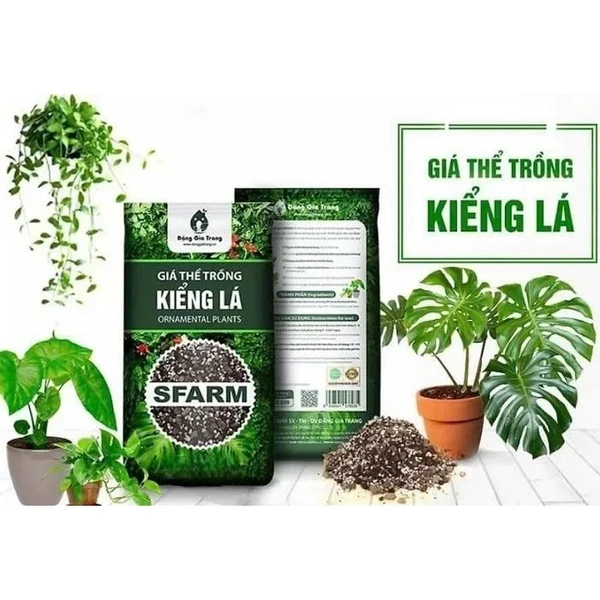
Premium Aroid & Foliage Potting Mix 20L (Pumice + Perlite)
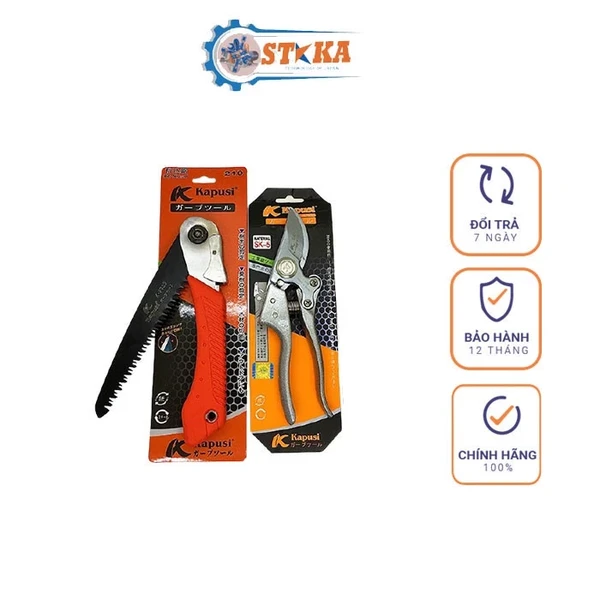
Japanese SK5 Steel Folding Saw & Bonsai Pruning Shears Set
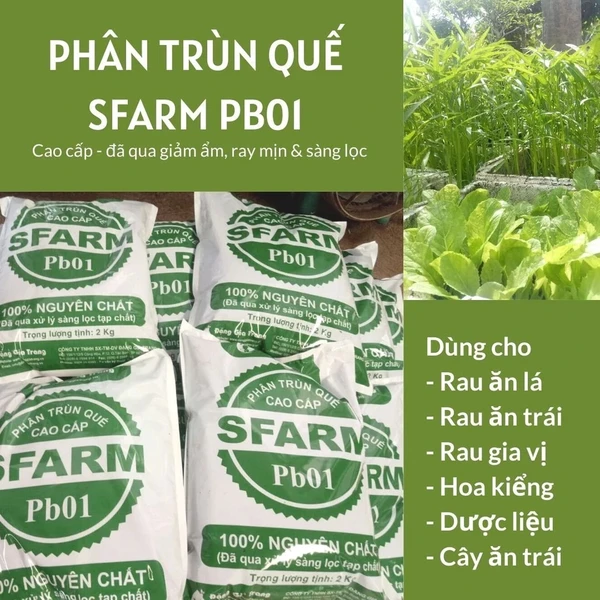
100% Pure Organic Vermicompost Earthworm Castings SFarm (2kg)

Professional Concave & Knob Bonsai Branch Cutter (Forged Steel)

Heavy-Duty Kapusi SK-5 Assisted Bypass Pruning Shears

Authentic Monrovia Breathable Nursery Planter Pot

Imported Japanese Hard-Fired Akadama Bonsai Granules (1kg)
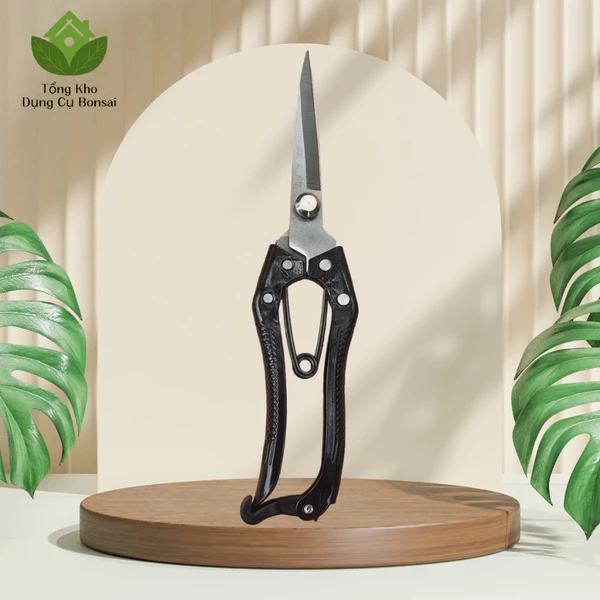
24cm Precision SK5 Steel Bonsai Twig & Leaf Trimming Scissors

Trichoderma Plus Humic Beneficial Bio-Fungicide (500g)
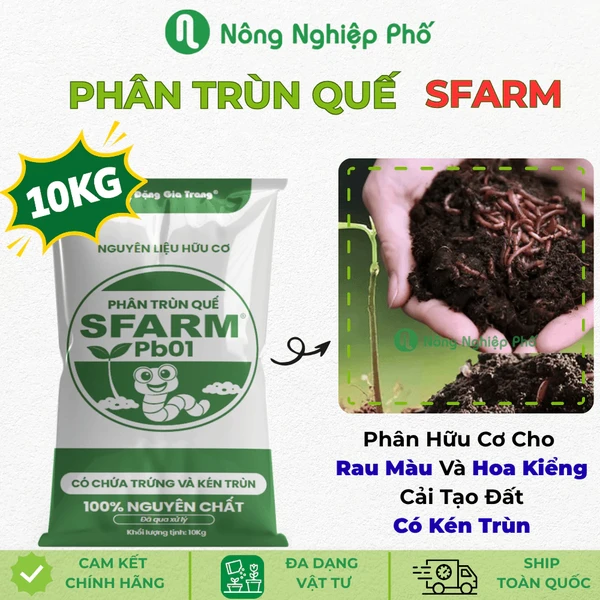
SFarm PB01 Premium Organic Earthworm Castings (5kg Bulk Pack)

Washed Low-EC Coco Peat Substrate for Orchids & Foliage (1kg)

horticultural Activated Hardwood Charcoal for Orchids & Aroids (5L)
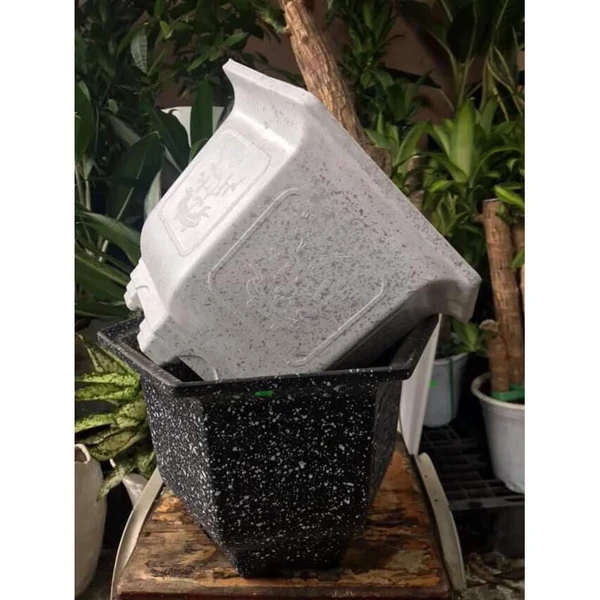
Hexagonal Stone-Textured Heavy-Duty Planter LG19 (32x22cm)
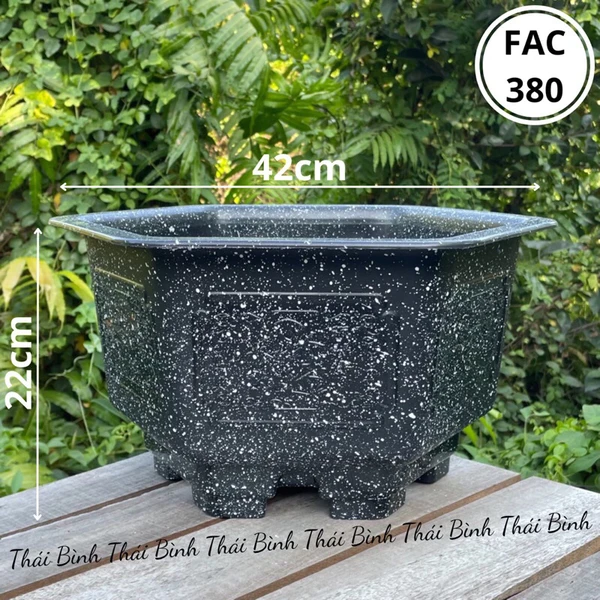
Large Hexagonal Stone-Effect Planter FAC380 (42x22cm Weatherproof)
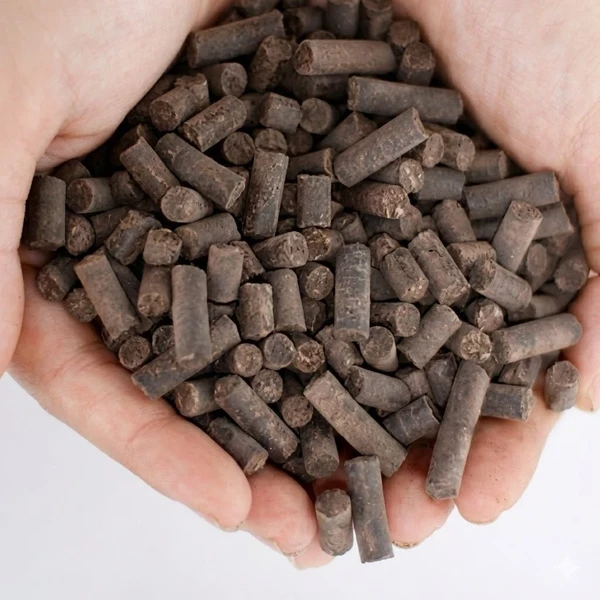
Slow-Release Compressed Vermicompost Pellets OneFarms (7kg+1kg)
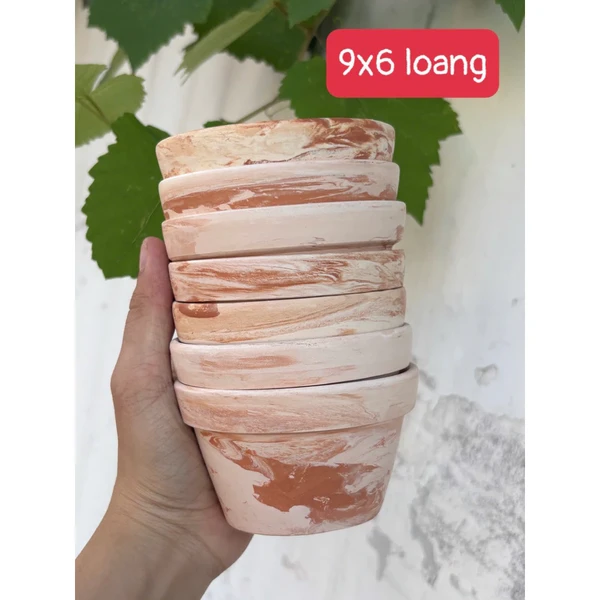
Set of 10 Breathable Terracotta Pots for Succulents & Cacti (9x6cm)
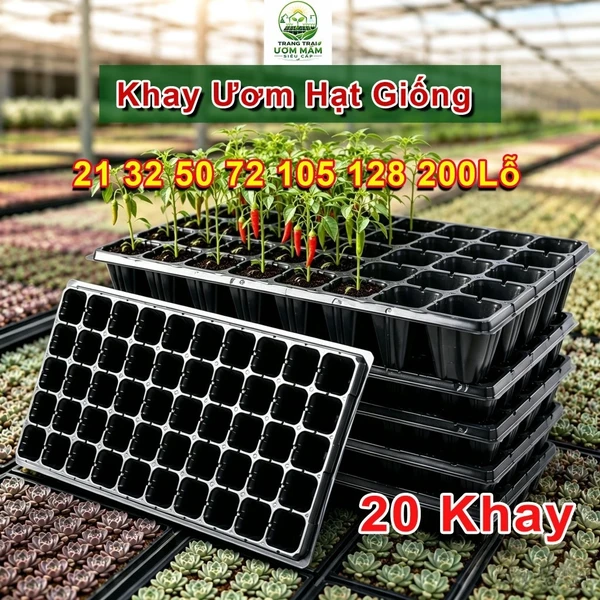
20-Pack Seed Starting & Cutting Propagation Trays (21-50 Cells)
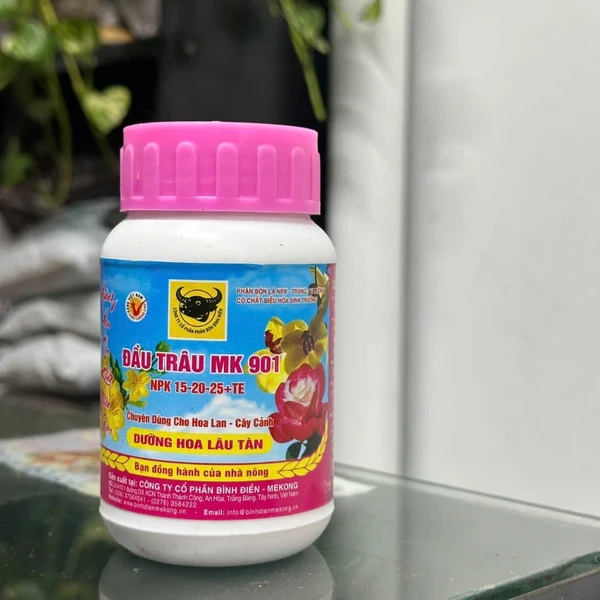
High-Grade NPK 15-20-25 Foliar & Bloom Booster Fertilizer
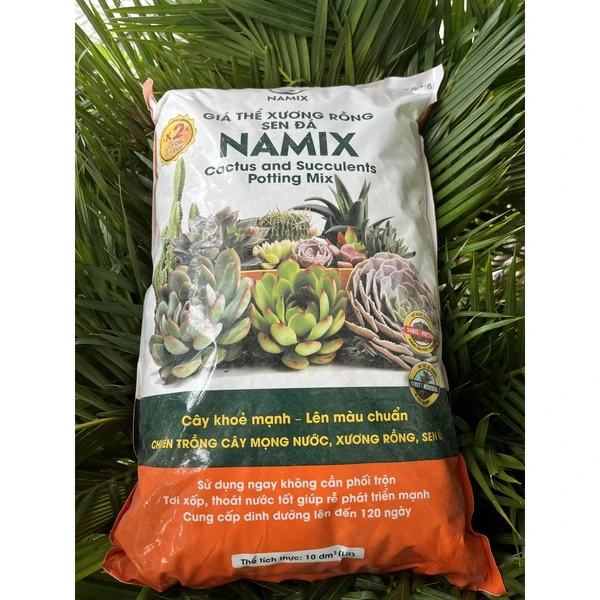
10L Gritty Mineral Mix for Succulents, Cacti & Rare Aroids
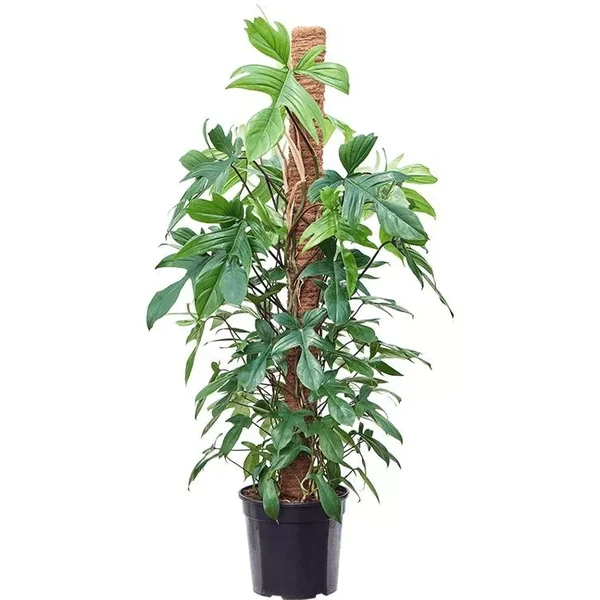
Live Air-Purifying Tropical Foliage Starter Plant for Home & Office
7. Architectural Placement & Sustainable Ecological Value
Beyond its sculptural botanical elegance, Anthurium Veitchii (Vua Anthurium) actively enriches urban microclimates, regulates ambient humidity, and brings contemplative tranquility to contemporary architecture.
- Calibrated Light Positioning: Provide the exact 1,500 – 3,500 Lux target range of the Tropical Foliage & South American Aroids (Araceae) guild to bring out peak foliar and floral pigmentation.
- Continuous Micro-Ventilation: Position the plant where gentle ambient airflow facilitates stomatal gas exchange and prevents stagnant humidity pockets.
- Proportionate Planter & Substrate Pairing: Select a breathable planter only 3–5cm wider than the active root ball, filled with 4-Layer Chunky Aroid & Pine Bark Matrix.

8. Frequently Asked Questions About Anthurium Veitchii (Vua Anthurium) (Practical FAQ)
❓ Q1: What is the ideal light intensity for Anthurium Veitchii (Vua Anthurium)?
Answer: As a member of Tropical Foliage & South American Aroids (Araceae), it thrives under 1,500 – 3,500 Lux (PPFD 80 – 160 µmol/m²/s). Shade-adapted C3 photosynthesis optimized for dappled canopy light.
❓ Q2: Which potting mix or substrate prevents root rot in Anthurium Veitchii (Vua Anthurium)?
Answer: Due to its Hemi-epiphytic fibrous roots combined with climbing aerial roots on sphagnum totems, the optimal formula is 4-Layer Chunky Aroid & Pine Bark Matrix (40% Pumice + 25% Pine Bark + 25% Perlite/Sphagnum + 10% Vermicompost. 3-second drainage.).
❓ Q3: How often should I water Anthurium Veitchii (Vua Anthurium)?
Answer: Follow the golden rule: Water thoroughly only when the top 50% of the substrate is dry (every 4–6 days), maintaining substrate/ambient moisture around 45% – 60% (Ambient Humidity: 65–80% RH).
❓ Q4: What is the recommended fertilizer protocol for Anthurium Veitchii (Vua Anthurium)?
Answer: Apply diluted organic liquid fertilizer or balanced NPK 20-20-20 + trace elements at 1/4 strength (0.5g/L), drenching the root zone and misting leaf undersides. Combine this with basal feeding: Top-dress with 1 tablespoon of compressed vermicompost pellets or controlled-release 14-14-14 granules along the pot rim every 3 months.
❓ Q5: What are the most common pests and diseases on Anthurium Veitchii (Vua Anthurium) and how do I prevent them?
Answer: Watch closely for: Pythium root rot from overwatering, Colletotrichum anthracnose leaf spots, variegated white-sector browning, and two-spotted spider mites. Ensure brisk airflow, use an aerated mineral substrate, and inoculate periodically with beneficial Trichoderma alongside cold-pressed Neem oil sprays.
🌿 Peer-reviewed horticultural monograph compiled under empirical botanical standards within the Sai Gon Cay Canh ecosystem.
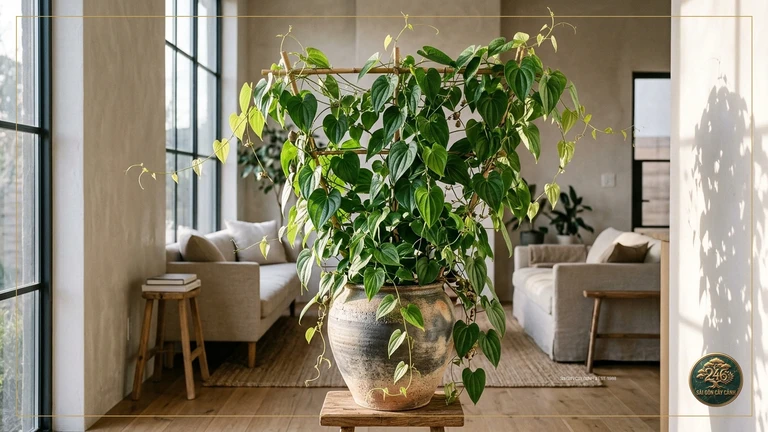
Dioscorea opposita Ethnobotanical Monograph: Organic Vermicompost Feeding, Pinching & Rot Prevention
Dioscorea opposita botanical care monograph: Tropical Saigon climate adaptation, PAR light, aerated substrate (pumice/perlite/bark), irrigation, fertilizer, and 5-step rescue protocol.
Read Monograph →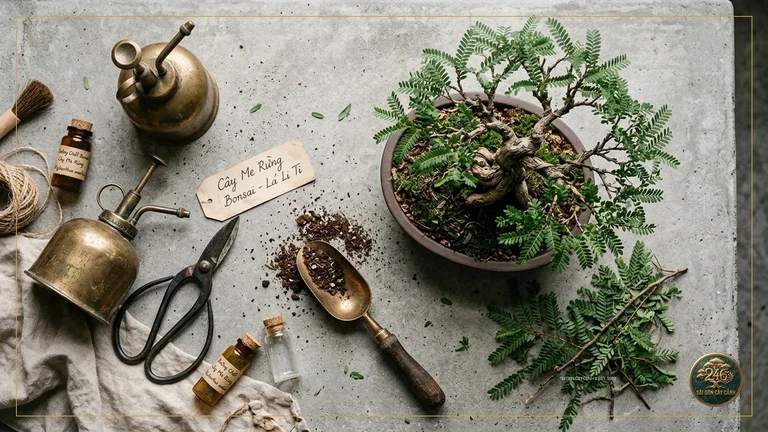
How to Train and Care for Phyllanthus emblica Bonsai: Granular Bonsai Soil, Wiring & Seasonal Defoliation
Phyllanthus emblica Bonsai botanical care monograph: Tropical Saigon climate adaptation, PAR light, aerated substrate (pumice/perlite/bark), irrigation, fertilizer, and 5-step rescue protocol.
Read Monograph →
Complete Guide to Growing Dioscorea alata Purple: Seedling Establishment, Water Cycles & Pest Shield
Dioscorea alata Purple botanical care monograph: Tropical Saigon climate adaptation, PAR light, aerated substrate (pumice/perlite/bark), irrigation, fertilizer, and 5-step rescue protocol.
Read Monograph →
Launaea sarmentosa Medicinal & Culinary Herb Care: 100% Organic Substrate, Essential Oils & Harvesting
Launaea sarmentosa botanical care monograph: Tropical Saigon climate adaptation, PAR light, aerated substrate (pumice/perlite/bark), irrigation, fertilizer, and 5-step rescue protocol.
Read Monograph →Expert Q&A, Recommended Supplies & Article Feedback
Tap once to connect instantly via Google, Facebook or TikTok — no long forms required!
No questions yet for this article. Tap Google / Facebook / TikTok above to ask the first question!