Living plant profile
Common hawthorn (Crataegus monogyna)
Crataegus monogyna
📌 CLINICAL & BIOLOGICAL ABSTRACT — Common hawthorn (Crataegus monogyna)Common hawthorn (Crataegus monogyna) Crataegus monogyna, revered as common hawthorn or oneseed hawthorn, is a legendary deciduous woody subject in classical bonsai celebrated for its deeply twisted, grooved ancient trunks, intensely fragrant white spring corymbs, and rich dark-red autumn pomes. 1. Botanical Identity & Taxonomic Nomenclature […]
Common hawthorn (Crataegus monogyna)
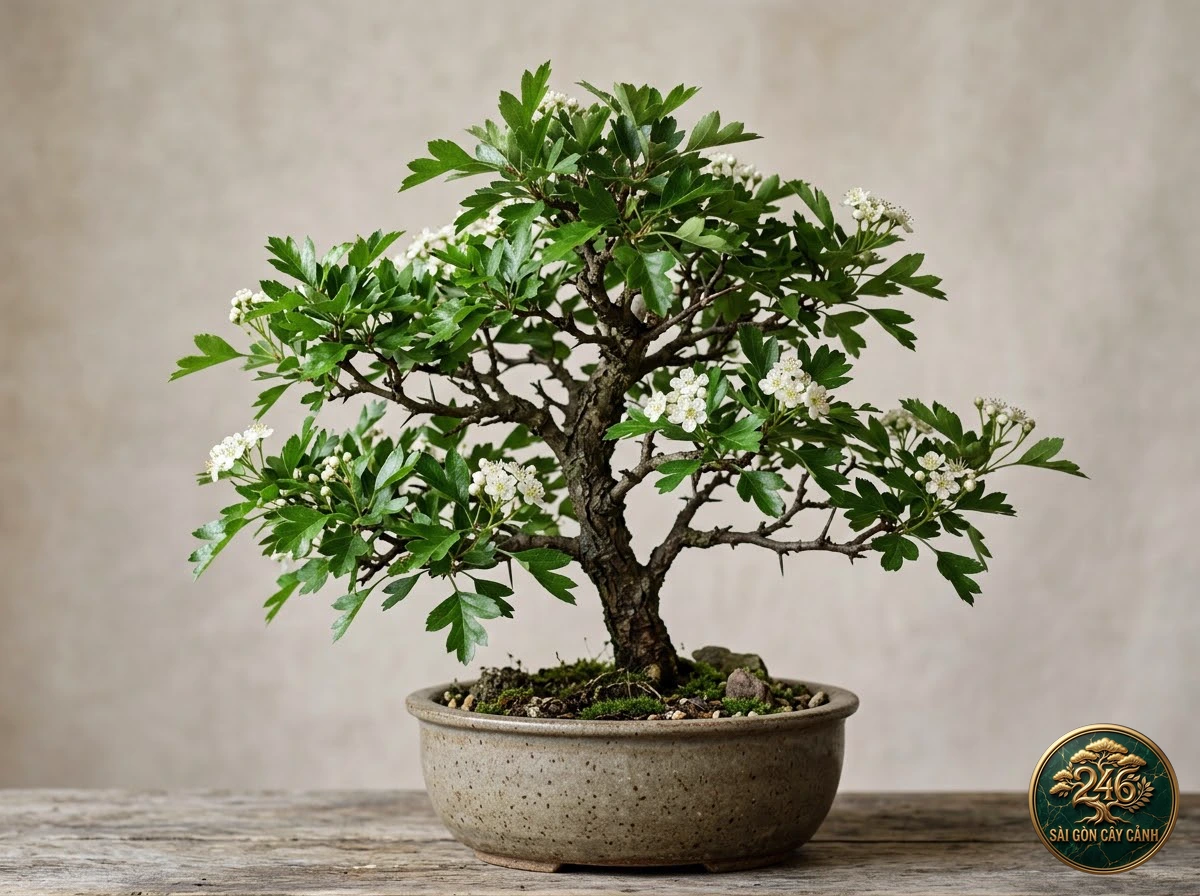
Crataegus monogyna, revered as common hawthorn or oneseed hawthorn, is a legendary deciduous woody subject in classical bonsai celebrated for its deeply twisted, grooved ancient trunks, intensely fragrant white spring corymbs, and rich dark-red autumn pomes.
Sài Gòn Cây Cảnh Care Compass
1. Botanical Identity & Taxonomic Nomenclature History
Crataegus monogyna was scientifically cataloged by Austrian botanist Nikolaus Joseph von Jacquin in 1775 in Florae Austriacae; the genus Crataegus derives from Greek kratos (strength), honoring its exceptionally hard dense timber, while the specific epithet monogyna joins monos (single) and gyne (female pistil), noting its single-styled flowers and single-stoned pomes.
In European folklore and international bonsai mastery, common hawthorn is revered as an immortal country icon; ancient field specimens boast heavily grooved, twisted deadwood trunks and legendary vigor capable of pushing healthy adventitious buds from century-old bark, securing its prestige among top-tier deciduous bonsai.
2. Morphological Anatomy & Structural Architecture
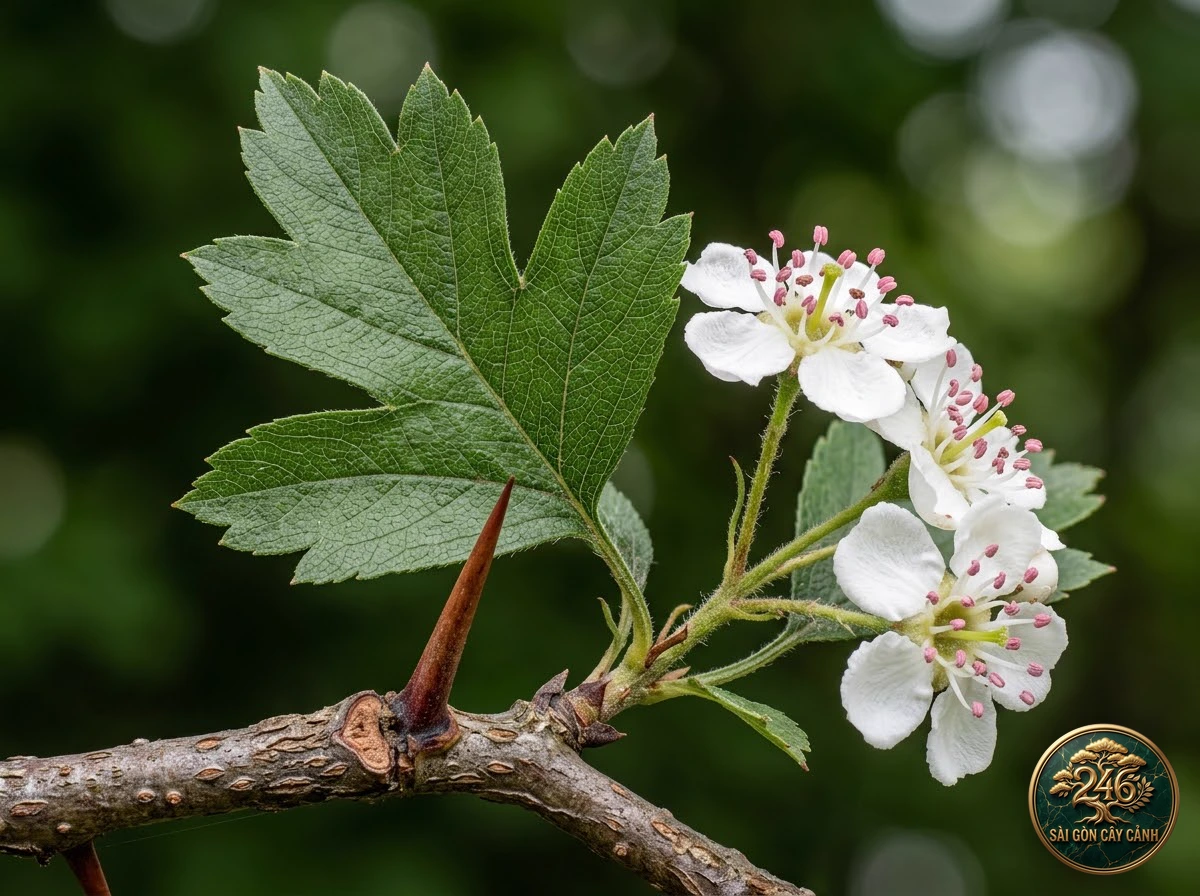
A deciduous small tree or large shrub growing five to ten meters tall in wild pastures; sculpted in bonsai to thirty to seventy centimeters in formal upright, literati (bunjin), slanting, or windswept styles. Bark is grey-brown, becoming deeply fluted, cracked, and twisted with venerable age; zig-zagging branchlets bear stout thorns one to two and a half centimeters long.
Leaves are alternate, obovate, two to five centimeters long, deeply cleft into three to seven distinct lobes with apical serrations; upper surface is deep glossy green, undersides paler; autumn foliage turns luminous golden-yellow to russet before dormancy. Flowers erupt in profuse flat corymbs of ten to twenty blooms ten to fifteen millimeters wide; corollas feature five rounded white petals surrounding a solitary pistil and dozens of rose-purple anthers emitting a rich sweet scent; fruits are fleshy dark crimson pomes (haws) eight to twelve millimeters long containing a single hard stone, persisting on bare winter twigs.
3. Solar Irradiance Thresholds & Photosynthetic Dynamics
Flourishes in full direct sunlight to light open shade, requiring illumination between 30,000 and 60,000 lux to strengthen dense woody grain and promote dense flower bud initiation.
Demands five to six hours of sunlight daily; shade cultivation leads to stretched, brittle internodes, chlorotic thin leaves, and poor fruit retention.
4. Mineral Substrate Mechanics & Root Aeration Porosity
Potting medium requires open granular structure, moderate moisture retention, and rapid percolation: 45% medium akadama, 30% pumice, 15% crushed lava rock, and 10% mature organic compost.
Performs optimally within pH 6.5 to 7.8, appreciating calcium-rich limestone mineral blends; its vigorous fibrous root network adapts magnificently to shallow ceramic bonsai containers.
5. Hydraulic Equilibria & Irrigation Regimens
Irrigation management: Drench substrate thoroughly whenever surface aggregates turn light; hawthorns appreciate reliable moisture but suffer under anaerobic soil saturation.
During vigorous spring flush and flowering, high transpiration calls for daily moisture monitoring; during winter leafless dormancy, curtail irrigation to a light soak once or twice weekly.
6. Nutrient Biogeochemistry & Fertilization Protocols
Nutritional care: Apply slow-release organic pellets monthly from spring through autumn; once fruitlets form, supplement with phosphorus and potassium micronutrient feeds to plump up the haws and harden branch wood.
Pruning and styling: Hawthorns tolerate drastic hard pruning in late winter; an extraordinary capacity to generate vigorous back-buds from old wood empowers artisans to create dramatic taper and fine ramification.
7. Clonal Propagation & Germplasm Conservation
Propagates via autumn ripe seed sowing, though seeds require warm followed by cold-moist stratification spanning three to six months to breach their impermeable woody endocarps.
In bonsai cultivation, air-layering sculptured mature branches or taking thick root cuttings in late winter is preferred, producing rapid flowering and mature bark characteristics.
8. Phytochemical Toxicity & Pet Safety Standards (ASPCA)
Regarding toxicology and household safety, Crataegus monogyna is a renowned beneficial herbal botanical, with flowers and fruit pulp devoid of harmful toxins for dogs and cats.
Ripe haws are rich in natural bioflavonoids and vitamins; the dense inner stone is intensely bitter, naturally preventing domestic pets from chewing or digesting it.
9. Clinical Pathology Diagnostics & Treatment Strategies
Clinical diagnostic monitoring for foliar rust suppression and ancient deadwood back-budding induction in Crataegus monogyna:
| Clinical Manifestation | Etiological Cause | Standard Treatment Protocol |
|---|---|---|
| Tender shoot tips and flower clusters wilt suddenly, blackening as though scorched by intense fire | Bacterial fire blight (Erwinia amylovora) infecting vascular tissues during warm damp spring weather | Prune infected wood 15 cm into clean tissue, sanitize shears with alcohol, spray bio-copper fungicide |
| Underside of leaves erupts in strange orange horn-like tubular gall projections | Hawthorn rust fungus (Gymnosporangium clavariiforme) alternating life cycle from nearby juniper trees | Remove heavily affected leaves, isolate from juniper specimens, apply protective organic bio-fungicide |
| Foliage becomes coated with a powdery greyish-white fungal film causing leaf distortion | Powdery mildew (Podosphaera oxyacanthae) favored by stagnant air, high humidity, and partial shade | Thin dense canopy branches, move container into full sun, and spray diluted wettable sulfur fungicide |
| Old woody trunk shows pinholes with fine wood frass powder expelled onto outer bark | Borer beetle larvae tunneling into weakened interior heartwood | Probe tunnels with flexible wire to eliminate larvae, inject organic neem or alcohol solution, seal with paste |
10. Comparative Morphology & Allied Taxa Diagnosis
Taxonomic comparative matrix distinguishing deeply lobed leaves and single-stoned crimson haws of Crataegus monogyna:
| Diagnostic Parameter | Crataegus monogyna (Common hawthorn) | Comparative Specimen A | Comparative Specimen B |
|---|---|---|---|
| Leaf lobing and foliar architecture | Leaves deeply cleft into 3 to 7 distinct lobes with apical serrations | Leaves oblanceolate and unlobed with fine crenate-serrulate margins | Leaves ovate to elliptic and unlobed with fine delicate serrulations |
| Floral anatomy and seed count | Flowers with single pistil and single-stoned dark crimson haws | Flowers with 5 pistils and 5-stoned star-like pome interior | Flowers with 3 to 5 pistils and multi-seeded miniature crabapples |
| Floral fragrance and blossom display | Erect snowy-white flat corymbs emitting a rich honey-sweet perfume | Dense white corymbose clusters with subtle herbal scent | Drooping rose-pink blossoms nodding gracefully on purple pedicels |
| Trunk character and back-budding capacity | Deeply twisted fluted trunks with extraordinary back-budding from ancient wood | Rugged fissured bark with rapid fine branch ramification | Smooth juvenile bark flaking in thin papery scales with sinuous trunk lines |
11. Biophilic Design Harmony & Contemporary Spatial Aesthetics
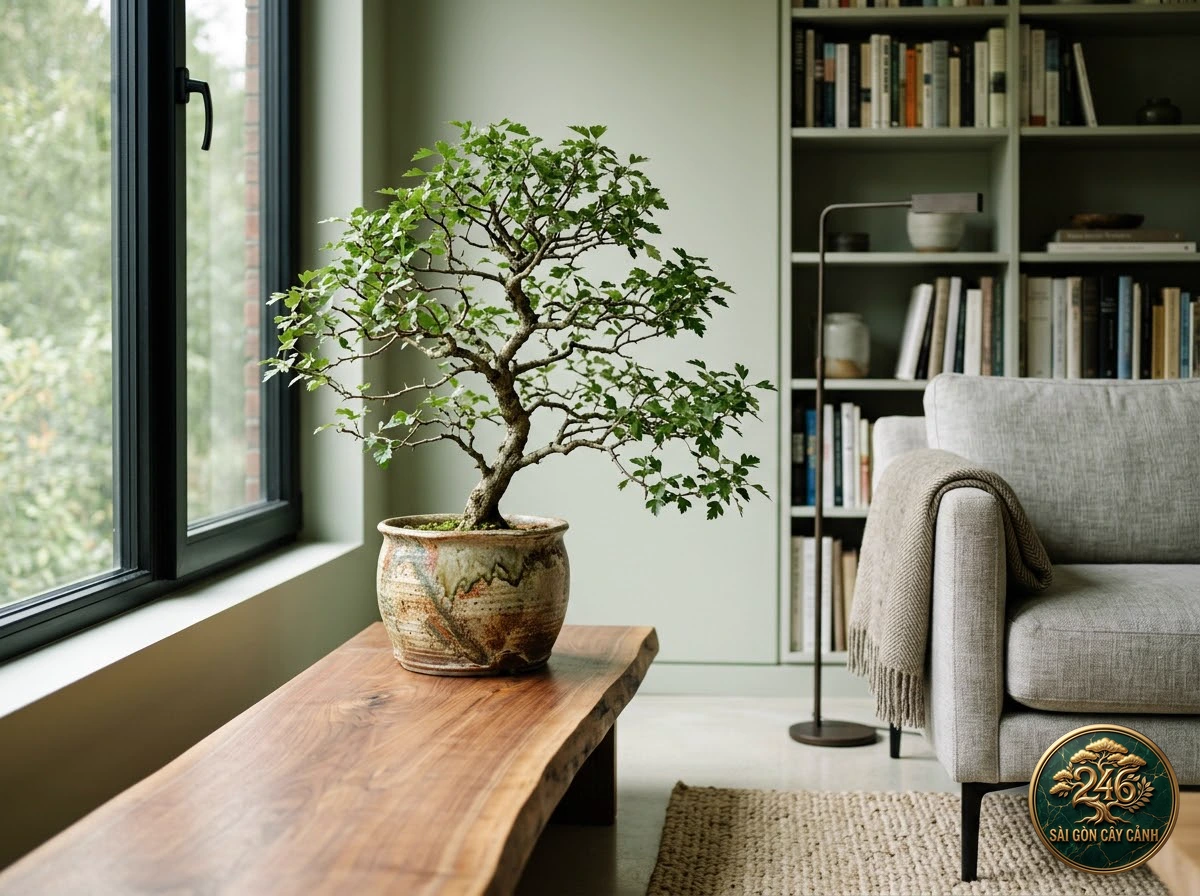
Common hawthorn in classical European heritage embodies pure love, enduring hope, steadfast protection, and noble triumph rising through harsh trials.
Its honey-scented spring blossoms inspire peaceful contemplation, while its radiant winter haws bring warmth, vibrant vitality, and auspicious domestic abundance.
12. Saigon Cay Canh Provenance & Cultivation Assurance

Saigon Cay Canh curates venerable Crataegus monogyna bonsai specimens featuring deeply twisted fluted trunks, snowy spring blooms, and abundant crimson haws.
Potted in prestigious artisan ceramic containers, certified for vigor, and accompanied by dedicated lifelong botanical consultation.
💬 Góc Tư Vấn & Hướng Dẫn Kỹ Thuật SGCC
Chuẩn E-E-A-T Kinfolk❓ Chăm sóc Common hawthorn (Crataegus m cần lưu ý điều gì quan trọng nhất?
💡 Dạ điều quan trọng nhất là giữ môi trường sống ổn định, tránh sốc nhiệt hay dao động thông số đột ngột, đồng thời cung cấp khẩu phần ăn sạch và tươi mới ạ.
❓ Làm thế nào để phòng ngừa bệnh tật hiệu quả cho các bé?
💡 Dạ anh chị nên giữ vệ sinh chuồng/hồ nuôi sạch sẽ, thay nước hoặc dọn dẹp định kỳ và bổ sung vitamin, men tiêu hóa đều đặn để tăng sức đề kháng ạ.
🌿 Trang Thiết Bị, Đất Trồng & Dụng Cụ Bonsai Tuyển Chọn
Dụng cụ tỉa, giá thể hữu cơ & phân bón chuyên dụng cho cây cảnh.

Cây Lau Nhà Tự Vắt DIDOOGLT Bông Lau San Hộ Siêu Thấm H…

Kiss Home Áp Lực Tưới Cây Có Thể Làm Vườn Tưới Cây Bình…

Ống Nước Rửa Xe 8 Chế Độ Và Đầu Nối Vòi Nước Đa Năng Ốn…

COMBO 5 Chậu Nhựa Lục Giác Giả Đá FAC380 Kt 42x22cm (Nh…

Phân Bón Lá NPK 20-20-20 + TE Của Growmore Loại 100g 3 …

Hạt Giống Hoa Cúc Họa Mi Trắng (Gói 300 Hạt) – Bao Farm
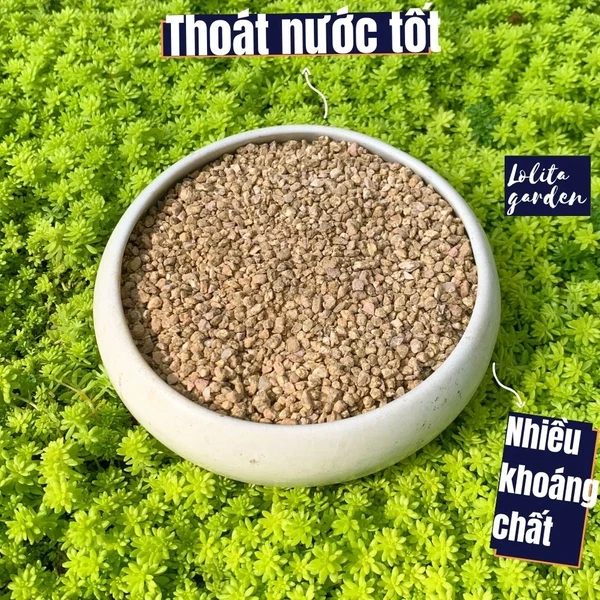
ĐÁ RẢI MẶT CHẬU MASATO (1KG) CHO SEN ĐÁ, XƯƠNG RỒNG 🍏
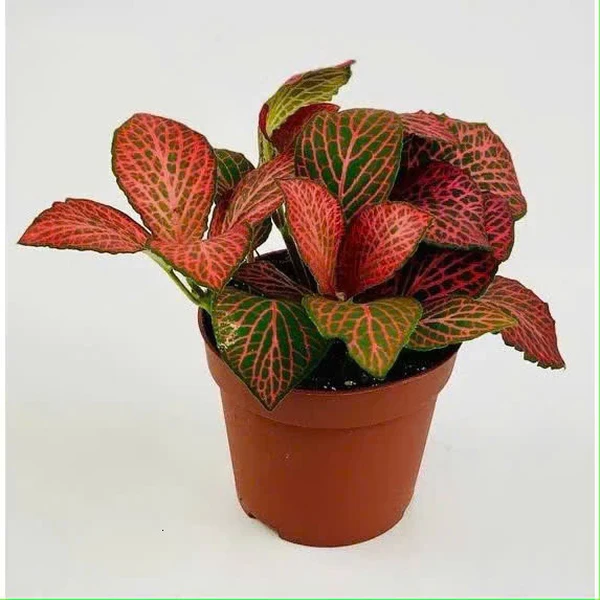
Cây Cẩm Nhung Lá May Mắn (Fittonia) Để Bàn, Nhiều Màu T…

Phân Trùn Quế SFARM 10kg, 100% nguyên chất, đã qua xử l…

【Siêu Bền Với Thép SK5 – Cắt Cành Dễ Dàng】Kéo Cắt Cây L…

Bộ Vòi Tưới Cây 8 Chế Độ – Vòi Tưới Sân Vườn Xịt Rửa Đi…
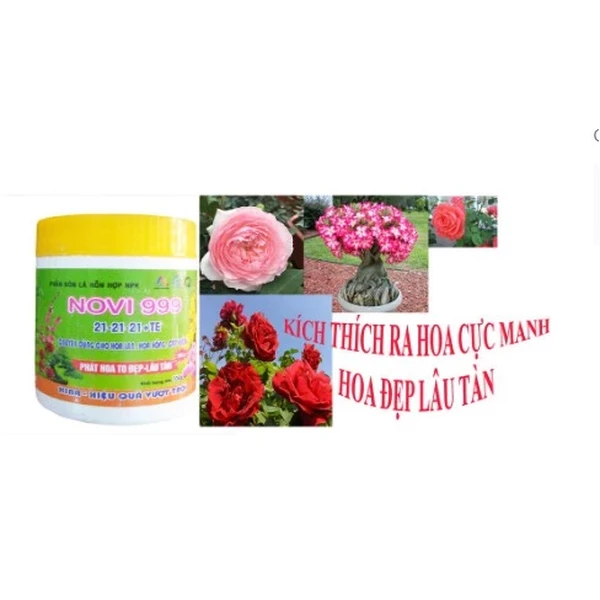
Novi 999 NPK 21-21-21+TE (100gx 3hủ) – Bộ 3 hủ phân bón…

Japanese persimmon (Diospyros kaki)
Japanese persimmon (Diospyros kaki) Diospyros kaki, universally cherished as Japanese persimmon or Asian persimmon, is an iconic deciduous...
Read Monograph →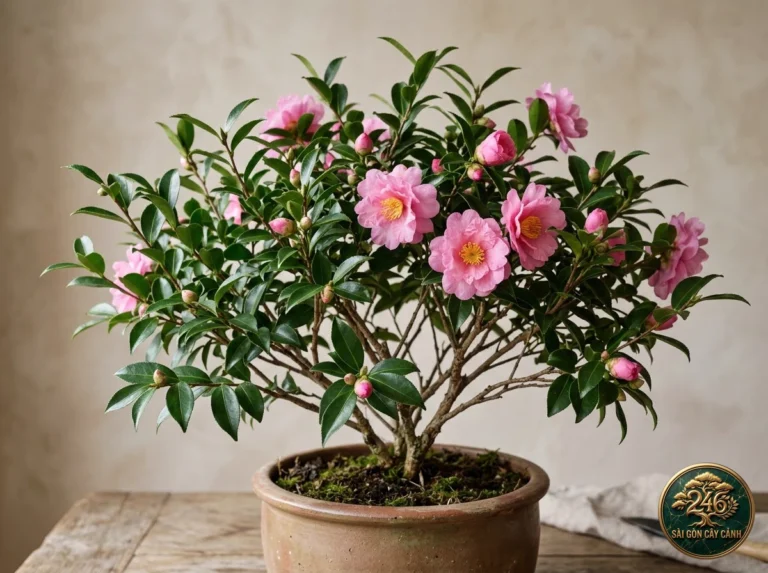
Sasanqua camellia (Camellia sasanqua)
Sasanqua camellia (Camellia sasanqua) Camellia sasanqua, celebrated as sasanqua camellia or autumn camellia, is an enchanting fall-blooming woody...
Read Monograph →
Coastal premna (Premna serratifolia)
Coastal premna (Premna serratifolia) Premna serratifolia, widely known as coastal premna or sea-coast Premna, is a celebrated littoral...
Read Monograph →
Chinese privet (Ligustrum sinense)
Chinese privet (Ligustrum sinense) Ligustrum sinense, widely known as Chinese privet, is a versatile and celebrated woody subject...
Read Monograph →Expert Q&A, Recommended Supplies & Article Feedback
Tap once to connect instantly via Google, Facebook or TikTok — no long forms required!
No questions yet for this article. Tap Google / Facebook / TikTok above to ask the first question!