
Living plant profile
European nettle tree (Celtis australis)
Celtis australis
📌 CLINICAL & BIOLOGICAL ABSTRACT — European nettle tree (Celtis australis)European nettle tree (Celtis australis) Celtis australis, the European nettle tree or Mediterranean hackberry, is a magnificent deciduous tree celebrated for smooth beech-like bark, dense shade canopy, and urban toughness. 1. Taxonomic Identity & Botanical Nomenclature Celtis australis was formally cataloged by Carl Linnaeus in […]
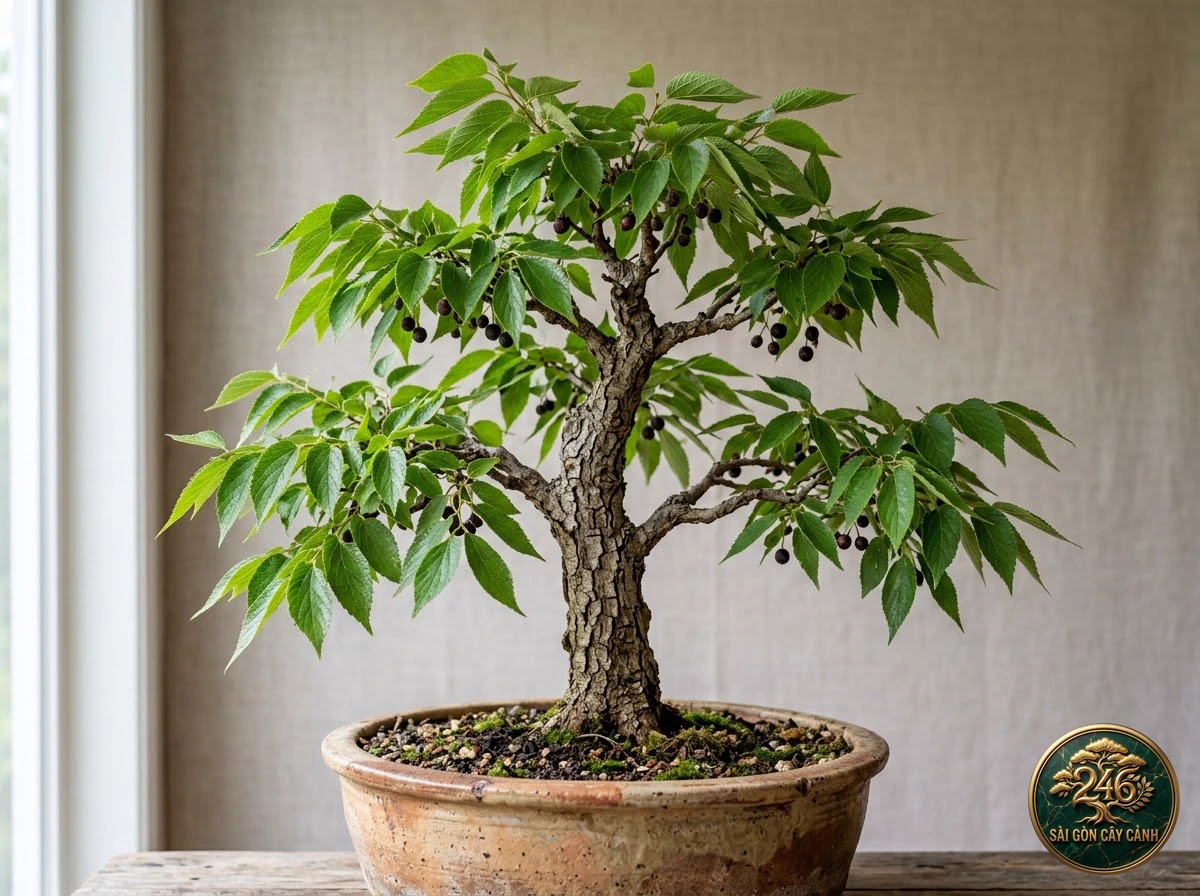
European nettle tree (Celtis australis)
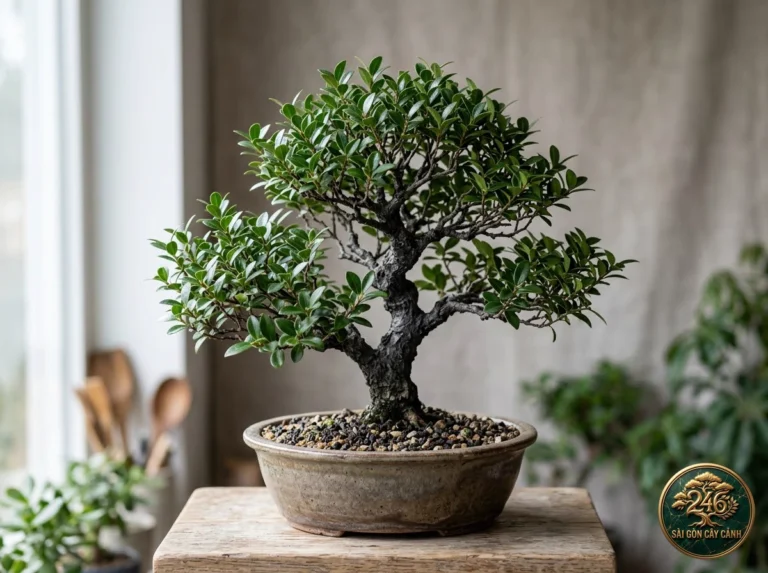
Celtis australis, the European nettle tree or Mediterranean hackberry, is a magnificent deciduous tree celebrated for smooth beech-like bark, dense shade canopy, and urban toughness.
Sài Gòn Cây Cảnh Care Compass
1. Taxonomic Identity & Botanical Nomenclature
Celtis australis was formally cataloged by Carl Linnaeus in Species Plantarum in 1753. Long revered throughout Mediterranean civilizations, its remarkably supple wood was treasured for crafting tool handles and traditional carriage shafts.
In natural ecosystems, it colonizes arid slopes, limestone screes, and gravelly riverbanks, driving tenacious taproots deep into structural rock fractures.
2. Morphological Architecture & Structural Anatomy

Reaches ten to twenty-five meters in wild woodlands, while disciplined bonsai styling maintains balanced silhouettes of forty to eighty centimeters with expansive root flares. Trunk bark remains smoothly grey and tactile throughout long lifespans.
Lanceolate leaves span five to fifteen centimeters with pronounced asymmetric bases, sharply serrated margins, and scabrous upper textures; tiny apetalous green flowers precede fleshy solitary drupes ripening to dark purple.
3. Photoperiod Energetics & Photosynthetic Dynamics
Demands intense photoperiods between 10,000 and 35,000 lux, thriving under uninterrupted sunlight to cultivate dense twig ramification and compact internodal development.
While tolerating light ambient shade, insufficient illumination weakens lateral shoot budding and enlarges foliage beyond aesthetic proportions.
4. Mineral Substrate Composition & Aeration Hydraulics
Demands a well-aerated container substrate: 40% coarse volcanic pumice, 30% hard-fired akadama clay, 20% weathered loam, and 10% matured pine humus.
Its vigorous fibrous root architecture requires high oxygen diffusion, necessitating generous container drainage apertures to prevent bottom substrate compaction.
5. Irrigation Regimen & Hydric Balance
Irrigation regimen: saturate thoroughly when the top two centimeters dry out, allowing excess drainage to exit freely without saucer accumulation.
During winter dormancy following leaf abscission, taper moisture input to barely moist levels, shielding quiescent roots from chill-induced anaerobic decay.
6. Mineral Nutrition & Slow-Release Fertilization
Supply balanced slow-release organic pellets every six weeks from early bud-break through late autumn, supplementing with mild sea kelp extract during active cambial growth.
Avoid excessive synthetic nitrogen applications during midsummer to maintain refined ramification and prevent leggy internodal extension.
7. Vegetative Propagation & Germplasm Preservation
Propagate via scarified seeds stratified in cool damp sand for two months, or take semi-ripe summer heel cuttings during prime sap circulation.
Heel cuttings treated with mild auxin powder and rooted in sharp sterile perlite establish resilient root systems within five to six weeks.
8. Toxicology Profile & Household Pet Biosafety (ASPCA)
PET SAFETY PROFILE: Celtis australis is confirmed non-toxic to felines and canines under ASPCA botanical guidelines, carrying zero hazardous saponins or alkaloids.
Its harmless foliage and edible autumnal drupes make it exceptionally safe for pet-loving households and shared urban landscape spaces.
9. Clinical Pathology Diagnostics & Treatment Protocol
Clinical monitoring protocol for taproot stress indicators and restorative foliar regimens in Celtis australis:
| Clinical Manifestation | Pathological Etiology | Targeted Treatment Protocol |
|---|---|---|
| Emerging spring shoots wilt and turn chlorotic at apical tips | Substrate root asphyxiation from stagnant bottom drainage | Clear drainage holes, suspend irrigation, and place in breezy morning sun |
| Fine silken webbing and stippling appear on foliar undersides | Spider mite colonization flourishing during hot dry ambient spells | Rinse foliage thoroughly with water spray and apply organic neem oil |
| Bark develops localized dark weeping lesions near branch collars | Canker fungal pathogen entering untreated structural pruning wounds | Excise necrotic tissue, apply lime sulfur sealant, and dress with wound paste |
| Older leaves display interveinal chlorosis while main veins remain dark | Micronutrient iron or magnesium deficiency in high pH substrates | Drench with chelated iron solution and acidified organic humates |
10. Comparative Morphology & Allied Taxa Diagnosis
Morphological diagnostic matrix contrasting Celtis australis against allied Mediterranean hackberry taxa:
| Diagnostic Parameter | Celtis australis (European nettle tree) | Comparative Specimen A | Comparative Specimen B |
|---|---|---|---|
| Mature trunk bark texture | Smooth tactile slate-grey without deep fissures | Deeply furrowed rough grey-brown ridges | Exfoliating mottled patchwork bark |
| Leaf base morphology | Distinctly asymmetric oblique base | Nearly symmetrical cordate base | Even cuneate tapering base |
| Fruit classification | Solitary globose dark purple sweet drupe | Smaller orange-red astringent drupe | Winged flat wind-dispersed samara |
| Xeric drought tolerance | Exceptional tolerance on rocky substrates | Prefers damp alluvial riverbanks | Moderate temperate moisture requirements |
11. Biophilic Design Harmony & Contemporary Spatial Aesthetics

Celtis australis represents stoic longevity and unshakable fortitude, echoing ancient Mediterranean landscapes where gnarled specimens survive centuries.
Staged as a classical broom or formal upright bonsai in modern atriums, it introduces timeless biophilic harmony and profound natural dignity.
12. Saigon Cay Canh Provenance & Cultivation Assurance

Saigon Cay Canh curates authenticated Celtis australis specimens with established root tapers and impeccably trained branching pads.
Each tree is certified pest-free and backed by dedicated seasonal pruning and repotting guidance.
💬 Góc Tư Vấn & Hướng Dẫn Kỹ Thuật SGCC
Chuẩn E-E-A-T Kinfolk❓ Chăm sóc European nettle tree (Celtis cần lưu ý điều gì quan trọng nhất?
💡 Dạ điều quan trọng nhất là giữ môi trường sống ổn định, tránh sốc nhiệt hay dao động thông số đột ngột, đồng thời cung cấp khẩu phần ăn sạch và tươi mới ạ.
❓ Làm thế nào để phòng ngừa bệnh tật hiệu quả cho các bé?
💡 Dạ anh chị nên giữ vệ sinh chuồng/hồ nuôi sạch sẽ, thay nước hoặc dọn dẹp định kỳ và bổ sung vitamin, men tiêu hóa đều đặn để tăng sức đề kháng ạ.
🌿 Trang Thiết Bị, Đất Trồng & Dụng Cụ Bonsai Tuyển Chọn
Dụng cụ tỉa, giá thể hữu cơ & phân bón chuyên dụng cho cây cảnh.
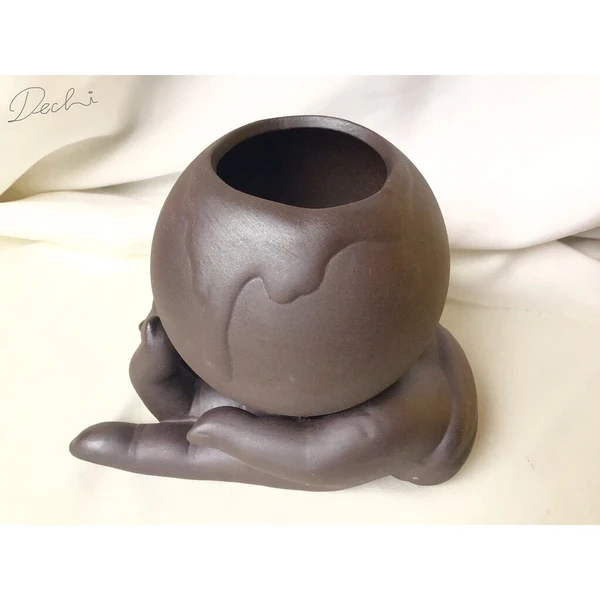
Chậu trồng cây, chậu gốm tử sa trồng bonsai mini- Green…

VIETREES | Cau Tiểu Trâm 40-55cm_Cây xanh để bàn, thanh…

tree- Phân hữu cơ trùn quế cao cấp dạng viên nén, phân …

Kéo Tỉa Lá, Tỉa Dăm, Tỉa Đa Năng Thép Trắng Nguyên Khối…
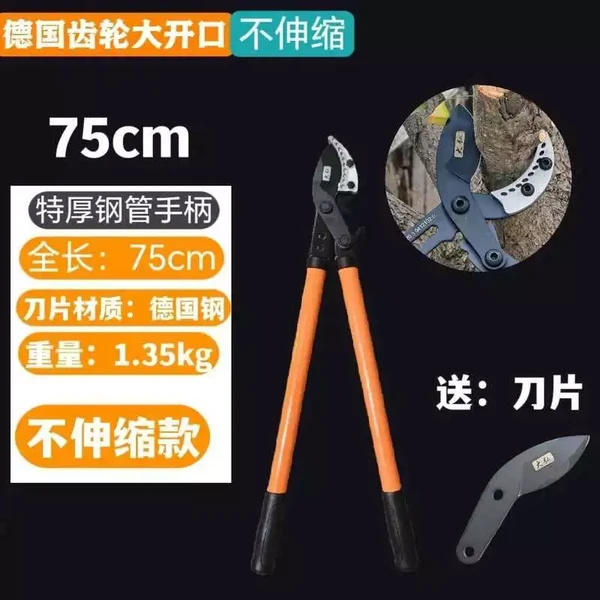
Kéo tỉa hạng nặng nhập khẩu từ Đức, có trợ lực bánh răn…
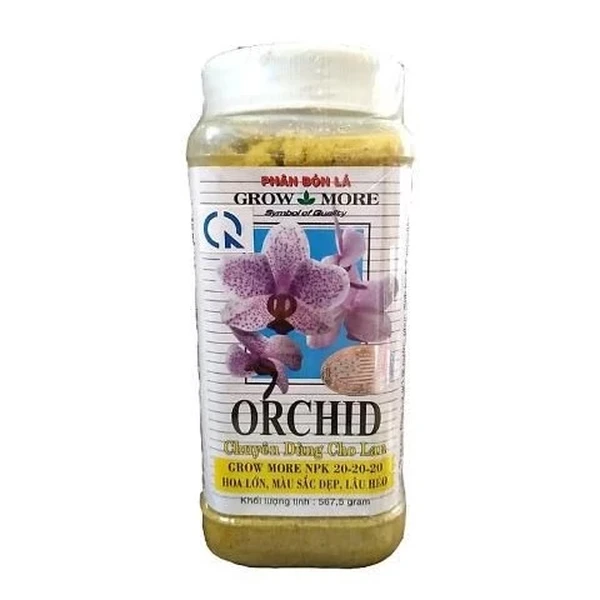
Phân Bón Lan NPK GrowMore Orchid 20-20-20 Ra Hoa Lớn Mà…
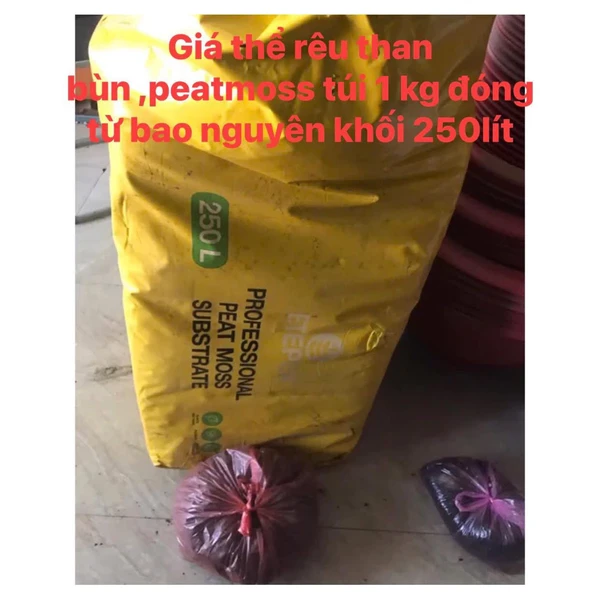
Giá thể Peatmoss rêu than bùn etepek đóng túi 1, 3 kg t…

Trầu bà lá xẻ đột biến – Monstera Thiên Hà Thai Constel…
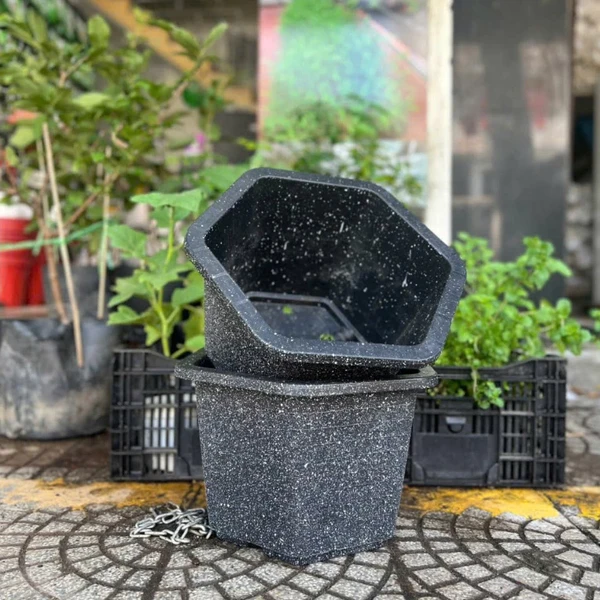
Chậu nhựa lục giác dày dặn màu đen giả đá – Phương Thảo…

Bình tưới cây gia đình, bình xịt áp lực cho cây, bình x…
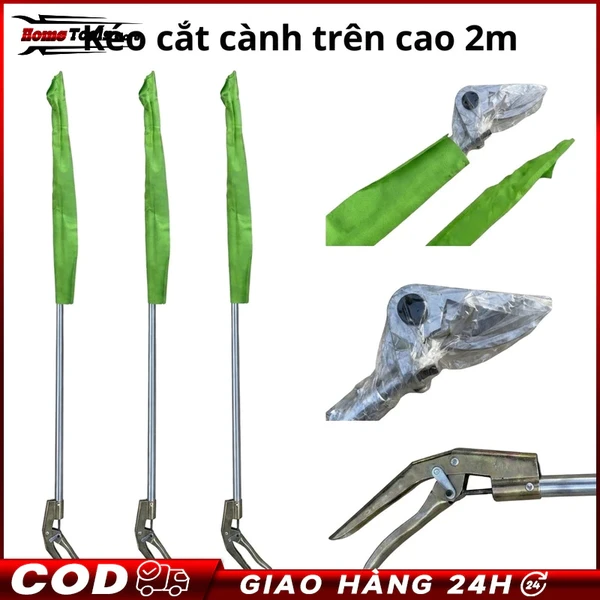
Kéo Cắt Cành Trên Cao 2m Cán Thép Hái Quả Kèm Túi Vải T…
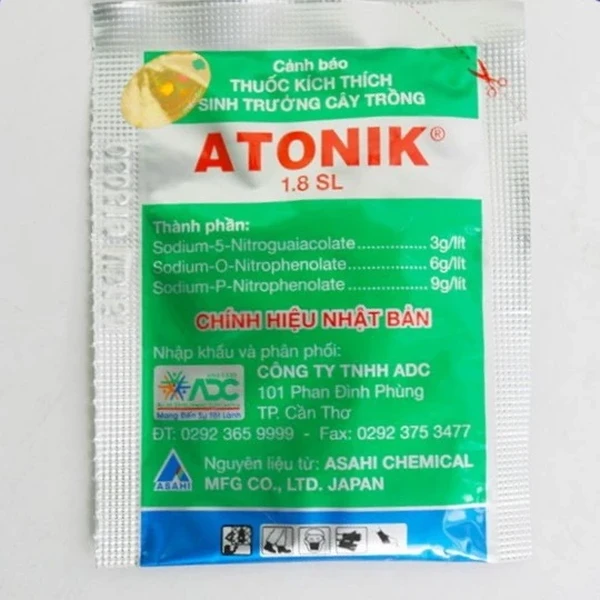
ATONIK 1.8SL 10ML – Thuốc kích thích nảy mầm, ra rễ, kí…
Boxleaf ebony (Diospyros buxifolia)
Boxleaf ebony (Diospyros buxifolia) Diospyros buxifolia, esteemed as boxleaf ebony, is a rare hardwood botanical subject prized in...
Read Monograph →
Coastal premna (Premna serratifolia)
Coastal premna (Premna serratifolia) Premna serratifolia, widely known as coastal premna or sea-coast Premna, is a celebrated littoral...
Read Monograph →
Japanese persimmon (Diospyros kaki)
Japanese persimmon (Diospyros kaki) Diospyros kaki, universally cherished as Japanese persimmon or Asian persimmon, is an iconic deciduous...
Read Monograph →
Diamond persimmon (Diospyros rhombifolia)
Diamond persimmon (Diospyros rhombifolia) Diospyros rhombifolia, celebrated as diamond persimmon or princess persimmon, is a prized shohin bonsai...
Read Monograph →Expert Q&A, Recommended Supplies & Article Feedback
Tap once to connect instantly via Google, Facebook or TikTok — no long forms required!
No questions yet for this article. Tap Google / Facebook / TikTok above to ask the first question!