
Living plant profile
Giant crape myrtle (Lagerstroemia speciosa)
Lagerstroemia speciosa
📌 CLINICAL & BIOLOGICAL ABSTRACT — Giant crape myrtle (Lagerstroemia speciosa)Giant crape myrtle (Lagerstroemia speciosa) Lagerstroemia speciosa, celebrated across the tropics as giant crape myrtle or Queen of Flowers, is a majestic timber and ornamental tree renowned for glorious upright panicles of crinkled lavender blossoms, broad cooling canopies, and richly medicinal foliage. 1. Botanical Identity […]
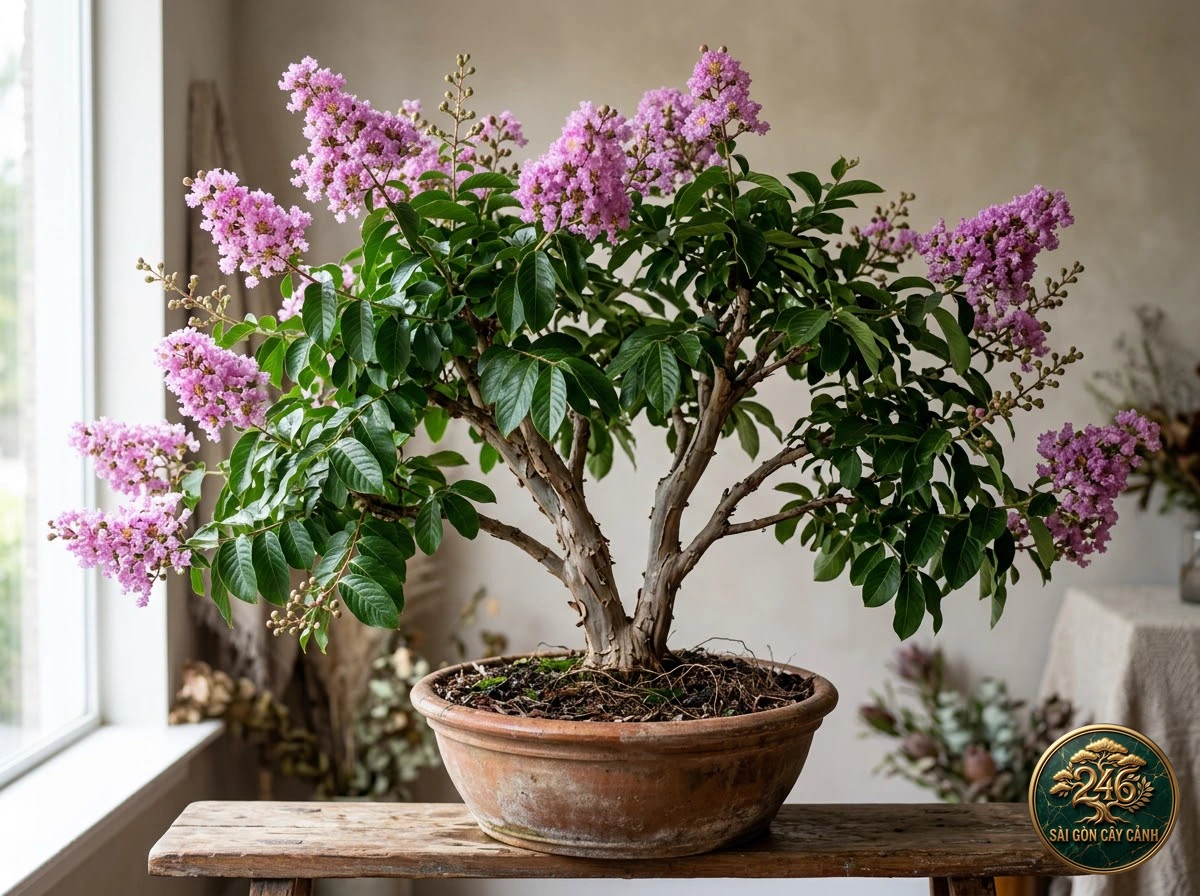
Giant crape myrtle (Lagerstroemia speciosa)
Lagerstroemia speciosa, celebrated across the tropics as giant crape myrtle or Queen of Flowers, is a majestic timber and ornamental tree renowned for glorious upright panicles of crinkled lavender blossoms, broad cooling canopies, and richly medicinal foliage.
Sài Gòn Cây Cảnh Care Compass
1. Botanical Identity & Taxonomic Nomenclature History
Lagerstroemia speciosa was first named Munchausia speciosa by Carl Linnaeus in 1770, before Christiaan Hendrik Persoon established its current classification in Synopsis Plantarum in 1806; the specific epithet speciosa translates from Latin as showy, splendid, or magnificent.
Throughout Southeast Asia, giant crape myrtle holds deep cultural significance as the herald of summer school vacations; in the Philippines, known as Banaba, its mature leaves are traditionally brewed for blood glucose regulation due to high corosolic acid; in bonsai and courtyard cultivation, aged wild stumps with muscular fluted bases and hollows are crafted into majestic specimen plantings.
2. Morphological Anatomy & Structural Architecture

A large deciduous or semi-deciduous canopy tree attaining ten to twenty meters in nature with trunk diameters reaching one meter; trained as specimen bonsai or courtyard trees thirty to one hundred twenty centimeters tall with immense muscular bases. Trunks are straight or fluted, cloaked in grey-brown fibrous bark that fissures vertically and peels in shallow flakes; the crown spreads into a dense cooling canopy.
Leaves are opposite or sub-opposite, oblong-elliptic, twelve to twenty-five centimeters long, six to ten centimeters wide, leathery and lustrous deep green with pronounced lateral veins; during dry winter transitions, leaves turn vivid orange, coppery bronze, and crimson before falling. Flowers are borne in massive erect terminal panicles twenty to forty centimeters long; each blossom spans five to seven centimeters across, featuring six crinkled lavender-purple or magenta petals with wavy margins and golden stamens; flowering peaks in early summer; fruits are woody ovoid capsules two to two-and-a-half centimeters long, ripening black-brown and dehiscing into six valves.
3. Solar Irradiance Thresholds & Photosynthetic Dynamics
Demands full tropical sunlight between 30,000 and 65,000 lux to power strong vegetative assimilation and support erect purple flower spikes.
Requires at least six to eight hours of direct solar exposure daily; deficient light results in weak spindly branches and total bloom suppression.
4. Mineral Substrate Mechanics & Root Aeration Porosity
Substrate requires rich organic fertility, deep root room, and sound drainage: 40% fertile loam aggregate, 30% buffered coconut coir, 20% pumice or carbonized rice hulls, and 10% aged compost.
Thrives within a pH range of 5.5 to 7.0; tolerates seasonal temporary water saturation along river floodplains but flourishes best in aerated, nutrient-rich soil.
5. Hydraulic Equilibria & Irrigation Regimens
Irrigation management: Appreciates copious moisture throughout its active spring growth and summer blooming phases; water generously daily in early morning.
During the dry winter dormant cycle when foliage drops, taper irrigation to allow natural dormancy, then resume generous watering with warm rains to trigger synchronized bud break.
6. Nutrient Biogeochemistry & Fertilization Protocols
Fertilization protocol: Apply balanced microbial organic compost at the onset of monsoon; supplement with balanced NPK fertilizers every two months to stiffen wood and enhance vibrant floral pigment.
Pruning strategy: Prune framework branches after summer flowering finishes; remove interior cross-branches, water sprouts, and deadwood to open canopy airflow against monsoon winds.
7. Clonal Propagation & Germplasm Conservation
Seed propagation is the primary commercial method; collect mature woody capsules in late winter, separate winged seeds, and sow in moist germination flats, sprouting reliably within ten to fifteen days.
Can also be propagated via semi-hardwood cuttings or established wild-collected rootstocks curated in clean sand beds.
8. Phytochemical Toxicity & Pet Safety Standards (ASPCA)
Clinical screening certifies that Lagerstroemia speciosa giant crape myrtle is a benign shade species posing zero toxic threat to pets.
Bark, leaves, and blossoms are completely safe for companion animals; Banaba leaves are celebrated in traditional folk wellness teas for beneficial metabolic effects.
9. Clinical Pathology Diagnostics & Treatment Strategies
Clinical pathology screening for monsoon defoliating caterpillars and majestic erect purple spike care in Lagerstroemia speciosa:
| Clinical Manifestation | Etiological Cause | Standard Treatment Protocol |
|---|---|---|
| Foliage is severely skeletonized with ragged leaf margins from caterpillar feeding | Tussock moth or loopers caterpillars proliferating during warm humid monsoon onset | Apply biological Bacillus thuringiensis (Bt) spray during cool evening hours |
| Leaves exhibit expanding dark brown necrotic spots encircled by chlorotic halos | Cercospora fungal leaf spot spreading in dense humid canopies with poor air exchange | Prune crowded inner branches for ventilation, clear leaf litter, and apply copper bio-fungicide |
| Succulent shoots and flower pedicels are blanketed by dark green sap-sucking aphids | Aphids infesting tender spring flushes, causing curling leaves and malformed blossoms | Spray pure cold-pressed neem oil mixed with organic soap in early morning |
| Terminal branch tips suffer progressive dry dieback during intense dry sunny seasons | Severe moisture stress in the root zone or root severance from construction excavations | Provide deep restorative root soaking, apply organic mulch around root base, apply humic extract |
10. Comparative Morphology & Allied Taxa Diagnosis
Morphological diagnostic matrix evaluating 40 cm erect lavender panicles and corosolic acid leaf chemistry of Lagerstroemia speciosa:
| Diagnostic Parameter | Lagerstroemia speciosa (Giant crape myrtle) | Comparative Specimen A | Comparative Specimen B |
|---|---|---|---|
| Tree dimensions and canopy stature | Large timber tree 10-20 m tall with broad spreading cooling dome | Small tree or shrub 3-7 m, widely styled into refined compact bonsai | Small fruit tree 3-6 m with rugged sinuous trunk and crowned fruit |
| Inflorescence and petal proportions | Massive erect panicles 20-40 cm long with large flowers 5-7 cm across | Delicate panicles 10-25 cm long with small crinkled flowers in varied tones | Fleshy scarlet flowers 3-5 cm across with persistent thick calyx |
| Leaf dimensions and texture | Large leathery leaves 12-25 cm long, lustrous dark green | Small thin leathery leaves 3-7 cm long with dazzling autumn color transitions | Small oblong-lanceolate leaves 3-8 cm long, glossy and opposite |
| Medicinal and functional profile | Banaba leaves rich in corosolic acid widely consumed for metabolic health | Cherished almost exclusively for ornamental blooms and satiny bonsai trunks | Rind and bark rich in astringent tannins; arils packed with potent antioxidants |
11. Biophilic Design Harmony & Contemporary Spatial Aesthetics

Giant crape myrtle symbolizes nostalgic youthful innocence, enduring loyalty, and exuberant tropical vitality reaching high toward the summer sky.
Its peaceful lavender blossoms and broad shady canopy cool summer environments, attracting harmonious vibes, protective calm, and domestic auspiciousness.
12. Saigon Cay Canh Provenance & Cultivation Assurance

Saigon Cay Canh provides premium Lagerstroemia speciosa specimens, from stately urban landscape shade trees to majestic mature specimen plantings.
Every tree undergoes rigorous nursery health inspection with established root systems and professional lifetime landscape consulting.
💬 Góc Tư Vấn & Hướng Dẫn Kỹ Thuật SGCC
Chuẩn E-E-A-T Kinfolk❓ Chăm sóc Giant crape myrtle (Lagerstr cần lưu ý điều gì quan trọng nhất?
💡 Dạ điều quan trọng nhất là giữ môi trường sống ổn định, tránh sốc nhiệt hay dao động thông số đột ngột, đồng thời cung cấp khẩu phần ăn sạch và tươi mới ạ.
❓ Làm thế nào để phòng ngừa bệnh tật hiệu quả cho các bé?
💡 Dạ anh chị nên giữ vệ sinh chuồng/hồ nuôi sạch sẽ, thay nước hoặc dọn dẹp định kỳ và bổ sung vitamin, men tiêu hóa đều đặn để tăng sức đề kháng ạ.
🌿 Trang Thiết Bị, Đất Trồng & Dụng Cụ Bonsai Tuyển Chọn
Dụng cụ tỉa, giá thể hữu cơ & phân bón chuyên dụng cho cây cảnh.
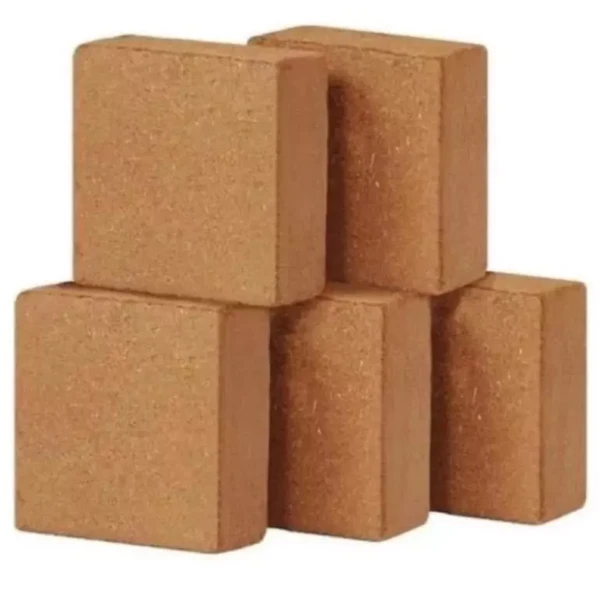
Xơ dừa nén 5kg, Mụn dừa nén, Đất trồng nén 5kg trồng câ…
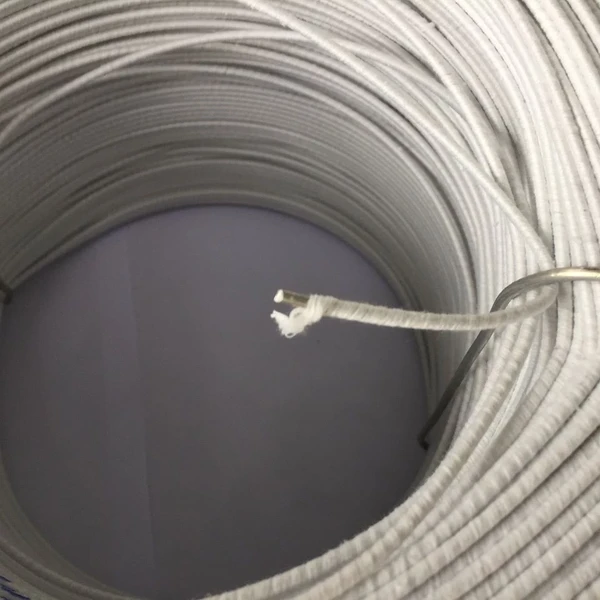
Dây nhôm bọc chỉ 2-3-4-5(mm) set 500gr (0,5kg)- Dây nhô…

LUCKY Chậu Hoa Khuôn Đất Sét, Tay Chà Cán Nồi Gốm Mềm P…

Chế phẩm nấm đối kháng Trichoderma plus Sfarm – 1Kg-500…

sen đá Phật bà xanh cổ thụ Đà lạt

Đất nung Akadama Nhật Bản (nền thủy sinh , bonsai , trồ…
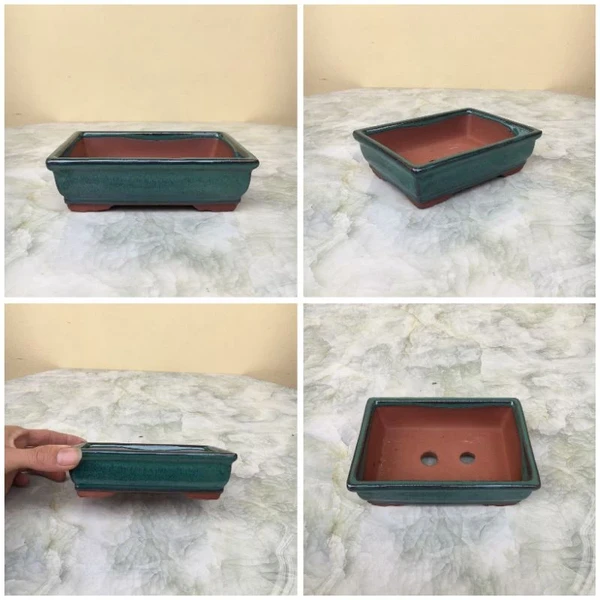
Chậu Trồng Cây Mini bonsai tiểu cảnh – Chậu Men Hỏa biế…
Thuốc Kích Thích Sinh Trưởng Cây Trồng Atonik 1.8SL (Gó…

đá Masato rải mặt chậu trồng sen mông, sen đá, xương rồ…

Kéo cắt tỉa dăm chồi cây cảnh bonsai Echo Metal Kéo tỉa…
Chế phẩm sinh học Trichoderma – Bacillus dạng nước, dùn…

Kích Rễ Cực Mạnh, Bung Chồi Xanh Cây Cực Nhanh Siêu Lân…

Coastal premna (Premna serratifolia)
Coastal premna (Premna serratifolia) Premna serratifolia, widely known as coastal premna or sea-coast Premna, is a celebrated littoral...
Read Monograph →
Sweet plum (Sageretia theezans)
Sweet plum (Sageretia theezans) Sageretia theezans, universally known as the Chinese sweet plum or bird plum, stands as...
Read Monograph →
Littleleaf cotoneaster (Cotoneaster microphyllus)
Littleleaf cotoneaster (Cotoneaster microphyllus) Cotoneaster microphyllus, celebrated as littleleaf cotoneaster or rockspray cotoneaster, is an exquisite alpine prostrate...
Read Monograph →
Olive tree (Olea europaea)
Olive tree (Olea europaea) Olea europaea, the immortal olive tree of antiquity, is a legendary Mediterranean woody subject...
Read Monograph →Expert Q&A, Recommended Supplies & Article Feedback
Tap once to connect instantly via Google, Facebook or TikTok — no long forms required!
No questions yet for this article. Tap Google / Facebook / TikTok above to ask the first question!