
Living plant profile
Golden dewdrop (Duranta erecta)
Duranta erecta
📌 CLINICAL & BIOLOGICAL ABSTRACT — Golden dewdrop (Duranta erecta)Golden dewdrop (Duranta erecta) Duranta erecta, celebrated worldwide as golden dewdrop, pigeon berry, or skyflower, is an enchanting semi-evergreen woody flowering shrub within the Verbenaceae family. Renowned throughout tropical and subtropical landscapes, it produces graceful pendulous racemes of delicate sky-blue to rich lavender-violet blossoms, blooming perpetually […]
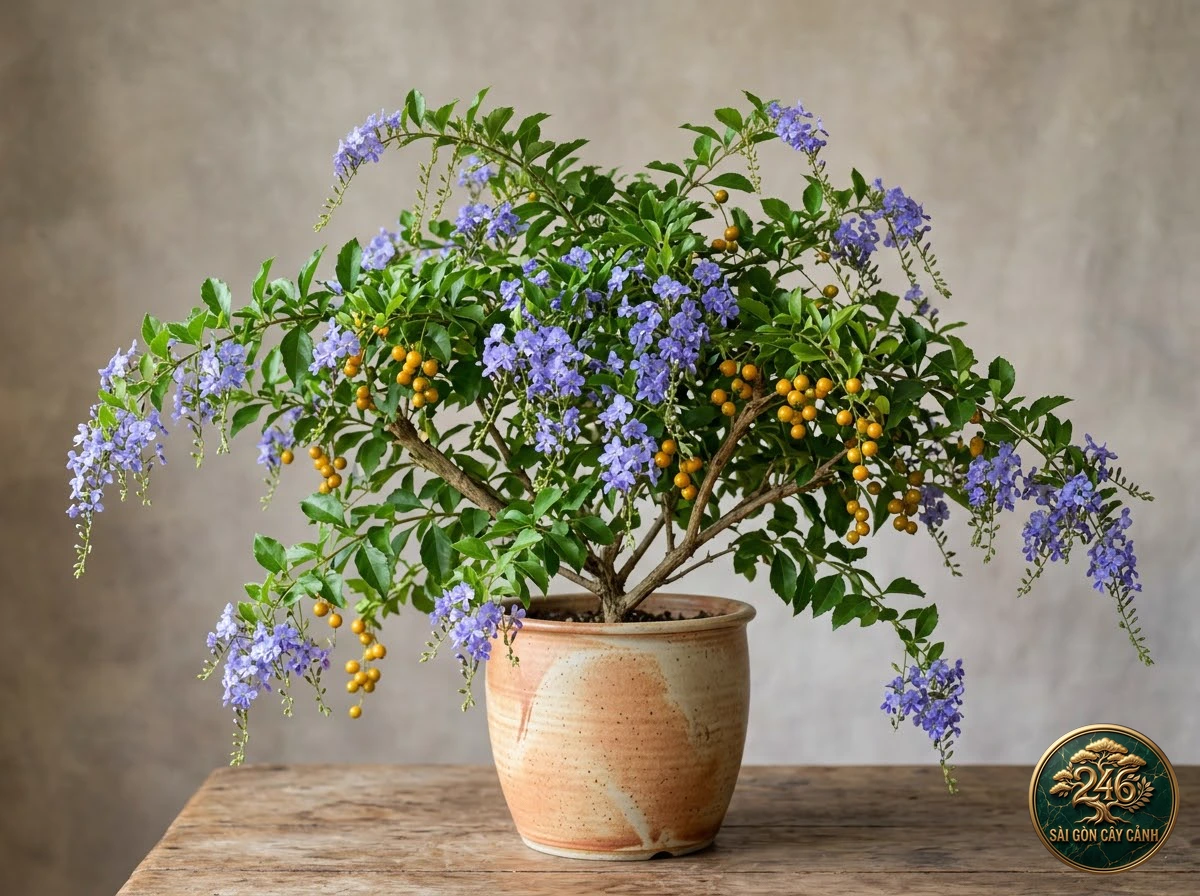
Golden dewdrop (Duranta erecta)
Duranta erecta, celebrated worldwide as golden dewdrop, pigeon berry, or skyflower, is an enchanting semi-evergreen woody flowering shrub within the Verbenaceae family. Renowned throughout tropical and subtropical landscapes, it produces graceful pendulous racemes of delicate sky-blue to rich lavender-violet blossoms, blooming perpetually to attract fluttering butterflies and hummingbirds. Following floral flushes, pendulous cascades of glossy golden-orange drupes drape from arching boughs like suspended droplets of liquid sunshine. While visually tantalizing, these fruits contain toxic saponins perilous to companion pets. Within Saigon Cay Canh landscape architecture, golden dewdrop serves as a premier subject for sculpted formal hedges, flowering topiaries, and weeping border specimens.
Sài Gòn Cây Cảnh Care Compass
1. Botanical Identity & Taxonomic Nomenclature History
Duranta erecta was formally described and established by Swedish botanist Carl Linnaeus in 1753 within his seminal foundation Species Plantarum. The generic name Duranta commemorates Castore Durante (1529–1590), an eminent Italian physician and botanist of the High Renaissance who authored the historic botanical treatise Herbario Nuovo. The specific epithet erecta derives from Latin signifying ‘upright’ or ‘erect’, acknowledging the strong vertical habit of principal stems before slender lateral branches arch gracefully outward.
Indigenous to warm Neotropical coastal scrub and open woodlands across the Americas, golden dewdrop was introduced to European royal gardens in the 18th century. Following its arrival in Vietnam, it integrated seamlessly into the southern tropical climate. Cherished by local arborists under the poetic vernacular ‘thanh quan’ for its heavenly cerulean blossoms, it has graced historic urban parks, villa hedgerows, and tranquil pagoda cloisters across southern Vietnam for generations.
2. Morphological Anatomy & Structural Architecture
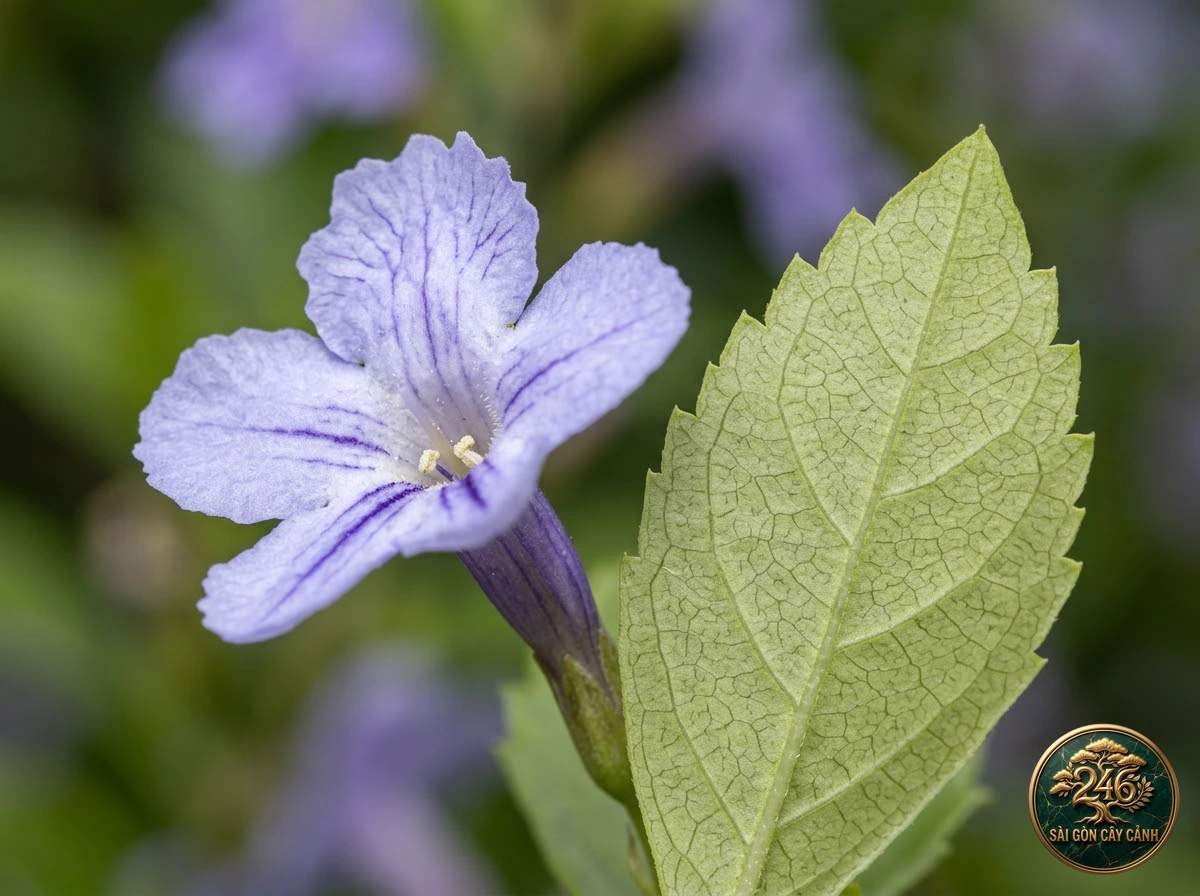
Morphologically, Duranta erecta develops as a vigorous arborescent shrub or small woody tree reaching heights of 2.0 to 4.0 meters with an arching canopy spreading 1.8 to 3.0 meters wide. Stems branch densely from the crown; mature bark is greyish-brown with fine longitudinal fissures, occasionally armed with sharp axillary spines 1 to 2 cm long on mature wood, whereas juvenile branchlets are slender, quadrangular, and weeping. Leaves are arranged oppositely or in whorls of three; blades are obovate to elliptic, measuring 3 to 8 cm long by 1.5 to 4 cm wide, featuring cuneate bases, acute apices, and serrate margins along the upper half. Foliage presents a glossy vibrant emerald upper surface with prominent pinnate venation beneath, supported by short petioles 0.5 to 1.2 cm long.
Inflorescences emerge as graceful terminal and axillary pendulous racemes 10 to 20 cm long. Each zygomorphic floret measures 1.0 to 1.5 cm across, featuring a tubular 5-toothed calyx and a salverform corolla with five spreading lobes rendered in sky-blue, lavender, or rich violet, accentuated by pale throats marked with delicate purple nectar guides. Blossoms flourish perpetually, emitting a faint sweet herbal scent. The infructescence bears pendulous chains of spherical fleshy drupes 0.8 to 1.2 cm in diameter, turning brilliant glossy golden-orange upon maturity and enclosing four hard pyrenes, each containing two small seeds.
3. Solar Irradiance Thresholds & Photosynthetic Dynamics
Duranta erecta is an obligate heliophyte demanding abundant direct solar exposure with luminous intensities between 45,000 and 75,000 lux to preserve dense internodes, stimulate continuous floral evocation, and maintain lustrous foliage. A minimum of 6 hours of unfiltered daily sunlight is mandatory; intense solar radiation intensifies violet petal coloration and promotes heavy fruiting.
When positioned in prolonged shade below 25,000 lux, branches become leggy, internodal spacing elongates excessively, leaves turn dull light-green, and floral initiation is suppressed. The species demonstrates outstanding heat tolerance exceeding 38 degrees C under blazing tropical sun, aided by reflective foliar cuticular waxes preventing moisture stress.
4. Mineral Substrate Mechanics & Root Aeration Porosity
The root system of golden dewdrop combines penetrating woody taproots with an extensive fibrous network, adapting well across diverse soil textures but flourishing in deep, humus-enriched sandy loams engineered for rapid gravity drainage without pooling. While possessing admirable drought tolerance once established, it cannot endure prolonged water stagnation around feeder roots.
The benchmark potting substrate crafted by Saigon Cay Canh comprises 40% clean alluvial loam, 25% carbonized rice hulls for root aeration, 20% desalted coco coir, 10% Trichoderma-inoculated aged vermicompost, and 5% horticultural perlite. Soil pH is maintained within 6.0 to 7.5. Planting containers and landscape beds must incorporate large, functional drainage channels.
5. Hydraulic Equilibria & Irrigation Regimens
Despite remarkable drought hardiness once fully rooted, Duranta erecta benefits from steady, measured hydration during rapid vegetative flushes and heavy fruiting periods. The standard watering protocol calls for drenching the root zone at dawn when the upper 2 to 3 cm of substrate becomes dry. During dry summer spells, irrigate once daily; during the rainy season, suspend watering until surface soils drain thoroughly.
Apply water directly around the root perimeter; avoid blasting overhead spray directly into delicate blossom racemes to prevent premature flower drop. For containerized specimens, ensure excess irrigation water flows freely from bottom drainage holes without stagnation.
6. Nutrient Biogeochemistry & Fertilization Protocols
To encourage dense lateral ramification, profuse lavender racemes, and prolific golden berry clusters, Duranta erecta demands regular, balanced nutritional supplements. Top-dress with aged vermicompost or slow-release organic pellets (NPK 6-8-12) monthly around the outer canopy perimeter.
Following routine pruning cuts, dissolve a water-soluble balanced formula (NPK 15-20-25 or NPK 16-16-16) at 1.5 grams per liter, drenching the root zone every 10 to 12 days. Complement with foliar micronutrient sprays containing chelated magnesium and zinc every 20 days to ensure vigorous deep-green chlorophyll synthesis and prevent interveinal chlorosis.
7. Clonal Propagation & Germplasm Conservation
Duranta erecta is propagated easily and swiftly via semi-hardwood stem cuttings, achieving rooting success rates above 90%. The prime propagation window occurs during warm spring or early rainy months. Select vigorous semi-ripe branchlets 12 to 15 cm long with 3 to 4 healthy nodes. Using shears sanitized with 70% medical alcohol, make a 45-degree angle cut just beneath the basal node, strip the lower foliage, and cut remaining upper leaves in half to limit transpiration.
Dip the cut end into 1,000 ppm IBA rooting powder for 5 seconds, then insert 4 to 5 cm deep into moist sharp sand and perlite. Maintain under 50% dappled shade with regular misting; robust adventitious root networks establish within 14 to 20 days, followed by vigorous lateral shoot emergence ready for potting.
8. Phytochemical Toxicity & Pet Safety Standards (ASPCA)
Botanical safety profile and ASPCA pet safety standards: Classified within the Verbenaceae family, Duranta erecta is categorized as TOXIC and dangerous to companion animals (dogs, cats) and livestock under veterinary toxicological registries and ASPCA protocols. All anatomical parts of the plant, especially the temptingly colorful golden-orange berries and juvenile foliage, synthesize harmful concentrations of triterpene saponins and bitter iridoid glycosides termed durantosides I and II.
Ingestion of berries or foliage by domestic pets provokes severe gastrointestinal irritation manifested by acute emesis, frothy diarrhea, hypersalivation, lethargy, abdominal tenderness, and hyperthermia; substantial consumption can induce ataxia, cardiac arrhythmias, and respiratory depression. Horticulturists MUST wear protective gloves during pruning, sanitize shears with 70% medical alcohol, and avoid installing this species within accessible pet enclosures or children’s outdoor play zones.
9. Clinical Pathology Diagnostics & Treatment Strategies
Clinical screening for aphid eradication and decorative topiary hedge shearing in Duranta erecta:
| Clinical Manifestation | Etiological Cause | Standard Treatment Protocol |
|---|---|---|
| Branches become etiolated and sparse, foliage turns pale green, and floral initiation ceases entirely | Severe sunlight deficiency caused by positioning in dense shade below 25,000 lux for extended periods | Prune leggy stems back using shears sanitized with 70% alcohol, move plant to full direct sunlight for at least 6 hours daily |
| Terminal young leaves curl inward with sticky honeydew residues and attendant ant trails along shoots | Aphis gossypii aphid colonies tapping phloem sap on juvenile flushes, excreting sugary honeydew | Clip off heavily damaged tips, spray shoots thoroughly with cold-pressed organic neem oil or potassium soap twice 5 days apart |
| Companion animal eats golden berries, manifesting severe vomiting, diarrhea, drooling, and lethargy | Acute toxic ingestion of harmful triterpenoid saponins and durantoside glycosides found in berries | Transport pet immediately to veterinary clinic for gastrointestinal decontamination, and secure barrier around plant |
10. Comparative Morphology & Allied Taxa Diagnosis
Morphological comparative matrix evaluating weeping sky-blue racemes and saponin-bearing golden drupes of Duranta erecta:
| Diagnostic Parameter | Duranta erecta (Golden dewdrop) | Comparative Specimen A | Comparative Specimen B |
|---|---|---|---|
| Inflorescence Morphology and Blossom Hue | Pendulous racemes 10 to 20 cm long of sky-blue florets followed by golden spherical drupes | Slender erect rat-tail spikes 20 to 40 cm long bearing solitary fleeting violet-blue florets | Spectacular rounded terminal umbels resembling exploding fireworks with pink-throated white tubes |
| Growth Habit and Structural Stature | Large woody shrub 2 to 4 meters tall, arching branches armed with occasional thorns | Erect semi-woody herbaceous subshrub 0.6 to 1.2 meters tall with quadrangular stems | Stout woody shrub 2 to 3 meters tall, bearing large foliage with deep purplish-aubergine undersides |
| Companion Animal Safety and ASPCA Profile | TOXIC (synthesizes steroidal saponins and durantosides in golden berries causing acute enteritis) | NON-TOXIC (safe medicinal subshrub containing iridoid glycosides used in folk tisanes) | NON-TOXIC (non-hazardous to companion animals under standard ASPCA guidelines) |
11. Biophilic Design Harmony & Contemporary Spatial Aesthetics
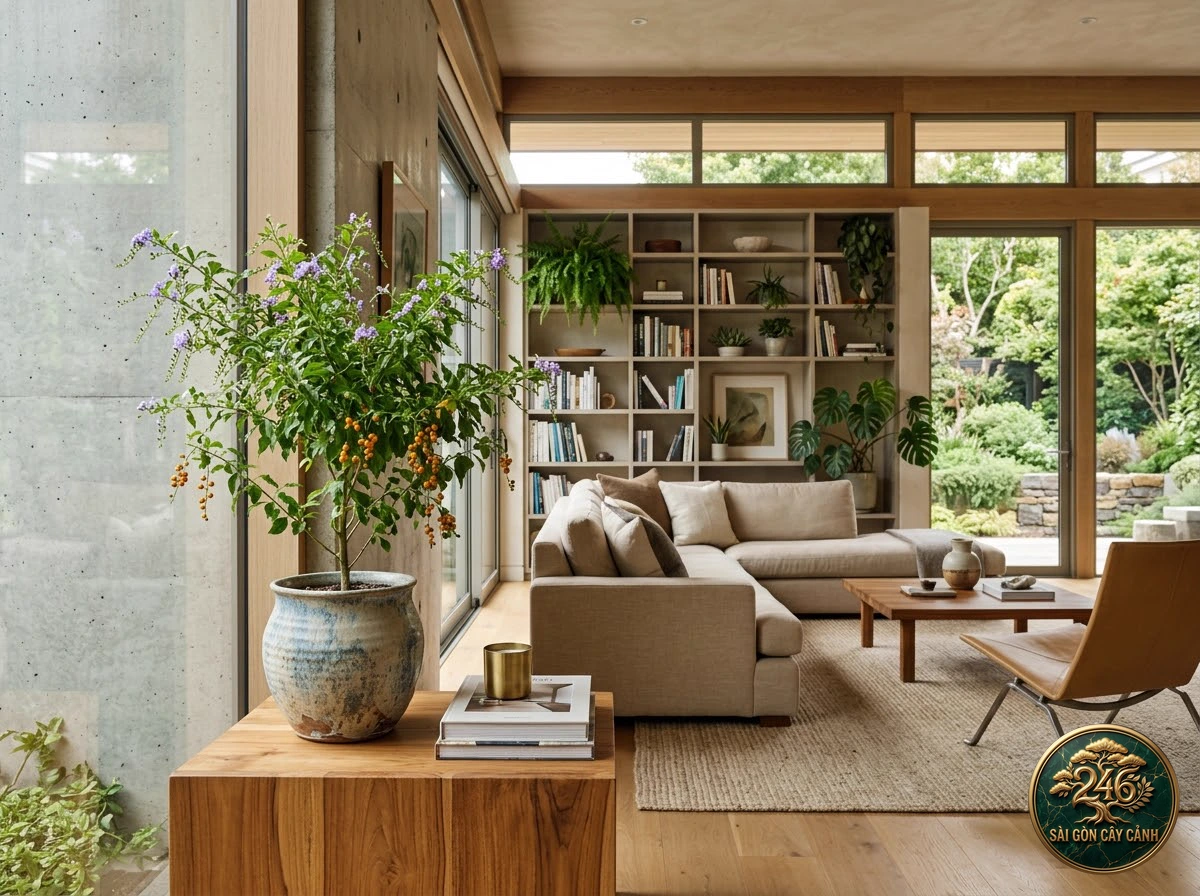
Within botanical symbolism and architectural landscape aesthetics, golden dewdrop epitomizes refined elegance, radiant optimism, enduring prosperity, and joyful vitality. The glistening golden drupes draping abundantly in heavy chains are symbolic of flourishing wealth, bounty, and perpetual household blessings.
Owing to its phenomenal tolerance of shearing and relentless flowering stamina, Duranta erecta is widely celebrated across diverse architectural roles: sculpted into crisp formal flowering hedges along grand carriage drives, manicured into spherical topiary globes, trained as pendulous weeping bonsai specimens, or planted as cascading accent shrubbery beside swimming terraces and modern garden water features.
12. Saigon Cay Canh Provenance & Cultivation Assurance
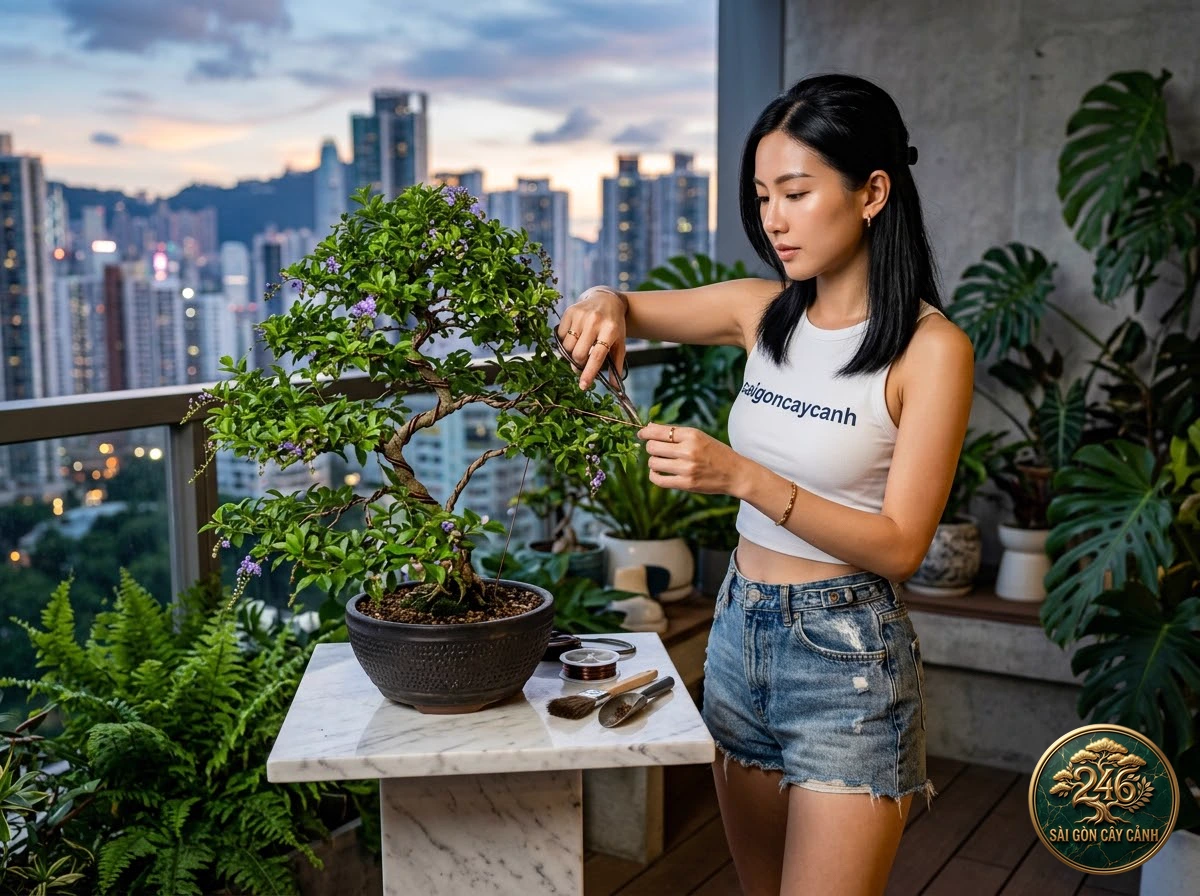
Saigon Cay Canh delivers premium, nursery-acclimated specimens of pure Duranta erecta, ranging from vigorous dense hedgerow stock to mature sculptured topiary and weeping floral bonsai specimens adapted to southern urban landscapes.
We provide 100% botanical taxonomic verification, comprehensive plant health warranties, professional topiary shaping maintenance, and dedicated landscape design advisory for premier private villas, luxury resorts, and prestigious commercial venues.
💬 Góc Tư Vấn & Hướng Dẫn Kỹ Thuật SGCC
Chuẩn E-E-A-T Kinfolk❓ Chăm sóc Golden dewdrop (Duranta erec cần lưu ý điều gì quan trọng nhất?
💡 Dạ điều quan trọng nhất là giữ môi trường sống ổn định, tránh sốc nhiệt hay dao động thông số đột ngột, đồng thời cung cấp khẩu phần ăn sạch và tươi mới ạ.
❓ Làm thế nào để phòng ngừa bệnh tật hiệu quả cho các bé?
💡 Dạ anh chị nên giữ vệ sinh chuồng/hồ nuôi sạch sẽ, thay nước hoặc dọn dẹp định kỳ và bổ sung vitamin, men tiêu hóa đều đặn để tăng sức đề kháng ạ.
🌿 Trang Thiết Bị, Đất Trồng & Dụng Cụ Bonsai Tuyển Chọn
Dụng cụ tỉa, giá thể hữu cơ & phân bón chuyên dụng cho cây cảnh.

Vòi xịt đa năng, vòi tưới cây 8 trong 1 đầy đủ phụ kiện…
Cây Kim Tiền Tài Lộc Cây Tiền Vàng Phong Thuỷ Thu Hút T…
Đá Perlite,Đá Trân Châu nhập khẩu,đá xốp trộn giá thể,t…

Cây Trầu Bà Nam Mỹ Lá Xẻ Đại Kèm Chậu Cao Khoảng 1m2 Tr…

Đất nung Akadama- Đất sạch trồng Bonsai, cây cảnh, hoa …

Cây Lau Nhà Tự Vắt DIDOOGLT Bông Lau San Hộ Siêu Thấm H…
Cây Trầu Bà Nam Mỹ Lá Xẻ Đại Kèm Chậu Cao Khoảng 1m2 Tr…
Lọ Keo Liền Da, Liền Sẹo Hồng Cho Cây Mỹ Tiến – Kích ra…
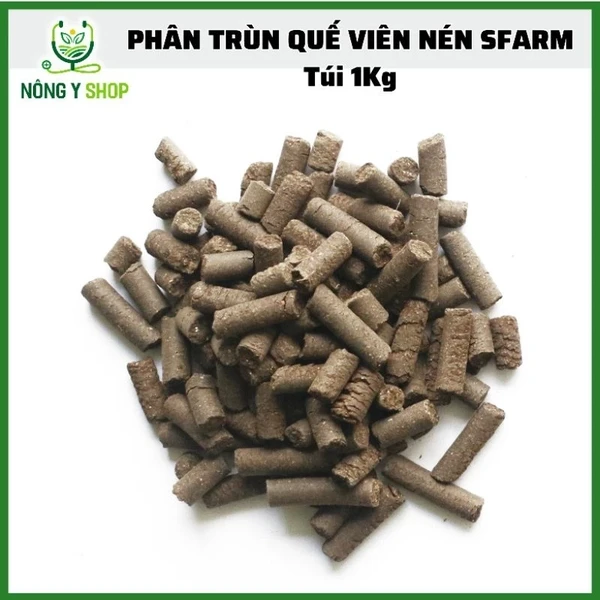
Phân Trùn Quế Viên Nén Sfarm -1kg-Phân trùn quế bón lan…
Phân vàng Osmocote 14-14-14 tan chậm 100g dùng hoa lan,…

Kéo cắt tỉa cây cảnh bằng thép không gỉ, kéo cắt cành, …
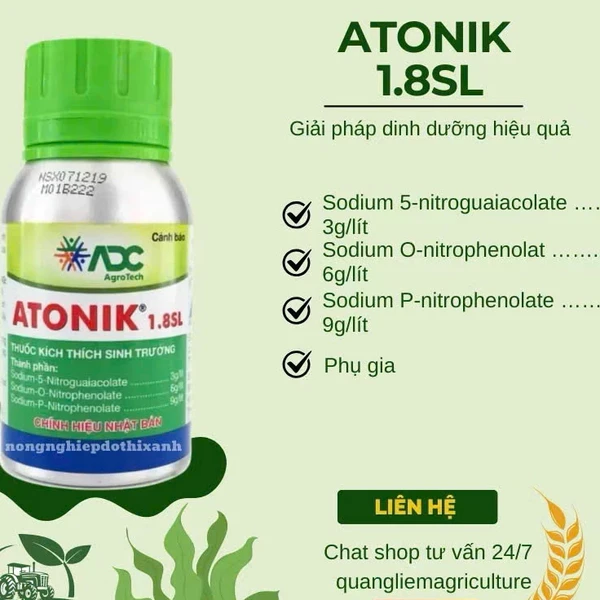
Thuốc kích thích sinh trưởng cây trồng ATONIK 1.8SL – B…
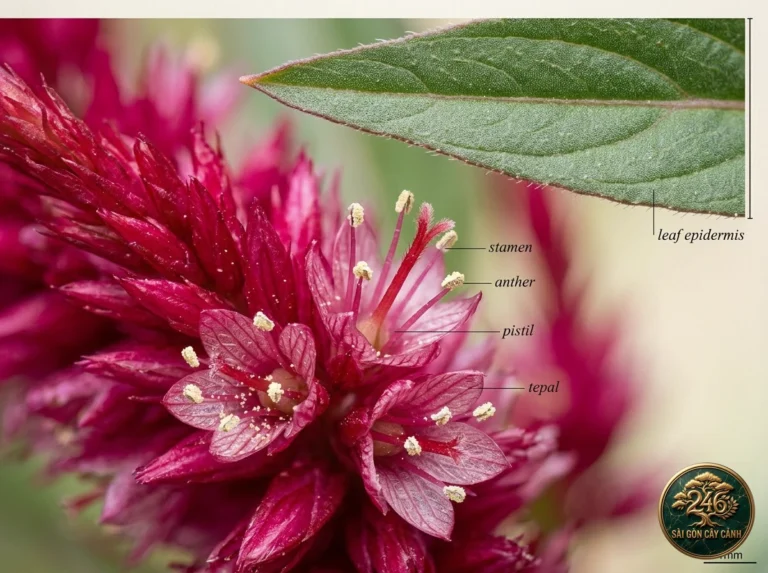
Plumed cockscomb (Celosia argentea)
Plumed cockscomb (Celosia argentea) Celosia argentea, encompassing both feathery plume cockscomb (var. plumosa) and undulating crested cockscomb (var....
Read Monograph →
Moss rose (Portulaca grandiflora)
Moss rose (Portulaca grandiflora) Portulaca grandiflora, universally treasured as moss rose, sun plant, or eleven o’clock, is a...
Read Monograph →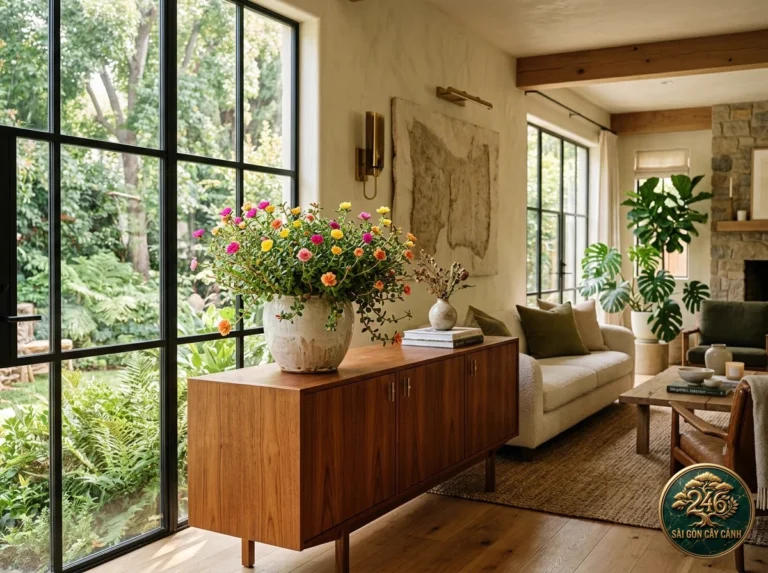
Wingpod purslane (Portulaca umbraticola)
Wingpod purslane (Portulaca umbraticola) Portulaca umbraticola, widely known as wingpod purslane, ornamental purslane, or broadleaf moss rose, is...
Read Monograph →
Greater periwinkle
Vinca major, celebrated in international horticulture as greater periwinkle, bigleaf periwinkle, or large periwinkle, is a vigorous, semi-woody...
Read Monograph →Expert Q&A, Recommended Supplies & Article Feedback
Tap once to connect instantly via Google, Facebook or TikTok — no long forms required!
No questions yet for this article. Tap Google / Facebook / TikTok above to ask the first question!