
Living plant profile
Utricularia graminifolia
Complete botanical and aquascaping guide for Grass-like bladderwort (Utricularia graminifolia): lighting, CO2, trimming regimen, and Dry Start planting techniques.

Grass-like bladderwort (Utricularia graminifolia)
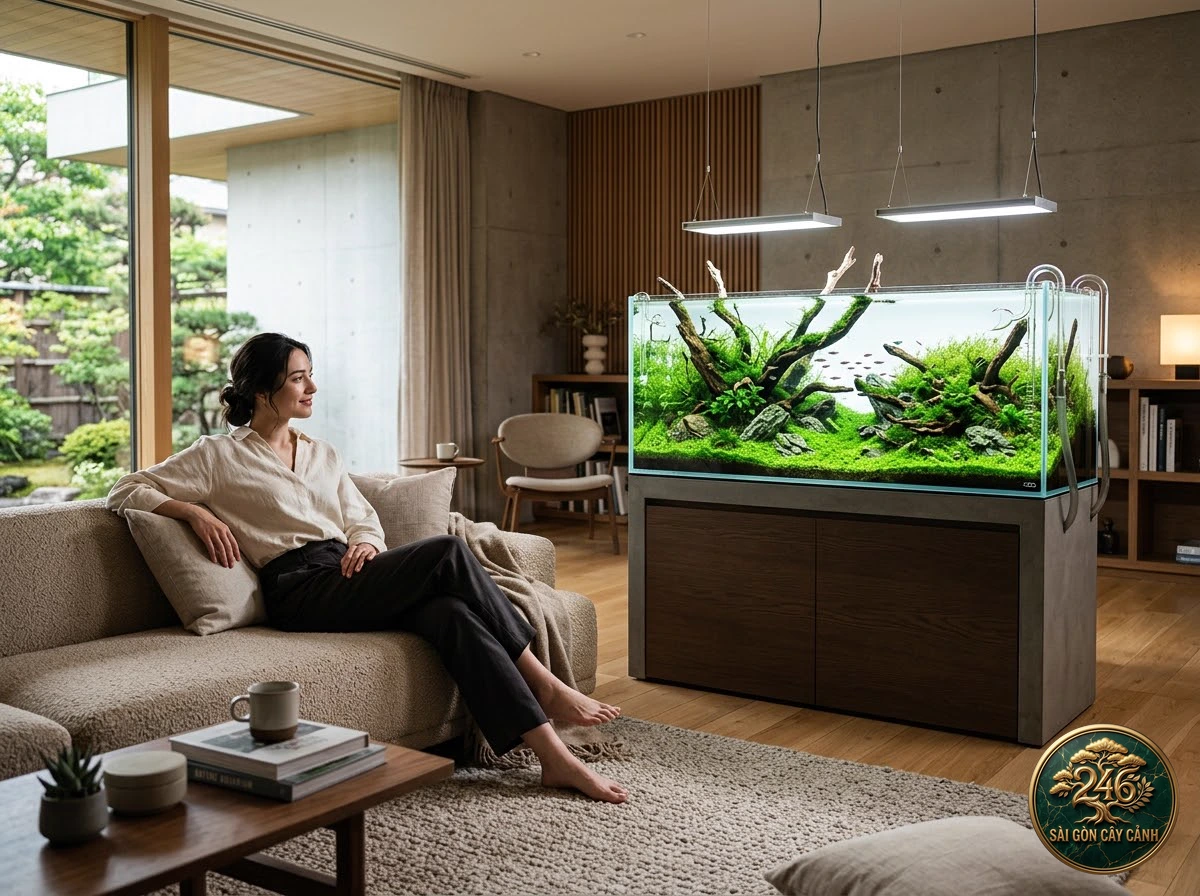
Utricularia graminifolia stands as an iconic and highly prized foreground carpeting aquatic plant in modern Nature Aquarium design, acclaimed internationally for its vibrant emerald foliage, aggressive creeping habit, and radiant oxygen pearling display under high-intensity illumination.
Sài Gòn Cây Cảnh Care Compass
1. Botanical Overview & Taxonomic Identity
Belonging to the family Lentibulariaceae, Utricularia graminifolia is an obligate or facultative aquatic vascular plant engineered by nature to colonize shallow submerged habitats. It propagates horizontally across substrate beds through vigorous creeping stolons and runners, rooting tenaciously at every nodal division.
In native wetlands, stream margins, and riparian shores, it thrives in soft, warm alluvial waters under open equatorial skies, seamlessly adapting between seasonal emersed mudflat stages and fully submersed aquatic phases.
2. Morphological Diagnostics & Identification
The foremost diagnostic hallmark of Utricularia graminifolia is its diminutive leaf morphology, thin translucent cuticular envelope, and dense chloroplast packing that glows with brilliant lime-green or deep jade vibrancy. Submerged leaves remain supple, forming an unbroken living turf.

Fibrous adventitious root clusters penetrate granular aquasoil, providing strong mechanical anchoring against the convective lift of oxygen pearling bubbles. Creeping runners exhibit positive phototropism, spreading outward in dense interlocking matrices.
3. Native Ecology & Habitat Adaptation
Adapted to mineral-rich riparian substrates, Utricularia graminifolia exploits both root nutrient assimilation from subterranean soils and direct foliar uptake of dissolved cations and bicarbonates through its delicate leaf tissue.
When cultivated in aquaria, this dual-pathway nutrition enables rapid canopy closure, forming a solid biological barrier that suppresses bottom-dwelling pest algae.
4. Water Parameters & Aquarium Culture
To foster horizontal creeping rather than vertical elongation, strict chemical and physical water equilibrium must be maintained:

| Cultivation Parameter | Optimal Target Range | Technical Remarks |
|---|---|---|
| Water Temperature | 22°C – 26°C (71°F – 79°F) | Cool water promotes tight nodal spacing and compact carpet formation |
| pH Value | 5.8 – 6.8 | Slight acidity maximizes iron and micronutrient bioavailability |
| General & Carbonate Hardness | GH: 4 – 7 dGH | KH: 1 – 3 dKH | Soft to moderately soft water fosters supple leaf expansion |
| Total Dissolved Solids (TDS) | 100 – 180 ppm | Pristine water clarity prevents organic sediment deposition on foliage |
| Substrate Flow Dynamics | Moderate laminar | Ensures continuous CO2 delivery directly across the bottom carpet |
5. Lighting Requirements & Spectral Balance
As a foreground ground-cover species, Utricularia graminifolia requires medium-high to intense photic energy (PAR 60 – 120 µmol/m²/s at substrate level). Adequate photon flux forces runners flat against the substrate, preventing leggy upward growth.
High-grade WRGB LED fixtures with balanced 660nm deep red and 450nm royal blue spectrums maximize chlorophyll-a and chlorophyll-b photosynthetic synthesis, maintaining rich chromatic density across the carpet.
6. Carbon Dioxide Enrichment & Pearling Dynamics
Pressurized carbon dioxide injection at 25 – 35 mg/L (indicated by a lime-green drop checker) is vital for accelerated lawn establishment. Under intense lighting and abundant CO2, photosynthesis achieves oxygen supersaturation, generating hundreds of diamond-like O2 pearling bubbles across the carpet surface.
7. Substrate Nutrition & Nursery Care
Saigon Cay Canh specimens are micropropagated in sterile in vitro tissue culture laboratories, guaranteeing freedom from snails, duckweed, pesticides, and algal spores. In nature aquariums, active volcanic aquasoil rich in humic substances provides foundational root nutrition.

8. Planting Methodologies & Dry Start Protocol
Planting techniques include dividing portions into small 3–5 stem tufts planted in a 2cm staggered grid using precision tweezers. Alternatively, the Dry Start Method (DSM) allows roots to anchor deeply into moist substrate for 3 weeks prior to tank flooding.
9. Lawn Pruning Regimen & Maintenance
When carpet thickness surpasses 2–3 cm, regular shearing with curved wave scissors down to 1 cm thickness prevents light starvation and rot in basal leaf layers. Siphon loose trimmings immediately to avoid floating debris.
10. Algae Management & Biological Custodians
Pair meticulous maintenance with active custodial fauna: Amano shrimp (Caridina multidentata) graze epiphytic algae from delicate leaves, while Otocinclus catfish clear organic biofilms without dislodging root anchors.
11. Aquascaping Design & Layout Application
In classical Iwagumi layouts, Utricularia graminifolia mimics vast alpine meadows framing ancient Seiryu stone formations. Its bright, uniform texture creates profound visual depth and serene natural balance.

12. Ecological Biosecurity & Non-Toxicity
Utricularia graminifolia is entirely non-toxic and pet-safe for all ornamental aquatic fauna. Its dense subterranean root system acts as an active biological biofilter, absorbing surplus nitrates and stabilizing the substrate bed.
13. Botanical Specification Matrix
| Diagnostic Metric | Specification Detail |
|---|---|
| Scientific Nomenclature | Utricularia graminifolia |
| Botanical Family | Lentibulariaceae |
| Aquascape Placement | Foreground carpeting, Midground crevices |
| Lighting Requirement | Medium – High (PAR 60 – 120 µmol/m²/s) |
| CO2 Requirement | Mandatory (25 – 35 mg/L) |
| Propagation Rate | Rapid via lateral runners |
| Cultivation Difficulty | Khó |
| Toxicity Status | 100% Non-toxic & pet-safe |
💬 Góc Tư Vấn & Hướng Dẫn Kỹ Thuật SGCC
Chuẩn E-E-A-T Kinfolk❓ Tại sao Utricularia graminifolia của em hay bị nổi gốc lên khỏi mặt nền sau khi trồng?
💡 Kính thưa quý độc giả và khách hàng, hàng, hiện tượng nổi gốc (lifting) thường xảy ra do rễ chưa kịp bám sâu vào phân nền kết hợp với lực đẩy từ bọt khí oxy (pearling) hoặc luồng nước quá mạnh. Để khắc phục, khi trồng anh/chị nên chia thành các tép nhỏ, cắm ngập sâu phần rễ vào phân nền aquasoil, giữ ánh sáng và CO2 ổn định, đồng thời tránh dùng dòng chảy quá mạnh thổi trực tiếp vào giai đoạn đầu.
❓ Làm thế nào để kích thích thảm Ngưu Mao Trâm Lùn / U. graminifolia bò kín nhanh mà không bị rêu hại tấn công?
💡 Dạ, để thảm U. graminifolia bọc kín nền nhanh chóng, anh/chị cần đảm bảo cường độ ánh sáng đạt chuẩn PAR từ 60-120 µmol/m²/s, kết hợp châm CO2 hòa tan tốt từ 25-30 ppm trước khi đèn bật 1 tiếng. Ngoài ra, việc duy trì dinh dưỡng đa lượng cân bằng (đặc biệt là Nitrates và Phosphates ở mức vừa phải) kết hợp thả ốc Nerita hoặc tép chăm sóc sẽ giúp kiểm soát triệt để rêu hại, tạo điều kiện cho thảm xchuyên gia triển mướt mắt.
🌿 Trang Thiết Bị, Đất Trồng & Dụng Cụ Bonsai Tuyển Chọn
Dụng cụ tỉa, giá thể hữu cơ & phân bón chuyên dụng cho cây cảnh.
20.000 hạt mười giờ thái kép bông to đủ màu ra hoa sau …
Hương thảo chậu to cây gia vị Cây Rosemary hương liệu đ…

70 Hạt giống hoa Hồng Leo Pháp nhiều màu, hoa to, hoa n…

Kéo cắt cành tỉa cành cây hoa bonsai kéo cắt cành sk5 x…

Kéo cắt tỉa cành cây Kapusi Nhật Bản – Kéo cắt cành trợ…
chậu đất nung trồng sen nước ống hoạ tiết sơn wax 24×31…
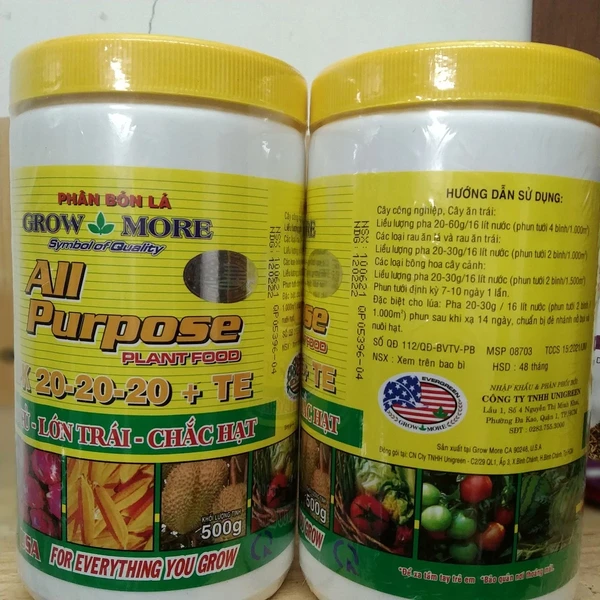
Phân bón NPK Grow more 20-20-20 (500g/hũ) dành cho mọi …

1 Ký Cành Giống Hoa Mười Giờ HOA SIÊU TO Khổng Lồ Gấp 3…
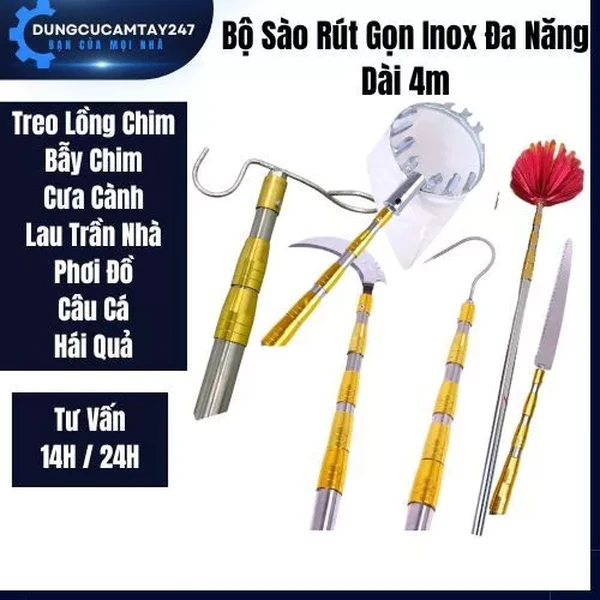
Bộ Sào Rút Inox 4m Đa Năng Gồm 6 Món Dùng Treo Lồng Chi…

Đá Vermiculite dùng trộn giá thể sen đá, bonsai, xương …

1Kg đất sạch trồng cây cho cây cảnh, hoa hồng, sen đá, …

BỘ DỤNG CỤ LÀM VƯỜN MINI 3 MÓN SIÊU TIỆN DỤNG, Bộ quốc,…
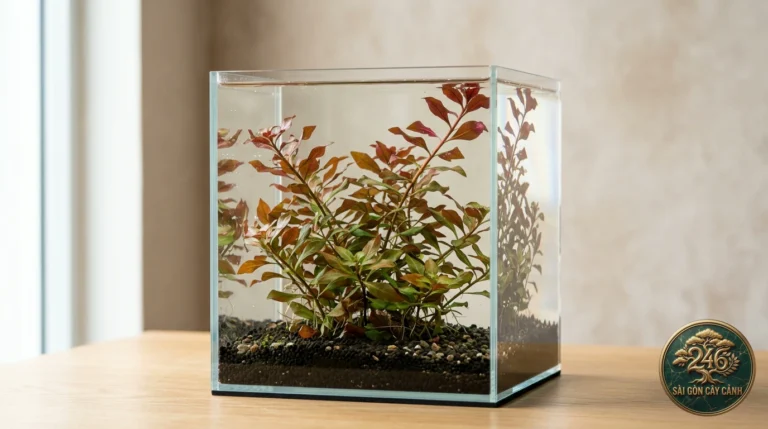
Complete botanical and aquascaping guide for Creeping primrose-willow (Ludwigia repens): high-intensity lighting, CO2, iron fertilization, and propagation techniques.
Read Monograph →
Complete botanical and aquascaping guide for Rotala Vietnam (Rotala 'Vietnam'): high PAR lighting, CO2 injection, nitrate limitation, and pruning techniques.
Read Monograph →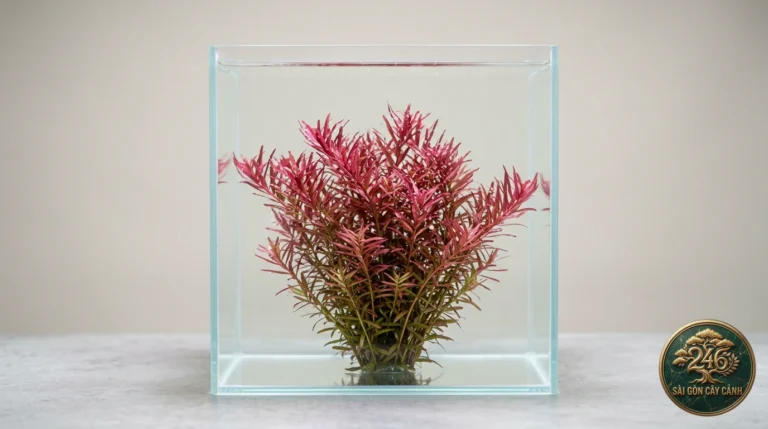
Complete botanical and aquascaping guide for Rotala Blood Red (Rotala 'Blood Red'): high PAR lighting, CO2 injection, nitrate limitation, and pruning techniques.
Read Monograph →
Rotala Yao Yai (Rotala ‘Yao Yai’)
Complete botanical and aquascaping guide for Rotala Yao Yai (Rotala 'Yao Yai'): high PAR lighting, CO2 injection, nitrate limitation, and pruning techniques.
Read Monograph →Expert Q&A, Recommended Supplies & Article Feedback
Tap once to connect instantly via Google, Facebook or TikTok — no long forms required!
No questions yet for this article. Tap Google / Facebook / TikTok above to ask the first question!