
Living plant profile
Hanging lobster claw (Heliconia rostrata)
Heliconia rostrata
📌 CLINICAL & BIOLOGICAL ABSTRACT — Hanging lobster claw (Heliconia rostrata)Hanging lobster claw (Heliconia rostrata) Heliconia rostrata, internationally acclaimed as hanging lobster claw or pendulous heliconia, is a spectacular and monumental perennial giant herbaceous species belonging to the lobster-claw family (Heliconiaceae). Honored as the national flower of Bolivia (celebrated natively as Patuju), this neotropical masterpiece […]

Hanging lobster claw (Heliconia rostrata)
Heliconia rostrata, internationally acclaimed as hanging lobster claw or pendulous heliconia, is a spectacular and monumental perennial giant herbaceous species belonging to the lobster-claw family (Heliconiaceae). Honored as the national flower of Bolivia (celebrated natively as Patuju), this neotropical masterpiece commands awe through its dramatic, gravity-defying floral architecture: magnificent pendulous inflorescences cascade downward 50 cm to over one meter in length, bearing 15 to 35 zigzagging, boat-shaped bracts saturated in intense crimson-scarlet, bordered with luminous chartreuse-yellow margins and tipped in fresh emerald-green, strikingly evocative of giant lobster claws or cascading celebratory firecrackers. Supported by architectural pseudostems rising 2.5 to 4.0 meters with luxuriant banana-like leaves, and verified 100% non-toxic to companion animals, Heliconia rostrata symbolizes auspicious celebration and supreme abundance within Saigon Cay Canh luxury landscape compositions.
Sài Gòn Cây Cảnh Care Compass
1. Botanical Identity & Taxonomic Nomenclature History
Heliconia rostrata was officially recorded by pioneering Spanish botanical explorers Hipolito Ruiz Lopez and Jose Antonio Pavon Jimenez in 1802 within their seminal botanical masterwork Flora Peruviana, et Chilensis. The generic designation Heliconia honors Mount Helicon, mythic home of the Greek Muses. The specific epithet rostrata derives from Latin rostratus (‘beaked’ or ‘curved like a bird’s bill’), capturing the sharply incurved form of its magnificent floral bracts.
In Bolivian national heritage, the flower known as Patuju is revered as an official national floral emblem, its brilliant tri-color banding of scarlet, yellow, and green mirroring the Bolivian national flag. Native to moist alluvial lowlands and river valleys throughout the western Amazon basin, its introduction into Vietnam established the plant as a revered horticultural centerpiece, affectionately termed ‘chuoi phao’ (firecracker heliconia) and widely planted to bring festive good fortune to southern estates.
2. Morphological Architecture & Anatomical Characteristics
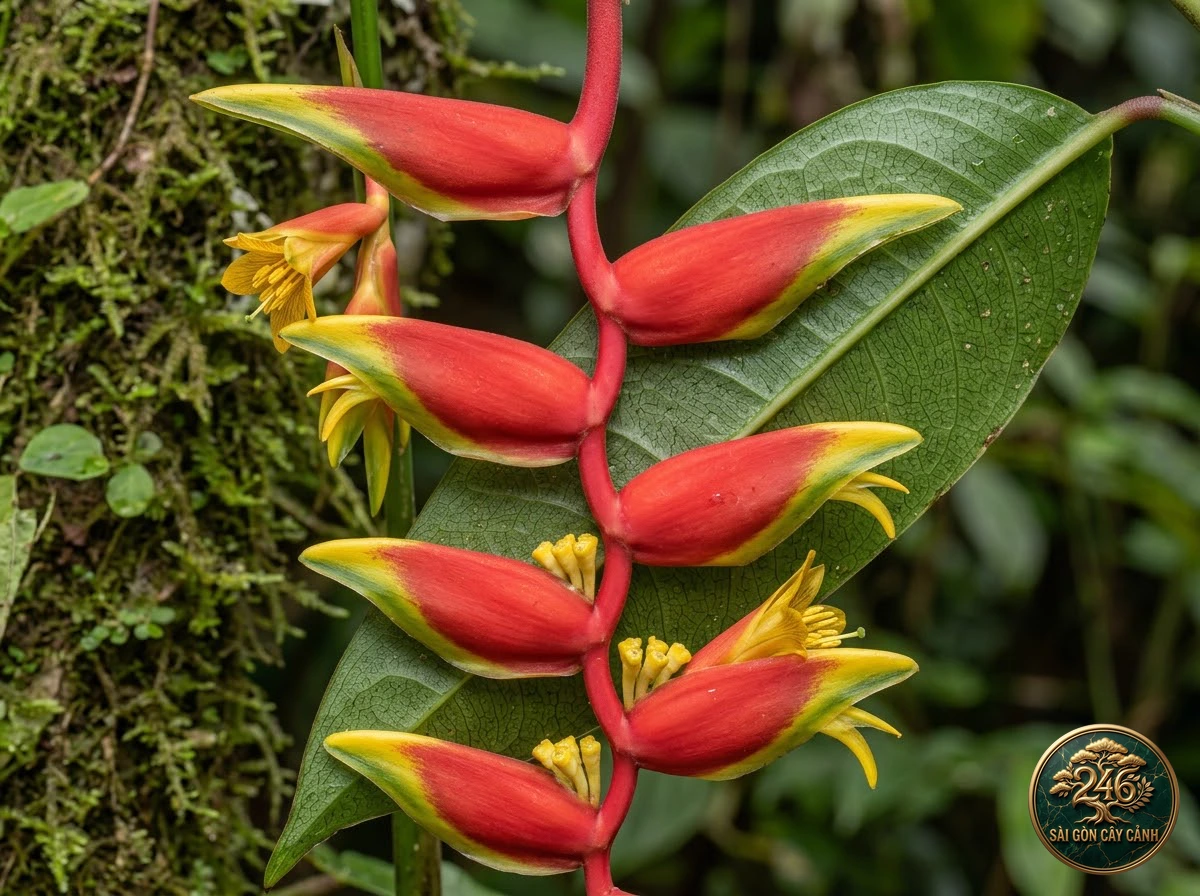
Morphologically, Heliconia rostrata develops as a massive evergreen perennial clump-forming giant herb supported by stout, branching subterranean storage rhizomes. Aerial columnar pseudostems ascend 2.5 to 4.0 meters in vertical height with basal calipers of 5 to 8 cm, formed by tightly overlapping, succulent leaf sheaths. Its colossal foliage is arranged distichously; stout petioles extend 40 to 80 cm; blades are oblong-lanceolate to elliptic, 1.0 to 1.8 meters long and 25 to 35 cm wide, featuring acute tips, robust midribs, and a lustrous deep emerald-green epidermis reminiscent of wild bananas.
Its crowning botanical spectacle is an immense pendulous, gravity-defying inflorescence 50 to 120 cm long descending from the pseudostem apex. The rachis is conspicuously flexuous and crimson, supporting 15 to 35 alternating, deeply boat-shaped cincinnus bracts 12 to 18 cm long and 5 to 7 cm deep. Bracts exhibit incandescent scarlet-red bases bordered by glowing yellow margins and fresh green tips, oriented with open gutters upward to retain rainwater. True flowers are tubular, 4 to 5 cm long, pale creamy-yellow, sheltered inside the bract reservoirs. The fruit is a fleshy subglobose capsule 10 to 12 mm wide, maturing from yellow to iridescent cobalt-blue enclosing 3 stony seeds.
3. Photobiology & Photosynthetic Energy Thresholds
Heliconia rostrata performs optimally under full sun to gentle partial canopy shade. Peak vegetative stature and the production of massive, vividly colored pendulous inflorescences occur under 5 to 7 hours of direct solar exposure daily, corresponding to light flux levels between 35,000 and 65,000 lux. Abundant morning sunlight fuels intense carbohydrate synthesis required to sustain immense pseudostems and heavy descending floral scapes.
Under deep shade regimes below 20,000 lux, pseudostems become etiolated and flowering capacity drops dramatically. Conversely, in highly exposed coastal corridors with strong winds, its expansive banana-like leaves are prone to mechanical fraying along parallel lateral veins; hence, positioning in sunny yet wind-sheltered courtyard microclimates produces the most pristine aesthetic results.
4. Mineral Substrate Mechanics & Root Aeration Dynamics
The massive rhizomes and succulent adventitious root system of hanging lobster claw require a deep soil horizon of at least 50 cm, composed of fertile, moisture-retentive alluvial loam rich in organic matter and engineered for free gravitational drainage. Stagnant anaerobic saturation persisting beyond 48 hours rapidly suffocates root respiration and precipitates fungal soft rot across emerging vegetative eyes.
The planting medium formulated by Saigon Cay Canh comprises 50% screened alluvial loam, 20% carbonized rice hulls for macroporosity, 15% Trichoderma-inoculated aged manure, 10% coarse coco chips for moisture buffering, and 5% coarse river sand. Soil pH is stabilized within 6.0 to 7.0. Landscape pits should be excavated to at least 60×60 cm and incorporate a basal gravel drainage bed.
5. Irrigation Dynamics & Soil Hydraulic Equilibrium
Hanging lobster claw has high moisture demands to sustain its massive 4-meter architecture and extensive transpiring leaf area. Generous irrigation once or twice daily (early morning and late afternoon) is essential during hot dry periods across southern Vietnam, maintaining continuously moist yet well-drained substrate conditions.
Direct irrigation into the root perimeter around the drip line, complementing with overhead foliar misting during peak heat waves exceeding 38 degrees C to elevate ambient relative humidity. During severe monsoon downpours, verify that surface drainage channels remain completely unobstructed to prevent prolonged saturation.
6. Mineral Nutrition Protocols & Periodic Fertilization Schedules
To sustain magnificent multi-meter clumps with luxuriant foliage and drive the production of cascading flower scapes exceeding one meter, disciplined heavy feeding is mandatory. Top-dress with aged vermicompost or composted manure at 2.0 to 3.0 kg per clump every 2 to 3 months, gently incorporating it into the soil surface under a generous organic mulch layer.
Supplement with balanced mineral fertilizer (NPK 16-16-16 or NPK 15-9-20) monthly at 50 to 80 g per clump followed by deep watering. Prior to seasonal floral bud initiation (late dry season transitioning into the monsoons), apply high phosphorus-potassium fertilizers paired with foliar chelated calcium and boron to maximize rachis tensile strength, intensify scarlet-yellow bract contrast, and ensure on-plant floral persistence beyond 2 months.
7. Acclimatized Propagation & Germplasm Preservation
Vegetative rhizome division represents the most effective, reliable, and commercially viable propagation method for Heliconia rostrata. A healthy clump naturally produces 3 to 6 vigorous lateral pseudostem offsets annually. Clump division is best executed at the onset of the monsoon season when ambient warmth and humidity support rapid root resumption.
Use a sharp garden spade to lift the rhizome mass, cleanly dividing underground storage stems into 15 to 25 cm segments, each possessing at least 1 to 2 sturdy pseudostems and intact roots. Cut foliage back by half to curtail transpirational loss, seal cuts with sulfur paste, and plant rhizomes 10 to 15 cm deep into prepared beds. Firm the soil and water deeply; new vegetative flushes emerge within 10 to 14 days, with cascading floral scapes produced in 6 to 8 months.
8. Biosafety Assessment & Companion Animal Toxicological Profiles (ASPCA)
Botanical safety profile and ASPCA pet safety standards: As a member of the Heliconiaceae family, Heliconia rostrata is certified by international veterinary toxicological registries and official ASPCA guidelines as 100% NON-TOXIC TO DOGS, CATS, AND HORSES.
All anatomical structures, including columnar pseudostems, expansive leaves, pendulous showy bracts, and subterranean storage rhizomes, are entirely free of dangerous alkaloids, poisonous resins, or harmful crystals. The plant’s sap is completely benign, causing zero dermal irritation. Companion animals playing around or inadvertently chewing on fallen foliage face zero toxicological risk. Consequently, it stands as one of the safest and most majestic architectural focal plants for luxury estates and family hospitality destinations.
9. Clinical Pathology Diagnostic Matrix & Therapeutic Interventions
Clinical pathology protocol for pseudostem borer prevention and rainforest microclimate regulation in Heliconia rostrata:
| Clinical Symptomology | Etiological Factor | Prescribed Therapeutic Protocol |
|---|---|---|
| Colossal foliar blades become shredded into ragged lateral strips along parallel veins, detracting from landscape aesthetics | High ambient winds and gusts mechanically tearing delicate expansive foliar tissues | Prune severely frayed leaves cleanly at the petiole base, and install windbreak screens or position clumps in sheltered courtyard corners |
| Showy cascading bracts develop water-soaked dark necrotic blotches, progressing into soft decay across floral gutters | Anthracnose floral blight (Colletotrichum) or bacterial soft rot proliferating in stagnant rainwater trapped inside bract reservoirs during humid weather | Gently tilt bracts to drain excess stagnant water following downpours, then apply protective fungicides (Antracol or Daconil) to dry lesions |
| Basal pseudostem sheaths are raggedly devoured by hairy caterpillars, accompanied by silk cocoons attached to stems | Tussock moth caterpillars (Lymantriidae) or armyworms heavily browsing on succulent foliar sheaths during warm humid seasons | Hand-pick caterpillars and remove cocoons, then apply biological Bacillus thuringiensis (Bt) or bio-derived Emamectin benzoate sprays |
10. Comparative Morphology & Sympatric Differentiation
Morphological comparative matrix isolating pendulous one-meter inflorescences and scarlet yellow-tipped bracts of Heliconia rostrata:
| Diagnostic Trait | Heliconia rostrata (Hanging lobster claw) | Comparative Taxon A | Comparative Taxon B |
|---|---|---|---|
| Inflorescence orientation and scape length | Spectacular pendulous cyme cascading 50 to 120 cm downward with 15 to 35 zigzagging lobster-claw bracts | Rigidly erect cyme 20 to 40 cm long bearing 4 to 8 boat-shaped golden-orange parakeet-beak bracts | Stout erect cyme 30 to 50 cm long with thick, rigid scarlet bracts edged in deep green |
| Plant stature and foliar architecture | Colossal giant herb 2.5 to 4.0 m tall, massive leaves 1.0 to 1.8 m long by 25 to 35 cm wide | Compact graceful herb 1.0 to 1.8 m tall, narrow leaves 40 to 70 cm long by 10 to 15 cm wide | Medium-sized herb 1.5 to 2.5 m tall, oblong-elliptic leaves in lustrous emerald green |
| Optimal architectural landscape role | Premier architectural focal specimen for luxury resorts, villa lawns, and infinity pool surrounds | Flowering ribbon border, massing groundcover drift, and low tropical hedges for civic parks | Architectural massing, villa foundation planting, and high-impact tropical courtyard borders |
11. Symbolic Heritage, Biophilic Design & Architectural Placement

In Eastern landscape philosophy and biophilic Feng Shui design, hanging lobster claw channels potent Fire and Earth energies, symbolizing exuberant festive celebration, triumphant breakthroughs, and overflowing commercial wealth reminiscent of jubilant red firecrackers at the Lunar New Year. Its cascading scapes blazing in scarlet-gold inject powerful auspicious vitality, dissipating negative stagnancy and welcoming lasting prosperity into built environments.
In contemporary architectural landscape masterplans, Heliconia rostrata reigns as a premier tropical focal specimen: flanking grand estate entrance gates, commanding lush turf mounds in luxury boutique resorts, framing infinity swimming pools, or accentuating naturalistic rock waterfalls to produce breathtaking Neotropical rainforest aesthetics.
12. SGCC Acclimatization Benchmarks & Quality Guarantee

Saigon Cay Canh is an authoritative commercial grower and master purveyor of authenticated, container-acclimated Heliconia rostrata specimens across southern Vietnam, supplying robust clonal starts as well as monumental 3-to-4-meter flowering clumps for luxury resorts, eco-urban communities, and private compounds.
We provide 100% taxonomic verification, vigorous pest-free stock with fully established root-balls, comprehensive vitality warranties, and specialized crane delivery and turn-key tropical landscape installation services nationwide.
💬 Góc Tư Vấn & Hướng Dẫn Kỹ Thuật SGCC
Chuẩn E-E-A-T Kinfolk❓ Chăm sóc Hanging lobster claw (Helico cần lưu ý điều gì quan trọng nhất?
💡 Dạ điều quan trọng nhất là giữ môi trường sống ổn định, tránh sốc nhiệt hay dao động thông số đột ngột, đồng thời cung cấp khẩu phần ăn sạch và tươi mới ạ.
❓ Làm thế nào để phòng ngừa bệnh tật hiệu quả cho các bé?
💡 Dạ anh chị nên giữ vệ sinh chuồng/hồ nuôi sạch sẽ, thay nước hoặc dọn dẹp định kỳ và bổ sung vitamin, men tiêu hóa đều đặn để tăng sức đề kháng ạ.
🌿 Trang Thiết Bị, Đất Trồng & Dụng Cụ Bonsai Tuyển Chọn
Dụng cụ tỉa, giá thể hữu cơ & phân bón chuyên dụng cho cây cảnh.

Vòi Nước Tưới Cây Đa Năng 2000 Lỗ Phun Sương Vòi Xịt Nư…
Vòi Xịt Nước Tưới Cây, Rửa Xe Đa Năng 8 Chế Độ – Đầu Đồ…

Cưa Gỗ Cầm Tay Mini Có Thể Gấp Gọn Lưỡi Cưa Siêu Sắc Dà…
Thuốc kích ra rễ cực mạnh N3M chuyên dùng cho hoa lan c…

Đá Masato size 1-3mm GLASS GARDEN, rải mặt chậu sen đá,…
Hạt giống hoa cúc họa my trắng hoa đẹp bông to F1 dễ tr…

Chậu vuông cao mini da báo, chậu bonsai, chậu cảnh gốm …

Kệ lót chậu cây có bánh xe, chịu lực cao, có khay hứng …
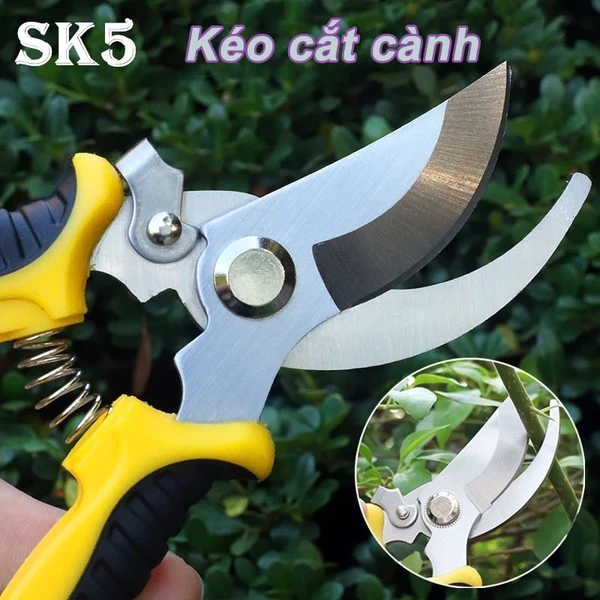
Kéo Cắt Cây Cảnh Kéo Tỉa Cành,Kéo cắt tỉa vườn nghề làm…
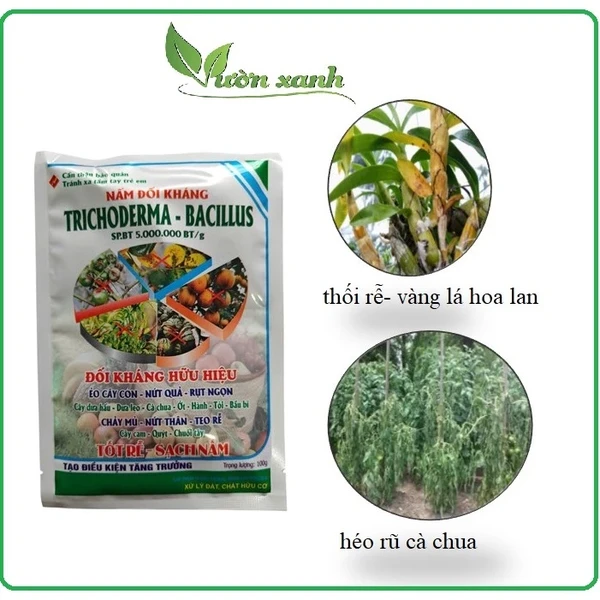
Chế phẩm Trichoderma dùng tưới cây, trộn giá thể phòng …

Bộ Vòi Xịt Tưới Cây Đa Năng 8 chế độ chuyên dụng, Đầy Đ…
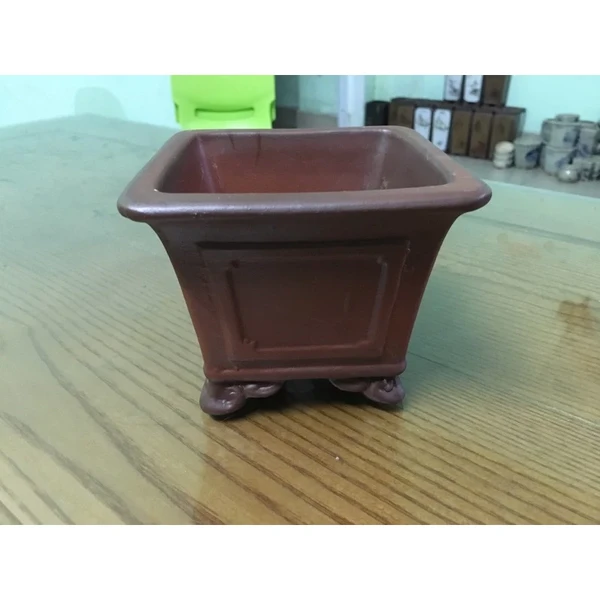
Chậu bonsai mini vuông men cực đẹp kích thước 12cmx 9,5…
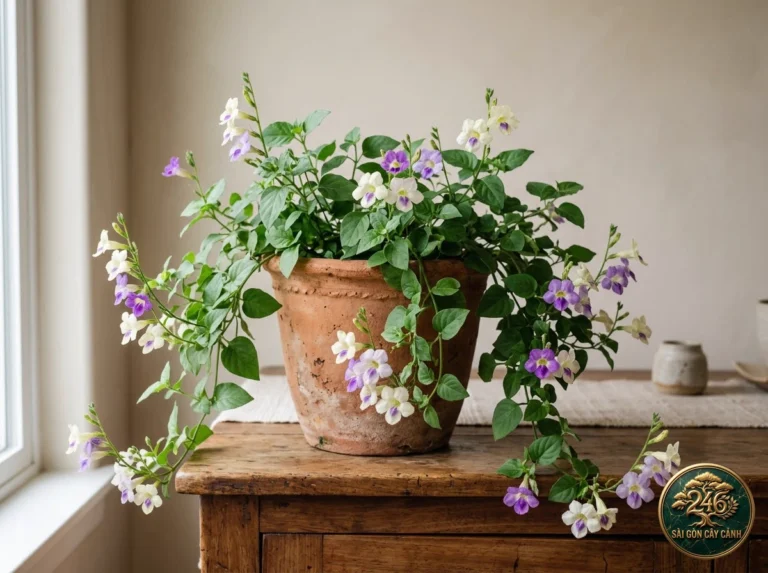
Chinese violet
Asystasia gangetica, widely celebrated in subtropical and tropical landscaping as Chinese violet, Ganges primrose, or creeping foxglove, is...
Read Monograph →
Carnation (Dianthus caryophyllus)
Carnation (Dianthus caryophyllus) Dianthus caryophyllus, universally revered as carnation, clove pink, or the divine flower, is an aristocratic,...
Read Monograph →
Plumed cockscomb (Celosia argentea)
Plumed cockscomb (Celosia argentea) Celosia argentea, encompassing both feathery plume cockscomb (var. plumosa) and undulating crested cockscomb (var....
Read Monograph →
Greater periwinkle
Vinca major, celebrated in international horticulture as greater periwinkle, bigleaf periwinkle, or large periwinkle, is a vigorous, semi-woody...
Read Monograph →Expert Q&A, Recommended Supplies & Article Feedback
Tap once to connect instantly via Google, Facebook or TikTok — no long forms required!
No questions yet for this article. Tap Google / Facebook / TikTok above to ask the first question!