Living plant profile
Hinoki cypress (Chamaecyparis obtusa)
Chamaecyparis obtusa
Hinoki cypress (Chamaecyparis obtusa) Chamaecyparis obtusa, the revered Japanese Hinoki cypress, is a sacred conifer celebrated for sweet citrus-scented timber, flat fan-like foliage sprays, and profound cultural significance in Japanese heritage. 🧭 Sài Gòn Cây Cảnh Care Compass CARE COMPASS 360° ☀️ Light Bright indirect light 💧 Water Water when topsoil dries 🪴 Substrate Well-draining […]
Hinoki cypress (Chamaecyparis obtusa)
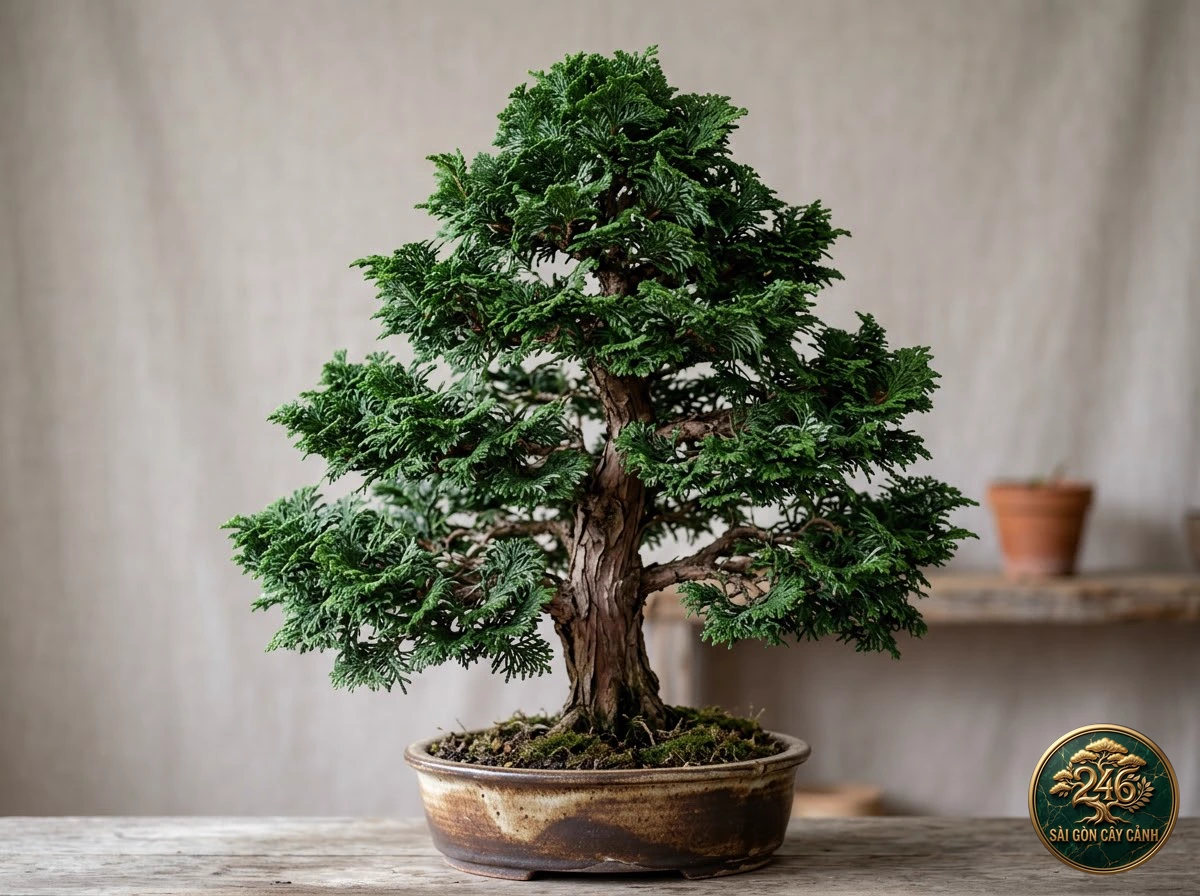
Chamaecyparis obtusa, the revered Japanese Hinoki cypress, is a sacred conifer celebrated for sweet citrus-scented timber, flat fan-like foliage sprays, and profound cultural significance in Japanese heritage.
Sài Gòn Cây Cảnh Care Compass
1. Taxonomic Identity & Botanical Nomenclature
Chamaecyparis obtusa was documented by Siebold, Zuccarini, and Endlicher in 1847. In Japanese heritage, Hinoki signifies tree of fire, traditionally revered as sacred timber designated exclusively for the ritual 20-year rebuilding of the Grand Shrine of Ise.
In classical bonsai culture, dwarf cultivars such as ‘Nana Gracilis’ form living sculptures featuring layered scallop-shell foliage fans of exquisite elegance.
2. Morphological Architecture & Structural Anatomy
A massive forest giant thirty to forty meters tall in habitat; compacted in bonsai art into refined compositions thirty to eighty centimeters tall with cinnamon-red fibrous peeling bark.
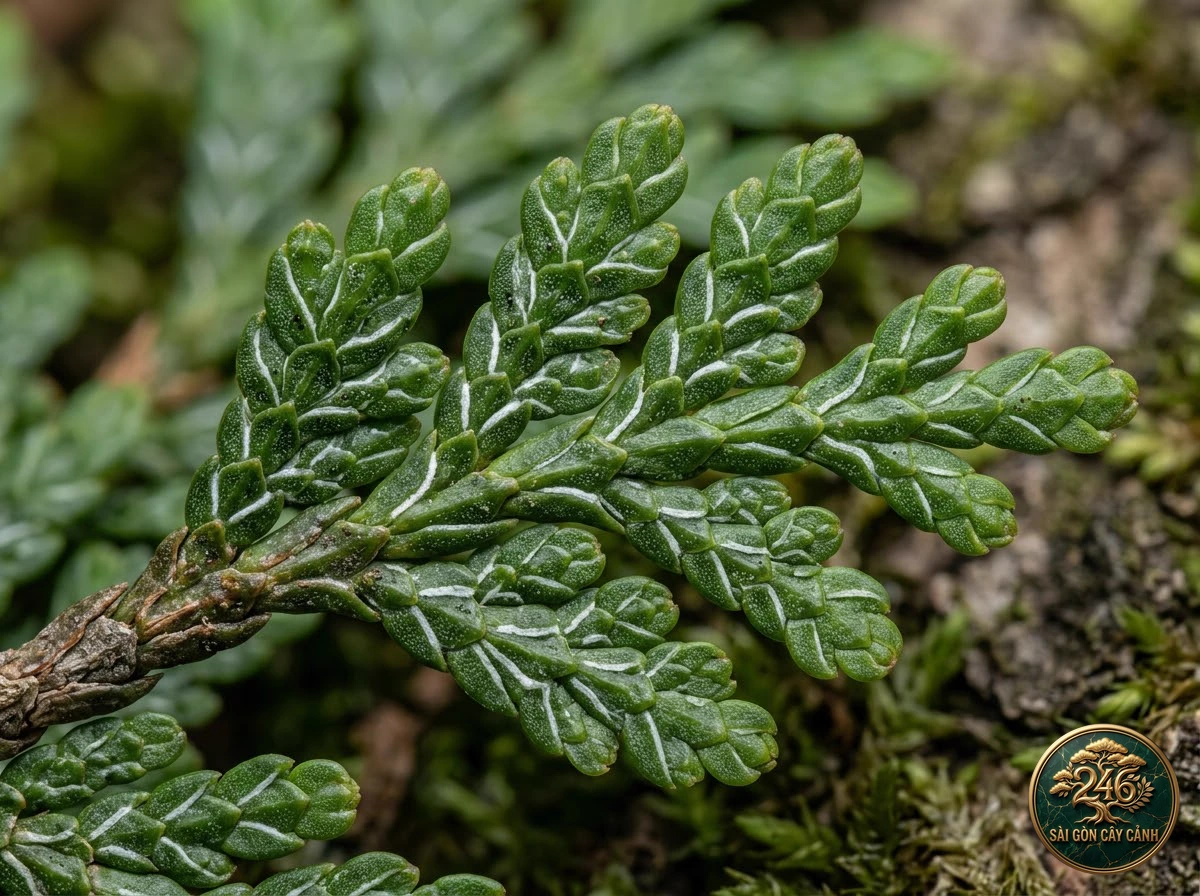
Blunt-tipped scale leaves span two to three millimeters arranged in flattened horizontal fan-like sprays; undersides reveal crisp chalk-white stomatal markings arranged in a distinct Y-shape; globose cones measure ten to twelve millimeters with peltate scales.
3. Photoperiod Energetics & Photosynthetic Dynamics
Demands bright filtered light between 10,000 and 30,000 lux, thriving under abundant morning sunshine with gentle shelter from harsh tropical midday scorch.
Requires elevated ambient humidity; prolonged dry, stagnant microclimates cause inner foliage fans to desiccate and drop irreversibly.
4. Mineral Substrate Composition & Aeration Hydraulics
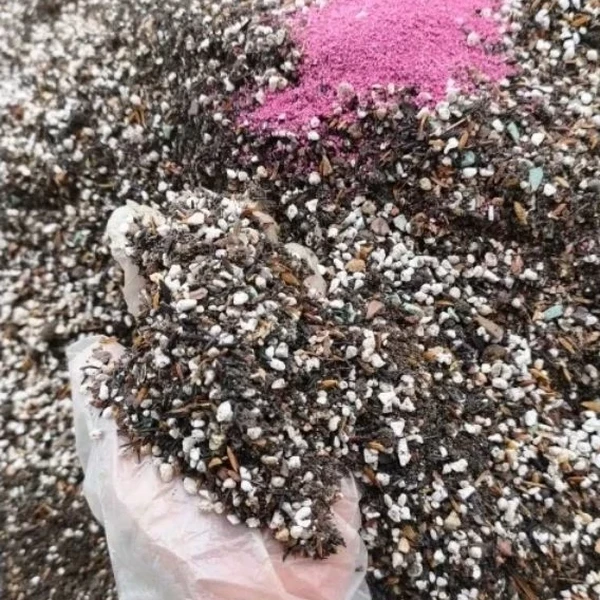
Substrate demands delicate moisture retention alongside rapid drainage: 50% medium-grade akadama, 25% Kiryu volcanic grit, 15% pumice, and 10% biochar.
Its fine fibrous conifer roots require structurally stable aggregates that do not break down into suffocating muddy silt.
5. Irrigation Regimen & Hydric Balance
Irrigation regimen: soak thoroughly once aggregate surfaces dry to a light shade; Hinoki foliage relishes gentle morning and evening misting across its fan sprays.
Never allow the root ball to dry to total desiccation; once Hinoki foliage fans turn crispy, cellular vascular death is usually irreversible.
6. Mineral Nutrition & Slow-Release Fertilization
Feed with fermented Japanese organic rapeseed cakes placed in soil cages monthly during active spring and autumn flushes.
Supplement with bimonthly chelated iron and magnesium to maintain deep emerald brilliance across mature foliage tiers.
7. Vegetative Propagation & Germplasm Preservation
Propagated via late-summer semi-hardwood tip cuttings or side-veneer grafting onto seed-grown conifer understock.
Cuttings housed in automated mist chambers with gentle bottom heat (20-22 degrees Celsius) develop stable root frameworks in twelve weeks.
8. Toxicology Profile & Household Pet Biosafety (ASPCA)
PET SAFETY PROFILE: Foliage and wood contain therapeutic aromatic phytoncides and hinokitiol; ingestion of large quantities may induce mild digestive upset under ASPCA veterinary guidelines.
Non-hazardous upon incidental contact; placing delicate bonsai specimens on elevated stands safeguards both pets and the pristine foliage fans.
9. Clinical Pathology Diagnostics & Treatment Protocol
Diagnostic evaluation of shear-induced foliar necrosis and manual pinching revival for Chamaecyparis obtusa:
| Clinical Manifestation | Pathological Etiology | Targeted Treatment Protocol |
|---|---|---|
| Interior fan-shaped foliage sprays turn crispy yellow and drop | Inadequate light penetration to inner branches or severely dry ambient air | Carefully thin outer pads to admit light and mist foliage sprays daily |
| Tips of scale leaves turn reddish-brown and scorch after trimming | Pruning shears slicing through fleshy scale leaves causing oxidation necrosis | Always use fingers to pinch young tips (Metsumi technique); never cut foliage with metal shears |
| Canopy dulls to lifeless matte green and bottom root tips turn black | Root rot caused by perched water tables in compacted substrate | Emergency transfer into coarse akadama aggregate, unblock drainage holes, and regulate watering |
| Minute waxy white scales adhere in crevices between foliage scales | Conifer scale insects feeding on sap in poorly ventilated microclimates | Manually dab clusters with alcohol swabs and spray cold-pressed horticultural oil |
10. Comparative Morphology & Allied Taxa Diagnosis
Anatomical matrix differentiating white Y-stomatal patterns of Chamaecyparis obtusa from allied Japanese cypresses:
| Diagnostic Parameter | Chamaecyparis obtusa (Hinoki cypress) | Comparative Specimen A | Comparative Specimen B |
|---|---|---|---|
| Underside stomatal wax markings | Distinct chalk-white Y-shaped markings | Crisp chalk-white X or butterfly markings | No Y-markings; grooved needle foliage |
| Scale leaf apex morphology | Blunt, rounded leaf tips soft to touch | Sharply pointed, acute scale tips | Rigid pungent needle tips |
| Pruning methodology discipline | Mandatory finger-pinching (Metsumi); never shears | Tolerates light shear clipping | Finger-plucking or fine shears |
| Aromatic timber valuation | Sublime sweet Hinoki fragrance, world-renowned | Gentler coniferous fragrance | Resinous balsamic pine scent |
11. Biophilic Design Harmony & Contemporary Spatial Aesthetics
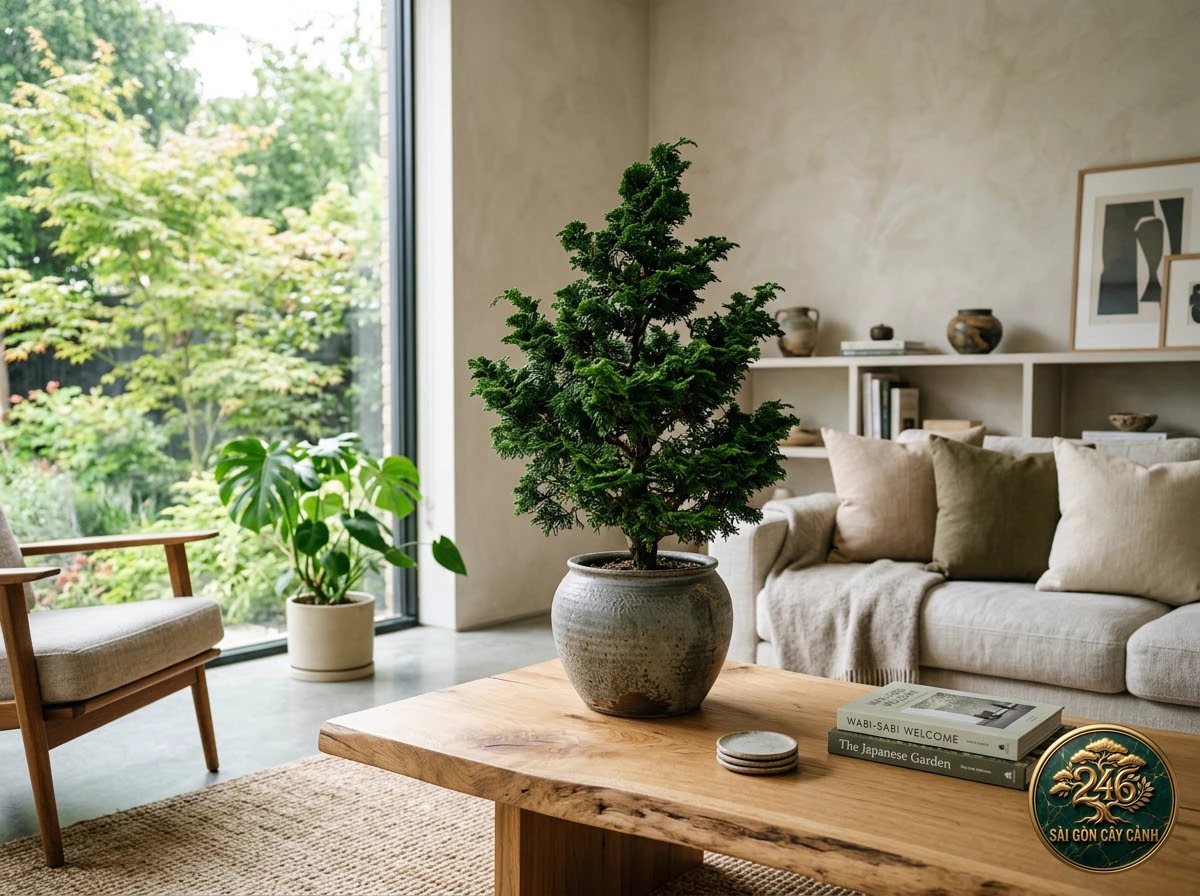
Chamaecyparis obtusa represents sacred purification, ancestral reverence, and sublime healing energy deeply embedded in Japanese forest bathing (Shinrin-yoku).
Its natural Hinoki phytoncide aroma relieves mental fatigue, cultivating an atmosphere of serene majesty and meditative focus.
12. Saigon Cay Canh Provenance & Cultivation Assurance

Saigon Cay Canh curates authenticated Japanese Hinoki cypress bonsai with masterfully arranged foliage clouds and certified root vigor.
Includes classical finger-pinching workshops (never cutting with shears) and dedicated holistic conifer advisory.
💬 Góc Tư Vấn & Hướng Dẫn Kỹ Thuật SGCC
Chuẩn E-E-A-T Kinfolk❓ Chăm sóc Hinoki cypress (Chamaecypari cần lưu ý điều gì quan trọng nhất?
💡 Dạ điều quan trọng nhất là giữ môi trường sống ổn định, tránh sốc nhiệt hay dao động thông số đột ngột, đồng thời cung cấp khẩu phần ăn sạch và tươi mới ạ.
❓ Làm thế nào để phòng ngừa bệnh tật hiệu quả cho các bé?
💡 Dạ anh chị nên giữ vệ sinh chuồng/hồ nuôi sạch sẽ, thay nước hoặc dọn dẹp định kỳ và bổ sung vitamin, men tiêu hóa đều đặn để tăng sức đề kháng ạ.
🌿 Trang Thiết Bị, Đất Trồng & Dụng Cụ Bonsai Tuyển Chọn
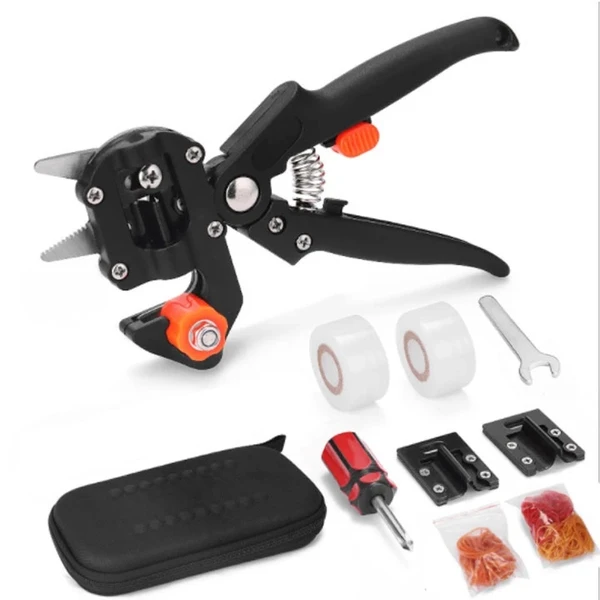
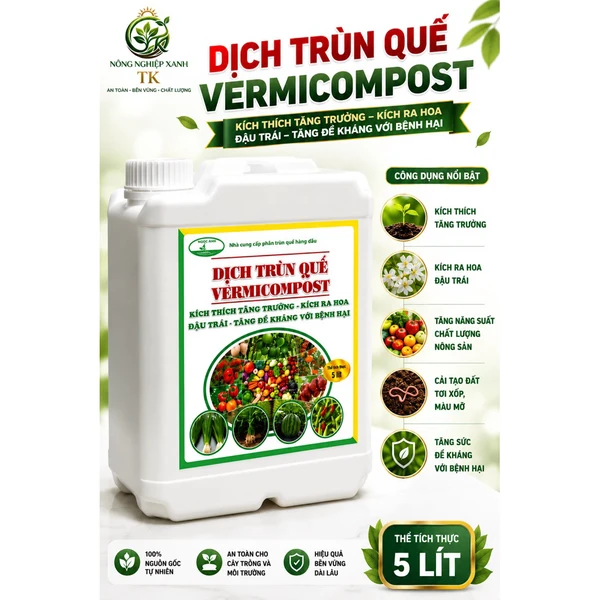
Dụng cụ tỉa, giá thể hữu cơ & phân bón chuyên dụng cho cây cảnh.