
Living plant profile
Japanese black pine (Pinus thunbergii)
Pinus thunbergii
📌 CLINICAL & BIOLOGICAL ABSTRACT — Japanese black pine (Pinus thunbergii)Japanese black pine (Pinus thunbergii) Pinus thunbergii, the revered Japanese black pine (Kuromatsu), reigns as the undisputed King of Bonsai, celebrated for plated black bark, rigid paired needles, and indomitable masculine vigor. 1. Botanical Identity & Taxonomic Nomenclature History Pinus thunbergii was formally classified by […]
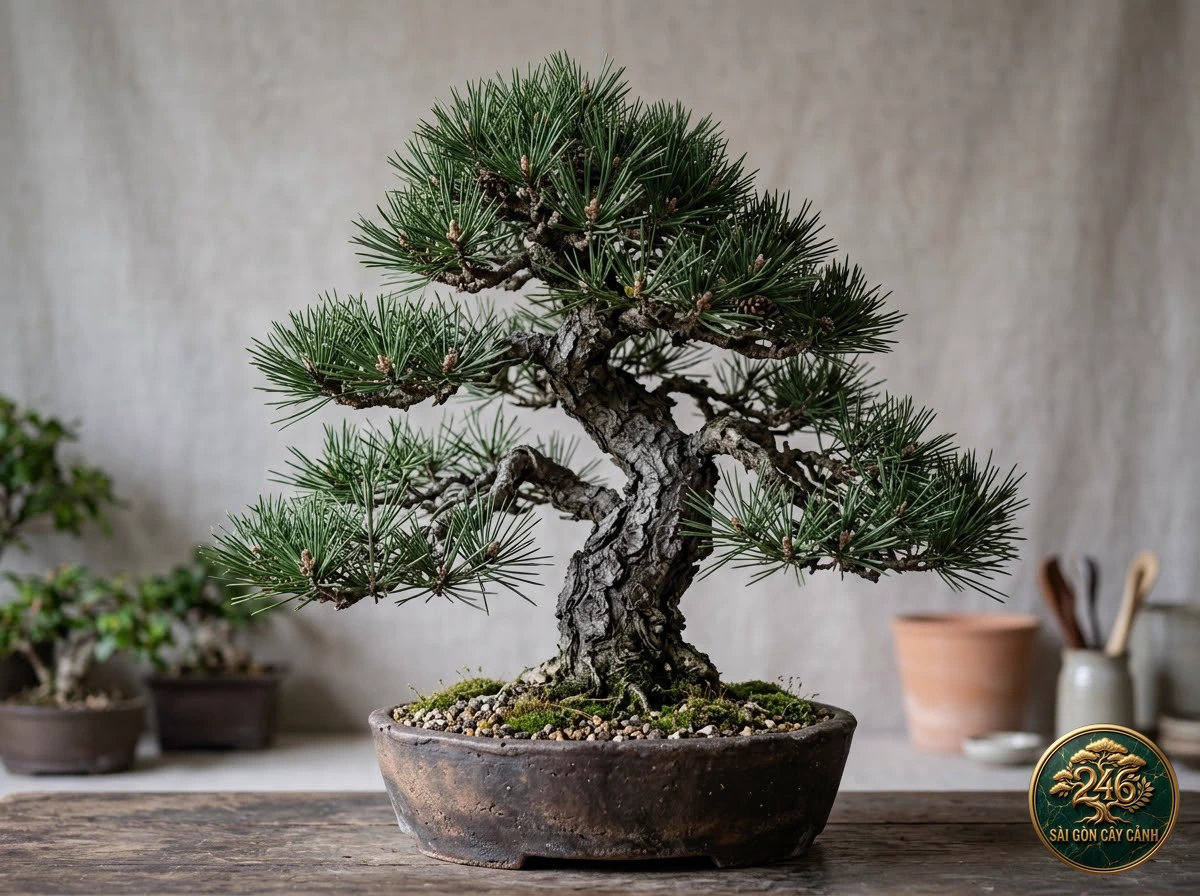
Japanese black pine (Pinus thunbergii)
Pinus thunbergii, the revered Japanese black pine (Kuromatsu), reigns as the undisputed King of Bonsai, celebrated for plated black bark, rigid paired needles, and indomitable masculine vigor.
Sài Gòn Cây Cảnh Care Compass
1. Botanical Identity & Taxonomic Nomenclature History
Pinus thunbergii was formally classified by Italian botanist Filippo Parlatore in 1868, commemorating naturalist Carl Peter Thunberg. In classical Japanese iconography, Kuromatsu personifies masculine strength, unwavering resolve, and longevity.
Colonizing windswept coastal headlands across Japan, it withstands punishing salt gales and shifting sands, sculpting gnarled, heroic trunks that have inspired bonsai masters for centuries.
2. Morphological Anatomy & Structural Architecture

A formidable tree twenty to thirty meters tall in natural habitat; compressed into master bonsai forty to one hundred twenty centimeters high exhibiting deeply fissured, charcoal-black plated bark. Heavy muscular branches support dense emerald needle pads.
Rigid, sharply pointed needles emerge in pairs, measuring seven to twelve centimeters long; conspicuous chalk-white winter buds (candles) tip each branch; conical cones span four to six centimeters, turning grey-brown as scales open.
3. Solar Irradiance Thresholds & Photosynthetic Dynamics
Demands maximum solar irradiance between 15,000 and 45,000 lux, requiring six to eight hours of direct unshaded sunlight daily to produce stout candles and compact needle bundles.
Shaded placement or extended indoor exhibition causes rapid interior needle shedding and aborts dormant back-buds necessary for ramification.
4. Mineral Substrate Mechanics & Root Aeration Porosity
Demands an uncompromisingly coarse mineral formula: 60% hard-grade akadama, 25% volcanic Kiryu grit, and 15% screened coarse pumice.
This open aggregate permits instant drainage while fostering flourishing colonies of white mycorrhizal fungi, which are indispensable for phosphorus uptake and conifer health.
5. Hydraulic Equilibria & Irrigation Regimens
Irrigation discipline follows strict wet-dry cycles: soak thoroughly only after the surface aggregate turns pale and completely dry; ensure water flushes freely from bottom holes.
Never keep the substrate perpetually moist; pine roots require aerated dry intervals to breathe, preventing fatal anaerobic root rot.
6. Nutrient Biogeochemistry & Fertilization Protocols
Fertilization schedule: place fermented organic rapeseed cakes in surface cages from spring through late autumn.
Following early summer candle-pruning (Mekiri), taper nitrogen feeding so that the secondary autumn needle flush develops in compact, miniature proportions.
7. Clonal Propagation & Germplasm Conservation
Propagated from seed soaked in warm water for 24 hours, or by side-grafting superior short-needled scions onto sturdy seedling rootstock.
Young seedlings are wired in their first season to establish dramatic basal trunk movement destined for classical styling.
8. Phytochemical Toxicity & Pet Safety Standards (ASPCA)
PET SAFETY PROFILE: Pinus thunbergii foliage and resin are non-toxic to domestic animals under ASPCA standards, carrying minor digestive caution only if needles are consumed in mass.
Due to the physical sharpness of paired pine needles, displaying specimens on elevated plinths prevents accidental eye injury to playful pets.
9. Clinical Pathology Diagnostics & Treatment Strategies
Diagnostic evaluation of needle cast pathogens and summer candle decandling regimens for Pinus thunbergii:
| Clinical Manifestation | Etiological Cause | Standard Treatment Protocol |
|---|---|---|
| Needles stretch excessively beyond 15cm, distorting bonsai scale | Over-fertilization with soluble nitrogen combined with omitting summer candle pruning | Execute candle-cutting (Mekiri) in early summer, cease nitrogen, and maximize sun |
| Needles exhibit distinct reddish-brown bands progressing to apical tip dieback | Dothistroma needle blight fungal infection favored by lingering foliar wetness | Pluck infected needles, dispose safely, and apply preventive copper fungicide at dawn |
| Emerging spring candles wilt limp, droop, and weep cloudy resin | Pine shoot moth larvae tunneling through the succulent apical leader core | Excise infested shoots, destroy larvae manually, and treat with biological insecticide |
| Tree wobbles in pot; needles turn dull greyish-green without bud extension | Root rot caused by chronic over-watering eradicating beneficial mycorrhizal fungi | Immediately suspend irrigation, scrape off compacted soil, and repot in dry akadama grit |
10. Comparative Morphology & Allied Taxa Diagnosis
Taxonomic comparative matrix contrasting armored plated bark of Pinus thunbergii against allied ornamental pines:
| Diagnostic Parameter | Pinus thunbergii (Japanese black pine) | Comparative Specimen A | Comparative Specimen B |
|---|---|---|---|
| Needles per fascicle bundle | Rigid, pungent paired needles (2-needle pine) | Soft, slender needles in bundles of 5 | Flexible paired needles (2-needle pine) |
| Trunk bark coloration & texture | Deep charcoal-black with rugged armored plates | Smooth silvery-grey fissuring gently with age | Warm reddish-orange peeling papery bark |
| Winter bud (candle) appearance | Prominent chalk-white, stout, resinous buds | Smaller reddish-brown terminal buds | Slender pale brown buds |
| Bonsai prestige hierarchy | Undisputed King of Bonsai (Kuromatsu) | Queen of Bonsai (Goyomatsu) | Master of Literati Bunjin style (Akamatsu) |
11. Biophilic Design Harmony & Contemporary Spatial Aesthetics

Pinus thunbergii embodies supreme masculine dignity, immovable fortitude, and eternal endurance, revered across Asian centuries as a living monument of resilience.
Staged as an imposing centerpiece in modern spaces, it anchors the environment with awe-inspiring organic power and timeless architectural presence.
12. Saigon Cay Canh Provenance & Cultivation Assurance

Saigon Cay Canh curates authenticated Japanese black pine bonsai conditioned for tropical vitality, with rugged plated bark and thriving mycorrhizae.
Backed by seasonal candle-cutting (Mekiri) masterclasses, autumn needle-plucking guidance, and bespoke repotting support.
💬 Góc Tư Vấn & Hướng Dẫn Kỹ Thuật SGCC
Chuẩn E-E-A-T Kinfolk❓ Chăm sóc Japanese black pine (Pinus t cần lưu ý điều gì quan trọng nhất?
💡 Dạ điều quan trọng nhất là giữ môi trường sống ổn định, tránh sốc nhiệt hay dao động thông số đột ngột, đồng thời cung cấp khẩu phần ăn sạch và tươi mới ạ.
❓ Làm thế nào để phòng ngừa bệnh tật hiệu quả cho các bé?
💡 Dạ anh chị nên giữ vệ sinh chuồng/hồ nuôi sạch sẽ, thay nước hoặc dọn dẹp định kỳ và bổ sung vitamin, men tiêu hóa đều đặn để tăng sức đề kháng ạ.
🌿 Trang Thiết Bị, Đất Trồng & Dụng Cụ Bonsai Tuyển Chọn
Dụng cụ tỉa, giá thể hữu cơ & phân bón chuyên dụng cho cây cảnh.

BỘ KÉO GHÉP CÀNH CÂY CHUYÊN DỤNG TÚI DÙ – ĐA NĂNG, THÔN…
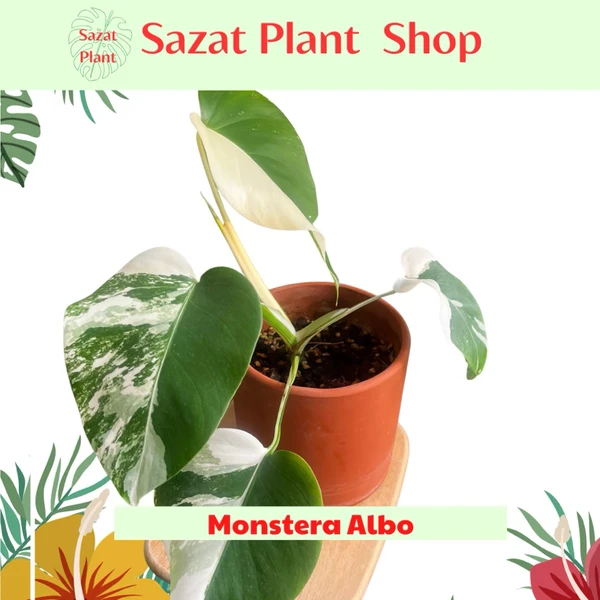
Cây Trầu Bà Lá Xẻ Đột Biến Monstera Var Albo – Sazat Pl…
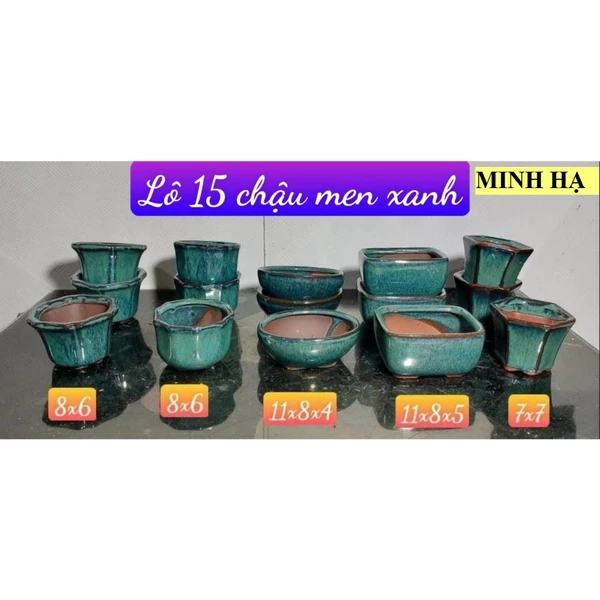
BS65 Set chậu 15 chậu bonsai min gốm Bát Tràng men xanh…

Cây Cẩm Nhung Lá May Mắn ( Fittonia)

Đá Khoáng MASATO ( MAI FAN ) Dùng Rải Mặt Chậu Cho Xươn…
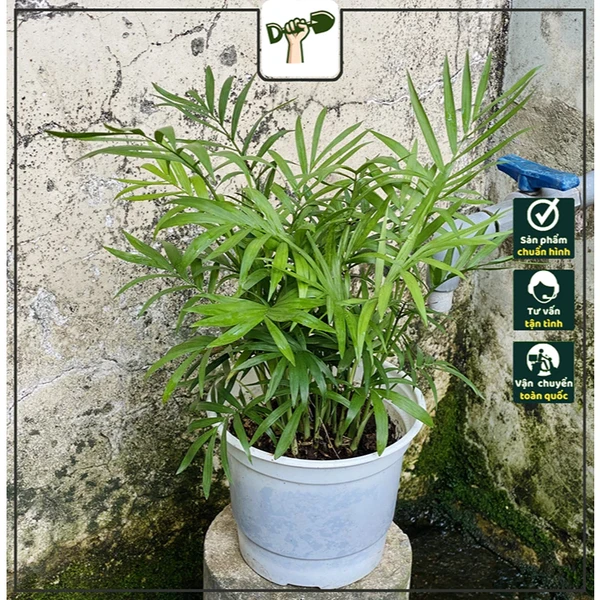
Cây Cau Tiểu Trâm – Tổng thể 35-45 cm – Trang trí ngoại…

Lục Giác Giả Đá FAC380 (Nhựa Dày) – Chậu Nhựa trồng cây…
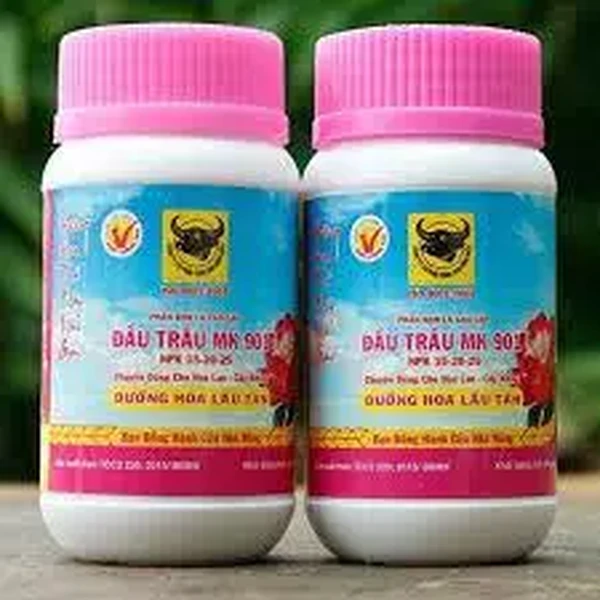
Phân Bón Lá Đầu Trâu 901 (NPK 15-20-25) Dưỡng Hoa Lâu T…

Chậu trồng cây Bonsai, Cây tiểu cảnh mini bằng chất liệ…

Đá Masato (1kg) – Loại cao cấp, sạch bụi, không vụn – R…

Hạt Giống Hoa Cúc Họa Mi Rd 864 Rạng Đông (Gói 0,03g ~4…

PHÂN BÓN LÁ NPK 30-10-10 +TE GROWMORE – USA (1kg) – Nân…

Diamond persimmon (Diospyros rhombifolia)
Diamond persimmon (Diospyros rhombifolia) Diospyros rhombifolia, celebrated as diamond persimmon or princess persimmon, is a prized shohin bonsai...
Read Monograph →
Maidenhair tree (Ginkgo biloba)
Maidenhair tree (Ginkgo biloba) Ginkgo biloba, universally revered as the maidenhair tree or gingko, represents one of Earth’s...
Read Monograph →
Japanese privet (Ligustrum japonicum)
Japanese privet (Ligustrum japonicum) Ligustrum japonicum, acclaimed as Japanese privet or waxleaf privet, is an imposing evergreen woody...
Read Monograph →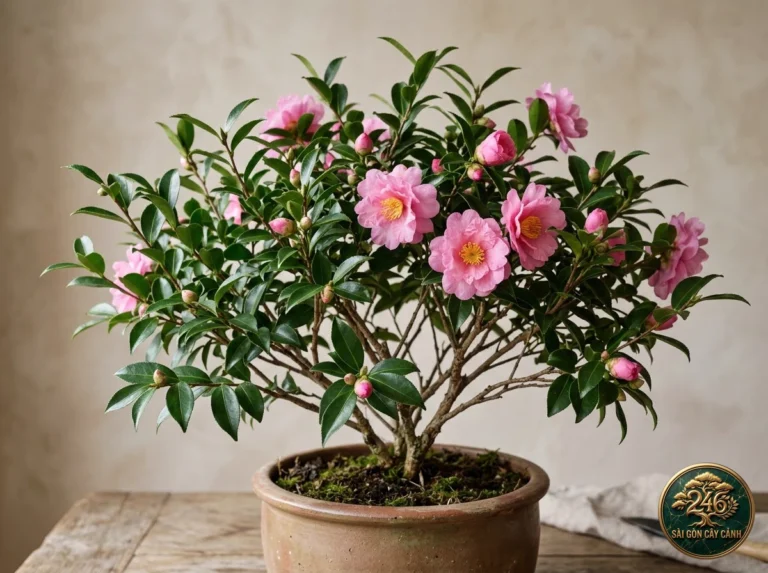
Sasanqua camellia (Camellia sasanqua)
Sasanqua camellia (Camellia sasanqua) Camellia sasanqua, celebrated as sasanqua camellia or autumn camellia, is an enchanting fall-blooming woody...
Read Monograph →Expert Q&A, Recommended Supplies & Article Feedback
Tap once to connect instantly via Google, Facebook or TikTok — no long forms required!
No questions yet for this article. Tap Google / Facebook / TikTok above to ask the first question!