
Living plant profile
Japanese pepper (Zanthoxylum piperitum)
Zanthoxylum piperitum
📌 CLINICAL & BIOLOGICAL ABSTRACT — Japanese pepper (Zanthoxylum piperitum)Japanese pepper (Zanthoxylum piperitum) Zanthoxylum piperitum, widely celebrated as Japanese pepper or Sansho, is an esteemed aromatic deciduous bonsai subject famous for paired stipular prickles, citrus-pungent pinnate leaves, and vibrant red tingling berries. 1. Botanical Identity & Taxonomic Nomenclature History Zanthoxylum piperitum was initially published by […]
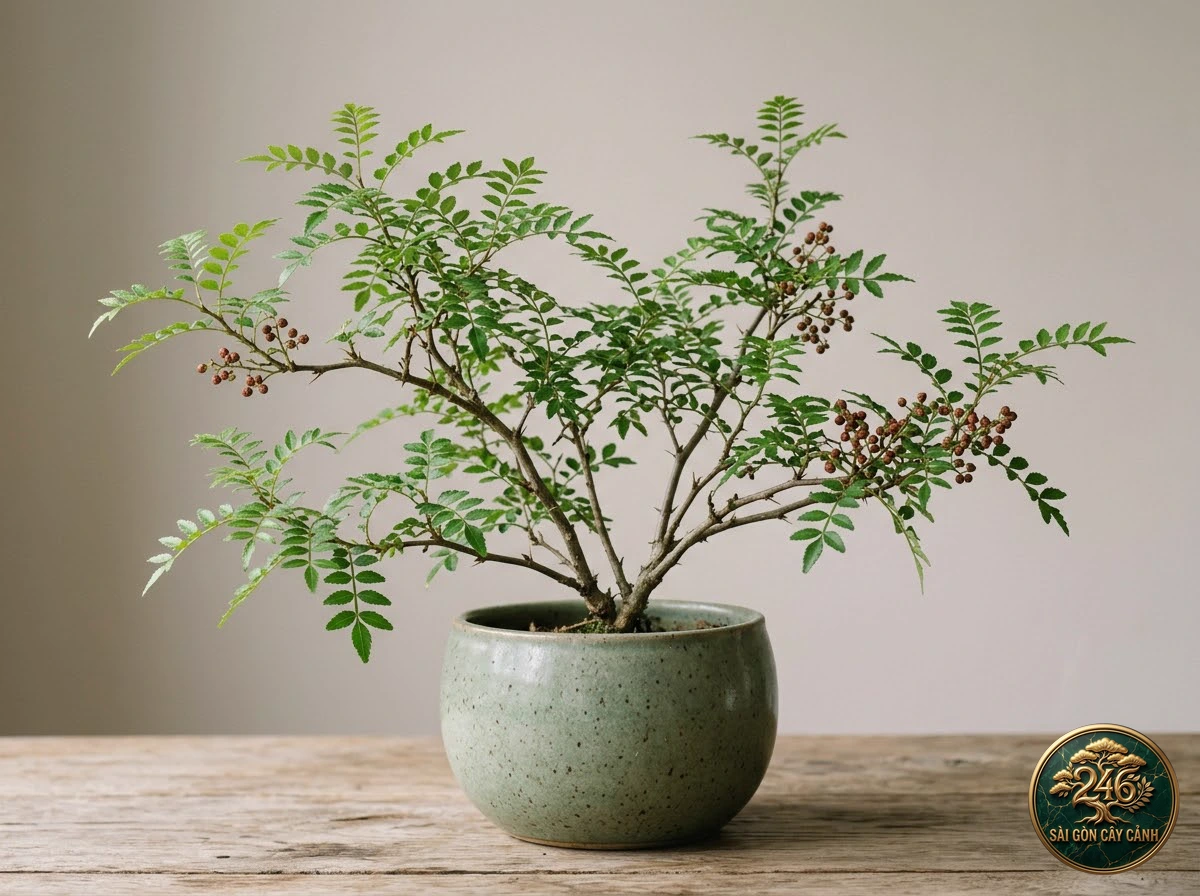
Japanese pepper (Zanthoxylum piperitum)
Zanthoxylum piperitum, widely celebrated as Japanese pepper or Sansho, is an esteemed aromatic deciduous bonsai subject famous for paired stipular prickles, citrus-pungent pinnate leaves, and vibrant red tingling berries.
Sài Gòn Cây Cảnh Care Compass
1. Botanical Identity & Taxonomic Nomenclature History
Zanthoxylum piperitum was initially published by Carl Linnaeus as Fagara piperita in 1759, before Swiss botanist Augustin Pyramus de Candolle transferred it to Zanthoxylum in 1824.
In traditional Japanese culinary heritage, Sansho occupies an exalted position dating back to the prehistoric Jomon period; fresh spring shoot tips (kinome) garnish grilled unagi dishes, while crushed dried pericarp forms the essential tingling component of classic shichimi togarashi spice blends.
2. Morphological Anatomy & Structural Architecture
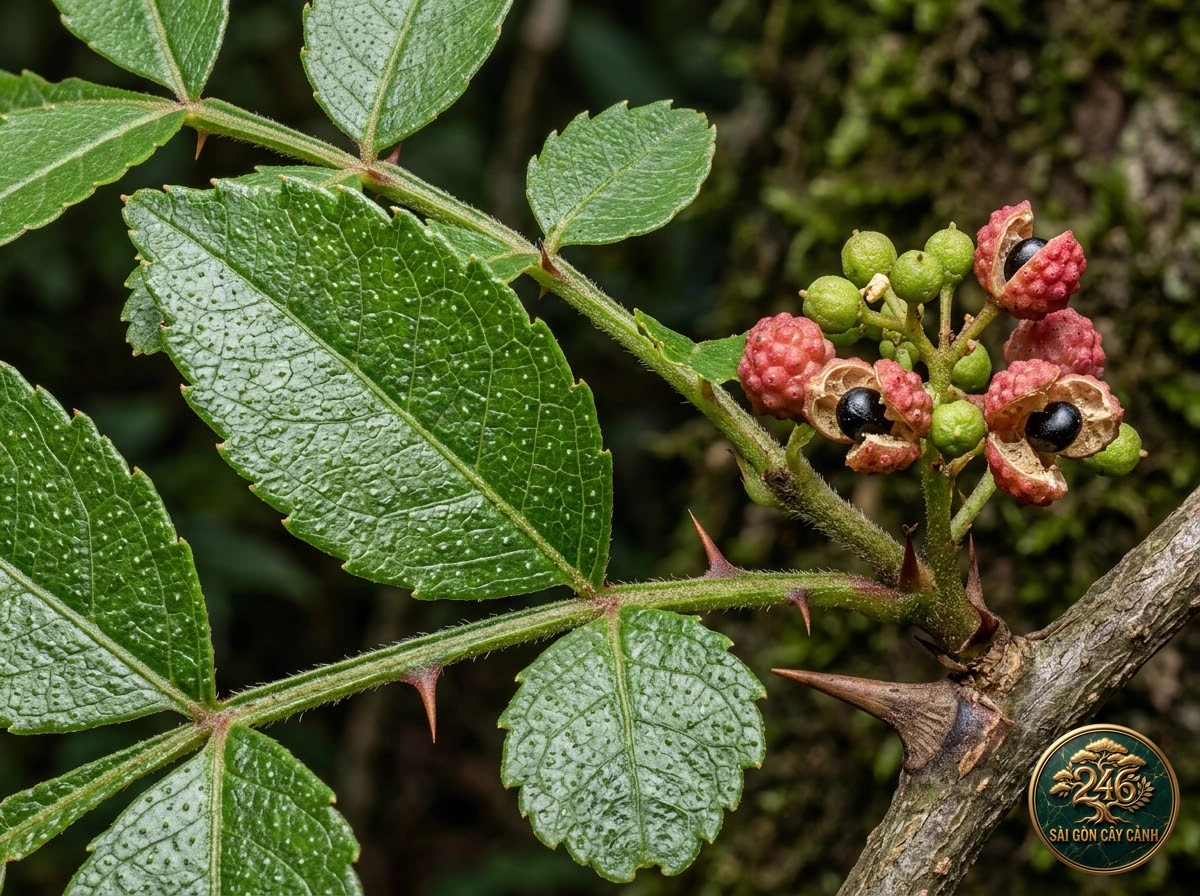
A deciduous aromatic shrub or small tree attaining two to four meters in habitat; styled in bonsai into refined formal upright, slanting, literati, or windswept compositions twenty to fifty-five centimeters tall. Trunks develop smooth grey-brown bark armed with stout paired stipular prickles flanking the base of each petiole.
Leaves are odd-pinnate, five to fifteen centimeters long, bearing nine to nineteen ovate-elliptic leaflets one to three centimeters long with crenulate margins and translucent pellucid oil glands emitting an exhilarating citrus-spice perfume. Dioecious yellowish-green flowers bloom in terminal cymes; fruits are small globose follicles four to five millimeters across ripening to bright crimson before splitting to reveal lustrous jet-black seeds.
3. Solar Irradiance Thresholds & Photosynthetic Dynamics
Thrives under bright filtered sunlight between 15,000 and 40,000 lux, requiring gentle shade during scorching midday summer heat in tropical environments.
Demands four to six hours of sunlight daily to maintain tight compact internodes and induce prolific autumn berry displays.
4. Mineral Substrate Mechanics & Root Aeration Porosity
Substrate requires porous aeration and sharp mineral drainage: 50% small-to-medium akadama, 25% pumice, 15% black volcanic scoria, and 10% composted leaf mold.
Flourishes in slightly acidic to neutral substrate (pH 6.0 to 6.8); rootlets are delicate and highly intolerant of stagnant anaerobic water accumulation.
5. Hydraulic Equilibria & Irrigation Regimens
Irrigation management: Maintain steady moderate capillary moisture, drenching thoroughly as top aggregate lightens.
During hot weather, irrigate once or twice daily; during winter dormancy when leaves drop, reduce water frequency without permitting the root ball to desiccate.
6. Nutrient Biogeochemistry & Fertilization Protocols
Apply balanced slow-release organic pellets monthly from early spring through mid-autumn; supplement with potassium in late summer to nourish ripening berries and winter buds.
Pruning strategy: Regularly pinch expanding spring shoots to control internode extension, stimulate secondary twigs, and reduce leaflet dimensions.
7. Clonal Propagation & Germplasm Conservation
Propagate via fresh ripe seeds in autumn following eight weeks of cold moist stratification at 4°C to break physiological embryo dormancy.
Alternatively, semi-hardwood cuttings in early summer or spring air-layering yield well-rooted independent specimens within thirty to forty days in moist sphagnum.
8. Phytochemical Toxicity & Pet Safety Standards (ASPCA)
Veterinary botanical screening for Zanthoxylum piperitum confirms that Japanese pepper is non-toxic and lacks acute mammalian alkaloids.
Foliage and berries contain natural sanshool amides causing mild tongue tingling; pets naturally avoid biting thorny branches and pungent leaves, making elevated bonsai stands an ideal display choice.
9. Clinical Pathology Diagnostics & Treatment Strategies
Clinical diagnostic monitoring of pericarp oil degradation and spring kinome shoot cultivation for Zanthoxylum piperitum:
| Clinical Manifestation | Etiological Cause | Standard Treatment Protocol |
|---|---|---|
| Tender emerging leaflets wither, curl tightly, and exhibit tiny thrips feeding | Thrips or aphids infesting succulent new spring flushes during warm humid transitions | Apply cold-pressed organic neem oil or garlic-chili extract spray in early morning, repeat in 5 days |
| Leaflets develop mottled chlorosis and drop prematurely, leaving bare twigs | Chronic light deprivation or poor air exchange in enclosed stagnant interior settings | Relocate container to outdoor terrace receiving natural breezes and bright morning sunlight |
| Leaves exhibit dark brown circular lesions with pale yellow margins | Anthracnose fungal infection (Colletotrichum) proliferating under excessive humidity and night misting | Prune infected foliage, eliminate evening foliage wetting, and apply organic copper bio-fungicide |
| Substrate remains waterlogged for days and shoot tips undergo progressive dieback | Root collar hypoxia and rot from compacted potting medium or obstructed drainage apertures | Elevate container for drainage, clear drainage holes, suspend irrigation, apply Trichoderma drench |
10. Comparative Morphology & Allied Taxa Diagnosis
Morphological comparative matrix isolating paired nodal prickles and spicy sanshool chemistry of Zanthoxylum piperitum:
| Diagnostic Parameter | Zanthoxylum piperitum (Japanese pepper) | Comparative Specimen A | Comparative Specimen B |
|---|---|---|---|
| Crushed foliage aromatic signature | Pungent citrus-pepper fragrance rich in spicy sanshool amides | Zesty wild orange herbal aroma with cool undertones | Subtle gentle sweet-sour herbal aroma |
| Spine morphology on branchlets | Sharp rigid prickles borne in symmetrical opposite pairs | Solitary sharp rigid spines abundant in leaf axils | Smooth branchlets completely unarmed without prickles |
| Ripe fruit morphology and coloration | Small bright red follicles splitting to reveal shiny black seeds | Globose black berries 10-12 mm wide with citrus peel | Curved elongate brown pods filled with sweet-sour pulp |
| Seasonal foliar phenology | Strictly cold-deciduous shedding leaves in late autumn | Broadleaf evergreen retaining glossy leaves year-round | Semi-deciduous or evergreen depending on moisture |
11. Biophilic Design Harmony & Contemporary Spatial Aesthetics
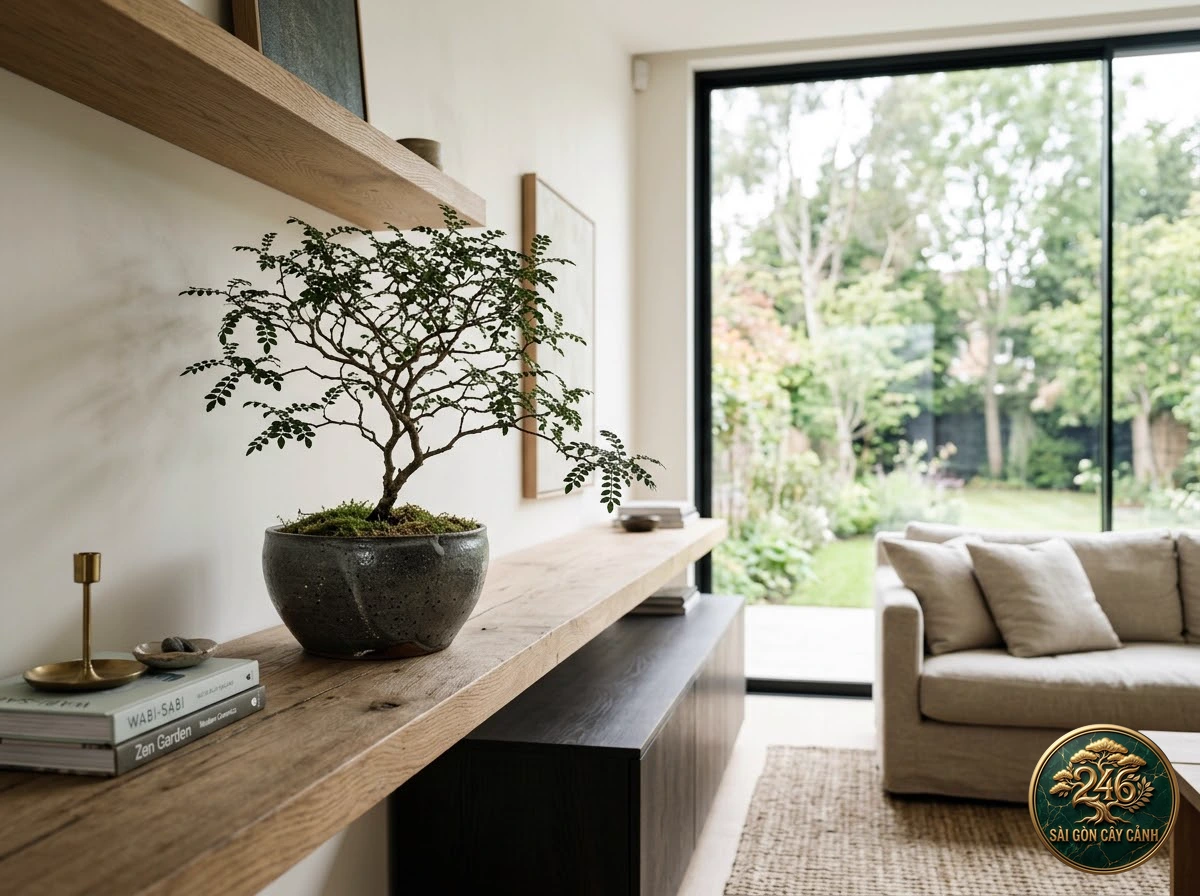
Japanese pepper symbolizes keen discernment, resolute fortitude, and protective spiritual purification through paired defensive prickles and cleansing oils.
Its crisp citrus-pepper fragrance and radiant red berries generate uplifting vitality, inspiring mental focus and attracting auspicious domestic balance.
12. Saigon Cay Canh Provenance & Cultivation Assurance
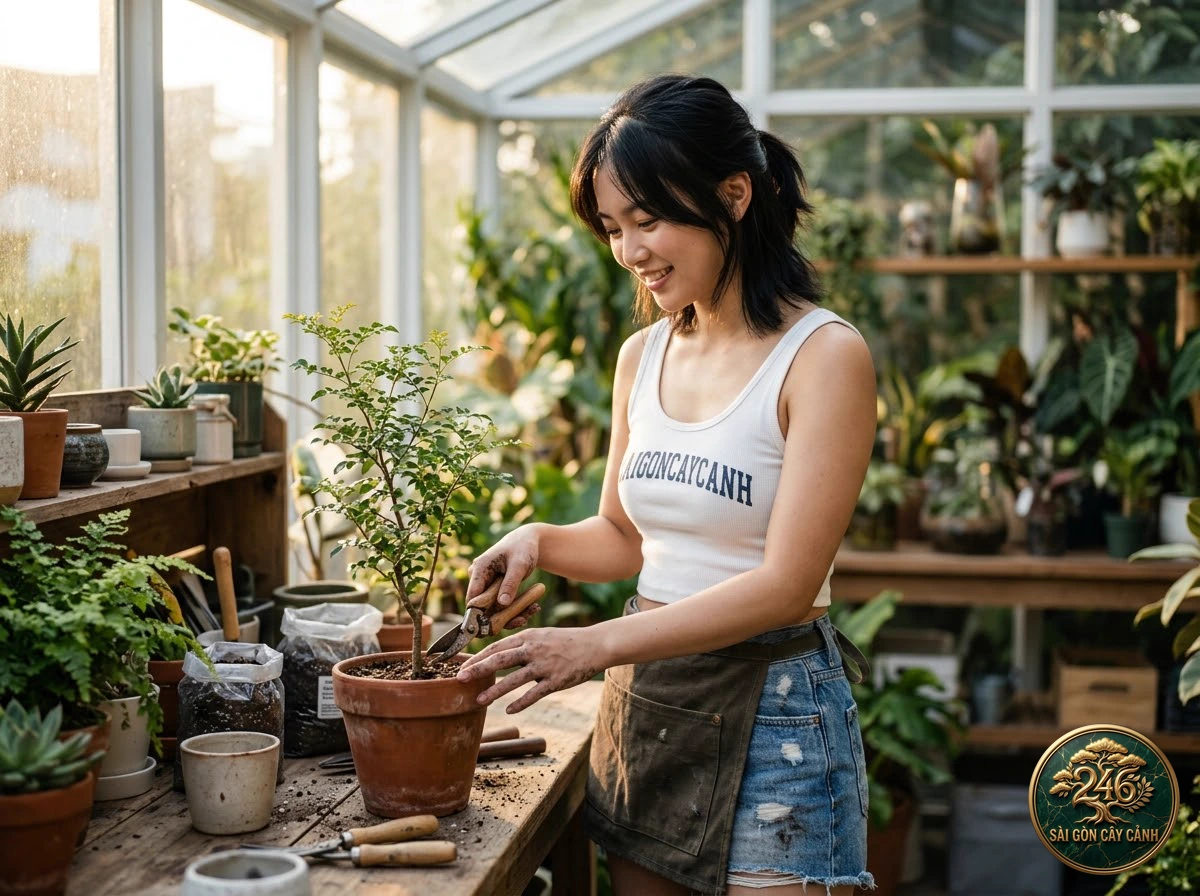
Saigon Cay Canh offers authenticated Zanthoxylum piperitum bonsai specimens showcasing rugged trunks, refined ramification, and striking crimson fruit clusters.
Potted in bespoke Yixing ceramic containers and supported by continuing bonsai stewardship and cultivation guidance.
💬 Góc Tư Vấn & Hướng Dẫn Kỹ Thuật SGCC
Chuẩn E-E-A-T Kinfolk❓ Chăm sóc Japanese pepper (Zanthoxylum cần lưu ý điều gì quan trọng nhất?
💡 Dạ điều quan trọng nhất là giữ môi trường sống ổn định, tránh sốc nhiệt hay dao động thông số đột ngột, đồng thời cung cấp khẩu phần ăn sạch và tươi mới ạ.
❓ Làm thế nào để phòng ngừa bệnh tật hiệu quả cho các bé?
💡 Dạ anh chị nên giữ vệ sinh chuồng/hồ nuôi sạch sẽ, thay nước hoặc dọn dẹp định kỳ và bổ sung vitamin, men tiêu hóa đều đặn để tăng sức đề kháng ạ.
🌿 Trang Thiết Bị, Đất Trồng & Dụng Cụ Bonsai Tuyển Chọn
Dụng cụ tỉa, giá thể hữu cơ & phân bón chuyên dụng cho cây cảnh.

Xơ dừa nén, Mụn dừa nén, Đất trồng nén 5kg trồng cây đã…

Đôn gỗ đựng cây cảnh, Kệ gỗ kê chậu hoa, giá gỗ để chậu…

Bộ dụng cụ làm vườn 9 món thép SK5 Nhật Bản gồm kéo cắt…

Bộ vòi tưới cây đa năng 8 chế độ, vòi xịt kim loại, ống…
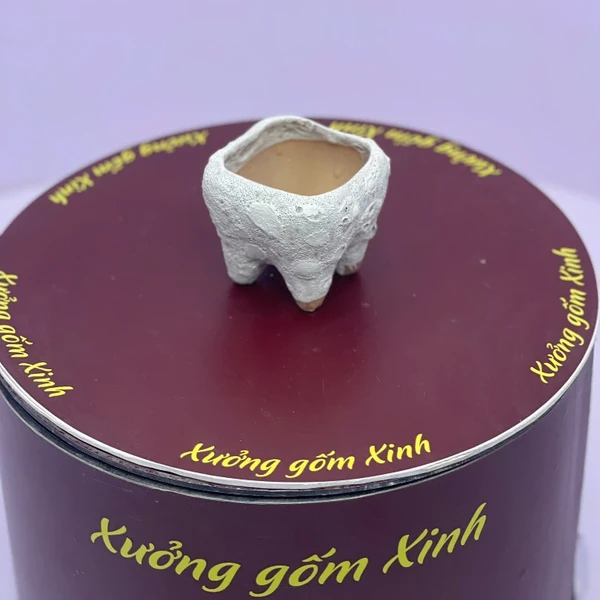
Chậu cây mini siêu xinh, chậu sen đá, trồng gừng, cây b…
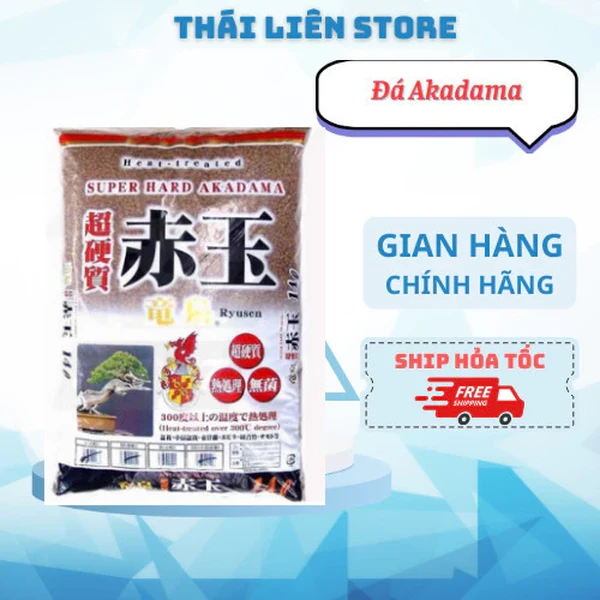
Đất nung Akadama Nhật Bản (nền thủy sinh , bonsai , trồ…

Phân bón lá Growmore USA , NPK Growmore 30-10-10 / 6-30…
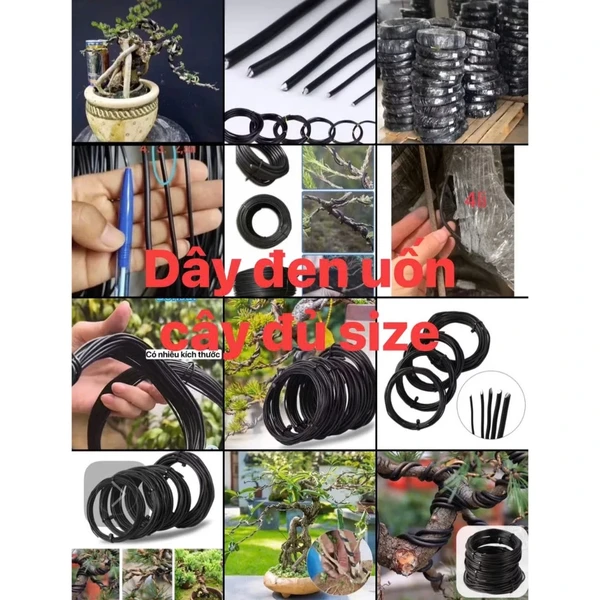
Dây Uốn Cành Cây Bonsai Màu Đen Đủ Size , Dây Nhôm Đen …

Thuốc Kích Rễ N3M {100G} – Phân Bón Ra Rễ Cực Mạnh, Thu…
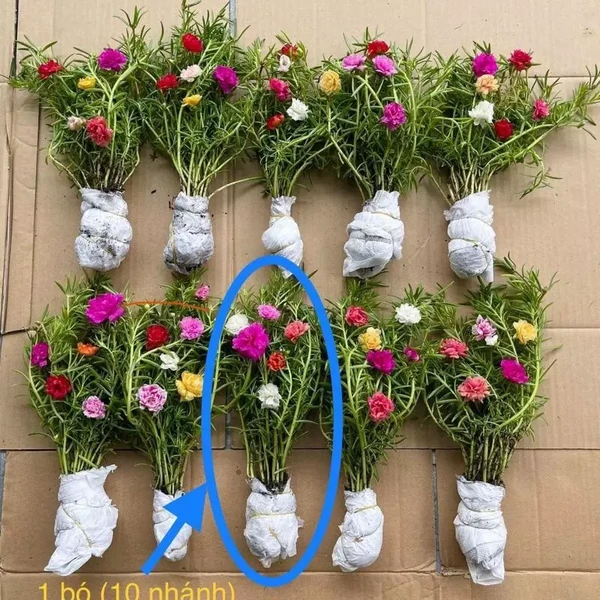
Hoa mười giờ thái – Đủ màu sắc – dễ trồng – bó bầu về l…
GÓI 30 HẠT GIỐNG CÀ CHUA BI LÙN VÀNG F1 SIÊU TRÁI – SIÊ…

Móc treo tường bằng kim loại hạng nặng để treo sân vườn…
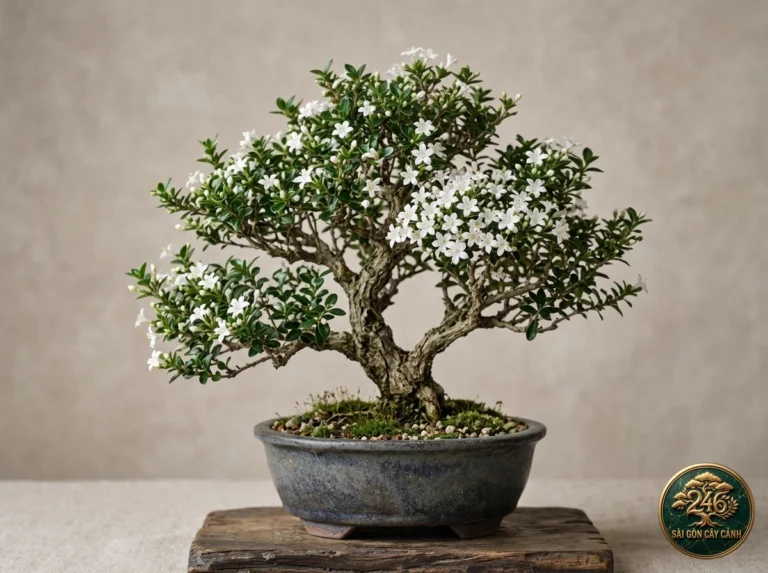
Snowrose (Serissa japonica)
Snowrose (Serissa japonica) Serissa japonica, poetically known as the snowrose, tree of a thousand stars, or Japanese snowrose,...
Read Monograph →
Diamond persimmon (Diospyros rhombifolia)
Diamond persimmon (Diospyros rhombifolia) Diospyros rhombifolia, celebrated as diamond persimmon or princess persimmon, is a prized shohin bonsai...
Read Monograph →
Japanese camellia (Camellia japonica)
Japanese camellia (Camellia japonica) Camellia japonica, acclaimed as Japanese camellia or rose of winter, is the aristocratic queen...
Read Monograph →
Maidenhair tree (Ginkgo biloba)
Maidenhair tree (Ginkgo biloba) Ginkgo biloba, universally revered as the maidenhair tree or gingko, represents one of Earth’s...
Read Monograph →Expert Q&A, Recommended Supplies & Article Feedback
Tap once to connect instantly via Google, Facebook or TikTok — no long forms required!
No questions yet for this article. Tap Google / Facebook / TikTok above to ask the first question!