
Living plant profile
Java moss (Taxiphyllum barbieri)
Taxiphyllum barbieri
Complete botanical and aquascaping care guide for Java moss (Taxiphyllum barbieri): water parameters, CO2, lighting, and epiphytic mounting techniques.

Java moss (Taxiphyllum barbieri)
Taxiphyllum barbieri is an iconic and celebrated aquatic bryophyte in modern aquascaping, revered worldwide for its emerald-green fronds, intricate micro-branching structure, and remarkable capacity to colonize hardscape submerged in crystal-clear water.
Sài Gòn Cây Cảnh Care Compass
1. Botanical Overview & Taxonomic Identity
Belonging to the family Hypnaceae, Taxiphyllum barbieri represents a non-vascular bryophyte of high ecological versatility. Lacking true vascular root systems, it anchors tenaciously to hard substrates via microscopic rhizoids. Its scientific identity is recognized internationally across botanical databases, defining its morphological distinctiveness.
In riparian ecosystems, it colonizes mist-drenched stream banks, damp waterfall boulders, and shaded river gorges, readily oscillating between emergent and completely submersed states during seasonal hydrological shifts.
2. Morphological Diagnostics & Identification
The primary diagnostic signature of Taxiphyllum barbieri is its translucent, delicate phyllids consisting of mere single-cell layers that transmit backlighting into a brilliant emerald luminescence. Intricate pinnate or triangular branching ramifications distinguish it vividly from conventional aquatic vegetation.
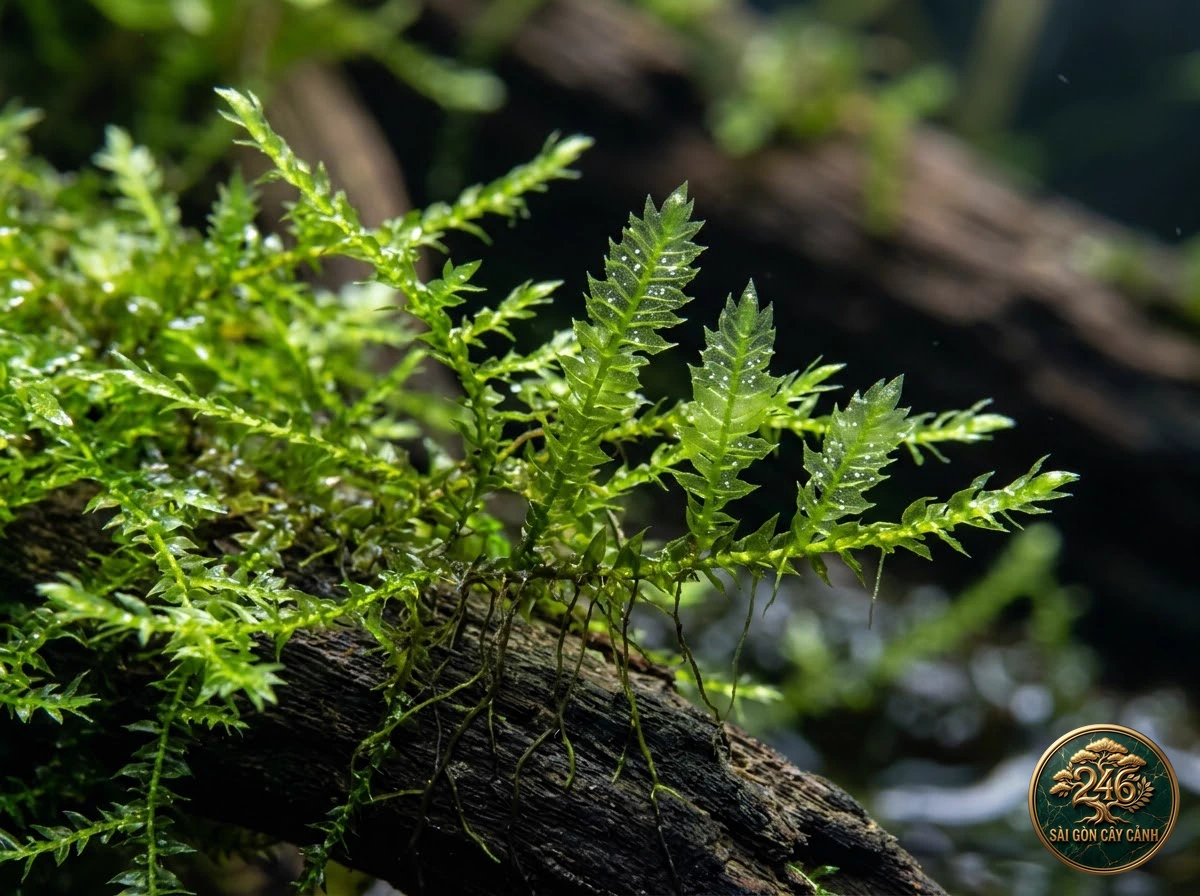
Stems are slender yet pliable, densely clad in regenerative buds. Dark anchoring rhizoids secrete biochemical adhesives that permanently weld the moss cushion into the microscopic fissures of bogwood and basaltic rock.
3. Native Ecology & Habitat Adaptation
Originating from cool mountain streams and shaded tropical forests, Taxiphyllum barbieri thrives under soft diffused lighting filtered through dense jungle canopies. Continuous laminar currents keep its fronds perpetually bathed in fresh dissolved gases while preventing sedimentary accumulation.
Without thick cuticular barriers, water, mineral cations, and carbon dioxide diffuse directly across cell membranes, enabling vigorous epiphytic growth independent of nutrient-rich soils.
4. Water Parameters & Aquarium Culture
To cultivate vibrant, pristine moss carpets free of parasitic algae, maintaining stable water chemistry is essential:
| Cultivation Parameter | Optimal Target Range | Technical Remarks |
|---|---|---|
| Water Temperature | 21°C – 26°C (70°F – 79°F) | Prolonged warmth above 28°C induces browning and cellular decay |
| pH Value | 6.0 – 7.2 | Neutral to slightly acidic water fosters deep coloration |
| General & Carbonate Hardness | GH: 3 – 8 dGH | KH: 1 – 4 dKH | Moderate hardness reinforces cell wall integrity |
| Total Dissolved Solids (TDS) | 90 – 160 ppm | Clean, soft water prevents particulate buildup within foliage |
| Water Circulation | Gentle to Moderate | Gentle convective flow delivers CO2 to interior layers |
5. Lighting Requirements & Spectral Balance
Taxiphyllum barbieri exhibits wide photic adaptability, prospering under low (PAR 20 – 40 µmol/m²/s) to moderate lighting (PAR 50 – 70 µmol/m²/s). Specialized WRGB aquatic LED illumination enhances rich vegetative pigmentation and compact triangular ramification.
A photoperiod of 6 to 8 hours daily is recommended. Intense lighting must be avoided in immature aquariums to prevent hair algae and black beard algae (BBA) infestations.
6. Carbon Dioxide Enrichment & Pearling Dynamics
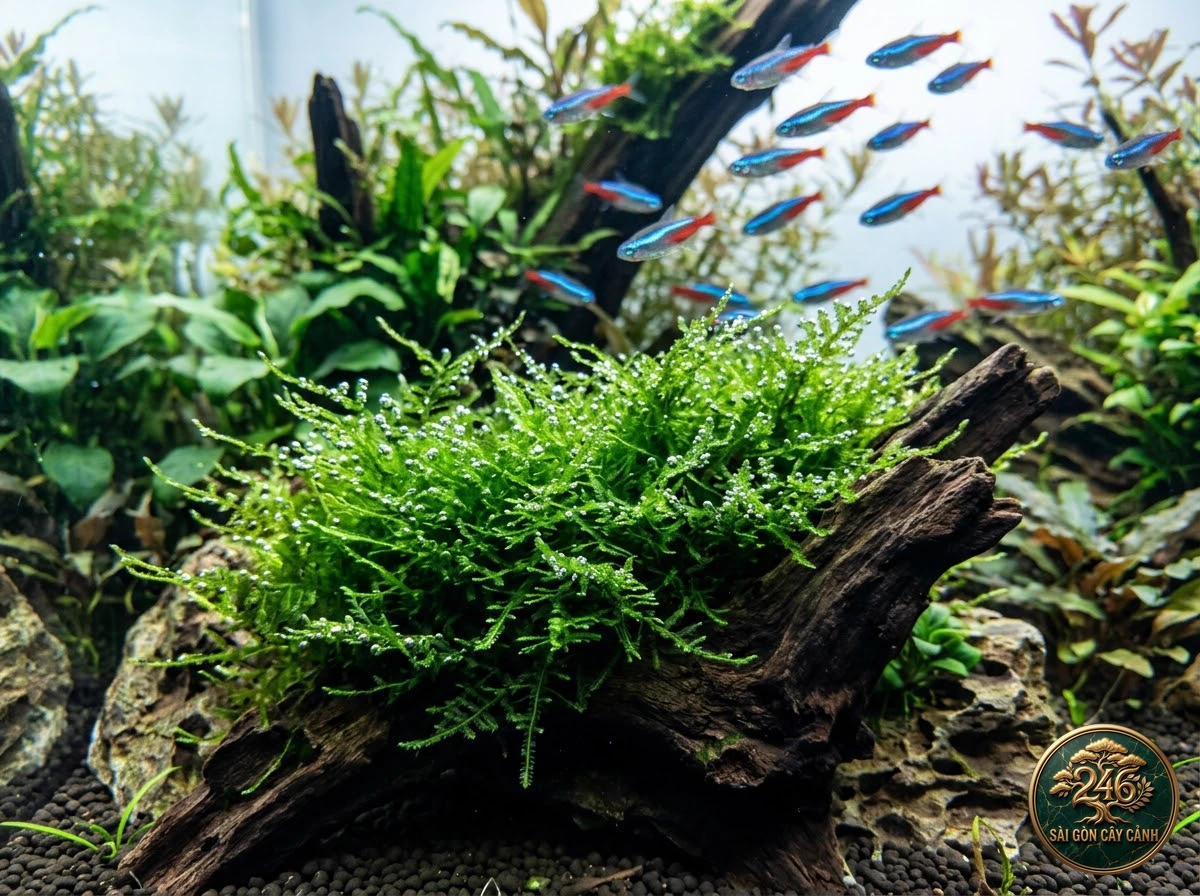
While viable in low-tech setups without pressurized CO2, supplementing 15 – 25 mg/L of dissolved CO2 elevates growth rates by 200–300%, stimulating radiant oxygen bubble pearling across every frond tip.
Plentiful CO2 also suppresses epiphytic algae while sustaining a thriving aerobic biofilm across the dense moss matrix.
7. Nursery Cultivation & Liquid Fertilization
At Saigon Cay Canh production nurseries, Taxiphyllum barbieri is cultivated in closed-loop shallow flood systems cooled below 25°C by industrial chillers. Trace micronutrients (chelated iron, potassium, magnesium) are dosed with clinical precision.

In home aquaria, lean liquid micro-fertilization combined with weekly 20–30% water changes keeps moss colonies sparkling clean and vigorous.
8. Epiphytic Mounting Techniques & Hardscape Attachment
Never bury Taxiphyllum barbieri in aquarium gravel or soil, as subterranean fronds rapidly suffocate and rot. Standard mounting methods include:
- Thread or Monofilament Binding: Spread thinly across driftwood or stone, binding with 5–8mm thread intervals until rhizoids establish permanent adherence.
- Cyanoacrylate Gel Adhesion: Apply micro-droplets of aquarium-safe cyanoacrylate glue directly to damp hardscape before pressing moss tufts into place.
9. Pruning Regimen & Moss Maintenance
Regular shearing with curved wave scissors every 3 to 4 weeks maintains an ideal cushion thickness of 1–2 cm, preventing light starvation in basal layers. Siphon loose trimmings diligently during water changes to avoid unwanted dispersal.
10. Algae Prevention & Ecological Balance
Maintain clean water and employ natural algaevores including Amano shrimp (Caridina multidentata), Nerite snails, and Siamese algae eaters. Localized spot treatments with 3% hydrogen peroxide or glutaraldehyde resolve stubborn algae without damaging the moss.
11. Aquascaping Design & Dwarf Shrimp Biotope
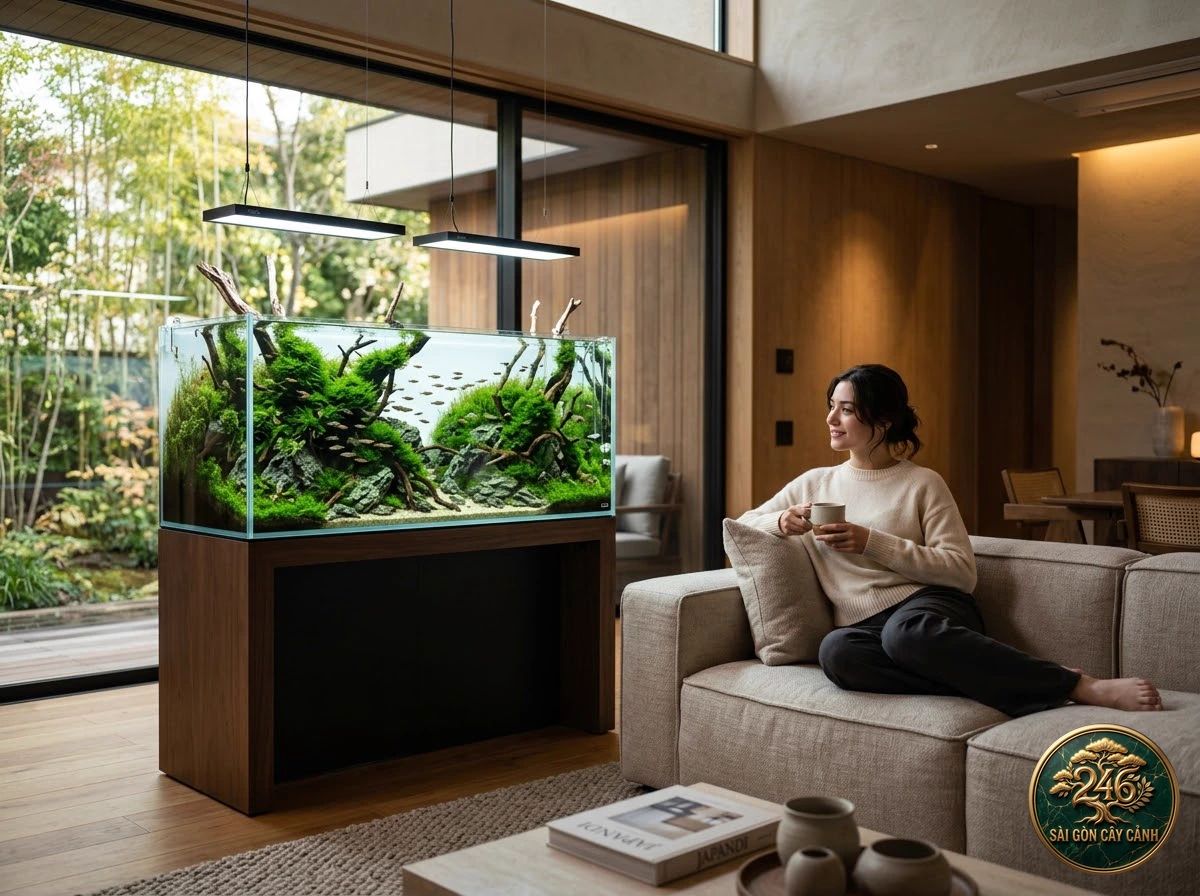
In Nature Aquariums and Iwagumi layouts, Taxiphyllum barbieri imparts an ancient, weathered mystique to driftwood roots and stone crevasses. In dwarf shrimp breeding aquariums (Caridina / Neocaridina), it provides an indispensable micro-refuge and grazing ground teeming with nutritious biofilm.

12. Biosecurity & Non-Toxicity
Taxiphyllum barbieri is completely non-toxic and pet-safe, containing no harmful oxalate crystals or alkaloids. Its dense vegetative mass functions as an active biological biofilter, absorbing surplus nitrates and phosphates.
13. Botanical Specification Matrix
| Diagnostic Parameter | Specification Detail |
|---|---|
| Scientific Nomenclature | Taxiphyllum barbieri |
| Plant Family | Hypnaceae |
| Botanical Division | Bryophyta (Non-vascular moss) |
| Aquascape Placement | Foreground, Hardscape epiphyte, Shrimp biotope |
| Growth Rate | Moderate (accelerated under CO2 & cool water) |
| Cultivation Difficulty | Rất dễ |
| Toxicity Status | 100% Non-toxic & safe for all aquatic fauna |
💬 Góc Tư Vấn & Hướng Dẫn Kỹ Thuật SGCC
Chuẩn E-E-A-T Kinfolk❓ Tại sao rêu Java của em khi cột lên lũa một thời gian lại bị đen, nâu và chết dần?
💡 Chào anh/chị, hiện tượng này thường do hai nguyên nhân chính: nhiệt độ nước quá cao (trên 28°C) làm rêu bị sốc nhiệt, hoặc do dòng chảy trong hồ quá yếu khiến cặn hữu cơ lắng đọng làm rêu bị ‘ngộp’ không quang hợp được. Anh/chị nên kiểm tra lại hệ thống làm mát và đảm bảo dòng chảy nhẹ nhàng luân chuyển quanh tán rêu nhé.
❓ Java moss có cần phân nước hay CO2 không, hay cứ để tự nhiên là nó sống tốt?
💡 Java moss là loài rêu rất dễ tính, không yêu cầu nền dinh dưỡng. Tuy nhiên, nếu anh/chị muốn rêu phát triển xanh mướt, bung tán dày và căng bóng, việc bổ sung CO2 nồng độ thấp và phân nước vi lượng (đặc biệt là sắt – Fe) sẽ tạo ra sự khác biệt lớn. Nếu không có CO2, rêu vẫn sống được nhưng sẽ phát triển chậm và mảnh hơn đấy ạ.
🌿 Trang Thiết Bị, Đất Trồng & Dụng Cụ Bonsai Tuyển Chọn
Dụng cụ tỉa, giá thể hữu cơ & phân bón chuyên dụng cho cây cảnh.

5dm3 rêu than bùn Peatmoss giúp cải tạo đất, đất tơi xố…
Đất peatmoss – rêu than bùn dùng ươm cây trồng cây. Trộ…
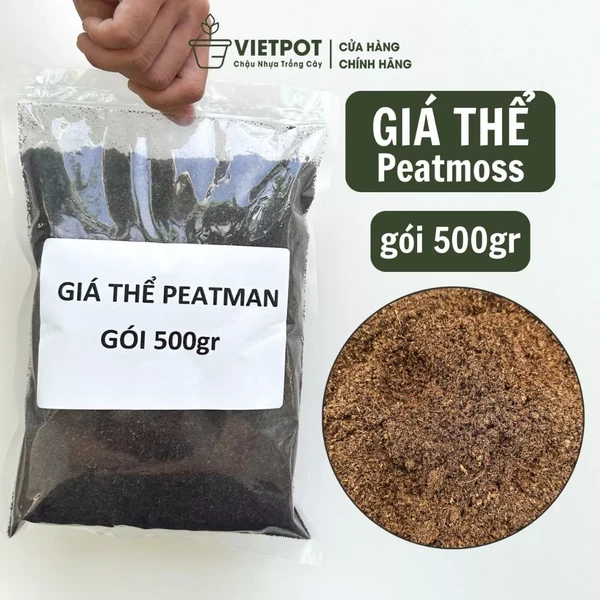
Rêu than bùn peatmoss Vietpot, bao 500gr, làm giá thể t…

Rêu Than Bùn PEATMOSS GreenHomes Hà Nội, Túi 1,5kg, Giá…
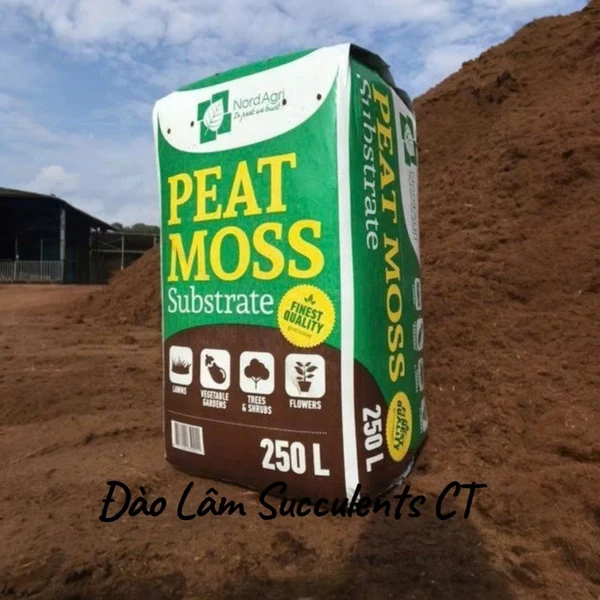
Gói 500g Peatmoss (Rêu than bùn) làm Giá thể, Đất trồng…
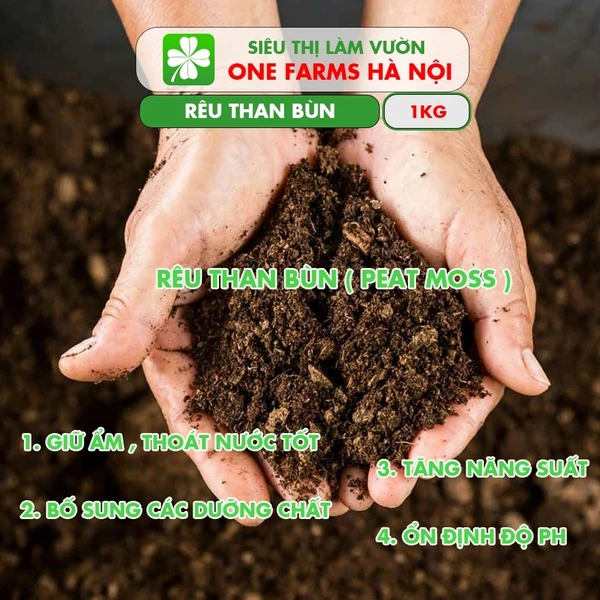
Rêu than bùn Peatman , Peatmoss ONEFARMS , cân bằng độ …

Kéo Cắt Cành Siêu Sắc, Kéo Tỉa Cành Cây, Dụng cụ Làm Vư…

Đá Perlite,Đá Trân Châu nhập khẩu,đá xốp trộn giá thể,t…

Vôi Bột Nông Nghiệp Siêu Mịn – Cải Tạo Đất, Hạ Phèn, Kh…
#mc 200 Hạt Giống Hoa Cúc Họa Mi Trắng – Hoa Cánh Đơn N…
Chậu Nhựa Lục Giác Giả Đá Màu Đỏ Trồng Hoa, Cây Cảnh F3…

70 Hạt giống hoa Hồng Leo Pháp nhiều màu, hoa to, hoa n…

Complete botanical and aquascaping guide for Rotala Enie (Rotala 'Enie'): high PAR lighting, CO2 injection, nitrate limitation, and pruning techniques.
Read Monograph →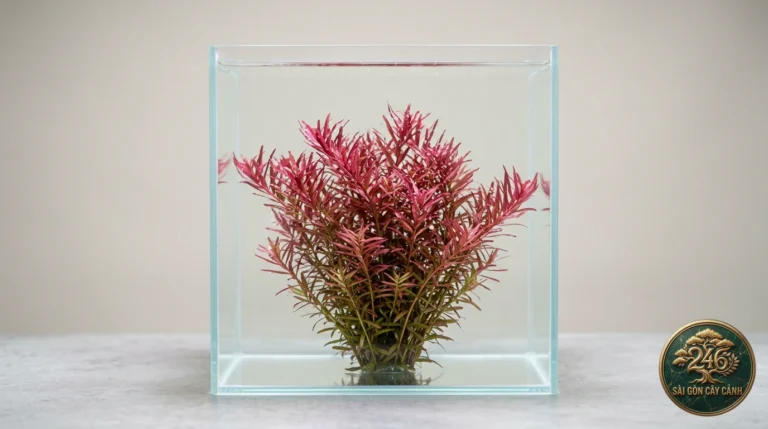
Complete botanical and aquascaping guide for Rotala Blood Red (Rotala 'Blood Red'): high PAR lighting, CO2 injection, nitrate limitation, and pruning techniques.
Read Monograph →
Rough waterclover (Marsilea hirsuta)
Complete botanical and aquascaping guide for Rough waterclover (Marsilea hirsuta): lighting, CO2, trimming regimen, and Dry Start planting techniques.
Read Monograph →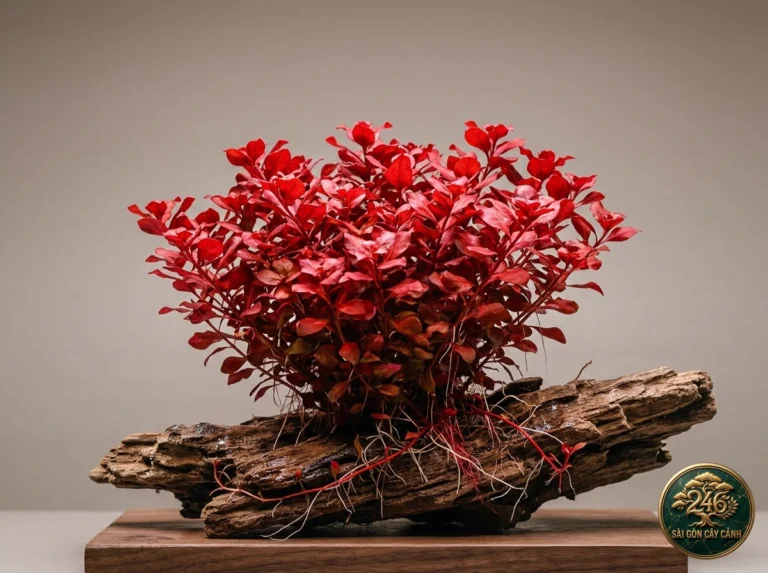
Complete botanical and aquascaping guide for Ludwigia Super Red (Ludwigia palustris 'Super Red'): high-intensity lighting, CO2, iron fertilization, and propagation techniques.
Read Monograph →Expert Q&A, Recommended Supplies & Article Feedback
Tap once to connect instantly via Google, Facebook or TikTok — no long forms required!
No questions yet for this article. Tap Google / Facebook / TikTok above to ask the first question!