
Living plant profile
Kentia palm
Howea forsteriana
📌 CLINICAL & BIOLOGICAL ABSTRACT — Kentia palmKentia palm (Howea forsteriana) Kentia palm (botanical binomial: Howea forsteriana) is a distinguished botanical specimen belonging to the Palm family (Arecaceae). Kentia palm Howea forsteriana of Lord Howe Island, the world’s most enduring luxury indoor palm, characterized by arching dark green pinnate fronds and unmatched resilience to low […]
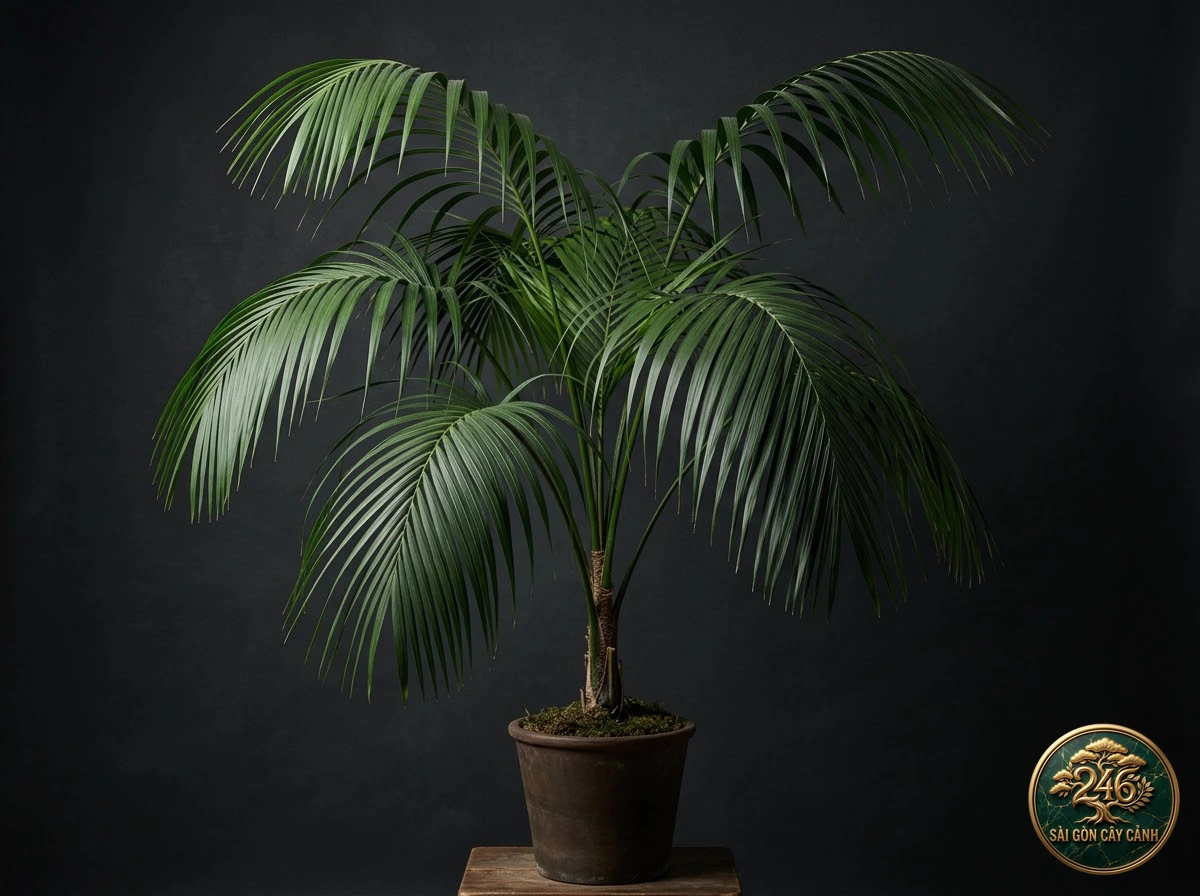
Kentia palm (Howea forsteriana)
Kentia palm (botanical binomial: Howea forsteriana) is a distinguished botanical specimen belonging to the Palm family (Arecaceae). Kentia palm Howea forsteriana of Lord Howe Island, the world’s most enduring luxury indoor palm, characterized by arching dark green pinnate fronds and unmatched resilience to low light and climate control.
Sài Gòn Cây Cảnh Care Compass
1. Taxonomy & Botanical Classification
| Scientific Name | Howea forsteriana |
|---|---|
| Botanical Family | Palm family (Arecaceae) |
| Vietnamese Vernacular | Cây cọ cảnh kentia phòng khách sang |
| International Common Name | Kentia palm |
| Growth Habit | Solitary or clumping arborescent tropical palm/cycad, woody trunk crowned by a fountain of palmate or pinnate leaves |
| Light Requirement | Low to medium indirect daylight (1,500 – 4,500 lux); thrives in interior shade. |
| Watering Protocol | Even moisture, water when topsoil dries |
| Optimal Substrate | Porous, free-draining botanical substrate mix |
| Ideal Temperature | 18°C – 32°C (64°F – 90°F) |
| Ambient Humidity | 60% – 85% |
| Cultivation Difficulty | Easy to Moderate |
| Pet Safety | Non-toxic to pets according to ASPCA standards |
Howea forsteriana is authoritatively indexed within the Royal Botanic Gardens, Kew (Plants of the World Online) under the Palm family (Arecaceae). It represents an ecological and morphological marvel in tropical flora.
In indigenous ecosystems, it forms essential vegetative layers, safeguarding soil microflora and sustaining local moisture equilibrium.
2. In-Depth Morphological Characteristics
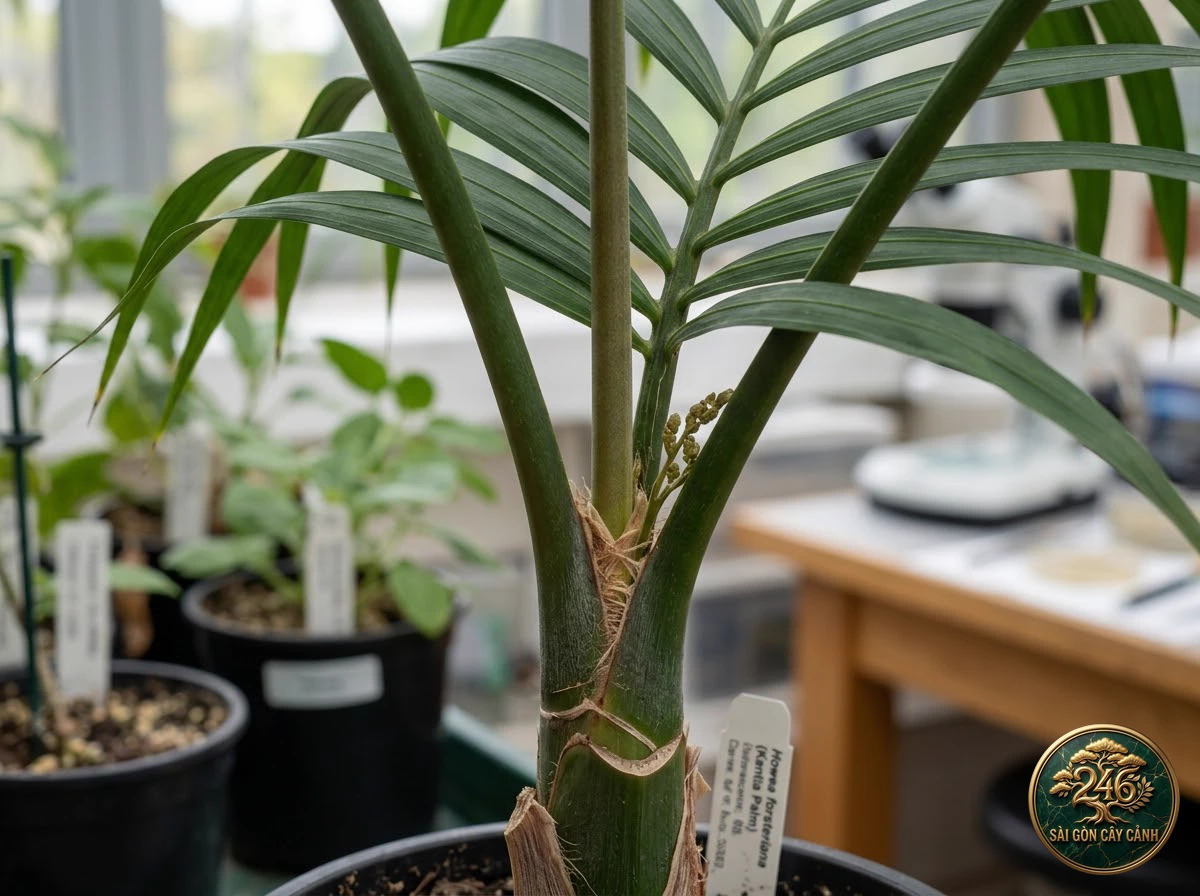
Kentia palm Howea forsteriana of Lord Howe Island, the world’s most enduring luxury indoor palm, characterized by arching dark green pinnate fronds and unmatched resilience to low light and climate control.
Morphologically, the distinct stem architecture, foliage division, and vascular venation of Howea forsteriana maximize light capture in understory canopy conditions.
Its specialized structures ensure vitality and resistance through changing seasonal moisture levels.
3. Photobiology & Light Dynamics
Low to medium indirect daylight (1,500 – 4,500 lux); thrives in interior shade.
Photosynthetic efficiency peaks under dappled daylight. Direct harsh sun may scorch leaflet margins, whereas deep deprivation causes etiolation and washed-out coloration.
4. Irrigation Architecture & Moisture Dynamics
Water when upper 2-3cm dries; excellent resilience to moderate drought.
Moisture testing prior to watering is recommended. Use declorinated, filtered, or rainwater to avert fluoride and salinity tip necrosis.
5. Engineered Growing Media & Soil Mechanics
Loamy humus potting mix, perlite, pumice, and washed coco coir.
Roots require a balanced ratio between moisture capillary retention and rapid macropore aeration to permanently safeguard against anaerobic root rot pathogen invasion.
6. Microclimate Thermals & Humidity Dynamics
Optimal ambient temperature ranges between 15°C – 32°C., coupled with relative air humidity sustained at 45% – 75%..
During air-conditioned periods or drier months, pebble humidity trays or ultrasonic room humidifiers provide crucial ambient moisture buffering.
7. Nutrition Architecture & Fertilization
Feed using balanced organic biostimulants at half recommended strength on a monthly schedule throughout active growth seasons.
Abstain from heavy synthetic salts to protect tender root tips.
8. Architectural Pruning & Propagation Protocols
Trim spent, yellowing foliage using sterilized shears to channel energy toward new frond flushes and prevent pest harborage.
Propagate via cautious rhizome or offshoot division during early growing flushes or through spore/seed propagation in closed sterile humidity chambers.
9. Integrated Pest Management & Diagnostics
Scale, spider mites, and mealybugs can surface in dry stagnant atmospheres. Treat promptly with cold-pressed organic emulsified neem oil or botanical insecticidal soap.
| Observed Symptom | Underlying Etiology | Remedial Corrective Action |
|---|---|---|
| Foliar tips and leaflet margins develop dry brown necrosis | Chlorine/fluoride sensitivity in tap water or atmospheric aridity | Use dechlorinated or filtered water; elevate humidity via ultrasonic humidifier |
| Lower fronds turn yellow and collapse with soft crown tissue | Anaerobic root rot triggered by stagnant bottom drainage | Withhold irrigation for 7 days, unclog drainage holes, apply Trichoderma biological fungicide |
| Translucent yellow or orange necrotic flecking on mature leaflets | Nutritional deficiency of potassium (K) or magnesium (Mg) | Apply balanced palm fertilizer enriched with controlled-release magnesium and chelated micronutrients |
| Small brown raised waxy scales adhering firmly along petioles | Armored scale insect infestation (Coccidae) | Manually remove scales using alcohol-soaked swabs; apply horticultural mineral oil emulsion |
| Emerging spear leaves stunted, chlorotic, and delayed in opening | Sub-optimal photosynthetic illumination or soil compaction | Relocate to bright filtered light (2,500 – 5,000 lux); aerate surface potting substrate gently |
Avoid excessive moisture stagnation in containers to prevent fungal blight.
10. Safety Profiles & ASPCA Pet Compatibility
100% ASPCA certified non-toxic to dogs and cats.
Documented safe and benign, making it a peaceful and worry-free inclusion in homes with curious pets and young children.
11. Biophilic Architectural & Interior Curation
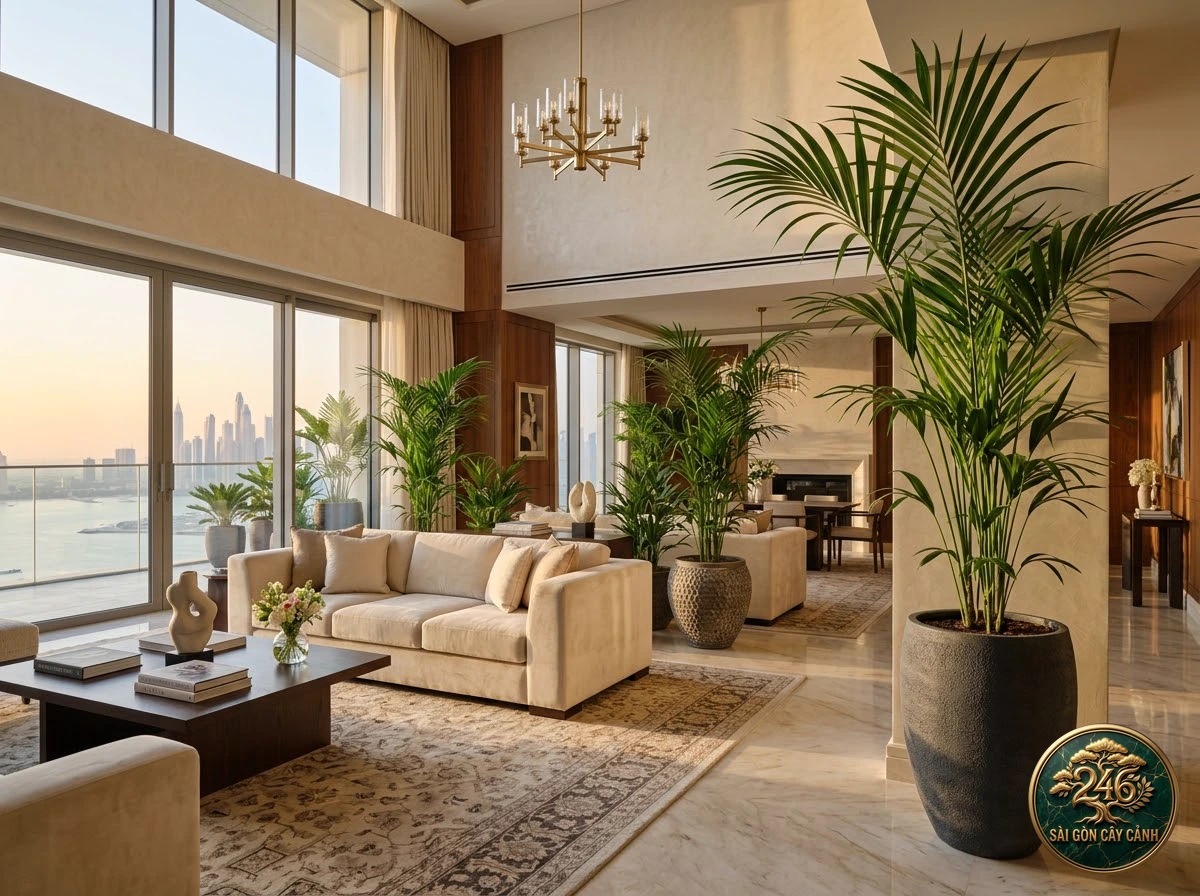
With sculptured natural geometry, Howea forsteriana is tailor-made for statement ceramic planters, contemporary living atriums, tropical shaded courtyards, and biophilic office styling.
It elevates indoor wellness, softens sharp interior lines, and brings serene botanical elegance to daily living.
12. Common Cultivation Pitfalls
- Overwatering or poor saucer drainage: Induces oxygen starvation and root necrosis.
- Harsh scorching direct sun: Bleaches and burns delicate foliage.
- Desiccating dry air: Triggers brown crispy margins and spider mites.
- Excessive chemical feeding: Damages active root surfaces.
Nursery Care Journal & Living Greenery Moments
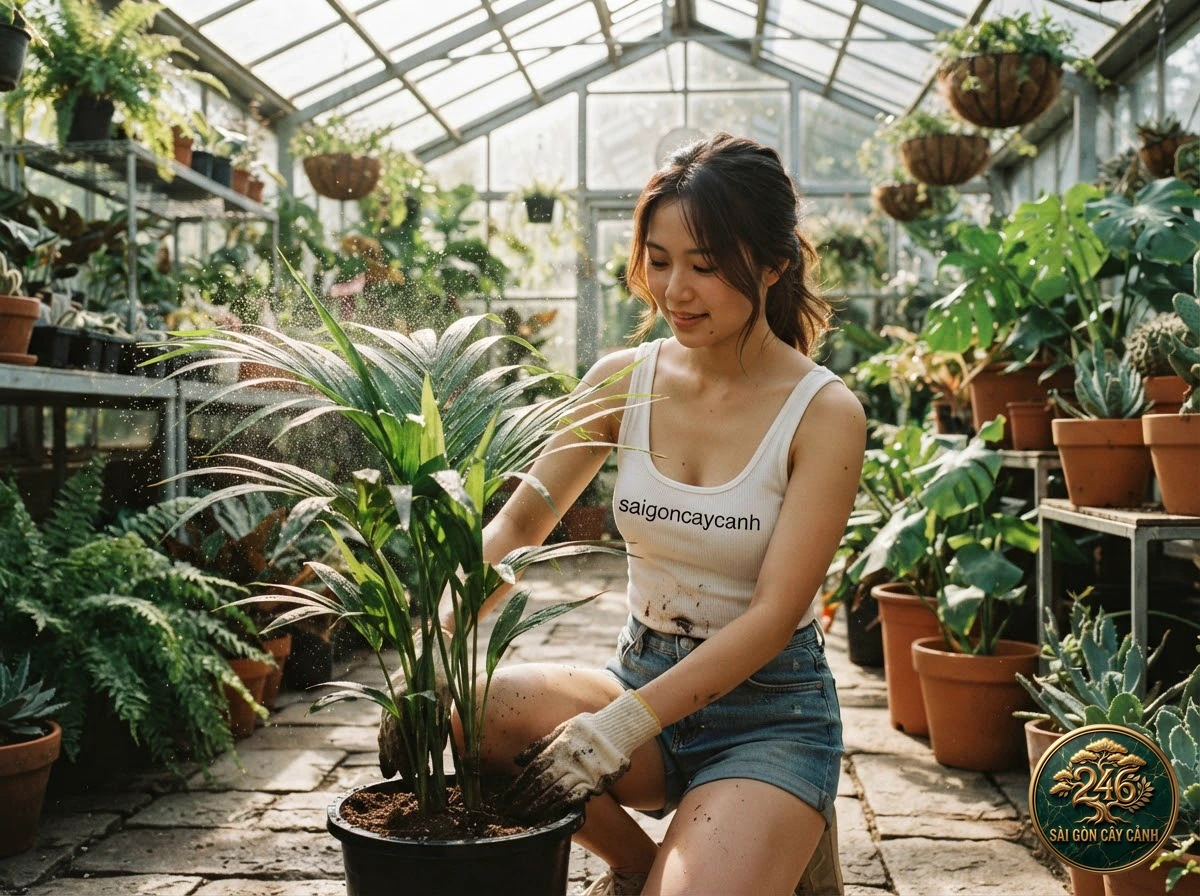
At Saigon Cay Canh greenhouse, each photograph captures genuine everyday care moments between plant lovers and living greenery, spreading a passion for nature and green-living inspiration.
13. Curated Botanical Inquiries (FAQs)
Can this plant thrive in air-conditioned interiors?
Yes, provided indirect light is abundant and humidity is supplemented using pebble trays or humidifiers away from direct cold drafts.
How frequently should repotting take place?
Repot every 18 to 24 months during early spring when root structures fill the container volume.
How can one keep fronds lush and vibrant green?
Maintain humidity above 60%, wipe foliar dust gently, and provide gentle filtered light.
🌿 Trang Thiết Bị, Đất Trồng & Dụng Cụ Bonsai Tuyển Chọn
Dụng cụ tỉa, giá thể hữu cơ & phân bón chuyên dụng cho cây cảnh.
TIÊU CHUẨN SGCC
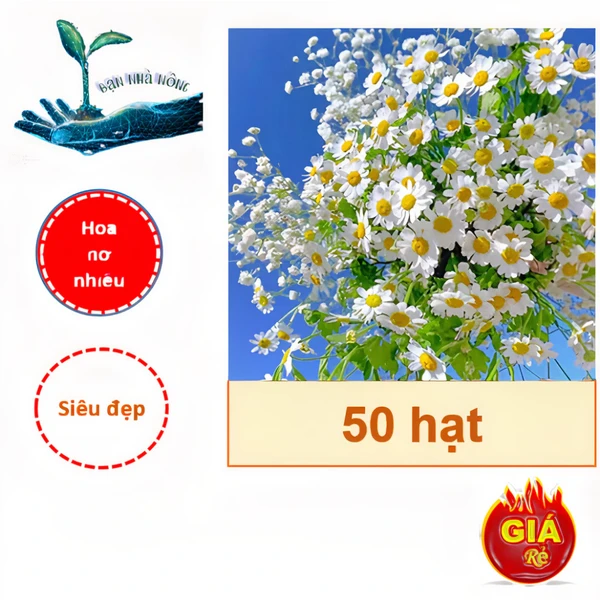
Hạt giống hoa cúc họa mi ( Gói 50 hạt) – Trắng tinh khô…
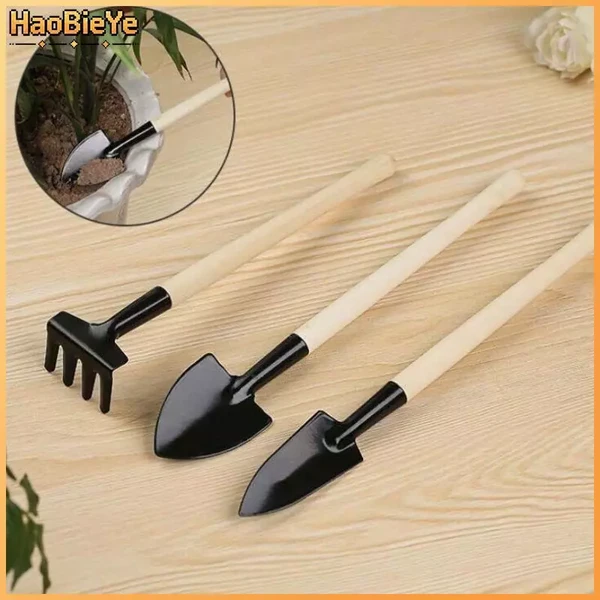
HaoBieYe 3 Cái / bộ Bộ Dụng Cụ Làm Vườn Mini Cho Cây Vư…

Cây Cau Tiểu Trâm – Cây cao 20-25 cm – Trang trí ngoại …

RIOGOO Chậu hoa Sắt kim loại Treo chậu hoa Chậu hoa Chậ…

Keiki Duy Đỏ Thuốc Kích Mầm, Kích Chồi , Kích Kie ( ống…

Viên Đất Nung Akadama Nhật Bản size M (5~10mm) – Hạt to…
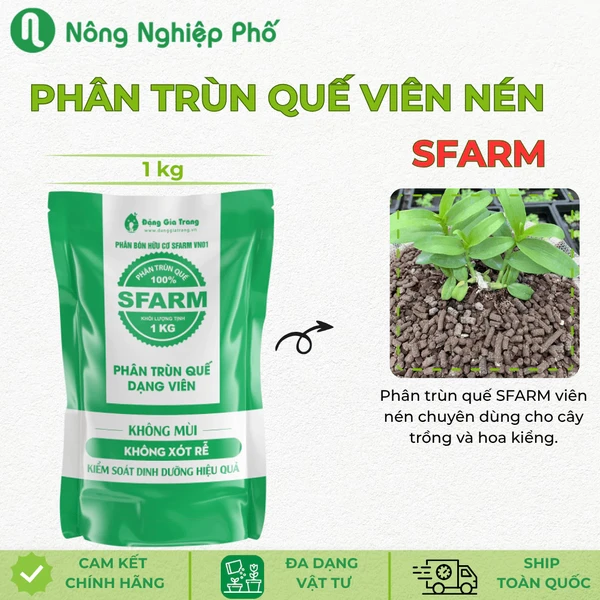
Phân Trùn Quế Viên Nén SFARM 1kg Cho Mọi Loại Cây Phân …

Phân bón trùn quế Sfarm Pb01 bao 10kg đã qua xử lý sàng…
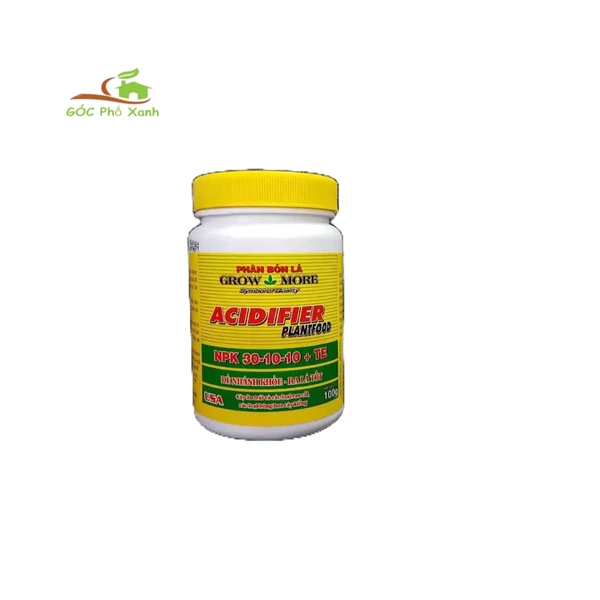
Phân bón lá cao cấp GrowMore NPK 30-10-10+TE
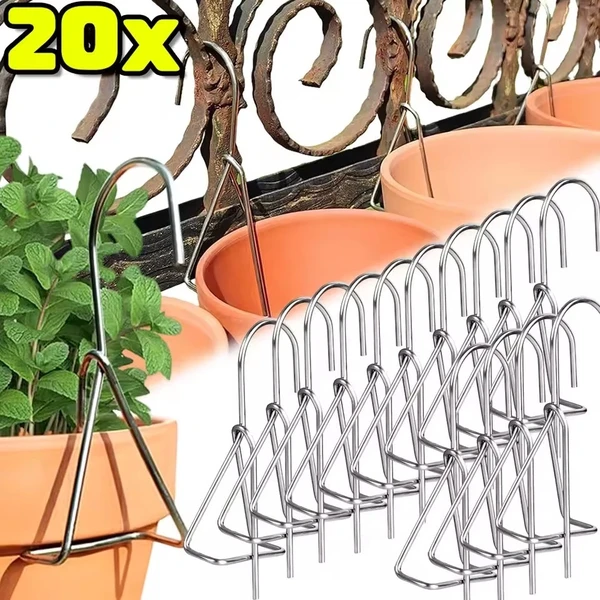
Lan can ban công Móc chậu bằng thép không gỉ – Thiết kế…
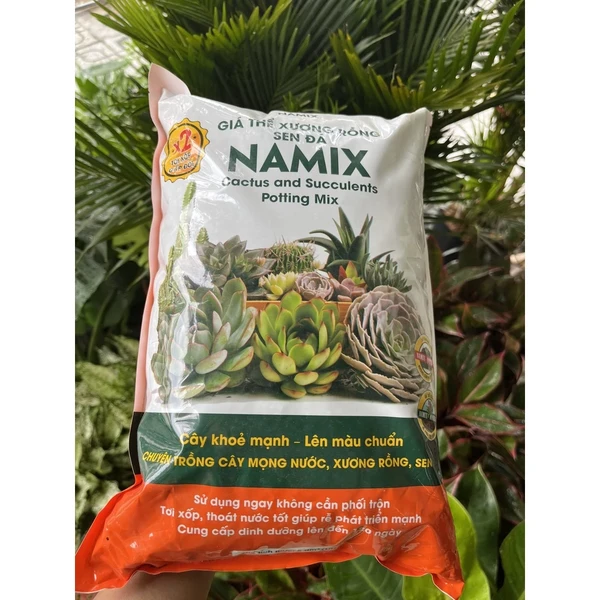
Đất chuyên trồng sen đá, xương rồng, giá thể trồng xươn…
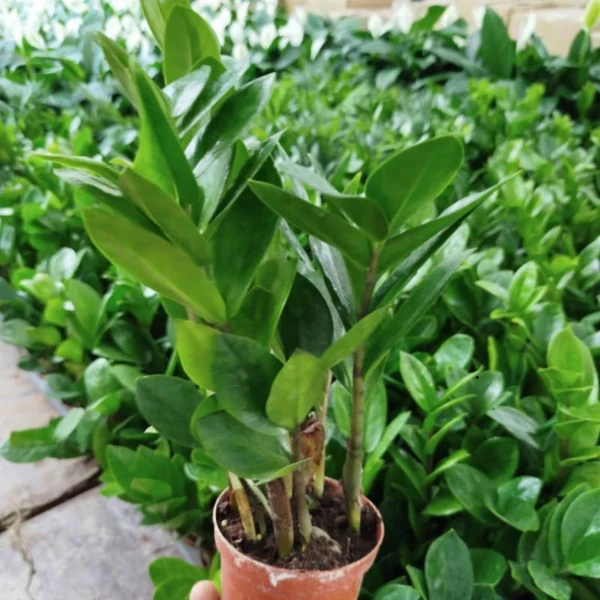
Cây Kim Tiền Thái ( Kim Phát Tài) Cây Phong Thủy Để Bàn…

Queen palm
Queen palm (Syagrus romanzoffiana) Queen palm (botanical binomial: Syagrus romanzoffiana) is a distinguished botanical specimen belonging to the...
Read Monograph →
Sago palm
Sago palm (Cycas revoluta) Sago palm (botanical binomial: Cycas revoluta) is a distinguished botanical specimen belonging to the...
Read Monograph →
European fan palm
European fan palm (Chamaerops humilis) European fan palm (botanical binomial: Chamaerops humilis) is a distinguished botanical specimen belonging...
Read Monograph →
Chestnut cycad
Chestnut cycad (Dioon edule) Chestnut cycad (botanical binomial: Dioon edule) is a distinguished botanical specimen belonging to the...
Read Monograph →Expert Q&A, Recommended Supplies & Article Feedback
Tap once to connect instantly via Google, Facebook or TikTok — no long forms required!
No questions yet for this article. Tap Google / Facebook / TikTok above to ask the first question!