
Living plant profile
Paper Spine Cactus (Tephrocactus articulatus)
Tephrocactus articulatus
Tephrocactus articulatus is an extraordinary South American cactus celebrated for fragile pinecone-like stacked joints and wide, papery, flexible ribbon-li

Paper Spine Cactus (Tephrocactus articulatus): Joint Articulation and Papery Ribbon Spines Guide
Tephrocactus articulatus is an extraordinary South American cactus celebrated for fragile pinecone-like stacked joints and wide, papery, flexible ribbon-like spines resembling strips of dried parchment.
Sài Gòn Cây Cảnh Care Compass
1. Botanical Nomenclature & Taxonomic History
Tephrocactus articulatus was initially described by Louis Pfeiffer in 1837 as Cereus articulatus before Curt Backeberg positioned it within Tephrocactus in 1953 to accommodate segmented fragile-jointed cacti.
Inhabiting gravel slopes and desert washes of western Argentina, its segmented joints readily detach upon grazing contact, rolling away to establish clone colonies as an evolutionary adaptation.
2. Morphological Architecture & Anatomical Specializations

Stems consist of loosely connected subglobose to cylindrical segments four to ten centimeters long and two to four centimeters wide, exhibiting an ashy grey-green epidermis.
Areoles feature dense glochids alongside one to four broad, paper-thin ribbon spines up to ten centimeters long that twist gracefully; funnelform white or creamy-yellow flowers bloom at the terminal segment apex.
3. Photosynthetic Photoperiod & Radiation Dynamics
Provide intense filtered light of 6,000 to 12,000 lux or four to six hours of gentle morning sun daily to preserve compact stacked segments and robust papery spine formation.
Under low photon exposure, new segments elongate abnormally and fail to generate signature parchment ribbons, while harsh midday tropical sun should be tempered with light shade cloth.
4. Mineral Substrate Matrix & Aeration Dynamics
The potting medium demands extreme porosity: 60% pumice grit, 20% crushed volcanic scoria, 10% perlite, and 10% coarse gritty loam with aged leaf mold.
This high-mineral formulation mirrors Andean rocky screes, ensuring rapid aeration and eliminating stagnant moisture around delicate fibrous root hairs.
5. Hydraulic Equilibrium & Precision Irrigation Protocol
Irrigate with strict restraint: soak only after the entire substrate has dried completely, roughly every ten to fourteen days during warm months.
During damp winter dormancy or cold overcast spells, withhold water almost entirely to allow natural seasonal contraction without cortical tissue collapse.
6. Nutrient Management & Mineral Supplementation
Administer specialized low-nitrogen micronutrient cactus food at one-fifth normal dilution every eight weeks during spring and early autumn flushes to fortify fragile joint margins.
7. Vegetative Propagation & Conservation Protocols
Propagate by gently twisting off mature pinecone joints or rooting naturally shed segments; dry the detachment point on paper towels for three to five days.
Set the joint base upright onto slightly damp pumice sand, where adventitious roots promptly emerge from basal areoles within two to three weeks.
8. Biochemical Toxicity Evaluation & Pet Safety Standards (ASPCA)
Tephrocactus articulatus contains zero hazardous phytotoxins under ASPCA guidelines, posing no chemical danger to cats, dogs, or humans.
While broad papery spines are soft and harmless to the touch, tiny glochid clusters at areolar bases can irritate sensitive skin if touched carelessly.
9. Physiological Diagnostic Matrix & Targeted Intervention
Diagnostic assessment of tissue decline and recovery protocols for segmented Tephrocactus articulatus:
| Clinical Diagnostic Sign | Primary Root Cause | Corrective Horticultural Protocol |
|---|---|---|
| Segment easily detaches upon gentle contact | Natural evolutionary strategy for vegetative dispersal | Rest detached joint on moist pumice sand to root a new plant, entirely normal |
| Joint turns mushy or excessively shriveled | Chronic drought or root suffocation from dense soil | Inspect potting core: bottom-soak if bone dry, or unpot to excise rotted roots if wet |
| Excessive glochid fallout around pot rim | Excessive mechanical vibrations or turbulent arid breezes | Relocate planter to an undisturbed shelf with gentle natural air convection |
| Newly emerged joints stretch long and lack flat spines | Deficient photosynthetic photon flux for CAM metabolism | Move planter to receive four to six hours of bright direct morning sunlight |
10. Comparative Diagnostic Matrix & Allied Xerophyte Differentiation
Anatomical comparison differentiating Tephrocactus articulatus from allied articulate xerophytes:
| Diagnostic Parameter | Tephrocactus articulatus (Target Taxon) | Allied Congeneric Relative A | Allied Congeneric Relative B |
|---|---|---|---|
| Stem joint habit | Stacked pinecone-like segments loosely jointed | Broad flattened paddle cladodes firmly attached | Solitary ribbed columnar body without joints |
| Spine structure | Broad flexible paper-thin parchment ribbons | Rigid needles or dense glochid clusters | Formidable sharp straight needle spines |
| Joint attachment strength | Extremely fragile to facilitate vegetative spread | Tough fibrous structural joint connection | Continuous undivided trunk tissue |
| Mature plant height | Compact miniature cluster 20-30 cm | Large sprawling shrub 2-4 meters tall | Arborescent pillar several meters tall |
11. Biophilic Interior Aesthetics & Architectural Display

With an architectural silhouette resembling an abstract botanical sculpture, Tephrocactus articulatus excels in artisanal stoneware bowls on zen tea tables, credenzas, or minimalist workspaces.
The tactile interplay between rugged pinecone segments and swirling papery spines brings serene contemplative beauty and refined sophistication to interiors.
🌿 Trang Thiết Bị, Đất Trồng & Dụng Cụ Bonsai Tuyển Chọn
Dụng cụ tỉa, giá thể hữu cơ & phân bón chuyên dụng cho cây cảnh.

Kéo cắt cành SADA chính hãng Nhật Bản SK5 – KÌM CẮT CÀN…

Rêu than bùn Peatman , Peatmoss ONEFARMS , cân bằng độ …

Chậu Đất Nung Dáng Thuyền – Chậu Trồng Sen Đá – Tiệm Đấ…
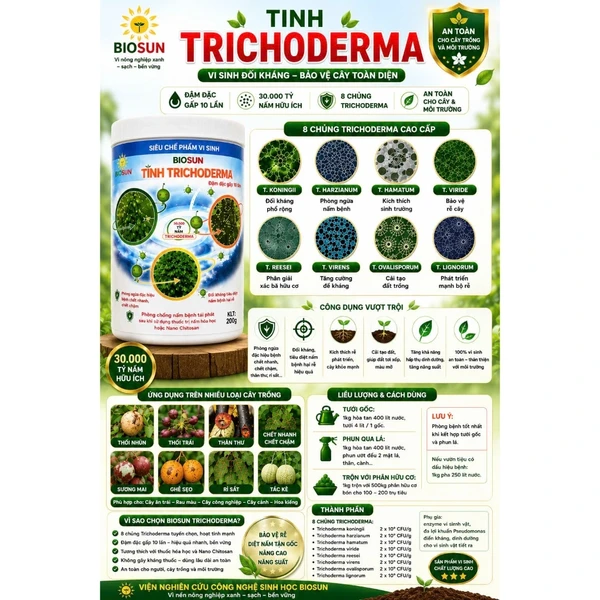
Tinh Trichoderma BioSun Đậm Đặc – Chế Phẩm Vi Sinh Đối …

Kéo tỉa hạng nặng nhập khẩu từ Đức, có trợ lực bánh răn…

Combo Cưa cắt cành Nhật Bản (35cm) + Kéo Cắt Cành SK5 N…

SIÊU LÂN kích rễ cực mạnh, bung chồi cực nhanh, biến và…

Các loại đá rải mặt sen đá, xương rồng, trồng terarium …
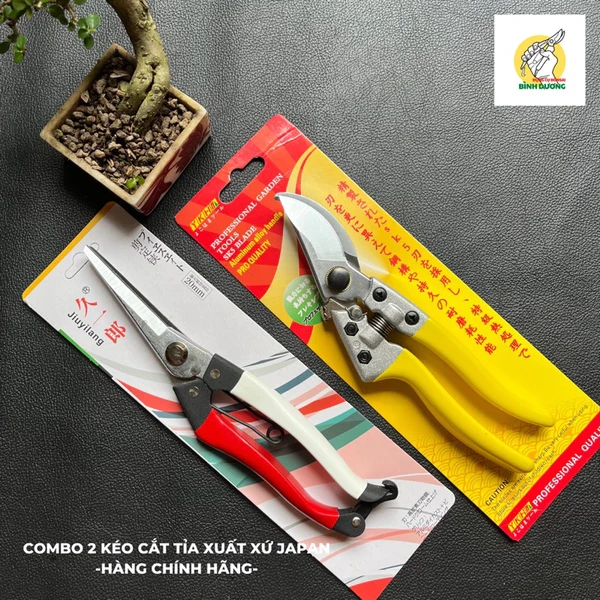
Combo 2 Kéo cắt tỉa cây cảnh bonsai xuất xứ JAPAN Kéo c…

Thuốc Kích Thích Sinh Trưởng Atonik 1.8SL [Chai 100ml] …

Chế phẩm men vi sinh nấm đối kháng Trichoderma Điền Tra…
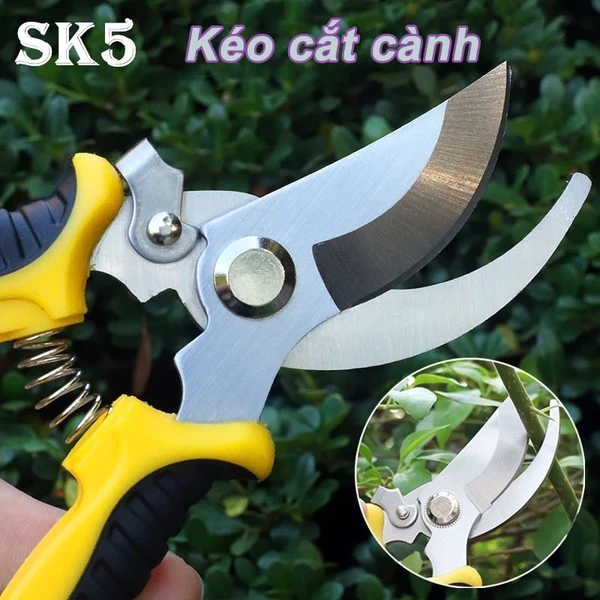
Kéo Cắt Cây Cảnh Kéo Tỉa Cành,Kéo cắt tỉa vườn nghề làm…
Nursery Care Journal & Living Greenery Moments
At Saigon Cay Canh greenhouse, each photograph captures genuine everyday care moments between plant lovers and living greenery, spreading a passion for nature and green-living inspiration.

💬 Góc Tư Vấn & Hướng Dẫn Kỹ Thuật SGCC
Chuẩn E-E-A-T Kinfolk❓ Chăm sóc Paper Spine Cactus (Tephroca cần lưu ý điều gì quan trọng nhất?
💡 Dạ điều quan trọng nhất là giữ môi trường sống ổn định, tránh sốc nhiệt hay dao động thông số đột ngột, đồng thời cung cấp khẩu phần ăn sạch và tươi mới ạ.
❓ Làm thế nào để phòng ngừa bệnh tật hiệu quả cho các bé?
💡 Dạ anh chị nên giữ vệ sinh chuồng/hồ nuôi sạch sẽ, thay nước hoặc dọn dẹp định kỳ và bổ sung vitamin, men tiêu hóa đều đặn để tăng sức đề kháng ạ.

Mistletoe Cactus (Rhipsalis baccifera)
Rhipsalis baccifera is an extraordinary epiphytic cactus with cascading curtains of slender pencil-like stems, adorned with starry white blossoms and trans
Read Monograph →
Fishhook Barrel Cactus (Ferocactus wislizeni)
Ferocactus wislizeni is the legendary fishhook barrel cactus of the Sonoran and Chihuahuan deserts, celebrated for its unique southward-leaning compass ori
Read Monograph →
Coral Cactus (Rhipsalis cereuscula)
Rhipsalis cereuscula is a charming epiphytic coral cactus forming dense shrubby cushions of cylindrical branchlets resembling grains of rice, crowned by sm
Read Monograph →
Giant Starfish Flower (Stapelia gigantea)
Stapelia gigantea, the Giant Starfish Flower, is an extraordinary South African succulent producing colossal five-pointed star-shaped blossoms up to 40 cm
Read Monograph →Expert Q&A, Recommended Supplies & Article Feedback
Tap once to connect instantly via Google, Facebook or TikTok — no long forms required!
No questions yet for this article. Tap Google / Facebook / TikTok above to ask the first question!