
Living plant profile
Totara (Podocarpus totara)
Podocarpus totara
Podocarpus totara, the revered Totara of New Zealand, is a monumental podocarp conifer celebrated for rot-resistant timber, thick stringy reddish-brown bar

Totara Podocarpus (Podocarpus totara): Enduring Timber Anatomy and Sacred Maori Conifer Guide
Podocarpus totara, the revered Totara of New Zealand, is a monumental podocarp conifer celebrated for rot-resistant timber, thick stringy reddish-brown bark, and a legendary cultural heritage among the Maori.
Sài Gòn Cây Cảnh Care Compass
1. Taxonomic History and Botanical Nomenclature
Podocarpus totara was scientifically published in 1832 by David Don from botanical collections by George Bennett in New Zealand. Revered as a sacred chieftain tree by the Maori, its durable timber was carved into grand ocean-going waka canoes and meeting houses.
Thriving in fertile lowland river valleys and temperate podocarp forests across New Zealand, ancient specimens live for over a millennium, hollow trunks forming vital microhabitats for native forest fauna.
2. Morphological Characteristics and Structural Anatomy

Specimens mature into colossal trees up to thirty meters tall with trunk diameters exceeding two to three meters. The reddish-brown bark is exceptionally thick, furrowed, and fibrously stringy.
Evenly arranged linear-lanceolate needles measure two to 3.5 centimeters long and three to four millimeters wide, ending in a stiff pungent prickle; foliage displays a distinctive olive-green to bronze-yellow hue; mature red fleshy receptacles carry solitary oval seeds.
3. Solar Radiation Requirements and Photosynthetic Optimization
Requires abundant solar radiation between 7,000 and 20,000 lux, thriving under four to six hours of direct sun daily to maintain rigid prickle-tipped needles and rich fibrous bark coloration.
Exhibits outstanding hardiness across temperature swings; requires continuous outdoor air movement to prevent fungal stagnation around the trunk base.
4. Mineral Substrate Matrix and Aerated Root Aeration
Requires rapid-draining mineral-rich substrate: 45% porous pumice or crushed volcanic scoria, 25% hard akadama granules, 15% coarse washed river sand, and 15% silty loam with worm castings.
This gritty aggregate ensures perpetual root zone oxygenation while emulating native gravelly river terrace alluvium.
5. Hydraulic Irrigation Regimes and Soil Water Dynamics
Irrigation regime: drench deeply every four to six days once the topsoil has dried out moderately; established plants exhibit commendable drought resilience.
Avoid shallow daily sprinkling; water thoroughly until excess moisture cascades freely through base drainage ports to flush accumulated mineral salts.
6. Mineral Nutrition Protocols and Seasonal Fertilization
Distribute balanced slow-release organic pellets around the container periphery every two months during spring and autumn, supplemented by light sea-mineral drenches quarterly.
7. Certified Botanical Propagation and Cultivar Preservation
Propagate by sowing fresh ripe seeds in autumn or harvesting semi-hardwood terminal cuttings in late spring.
Fresh seeds germinate within six to ten weeks in damp mineral grit; seedlings establish strong taproots and initiate lateral branching within twelve months.
8. Biochemical Toxicity Profiles and Domestic Pet Safety (ASPCA)
PET SAFETY CAUTION: Seeds and foliage contain mild diterpene lactones (mild stomach irritant if ingested in large quantities under ASPCA criteria).
Because needle tips are sharp and pungent, animals instinctively avoid brushing against them; it remains a completely safe and durable choice for outdoor garden landscaping.
9. Diagnostic Pathology Matrix and Targeted Interventions
Standardized diagnostic assessment of fibrous bark lesions and needle preservation for Podocarpus totara:
| Clinical Manifestation | Etiological Cause | Remediation Protocol |
|---|---|---|
| Needle tips blacken and foliage loses its distinctive bronze-olive luster | Root waterlogging in dense soil coupled with prolonged indoor light deprivation | Inspect root ball, replace with free-draining pumice mix, and move to an airy sunny location |
| Emerging foliage remains thin, pale green, and lacks characteristic sharp prickles | Severe direct solar radiation deficiency | Relocate planter to receive five to six hours of unfiltered direct sunlight daily |
| Fibrous bark strips peel off excessively, exposing inner heartwood | Physical impact during transit or domestic animals scratching the trunk | Clean the wound with pure water and apply botanical healing lacquer to protect the exposed wood |
| Lower internal branchlets dry out progressively from trunk outwards | Self-shading caused by an overly dense upper foliar canopy blocking lower light | Selectively prune upper canopy branchlets to allow light penetration into lower foliage tiers |
10. Comparative Diagnostic Matrix and Allied Species Differentiation
Morphological matrix distinguishing Podocarpus totara from allied New Zealand podocarp conifers:
| Comparative Metric | Podocarpus totara (Totara podocarpus) | Allied Species A | Allied Species B |
|---|---|---|---|
| Foliar color tone | Distinctive olive-green to bronze-yellow | Lustrous deep dark emerald | Soft weeping light forest-green |
| Needle apex character | Stiff, pungent sharp prickle | Obtuse or gently acute | Gracefully attenuated soft tip |
| Bark texture | Thick, stringy fibrous reddish-brown | Deeply furrowed greyish-brown plates | Fibrous stringy grey bark |
| Geographical origin | Temperate rainforests of New Zealand | Warm subtropical hills of Japan/China | High Drakensberg mountains of South Africa |
11. Biophilic Architectural Integration and Design Applications

Podocarpus totara represents the spirit of the chieftain tree in indigenous lore, symbolizing majestic strength, endurance, and eternal sovereignty in classical feng shui.
Staged at villa entries or executive terrace courtyards, it establishes solemn grandeur, steadfast resilience, and timeless architectural prestige.
12. Curated Botanical Quality and Saigon Cay Canh Warranty

At Saigon Cay Canh, our Podocarpus totara specimens are meticulously acclimatized, styled into mature venerable bonsai forms, and fortified with thriving root systems.
We deliver historic botanical masterworks that impart enduring gravitas and auspicious energy to distinguished living environments.
💬 Góc Tư Vấn & Hướng Dẫn Kỹ Thuật SGCC
Chuẩn E-E-A-T Kinfolk❓ Chăm sóc Totara (Podocarpus totara) cần lưu ý điều gì quan trọng nhất?
💡 Dạ điều quan trọng nhất là giữ môi trường sống ổn định, tránh sốc nhiệt hay dao động thông số đột ngột, đồng thời cung cấp khẩu phần ăn sạch và tươi mới ạ.
❓ Làm thế nào để phòng ngừa bệnh tật hiệu quả cho các bé?
💡 Dạ anh chị nên giữ vệ sinh chuồng/hồ nuôi sạch sẽ, thay nước hoặc dọn dẹp định kỳ và bổ sung vitamin, men tiêu hóa đều đặn để tăng sức đề kháng ạ.
🌿 Trang Thiết Bị, Đất Trồng & Dụng Cụ Bonsai Tuyển Chọn
Dụng cụ tỉa, giá thể hữu cơ & phân bón chuyên dụng cho cây cảnh.
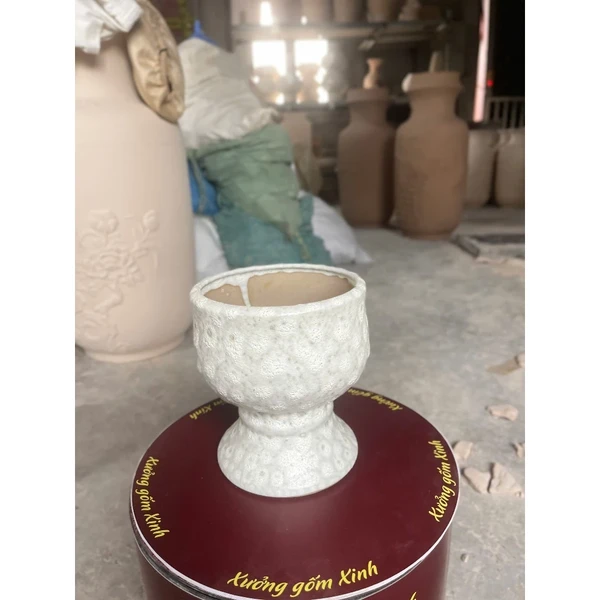
Chậu trồng cây men sôi, chậu cây mini siêu xinh, chậu s…
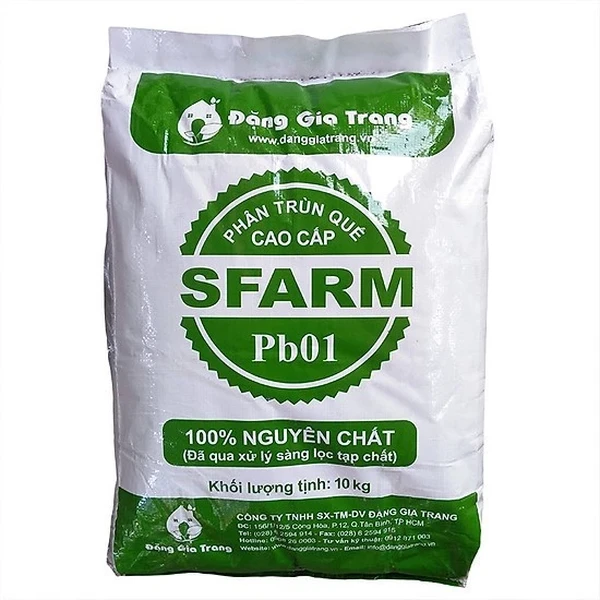
Phân trùn quế nguyên chất cao cấp Sfarm 10kg, OSG Hà Nộ…

Bộ 13 dụng cụ làm vườn mini siêu sinh tiện dụng – Xẻng …

Hoa mười giờ thái – Đủ màu sắc – dễ trồng – Nhánh trồng…

Chậu trồng cây gốm sứ Bát Tràng men sôi atlantis, chậu …
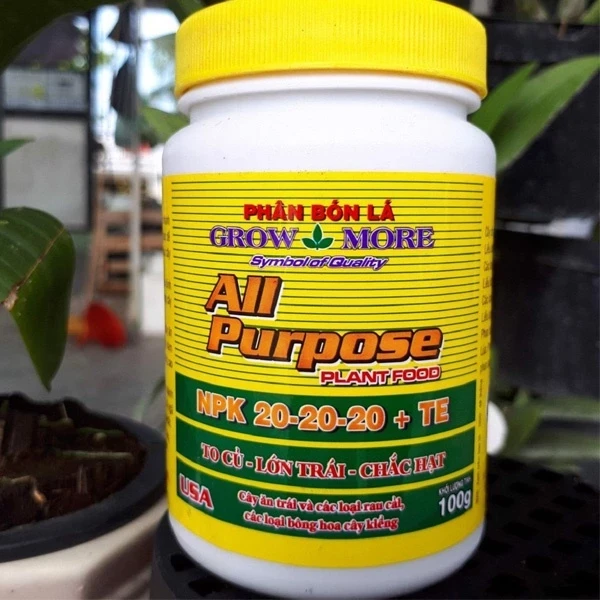
Phân bón lá GROWMORE All Purpose NPK 20-20-20+TE 100 gr…

Giá thể trồng cây kiểng lá SFARM túi 20dm3 ( khoảng 8kg…

1-5kg vôi bột nông nghiệp đã xử lí dùng khử chua đất tr…
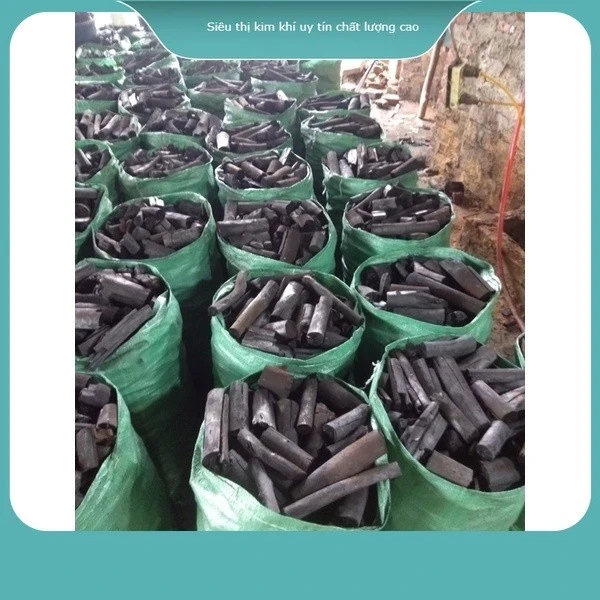
5kg than nướng thịt ,than củi nướng thịt ,trồng lan loạ…
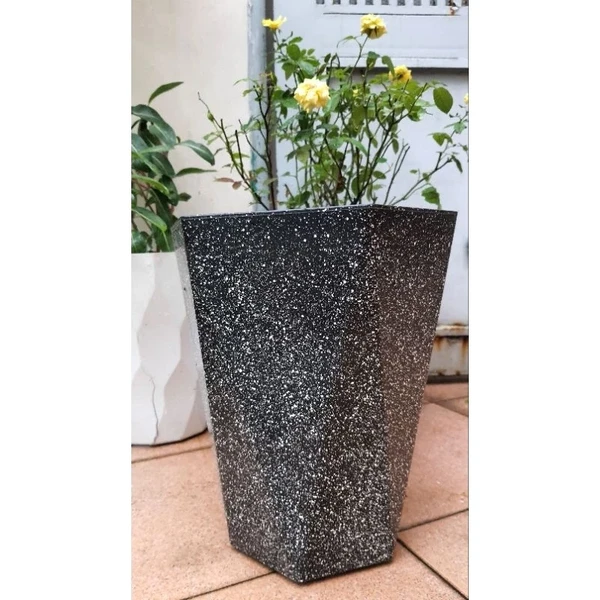
chậu nhựa lục giác giả đá 24x30cm
Đĩa Nhựa Lót Chậu Cây Màu Đen – Khay Lót Chậu Cây Cảnh …

Phân trùn quế cao cấp Sfarm- nguyên chất, phân hữu cơ, …

Maidenhair tree (Ginkgo biloba)
Maidenhair tree (Ginkgo biloba) Ginkgo biloba, universally revered as the maidenhair tree or gingko, represents one of Earth’s...
Read Monograph →
Littleleaf cotoneaster (Cotoneaster microphyllus)
Littleleaf cotoneaster (Cotoneaster microphyllus) Cotoneaster microphyllus, celebrated as littleleaf cotoneaster or rockspray cotoneaster, is an exquisite alpine prostrate...
Read Monograph →
Hall crabapple (Malus halliana)
Hall crabapple (Malus halliana) Malus halliana, widely admired as Hall crabapple or weeping Chinese crabapple, is the epitome...
Read Monograph →
Japanese privet (Ligustrum japonicum)
Japanese privet (Ligustrum japonicum) Ligustrum japonicum, acclaimed as Japanese privet or waxleaf privet, is an imposing evergreen woody...
Read Monograph →Expert Q&A, Recommended Supplies & Article Feedback
Tap once to connect instantly via Google, Facebook or TikTok — no long forms required!
No questions yet for this article. Tap Google / Facebook / TikTok above to ask the first question!