
Cẩm Nang Cây Cảnh • Hoa Cảnh & Bonsai
Mastering Nelumbo nucifera Quan Am Cultivation: Solar Exposure, Nutrient Tablets & Crystal-Clear Water

Cultivating and maintaining Nelumbo nucifera Quan Am within the Sacred Lotus, Water Lilies & Emergent Marsh Flora ecological group becomes effortless and highly rewarding when you align your care routine with its native physiological requirements: calibrated light intensity (25,000 – 65,000 Lux (Minimum 5–6 hours of direct sunlight daily)), targeted moisture management (100% Submerged (10–25cm water column above clay mud)), and a breathable rhizosphere matrix (Alluvial Clay Silt & Enriched Aquatic Mud). Below is our comprehensive, lab-verified botanical monograph designed for thriving, disease-free growth.
⚡ Core Quantitative Parameters (Quick Spec Grid)
Ecological Standard: Sacred Lotus, Water Lilies & Emergent Marsh Flora📑 Monograph Contents & Technical Chapters
Botanical Guide1. Botanical Physiology & Native Habitat of Nelumbo nucifera Quan Am
In applied botanical taxonomy, Nelumbo nucifera Quan Am belongs to the Sacred Lotus, Water Lilies & Emergent Marsh Flora group (Nelumbonaceae / Nymphaeaceae / Aquatic Araceae), originating from Tropical freshwater marshes, alluvial ponds, and floodplains of Asia. In its native biome, the plant has evolved with High-rate C3 photosynthesis under full sun, transporting oxygen to submerged rhizomes via aerenchyma channels and a specialized root architecture: Submerged tubers/rhizomes anchored deep in nutrient-rich anaerobic clay silt.
A defining biological hallmark of this specimen is: Superhydrophobic self-cleaning leaf cuticle (Lotus Effect) and pressurized aerenchyma vascular ducts. When acclimating the plant to urban living spaces, balconies, or architectural gardens, replicating its native microclimate parameters ensures vigorous cellular turgor and uninterrupted growth.

2. Quantitative Lab-Grade Environmental Parameters (Sacred Lotus, Water Lilies & Emergent Marsh Flora)
To sustain peak physiological performance in Nelumbo nucifera Quan Am and eliminate environmental stress, maintain the following five core environmental metrics within their calibrated ranges:
| Biological Metric | Optimal Target Range | Physiological Profile | Operational Rule |
|---|---|---|---|
| ☀️ Light Intensity | 25,000 – 65,000 Lux (Minimum 5–6 hours of direct sunlight daily) | PPFD: 500 – 1,200 µmol/m²/s | High-rate C3 photosynthesis under full sun, transporting oxygen to submerged rhizomes via aerenchyma channels. |
| 💧 Moisture & Irrigation | 100% Submerged (10–25cm water column above clay mud) | Submerged tubers/rhizomes anchored deep in nutrient-rich anaerobic clay silt | Top up gently with dechlorinated water to maintain water level without disturbing bottom silt. |
| 🧪 Rhizosphere pH | pH 6.2 – 7.5 (Neutral Freshwater) | Maximizes chelated mineral uptake | Irrigate with dechlorinated water; buffer pH periodically. |
| ⚡ Nutrient Conductivity (EC) | 0.8 – 1.5 mS/cm | Prevents osmotic root tip burn | Prioritize microbial organic fertilizers and slow-release prills. |
| 🌡️ Thermal Envelope | 22°C – 34°C (Thrives in warm water and full sun for prolific budding) | Tropical & subtropical adaptation | Maintain gentle cross-ventilation around the foliage canopy. |
3. Substrate Architecture & Root Environment: Alluvial Clay Silt & Enriched Aquatic Mud
Because each botanical guild possesses a distinct root morphology (Submerged tubers/rhizomes anchored deep in nutrient-rich anaerobic clay silt), generic dense garden soil often leads to anaerobic suffocation. Always blend the specialized Alluvial Clay Silt & Enriched Aquatic Mud engineered specifically for Sacred Lotus, Water Lilies & Emergent Marsh Flora:

4. Nutrition Schedule & Periodic Maintenance for Nelumbo nucifera Quan Am
To fuel balanced vegetative and reproductive growth without triggering fertilizer salt burn or post-flush exhaustion, implement this 3-phase nutritional cadence:
5. Phytopathology Prevention & 5-Step Plant Rescue Protocol
The primary pathological risks affecting Sacred Lotus, Water Lilies & Emergent Marsh Flora include: Blanket weed (filamentous algae), aquatic caterpillars, black aphids on flower buds, and tuber rot from acidic alum mud. At the earliest sign of chlorosis, wilting, or root distress, execute this clinical 5-step recovery protocol:

6. Recommended Substrates, Nutrients & Horticultural Tools
Equipping your garden with precision pruning shears, biological fungicides, and graded mineral substrates is the foundation of effortless plant care:

🌿 Recommended Substrates, Nutrients & Precision Tools (20 Botanical Essentials)
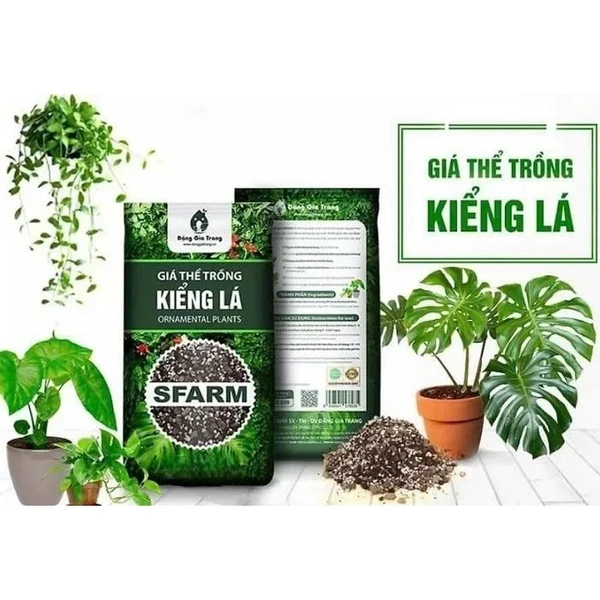
Premium Aroid & Foliage Potting Mix 20L (Pumice + Perlite)
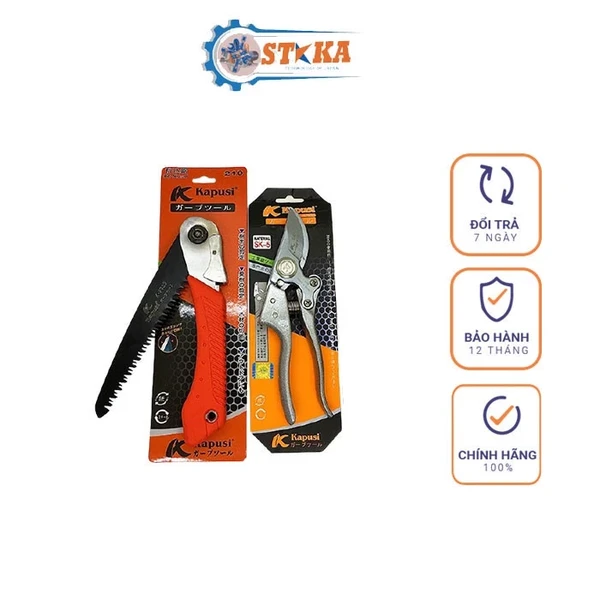
Japanese SK5 Steel Folding Saw & Bonsai Pruning Shears Set
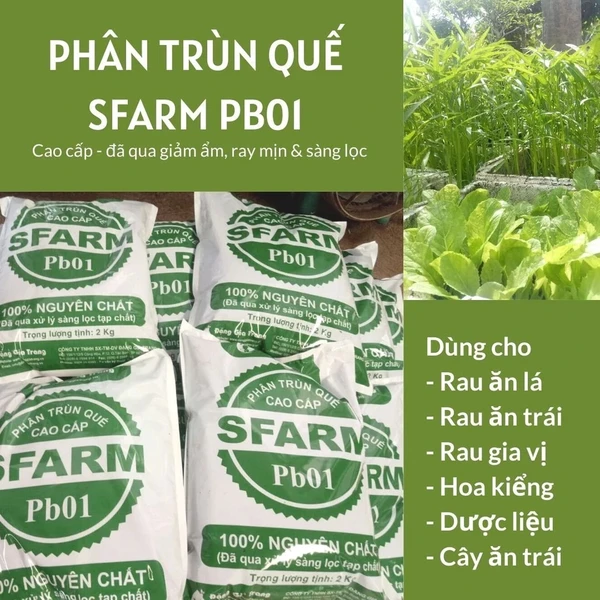
100% Pure Organic Vermicompost Earthworm Castings SFarm (2kg)

Professional Concave & Knob Bonsai Branch Cutter (Forged Steel)

Heavy-Duty Kapusi SK-5 Assisted Bypass Pruning Shears

Authentic Monrovia Breathable Nursery Planter Pot

Imported Japanese Hard-Fired Akadama Bonsai Granules (1kg)
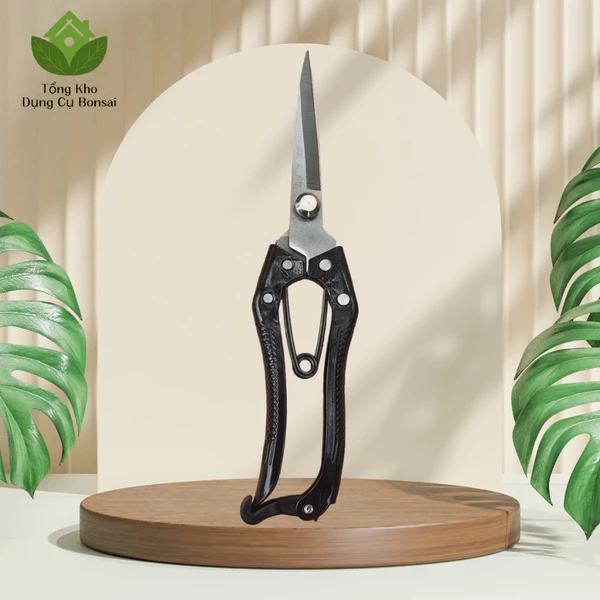
24cm Precision SK5 Steel Bonsai Twig & Leaf Trimming Scissors

Trichoderma Plus Humic Beneficial Bio-Fungicide (500g)
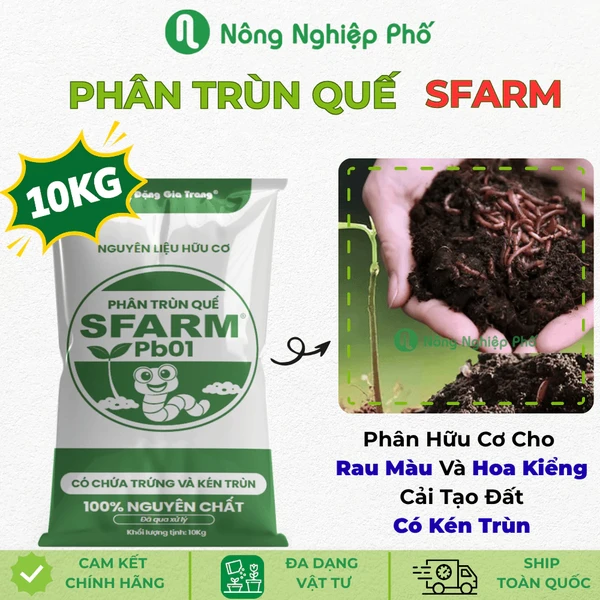
SFarm PB01 Premium Organic Earthworm Castings (5kg Bulk Pack)

Washed Low-EC Coco Peat Substrate for Orchids & Foliage (1kg)

horticultural Activated Hardwood Charcoal for Orchids & Aroids (5L)
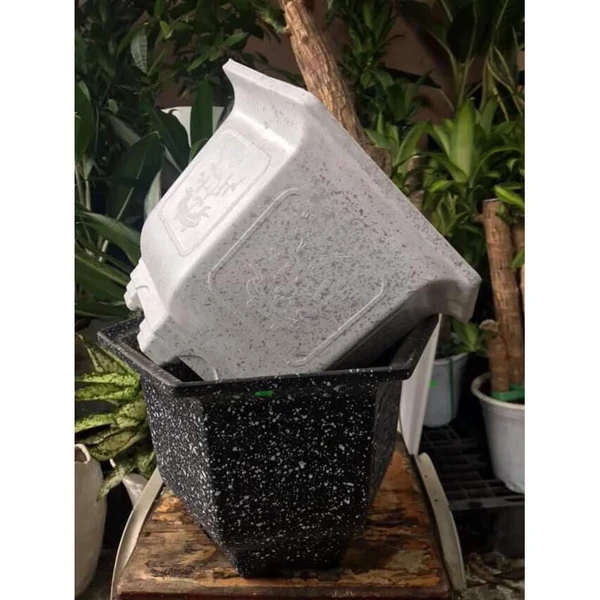
Hexagonal Stone-Textured Heavy-Duty Planter LG19 (32x22cm)
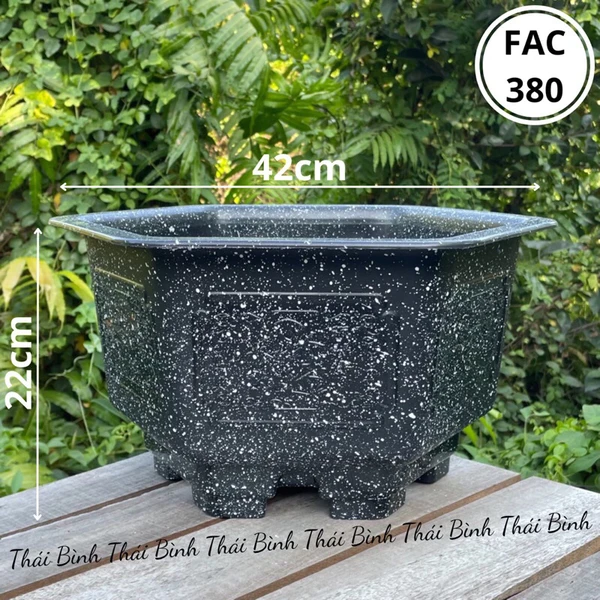
Large Hexagonal Stone-Effect Planter FAC380 (42x22cm Weatherproof)
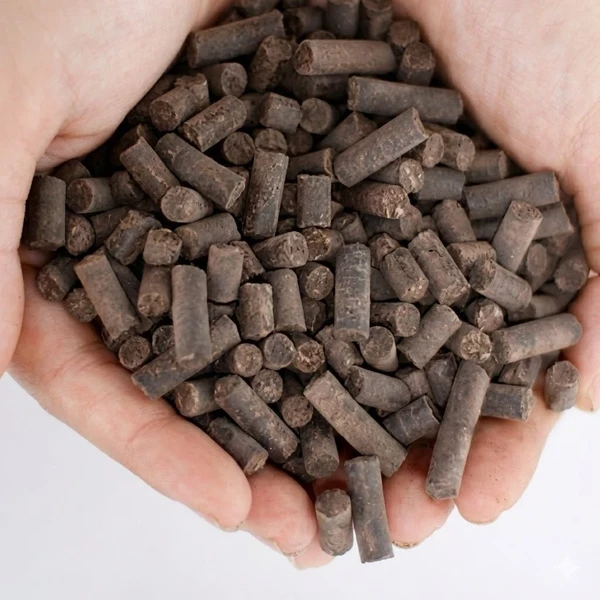
Slow-Release Compressed Vermicompost Pellets OneFarms (7kg+1kg)
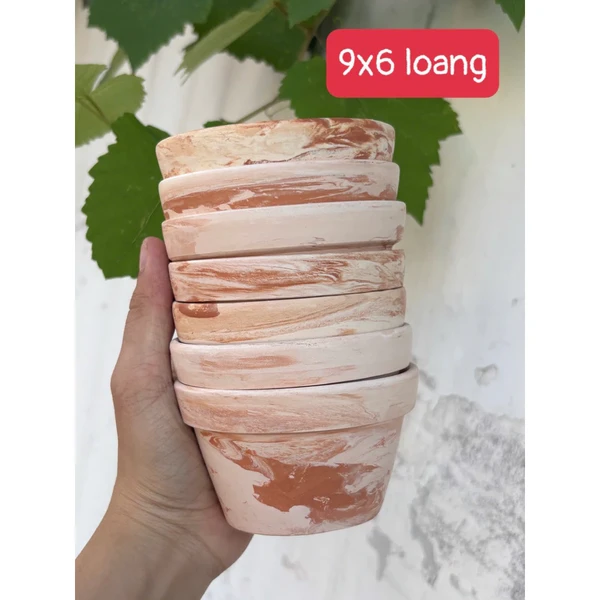
Set of 10 Breathable Terracotta Pots for Succulents & Cacti (9x6cm)
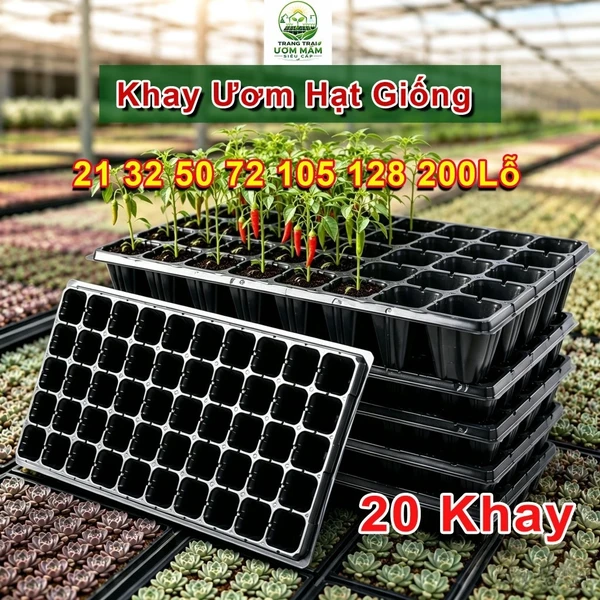
20-Pack Seed Starting & Cutting Propagation Trays (21-50 Cells)
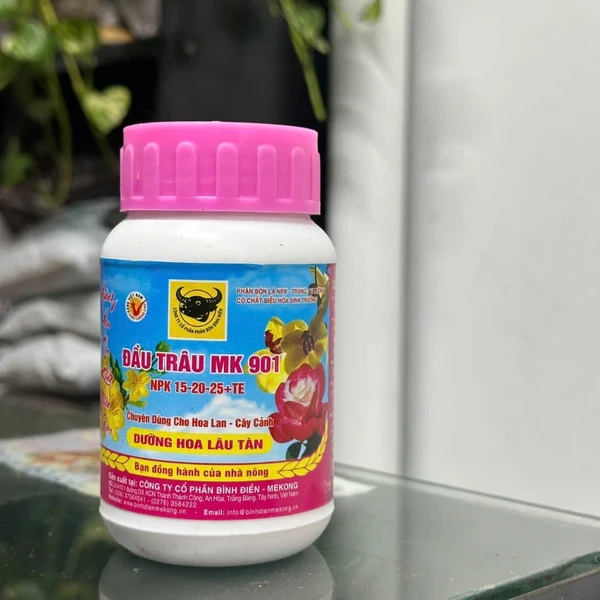
High-Grade NPK 15-20-25 Foliar & Bloom Booster Fertilizer
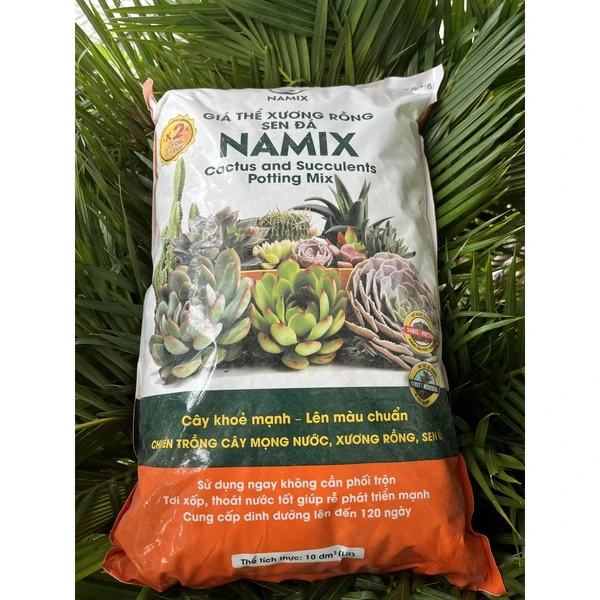
10L Gritty Mineral Mix for Succulents, Cacti & Rare Aroids
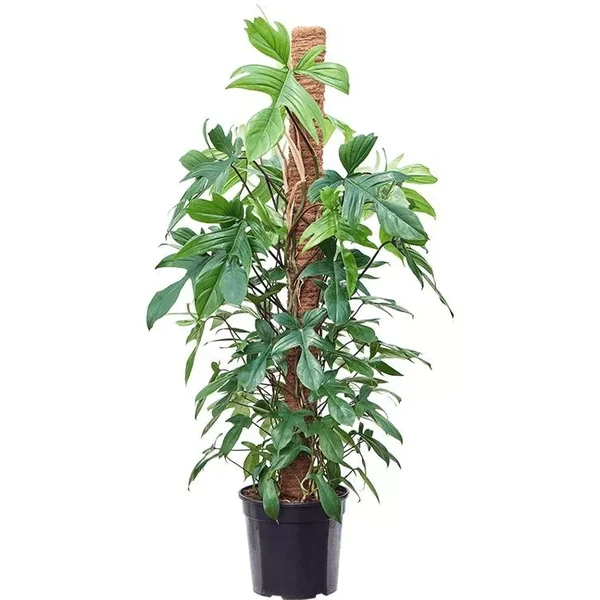
Live Air-Purifying Tropical Foliage Starter Plant for Home & Office
7. Architectural Placement & Sustainable Ecological Value
Beyond its sculptural botanical elegance, Nelumbo nucifera Quan Am actively enriches urban microclimates, regulates ambient humidity, and brings contemplative tranquility to contemporary architecture.
- Calibrated Light Positioning: Provide the exact 25,000 – 65,000 Lux (Minimum 5–6 hours of direct sunlight daily) target range of the Sacred Lotus, Water Lilies & Emergent Marsh Flora guild to bring out peak foliar and floral pigmentation.
- Continuous Micro-Ventilation: Position the plant where gentle ambient airflow facilitates stomatal gas exchange and prevents stagnant humidity pockets.
- Proportionate Planter & Substrate Pairing: Select a breathable planter only 3–5cm wider than the active root ball, filled with Alluvial Clay Silt & Enriched Aquatic Mud.

8. Frequently Asked Questions About Nelumbo nucifera Quan Am (Practical FAQ)
❓ Q1: What is the ideal light intensity for Nelumbo nucifera Quan Am?
Answer: As a member of Sacred Lotus, Water Lilies & Emergent Marsh Flora, it thrives under 25,000 – 65,000 Lux (Minimum 5–6 hours of direct sunlight daily) (PPFD 500 – 1,200 µmol/m²/s). High-rate C3 photosynthesis under full sun, transporting oxygen to submerged rhizomes via aerenchyma channels.
❓ Q2: Which potting mix or substrate prevents root rot in Nelumbo nucifera Quan Am?
Answer: Due to its Submerged tubers/rhizomes anchored deep in nutrient-rich anaerobic clay silt, the optimal formula is Alluvial Clay Silt & Enriched Aquatic Mud (60% Pond Clay Silt + 25% Alluvial Loam + 15% Composted Vermicompost/Oilseed Cake.).
❓ Q3: How often should I water Nelumbo nucifera Quan Am?
Answer: Follow the golden rule: Top up gently with dechlorinated water to maintain water level without disturbing bottom silt, maintaining substrate/ambient moisture around 100% Submerged (10–25cm water column above clay mud).
❓ Q4: What is the recommended fertilizer protocol for Nelumbo nucifera Quan Am?
Answer: Wrap NPK 16-16-8 or aquatic fertilizer tablets in tissue paper and push 10cm deep into the mud away from the growing tip every 20 days. Combine this with basal feeding: Insert specialized slow-release aquatic bloom tabs monthly to sustain continuous flower stalks.
❓ Q5: What are the most common pests and diseases on Nelumbo nucifera Quan Am and how do I prevent them?
Answer: Watch closely for: Blanket weed (filamentous algae), aquatic caterpillars, black aphids on flower buds, and tuber rot from acidic alum mud. Ensure brisk airflow, use an aerated mineral substrate, and inoculate periodically with beneficial Trichoderma alongside cold-pressed Neem oil sprays.
🌿 Peer-reviewed horticultural monograph compiled under empirical botanical standards within the Sai Gon Cay Canh ecosystem.
🌿 Trang Thiết Bị, Đất Trồng & Dụng Cụ Bonsai Tuyển Chọn
Dụng cụ tỉa, giá thể hữu cơ & phân bón chuyên dụng cho cây cảnh.

3kg Vôi Bột Nông Nghiệp Đã Qua Xử Lý Dùng Để Cải Tạo Đấ…

Kéo Tỉa Dăm Cành Cây SK5 Cao Cấp – Kéo Cắt Cành, Tỉa Ho…
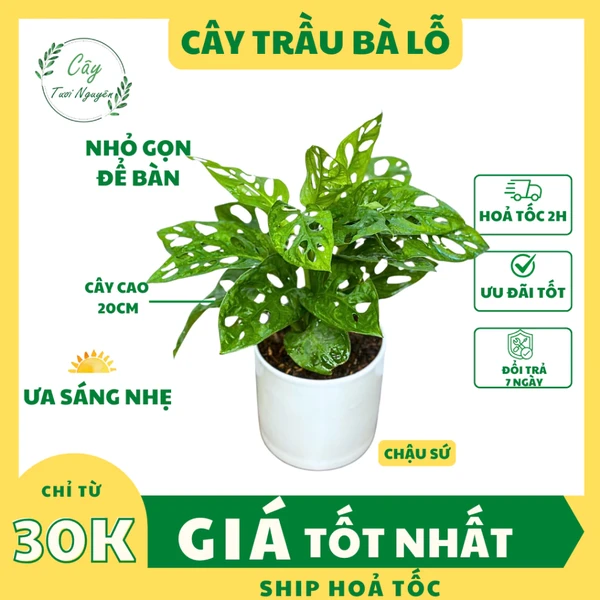
CÂY TRẦU BÀ LỖ, (cao 20cm), chậu gốm, kiểng lá mini để …

Chậu đất nung – Chậu trồng sen đá, xương rồng – Chậu tr…
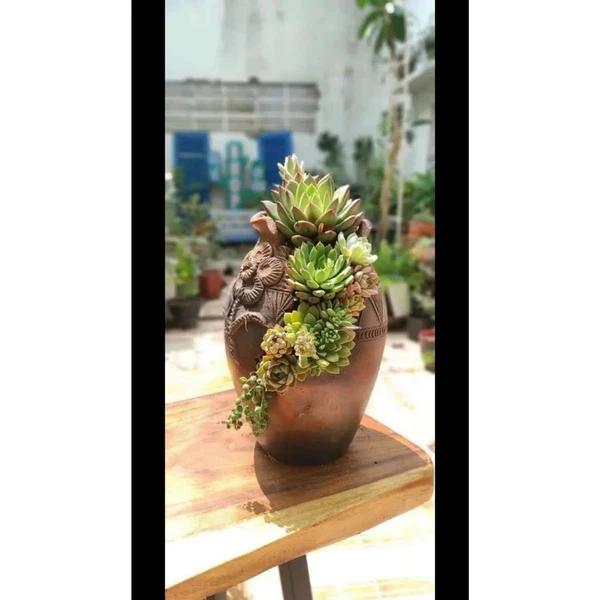
Chậu đất nung – chậu 30 xẻ thân (ngẫu nhiên) miệng 13, …

1kg PEATMOSS PEATMAN, chiết lẻ từ bao, rêu than bùn, gi…

Kéo cắt cành SK5 Nhật bản, kìm cắt cành trợ lực khỏe, m…

Cây Lau Nhà Tự Vắt Thông Minh MOPScratch Chổi Lau Nhà T…
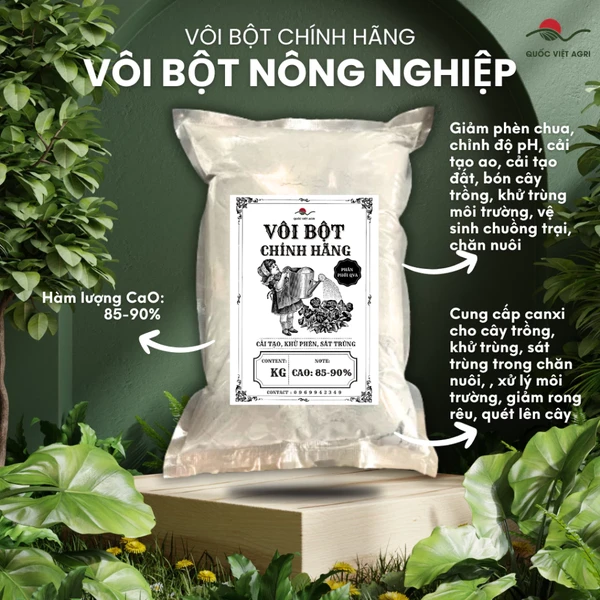
Vôi Bột Nông Nghiệp ĐÃ ĐƯỢC XỬ LÍ – Dùng cải tạo đất, k…
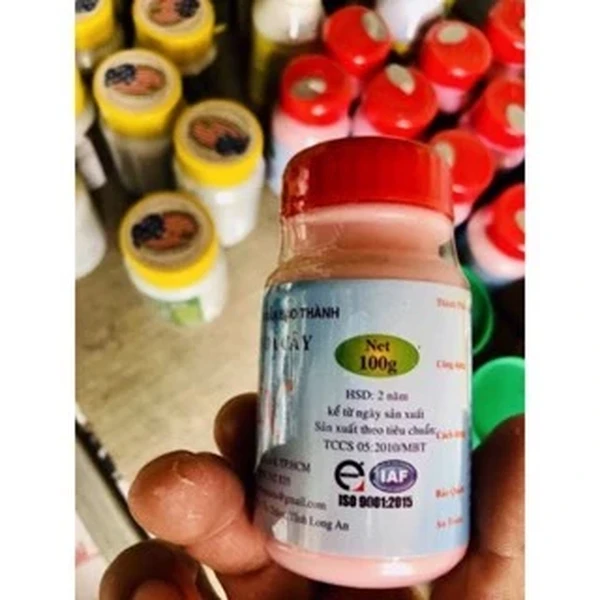
KEO LIỀN SẸO HỒNG MỸ TIẾN, KEO LIỀN DA CÂY MỸ TIẾN LỌ 1…
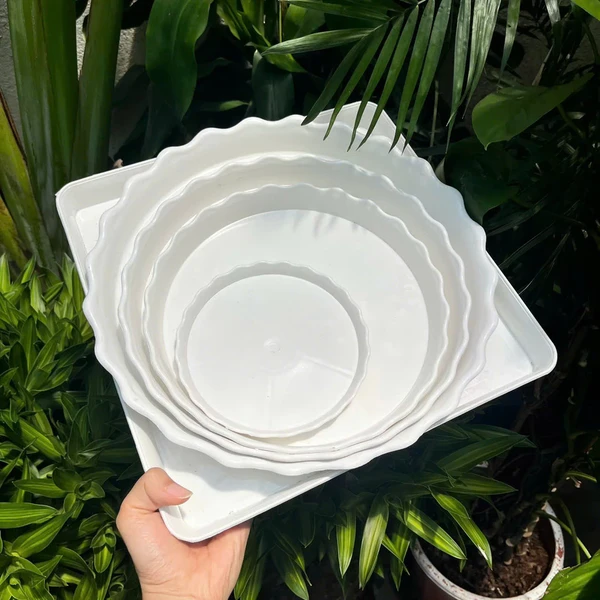
Đĩa Lót Chậu Cây Bằng Nhựa BÁC HAI GARDEN Đủ Kích Thước…

Chế phẩm sinh học hữu cơ vi sinh Trichoderma 1kg phòng …

B0GXS3GDH6
B09S5DTP6V
B09S5DTP6Vsaigoncacanh-20

Dalbergia volubilis Master Bonsai Protocol: Fine Ramification, Root Pruning & Microclimate Control
Dalbergia volubilis botanical care monograph: Tropical Saigon climate adaptation, PAR light, aerated substrate (pumice/perlite/bark), irrigation, fertilizer, and 5-step rescue protocol.
Read Monograph →
Growing Organic Zea mays Indurata on Urban Balconies: Bio-Active Soil, Watering & High-Yield Care
Zea mays Indurata botanical care monograph: Tropical Saigon climate adaptation, PAR light, aerated substrate (pumice/perlite/bark), irrigation, fertilizer, and 5-step rescue protocol.
Read Monograph →
Cicer arietinum Container Gardening Guide: Vermicompost Nutrition, Sunlight & Blossom-End Rot Shield
Cicer arietinum botanical care monograph: Tropical Saigon climate adaptation, PAR light, aerated substrate (pumice/perlite/bark), irrigation, fertilizer, and 5-step rescue protocol.
Read Monograph →
Lagerstroemia speciosa Bonsai Master Bonsai Protocol: Fine Ramification, Root Pruning & Microclimate Control
Lagerstroemia speciosa Bonsai botanical care monograph: Tropical Saigon climate adaptation, PAR light, aerated substrate (pumice/perlite/bark), irrigation, fertilizer, and 5-step rescue protocol.
Read Monograph →Expert Q&A, Recommended Supplies & Article Feedback
Leave your name & Zalo/Email below to receive instant protocol guidance and curated supply links.

No questions yet for this article. Enter your question above to receive instant specialist guidance!