
Living plant profile
Japanese Zelkova (Zelkova serrata)
Zelkova serrata
Zelkova serrata, the Japanese Zelkova or Keyaki, is the definitive species for the classical broom bonsai style (Hokidachi), famed for sharp serrate leaves

Japanese Zelkova (Zelkova serrata)
Zelkova serrata, the Japanese Zelkova or Keyaki, is the definitive species for the classical broom bonsai style (Hokidachi), famed for sharp serrate leaves and breathtaking autumnal color.
Sài Gòn Cây Cảnh Care Compass
1. Taxonomic History and Botanical Nomenclature
Zelkova serrata was originally collected by Carl Peter Thunberg in 1784 before celebrated Japanese botanist Tomitaro Makino established its modern classification in 1903. The Keyaki holds revered cultural status in Japanese architecture and classical bonsai.nnIn cool riparian valleys, its roots spread radially outward across rocky alluvial screes, developing the legendary flared basal root flare (nebari) coveted by bonsai masters worldwide.
2. Morphological Characteristics and Structural Anatomy

Deciduous grand tree twenty to thirty meters tall, training into peerless broom-style bonsai thirty to ninety centimeters tall. Smooth grey youthful bark exfoliates into subtle orange-brown scales with mature age.nnDistichous ovate leaves measure five to ten centimeters with a gracefully tapering apex; margins bear distinct forward-curving saw-like teeth; autumn transforms foliage into radiant golden-yellow, warm apricot, and deep bronze-red before winter dormancy; small wingless drupes sit in leaf axils.
3. Solar Radiation Requirements and Photosynthetic Optimization
Demands bright illumination between 8,000 and 22,000 lux, requiring four to six hours of gentle morning sun for symmetrical branch development and vibrant autumn color transitions.nnIn hot tropical climates, light afternoon shade shields delicate saw-toothed leaf margins from solar desiccation.
4. Mineral Substrate Matrix and Aerated Root Aeration
Premier bonsai substrate: 50% medium hard-sifted akadama, 25% volcanic pumice, 15% fertile mineral loam, and 10% screened worm castings.nnPure akadama grit sustains consistent cool hydration while providing optimal aeration, essential for refining delicate twig structures and flat nebari.
5. Hydraulic Irrigation Regimes and Soil Water Dynamics
Irrigation regime: water generously every one to two days once topsoil surface becomes slightly dry; demands consistent moisture without waterlogging.nnTaper watering gradually in autumn as foliage turns amber to enhance coloration and promote clean, synchronous leaf shedding.
6. Mineral Nutrition Protocols and Seasonal Fertilization
Feed with balanced organic rapeseed cake pellets monthly from early spring through late summer, pausing completely in autumn to ripen delicate terminal buds for winter display.
7. Certified Botanical Propagation and Cultivar Preservation
Propagate by sowing mature seeds in late autumn or taking semi-hardwood terminal cuttings in early summer under controlled humidity.nnFresh seeds benefit from four to six weeks of cold stratification to break embryonic dormancy and achieve uniform spring emergence.
8. Biochemical Toxicity Profiles and Domestic Pet Safety (ASPCA)
PET SAFETY CERTIFICATION: Zelkova serrata is officially recognized as NON-TOXIC to dogs, cats, and horses under ASPCA safety standards.nnEntirely safe and non-toxic, it offers peaceful biophilic beauty without risk to domestic companion animals.
9. Diagnostic Pathology Matrix and Targeted Interventions
Diagnostic evaluation of serrated foliar chlorosis and broom-style canopy revival for Zelkova serrata:
| Clinical Manifestation | Etiological Cause | Remediation Protocol |
|---|---|---|
| Serrate leaf margins turn crisp and curl inward | Low ambient humidity combined with direct indoor HVAC airflow drafts | Relocate away from air conditioning vents and mist canopy with water daily |
| Canopy grows lopsided, compromising broom silhouette symmetry | Unilateral light exposure causing shoots to reach toward the light source | Rotate container 180 degrees weekly to ensure balanced sun exposure on all sides |
| Powdery white mildew coats tender foliage in humid weather | Powdery mildew triggered by high ambient humidity and stagnant air | Thin interior crossing twigs to boost airflow and apply biological potassium bicarbonate |
| Autumn leaves drop while still green without turning amber | Excessive late-season nitrogen fertilization or over-irrigation in autumn | Cease nitrogen feeding by late summer and taper watering to trigger natural fall color |
10. Comparative Diagnostic Matrix and Allied Species Differentiation
Anatomical matrix differentiating parallel-veined Zelkova serrata from allied Japanese zelkovas:
| Comparative Metric | Zelkova serrata (Japanese zelkova) | Allied Species A | Allied Species B |
|---|---|---|---|
| Defining bonsai style | The quintessential Broom style (Hokidachi) | Formal upright and natural slanting styles | Broad spreading umbrella habit |
| Foliar serrations | Prominent forward-curving saw-tooth teeth | Delicate single teeth on compact blade | Coarse irregular double-toothed margin |
| Mature bark character | Exfoliates into soft orange-tinted papery scales | Exfoliates into mosaic leopard-skin plates | Fissures into deep rustic grey-black ridges |
| Pet toxicity status | Officially Certified Non-Toxic by ASPCA | Officially Certified Non-Toxic by ASPCA | Officially Certified Non-Toxic by ASPCA |
11. Biophilic Architectural Integration and Design Applications

Zelkova serrata embodies pristine architectural balance, integrity, intellectual clarity, and enduring family prosperity in classical Japanese tradition.nnStaged in modern minimalist interiors or scholarly studies, its radiating broom silhouette imparts profound meditative stillness and organic elegance.
12. Curated Botanical Quality and Saigon Cay Canh Warranty

At Saigon Cay Canh, our Japanese Zelkova bonsai are shaped to uncompromising Japanese standards, featuring radial nebari flares and fine winter silhouettes.nnWe deliver authenticated living heritage trees backed by dedicated arborist care support.
💬 Góc Tư Vấn & Hướng Dẫn Kỹ Thuật SGCC
Chuẩn E-E-A-T Kinfolk❓ Chăm sóc Japanese Zelkova (Zelkova se cần lưu ý điều gì quan trọng nhất?
💡 Dạ điều quan trọng nhất là giữ môi trường sống ổn định, tránh sốc nhiệt hay dao động thông số đột ngột, đồng thời cung cấp khẩu phần ăn sạch và tươi mới ạ.
❓ Làm thế nào để phòng ngừa bệnh tật hiệu quả cho các bé?
💡 Dạ anh chị nên giữ vệ sinh chuồng/hồ nuôi sạch sẽ, thay nước hoặc dọn dẹp định kỳ và bổ sung vitamin, men tiêu hóa đều đặn để tăng sức đề kháng ạ.
🌿 Trang Thiết Bị, Đất Trồng & Dụng Cụ Bonsai Tuyển Chọn
Dụng cụ tỉa, giá thể hữu cơ & phân bón chuyên dụng cho cây cảnh.

10kg Vôi bột nông nghiệp dùng khử chua, hút ẩm cải tạo …
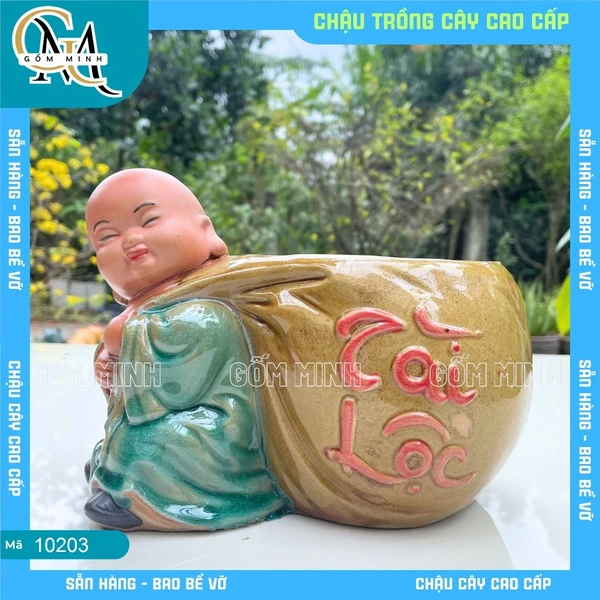
Chậu Tượng Chú Tiểu Gốm Bát Tràng – Chậu Bonsai Mini Đa…
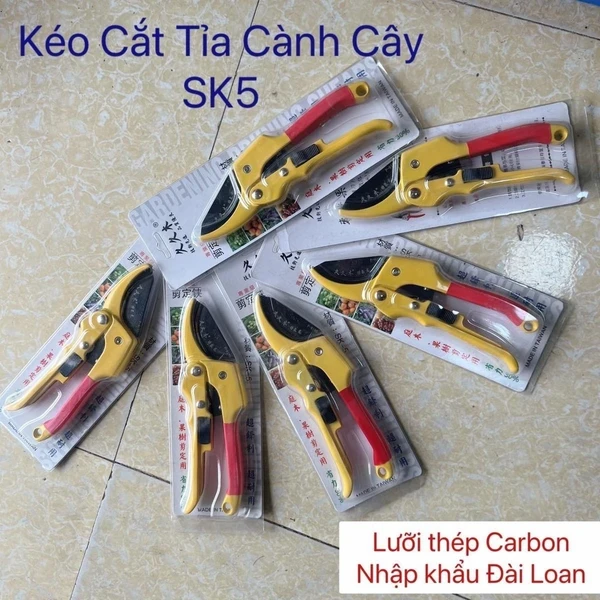
Kéo Cắt Tỉa Cành Cây Cộng Lực Lưỡi Thép Carbon SK5 Nhập…

Dây Uốn Cành Cây Bonsai Màu Đen Đủ Size , Dây Nhôm Đen …

Phân bón hữu cơ (trùn quế viên nén, canxi bo sữa, kali …

Hạt giống Hoa Mười Giờ Thái Nhiều Màu Ngọn Xum Nhiều Nụ…

Dây nhôm trần 1KG chuyên dùng uốn cây ,quấn cây cảnh bo…

Dao Ghép Cành 2 Lưỡi Cán Gỗ, chuyên dụng cho trồng cây,…
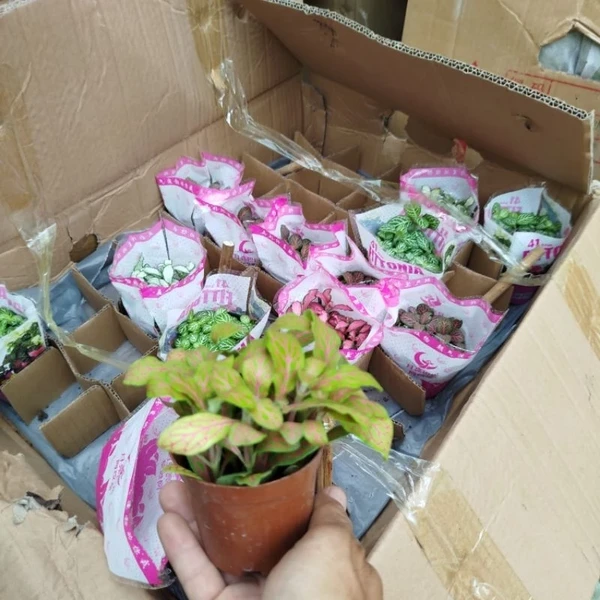
Cây Cẩm Nhung Lá May Mắn ( Fittonia )
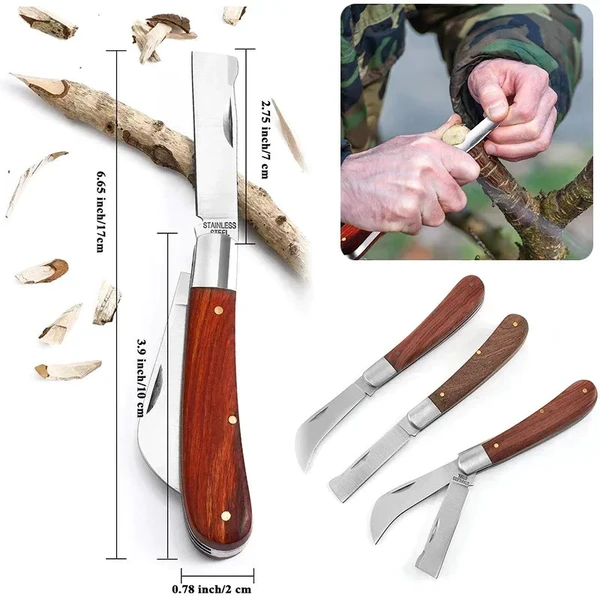
Dao ghép cành gấp, dao ghép cây chuyên nghiệp cho vườn …

Than củi không khói, nướng thịt, trồng Lan

MG #50 Hạt Giống Hoa Hồng Leo Pháp Đủ Màu có hướng dẫn …

Japanese camellia (Camellia japonica)
Japanese camellia (Camellia japonica) Camellia japonica, acclaimed as Japanese camellia or rose of winter, is the aristocratic queen...
Read Monograph →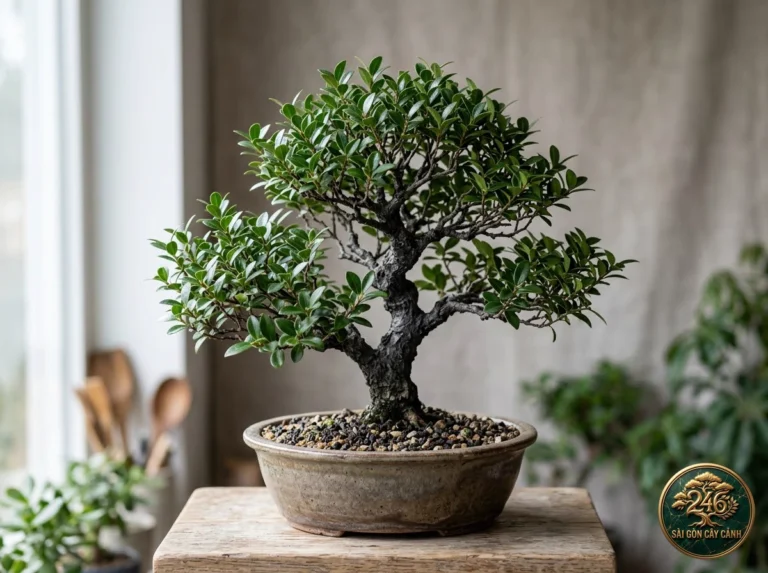
Boxleaf ebony (Diospyros buxifolia)
Boxleaf ebony (Diospyros buxifolia) Diospyros buxifolia, esteemed as boxleaf ebony, is a rare hardwood botanical subject prized in...
Read Monograph →
Fukien tea tree (Carmona retusa)
Fukien tea tree (Carmona retusa) Carmona retusa, universally cherished as the Fukien tea tree or Philippine tea, stands...
Read Monograph →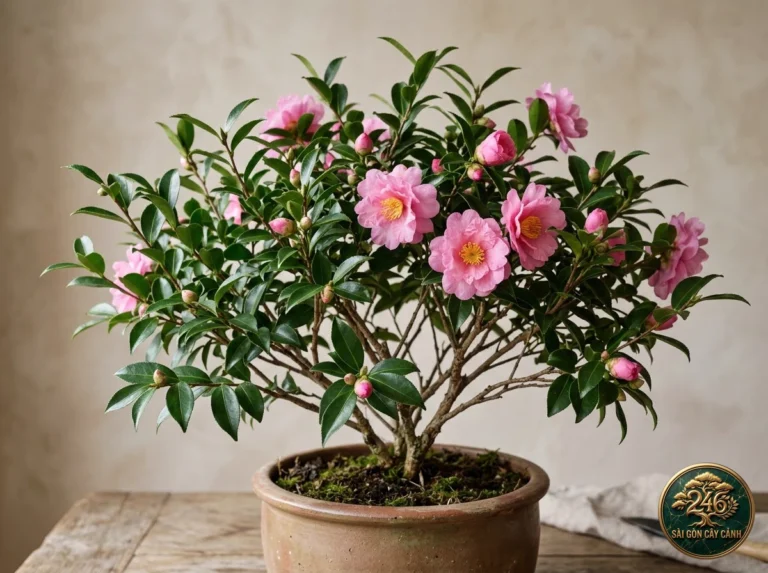
Sasanqua camellia (Camellia sasanqua)
Sasanqua camellia (Camellia sasanqua) Camellia sasanqua, celebrated as sasanqua camellia or autumn camellia, is an enchanting fall-blooming woody...
Read Monograph →Expert Q&A, Recommended Supplies & Article Feedback
Tap once to connect instantly via Google, Facebook or TikTok — no long forms required!
No questions yet for this article. Tap Google / Facebook / TikTok above to ask the first question!