
Living plant profile
Crape myrtle (Lagerstroemia indica)
Lagerstroemia indica
📌 CLINICAL & BIOLOGICAL ABSTRACT — Crape myrtle (Lagerstroemia indica)Crape myrtle (Lagerstroemia indica) Lagerstroemia indica, acclaimed universally as crape myrtle, is a cherished ornamental bonsai subject beloved for its satiny mottled exfoliating trunks, undulating crinkled floral panicles lasting one hundred days, and striking autumnal foliage. 1. Botanical Identity & Taxonomic Nomenclature History Lagerstroemia indica was […]
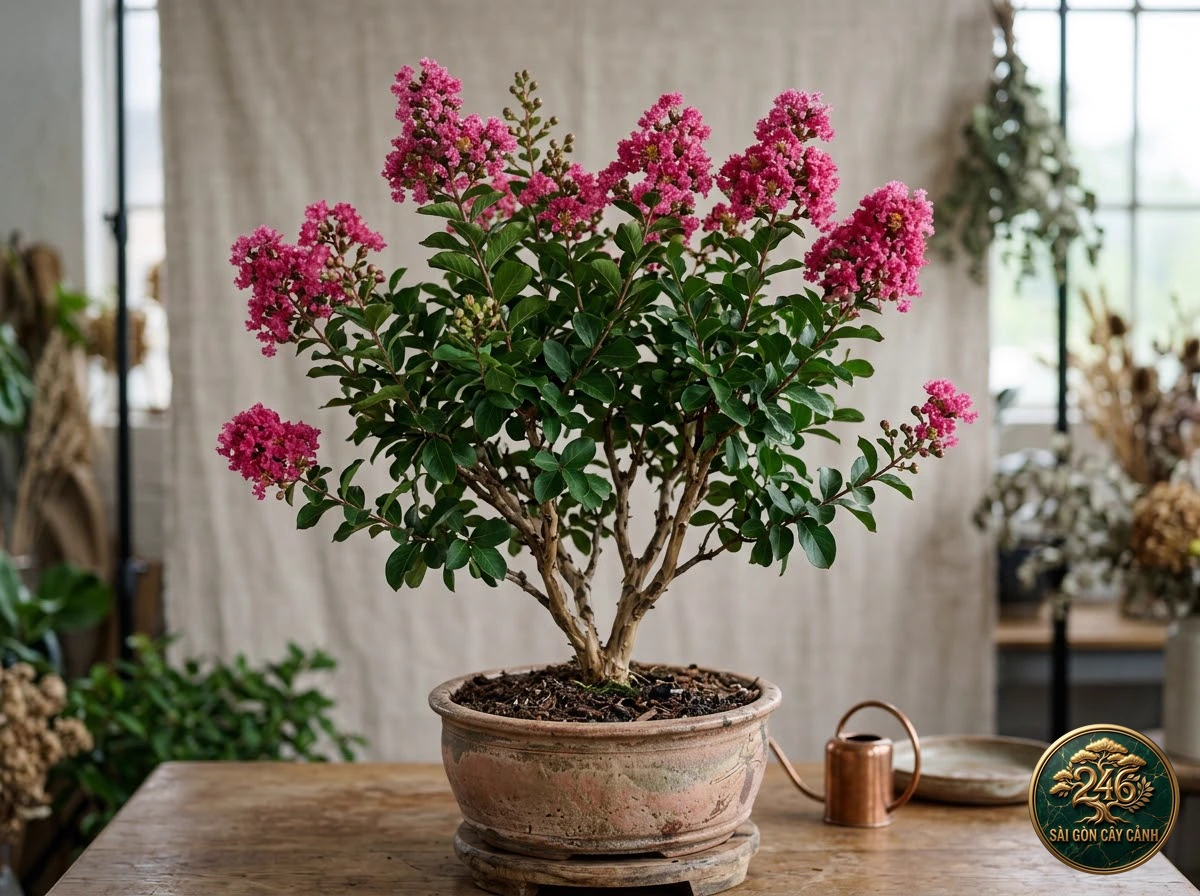
Crape myrtle (Lagerstroemia indica)
Lagerstroemia indica, acclaimed universally as crape myrtle, is a cherished ornamental bonsai subject beloved for its satiny mottled exfoliating trunks, undulating crinkled floral panicles lasting one hundred days, and striking autumnal foliage.
Sài Gòn Cây Cảnh Care Compass
1. Botanical Identity & Taxonomic Nomenclature History
Lagerstroemia indica was first described by Carl Linnaeus in 1759, naming the genus after his Swedish merchant friend Magnus von Lagerstroem; it was subsequently refined by Christiaan Hendrik Persoon in Synopsis Plantarum (1806).
In Asian poetic traditions, it is celebrated as the “Hundred-Day Red” for its marathon flowering season spanning from early summer through autumn; its satiny smooth trunk earned the folk nickname “monkey-slip tree”; in bonsai, crape myrtle is revered for elegant sculpted musculature, colorful peeling bark, and reliable displays of delicate crinkled blossoms.
2. Morphological Anatomy & Structural Architecture

A deciduous large shrub or small tree growing three to seven meters in habitat; styled in bonsai into sweeping slanting, informal upright, literati, twin-trunk, or graceful broom styles twenty to sixty centimeters tall. Trunks feature satiny smooth pinkish-grey or cream bark that exfoliates annually in paper-thin ribbons to reveal a polished marble-like underlayer; young branchlets are slightly quadrangular with prolific ramification.
Leaves are opposite below, alternate above, elliptic-obovate, three to seven centimeters long, with intact margins and smooth glossy texture; foliage transforms into fiery yellow, amber, and crimson shades in autumn before defoliating to showcase the bare winter silhouette. Flowers appear in dense terminal panicles ten to twenty-five centimeters long; each flower features six crinkled, crepe-paper petals with slender claw-like bases in radiant hues of soft pink, deep crimson, lavender, and pure white; fruits are globose woody capsules ten to twelve millimeters wide splitting into six valves with winged seeds.
3. Solar Irradiance Thresholds & Photosynthetic Dynamics
An obligate sun lover requiring high solar energy between 25,000 and 55,000 lux to stimulate vigorous floral panicle formation and polish its satiny bark coloration.
Requires at least six hours of direct sunlight each day; shade cultivation leads to soft etiolated growth, extended internodes, and complete cessation of flowering.
4. Mineral Substrate Mechanics & Root Aeration Porosity
Potting medium requires excellent porous texture, aeration, and rapid drainage: 45% medium akadama, 25% pumice, 15% volcanic scoria, and 15% mature organic compost.
Develops best in slightly acidic to neutral soil (pH 6.0 to 6.8); highly resilient to heat and moderate dryness once established, but intolerant of waterlogged stagnant conditions.
5. Hydraulic Equilibria & Irrigation Regimens
Irrigation management: Maintain balanced substrate moisture, soaking the root container thoroughly as soon as top aggregates dry.
During hot summer days during peak bloom, transpirational demand increases requiring once or twice daily watering; in winter dormancy after leaf fall, diminish watering to keep roots barely damp.
6. Nutrient Biogeochemistry & Fertilization Protocols
Fertilization protocol: Apply slow-release organic fertilizer monthly starting in early spring; supplement with high-phosphorus and potassium organic formulations ahead of bloom season.
Pruning strategy: Crape myrtles bloom on current-season wood, so cut back hard in late winter to establish branch structure; deadhead spent floral panicles during summer to encourage a continuous second flush.
7. Clonal Propagation & Germplasm Conservation
Propagate via softwood cuttings in late spring or hardwood cuttings in late winter; stem cuttings ten to fifteen centimeters long root readily in moist perlite-sand beds within three to four weeks.
Air-layering in early rainy season is equally effective for harvesting mature styled stems with established trunk character.
8. Phytochemical Toxicity & Pet Safety Standards (ASPCA)
Landscape safety verification establishes that Lagerstroemia indica crape myrtle is entirely free of biochemical toxins harmful to pets.
Bark, foliage, and crepe blossoms are thoroughly non-toxic to domestic animals; completely free of irritating sap and thorns, making it a safe choice for pet-friendly gardens.
9. Clinical Pathology Diagnostics & Treatment Strategies
Diagnostic protocol for foliar powdery mildew control and clip-and-grow repeat blooming in Lagerstroemia indica:
| Clinical Manifestation | Etiological Cause | Standard Treatment Protocol |
|---|---|---|
| Tender foliage and flower buds develop a thick powdery white fungal coating | Powdery mildew (Erysiphe lagerstroemiae) thriving under warm humid air and poor ventilation | Relocate to full sun and breeze, cease night spraying, and apply organic cold-pressed neem spray |
| Leaves develop tiny dark circular lesions expanding into yellowing and severe defoliation | Cercospora leaf spot fungal disease proliferating in crowded dense foliage and damp leaves | Thin inner branchlets to improve airflow, clean fallen leaves, and apply copper bio-fungicide |
| New shoots curl, become sticky, and are heavily colonized by dark green aphids | Aphid colony infestation (Aphidoidea) siphoning sap from succulent new shoots and flower buds | Hose off aphids with sharp water jet, then spray organic insecticidal soap or garlic extract |
| Plant exhibits lush vegetative foliage growth throughout summer but fails to produce any blooms | Excessive shade exposure or over-fertilization with high nitrogen feeds promoting leaf mass | Relocate container to unobstructed full sunlight all day, feed with high-potassium organic fertilizer |
10. Comparative Morphology & Allied Taxa Diagnosis
Taxonomic comparative matrix distinguishing crinkled crepe-paper petals and polished satiny bark of Lagerstroemia indica:
| Diagnostic Parameter | Lagerstroemia indica (Crape myrtle) | Comparative Specimen A | Comparative Specimen B |
|---|---|---|---|
| Tree stature and dimensions | Large shrub or small tree 3-7 m, ideal for compact bonsai cultivation | Large forest canopy tree 10-20 m, prominent urban shade subject | Small tree 3-6 m with rugged twisted trunk and heavy fruit |
| Floral dimensions and coloration | Delicate crinkled flowers in dense panicles (pink, crimson, white, purple) | Large dramatic lavender-purple flowers 5-7 cm across in 20-40 cm spikes | Thick fleshy scarlet-orange flowers with persistent tubular calyx |
| Trunk bark characteristics | Satiny polished pinkish-tan trunk peeling in thin decorative ribbons | Grey-brown fissured rough bark, lacking the satiny gloss of crape myrtle | Grey-brown bark peeling in small scales revealing sinuous grain |
| Foliage phenology and seasonal change | Strictly deciduous in winter preceded by brilliant amber-red hues | Semi-deciduous to deciduous in dry winters with copper-red leaf turns | Deciduous in cold winters, semi-evergreen in warm humid tropics |
11. Biophilic Design Harmony & Contemporary Spatial Aesthetics
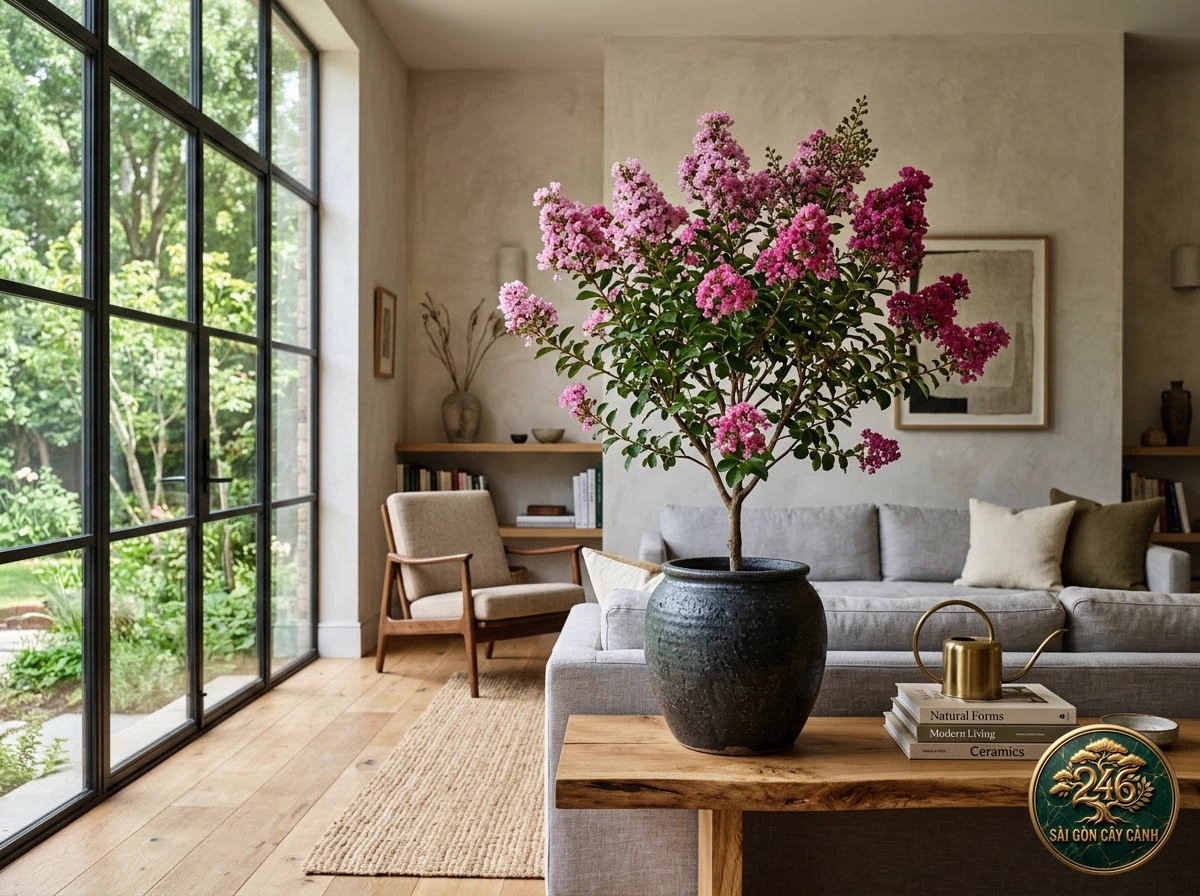
Crape myrtle embodies refined grace, tender enduring love, and steadfast patience flourishing resiliently through summer storms.
Its exuberant blossoms blooming for one hundred days fill the garden with uplifting vitality, nurturing marital harmony and household peace.
12. Saigon Cay Canh Provenance & Cultivation Assurance

Saigon Cay Canh offers curated Lagerstroemia indica bonsai specimens showcasing satiny sculpted trunks, exquisite ramification, and exuberant floral displays.
Established in custom ceramic pots and supported by our ongoing botanical care guidance.
💬 Góc Tư Vấn & Hướng Dẫn Kỹ Thuật SGCC
Chuẩn E-E-A-T Kinfolk❓ Chăm sóc Crape myrtle (Lagerstroemia cần lưu ý điều gì quan trọng nhất?
💡 Dạ điều quan trọng nhất là giữ môi trường sống ổn định, tránh sốc nhiệt hay dao động thông số đột ngột, đồng thời cung cấp khẩu phần ăn sạch và tươi mới ạ.
❓ Làm thế nào để phòng ngừa bệnh tật hiệu quả cho các bé?
💡 Dạ anh chị nên giữ vệ sinh chuồng/hồ nuôi sạch sẽ, thay nước hoặc dọn dẹp định kỳ và bổ sung vitamin, men tiêu hóa đều đặn để tăng sức đề kháng ạ.
🌿 Trang Thiết Bị, Đất Trồng & Dụng Cụ Bonsai Tuyển Chọn
Dụng cụ tỉa, giá thể hữu cơ & phân bón chuyên dụng cho cây cảnh.
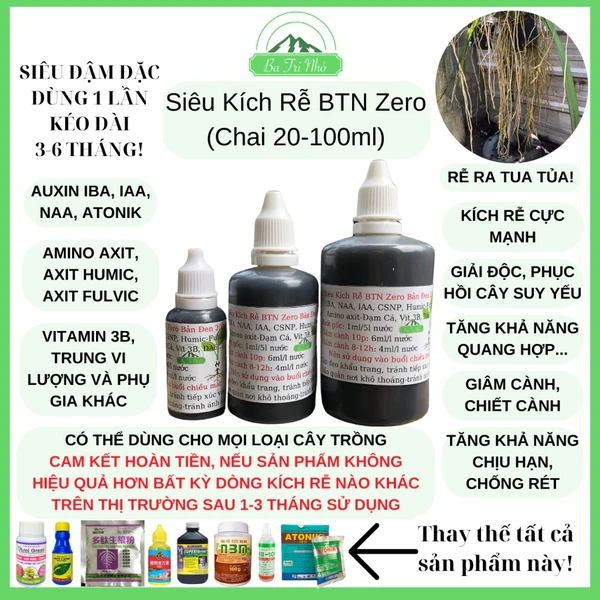
Thuốc Kích Thích Ra Rễ Cực Mạnh BTN Zero (Chai 20-100ml…
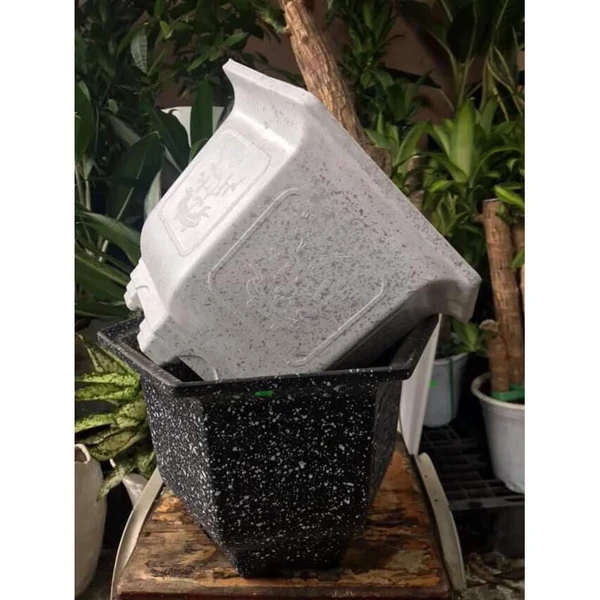
Chậu nhựa lục giác LG19 vân giả đá đen/Trắng/Đỏ viền ho…
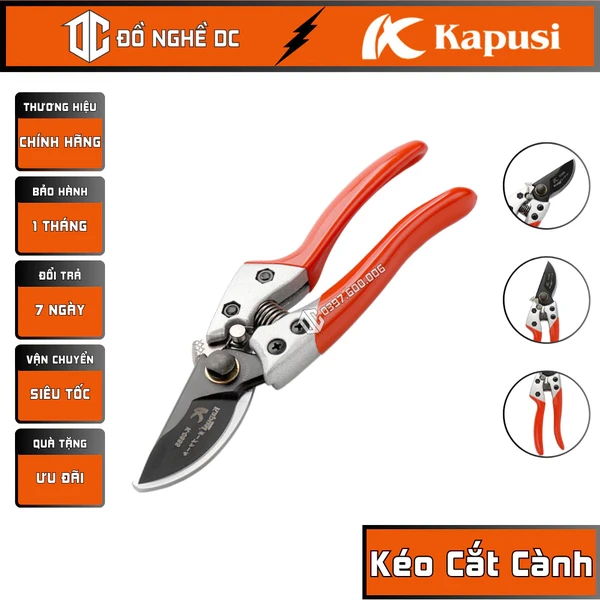
Kéo Cắt Cành Siêu Sắc, Kéo Tỉa Cành Cây, Dụng cụ Làm Vư…
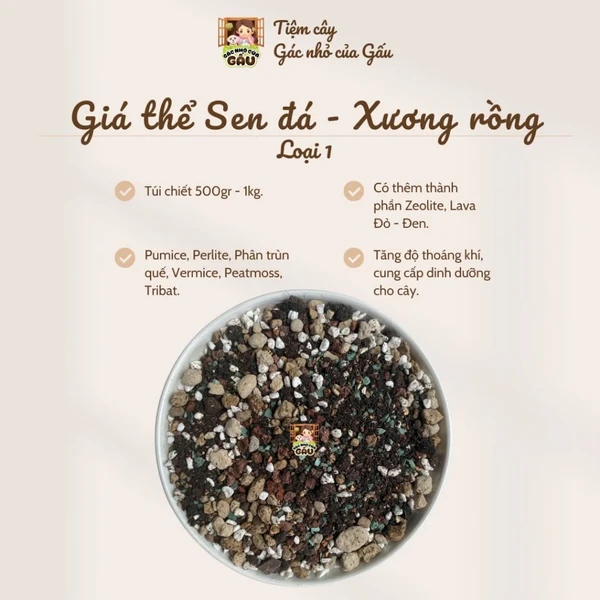
Giá thể sen đá loại 1 (Đất trồng sen đá, xương rồng trộ…

Grow more NPK 30-10-10+TE 100gram Phân bón lá Hoa Kỳ hã…
Cây lá dổi, cây dổi đất – Gia vị Tây Bắc – Làm sốt, quấ…

keo liền da,liền sẹo cho cây Mỹ Tiến (100g)

Cưa cầm tay sắc bén cao cấp nhỏ gọn mini cưa tay gấp gọ…
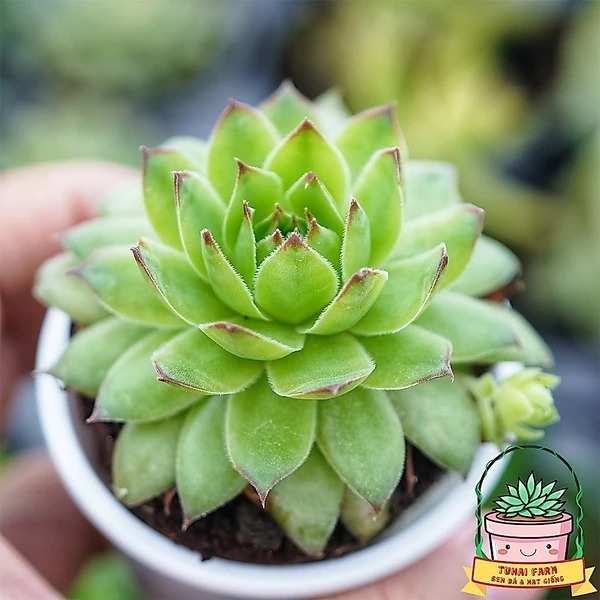
Sen đá Phật Bà – Bầu TO – Lỗi 1 Đổi 1

Khay Ươm Hạt Giống 105 Lỗ, ( 5 Khay ), Chịu Nhiệt, Bền,…
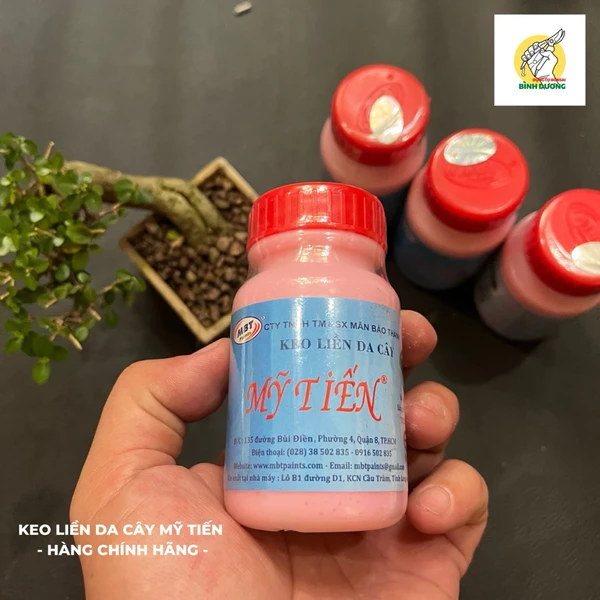
Keo liền da cây MỸ TIẾN – Keo liền sẹo da cây cảnh bons…
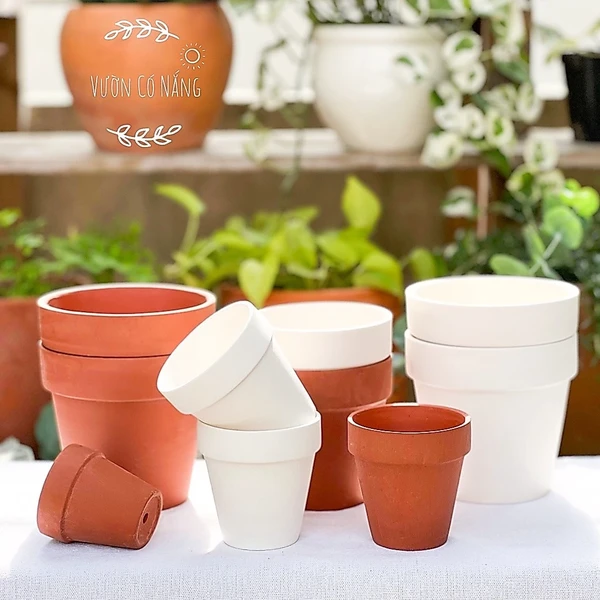
Chậu Đất Nung Ly Gờ, Chậu Đất Nung Trồng Sen Đá, Xương …

Chinese wisteria (Wisteria sinensis)
Chinese wisteria (Wisteria sinensis) Wisteria sinensis, celebrated worldwide as the Chinese wisteria, reigns as the supreme queen of...
Read Monograph →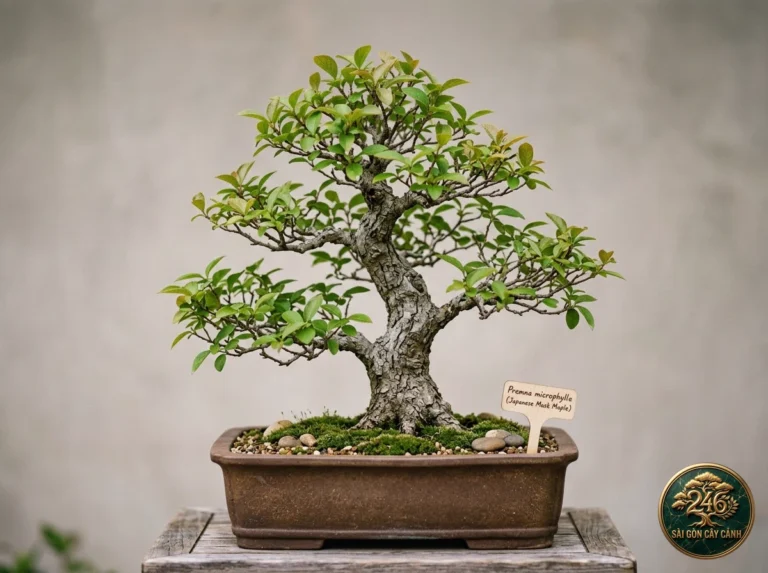
Japanese musk maple (Premna microphylla)
Japanese musk maple (Premna microphylla) Premna microphylla, commonly known as Japanese musk maple or small-leaf premna, represents a...
Read Monograph →
Hall crabapple (Malus halliana)
Hall crabapple (Malus halliana) Malus halliana, widely admired as Hall crabapple or weeping Chinese crabapple, is the epitome...
Read Monograph →
Japanese privet (Ligustrum japonicum)
Japanese privet (Ligustrum japonicum) Ligustrum japonicum, acclaimed as Japanese privet or waxleaf privet, is an imposing evergreen woody...
Read Monograph →Expert Q&A, Recommended Supplies & Article Feedback
Tap once to connect instantly via Google, Facebook or TikTok — no long forms required!
No questions yet for this article. Tap Google / Facebook / TikTok above to ask the first question!