
Living plant profile
Coastal premna (Premna serratifolia)
Premna serratifolia
📌 CLINICAL & BIOLOGICAL ABSTRACT — Coastal premna (Premna serratifolia)Coastal premna (Premna serratifolia) Premna serratifolia, widely known as coastal premna or sea-coast Premna, is a celebrated littoral woody shrub revered for its indomitable vigor against coastal salt spray, desiccating winds, and rocky terrains. In the pantheon of Asian bonsai masterworks, it reigns supreme as a […]

Coastal premna (Premna serratifolia)
Premna serratifolia, widely known as coastal premna or sea-coast Premna, is a celebrated littoral woody shrub revered for its indomitable vigor against coastal salt spray, desiccating winds, and rocky terrains. In the pantheon of Asian bonsai masterworks, it reigns supreme as a deadwood sculpting marvel, celebrated for its rot-resistant heartwood, dynamic twisting jin and shari veins, and prolific back-budding even from aged ancient trunks.
Sài Gòn Cây Cảnh Care Compass
1. Botanical Identity & Taxonomic Nomenclature History
Premna serratifolia was formally published by Carl Linnaeus in 1771 in the seminal botanical work Mantissa Plantarum Altera. Classified within genus Premna, family Lamiaceae, the taxon ranges naturally from Indian Ocean atolls across Indochina and the Philippine Archipelago to coastal northern Australia.
Throughout Vietnam and Taiwan, coastal premna has long symbolized unyielding fortitude upon maritime shores. Bonsai masters skillfully transform wave-battered wild littoral yamadori into dramatic living sculptures showcasing natural jin features and expressive trunk movements.
2. Morphological Anatomy & Structural Architecture
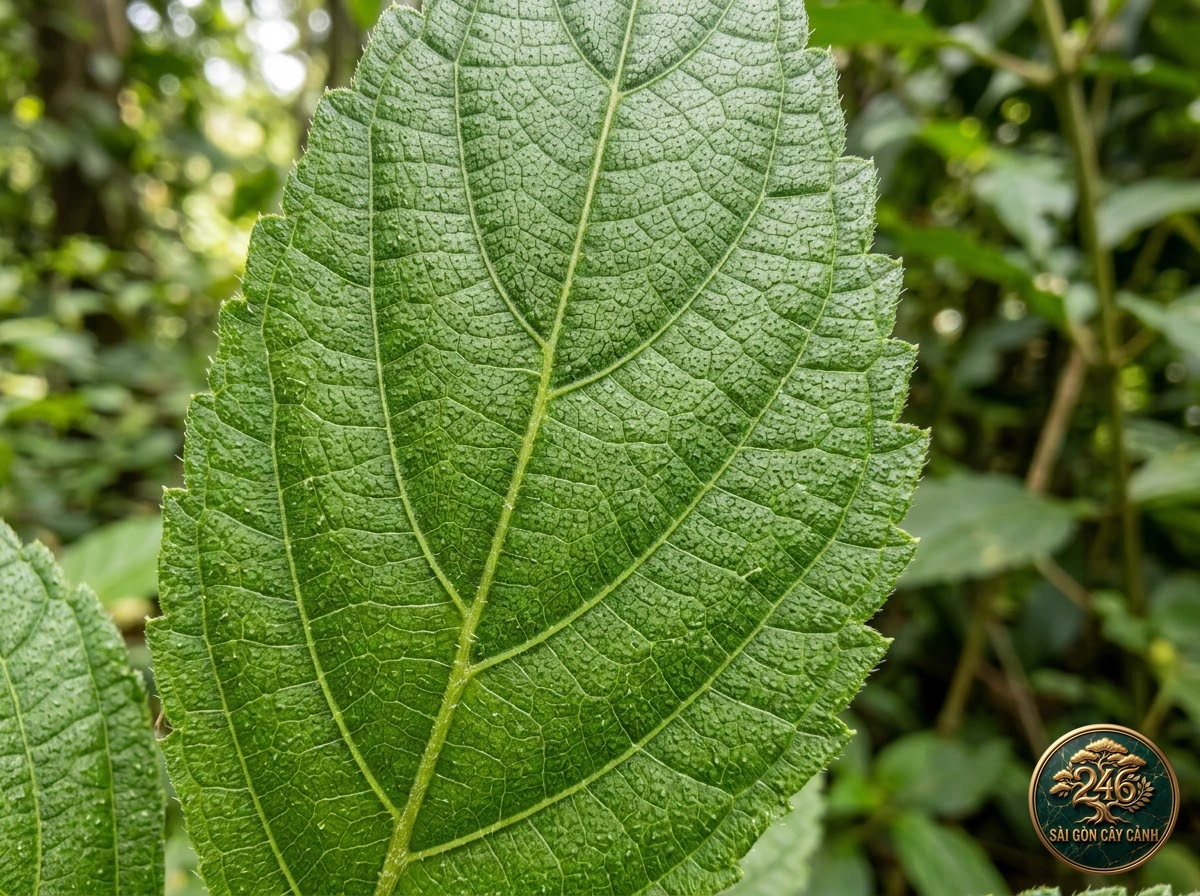
Anatomically, Premna serratifolia develops as a gnarled small tree or sprawling maritime shrub reaching 2 to 7 meters in littoral ecosystems. The trunk is renowned for its contorted, fluted trunk lines and thick, deeply fissured corky pale grey-brown bark. The dense heartwood possesses remarkable structural resilience, naturally impregnated with resins that deter rot and wood-boring insects.
The leaves are arranged oppositely, broad-ovate to elliptic, measuring 5 to 12 centimeters in wild specimens, featuring pronounced serrate margins along the apical half with obtuse to subcordate bases. Large terminal corymbose inflorescences hold hundreds of minute greenish-white blossoms, maturing into obovoid drupes that ripen to glossy black-purple enclosing resilient stony pyrenes.
3. Solar Irradiance Thresholds & Photosynthetic Dynamics
Premna serratifolia demands full unimpeded solar exposure, requiring substantial radiant energy to fuel its high metabolic and transpiration rates. Ideal vegetative development thrives within solar irradiance zones between 40,000 and 80,000 lux. Intense sunlight induces tight node formation, robust cuticle deposition, and rapid foliar dimension reduction.
The species demonstrates total resilience against tropical summer heat waves. Conversely, maintaining the specimen in interior shade triggers rapid etiolation, brittle watery shoots, and severe canopy defoliation.
4. Mineral Substrate Mechanics & Root Aeration Porosity
Naturally adapted to seaside limestone crevices and sandy coastal bluffs, Premna serratifolia possesses deep, resilient roots engineered for exceptional drainage. The optimal substrate mix consists of 40% hard Akadama, 30% volcanic Pumice, 20% crushed basalt lava grit, and 10% well-decomposed bark loam.
Substrate pH tolerates a broad range between 6.5 and 7.5, adapting fluidly to neutral and mildly calcareous soils. Drainage apertures must remain clear and gridded to avoid any bottom silt accumulation.
5. Hydraulic Equilibria & Irrigation Regimens
While displaying formidable drought tolerance on coastal cliffs, potted specimens equipped with dense foliage pads consume substantial moisture during peak growth. Water generously every morning until runoff escapes bottom ports, repeating with a light afternoon watering if surface granules dry out completely.
Notably, coastal premna exhibits superior tolerance to slightly alkaline or mildly brackish municipal tap water compared to sensitive temperate conifers, though aerated clean rainwater remains the gold standard.
6. Nutrient Biogeochemistry & Fertilization Protocols
Nutrient management for coastal premna prioritizes callus formation over cut wood and thickening structural primary branches. Position slow-release organic cakes around the pot perimeter every 45 days, complemented by bi-weekly drenches of kelp extract and humic acid diluted 1:500.
When preparing the tree for formal exhibition, withhold high-nitrogen inputs and switch to low-nitrogen, high-potassium mineral blends (such as 5-10-10) to harden foliar tissues into compact, glistening pads.
7. Clonal Propagation & Germplasm Conservation
Premna serratifolia ranks among the most easily propagated woody taxa globally. Substantial wrist-thick branch cuttings and even trimmed root segments from repotting strike vigorous roots when inserted into sharp damp sand. Softwood and semi-hardwood cuttings boast over 95% rooting success within 15 to 20 days.
Air-layering executed during late spring develops dense bundles of white roots inside propagation wraps within four weeks, providing collectors with rapid clonal replications of desirable gnarled branches.
8. Phytochemical Toxicity & Pet Safety Standards (ASPCA)
Phytochemical toxicity and pet safety evaluation: Premna serratifolia is verified as non-toxic to cats, dogs, and domestic livestock under ASPCA criteria. Leaves and roots have extensive historical usage in traditional Southeast Asian ethnobotany as gentle digestive herbal infusions.
During high-speed power carving of deadwood shari features, wearing protective dust masks prevents inhalation of fine wood particles. Following branch work, sterilize cutting blades with 70% medical alcohol and seal exposed cuts with cut paste to maintain impeccable nursery hygiene.
9. Clinical Pathology Diagnostics & Treatment Strategies
Pathology diagnostic protocol for deadwood shari decay prevention and adventitious back-budding induction in Premna serratifolia:
| Clinical Manifestation | Etiological Cause | Standard Treatment Protocol |
|---|---|---|
| Deadwood shari develops soft dark decay and musty odor | Persistent excessive dampness and absence of protective lime sulfur application | Scrape away rotted fibers with a brass wire brush, sun-dry, and treat with lime sulfur (Jin Liquid) preservative |
| Curled distorted new foliage with necrotic pinprick spots | Thrips or micro-sucking sap insects attacking nascent tender shoots | Apply organic neem oil drench or horticultural mineral oil spray during cool evening hours |
| Centripetal chlorosis and premature drop of inner canopy leaves | Protracted low light coupled with saturated substrate causing root rot | Relocate specimen to bright aerated morning sun, aerate top aggregate, and extend irrigation intervals |
10. Comparative Morphology & Allied Taxa Diagnosis
Taxonomic comparative matrix contrasting dense rot-resistant timber and contorted maritime trunk movement of Premna serratifolia:
| Diagnostic Parameter | Premna serratifolia (Coastal premna) | Comparative Specimen A | Comparative Specimen B |
|---|---|---|---|
| Heartwood Density | Extremely dense and rot-resistant, ideal for monumental jin/shari | Moderately hard wood, requiring frequent preservative treatment | Pliable fibrous wood, rarely utilized for large carved deadwood |
| Natural Foliar Scale | Naturally 6-12 cm, compressing down to 2 cm via ramification | Naturally compact 2-4 cm, effortlessly reduced to lentil scale | Naturally small 2-3 cm, rigid spathulate leathery blade |
| Ecological Provenance | Maritime cliffs and coastal coral shores, salt-spray resistant | Inland moist mountain woodlands and submontane ravines | Subtropical lowland thickets and valleys |
11. Biophilic Design Harmony & Contemporary Spatial Aesthetics
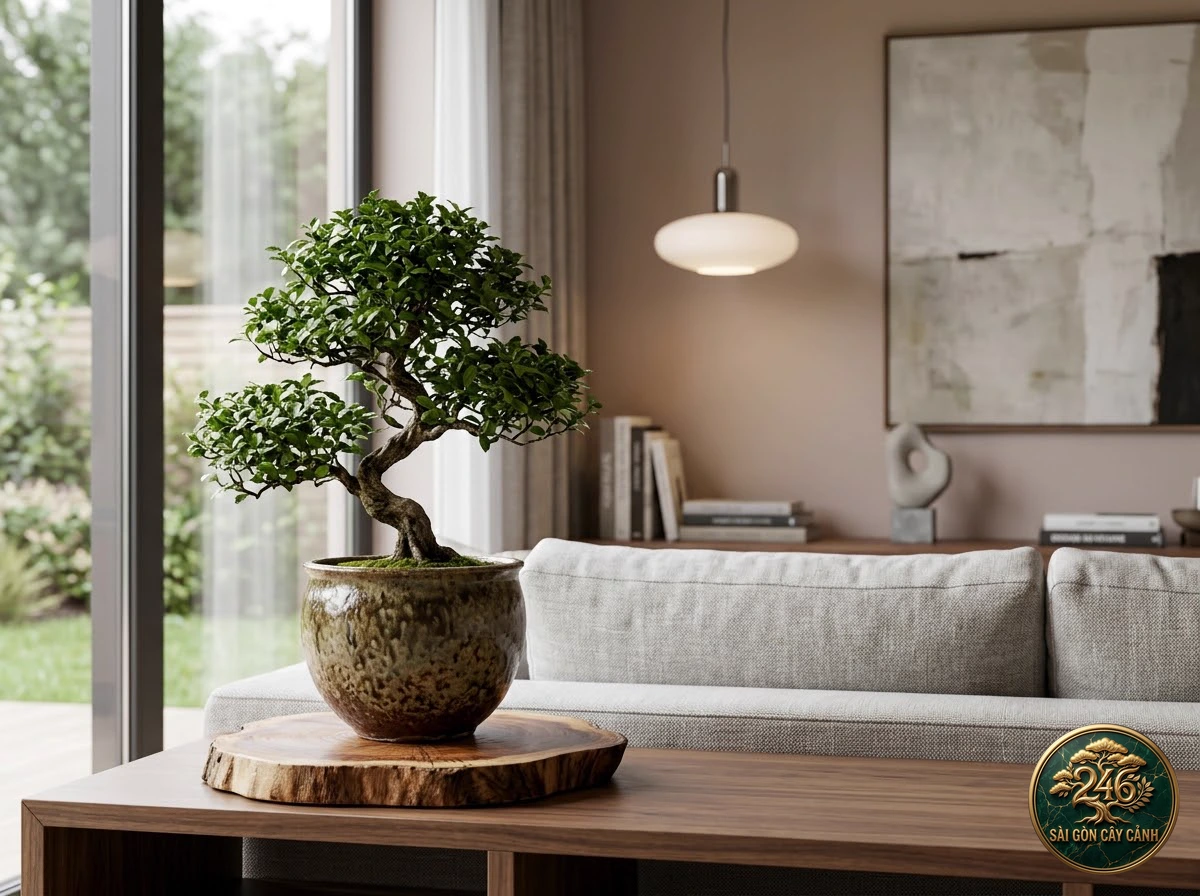
In architectural landscape philosophy, Premna serratifolia embodies unwavering resilience, longevity, and triumphant overcoming of turbulent life currents. The visual dialogue between ancient deadwood and vibrant foliage channels vigorous grounding energy, fostering clarity and resolve within executive spaces.
The specimen shines prominently in corporate atriums, zen dry gardens, and ocean-facing terraces, standing as a testament to mature character and enduring leadership.
12. Saigon Cay Canh Provenance & Cultivation Assurance

Saigon Cay Canh curates exceptional specimens of Premna serratifolia, handcrafted by experienced bonsai artisans featuring authentic natural deadwood movement and highly matured canopy pads.
We guarantee authenticated botanical provenance, robust pest-free plant health, and dedicated lifetime consultation on advanced deadwood preservation and seasonal refinement.
💬 Góc Tư Vấn & Hướng Dẫn Kỹ Thuật SGCC
Chuẩn E-E-A-T Kinfolk❓ Chăm sóc Coastal premna (Premna serra cần lưu ý điều gì quan trọng nhất?
💡 Dạ điều quan trọng nhất là giữ môi trường sống ổn định, tránh sốc nhiệt hay dao động thông số đột ngột, đồng thời cung cấp khẩu phần ăn sạch và tươi mới ạ.
❓ Làm thế nào để phòng ngừa bệnh tật hiệu quả cho các bé?
💡 Dạ anh chị nên giữ vệ sinh chuồng/hồ nuôi sạch sẽ, thay nước hoặc dọn dẹp định kỳ và bổ sung vitamin, men tiêu hóa đều đặn để tăng sức đề kháng ạ.
🌿 Trang Thiết Bị, Đất Trồng & Dụng Cụ Bonsai Tuyển Chọn
Dụng cụ tỉa, giá thể hữu cơ & phân bón chuyên dụng cho cây cảnh.

Hạt giống Hoa Cúc Họa Mi 864 (0,03g~450 hạt) nhụy vàng,…
remoingay90 Hạt giống hoa Hồng leo Pháp Nhiều màu- hạt …
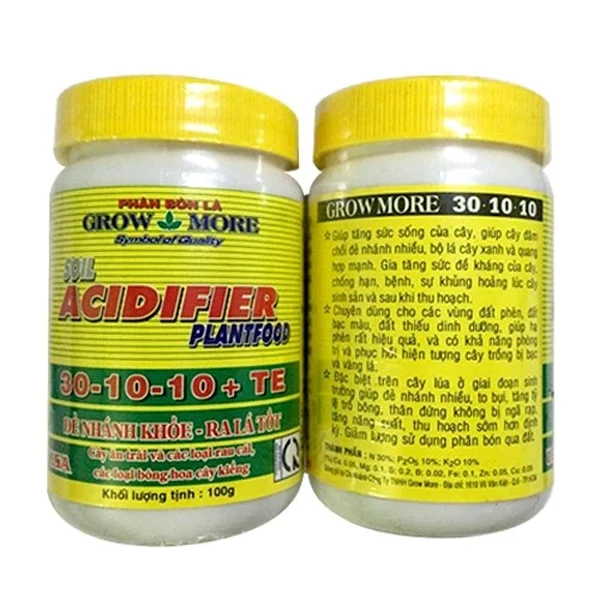
Phân bón lá NPK chuyên dùng Growmore 30-10-10 + TE 100g
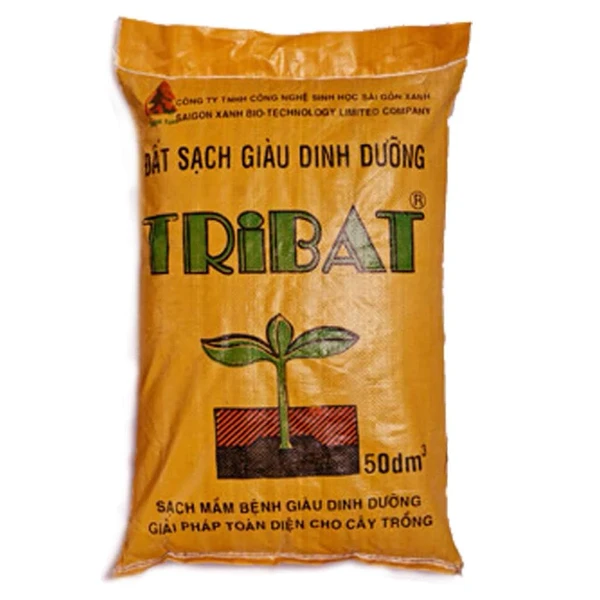
Đất Sạch Trồng Rau, Hoa, Cây Kiểng – Giá Thể Ươm Cây, T…
Đĩa nhựa vuông lót chậu, khay lót chậu vuông hoa cây cả…
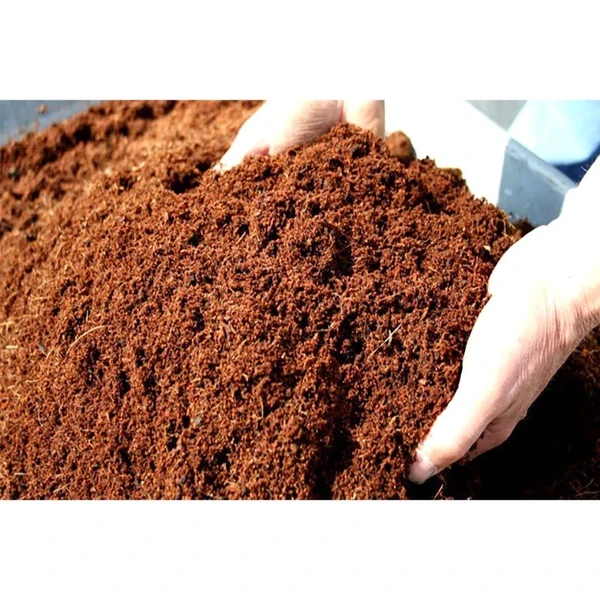
Mùn Dừa, Xơ Dừa Trồng Cây Đã Qua Xử Lý, giá thể trồng s…

Gói 30 hạt giống quả cà chua bi lùn vàng F1 ngọt
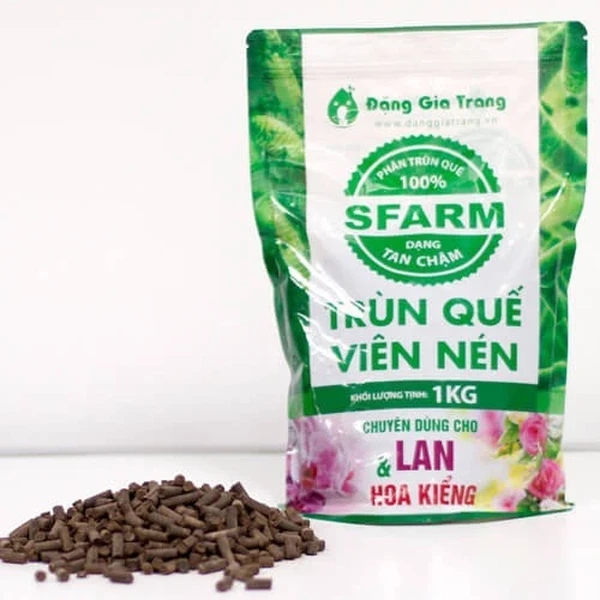
Phân Trùn Quế Viên Nén Sfarm 1KG – Phân trùn quế bón la…

Chậu Làng Đông chất liệu Đất nung trồng cây trang trí k…

Hạt giống Hoa Cúc Đà Lạt Nhiều Màu Rd 852 (0,1g~100 hạt…
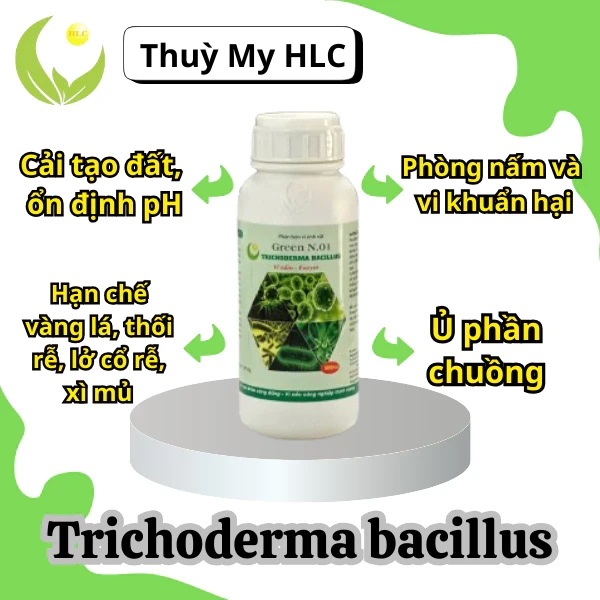
Chế phẩm sinh học TRICHODERMA BACILLUS. Vi sinh có lợi,…
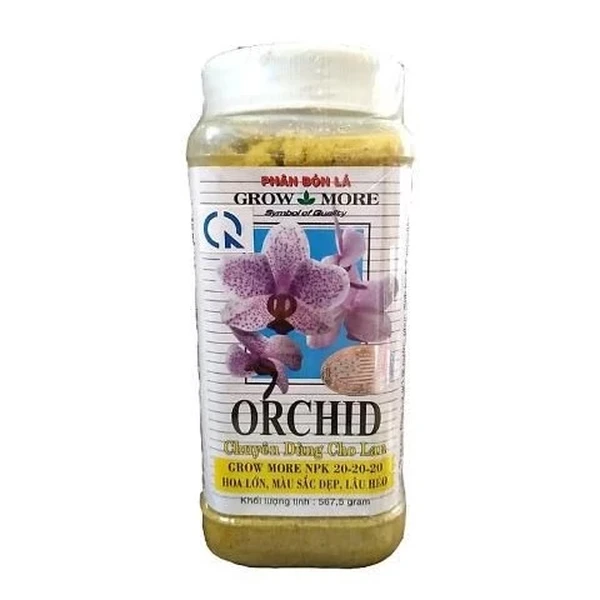
Phân Bón Lan NPK GrowMore Orchid 20-20-20 Ra Hoa Lớn Mà…

Olive tree (Olea europaea)
Olive tree (Olea europaea) Olea europaea, the immortal olive tree of antiquity, is a legendary Mediterranean woody subject...
Read Monograph →
Fukien tea tree (Carmona retusa)
Fukien tea tree (Carmona retusa) Carmona retusa, universally cherished as the Fukien tea tree or Philippine tea, stands...
Read Monograph →
Diamond persimmon (Diospyros rhombifolia)
Diamond persimmon (Diospyros rhombifolia) Diospyros rhombifolia, celebrated as diamond persimmon or princess persimmon, is a prized shohin bonsai...
Read Monograph →
Maidenhair tree (Ginkgo biloba)
Maidenhair tree (Ginkgo biloba) Ginkgo biloba, universally revered as the maidenhair tree or gingko, represents one of Earth’s...
Read Monograph →Expert Q&A, Recommended Supplies & Article Feedback
Tap once to connect instantly via Google, Facebook or TikTok — no long forms required!
No questions yet for this article. Tap Google / Facebook / TikTok above to ask the first question!