
Living plant profile
Cypress vine (Ipomoea quamoclit)
Ipomoea quamoclit
📌 CLINICAL & BIOLOGICAL ABSTRACT — Cypress vine (Ipomoea quamoclit)Cypress vine (Ipomoea quamoclit) Ipomoea quamoclit, universally admired as cypress vine, cardinal climber, hummingbird vine, or star glory, is an enchanting and airy annual herbaceous climbing vine within the morning glory family (Convolvulaceae). Native to the Neotropics of Central and South America, it is renowned worldwide […]
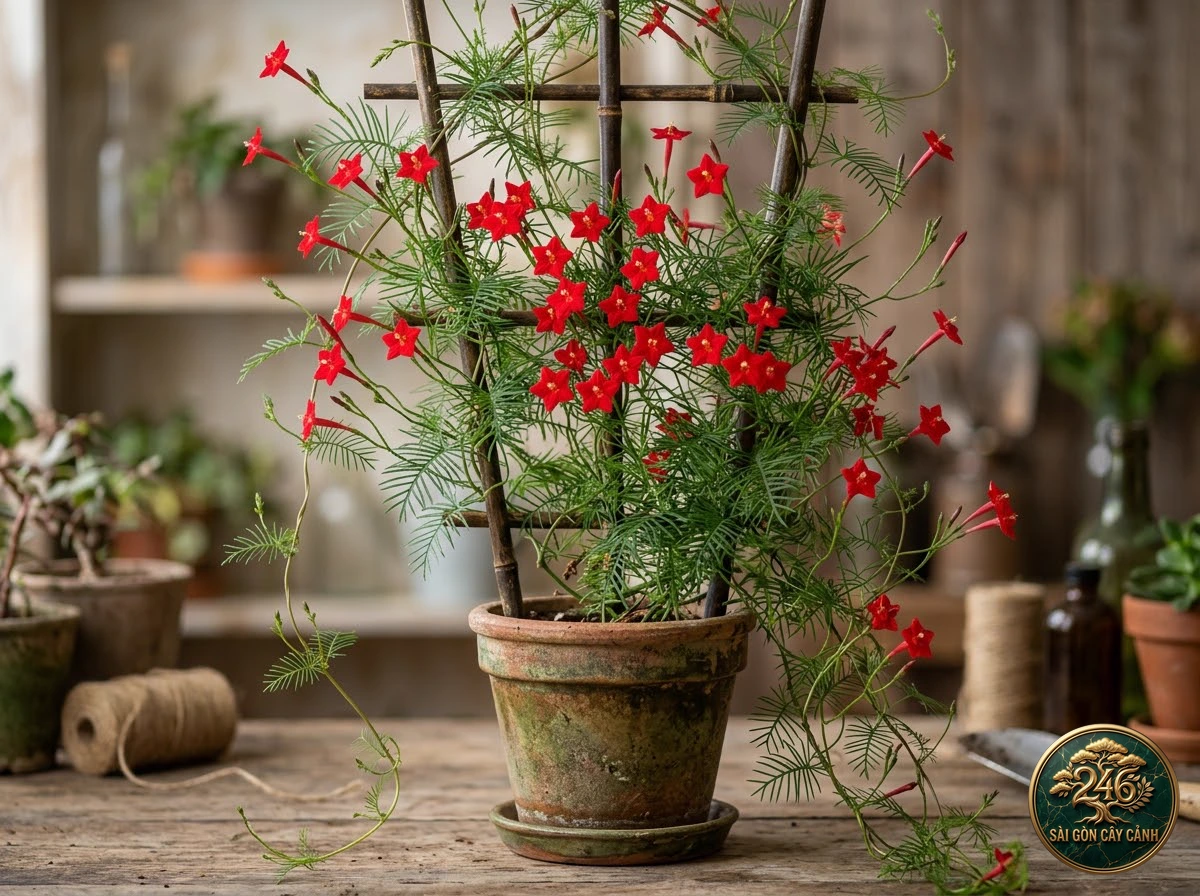
Cypress vine (Ipomoea quamoclit)
Ipomoea quamoclit, universally admired as cypress vine, cardinal climber, hummingbird vine, or star glory, is an enchanting and airy annual herbaceous climbing vine within the morning glory family (Convolvulaceae). Native to the Neotropics of Central and South America, it is renowned worldwide for its ultra-fine, pectinate-pinnatifid foliage resembling delicate green feather down or emerald gossamer threads, intricately woven into climbing lattices. Elevated upon slender pedicels, copious solitary tubular blossoms flare into vivid five-pointed stars 2 to 3.5 cm across, blazing in intense crimson-scarlet or pure crystalline white that efficiently attract hummingbird pollinators. Within Saigon Cay Canh landscape architecture, cypress vine symbolizes ethereal grace and youthful affection, serving as a premier climbing ornament for sunny balcony screens and delicate villa trellises.
Sài Gòn Cây Cảnh Care Compass
1. Botanical Identity & Taxonomic Nomenclature History
Ipomoea quamoclit was formally established by Swedish taxonomist Carl Linnaeus in 1753 within his seminal botanical work Species Plantarum. The generic name Ipomoea derives from Greek ips (‘bindweed or woodworm’) and homoios (‘resembling’), characterizing its twining habit. The specific epithet quamoclit originates from pre-Columbian indigenous vernacular names used across the Caribbean basin to describe this delicate star-flowered climber.
Native to Neotropical lowlands, cypress vine was revered by indigenous peoples as an earthly reflection of daylight stars. Introduced into European and Asian botanical collections during the 17th century, it naturalized smoothly across tropical and subtropical zones. In Vietnamese cottage garden heritage, cypress vine has long been cherished as an endearing domestic climber, draped lovingly over bamboo lattices, courtyard trellises, and sunny townhouse railings.
2. Morphological Architecture & Anatomical Characteristics

Morphologically, Ipomoea quamoclit develops as a slender, twining annual herbaceous vine climbing 2 to 5 meters in vertical height with thread-like, highly flexible shoots. Stems are cylindrical, glabrous, pale purplish-green, winding counter-clockwise around trellises. Its crowning morphological distinction lies in its unique foliar architecture: leaves are alternately arranged, 4 to 9 cm long by 3 to 6 cm wide, deeply pectinate-pinnatisect to the midrib into 9 to 19 pairs of linear, filiform segments measuring 1 to 3 cm long and merely 0.5 to 1.0 mm wide, generating an airy, feather-weight foliage curtain.
Inflorescences arise axillary as solitary blossoms or 2- to 3-flowered cymes elevated on slender peduncles 3 to 6 cm long. The floral architecture displays remarkable geometric precision: the calyx bears 5 ovate phyllaries; the corolla consists of an elongated, narrow cylindrical basal tube 2.5 to 3.5 cm long, abruptly flaring into a flat, five-pointed stellate limb 2 to 3 cm in diameter. Blossoms are saturated in incandescent ruby-scarlet, though white and pink morphs occur; 5 unequal stamens and the style exert conspicuously beyond the throat. The fruit is an ovoid, 4-valved dehiscent capsule 6 to 8 mm long enclosing 3 to 4 dark brown, oblong seeds.
3. Photobiology & Photosynthetic Energy Thresholds
Ipomoea quamoclit is an obligate heliophyte performing best under unfiltered direct sunlight with luminous intensities between 40,000 and 80,000 lux. A daily exposure of at least 6 to 8 hours of intense direct solar radiation is mandatory to maintain tight internodal spacing, fortify climbing vigor, and stimulate profuse synchronous blooming of stellate blossoms along the entire vertical trellis.
Under shaded microclimates below 25,000 lux, climbing shoots become excessively spindly, leaf density thins, and floral bud evocation drops drastically. The species exhibits phenomenal resistance to tropical heat exceeding 38 degrees C, supported by thread-like foliar divisions that significantly curtail transpirational water loss.
4. Mineral Substrate Mechanics & Root Aeration Dynamics
The root architecture of cypress vine comprises a delicate central taproot paired with an extensive network of fine lateral feeder rootlets, requiring rich, fertile sandy loam engineered for rapid gravity drainage without pooling. Stagnant anaerobic waterlogging persisting beyond 24 hours suffocates feeder roots, precipitating sudden shoot collapse and fatal wilt.
The benchmark potting substrate crafted by Saigon Cay Canh contains 40% rich alluvial loam, 25% carbonized rice hulls for root zone aeration, 20% washed coco coir, 10% Trichoderma-fortified aged vermicompost, and 5% horticultural perlite. Soil pH is maintained within 6.0 to 7.2. Containers must feature reliable, unobstructed drainage apertures.
5. Irrigation Dynamics & Soil Hydraulic Equilibrium
During active vegetative scaling and continuous floral bud development, Ipomoea quamoclit requires consistent daily moisture to sustain its tender gossamer foliage. Once established with deep roots, it displays moderate drought hardiness. The baseline watering protocol mandates soaking the root zone thoroughly at dawn whenever the upper 2 cm of soil dries out. In dry tropical heat, irrigate once or twice daily; during the monsoon season, suspend watering until surface soils drain.
Deliver water directly to the soil perimeter; avoid forceful overhead spraying onto delicate floral stars. Following severe downpours, verify that drainage trenches around garden beds remain completely unobstructed.
6. Mineral Nutrition Protocols & Periodic Fertilization Schedules
To sustain dense feathery vertical foliage and fuel thousands of glowing scarlet stars continuously for months, cypress vine requires disciplined mineral nutrition. Top-dress with aged vermicompost or slow-release organic pellets (NPK 6-8-12) monthly at a rate of 0.5 kg worked into the perimeter root zone.
Following trellis establishment and during active floral bud initiation, drench roots with a water-soluble balanced formula (NPK 15-20-25 or NPK 16-16-16) at 1.0 gram per liter every 10 to 12 days. Complement with foliar sprays rich in chelated calcium, boron, and organic potassium every 20 days to fortify pedicel rigidity, holding vibrant blooms aloft against wind and weather.
7. Acclimatized Propagation & Germplasm Preservation
Ipomoea quamoclit propagates effortlessly from seed, boasting natural germination viability above 95%. Sowing proves optimal year-round in warm tropical conditions, ideally timed with early monsoon rains. Due to its moderately hardened seed coat, soak seeds in 45 degrees C lukewarm water for 3 to 4 hours prior to planting to awaken the embryo.
Sow directly into propagation flats filled with fine coco peat, covering 0.5 cm deep and misting lightly. Synchronous seedling emergence occurs within 3 to 5 days; once young plants reach 12 to 15 cm with several delicate pectinate leaf pairs, provide slender stakes to guide twining shoots onto the main trellis.
8. Biosafety Assessment & Companion Animal Toxicological Profiles (ASPCA)
Botanical safety profile and ASPCA pet safety standards: Classified within the Convolvulaceae family, Ipomoea quamoclit is categorized as requiring CAUTION REGARDING MATURE SEEDS under veterinary toxicological literature. Its feathery vegetative vines and tender foliage pose zero hazard upon casual contact. However, mature dried seeds contain minor concentrations of indole alkaloids which may cause gastrointestinal discomfort if ingested in significant volume by companion animals.
Accidental browsing on feathery foliage by domestic pets causes zero systemic toxicological harm. Pet owners should exercise basic garden mindfulness: harvest mature seed capsules promptly to prevent pets from chewing fallen seeds, sanitize cutting shears with 70% medical alcohol, and maintain routine biophilic hygiene to keep climbing displays flourishing safely.
9. Clinical Pathology Diagnostic Matrix & Therapeutic Interventions
Pathology inspection protocol for leaf roller mitigation and moisture management in Ipomoea quamoclit:
| Clinical Symptomology | Etiological Factor | Prescribed Therapeutic Protocol |
|---|---|---|
| Climbing shoots stretch into weak spindly vines, internodes elongate excessively, and scarlet stars fail to appear | Severe solar deficiency caused by positioning on shaded balconies receiving less than 25,000 lux | Prune elongated shoots with shears sanitized with 70% alcohol, move container to receive 6 to 8 hours of direct sunlight daily |
| Terminal flushes and emerging floral buds become colonized by clusters of black aphids distorting growth | Aphid outbreak feeding on succulent sap during mild humid weather intervals | Wash off aphids using a gentle water spray, then apply biological neem oil or insecticidal soap twice 5 days apart |
| Potting soil is waterlogged, lower leaves turn yellow and drop prematurely, and shoots wilt | Root asphyxiation and rot induced by poor drainage or clogged container drainage ports | Suspend watering immediately, clear container drainage holes, aerate surface soil, and drench with Trichoderma |
10. Comparative Morphology & Sympatric Differentiation
Taxonomic comparative matrix contrasting ultra-fine filiform foliar divisions and ruby star corollas in Ipomoea quamoclit:
| Diagnostic Trait | Ipomoea quamoclit (Cypress vine) | Comparative Taxon A | Comparative Taxon B |
|---|---|---|---|
| Foliage Architecture and Canopy Texture | Pectinate-pinnatisect into ultra-fine filiform segments 0.5 to 1.0 mm wide resembling an airy green lace | Small oval leaves covered in silver-grey hairs forming a compact mounding perennial groundcover cushion | Pinnate compound foliage with 2 to 3 ovate leaflets borne on robust woody climbing lianas |
| Corolla Morphology and Chromatic Display | Slender cylindrical tube 2.5 to 3.5 cm long flaring into a 5-pointed star in vivid ruby-scarlet or pure white | Funnelform corolla 2 to 3 cm across in brilliant sky-blue with a contrasting ivory-white throat | Tubular corollas 5 to 7 cm long clustered in dramatic pendulous cascades of blazing fiery orange |
| Companion Animal Safety and ASPCA Profile | CAUTION REGARDING SEEDS (vines are safe, mature seeds contain minor indole alkaloids to keep away from pets) | NON-TOXIC (certified completely benign and safe for companion animals under ASPCA non-toxic benchmarks) | NON-TOXIC (certified completely benign and safe for companion animals under ASPCA non-toxic benchmarks) |
11. Symbolic Heritage, Biophilic Design & Architectural Placement
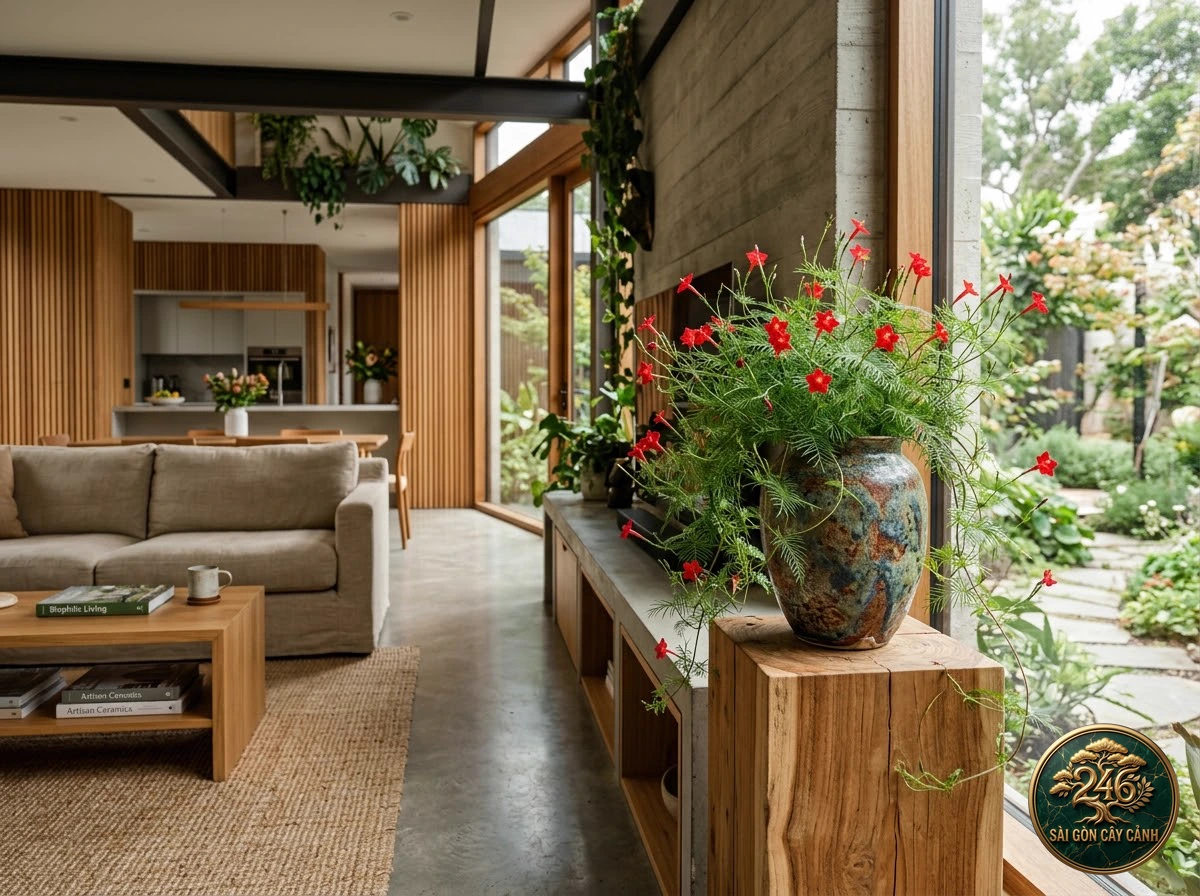
Within botanical symbolism and biophilic architectural aesthetics, cypress vine stands as an exalted emblem of innocent affection, gentle enduring fidelity, and joyful celestial hope. Its brilliant scarlet star blossoms gleaming against a soft feathery green tapestry introduce cheerful vital energy, clearing domestic fatigue and invigorating residential quarters with radiant joy.
Boasting an airy climbing habit that exerts minimal physical weight on structural armatures, Ipomoea quamoclit serves as an ideal landscape selection: screening sunny urban townhouse balconies, framing romantic entryway arches, greening decorative wire lattices, or spilling softly from high hanging baskets in breezy garden verandas.
12. SGCC Acclimatization Benchmarks & Quality Guarantee
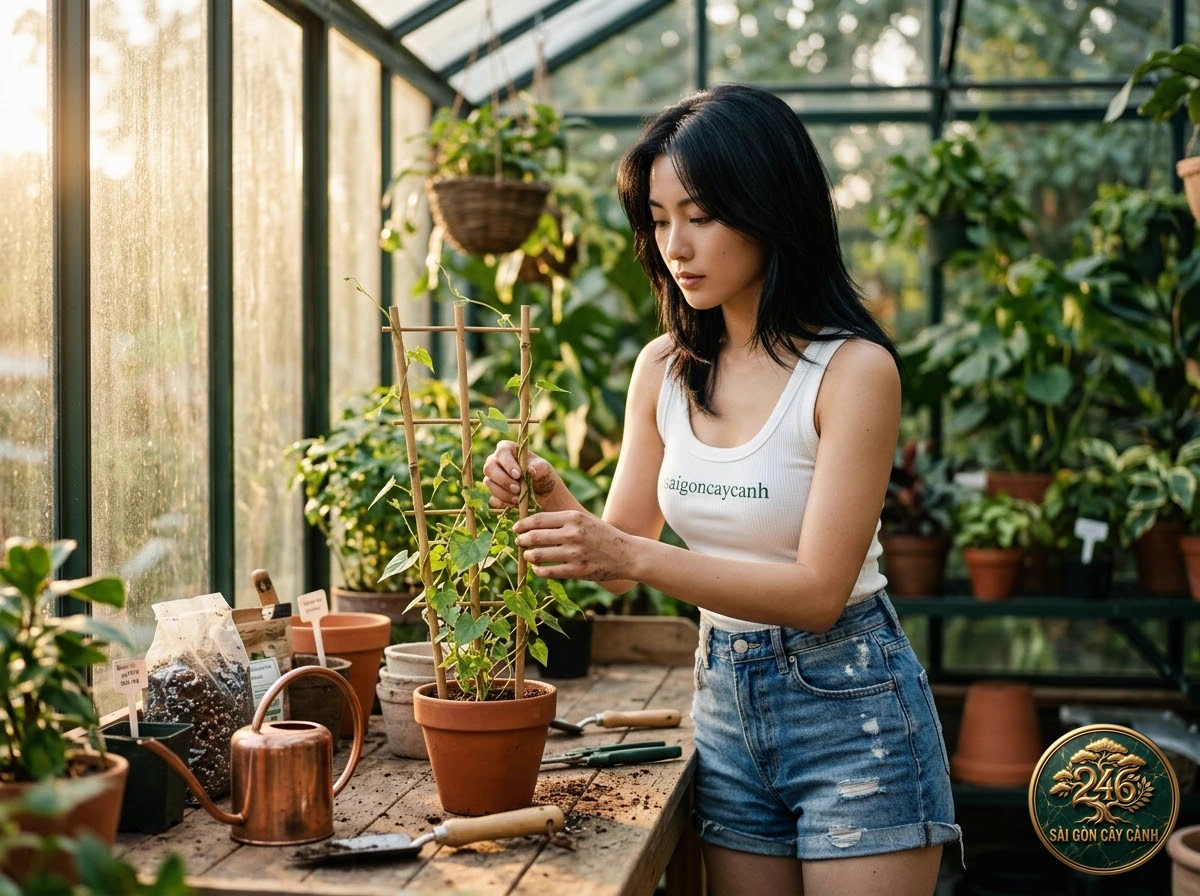
Saigon Cay Canh certifies 100% authentic botanical specimens of Ipomoea quamoclit, boasting vigorous root plugs, elastic twining vines, and abundant star-shaped crimson floral buds engineered to brighten urban townhouse balconies.
💬 Góc Tư Vấn & Hướng Dẫn Kỹ Thuật SGCC
Chuẩn E-E-A-T Kinfolk❓ Chăm sóc Cypress vine (Ipomoea quamoc cần lưu ý điều gì quan trọng nhất?
💡 Dạ điều quan trọng nhất là giữ môi trường sống ổn định, tránh sốc nhiệt hay dao động thông số đột ngột, đồng thời cung cấp khẩu phần ăn sạch và tươi mới ạ.
❓ Làm thế nào để phòng ngừa bệnh tật hiệu quả cho các bé?
💡 Dạ anh chị nên giữ vệ sinh chuồng/hồ nuôi sạch sẽ, thay nước hoặc dọn dẹp định kỳ và bổ sung vitamin, men tiêu hóa đều đặn để tăng sức đề kháng ạ.
🌿 Trang Thiết Bị, Đất Trồng & Dụng Cụ Bonsai Tuyển Chọn
Dụng cụ tỉa, giá thể hữu cơ & phân bón chuyên dụng cho cây cảnh.
5 Kg than củi, than hoa nướng thịt, than củi gỗ,than củ…
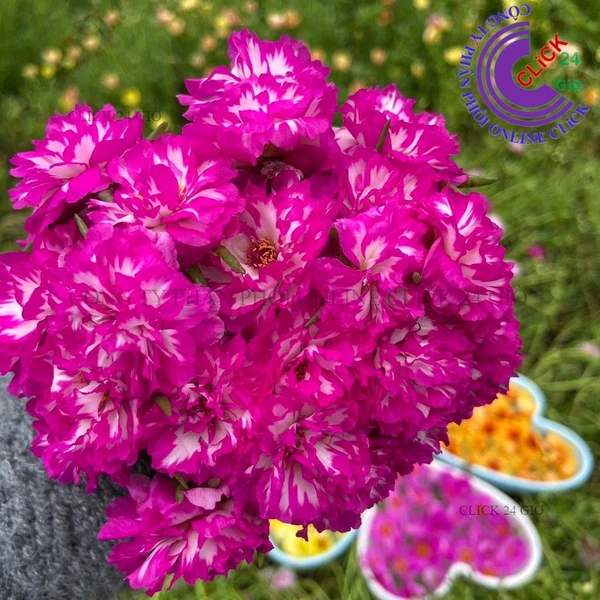
Hoa Mười Giờ Thái Kép TÍM TRẮNG SỌC Cành Giống Màu Mới …

Kéo cắt cành cây cộng lực Kéo cắt tỉa cành cây cảnh bon…

Đất sạch Tribat trồng cây giàu dinh dưỡng (Bao 50dm³) đ…
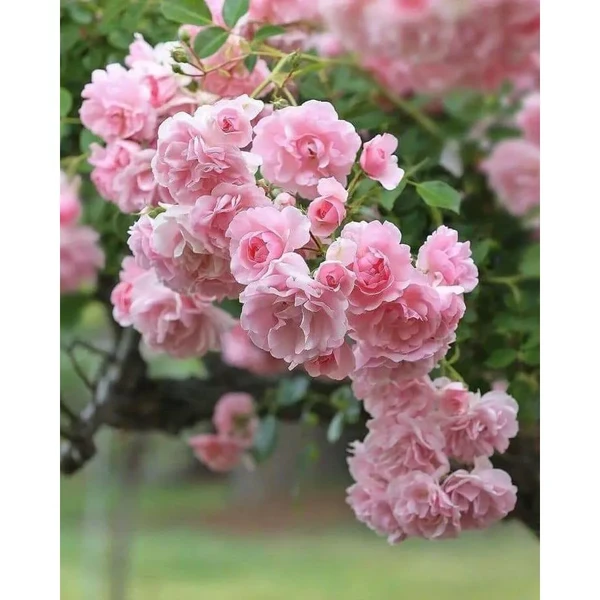
COMBO 10 Gốc Hoa Hồng Pháp Leo + Bụi – Bông To, Hoa Thơ…

Đất trồng cây viên nén xơ dừa 500g đã qua xử lý dùng để…

Combo 2 chậu đất nung trồng cây – chậu đất nung tô 15×8…
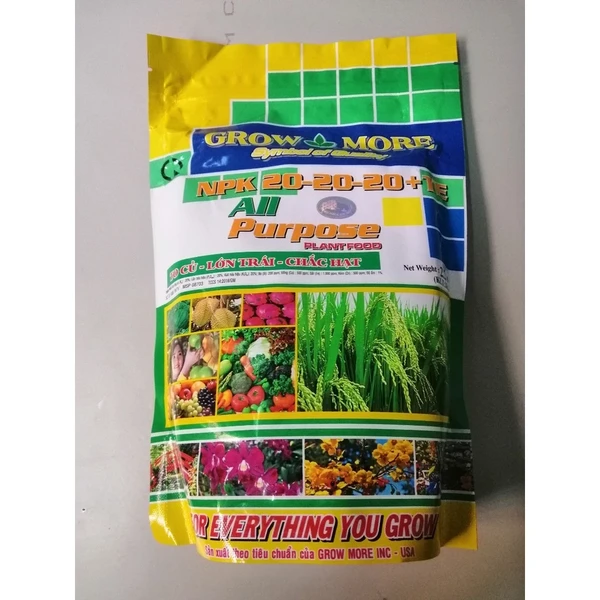
Phân Bón Lá Cao Cấp NPK Growmore 20-20-20+TE Tốt Cho Mọ…
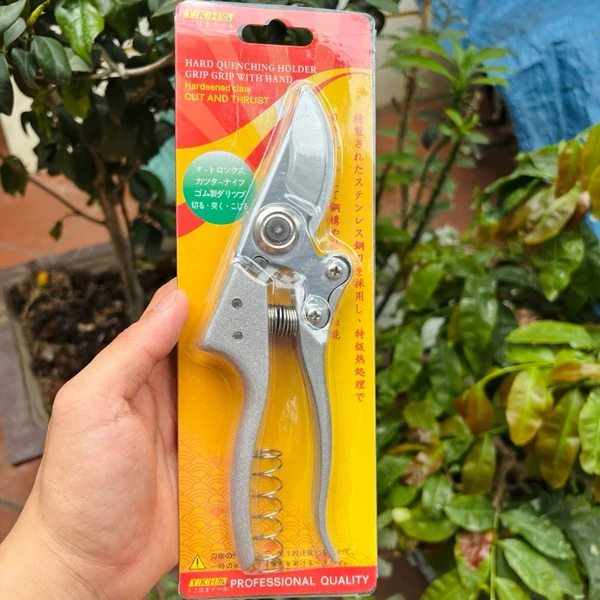
Kéo cắt cành cộng lực YOKOHAMA SK5 xuất xứ JAPAN Kéo cắ…

Growmore NPK 30-10-10 500gram Phân bón lá kích thích ra…
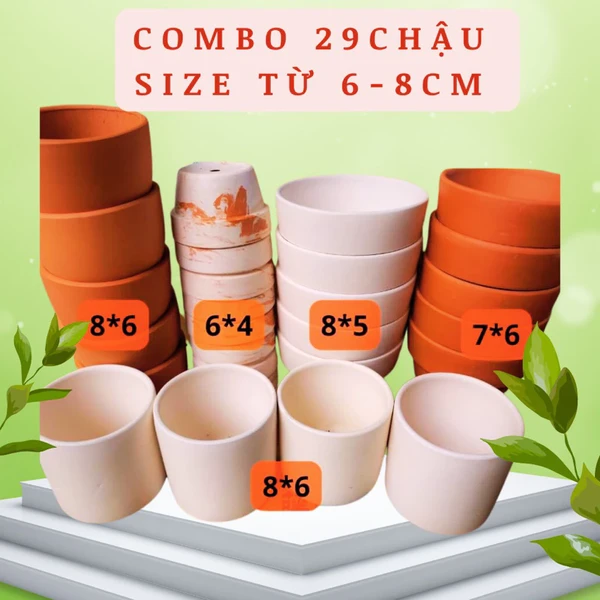
Chậu đất nung trồng sen đá – Ly gờ KT từ 6-8cm -Trồng s…
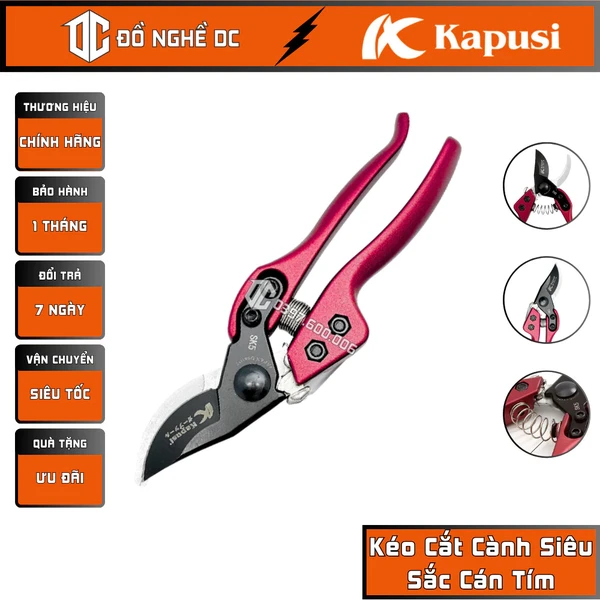
Kéo Cắt Cành Siêu Sắc, Kéo Tỉa Cành Cây, Dụng cụ Làm Vư…
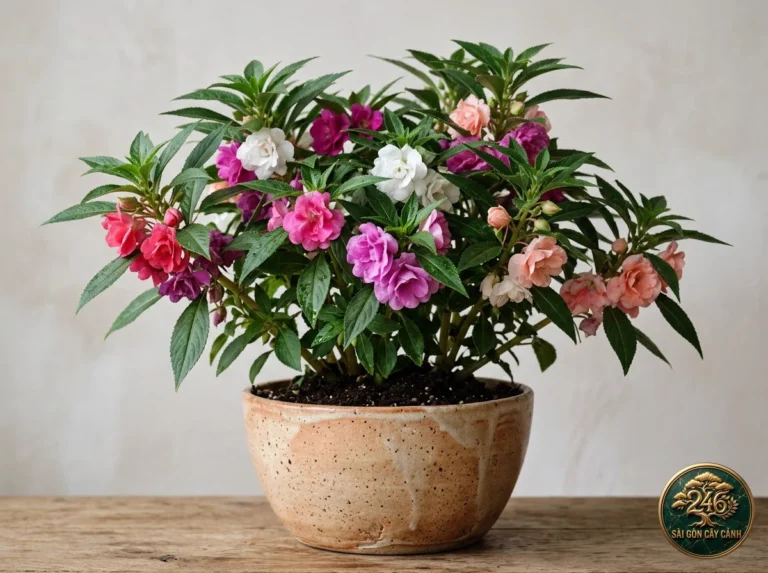
Garden balsam (Impatiens balsamina)
Garden balsam (Impatiens balsamina) Impatiens balsamina, universally treasured as garden balsam, rose balsam, or touch-me-not, is a nostalgic,...
Read Monograph →
Firecracker plant
Russelia equisetiformis, celebrated universally across tropical horticulture as the firecracker plant, coral plant, or fountain plant, is an...
Read Monograph →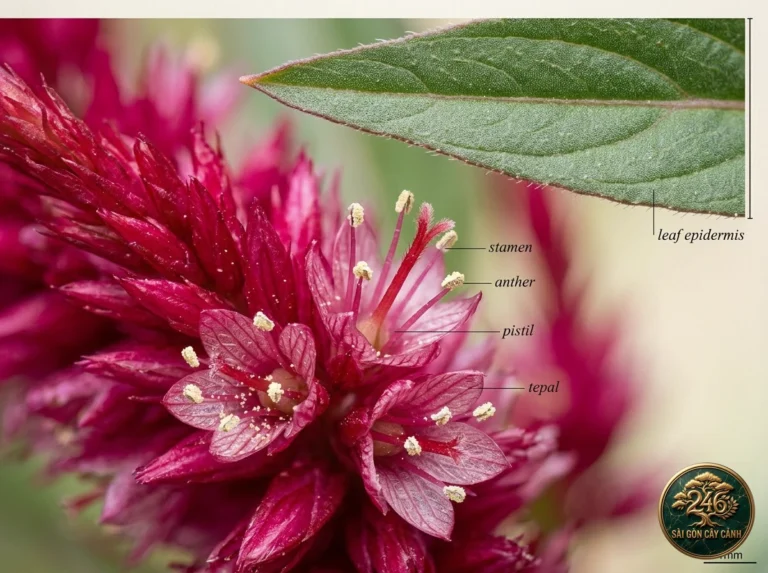
Plumed cockscomb (Celosia argentea)
Plumed cockscomb (Celosia argentea) Celosia argentea, encompassing both feathery plume cockscomb (var. plumosa) and undulating crested cockscomb (var....
Read Monograph →
Globe amaranth (Gomphrena globosa)
Globe amaranth (Gomphrena globosa) Gomphrena globosa, universally celebrated as globe amaranth, bachelor’s button, or immortelle, is a charming...
Read Monograph →Expert Q&A, Recommended Supplies & Article Feedback
Tap once to connect instantly via Google, Facebook or TikTok — no long forms required!
No questions yet for this article. Tap Google / Facebook / TikTok above to ask the first question!