
Living plant profile
Firecracker plant
Russelia equisetiformis
📌 CLINICAL & BIOLOGICAL ABSTRACT — Firecracker plantRusselia equisetiformis, celebrated universally across tropical horticulture as the firecracker plant, coral plant, or fountain plant, is an extraordinary, highly floriferous evergreen weeping subshrub in the plantain family (Plantaginaceae). Indigenous to arid rocky hillsides and open slopes across Mexico and Guatemala, this botanical marvel is distinguished by its […]
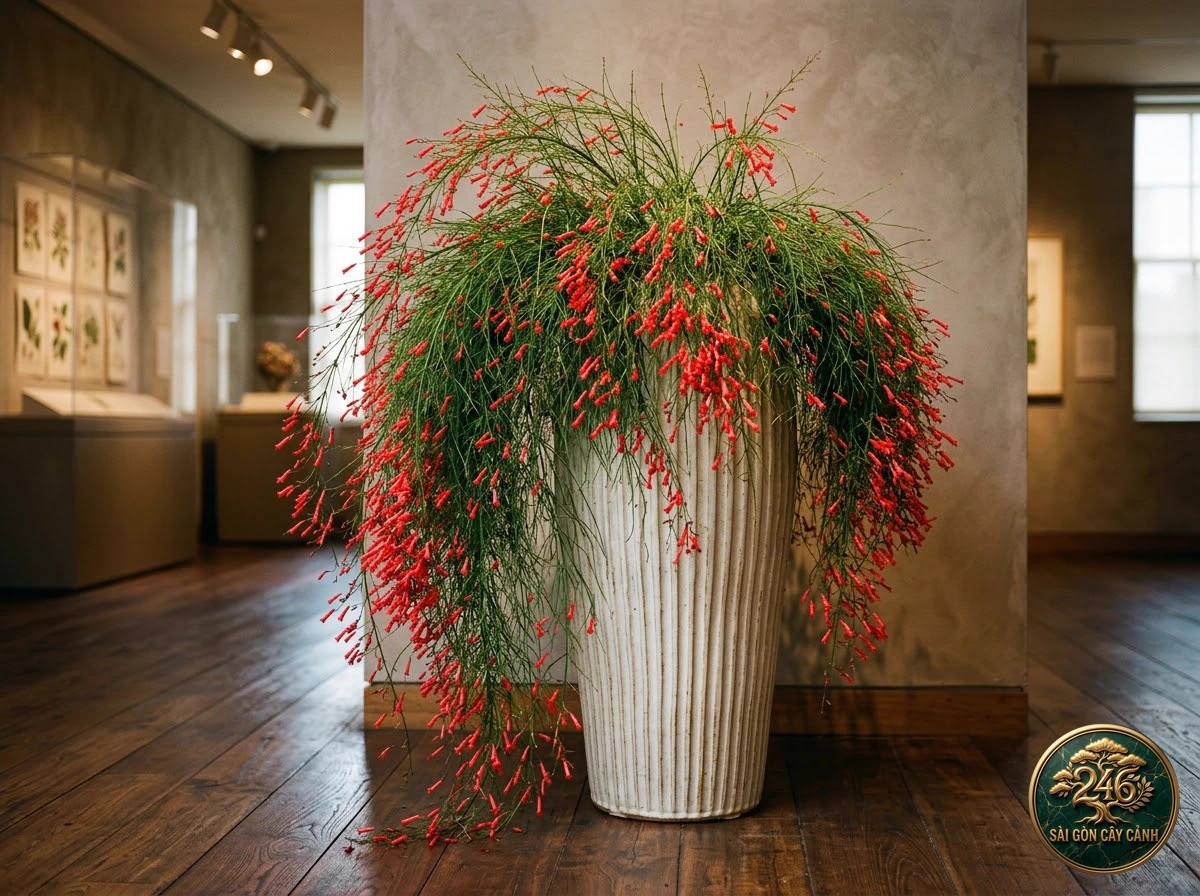
Russelia equisetiformis, celebrated universally across tropical horticulture as the firecracker plant, coral plant, or fountain plant, is an extraordinary, highly floriferous evergreen weeping subshrub in the plantain family (Plantaginaceae). Indigenous to arid rocky hillsides and open slopes across Mexico and Guatemala, this botanical marvel is distinguished by its dynamic, fountain-like architectural habit: its slender, rush-like photosynthetic green stems take over carbon assimilation from scalelike reduced leaves, erupting into weeping sprays clothed in thousands of brilliant tubular scarlet-coral blossoms evoking celebratory fireworks. Demonstrating remarkable heat, wind, and drought hardiness while certified 100% non-toxic to companion animals by the ASPCA, Russelia equisetiformis is Saigon Cay Canh’s premier choice for cascading balcony parapets, retaining wall draperies, and high-pedestal courtyard containers.
1. Botanical Origin and Nomenclature History
Systematically classified by German botanists Diederich Franz Leonhard von Schlechtendal and Adelbert von Chamisso in 1831 within the botanical journal Linnaea, the generic name Russelia commemorates Dr. Alexander Russell (1715–1768), an eminent Scottish physician, naturalist, and author of The Natural History of Aleppo. The specific epithet equisetiformis combines the generic name Equisetum (horsetail) with the Latin suffix -formis (having the form of), explicitly celebrating its wiry, multi-angled photosynthetic stems that mimic ancient scouring rushes.
Famed for its unyielding durability and ceaseless floral explosions, firecracker plant established itself across pantropical gardens worldwide. In Vietnam, it thrives effortlessly across southern urban and coastal landscapes, reigning as a staple cascading ornamental for luxury villa balustrades, stone embankments, and seaside resort displays.
2. Morphological and Anatomical Characteristics
Morphologically, Russelia equisetiformis is an evergreen multi-stemmed subshrub forming a dense, fountain-like architectural clump 60 to 120 cm tall with arching, pendulous branchlets extending 1 to 2 meters. Stems are wiry, longitudinally 4- to 6-angled, ridged, bright green, and heavily charged with photosynthetic chlorenchyma tissues, enabling the stems to perform primary carbon fixation. Leaves exhibit extreme evolutionary reduction: basal juvenile shoots bear diminutive ovate to elliptic leaves 5 to 15 mm long, whereas flowering branchlets bear whorls of minute scalelike triangular bracts 1 to 2 mm long, effectively eliminating water loss under blazing sunlight.
Inflorescences consist of loose 1- to 3-flowered axillary cymes borne along weeping branchlets on slender pedicels 1 to 2 cm long. The calyx features 5 deeply divided ovate lobes 2 to 3 mm long. The showy corolla is a slender, cylindrical scarlet-coral tube 2 to 2.5 cm long, terminating in a weakly bilabiate limb with 5 tiny rounded spreading lobes. Four didynamous stamens and a slender style slightly project beyond the corolla mouth. The fruit is a subglobose capsule 4 to 6 mm in diameter enclosing numerous minute brown seeds.
3. Photobiological and Microclimatic Requirements
Photobiologically, Russelia equisetiformis is an obligate full-sun heliophyte engineered to thrive under relentless high-intensity solar irradiance. Maximum floral density and sturdy branch caliper require 6 to 8 hours of unfiltered direct solar radiation daily, corresponding to light flux levels between 50,000 and 85,000 lux. Intense solar irradiance activates photosynthetic efficiency within the ribbed stems, fueling uninterrupted flower bud differentiation year-round.
The species demonstrates extraordinary resilience against searing tropical heat waves exceeding 38 degrees C and reflected thermal radiation from masonry and concrete surfaces. When cultivated in shaded microenvironments, branches elongate weakly, thin out, and sharply diminish bloom output. Russelia equisetiformis thrives within temperatures ranging from 22 to 36 degrees C, exhibiting superior tolerance to maritime winds and coastal salt spray.
4. Edaphic and Substrate Specifications
The deep, vigorously branching fibrous root architecture of Russelia equisetiformis anchors tenaciously within rocky fissures and sandy substrates. Soil media must prioritize rapid gravitational percolation; while accommodating poor sandy soils and limestone terrain, it is acutely intolerant of waterlogged anaerobic conditions. Stagnant moisture persisting beyond 36 hours promotes rapid root hypoxia and Phytophthora root rot, inducing foliage dieback and collapse.
The planting medium formulated by Saigon Cay Canh incorporates 45% sterilized alluvial loam, 25% carbonized rice hull ash for macroporosity, 15% coarse river sand or perlite, and 15% mature organic vermicompost. Substrate pH should remain stabilized between 6.5 and 7.5. Raised masonry beds and large balcony containers must incorporate generous drainage perforations lined with coarse gravel to ensure free water passage.
5. Precision Irrigation Regimes
Irrigation for Russelia equisetiformis should follow a deep soaking approach paired with rapid surface drainage. Once established in landscape beds, the species exhibits superb drought hardiness; however, maintaining dense cascades of incandescent scarlet flowers necessitates consistent hydration once daily in early morning hours (06:30 to 07:30), sustaining 55% to 65% soil moisture.
Watering protocol: deliver water directly to the soil perimeter; because wiry photosynthetic stems and calyces are exceptionally resilient, they withstand mechanical water contact. Throughout heavy monsoonal rain spells, suspend supplemental watering entirely and verify that drainage ports discharge water freely.
6. Mineral Nutrition and Fertilization Schedules
Because plants produce extensive weeping vegetative biomass and support uninterrupted flushes of hundreds of scarlet blossoms year-round, disciplined balanced fertilization is essential. Every 2 to 3 months, top-dress with a thin layer of aged vermicompost to nourish emerging lateral shoots.
Every 10 to 12 days, apply a dilute liquid drench of balanced NPK 15-15-15 or NPK 12-12-17 (1.5 grams per liter of water) around the root perimeter. As floral buds initiate along weeping branchlets, apply foliar sprays rich in chelated calcium, boron, and potassium humate to reinforce stem rigidity, intensify scarlet pigmentation, and extend on-plant blossom freshness for several weeks.
7. Propagation Techniques and Architectural Pruning
Propagation of Russelia equisetiformis is universally executed via vegetative stem cuttings or clump division with exceptional success rates. Select vigorous semi-firm shoot segments 12 to 18 cm long, and insert the bottom 3 to 4 cm into moist sand, perlite, or coco coir. Maintained under bright indirect light with moderate moisture, robust roots emerge within 10 to 14 days, yielding container-ready stock in 3 to 4 weeks.
Annual rejuvenation pruning is the primary horticultural practice: cut back older congested stems by approximately one-third at the close of the rainy season to eliminate woody interior thatch and stimulate an eruption of fresh, highly floriferous pendulous shoots from the crown.
8. ASPCA Veterinary Toxicological Assessment
Botanical safety profile and ASPCA pet safety standards: Classified within the family Plantaginaceae, Russelia equisetiformis is verified by the American Society for the Prevention of Cruelty to Animals (ASPCA) and global veterinary toxicology registries as 100% NON-TOXIC TO DOGS, CATS, AND HORSES.
All vegetative and floral organs, including wiry green photosynthetic stems, scalelike leaves, and scarlet tubular blossoms, are completely free of hazardous alkaloids, toxic resins, or poisonous glycosides. The cellular sap is benign upon contact or ingestion. Companion animals browsing casually on foliage or chewing spent blossoms encounter zero toxicological danger. Consequently, the firecracker plant represents one of the safest and most dramatic perennial color selections for luxury estates and pet-friendly hospitality landscapes.
9. Clinical Plant Pathology Diagnostics
Diagnostic screening for nodal mealybug suppression and annual crown rejuvenation pruning in Russelia equisetiformis:
| Clinical Symptoms | Pathological Diagnosis | Prescriptive Protocol |
|---|---|---|
| Nodal joints and tender wiry stems develop white cottony mealybug clusters, accompanied by sticky honeydew exudates | Citrus mealybugs (Pseudococcus spp.) establishing colonies within stem axils to siphon phloem sap | Scrub localized colonies with soft isopropyl alcohol brushes, and apply systemic spirotetramat (Movento) or mineral oil |
| Lower stems near the soil surface turn soft, water-soaked, and brownish-black, causing sudden clump collapse | Collar and root rot (Phytophthora or Pythium spp.) induced by stagnant saturation in poorly drained soil | Thin out dense drooping wire stems at base, avoid soggy saucers, and drench with bio-fungicide Bacillus subtilis or Aliette |
| Terminal cascading branchlets develop fine stippled chlorosis and microscopic webbing, leading to blossom drop | Two-spotted spider mites (Tetranychus urticae) proliferating during warm, arid intervals and rasping epidermal cells | Rinse cascades thoroughly with morning water sprays, and rotate applications of horticultural oil with fenpyroximate (Ortus) |
10. Comparative Taxonomic and Morphological Matrix
Morphological comparative matrix distinguishing photosynthetic rush-like stems, scalelike bracts, and cascading scarlet tubes of Russelia equisetiformis:
| Taxonomic Criteria | Firecracker plant (Russelia equisetiformis) | Comparative Species Group A | Comparative Species Group B |
|---|---|---|---|
| Stem anatomy and degree of foliar reduction | Slender leafless rush-like wiry green stems with tiny scalelike bracts; cascades of brilliant scarlet tubular flowers | Soft creeping herbaceous stems rooting freely at nodes and extending 80 to 150 cm into dense carpets | Stout woody upright evergreen shrub 1.5 to 3 m tall with large glossy elliptic leaves; pink pinwheel flowers |
| Blossom form, dimensions, and coloration | Elongated tubular 2.5 cm fiery scarlet calyx-corolla tubes clustered densely along weeping pendulous sprays | Broad flaring trumpet corolla with 5 lobes in creamy-white marked by deep purple-violet throat nectar guides | Flat-faced 5-lobed salverform corolla 4 to 5 cm wide in blush pink accented by an intense crimson center eye |
| Landscape application and architectural utility | Specialized weeping waterfall subject for high balcony parapets, stone retaining walls, and tall pedestal urns | Classic ground-covering carpet understory plant for shaded woodland beds and modest hanging baskets | Aristocratic specimen shrub for formal villa entrances, perimeter boundary hedges, and luxury foyer urns |
11. Biophilic Landscape Application and Feng Shui Symbolism
In Eastern biophilic philosophy and Feng Shui metaphysics, Russelia equisetiformis embodies dynamic Fire and fluid Water energies, symbolizing celebratory joy, surging financial abundance, and the continuous clearing of energetic obstacles. Its weeping cascades of brilliant scarlet tubes evoke a festive waterfall of auspicious luck, clearing energetic stagnation and illuminating living environments with joyous optimism.
Within contemporary Saigon Cay Canh landscape architecture, firecracker plant reigns as an elite cascading focal specimen: tumbling over stone retaining walls in luxury villa grounds, lining high sun-drenched balcony parapets, commanding tall pedestal urns beside swimming pools, or framing naturalistic tropical rock waterfalls with splendid poise.
12. Procurement and Nursery Specifications at Saigon Cay Canh
Saigon Cay Canh is an authoritative master grower and purveyor of authenticated Russelia equisetiformis cultivars across southern Vietnam, distributing premium scarlet and yellow flowering series in heavy nursery containers and pedestal planters for luxury hospitality and private villa developments.nnWe provide guaranteed cultivar authenticity, high bloom vigor with extensive root balls, disease-free stock, competitive nursery pricing, and dedicated turn-key tropical landscape design and installation advisory nationwide.
Sài Gòn Cây Cảnh Care Compass
Nursery Care Journal & Living Greenery Moments
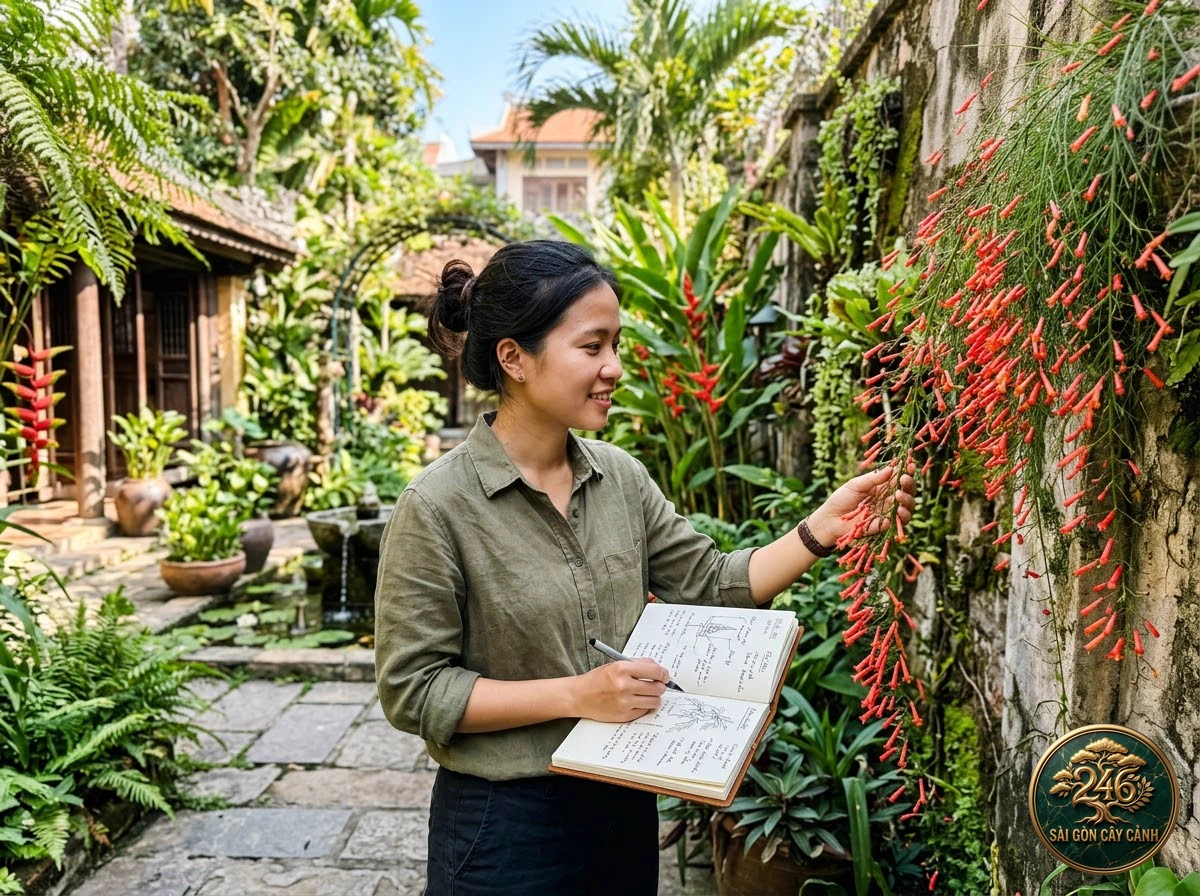
At Saigon Cay Canh greenhouse, each photograph captures genuine everyday care moments between plant lovers and living greenery, spreading a passion for nature and green-living inspiration.
💬 Góc Tư Vấn & Hướng Dẫn Kỹ Thuật SGCC
Chuẩn E-E-A-T Kinfolk❓ Chăm sóc Firecracker plant cần lưu ý điều gì quan trọng nhất?
💡 Dạ điều quan trọng nhất là giữ môi trường sống ổn định, tránh sốc nhiệt hay dao động thông số đột ngột, đồng thời cung cấp khẩu phần ăn sạch và tươi mới ạ.
❓ Làm thế nào để phòng ngừa bệnh tật hiệu quả cho các bé?
💡 Dạ anh chị nên giữ vệ sinh chuồng/hồ nuôi sạch sẽ, thay nước hoặc dọn dẹp định kỳ và bổ sung vitamin, men tiêu hóa đều đặn để tăng sức đề kháng ạ.
🌿 Trang Thiết Bị, Đất Trồng & Dụng Cụ Bonsai Tuyển Chọn
Dụng cụ tỉa, giá thể hữu cơ & phân bón chuyên dụng cho cây cảnh.
Cây Trầu Bà Lá Xẻ Form Lá Nhỏ (Mini Mons Form Thái), Câ…

Cây trầu bà đế vương lá vàng – 25-35cm, cây kiểng lá ph…

Cây Trầu Bà Lá Xẻ Nam Mỹ Monstera Deli, Sazat Plant, Câ…
Cây Trầu Bà Lá Xẻ Đột Biến Monstera Var Albo – Sazat Pl…

Cây Trầu Bà Đế Vương Đỏ, Sazat Plant, cao 20cm, Cây Kiể…
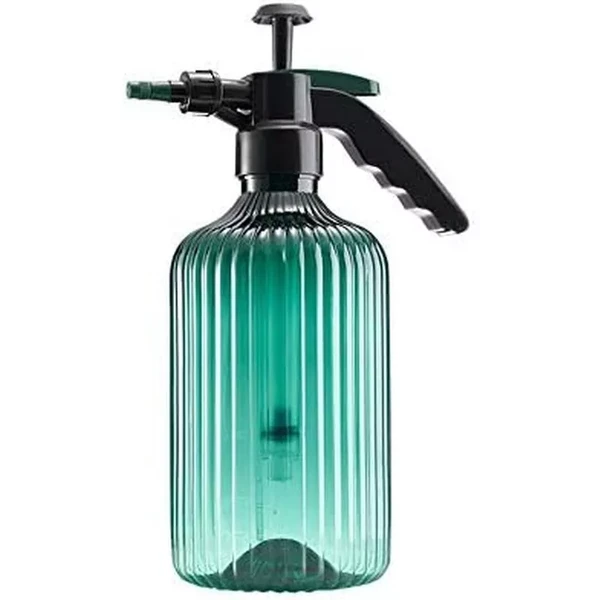
Bình tưới vườn, Plant Mister, Máy phun bơm, Máy phun áp…
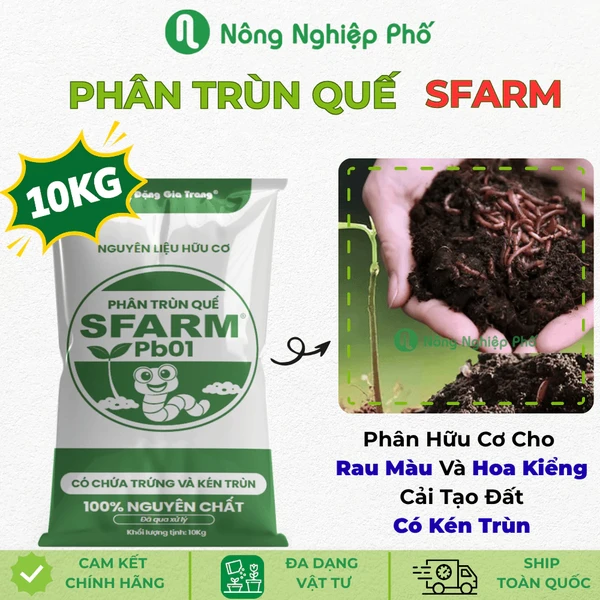
10kg Phân Trùn Quế SFARM Nguyên Chất Phân Bón Hữu Cơ Đã…

Sen đá size mini SEN ĐÁ PHƯƠNG ANH (sen vỉ) 3-5cm nhiều…
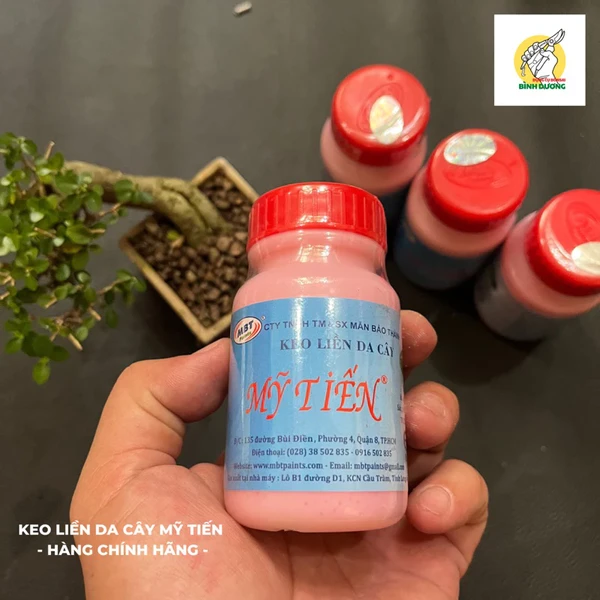
Keo liền da cây MỸ TIẾN – Keo liền sẹo da cây cảnh bons…
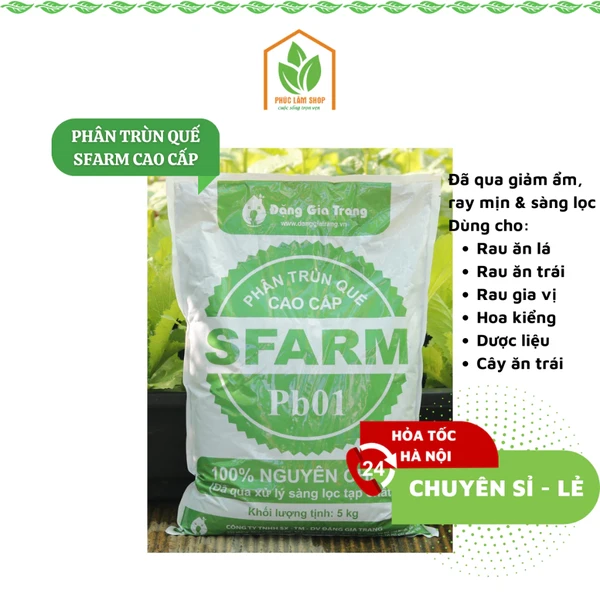
Phân trùn quế cao cấp SFARM, 5kg phân trùn quế hữu cơ s…

Cây Kim Tiền Thái ( Kim Phát Tài) Cây Phong Thủy Để Bàn…
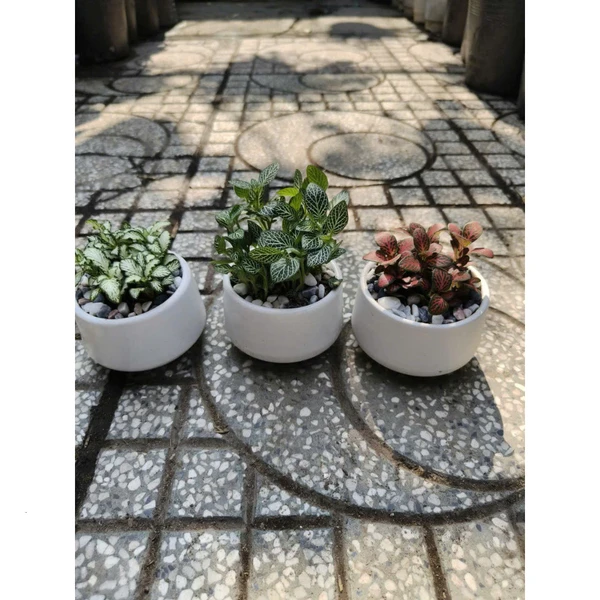
Cây Cẩm Nhung Lá May Mắn ( Fittonia) Để Bàn, Nhiều Màu …

Busy Lizzie (Impatiens walleriana)
Busy Lizzie (Impatiens walleriana) Impatiens walleriana, internationally celebrated as busy Lizzie, sultana, or patient Lucy, is a luxuriant...
Read Monograph →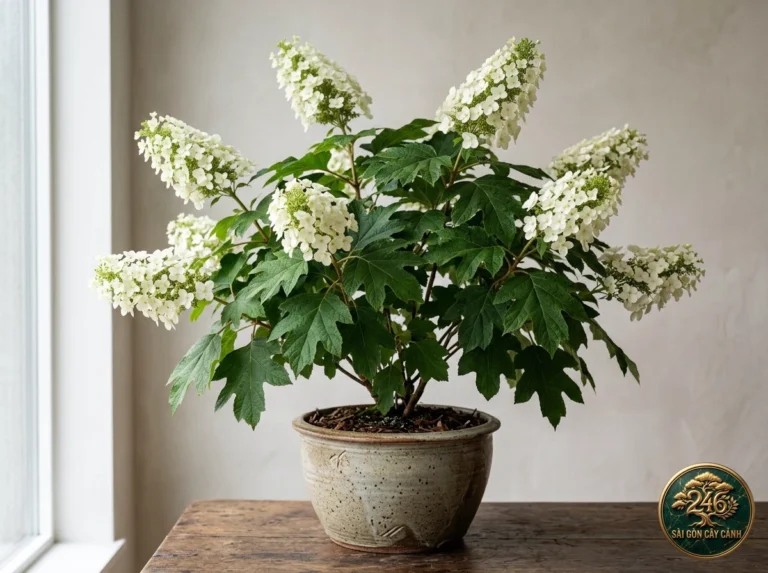
Oakleaf hydrangea (Hydrangea quercifolia)
Oakleaf hydrangea (Hydrangea quercifolia) Hydrangea quercifolia, internationally celebrated as oakleaf hydrangea, is an awe-inspiring, structurally dramatic deciduous flowering...
Read Monograph →
New Guinea impatiens (Impatiens hawkeri)
New Guinea impatiens (Impatiens hawkeri) Impatiens hawkeri, universally admired as New Guinea impatiens, is an aristocratic, dramatically oversized...
Read Monograph →
Carnation (Dianthus caryophyllus)
Carnation (Dianthus caryophyllus) Dianthus caryophyllus, universally revered as carnation, clove pink, or the divine flower, is an aristocratic,...
Read Monograph →Expert Q&A, Recommended Supplies & Article Feedback
Tap once to connect instantly via Google, Facebook or TikTok — no long forms required!
No questions yet for this article. Tap Google / Facebook / TikTok above to ask the first question!