Living plant profile
Carnation (Dianthus caryophyllus)
Dianthus caryophyllus
📌 CLINICAL & BIOLOGICAL ABSTRACT — Carnation (Dianthus caryophyllus)Carnation (Dianthus caryophyllus) Dianthus caryophyllus, universally revered as carnation, clove pink, or the divine flower, is an aristocratic, timelessly elegant perennial herbaceous species in the pink family (Caryophyllaceae). Revered since classical antiquity as the ‘flower of the gods’ (derived from the Greek ‘dios’ and ‘anthos’), this horticultural […]

Carnation (Dianthus caryophyllus)
Dianthus caryophyllus, universally revered as carnation, clove pink, or the divine flower, is an aristocratic, timelessly elegant perennial herbaceous species in the pink family (Caryophyllaceae). Revered since classical antiquity as the ‘flower of the gods’ (derived from the Greek ‘dios’ and ‘anthos’), this horticultural monarch enchants with luxuriant, ruffled double blossoms composed of densely imbricated, frilled petals that exude a captivating, warm clove-like fragrance. Displaying an exquisite chromatic palette from velvety ruby-red, romantic blush-pink, apricot-coral, and canary-yellow to snow-white and picotee-edged bicolor cultivars, its slender linear foliage is cloaked in a glaucous blue-green waxy bloom. Scientifically cataloged with mild pet toxicity due to triterpenoid saponins warranting veterinary awareness, Dianthus caryophyllus serves as Saigon Cay Canh’s premier cut-flower asset and cool-season ornamental anchor for luxury private villas and celebratory floral displays.
Sài Gòn Cây Cảnh Care Compass
1. Botanical Identity & Taxonomic Nomenclature History
Dianthus caryophyllus was formally cataloged by Carl Linnaeus in his monumental 1753 Species Plantarum. The generic name Dianthus unites ancient Greek ‘dios’ (divine, belonging to Zeus) and ‘anthos’ (flower), an epithet originally coined by Greek philosopher Theophrastus in the 4th century BCE to exalt its celestial beauty as the ‘flower of the gods’. The specific epithet caryophyllus derives from the historical Latin and Greek term for the clove spice tree, paying tribute to the pungent, spicy-sweet clove aroma emitted by its ruffled blossoms.
Native to rocky Mediterranean maritime bluffs across Greece, Italy, and Spain, carnations were woven into ceremonial coronation garlands throughout classical antiquity. Over the centuries, the white carnation became the universal international emblem for Mother’s Day. Introduced to Vietnam during the colonial era, it established its primary commercial production center in the cool highlands of Da Lat, emerging as one of the most lucrative and culturally cherished cut flowers across national Lunar New Year markets.
2. Morphological Architecture & Anatomical Characteristics

Morphologically, Dianthus caryophyllus grows as an erect, suffrutescent perennial herb, woody at the base, scaling 40 to 80 cm in vertical height. Stems are columnar, rigid, brittle, freely branching from basal nodes, featuring characteristically swollen internodal nodes resembling miniature bamboo joints; the entire aerial framework is coated in a glaucous blue-green epicuticular wax layer that retards transpiration. Leaves are opposite and decussate; petioles are absent; blades are linear to linear-lanceolate, 6 to 15 cm long and 0.4 to 1 cm wide, with acute apices, entire margins, keeled midribs, and an elegant silvery blue-green glaucous patina.
Flowers are borne solitary or in loose terminal cymes of 2 to 5. The calyx is cylindrical, 2.5 to 3 cm long, 5-toothed, subtended at the base by 4 to 6 appressed, ovate epicalyx bracts. Blossoms span 4 to 7 cm in diameter, presenting in single (5 petals) or opulent fully double forms (30 to 60 densely imbricated, ruffled petals). Each petal features a long narrow claw secured within the calyx tube and an expanded, fluted blade with irregularly fimbriate or dentate margins; colors include saturated ruby, coral, primrose-yellow, pure white, and dramatic picotee margins. Petals release an intense, spicy clove fragrance. The fruit is an ovoid capsule dehiscing apically by 4 to 5 teeth to disperse flattened, shield-shaped black seeds.
3. Photobiology & Photosynthetic Energy Thresholds
Dianthus caryophyllus is a full-sun heliophyte adapted to temperate, low-humidity Mediterranean climates. Robust stem calipers and massive, fully ruffled double blooms mandate 6 to 8 hours of unfiltered direct solar irradiance daily, corresponding to light flux levels between 40,000 and 75,000 lux. Intense sunlight reinforces internodal thickness and promotes synthesis of the protective glaucous foliar wax.
Optimal thermal ranges span 18 to 25 degrees C diurnal and 12 to 16 degrees C nocturnal temperatures. In tropical lowlands such as Ho Chi Minh City, carnations perform best during the cooler, drier winter months. The species is acutely stressed by combined high heat and stagnant humidity exceeding 35 degrees C; during warmer spells, provide well-ventilated locations with morning sun and light 30% midday shade to safeguard bud development.
4. Mineral Substrate Mechanics & Root Aeration Dynamics
The moderately deep fibrous root system of carnations demands a light, porous, organic-rich substrate with flawless gravitational drainage. The species has zero tolerance for waterlogged, compacted, or anaerobic earth; saturation persisting beyond 24 hours invites lethal soil-borne fungi (Fusarium oxysporum and Rhizoctonia), precipitating vascular wilt and sudden root decay.
The potting substrate engineered by Saigon Cay Canh incorporates 40% sterilized sandy loam, 30% coarse carbonized rice hull ash for macroporosity, 15% coarse perlite or river sand, and 15% mature organic vermicompost. Substrate pH must remain stabilized between 6.5 and 7.5 (neutral to mildly alkaline; carnations dislike acidic soils). Pots must feature generous drainage perforations supported by a gravel drainage bed.
5. Irrigation Dynamics & Soil Hydraulic Equilibrium
Carnations possess moderate water requirements, supported by dry-soil tolerance derived from their waxy epicuticular foliar coating. The authoritative watering rule is ‘soak and dry’: allow the upper 2 to 3 cm of substrate to dry out between applications. During cool dry seasons, deep irrigation once daily in early morning hours (07:00 to 08:00) adequately satisfies root uptake.
Critical watering rule: direct water exclusively around the soil perimeter or utilize drip lines; never spray forceful overhead water streams onto double ruffled blossoms, as moisture trapped between dense petal folds rapidly induces Botrytis grey mold decay. Refrain from evening irrigation. During monsoon deluges, shelter potted containers beneath open pergolas.
6. Mineral Nutrition Protocols & Periodic Fertilization Schedules
To cultivate rigid, non-lodging carnation stems capable of supporting massive, fragrant double blossoms, disciplined phased nutrition is essential. During early vegetative growth (days 15 to 35 post-transplanting), apply dilute balanced NPK 15-15-15 or liquid vermicompost every 10 to 12 days to develop a sturdy, well-branched basal crown.
Upon initiation of apical flower buds, transition to high-phosphorus and potassium formulations (NPK 12-12-17 or NPK 10-20-20) paired with foliar chelated calcium and boron every 10 days. Calcium and potassium reinforce cellular rigidity, ensuring stout peduncles that support heavy double blooms without snapping, while maximizing petal substance and vase longevity for 20 to 30 days.
7. Acclimatized Propagation & Germplasm Preservation
Propagation of Dianthus caryophyllus is universally practiced via vegetative stem cuttings taken from vigorous vegetative axillary shoots to ensure clonal uniformity. Select healthy semi-firm lateral shoots 7 to 10 cm long with 4 to 5 leaf pairs, cleanly sever at the node, remove the lowest leaf pairs, and insert the bottom 2 to 3 cm into moist sterilized sand or perlite. Kept misted under bright indirect light, roots emerge vigorously within 10 to 14 days, producing potted liners in 3 to 4 weeks.
Disbudding technique represents the master horticultural art for carnations: for standard giant carnations, strip all lateral flower buds from lower leaf axils, retaining only the central terminal bud to direct all resources into an enormous blossom 7 to 8 cm wide; for spray carnations, remove the terminal central bud to encourage 5 to 8 lateral buds to bloom simultaneously in a balanced cluster.
8. Biosafety Assessment & Companion Animal Toxicological Profiles (ASPCA)
Botanical safety profile and ASPCA pet safety standards: Within the pink family (Caryophyllaceae), Dianthus caryophyllus is classified by the American Society for the Prevention of Cruelty to Animals (ASPCA) as MILDLY TOXIC TO DOGS AND CATS DUE TO TRITERPENOID SAPONINS.
Should companion animals ingest foliar stems or ruffled petals, triterpenoid saponins can provoke mild gastrointestinal irritation, transient hypersalivation, mild vomiting, or diarrhea, alongside mild contact dermatitis around sensitive oral tissues. However, physiological toxicity remains mild and rarely induces severe medical complications. Saigon Cay Canh recommends placing cut-flower arrangements and potted carnations on elevated tables, window sills, or display pedestals safely beyond the reach of inquisitive pets.
9. Clinical Pathology Diagnostic Matrix & Therapeutic Interventions
Pathology screening for Fusarium vascular wilt mitigation and post-harvest cut-stem preservation in Dianthus caryophyllus:
| Clinical Symptomology | Etiological Factor | Prescribed Therapeutic Protocol |
|---|---|---|
| Stems wilt abruptly from the tip despite moist soil, foliage turns dull grayish-green, and vascular rings show dark discoloration | Fusarium vascular wilt (Fusarium oxysporum f. sp. dianthi) invading through roots under warm, humid soil conditions | Rogue and incinerate infected plants promptly, sanitize substrate with lime, reduce irrigation, and drench with Topsin M or Score |
| Double ruffled petals develop water-soaked tan spots rapidly covered by grey fuzzy mold, causing blossom rot and petal drop | Grey mold blight (Botrytis cinerea) favored by overhead watering or persistent high humidity trapped within dense petals | Excise blighted blossoms cleanly, avoid wetting floral heads, and apply preventative sprays of Daconil or iprodione (Rovral) |
| Foliar surfaces erupt with small reddish-brown pustules shedding rusty spores, causing premature yellowing and leaf scorch | Carnation rust (Uromyces dianthi) flaring in cool weather accompanied by prolonged nocturnal dew on foliage | Strip and destroy rust-infected lower leaves, maintain dry canopy conditions at nightfall, and spray hexaconazole (Anvil) or Tilt Super |
10. Comparative Morphology & Sympatric Differentiation
Morphological comparative matrix isolating ruffled double blossoms, spicy clove fragrance, and glaucous foliage of Dianthus caryophyllus:
| Diagnostic Trait | Dianthus caryophyllus (Carnation) | Comparative Taxon A | Comparative Taxon B |
|---|---|---|---|
| Petal architecture and fragrance profile | Opulent ruffled double blossoms with imbricated frilled petals exhaling an intense, warm spicy clove aroma | Small cup-shaped bilabiate blossoms arranged along upright spikes resembling miniature snapdragons, apple-scented | Tubular personate flower spikes with bilateral snap-shut lips requiring insect thrust to reveal pollen |
| Foliar morphology and glaucous wax layer | Brittle stems with swollen bamboo-like nodes, narrow linear leaves cloaked in a glaucous blue-green waxy patina | Sturdy upright stems with linear-lanceolate foliage covered in glandular hairs secreting essential oils | Stately columnar stems with deep green non-glaucous lanceolate foliage and glandular flower spikes |
| Veterinary toxicological status (ASPCA) | MILDLY TOXIC to dogs and cats due to triterpenoid saponins; keep beyond direct browsing reach | 100% NON-TOXIC to companion animals; foliage and blooms are completely safe | 100% NON-TOXIC to companion animals; edible blossoms are completely safe |
11. Symbolic Heritage, Biophilic Design & Architectural Placement
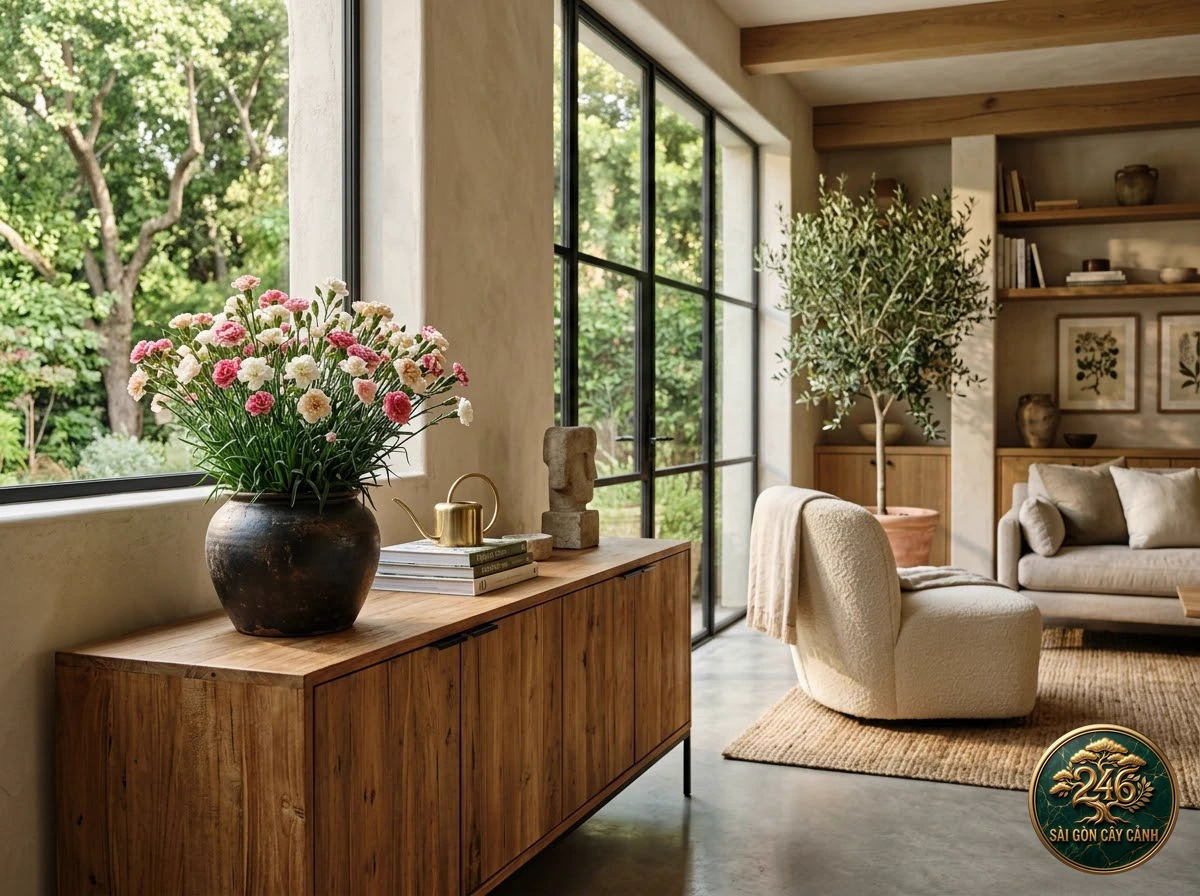
In global cultural heritage and Eastern Feng Shui metaphysics, Dianthus caryophyllus channels profound Fire and grounded Earth energies, symbolizing unconditional maternal devotion, heartfelt gratitude, aristocratic dignity, and romantic affection. Its ruffled blossoms exhaling comforting spicy clove aromas introduce warm auspicious chi, dispelling domestic disharmony and fostering emotional cohesion within living spaces.
Within Saigon Cay Canh landscape masterplans, carnation reigns as an elite floral asset: commanding luxury cut-flower arrangements in private estate salons, accentuating formal dining banquets, massed in classical European-style parterre borders, or potted in decorative containers celebrating festive holiday seasons.
12. SGCC Acclimatization Benchmarks & Quality Guarantee
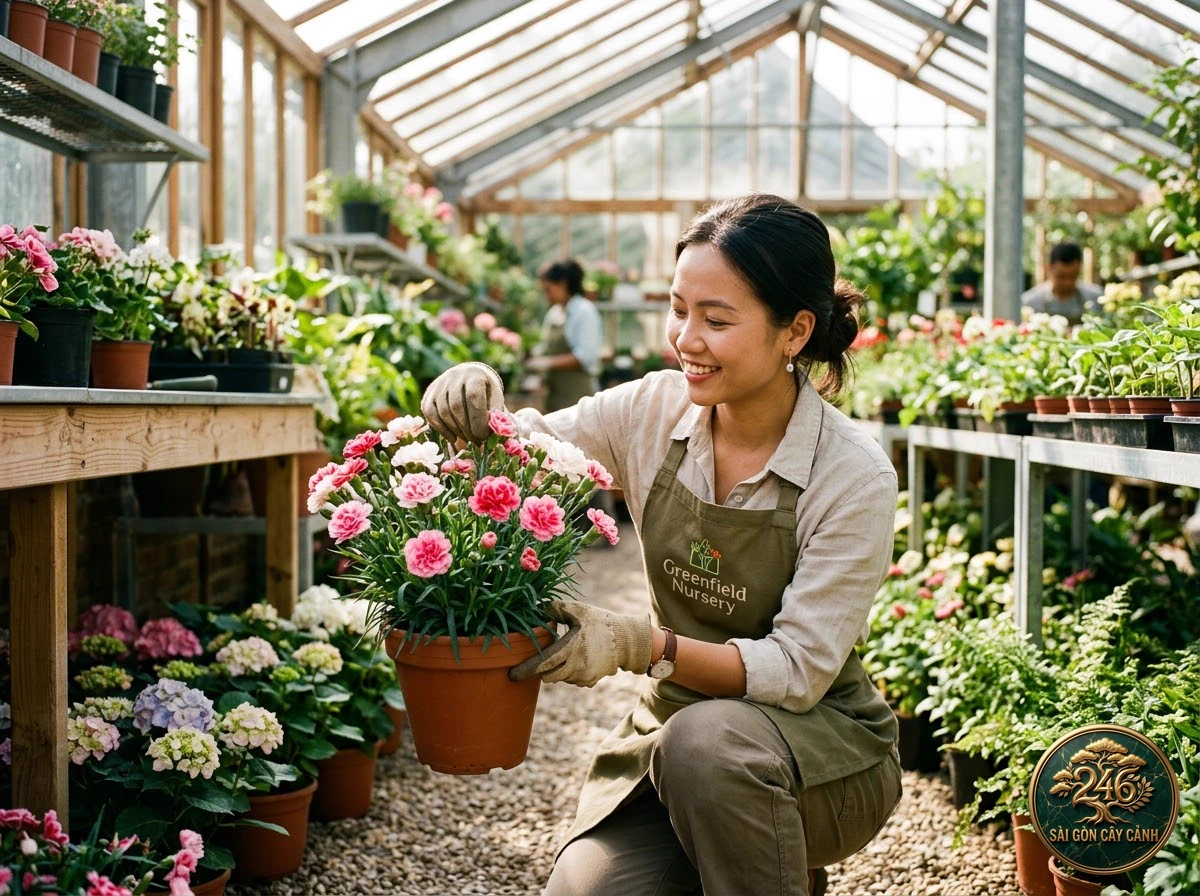
Saigon Cay Canh is an authoritative master purveyor of premium Dianthus caryophyllus specimens across southern Vietnam, distributing containerized blooming plants and highland Da Lat cut-flower stems in a complete palette of ruby-red, blush-pink, primrose-yellow, and dramatic picotee cultivars.nnWe guarantee rigid non-lodging stems, synchronized floral opening, complete freedom from vascular blights, verified vase longevity exceeding 15 to 20 days, and reliable commercial logistics for luxury events and private estates nationwide.
💬 Góc Tư Vấn & Hướng Dẫn Kỹ Thuật SGCC
Chuẩn E-E-A-T Kinfolk❓ Chăm sóc Carnation (Dianthus caryophy cần lưu ý điều gì quan trọng nhất?
💡 Dạ điều quan trọng nhất là giữ môi trường sống ổn định, tránh sốc nhiệt hay dao động thông số đột ngột, đồng thời cung cấp khẩu phần ăn sạch và tươi mới ạ.
❓ Làm thế nào để phòng ngừa bệnh tật hiệu quả cho các bé?
💡 Dạ anh chị nên giữ vệ sinh chuồng/hồ nuôi sạch sẽ, thay nước hoặc dọn dẹp định kỳ và bổ sung vitamin, men tiêu hóa đều đặn để tăng sức đề kháng ạ.
🌿 Trang Thiết Bị, Đất Trồng & Dụng Cụ Bonsai Tuyển Chọn
Dụng cụ tỉa, giá thể hữu cơ & phân bón chuyên dụng cho cây cảnh.
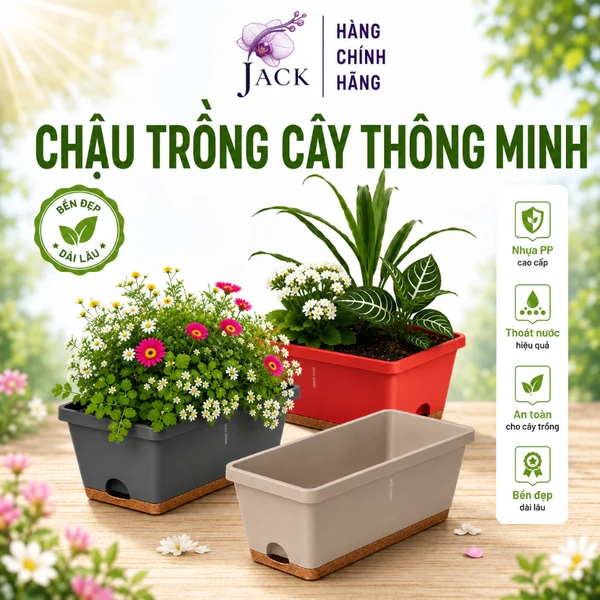
Bộ Chậu Chữ Nhật Monrovia — Chậu Nhựa PP Cao Cấp Trồng…
Cây Kim Tiền (Kim Phát Tài) Cây Phong Thủy Để Bàn, Kệ T…

Cây Hương Thảo Rosemary To Gốc Già Đuổi Muỗi, Cây Khoẻ …

Chế phẩm Trichoderma dùng tưới cây, trộn giá thể phòng …
Thuốc kích thích sinh trưởng cây trồng ATONIK 1.8SL – B…

Chậu trồng cây bonsai – gốm sứ – chậu gốm sứ – tượng gố…

Bộ Vòi Nước Tưới Cây Đa Năng 2000 Lỗ Phun Sương Vòi Xịt…

Kéo cắt cành SADA chính hãng Nhật Bản SK5 – KÌM CẮT CÀN…

Chậu nhựa trồng cây cao cấp Monrovia số 1 kèm đĩa lót đ…
200g đá masato rải mặt chậu xướng rồng sen đá vườn sen …
Vòng đeo tay, lắc tay phong thủy chuỗi hạt quấn 3 vòng …
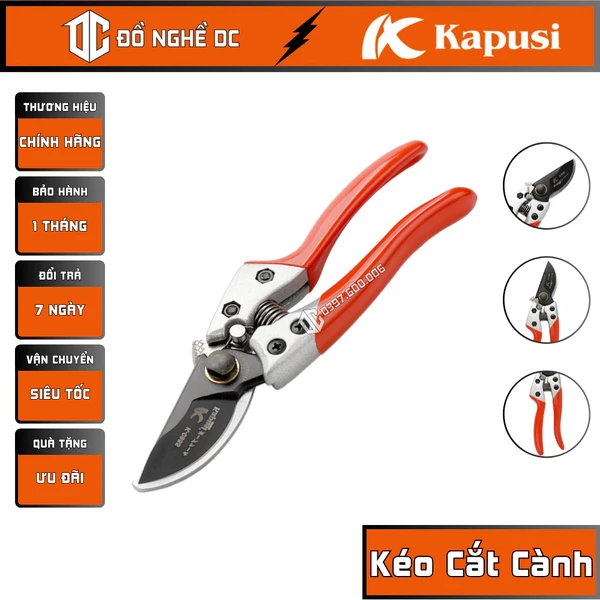
Kéo Cắt Cành Siêu Sắc, Kéo Tỉa Cành Cây, Dụng cụ Làm Vư…

Moss rose (Portulaca grandiflora)
Moss rose (Portulaca grandiflora) Portulaca grandiflora, universally treasured as moss rose, sun plant, or eleven o’clock, is a...
Read Monograph →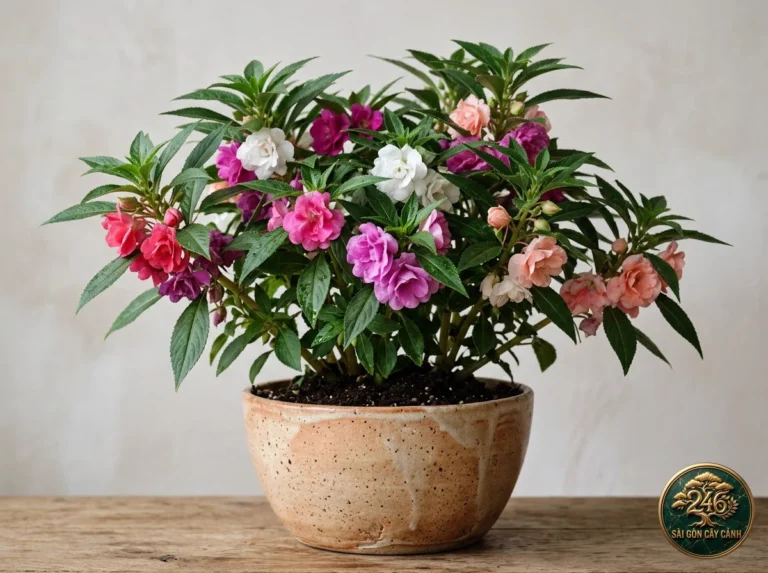
Garden balsam (Impatiens balsamina)
Garden balsam (Impatiens balsamina) Impatiens balsamina, universally treasured as garden balsam, rose balsam, or touch-me-not, is a nostalgic,...
Read Monograph →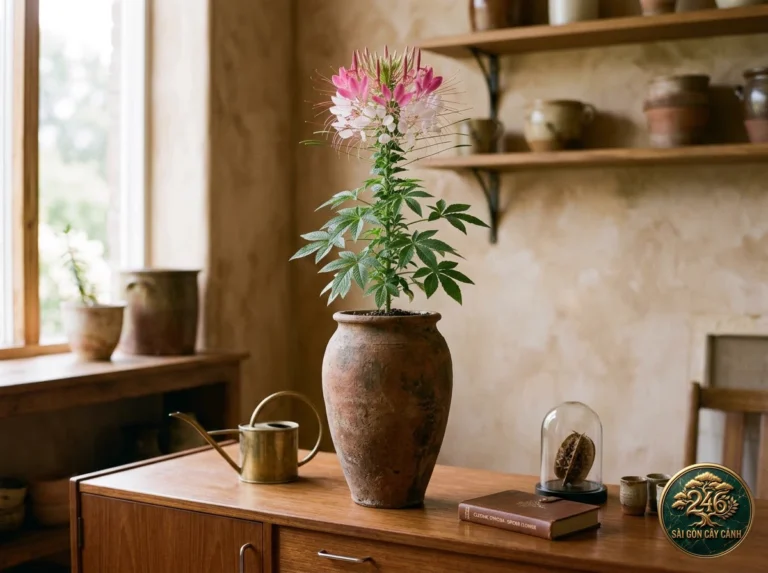
Spiny spiderflower
Cleome spinosa, universally celebrated in ornamental horticulture as spiny spiderflower, spider plant, or pink queen, is an aristocratic,...
Read Monograph →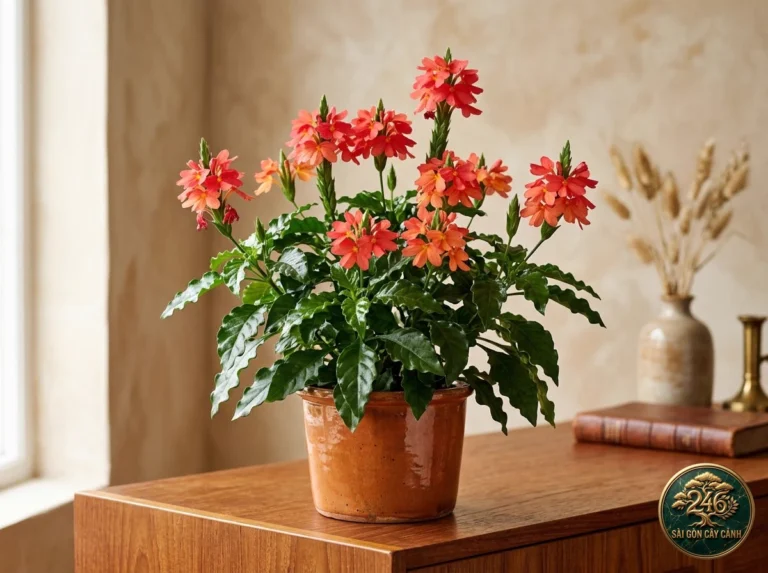
Nile crossandra
Crossandra nilotica, celebrated internationally as the Nile crossandra or East African firecracker flower, is an aristocratic, evergreen tropical...
Read Monograph →Expert Q&A, Recommended Supplies & Article Feedback
Tap once to connect instantly via Google, Facebook or TikTok — no long forms required!
No questions yet for this article. Tap Google / Facebook / TikTok above to ask the first question!