
Living plant profile
Beautiful graptopetalum
Graptopetalum bellum
📌 CLINICAL & BIOLOGICAL ABSTRACT — Beautiful graptopetalumBotanical Dossier Standard V2 • Saigon Cay Canh undefined (Graptopetalum bellum) Stonecrop family (Crassulaceae) • Living Herbarium Official Monograph 1. Botanical Overview & Quick Identification Scientific Name Graptopetalum bellum Botanical Family Stonecrop family (Crassulaceae) Vietnamese Vernacular Sen đá hoa sao đỏ rực rỡ International Common Name Beautiful graptopetalum […]
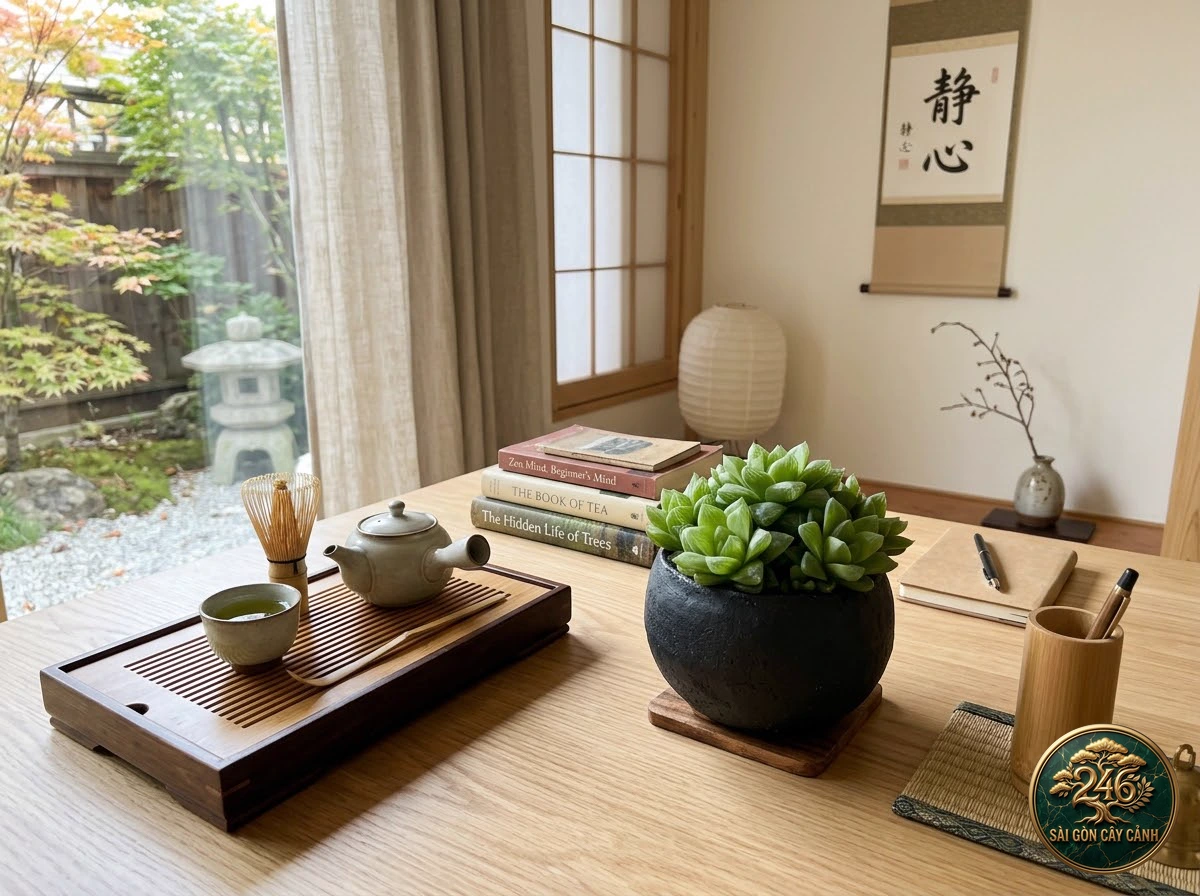
undefined (Graptopetalum bellum)
Stonecrop family (Crassulaceae) • Living Herbarium Official Monograph
Sài Gòn Cây Cảnh Care Compass
1. Botanical Overview & Quick Identification
| Scientific Name | Graptopetalum bellum |
|---|---|
| Botanical Family | Stonecrop family (Crassulaceae) |
| Vietnamese Vernacular | Sen đá hoa sao đỏ rực rỡ |
| International Common Name | Beautiful graptopetalum |
| Growth Habit | Succulent herbaceous perennial, fleshy water-storing foliage arranged in tight symmetrical rosettes or creeping stems |
| Light Requirement | Bright indirect diffused light (2,500 – 5,000 lux) |
| Watering Protocol | Even moisture, water when topsoil dries |
| Optimal Substrate | Porous, free-draining botanical substrate mix |
| Ideal Temperature | 18°C – 32°C (64°F – 90°F) |
| Ambient Humidity | 60% – 85% |
| Cultivation Difficulty | Easy to Moderate |
| Pet Safety | Non-toxic to pets according to ASPCA standards |
undefined (botanical nomenclature: Graptopetalum bellum) is a celebrated succulent perennial belonging to the Stonecrop family (Crassulaceae). It is cherished worldwide for its architectural foliar geometry, dynamic color shifts in response to sunshine, and remarkable resilience in arid habitats.
2. Morphological Characteristics & Diagnostic Markers
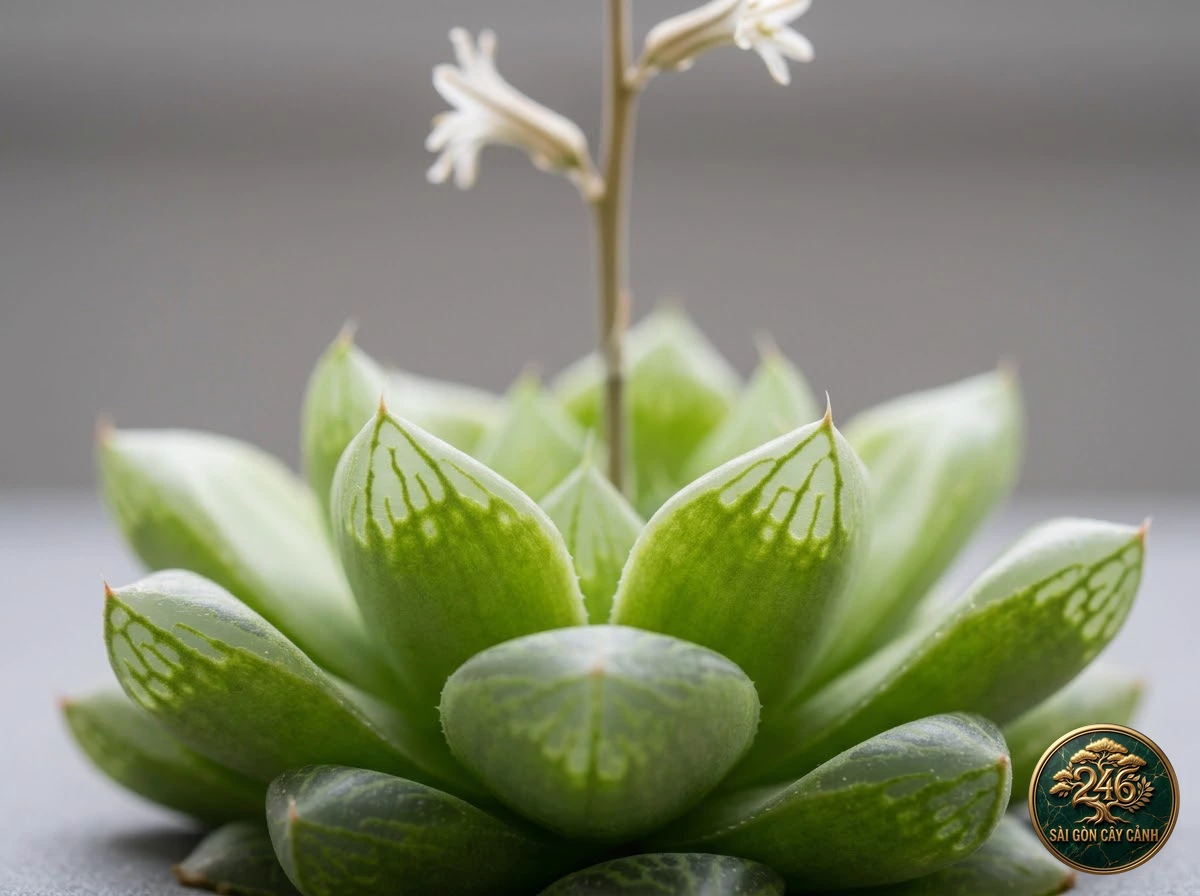
Beautiful graptopetalum Graptopetalum bellum (syn. Tacitus bellus) of Chihuahua Mexico, renowned for compact low rosettes crowned by spectacular clusters of vivid star-shaped deep magenta blossoms.
Key vegetative traits include specialized succulent parenchyma tissues engineered to retain cellular water reserves under intense heat. The waxy epidermal layer reduces evapotranspiration to near-zero levels during hot daylight hours.
- Habit & Stems: Sprawling, decumbent, or miniature shrubby branches forming lush clustered colonies over time.
- Foliage Architecture: Plump, succulent leaves arranged in dense symmetrical geometry or ornamental whorls.
- Coloration: Brilliant tones spanning jade-green, amber-orange, glowing bronze, and silvery-lavender according to sun exposure.
3. Taxonomy & Phylogenetic Lineage
Classified under the APG IV system within Stonecrop family (Crassulaceae), Graptopetalum bellum stands as an evolutionary triumph of succulent flora in dry rocky micro-climates.
4. Distribution & Wild Ecological Habitat
Endemic to rocky cliff ledges and dry mountainous slopes with excellent natural drainage and unobstructed atmospheric airflow.
5. Light Requirements & Photometric Parameters
Bright indirect light; protect from harsh midday sun (4,000 – 8,000 lux). Bright morning sunlight encourages compact, vibrant growth and prevents foliar stretching.
6. Irrigation Protocol & Moisture Management
Hydrate container perimeter when dry; avoid standing water in center rosette. Employ the classic soak-and-dry watering protocol, allowing the substrate to dry out thoroughly between sessions.
7. Substrate Composition & Drainage Requirements
Pumice, perlite, volcanic cinder, and aged earthworm castings. Highly porous mineral aggregates ensure water percolates freely without waterlogging sensitive root hairs.
8. Thermal Tolerances & Ventilation Requirements
Maintains peak vigor between 16°C – 30°C. with ambient humidity around 40% – 65%.. Consistent gentle air movement prevents stagnant humidity pockets.
9. Pest Prevention & Cultural Troubleshooting
Occasionally susceptible to mealybugs if kept in stagnant, humid corners. Treat promptly with neem oil or isopropyl alcohol swabs and optimize air circulation.
| Observed Symptom | Underlying Etiology | Remedial Corrective Action |
|---|---|---|
| Fleshy succulent leaves turn translucent, mushy and blacken | Overwatering inducing hypoxic root rot and bacterial decay | Cease watering immediately; unpot, excise rot, dry cut surfaces 3 days, repot in dry pumice |
| Stems become leggy, elongated, and rosettes lose compact shape | Etiolation caused by chronic photosynthetic light deficiency | Acclimate gradually to direct bright sunlight (4-6 hours daily) or install intense grow lights |
| Leaves appear wrinkled, shriveled, and limp to the touch | Prolonged dehydration exhausting internal water-storage parenchyma | Submerge bottom of pot in shallow water for 15 minutes to rehydrate substrate thoroughly |
| White fluffy cotton-like deposits nestled in leaf axils or roots | Mealybug (Pseudococcidae) colonies extracting plant sap | Spot-treat with cotton swabs dipped in 70% isopropyl alcohol; drench root zone if necessary |
| Dry, corky brown or silver patches appearing on upper foliage | Solar scorch from sudden abrupt exposure to intense midday ultraviolet radiation | Filter harsh midday sun with sheer shade cloth; reserve direct exposure for gentle morning hours |
10. Horticultural Propagation Techniques
Propagates effortlessly from mature leaf cuttings or stem offsets. Allow cut ends to callus for 2-3 days before nesting on lightly moist gritty medium.
11. Biophilic Design & Landscape Applications
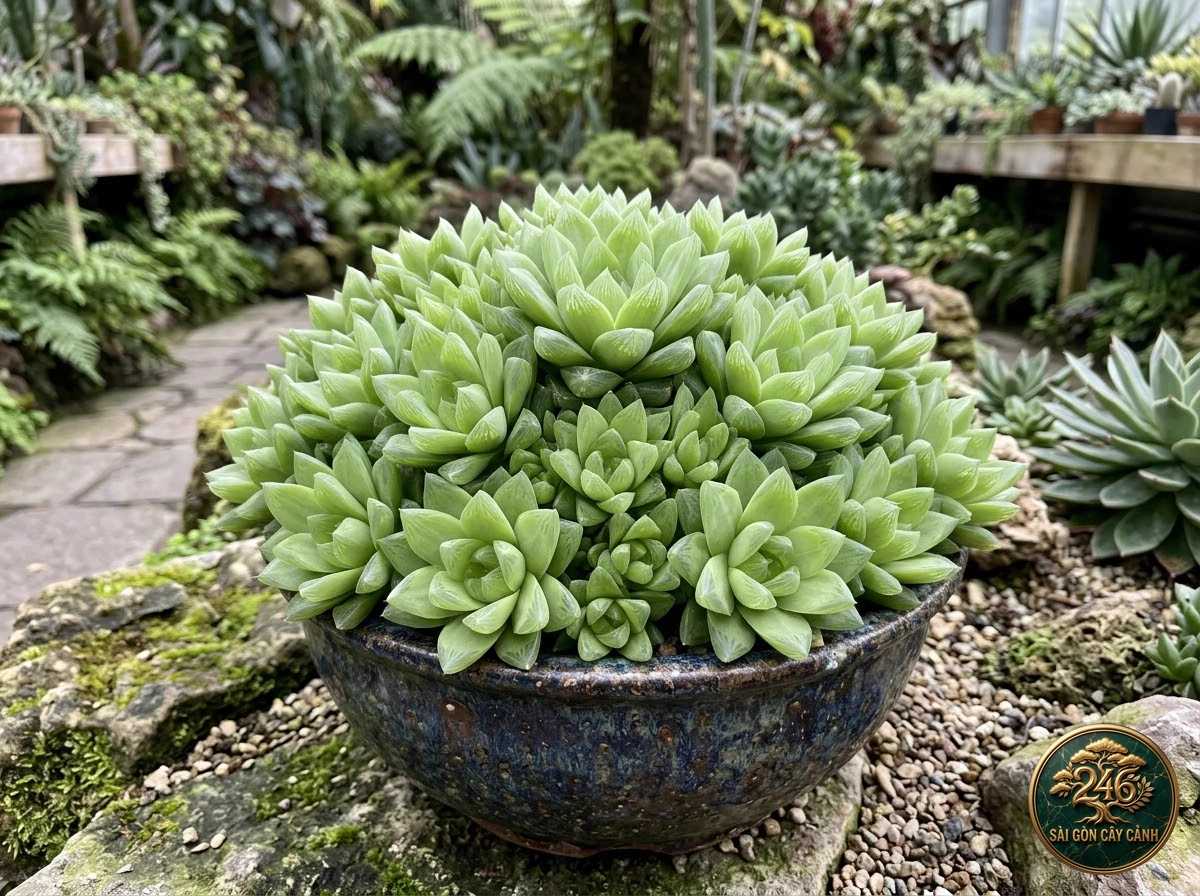
An exemplary addition to artisan ceramic containers, minimalist office workstations, modern sunny windowsill arrangements, and drought-tolerant rock gardens.
12. Toxicity Profile & Household Safety
Non-toxic to pets.
Nursery Care Journal & Living Greenery Moments
At Saigon Cay Canh greenhouse, each photograph captures genuine everyday care moments between plant lovers and living greenery, spreading a passion for nature and green-living inspiration.

13. Curated Botanical Inquiries (FAQs)
How does one know when hydration is required?
Lower leaves soften slightly and display faint wrinkles, signaling that cellular reservoirs are depleted and ready for deep hydration.
Why do succulent leaves stretch or pale in color?
Etiolation occurs when the plant lacks sufficient direct sunlight. Relocate gradually to brighter exposure to restore tight, colorful rosettes.
🌿 Trang Thiết Bị, Đất Trồng & Dụng Cụ Bonsai Tuyển Chọn
Dụng cụ tỉa, giá thể hữu cơ & phân bón chuyên dụng cho cây cảnh.
TIÊU CHUẨN SGCC
Phân trùn quế c.ao cấp Sfarm Pb01 – Bao 5kg – Đã qua xử…

ĐÁ KHOÁNG MAIFAN (MASATO) – RẢI MẶT CHẬU SEN ĐÁ, VỪA ĐẸ…

phân bón npk 30-10-10+te growmore hủ 100g giúp – NPK…
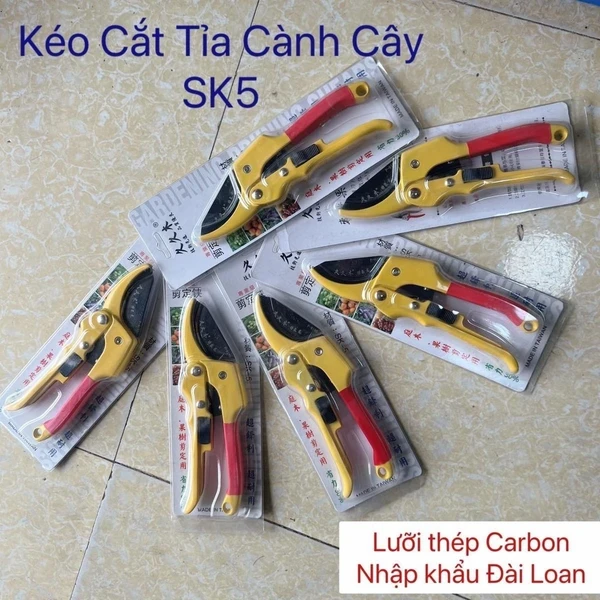
Kéo Cắt Tỉa Cành Cây Cộng Lực Lưỡi Thép Carbon SK5 Nhập…

Chậu bonsai chữ nhật mini sâu men cao cấp gốm Hoàng, ch…
![Trùn quế Cao Cấp]Phân trùn quế ,Phân bón hữu cơ dạng viên nén Hạt Bàng ORGANICS dùng cho hoa lan,cây cảnh](https://saigoncaycanh.com/shop/images/products/29303841757.webp)
Trùn quế Cao Cấp]Phân trùn quế ,Phân bón hữu cơ dạng vi…

Chậu bonsai chữ Nhật mini gốm bát tràng bonsai 1 size

Đất trồng cây viên nén xơ dừa 500g đã qua xử lý dùng để…

Đá Masato – Loại cao cấp, sạch bụi, không vụn – Rải mặt…

Dớn Chile 100gram ( giá thể trồng lan ), Dớn Chi Lê,Vật…
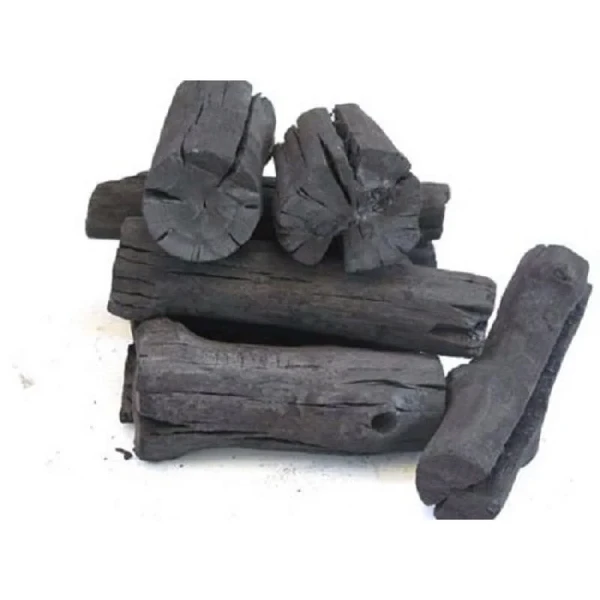
1Kg than củi, than hoa nướng thịt, than củi gỗ, than củ…

Hạt giống hoa Hồng Leo Pháp đủ màu (Tặng phân bón), hoa…
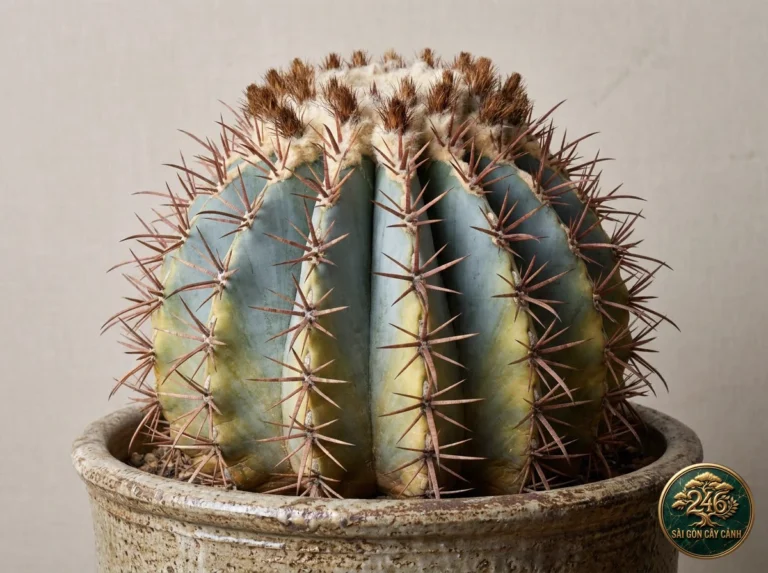
Giant Barrel Cactus (Echinocactus platyacanthus)
Echinocactus platyacanthus is the monumental giant barrel cactus of the Mexican plateau, legendary for multi-century lifespans, colossal slate-blue ribbed
Read Monograph →
Golden Barrel Cactus (Echinocactus grusonii)
Echinocactus grusonii is the world-renowned Golden Barrel cactus native to central Mexico, celebrated for its flawless ribbed spherical geometry, dense clo
Read Monograph →
Bunny Ears Cactus (Opuntia microdasys)
Opuntia microdasys is the world-famous Bunny Ears cactus native to Mexican deserts, celebrated for delightful paired paddle cladodes resembling rabbit ears
Read Monograph →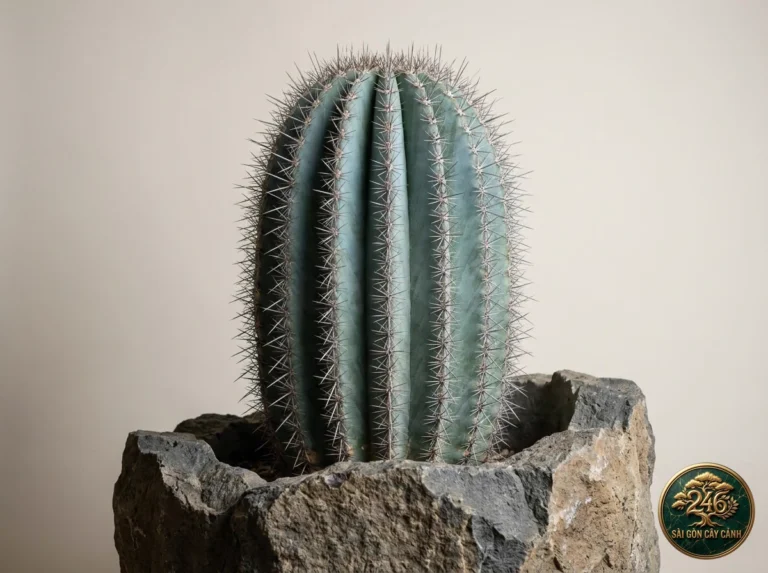
Cardon Cactus (Pachycereus pringlei)
Pachycereus pringlei, known as the Mexican giant cardon or elephant cactus, is the heaviest cactus on Earth, indigenous to Baja California, boasting massiv
Read Monograph →Expert Q&A, Recommended Supplies & Article Feedback
Tap once to connect instantly via Google, Facebook or TikTok — no long forms required!
No questions yet for this article. Tap Google / Facebook / TikTok above to ask the first question!