
Living plant profile
Madagascar Palm (Pachypodium lamerei)
Pachypodium lamerei
Pachypodium lamerei, the Madagascar Palm, is a spectacular semi-arid pachycaul combining a stout silvery trunk armed with formidable sharp spine triplets a

Madagascar Palm (Pachypodium lamerei): Armored Pachycaul Architecture and Cultivation Guide
Pachypodium lamerei, the Madagascar Palm, is a spectacular semi-arid pachycaul combining a stout silvery trunk armed with formidable sharp spine triplets and a majestic crown of palm-like arching foliage.
Sài Gòn Cây Cảnh Care Compass
1. Botanical Nomenclature & Taxonomic History
Pachypodium lamerei was scientifically described in 1899 by French botanist Emmanuel Drake del Castillo. The generic name Pachypodium derives from Greek ‘pachys’ (thick) and ‘pous’ (foot), highlighting its swollen columnar trunk base.
Inhabiting the unique spiny forests of southern Madagascar, it evolved a water-storing pachycaul trunk defended by dense triplets of needle spines to ward off desert herbivores during prolonged droughts.
2. Morphological Architecture & Anatomical Specializations

Stems mature into a massive succulent column two to six meters tall and twenty to fifty centimeters in diameter, wrapped in silvery-grey bark defended by sharp triple spines two to six centimeters long.
The apex supports an elegant radiating whorl of arching linear-lanceolate glossy dark green leaves fifteen to thirty centimeters long with distinct white midribs; mature plants yield fragrant white salverform blooms.
3. Photosynthetic Photoperiod & Radiation Dynamics
Requires maximum direct solar exposure of 10,000 to 25,000 lux, needing six to eight hours of direct sunlight daily to promote thick trunk lignification and lush palm-like crowns.
Position planters on sun-drenched open patios or south-facing balconies; indoor shade triggers apical tapering and extensive foliage shedding.
4. Mineral Substrate Matrix & Aeration Dynamics
Requires high-drainage mineral substrate (60% mineral matter): 45% coarse pumice grit, 20% volcanic lava scoria, 15% sharp coarse sand, and 20% loam enriched with worm castings.
This open structure ensures fast percolation, protecting the moisture-storing trunk base against fungal rot.
5. Hydraulic Equilibrium & Precision Irrigation Protocol
Irrigation regime: soak thoroughly every five to seven days during warm summer growing months once the potting core dries, supporting rapid foliar growth.
During winter dormancy when lower leaves drop, extend intervals to fifteen or twenty days, keeping soil mostly dry to safeguard the dormant root system.
6. Nutrient Management & Mineral Supplementation
Provide balanced organic liquid nutrition with chelated trace minerals once monthly from mid-spring through late summer to support steady columnar girth expansion.
7. Vegetative Propagation & Conservation Protocols
Propagate predominantly from fresh seed; surface-sow onto moist mineral grit at 26C to 30C to achieve germination within five to ten days.
Seedlings develop characteristic triple spines within their first year, demonstrating extraordinary domestic hardiness over decades.
8. Biochemical Toxicity Evaluation & Pet Safety Standards (ASPCA)
SAFETY WARNING: The white sap of Pachypodium lamerei contains toxic alkaloids, rated TOXIC to domestic pets under ASPCA criteria, alongside severe mechanical puncture hazard from rigid spines.
Wear thick protective leather gloves during maintenance; keep specimens out of the reach of pets and active toddlers.
9. Physiological Diagnostic Matrix & Targeted Intervention
Etiological investigation of dermal stress and preservation of spine columns in Pachypodium lamerei:
| Clinical Diagnostic Sign | Primary Root Cause | Corrective Horticultural Protocol |
|---|---|---|
| Lower fronds yellow and drop while apex produces fresh leaves | Natural physiological leaf renewal as the columnar trunk elongates | Entirely normal; clear fallen fronds from pot surface to maintain clean airflow |
| Apical crown blackens with sudden loss of young leaves | Cold-season overwatering or fungal collar infection in wet soil | Halt irrigation immediately, relocate to warm full sun, excise blackened tissue, and dust with sulfur |
| Trunk softens and displays sunken longitudinal wrinkles | Severe dehydration or root system destruction from chronic waterlogging | Check root ball: soak thoroughly if bone-dry, or unpot to remove decayed roots if soggy |
| White mealybugs cluster around spine bases | Pseudococcid pests sheltered between dense spine triplets | Blast clean with water jet, swab infested areoles with 70% alcohol at dusk |
10. Comparative Diagnostic Matrix & Allied Xerophyte Differentiation
Comparative structural analysis contrasting Pachypodium lamerei against allied spiny pachycauls:
| Diagnostic Parameter | Pachypodium lamerei (Target Taxon) | Allied Congeneric Relative A | Allied Congeneric Relative B |
|---|---|---|---|
| Spine armature | Dense formidable triplets of sharp rigid spines 2 to 6 cm long | Smooth spineless grey branching bark | Short solitary curved spines |
| Crown foliar habit | Crown of arching linear-lanceolate fronds radiating like a palm | Leaves clustered at tips of multiple branched stems | Stiff sword-shaped upright foliage |
| Stem architecture | Massive solitary upright succulent column reaching several meters | Low swollen caudex branching into numerous limbs | Low clustering quadrangular crawling stems |
| Growth velocity | Relatively fast for a succulent tree (20 to 40 cm annually) | Moderate growth rate | Fast sprawling growth |
11. Biophilic Interior Aesthetics & Architectural Display

Pachypodium lamerei serves as a dramatic living architectural sculpture, delivering striking tropical drama to luxury villa entrances, poolside terraces, and modern atrium courtyards.
The tactile juxtaposition between armored spine-clad columns and graceful arching palm fronds brings exotic island grandeur to spaces.
🌿 Trang Thiết Bị, Đất Trồng & Dụng Cụ Bonsai Tuyển Chọn
Dụng cụ tỉa, giá thể hữu cơ & phân bón chuyên dụng cho cây cảnh.
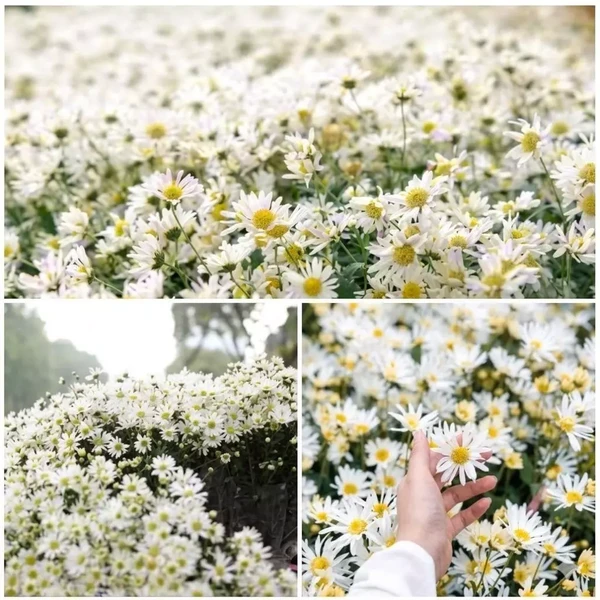
200 Hạt Giống Hoa Cúc Họa Mi Trắng – Hoa Cánh Đơn Nhụy …

Chậu gốm sứ Bát Tràng men hỏa biến MINI [KT 3-5cm] có l…

Chậu nhựa mỏng vành cứng trồng cây-Chậu nhựa TTK 180, T…

Vòi xịt đa năng, vòi tưới cây 8 trong 1 đầy đủ phụ kiện…

500gram dây nhôm đen uốn cây cảnh. Dây nhôm sơn tĩnh đi…

Bộ 13 dụng cụ làm vườn mini siêu sinh tiện dụng – Xẻng …

Bộ Sào Rút Inox 5m Đa Năng Gồm 6 Món Dùng Treo Lồng Chi…

Chế phẩm sinh học EM FERT-1, ủ phân hữu cơ, đệm lót sin…

Keo liền da cây – keo liền sẹo – thuốc hỗ trợ chiết càn…

Bình tưới cây bình xịt tưới cây bình phun sương mini SI…

Chậu nhựa trồng cây cao cấp Monrovia cỡ số 5 kèm đĩa ló…
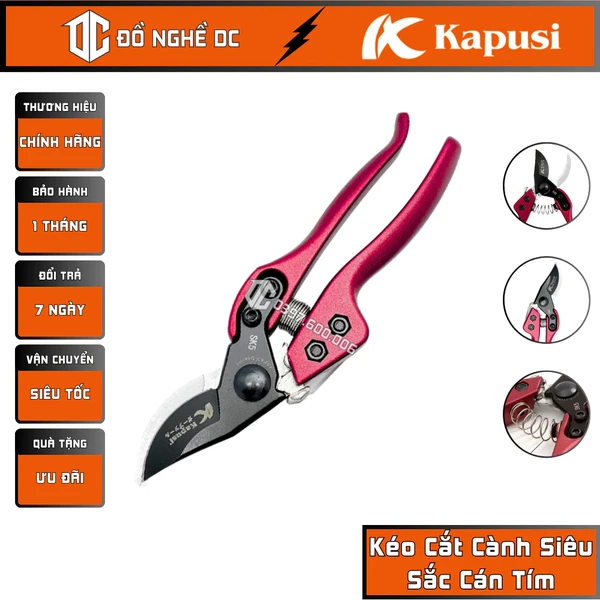
Kéo Cắt Cành Siêu Sắc, Kéo Tỉa Cành Cây, Dụng cụ Làm Vư…
Nursery Care Journal & Living Greenery Moments
At Saigon Cay Canh greenhouse, each photograph captures genuine everyday care moments between plant lovers and living greenery, spreading a passion for nature and green-living inspiration.

💬 Góc Tư Vấn & Hướng Dẫn Kỹ Thuật SGCC
Chuẩn E-E-A-T Kinfolk❓ Chăm sóc Madagascar Palm (Pachypodium cần lưu ý điều gì quan trọng nhất?
💡 Dạ điều quan trọng nhất là giữ môi trường sống ổn định, tránh sốc nhiệt hay dao động thông số đột ngột, đồng thời cung cấp khẩu phần ăn sạch và tươi mới ạ.
❓ Làm thế nào để phòng ngừa bệnh tật hiệu quả cho các bé?
💡 Dạ anh chị nên giữ vệ sinh chuồng/hồ nuôi sạch sẽ, thay nước hoặc dọn dẹp định kỳ và bổ sung vitamin, men tiêu hóa đều đặn để tăng sức đề kháng ạ.

Coral Cactus (Rhipsalis cereuscula)
Rhipsalis cereuscula is a charming epiphytic coral cactus forming dense shrubby cushions of cylindrical branchlets resembling grains of rice, crowned by sm
Read Monograph →
Fox Tail Agave (Agave attenuata)
Agave attenuata, the Fox Tail or Swan Neck Agave, is a magnificent spineless succulent renowned for wide rosettes of velvety pale sea-green unarmed leaves,
Read Monograph →
Dragon Fruit Cactus (Hylocereus undatus)
Hylocereus undatus is a magnificent climbing epiphytic cactus celebrated for three-winged undulating succulent stems, colossal fragrant nocturnal white blo
Read Monograph →
Saguaro Cactus (Carnegiea gigantea)
Carnegiea gigantea is the iconic monumental saguaro cactus of the Sonoran Desert, renowned for massive fluted columnar trunks, formidable spine clusters, a
Read Monograph →Expert Q&A, Recommended Supplies & Article Feedback
Tap once to connect instantly via Google, Facebook or TikTok — no long forms required!
No questions yet for this article. Tap Google / Facebook / TikTok above to ask the first question!