Living plant profile
Dragon Fruit Cactus (Hylocereus undatus)
Hylocereus undatus
Hylocereus undatus is a magnificent climbing epiphytic cactus celebrated for three-winged undulating succulent stems, colossal fragrant nocturnal white blo

Dragon Fruit Cactus (Hylocereus undatus): Epiphytic Climbing Stems and Night Blooming Guide
Hylocereus undatus is a magnificent climbing epiphytic cactus celebrated for three-winged undulating succulent stems, colossal fragrant nocturnal white blossoms, and vibrant magenta pitahaya fruits.
Sài Gòn Cây Cảnh Care Compass
1. Botanical Nomenclature & Taxonomic History
Hylocereus undatus was initially recorded by Adrian Haworth in 1818 before Nathaniel Britton and Joseph Rose established its placement in Hylocereus in 1918. Indigenous to coastal dry and deciduous forests of southern Mexico and Central America, it climbs via adventitious aerial roots.
Celebrated globally for nutrient-dense dragon fruits (pitahaya), it has become an agricultural staple across Southeast Asia, particularly southern Vietnam.
2. Morphological Architecture & Anatomical Specializations
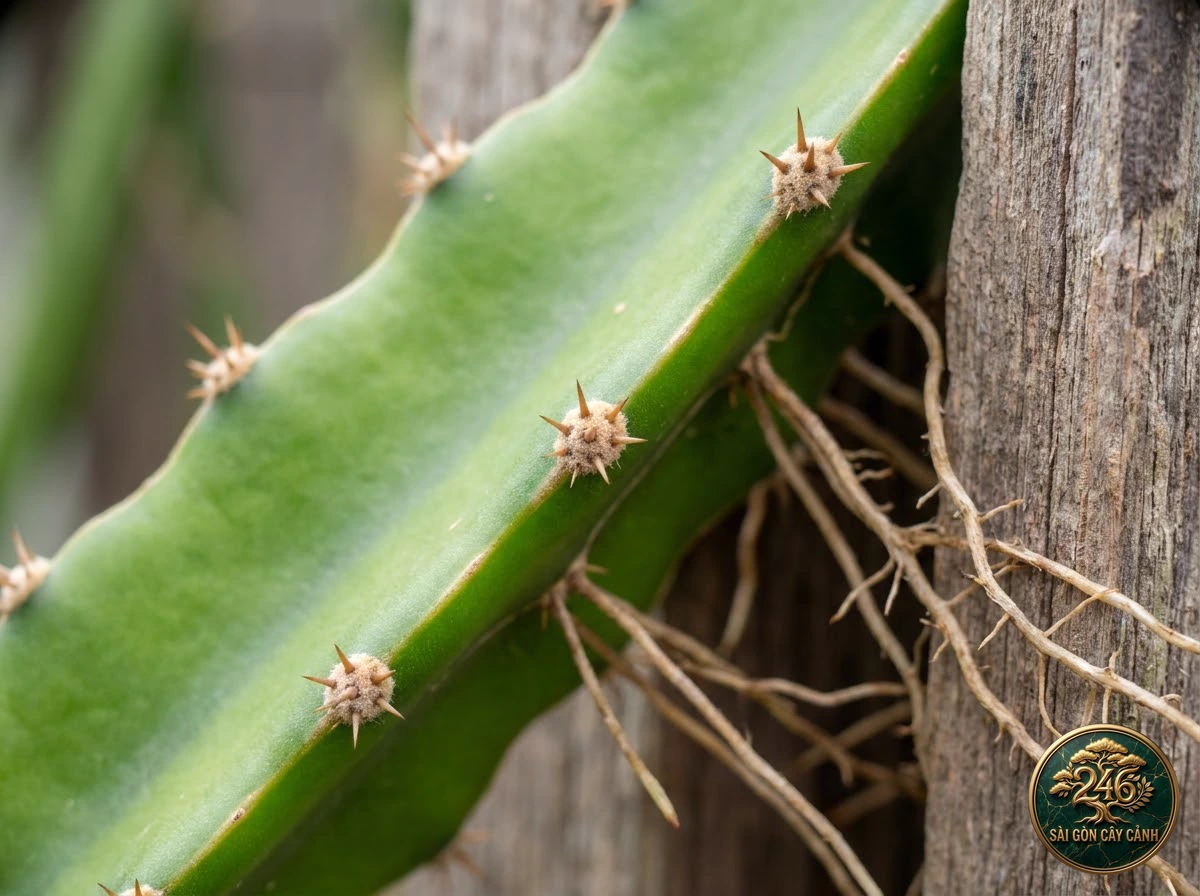
Stems are vigorous sprawling or climbing succulents three to six meters long, characterized by three pronounced undulating wings four to seven centimeters across with horn-like margins.
Areoles bear one to three stout conical spines two to four millimeters long; magnificent night-blooming flowers measure twenty-five to thirty centimeters long and fifteen to twenty centimeters wide with pure white petals and golden stamens, producing red-skinned white-fleshed pitahayas.
3. Photosynthetic Photoperiod & Radiation Dynamics
Requires five to seven hours of direct daily sunlight to fuel robust vegetative lignification and stimulate nocturnal floral buds.
When grown on open terraces or sunny courtyards, ensure maximum solar exposure; deep shade encourages weak vegetative sprawling without blossom induction.
4. Mineral Substrate Matrix & Aeration Dynamics
Demands rich organic substrate with brisk drainage: 40% sandy loam, 30% washed coir husk chunks, 20% aged organic cattle compost, and 10% coarse pumice.
This blend supplies sustained nutrition for vigorous stem mass while maintaining open porosity for shallow fibrous roots.
5. Hydraulic Equilibrium & Precision Irrigation Protocol
Irrigation regime: soak deeply every three to five days during hot dry spells once the soil surface dries.
During tropical rainy monsoon periods, withhold watering until soil core is nearly dry to prevent fungal anthracnose and stem rot.
6. Nutrient Management & Mineral Supplementation
Incorporate organic composted manure fortified with bone meal and potassium sulfate once every four weeks through the summer flowering cycle to encourage massive blooms.
7. Vegetative Propagation & Conservation Protocols
Propagate by taking mature firm stem cuttings thirty to forty centimeters long; allow cut joints to callus in a breezy dry spot for five to seven days.
Insert cuttings upright into moist sandy potting mix; prolific root systems establish within two to three weeks, quickly pushing fresh shoots.
8. Biochemical Toxicity Evaluation & Pet Safety Standards (ASPCA)
Hylocereus undatus carries zero chemical toxicity according to ASPCA guidelines, posing no health hazard to dogs, cats, or humans.
Pitahaya fruits are renowned culinary superfoods rich in vitamin C and antioxidants, while tender cladodes are harvested as cooling culinary greens.
9. Physiological Diagnostic Matrix & Targeted Intervention
Early detection of climbing stem lesions and revival protocols for Hylocereus undatus:
| Clinical Diagnostic Sign | Primary Root Cause | Corrective Horticultural Protocol |
|---|---|---|
| Sunken circular brown spots along wing margins | Fungal anthracnose fueled by warm rainy humidity | Excise diseased sections, treat with copper fungicide or organic biocontrol spray |
| Stem tissues turn watery, yellow, and soft | Bacterial soft rot invading waterlogged tissue | Cut cleanly into healthy tissue, dust with lime or sulfur, and dry soil completely |
| Stems elongate slenderly with pale yellow-green tint | Insufficient direct photosynthetic sunlight | Relocate trellis or container to an open full-sun exposure receiving 5-7 hours daily |
| Blossoms open beautifully but drop without fruit set | Lack of nocturnal pollinators or low relative humidity | Hand-pollinate using a soft artist brush between 9 PM and midnight across flowers |
10. Comparative Diagnostic Matrix & Allied Xerophyte Differentiation
Taxonomic diagnostic matrix isolating the winged climbing habit of Hylocereus undatus from allied columnar taxa:
| Diagnostic Parameter | Hylocereus undatus (Target Taxon) | Allied Congeneric Relative A | Allied Congeneric Relative B |
|---|---|---|---|
| Stem wing architecture | Three-winged undulating thin ribs with horny margins | Massive cylindrical solitary multi-ribbed column | Flat two-winged leaf-like cladodes |
| Growth habit | Scandent climbing epiphyte with aerial cling roots | Self-supporting massive upright pillar | Epiphytic pendulous hanging habit |
| Floral timing and size | Nocturnal bloom colossal 25-30 cm wide | Diurnal blossoms moderate in size | Diurnal miniature starry flowers |
| Agricultural fruit value | Produces commercial edible pitahaya fruits | Small wild bird berries | Non-fruiting ornamental habit |
11. Biophilic Interior Aesthetics & Architectural Display

Hylocereus undatus creates dramatic tropical impact when trained against wooden trellises, villa boundary walls, or rustic stone pillars.
The sculptural presence of its winged stems paired with the breathtaking midnight spectacle of giant fragrant blossoms offers unforgettable biophilic grandeur.
🌿 Trang Thiết Bị, Đất Trồng & Dụng Cụ Bonsai Tuyển Chọn
Dụng cụ tỉa, giá thể hữu cơ & phân bón chuyên dụng cho cây cảnh.
Đất Akadama Nhật Bản – Đất Sét Nung Bao 14 Lít CÁC SIZE

Chậu Bonsai Dáng Bát Hoa – Chậu trồng cây Sen Đá Men HỎ…
Cây Cẩm Nhung – 6x6x8 Cm – Cây Mini Để Bàn & Chậu G…
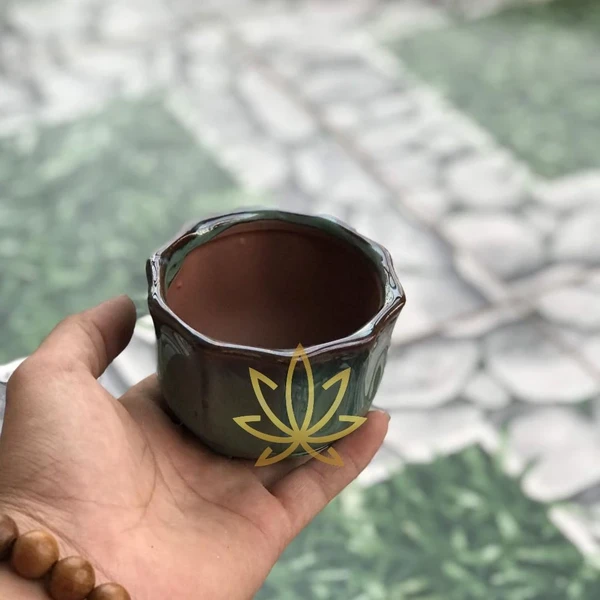
Chậu Mini Trồng Sen Đá Xương Rồng Cây Cảnh Bonsai Gốm S…

Dao Thép Cán Gỗ cao cấp không gỉ chuyên Tách ghép cành …

Chậu trồng cây Bonsai, Cây tiểu cảnh mini bằng chất liệ…

Kéo tỉa dăm cây, Kéo tỉa dăm bonsai hàng tốt

Chậu đất nung – Chậu trồng sen đá, xương rồng – Chậu tr…
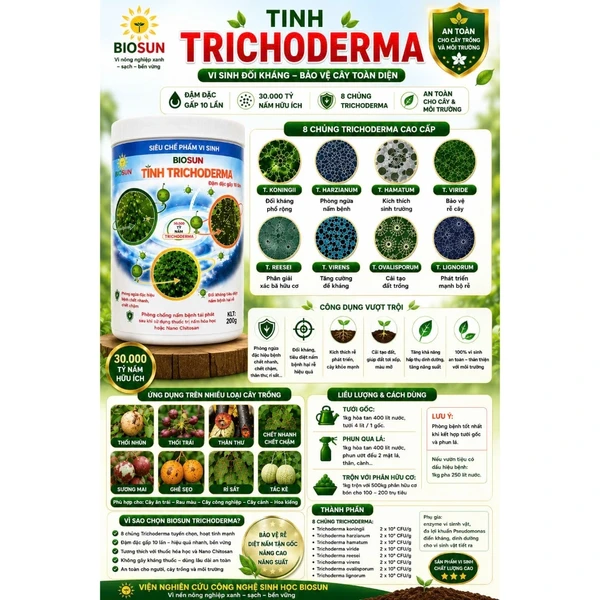
Tinh Trichoderma BioSun Đậm Đặc – Chế Phẩm Vi Sinh Đối …

Kéo Cắt Cành Nhật Bản, Combo 3 Kéo Tỉa Cành Kapusi cắt …
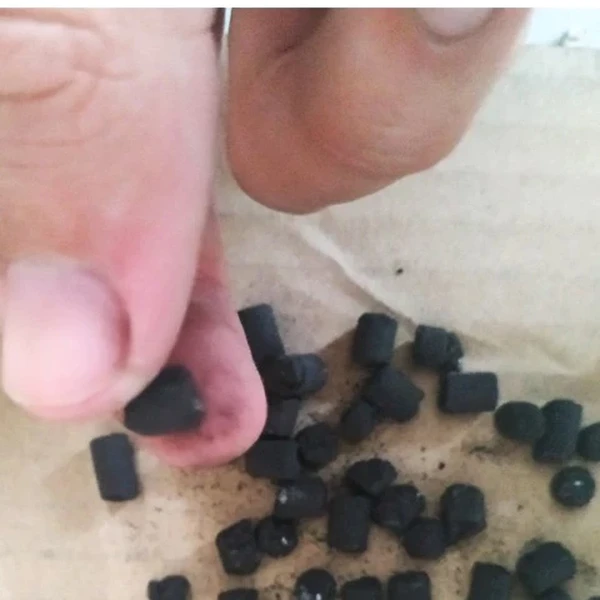
{1kg} Phân trùn quế viên nén – Phân trùn quế cho h…

Giá thể sen đá PeatMoss 1 Lít – Đất sen đá, đất xương r…
Nursery Care Journal & Living Greenery Moments
At Saigon Cay Canh greenhouse, each photograph captures genuine everyday care moments between plant lovers and living greenery, spreading a passion for nature and green-living inspiration.

💬 Góc Tư Vấn & Hướng Dẫn Kỹ Thuật SGCC
Chuẩn E-E-A-T Kinfolk❓ Chăm sóc Dragon Fruit Cactus (Hylocer cần lưu ý điều gì quan trọng nhất?
💡 Dạ điều quan trọng nhất là giữ môi trường sống ổn định, tránh sốc nhiệt hay dao động thông số đột ngột, đồng thời cung cấp khẩu phần ăn sạch và tươi mới ạ.
❓ Làm thế nào để phòng ngừa bệnh tật hiệu quả cho các bé?
💡 Dạ anh chị nên giữ vệ sinh chuồng/hồ nuôi sạch sẽ, thay nước hoặc dọn dẹp định kỳ và bổ sung vitamin, men tiêu hóa đều đặn để tăng sức đề kháng ạ.

Saguaro Cactus (Carnegiea gigantea)
Carnegiea gigantea is the iconic monumental saguaro cactus of the Sonoran Desert, renowned for massive fluted columnar trunks, formidable spine clusters, a
Read Monograph →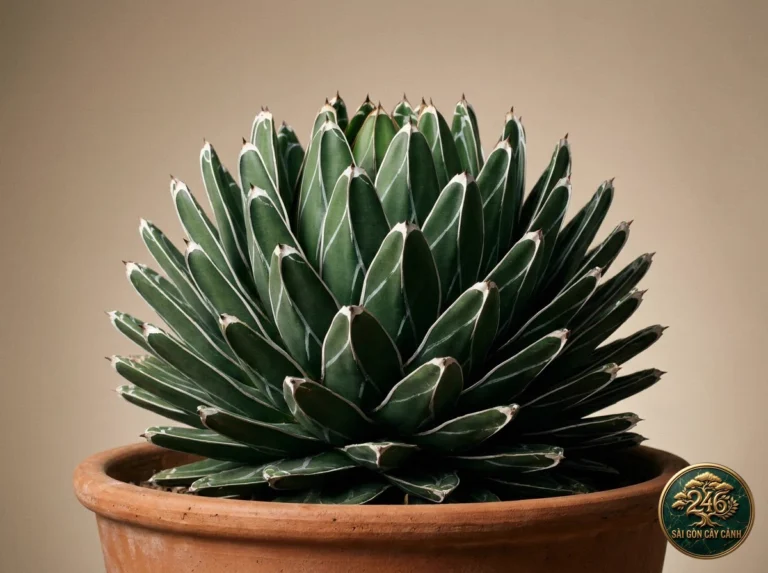
Queen Victoria Agave (Agave victoriae-reginae)
Agave victoriae-reginae, the Queen Victoria Agave, is a world-renowned botanical marvel prized for a geometrically flawless compact globe of deep green tri
Read Monograph →
Coral Cactus (Rhipsalis cereuscula)
Rhipsalis cereuscula is a charming epiphytic coral cactus forming dense shrubby cushions of cylindrical branchlets resembling grains of rice, crowned by sm
Read Monograph →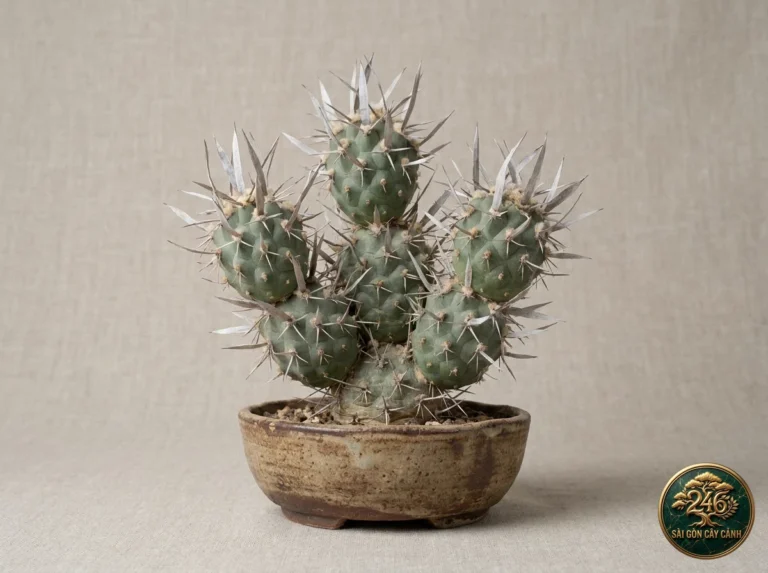
Paper Spine Cactus (Tephrocactus articulatus)
Tephrocactus articulatus is an extraordinary South American cactus celebrated for fragile pinecone-like stacked joints and wide, papery, flexible ribbon-li
Read Monograph →Expert Q&A, Recommended Supplies & Article Feedback
Tap once to connect instantly via Google, Facebook or TikTok — no long forms required!
No questions yet for this article. Tap Google / Facebook / TikTok above to ask the first question!