
Living plant profile
Common lantana (Lantana camara)
Lantana camara
📌 CLINICAL & BIOLOGICAL ABSTRACT — Common lantana (Lantana camara)Common lantana (Lantana camara) Lantana camara, universally acclaimed as common lantana, wild sage, or largeleaf lantana, is an iconic and resilient evergreen flowering shrub belonging to the Verbenaceae family. Renowned throughout global horticulture, it enchants the observer through its dense, flat-topped floral umbels displaying an extraordinary […]

Common lantana (Lantana camara)
Lantana camara, universally acclaimed as common lantana, wild sage, or largeleaf lantana, is an iconic and resilient evergreen flowering shrub belonging to the Verbenaceae family. Renowned throughout global horticulture, it enchants the observer through its dense, flat-topped floral umbels displaying an extraordinary chromatic metamorphosis, where individual florets transition synchronously from bright yellow to vibrant orange, scarlet, and magenta within the same blossom cluster under direct sun. Endowed with drought resilience, perpetual year-round flowering flushes, and dense nectar-rich florets that magnetize butterflies, it represents an essential biophilic centerpiece for sunny tropical gardens.
Sài Gòn Cây Cảnh Care Compass
1. Botanical Identity & Taxonomic Nomenclature History
Lantana camara was formally established by Swedish naturalist Carl Linnaeus in 1753 within his foundational publication Species Plantarum. The generic name Lantana derives from the ancient Latin appellation for the European wayfaring tree (Viburnum lantana), chosen by early botanists due to resembling inflorescence structures and clustered berries. The specific epithet camara traces to the vernacular designation for the plant in the indigenous Tupi-Guarani language of tropical Brazil.
Native across Central and South America, the species spread globally through 17th-century European botanical expeditions. Introduced to Vietnam, common lantana naturalized seamlessly within the tropical monsoon climate, becoming an iconic ornamental fixture admired for border hedging, public floral park tapestries, and artistic bonsai specimens valued for their gnarled woody bases and multi-colored blooms.
2. Morphological Anatomy & Structural Architecture

Morphologically, Lantana camara grows as a dense, robust, multi-branched evergreen woody shrub attaining heights of 1.0 to 2.0 meters with an expansive lateral spread of 1.5 to 2.5 meters. Stems are distinctly quadrangular when juvenile, armed with small recurved prickles and rough scabrid hairs, maturing into greyish-brown woody trunks attaining basal diameters of 5 to 10 cm in older specimens. Foliage is oppositely arranged in decussate pairs; leaf blades are broadly ovate to subcordate, measuring 5 to 12 cm long by 3 to 7 cm wide, with acute apices, rounded to cuneate bases, and crenate-serrate margins. The lamina is rugose-scabrous adaxially with prominently impressed reticulate venation, emitting a pungent herbal-citrus aroma when bruised, borne on petioles 1 to 3 cm long.
Inflorescences consist of dense, flat-topped corymbose umbels arising from upper leaf axils on peduncles 3 to 8 cm long, each head spanning 3 to 5 cm across and bearing 20 to 40 individual florets. The tubular salverform corolla features a slender curved tube 1.0 to 1.2 cm long flaring into 4 to 5 unequal lobes. The signature attribute of this species is dramatic post-pollination color ontogeny: newly opened central florets emerge in lemon-yellow or cream, sequentially shifting through vivid orange, fiery scarlet, and deep magenta toward the periphery. The plant blooms perpetually throughout the year under full sun. The fruit is a subglobose fleshy drupe 0.4 to 0.6 cm in diameter clustered densely, ripening from lustrous green to glossy metallic bluish-black enclosing hard seed pyrenes.
3. Solar Irradiance Thresholds & Photosynthetic Dynamics
Lantana camara is an obligate full-sun heliophyte requiring intensive solar irradiance between 45,000 and 85,000 lux to maintain compact branching, leathery foliage, and prolific floral flushes. Direct, unfiltered sunlight of at least 6 to 8 hours daily is mandatory; generous solar exposure stimulates anthocyanin and carotenoid biosynthesis, driving dramatic post-pollination floral color transformations.
When positioned in shaded microclimates below 25,000 lux, stems etiolate severely, foliage loses its robust texture, and flower head production declines precipitously or ceases altogether. The species demonstrates extraordinary resilience against blistering tropical summer heat exceeding 40 degrees C without flagging, aided by extensive root depth and rugose foliar cuticles that minimize transpirational water loss.
4. Mineral Substrate Mechanics & Root Aeration Porosity
The root architecture of common lantana features a sturdy woody taproot and an extensive network of lateral fibrous roots that anchor aggressively into the substrate, demonstrating remarkable tolerance to impoverished soils, coastal sands, and rocky hillsides. However, rapid gravity drainage without pooling is an uncompromising prerequisite; waterlogged anaerobic conditions rapidly destroy delicate feeder rootlets, inducing crown rot.
The benchmark growing substrate engineered by Saigon Cay Canh includes 40% light alluvial loam or basaltic soil, 25% carbonized rice husks for gas exchange, 20% washed coco peat, 10% Trichoderma-inoculated aged vermicompost, and 5% coarse sand or perlite. Soil pH is maintained within the adaptable range of 6.0 to 7.5. Containers and planting beds must provide ample unobstructed drainage pathways.
5. Hydraulic Equilibria & Irrigation Regimens
Lantana camara possesses outstanding drought resilience among tropical flowering ornamentals; consequently, its irrigation requirements are moderate, and excessive watering poses a primary cultivation hazard. The baseline protocol dictates watering deeply only after the top 2 to 3 cm of substrate has dried out thoroughly. During hot dry spells, irrigate once daily at dawn; during cooler or rainy weather, withhold water until the soil surface is dry.
Apply water directly around the root crown; avoid saturating dense interior canopies late in the evening, as lingering nocturnal moisture encourages powdery mildew and Cercospora leaf spot. Following torrential downpours, elevate containers to facilitate swift gravitational outflow.
6. Nutrient Biogeochemistry & Fertilization Protocols
Although capable of surviving in nutrient-deficient soils, common lantana responds enthusiastically to disciplined, light fertilization, sustaining dense clusters of hundreds of multi-colored floral umbels. Top-dress with aged vermicompost or slow-release organic granules (NPK 6-8-12) at moderate dosages every 30 to 45 days around the drip line.
Following post-bloom pruning, dissolve a water-soluble balanced or bloom formulation (NPK 15-20-25 or NPK 16-16-16) at a dilute rate of 1.0 gram per liter, drenching the root zone every 10 to 12 days. Avoid excessive nitrogen applications that trigger rampant vegetative shoots at the expense of floral buds; apply chelated calcium and boron monthly to fortify pedicel durability and color vibrancy.
7. Clonal Propagation & Germplasm Conservation
Lantana camara is propagated with consummate ease via semi-hardwood or softwood stem cuttings, achieving rooting success near 100%. The optimal propagation window spans warm spring or early rainy periods. Select vigorous semi-lignified shoots measuring 10 to 15 cm with 3 to 4 nodes. Using shears sanitized with 70% medical alcohol, make a 45-degree angle cut below the basal node and reduce larger leaves by half to minimize transpirational stress.
Dip the basal cut into 500 to 800 ppm IBA rooting powder for several seconds and insert 3 to 4 cm deep into equal parts clean sand and moist coco coir. Maintain under 50% filtered sunlight with regular fine misting; adventitious roots proliferate within 7 to 10 days, quickly establishing expanding root systems ready for potting.
8. Phytochemical Toxicity & Pet Safety Standards (ASPCA)
Botanical safety profile and ASPCA pet safety standards: Classified within the Verbenaceae family, Lantana camara is officially cataloged as TOXIC to companion animals and livestock under ASPCA toxicological protocols. All vegetative parts, particularly the immature green drupes and foliage, contain high concentrations of hazardous pentacyclic triterpenoids, predominantly lantadene A, lantadene B, and icterogenin.
Accidental ingestion by dogs, cats, or grazing livestock induces acute hepatotoxicity and intrahepatic cholestasis, causing clinical signs including depression, anorexia, vomiting, diarrhea, jaundice (icterus), and severe secondary cutaneous photosensitization leading to blistering dermatitis upon sunlight exposure. Severe poisoning culminates in acute hepatic and renal failure without prompt veterinary intervention. Consequently, gardeners should maintain canopy borders responsibly, deadhead green berry clusters using shears sanitized with 70% medical alcohol, and discourage companion animals from browsing foliage.
9. Clinical Pathology Diagnostics & Treatment Strategies
Clinical diagnostic screening for whitefly control and hedge pruning for perpetual flushes in Lantana camara:
| Clinical Manifestation | Etiological Cause | Standard Treatment Protocol |
|---|---|---|
| Stems become leggy and sparse, leaves turn pale, and flower umbel production halts entirely | Severe light deprivation from growing under heavy shade below 25,000 lux for extended periods | Prune back branches by one-third using shears sanitized with 70% alcohol, relocate plant to receive 6 to 8 hours of direct sunlight daily |
| Foliage develops powdery white-grey fungal patches, followed by foliar curling and premature drop | Powdery mildew (Oidium spp.) infection favored by stagnant humidity and poor air circulation | Thin dense interior shoots to improve aeration, apply bio-fungicides or dilute potassium bicarbonate solution |
| Pet exhibits lethargy, vomiting, anorexia, and icterus (yellowing eyes and skin) after eating green berries | Poisoning from toxic lantadene triterpenoids inducing acute hepatobiliary injury and cholestasis | Transport animal immediately to veterinary clinic for supportive liver therapy, and prune off immature green berry clusters |
10. Comparative Morphology & Allied Taxa Diagnosis
Morphological comparative matrix contrasting chromatic color-shifting umbels and lantadene triterpenoid toxicity in Lantana camara:
| Diagnostic Parameter | Lantana camara (Common lantana) | Comparative Specimen A | Comparative Specimen B |
|---|---|---|---|
| Floral Color Metamorphosis and Appearance | Dynamic multi-colored umbel transitioning from yellow to orange, scarlet, and magenta on the same cluster | Uniform lavender-violet to lilac florets centered with white or yellow eye, retaining consistent hue | Colossal pendulous bell-shaped flower 25 to 35 cm long in pristine white, sweetly fragrant at night |
| Growth Habit and Stem Morphology | Erect to sprawling woody shrub 1 to 2 meters high armed with small recurved prickles | Prostrate creeping to trailing woody groundcover 0.5 to 1 meter spread, unarmed stems | Large woody shrub or small arborescent tree 3 to 5 meters tall with arching canopy |
| Toxicological Hazard Profile to Companion Animals | TOXIC (contains lantadene A & B triterpenoids causing acute hepatobiliary damage and photosensitization) | TOXIC (contains similar triterpenoids capable of inducing hepatotoxicity if ingested in volume) | EXTREMELY TOXIC (contains tropane alkaloids scopolamine and atropine causing violent poisoning) |
11. Biophilic Design Harmony & Contemporary Spatial Aesthetics

Within architectural landscape design and biophilic philosophy, common lantana symbolizes five-element harmony, cheerful optimism, vibrant unity, and unyielding life force through its magical post-pollination transition across gold, orange, and crimson. Its radiant multi-hued florets channel dynamic positive energy, enriching residential outdoor living spaces with continuous warmth and prosperity.
Lantana camara performs impeccably as dense flowering borders along sunny estate pathways, broad mass-planted groundcovers in tropical parks, cascading planter accents on sun-drenched balconies, or artistic flowering bonsai specimens of remarkable sculptural character.
12. Saigon Cay Canh Provenance & Cultivation Assurance

Saigon Cay Canh delivers premium, thoroughly acclimated specimens of pure Lantana camara, featuring dense multi-stemmed canopies, vigorous root balls, and continuous flushes of multi-hued floral umbels ready for elite landscape installation.
We provide 100% verified botanical taxonomy, comprehensive guidance on seasonal pruning for synchronized blooming, and dedicated living health warranties across private residences, civic parks, and luxury tropical resorts.
💬 Góc Tư Vấn & Hướng Dẫn Kỹ Thuật SGCC
Chuẩn E-E-A-T Kinfolk❓ Chăm sóc Common lantana (Lantana cama cần lưu ý điều gì quan trọng nhất?
💡 Dạ điều quan trọng nhất là giữ môi trường sống ổn định, tránh sốc nhiệt hay dao động thông số đột ngột, đồng thời cung cấp khẩu phần ăn sạch và tươi mới ạ.
❓ Làm thế nào để phòng ngừa bệnh tật hiệu quả cho các bé?
💡 Dạ anh chị nên giữ vệ sinh chuồng/hồ nuôi sạch sẽ, thay nước hoặc dọn dẹp định kỳ và bổ sung vitamin, men tiêu hóa đều đặn để tăng sức đề kháng ạ.
🌿 Trang Thiết Bị, Đất Trồng & Dụng Cụ Bonsai Tuyển Chọn
Dụng cụ tỉa, giá thể hữu cơ & phân bón chuyên dụng cho cây cảnh.
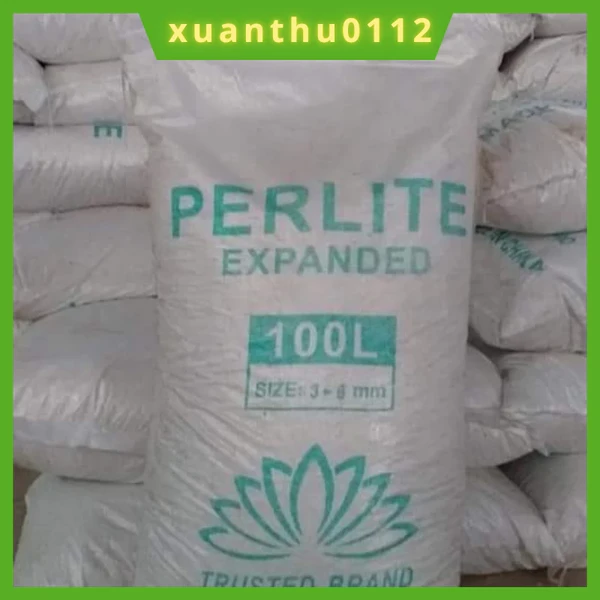
Đá Perlite,Đá Trân Châu nhập khẩu,đá xốp trộn giá thể,t…

Kéo cắt cành, kéo tỉa cành cây cảnh chuyên dụng. Kéo tỉ…

Hạt giống hoa hồng leo Pháp nhiều màu 20 hạt (TẶNG gói …

Phân Tan Chậm cho sen đá, hoa kiểng, kiểng lá, Hi contr…
Treo Tường Planter Chân Đế Sắt Móc Trang Trí Dễ Dàng Lắ…

Kéo Tỉa Dăm Kéo Tỉa Cành SK5 Cây Cảnh, Bonsai Nông Nghi…
1Kg than củi, than hoa nướng thịt, than củi gỗ, than củ…
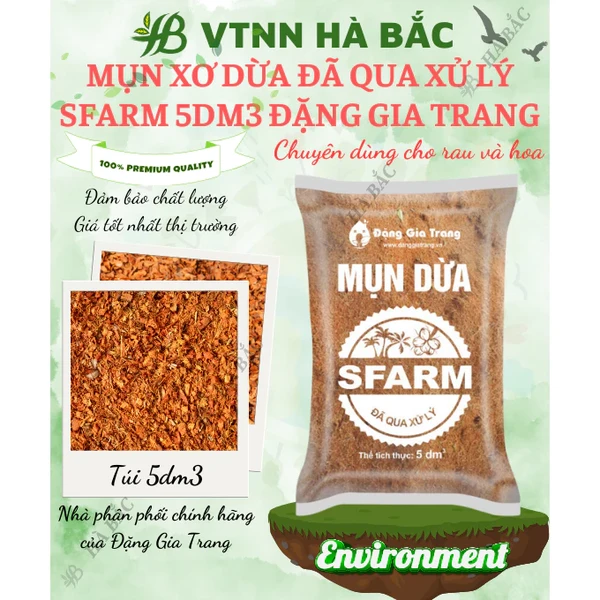
Mụn Dừa, Mụn Xơ Dừa Đã Qua Xử Lý SFARM 5dm3 Đặng Gia Tr…

Đĩa nhựa vuông lót chậu, khay lót chậu vuông hoa cây cả…
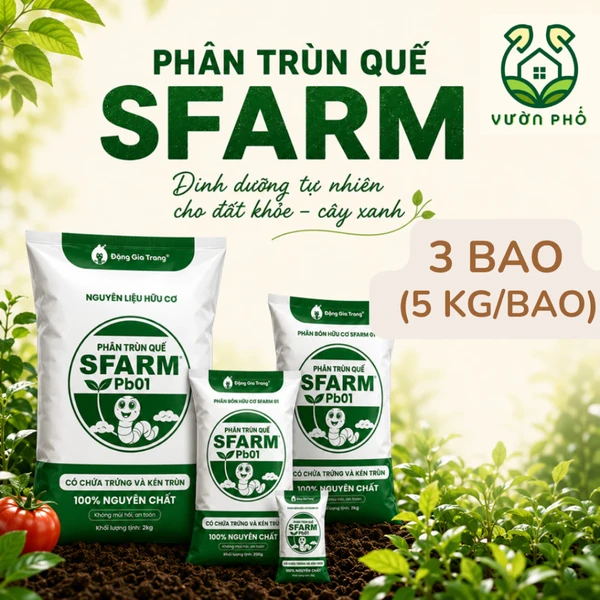
🔥VP🔥SET 3 bao Phân trùn quế SFARM 5kg /bao – Phân hữu c…

Bộ vòi xịt nước tưới cây đa năng 8 chế độ kèm dây tưới …

Kéo cắt cành SADA chính hãng Nhật Bản SK5 – KÌM CẮT CÀN…

Carnation (Dianthus caryophyllus)
Carnation (Dianthus caryophyllus) Dianthus caryophyllus, universally revered as carnation, clove pink, or the divine flower, is an aristocratic,...
Read Monograph →
Panicle hydrangea (Hydrangea paniculata)
Panicle hydrangea (Hydrangea paniculata) Hydrangea paniculata, universally known as panicle hydrangea or peegee hydrangea, is a majestic, cold-hardy,...
Read Monograph →
Scarlet wrightia
Wrightia coccinea, celebrated among connoisseurs of rare tropical flora as scarlet wrightia or red jasmine tree, is a...
Read Monograph →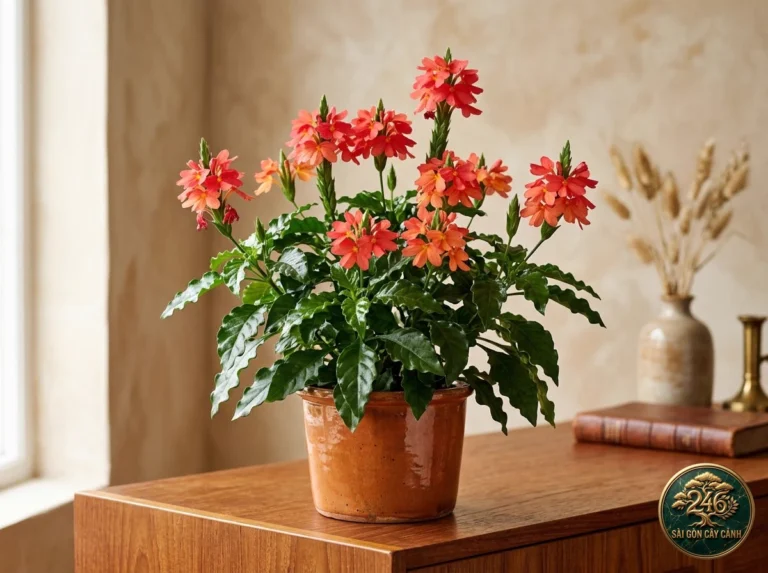
Nile crossandra
Crossandra nilotica, celebrated internationally as the Nile crossandra or East African firecracker flower, is an aristocratic, evergreen tropical...
Read Monograph →Expert Q&A, Recommended Supplies & Article Feedback
Tap once to connect instantly via Google, Facebook or TikTok — no long forms required!
No questions yet for this article. Tap Google / Facebook / TikTok above to ask the first question!