
Living plant profile
Brownie Ghost bucephalandra (Bucephalandra ‘Brownie Ghost’)
Bucephalandra 'Brownie Ghost'
Complete botanical and aquascaping care guide for Brownie Ghost bucephalandra (Bucephalandra ‘Brownie Ghost’): water parameters, CO2, lighting, and epiphytic mounting techniques.
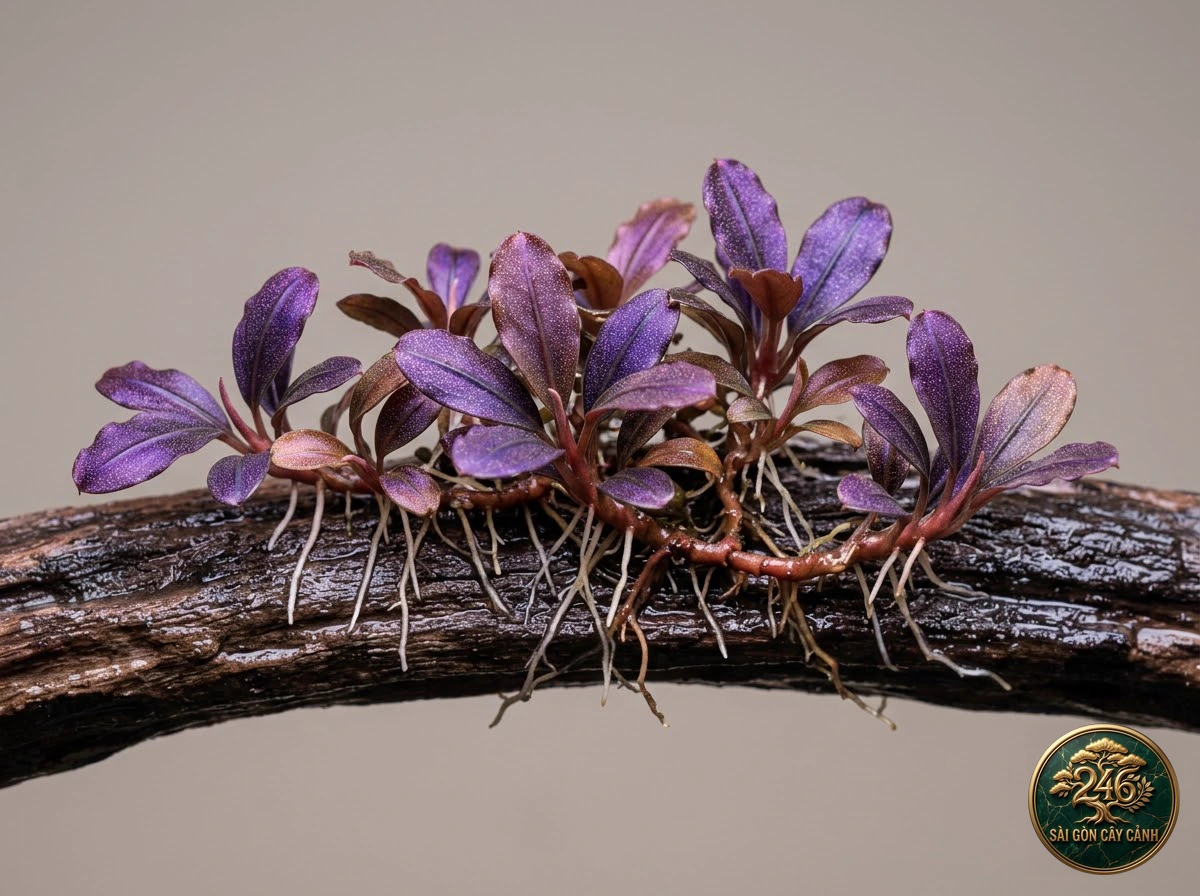
Brownie Ghost bucephalandra (Bucephalandra ‘Brownie Ghost’)
Bucephalandra ‘Brownie Ghost’ is an extraordinary rheophytic jewel of modern aquascaping, celebrated worldwide for its iridescent metallic sheen, ruffled foliage, and exceptional ability to colonize hardscape submerged in crystal-clear flowing currents.
Sài Gòn Cây Cảnh Care Compass
1. Botanical Overview & Taxonomic Identity
Belonging to the family Araceae and tribe Schismatoglottideae, the genus Bucephalandra is strictly endemic to the tropical rainforest streams of Borneo. The generic name derives from Greek bous (bull), kephale (head), and anther, illustrating the horned bull-head morphology of its distinctive male stamen apparatus.
In its native riparian biome, Bucephalandra ‘Brownie Ghost’ thrives as a rheophyte securely attached to basaltic boulders and riverside bedrock. During seasonal monsoon surges, it tolerates complete prolonged submersion in oxygen-saturated torrents, absorbing nutrients through its water-adapted foliage.
2. Morphological Diagnostics & Identification
The hallmark diagnostic signature of Bucephalandra ‘Brownie Ghost’ is the presence of dense, crystalline white stomata dots scattered across the velvet-textured lamina, creating an enchanting glittering effect under balanced aquarium illumination.

The creeping rhizome is stout, fibrous, and richly pigmented with reddish-brown or deep purple anthocyanins. From each node emerge tenaciously anchored adventitious roots with specialized root hairs that physically bond to micro-crevices in submerged wood and stone.
3. Native Ecology & Habitat Adaptation
Rainforest stream ecosystems in Borneo feature shaded canopies, low mineral turbidity, slightly acidic waters, and consistent tropical temperatures throughout the seasons. Bucephalandra ‘Brownie Ghost’ has evolved thick cuticular layers and tough cellular walls to endure heavy mechanical current friction.
4. Water Parameters & Aquarium Culture
To ensure vibrant coloration and long-term vitality in nature aquariums, consistent water parameters must be preserved:

| Cultivation Parameter | Target Range | Technical Remarks |
|---|---|---|
| Water Temperature | 22°C – 26°C (71°F – 79°F) | Prolonged temperatures above 28°C induce melting risk |
| pH Value | 5.8 – 7.0 | Mild acidity promotes iridescent coloration and nutrient uptake |
| Total Dissolved Solids (TDS) | 80 – 140 ppm | Soft water mimics pristine rainforest stream conditions |
| General & Carbonate Hardness | GH: 3 – 6 dGH | KH: 0 – 2 dKH | Low carbonate levels prevent leaf tip necrosis |
| Water Circulation | Moderate to High | Continuous convective current keeps lamina free of debris |
5. Lighting Requirements & Spectral Balance
Bucephalandra ‘Brownie Ghost’ performs best under low to moderate photosynthetic active radiation (PAR 40 – 70 µmol/m²/s). Specialized RGB/WRGB aquatic LED fixtures provide the full red and blue spectrum required to synthesize defensive anthocyanin pigments, giving rise to its royal purple and navy iridescence.
6. Dissolved CO2 & Gaseous Exchange
While capable of surviving in low-energy setups, pressurized carbon dioxide injection at 20 – 30 mg/L dramatically elevates growth rate, stimulates active oxygen pearling, and substantially deters opportunistic brush algae from colonizing slow-growing leaf margins.
7. Nursery Cultivation & Liquid Fertilization
Cultivated under professional nursery glasshouse protocols at Saigon Cay Canh, specimens receive carefully regulated micro-nutrient dosing:

Because its rhizome remains unburied, nutrient absorption occurs predominantly from the water column. Regular supplementation of chelated iron (Fe-DTPA), potassium, and trace elements is vital to maintain leaf pigmentation.
8. Propagation & Hardscape Attachment
Propagation is conducted via clean rhizome division. Sever healthy rhizome segments bearing at least 4–5 mature leaves and active anchoring roots. Never bury the creeping rhizome in aqua soil, as anoxic substrate conditions trigger rapid bacterial decay. Secure the rhizome to driftwood or porous rock using fishing line, cotton thread, or cyanoacrylate aquatic plant gel.
9. Algae Prevention & Biological Stewardship
Slow foliar turnover makes Bucephalandra ‘Brownie Ghost’ susceptible to black beard algae (BBA) and green spot algae (GSA). Deploy an active clean-up crew of Amano shrimp (*Caridina multidentata*) and Nerite snails to maintain immaculate foliage.
10. Rhizome Rot Diagnostics & Remediation
Abrupt parameter swings or organic spikes can trigger bacterial rhizome rot. At first sign of softening tissue, isolate the plant, excise all necrotic sections down to clean green vascular tissue with a sterilized scalpel, rinse thoroughly, and remount in high-flow water.
11. Aquascaping Design & Architectural Application
In Nature Aquariums and biotope layouts, Bucephalandra ‘Brownie Ghost’ provides unmatched focal contrast against light hardscape and lush green mosses:

Its dark metallic foliage softens hardscape transition zones, adding depth, maturity, and ancient rainforest character to home and gallery aquariums.
12. Nursery Journal & Saigon Cay Canh Living Moments
At Saigon Cay Canh botanical nursery, each specimen is cultivated with horticultural dedication and scientific precision, delivering healthy aquatic greenery and tranquil living-space inspiration.

13. Technical Summary Specification
| Specification Field | Botanical Details |
|---|---|
| Scientific Name | Bucephalandra ‘Brownie Ghost’ |
| Family | Araceae |
| Origin | Borneo, Southeast Asia |
| Aquascaping Placement | Fore-to-Midground, Epiphytic Hardscape |
| Growth Rate | Slow (1–2 leaves per month) |
| Difficulty | Trung bình |
| Toxicity | Contains Calcium Oxalate Crystals (Inedible) |
💬 Góc Tư Vấn & Hướng Dẫn Kỹ Thuật SGCC
Chuẩn E-E-A-T Kinfolk❓ Tại sao cây Brownie Ghost của em mới mua về thường bị rụng lá và tan thân (melt)?
💡 Thưa Anh, hiện tượng này là ‘cú sốc chuyển môi trường’. Cây vừa rời khỏi điều kiện nuôi cấy chuyên dụng về hồ của Anh có thông số nước khác biệt. Anh hãy bình tĩnh, cắt tỉa phần lá hư, giữ dòng chảy nhẹ nhàng nhưng liên tục, không cắm trực tiếp vào nền mà buộc trên đá/lũa. Cây cần thời gian 2-4 tuần để thích nghi với hệ sinh thái mới.
❓ Làm thế nào để lá cây lên màu tím ánh kim đậm và rực rỡ nhất?
💡 Dạ, bí quyết nằm ở sự cân bằng giữa ánh sáng WRGB và nồng độ khoáng. Anh nên sử dụng đèn có phổ đỏ/xanh mạnh để kích thích cây tổng hợp anthocyanin, đồng thời giữ TDS thấp (dưới 140ppm) và hàm lượng CO2 ổn định. Sự kiên nhẫn và ổn định thông số chính là chìa khóa để Brownie Ghost khoác lên mình lớp áo choàng ma mị nhất ạ.
🌿 Trang Thiết Bị, Đất Trồng & Dụng Cụ Bonsai Tuyển Chọn
Dụng cụ tỉa, giá thể hữu cơ & phân bón chuyên dụng cho cây cảnh.

Chậu gốm đất nung xuất khẩu Wax mộc, trồng cây xanh sen…

Đất trồng sen đá, giá thể đã trộn sẵn trồng sen đá, xươ…

Keo Liền Da Cây Mỹ Tiến Hũ 100g – Keo Liền Sẹo Cây Trồn…
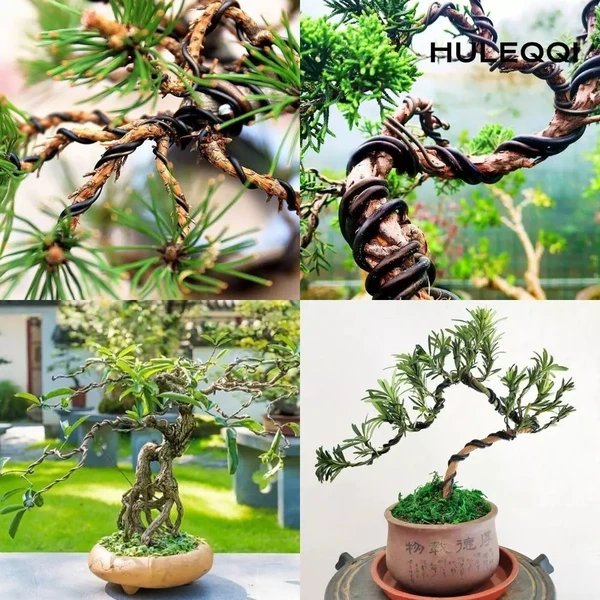
Dây uốn cây cảnh HULEQQI, hỗ trợ tạo dáng bonsai, màu đ…

Chậu Nhựa Trồng Cây Lục Giác Giả Đá Đen, Chậu Trồng Cây…

Homyl Mộc Mạc Sắt Treo Móc Kim Loại Móc Treo Cây Treo T…
Gói 20 Hạt giống Cây Hương Thảo Đuổi Muỗi – Rosemary
Than củi, than hoa nướng thịt, trồng lan túi 2kg
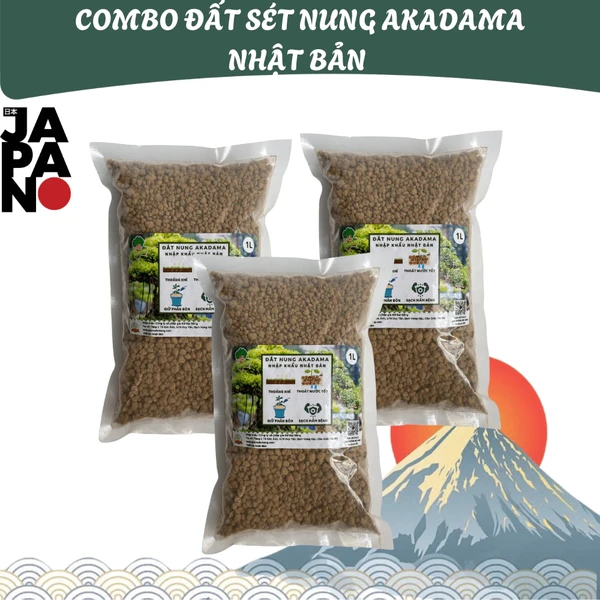
Đất nung Akadama- Đất sạch trồng Bonsai, cây cảnh, hoa …

Hoa mười giờ thái – Đủ màu sắc – dễ trồng – Nhánh trồng…
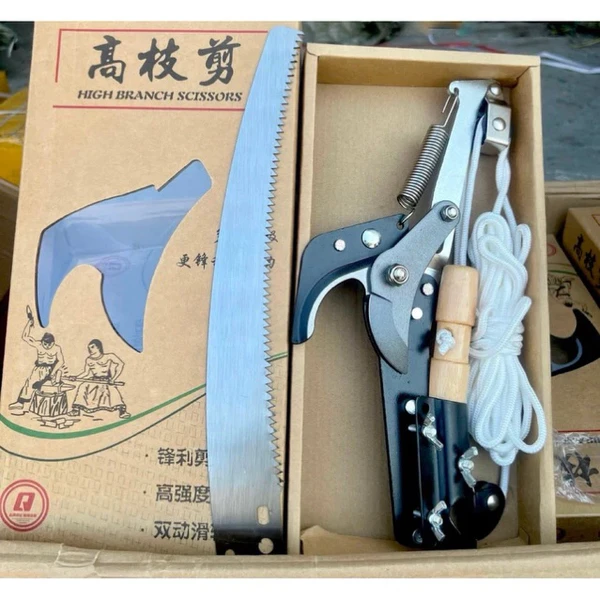
Kéo Cắt Cành Trên Cao Tích Hợp Lưỡi Cưa Cây Thép SK5 Nh…

Chậu đất nung đen SONDA GARDEN, chậu trồng sen đá, chậu…

Rotala Nanjenshan (Rotala ‘Nanjenshan’)
Complete botanical and aquascaping guide for Rotala Nanjenshan (Rotala 'Nanjenshan'): high PAR lighting, CO2 injection, nitrate limitation, and pruning techniques.
Read Monograph →
Rough waterclover (Marsilea hirsuta)
Complete botanical and aquascaping guide for Rough waterclover (Marsilea hirsuta): lighting, CO2, trimming regimen, and Dry Start planting techniques.
Read Monograph →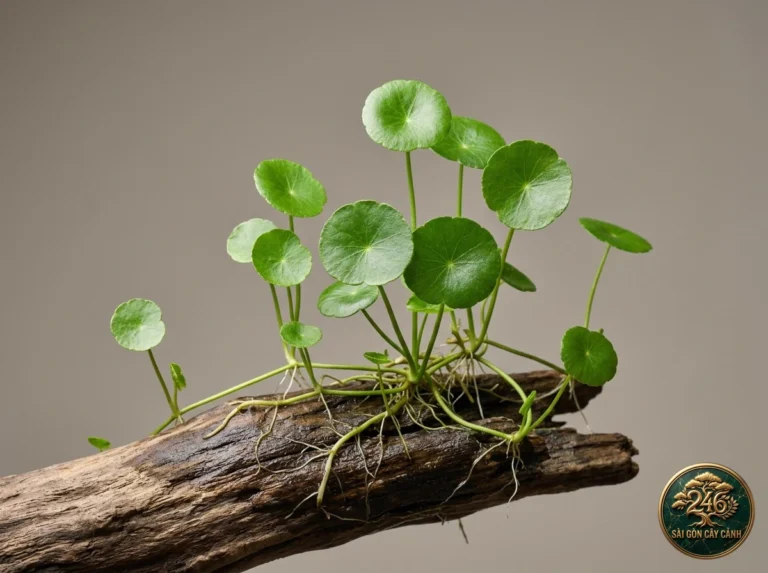
Whorled pennywort (Hydrocotyle verticillata)
Complete botanical and aquascaping guide for Whorled pennywort (Hydrocotyle verticillata): lighting, CO2, trimming regimen, and Dry Start planting techniques.
Read Monograph →
Complete botanical and aquascaping guide for Indian toothcup bonsai (Rotala indica): high PAR lighting, CO2 injection, nitrate limitation, and pruning techniques.
Read Monograph →Expert Q&A, Recommended Supplies & Article Feedback
Tap once to connect instantly via Google, Facebook or TikTok — no long forms required!
No questions yet for this article. Tap Google / Facebook / TikTok above to ask the first question!