
Living plant profile
Rotala Nanjenshan (Rotala ‘Nanjenshan’)
Rotala 'Nanjenshan'
Complete botanical and aquascaping guide for Rotala Nanjenshan (Rotala ‘Nanjenshan’): high PAR lighting, CO2 injection, nitrate limitation, and pruning techniques.
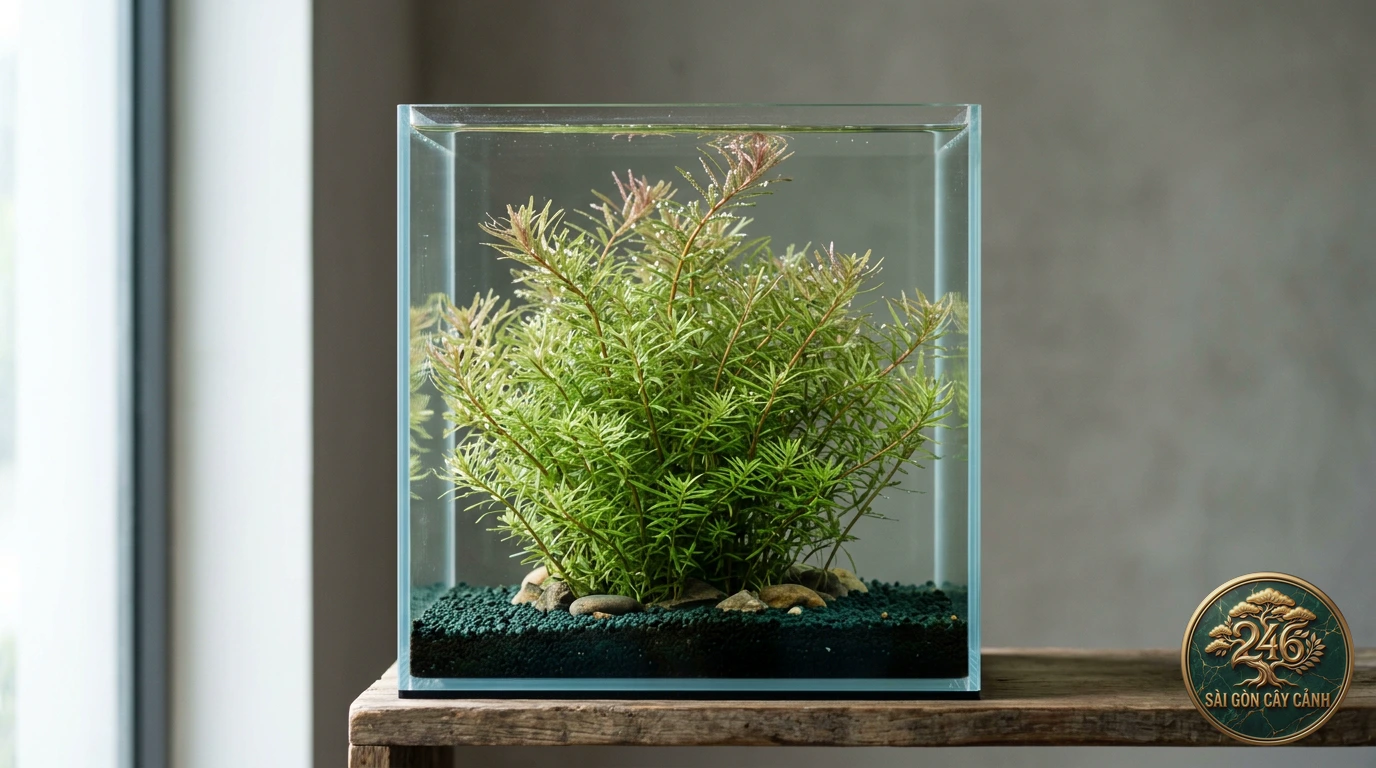
Rotala Nanjenshan (Rotala ‘Nanjenshan’)
Rotala ‘Nanjenshan’ is an iconic and exceptionally vibrant stem plant within the genus Rotala, celebrated across Dutch and Nature Aquarium aquascapes for its dramatic color transformations ranging from radiant fiery orange to deep blood red and delicate peach tones under high-intensity lighting and abundant CO2 supplementation.
Sài Gòn Cây Cảnh Care Compass
1. Botanical Overview & Taxonomy
Belonging to the Loosestrife family (Lythraceae), the genus Rotala encompasses amphibious and wetland plants native primarily to tropical and subtropical regions of Asia, Africa, and the Americas. The plant features delicate, node-bearing herbaceous stems with paired or whorled leaves capable of vigorous lateral branching to form dense, billowy aquatic hedges.
In its native habitat, Rotala ‘Nanjenshan’ inhabits shallow wetlands, flooded paddy margins, and riverbanks. It displays profound phenotypic plasticity, switching effortlessly between emersed growth (rounded green leaves with axillary flowers) and submerged aquatic growth (slender, elongated, brilliantly pigmented foliage).
2. Morphological Diagnostics & Identification
The defining diagnostic feature of Rotala ‘Nanjenshan’ is its slender, lanceolate or needle-like foliage densely clustered along upright or elegantly weeping stems. Under intense illumination enriched with 660nm deep red wavelengths, epidermal cells accumulate abundant anthocyanins and carotenoids, producing saturated crimson, blazing orange, or copper-pink hues.
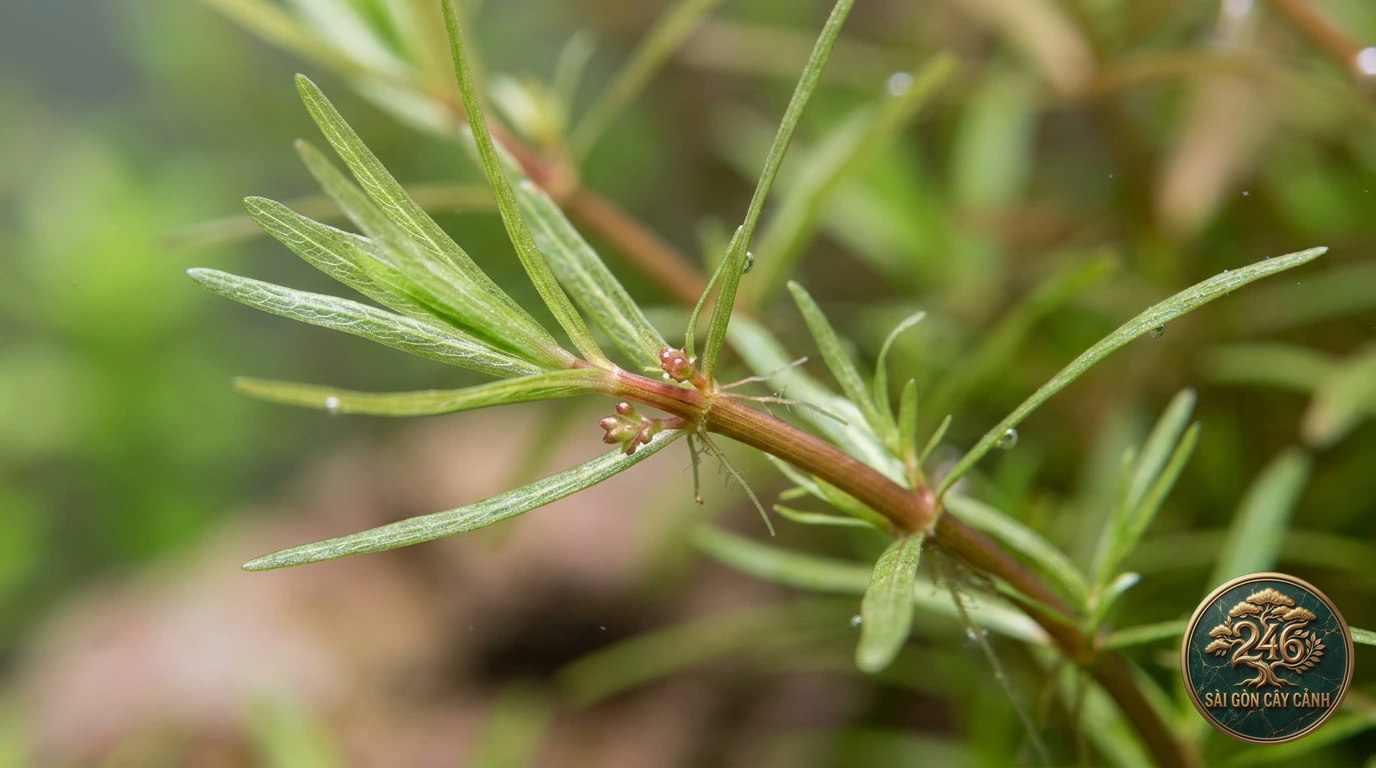
The stems are pliable and succulent, branching prolifically at every leaf node. Under proper flow and lighting conditions, the crowns curve gently downwards, creating dynamic cascading contours within the aquascape.
3. Native Ecology & Aquatic Adaptations
Adapted to sun-drenched, mineral-rich tropical floodplains, Rotala species exhibit rapid nutrient metabolism. In closed aquarium environments, they function as exceptional biological filters, swiftly consuming excess nitrates and orthophosphates, thus outcompeting nuisance algae and stabilizing the aquatic ecosystem.
4. Water Parameters & Chemical Requirements
To ensure radiant coloration and prevent tip stunting, strict water parameter control is essential:

| Water Parameter | Optimal Target Range | Technical Notes |
|---|---|---|
| Water Temperature | 22°C – 27°C (72°F – 80°F) | Cooler temperatures (23-25°C) stimulate deeper anthocyanin production |
| pH Value | 5.8 – 6.8 | Slightly acidic water enhances chelated iron bioavailability |
| General / Carbonate Hardness | GH: 4 – 8 dGH | KH: 1 – 4 dKH | Soft water prevents leaf curling and tip distortion |
| Total Dissolved Solids (TDS) | 100 – 180 ppm | Clean water minimizes organic detritus settling on fine foliage |
| Current & Flow | Moderate, laminar flow | Ensures CO2 and micronutrient distribution through dense bushes |
5. Lighting Spectrum & High-PAR Requirements
Rotala ‘Nanjenshan’ demands high photosynthetic photon flux (PAR 80 – 160 µmol/m²/s). Specialized WRGB LED fixtures (such as ADA Solar RGB or Chihiros WRGB II) are mandatory to unlock its genetic pigment potential. A daily photoperiod of 7 to 8 hours ensures compact internodal spacing and intense saturation.
6. Pressurized CO2 & Photosynthetic Pearling
Maintaining dissolved CO2 concentrations of 25 – 35 mg/L is fundamental. Plentiful carbon fertilization triggers intense photosynthetic oxygen saturation, resulting in dramatic pearling streams ascending from the leaf undersides, while promoting lush lateral bushy growth.
7. Fertilization & Nitrate Limitation Strategy
At Saigon Cay Canh production nurseries, Rotala ‘Nanjenshan’ is propagated in specialized tissue culture and greenhouse raceways enriched with bioavailable chelated iron (Fe-DTPA and Fe-EDDHA).
In home display aquariums, advanced aquascapers employ nitrate limitation: maintaining low dissolved nitrates (3 – 5 ppm) alongside abundant potassium and chelated iron forces the plant to minimize chlorophyll synthesis in favor of brilliant red anthocyanin and carotenoid pigments.
8. Trimming Techniques & Stem Propagation
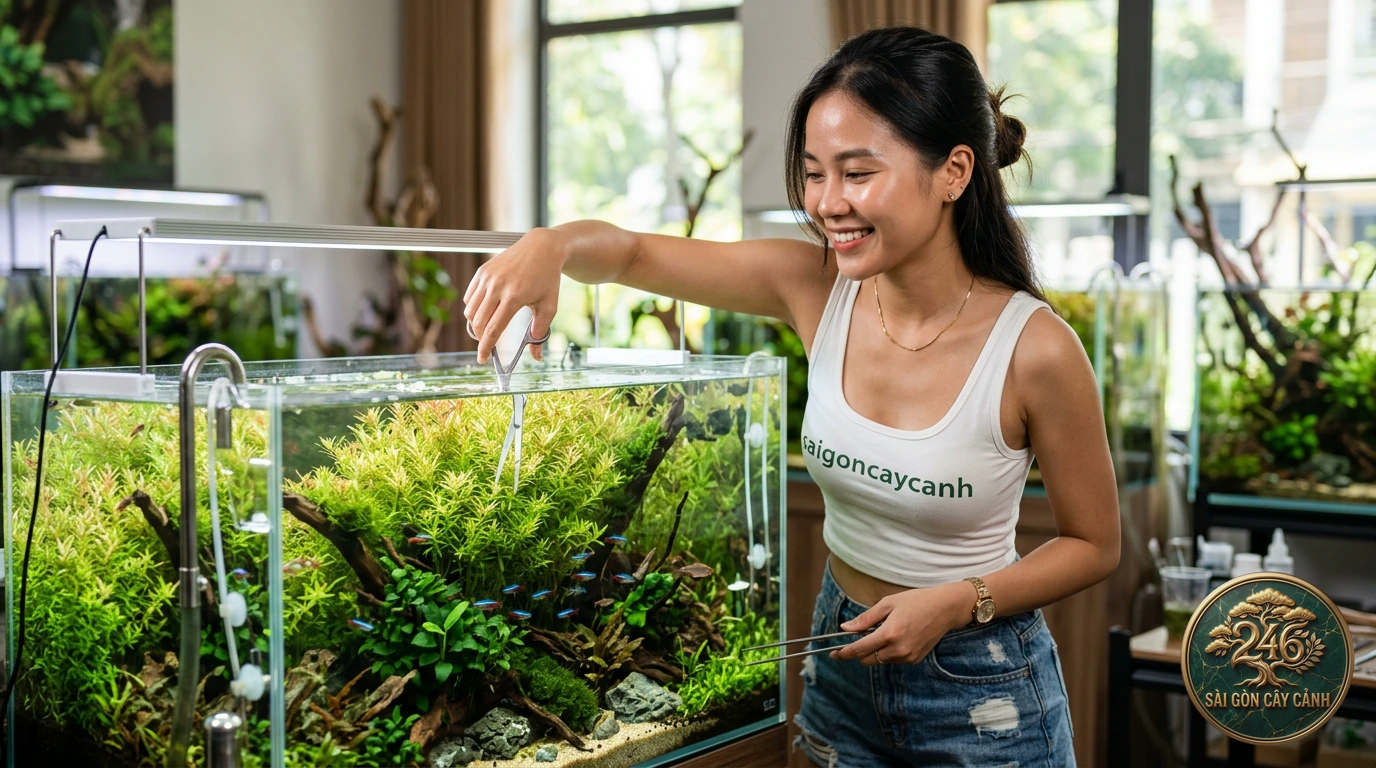
To cultivate dense, dome-shaped Dutch bushes, regular contour trimming is required. Shearing the top third of the stems prompts each decapitated stem to emit multiple lateral shoots. Top cuttings (10–15 cm) can be replanted directly into the substrate with precision tweezers, rooting rapidly within 3–5 days.
9. Lower Stem Rejuvenation & Maintenance
Over time, lower foliage shaded by dense upper canopies may shed or deteriorate. Aquarists should periodically thin out aging stems or uproot and replant the top cuttings to rejuvenate the entire stand.
10. Algae Management & Microfauna Balance
Robust growth naturally suppresses nuisance algae. Maintaining balanced dosing, active biofiltration, weekly 30% water changes, and a diligent clean-up crew (Amano shrimp, Otocinclus) keeps the foliage pristine.
11. Aquascaping Design & Focal Point Placement
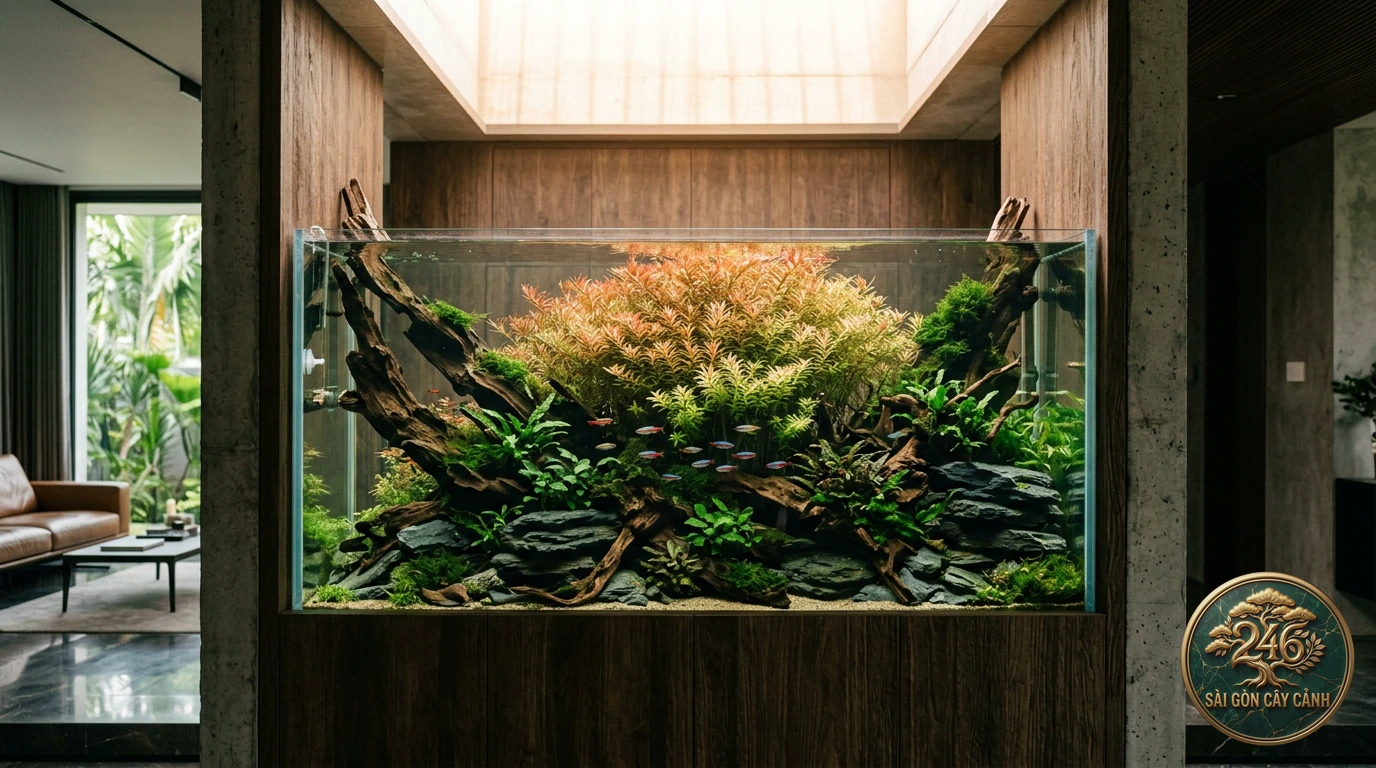
In professional aquascaping, Rotala ‘Nanjenshan’ serves as a high-impact focal point and Dutch street component. Its radiant tones provide striking chromatic contrast against deep green mosses, ferns, and dark volcanic hardscape.

12. Biocompatibility & Livestock Safety
Completely non-toxic and aquarium-safe, Rotala ‘Nanjenshan’ provides safe foraging grounds and shelter for ornamental dwarf shrimp and small schooling fish.
13. Technical Species Specification Matrix
| Technical Specification | Details & Requirements |
|---|---|
| Scientific Name | Rotala ‘Nanjenshan’ |
| Family | Lythraceae (Loosestrife family) |
| Aquascape Position | Midground to Background focal bush |
| Lighting Demands | High (PAR 80 – 160 µmol/m²/s) |
| CO2 Requirement | Mandatory (25 – 35 mg/L) |
| Growth Rate | Very Fast (7 – 12 cm weekly) |
| Cultivation Difficulty | Trung bình |
| Biocompatibility | 100% Fish and Shrimp Safe |
| Nursery Standard | SGCC Elite Clean Stock Standard 2026 |
💬 Góc Tư Vấn & Hướng Dẫn Kỹ Thuật SGCC
Chuẩn E-E-A-T Kinfolk❓ Chăm sóc Rotala Nanjenshan (Rotala &# cần lưu ý điều gì quan trọng nhất?
💡 Dạ điều quan trọng nhất là giữ môi trường sống ổn định, tránh sốc nhiệt hay dao động thông số đột ngột, đồng thời cung cấp khẩu phần ăn sạch và tươi mới ạ.
❓ Làm thế nào để phòng ngừa bệnh tật hiệu quả cho các bé?
💡 Dạ anh chị nên giữ vệ sinh chuồng/hồ nuôi sạch sẽ, thay nước hoặc dọn dẹp định kỳ và bổ sung vitamin, men tiêu hóa đều đặn để tăng sức đề kháng ạ.
🌿 Trang Thiết Bị, Đất Trồng & Dụng Cụ Bonsai Tuyển Chọn
Dụng cụ tỉa, giá thể hữu cơ & phân bón chuyên dụng cho cây cảnh.

Cây trầu bà đế vương đỏ 25cm chậu sứ để bàn làm việc ph…

Kéo Tỉa Lá, Tỉa Dăm, Tỉa Đa Năng Thép Trắng Nguyên Khối…

Cây Cau Tiểu Trâm (Cau Tiểu Châm) phong thuỷ để bàn tha…

kéo cắt cành VITECH, kéo cắt cành nhật bản, kéo cắt càn…
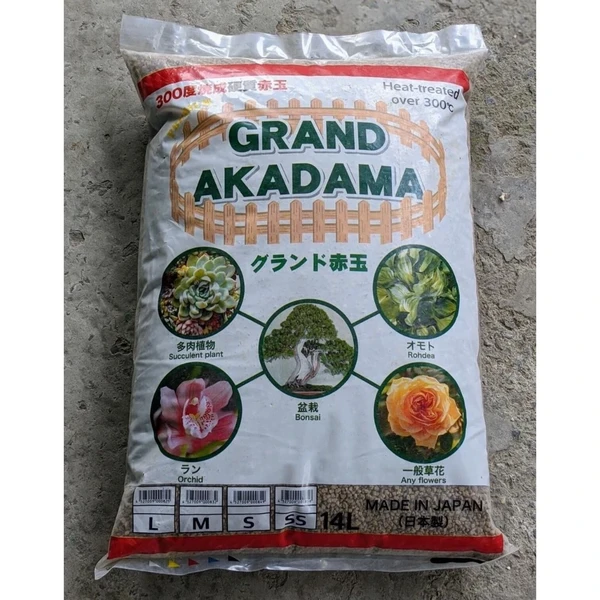
Đất nung Nhật Bản Grand Akadama bao 14L (10kg) dùng trồ…

Chậu Đá Bạc chất liệu Đất Nung Vintage trang trí không …
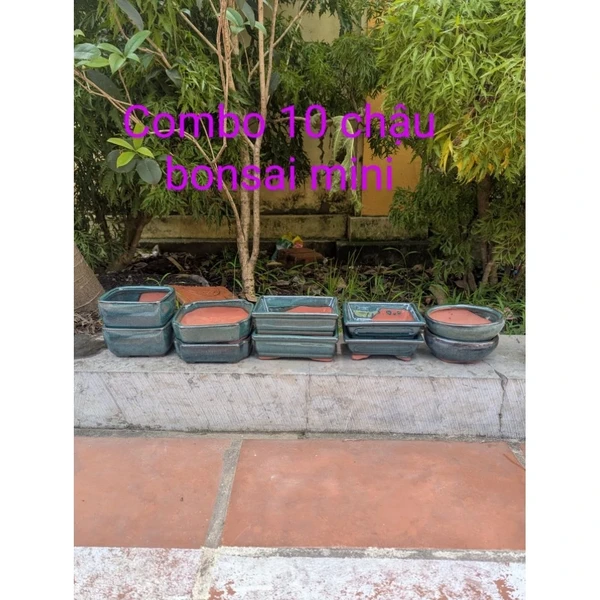
Combo 10 chậu bonsai mini 5 dáng khác nhau men xanh hoả…

Móc chậu hoa sắt treo tường, giá thép dày, giá treo ban…

MG #50 Hạt Giống Hoa Hồng Leo Pháp Đủ Màu có hướng dẫn …

Phân Bón NPK 30-10-10 Grow More 100GRAM Phát Triển Ngọn…

Kéo Cắt Cành Siêu Sắc, Kéo Tỉa Cành Cây, Dụng cụ Làm Vư…

Đĩa nhựa vuông lót chậu, khay lót chậu vuông hoa cây cả…

Rotala ramosior Florida (Rotala ramosior ‘Florida’)
Complete botanical and aquascaping guide for Rotala ramosior Florida (Rotala ramosior 'Florida'): high PAR lighting, CO2 injection, nitrate limitation, and pruning techniques.
Read Monograph →
Ludwigia Tornado (Ludwigia inclinata ‘Tornado’)
Complete botanical and aquascaping guide for Ludwigia Tornado (Ludwigia inclinata 'Tornado'): high-intensity lighting, CO2, iron fertilization, and propagation techniques.
Read Monograph →
Complete botanical and aquascaping guide for Indian toothcup bonsai (Rotala indica): high PAR lighting, CO2 injection, nitrate limitation, and pruning techniques.
Read Monograph →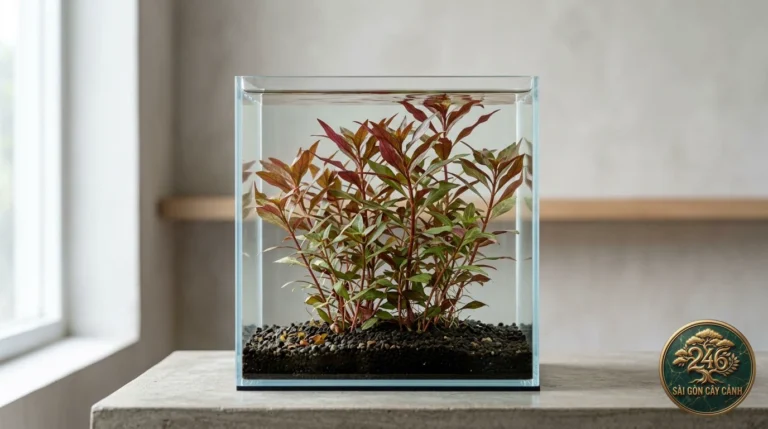
Complete botanical and aquascaping guide for Cylindric-fruit primrose-willow (Ludwigia glandulosa): high-intensity lighting, CO2, iron fertilization, and propagation techniques.
Read Monograph →Expert Q&A, Recommended Supplies & Article Feedback
Tap once to connect instantly via Google, Facebook or TikTok — no long forms required!
No questions yet for this article. Tap Google / Facebook / TikTok above to ask the first question!