
Living plant profile
Ludwigia glandulosa
Complete botanical and aquascaping guide for Cylindric-fruit primrose-willow (Ludwigia glandulosa): high-intensity lighting, CO2, iron fertilization, and propagation techniques.

Cylindric-fruit primrose-willow (Ludwigia glandulosa)
Ludwigia glandulosa is an iconic and celebrated red stem aquatic plant in modern aquascaping, renowned worldwide for its intense fiery coloration, commanding background presence, and vibrant oxygen pearling under specialized high-tech illumination.
Sài Gòn Cây Cảnh Care Compass
1. Botanical Overview & Taxonomic Identity
Belonging to the primrose willow family (Onagraceae), the genus Ludwigia encompasses some of the most chromatic and dynamic aquatic macrophytes known to science. It grows as an erect, branching herbaceous stem plant, developing dense vegetative bushes reaching toward the water surface.
In riparian wetlands, lake margins, and riverbanks of the Americas and Asia, it seamlessly transitions between emersed green marginal forms with small yellow axillary blossoms and submerged aquatic forms ablaze with intense carotenoid pigments.
2. Morphological Diagnostics & Identification
The foremost diagnostic hallmark of Ludwigia glandulosa is its rich cellular accumulation of anthocyanin pigments in response to high light and micro-fertilization. Under dedicated 660nm deep-red spectra, foliage transforms into a fiery crimson, ruby, or intense orange spectacle.

Succulent reddish stems anchor firmly via deep subterranean roots while producing adventitious water roots from upper nodes to directly scavenge dissolved water column nutrients.
3. Native Ecology & Habitat Adaptation
Native to sun-drenched alluvial wetlands, Ludwigia glandulosa possesses spongy internal aerenchyma tissue that channels oxygen from surface foliage down to roots buried in anoxic mudflats. In aquariums, this rapid metabolism rapidly assimilates excess nitrates and phosphates, serving as a powerful biological water purifier.

4. Water Parameters & Aquarium Culture
To achieve saturated red pigmentation and avoid lower leaf drop, stable water parameters are essential:

| Cultivation Parameter | Optimal Target Range | Technical Remarks |
|---|---|---|
| Water Temperature | 22°C – 27°C (71°F – 81°F) | Cooler water (23–25°C) promotes deeper crimson coloration |
| pH Value | 5.5 – 6.8 | Mild acidity maximizes chelated iron and micronutrient bioavailability |
| General & Carbonate Hardness | GH: 4 – 8 dGH | KH: 1 – 4 dKH | Soft to moderate water prevents leaf tip curling |
| Total Dissolved Solids (TDS) | 110 – 190 ppm | Clean water prevents particulate buildup on leaf cuticles |
| Water Circulation | Moderate convective | Supplies fresh CO2 and nutrients around lower stem clusters |
5. Lighting Requirements & Spectral Balance
As a light-demanding red stem species (PAR 80 – 150 µmol/m²/s), Ludwigia glandulosa requires high-intensity WRGB or RGB fixtures. Ample illumination triggers protective anthocyanin synthesis, enveloping foliage in brilliant scarlet tones.
6. Carbon Dioxide Enrichment & Pearling Dynamics
Pressurized CO2 injection at 25 – 35 mg/L is indispensable for compact internodal spacing and rounded crown development. Under optimal CO2, massive oxygen supersaturation produces streams of pearling bubbles from the foliage.
7. Substrate Nutrition & Iron Micro-Fertilization
At Saigon Cay Canh production facilities, Ludwigia glandulosa is nurtured under precise chelated iron dosing (Fe-DTPA). In display tanks, dosing liquid iron 2–3 times weekly paired with moderate nitrate limitation induces peak crimson expression.
8. Stem Pruning & Vegetative Propagation
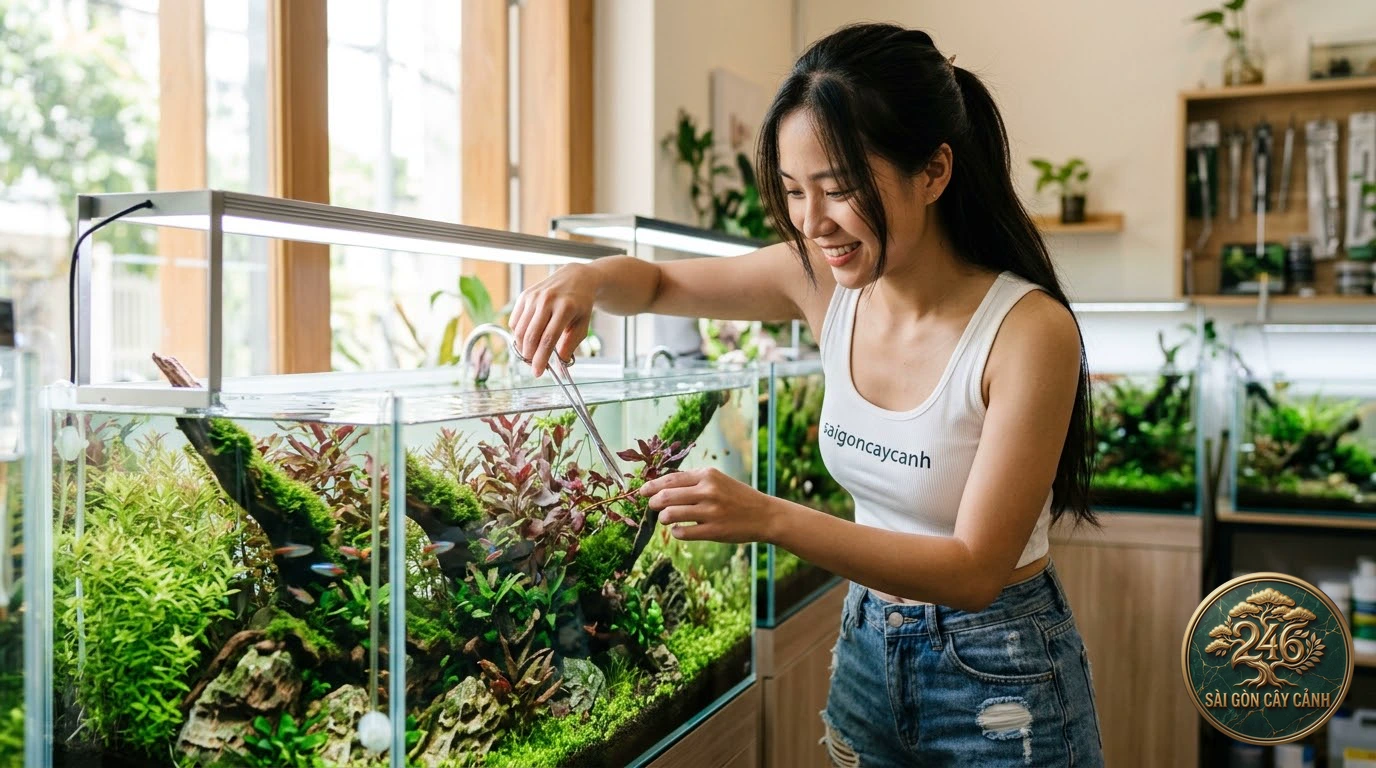
Propagate easily by snipping 10–15cm terminal shoots and replanting them into substrate. Cut stems produce multiple vigorous lateral shoots from leaf axils, doubling bush density with each trimming cycle.
9. Lower Stem Management & Replanting Protocol
Ensure 1–2cm spacing between planted stems so light penetrates basal foliage. Periodically uproot overgrown bushes, discard woody lower stems, and replant fresh top cuttings for an immaculate aesthetic.
10. Algae Prevention & Tank Maintenance
Vigorous stem growth outcompetes algae when balanced nutrients and CO2 are provided. Support plant health with Amano shrimp custodians and regular 30% weekly water changes.
11. Aquascaping Design & Dutch Street Application
In classical Dutch aquascapes, Ludwigia glandulosa forms dramatic red streets contrasting sharply against emerald green neighbors. In Nature Aquariums, it serves as an autumn-inspired focal copse behind dark hardscape.

12. Biosecurity & Non-Toxicity
Ludwigia glandulosa is 100% non-toxic and pet-safe for all ornamental aquatic fauna, offering shelter and swimming cover for schooling characins and rasboras.
13. Botanical Specification Matrix
| Diagnostic Metric | Specification Detail |
|---|---|
| Scientific Nomenclature | Ludwigia glandulosa |
| Botanical Family | Onagraceae |
| Aquascape Placement | Midground focal point, Background bush |
| Lighting Requirement | High (PAR 80 – 150 µmol/m²/s) |
| CO2 Requirement | Mandatory (25 – 35 mg/L) |
| Growth Rate | Fast (5 – 10 cm per week) |
| Cultivation Difficulty | Khó |
| Toxicity Status | 100% Non-toxic & pet-safe |
💬 Góc Tư Vấn & Hướng Dẫn Kỹ Thuật SGCC
Chuẩn E-E-A-T Kinfolk❓ Dạ chuyên gia ơi, cây Ludwigia glandulosa của em trồng sao mà phần lá dưới gốc hay bị rụng và cành bị còi cọc, không đỏ rực như trong hình ạ?
💡 Dạ chào anh chị thương quý! Hiện tượng rụng lá chân và lá không đỏ thường xuất phát từ 2 nguyên nhân chính: Thứ nhất là thiếu sáng phần tầng đáy do tán lá phía trên quá rậm rạp hoặc cường độ đèn (PAR) chưa đạt 80-150 µmol/m²/s. Thứ hai là thiếu hụt vi chất Sắt (Fe) và hàm lượng CO2 chưa ổn định (cần đạt 25-35 mg/L). Anh chị nhớ tỉa bớt phần ngọn cắm lại để nhân giống, đồng thời tăng cường châm sắt và ánh sáng chuyên dụng 660nm sâu đỏ để cây lên màu ruby tuyệt đẹp anh chị nhé!
❓ Dạ cho em hỏi loài Ludwigia glandulosa này có thể trồng bán cạn (emersed) trong các tiểu cảnh terrarium hoặc hòn non bộ được không ạ?
💡 Dạ hoàn toàn được ạ! Trong môi trường tự nhiên và đầm lầy ven bờ, Ludwigia glandulosa rất linh hoạt, có thể thích nghi hoàn toàn với thể bán cạn. Khi trồng cạn, lá cây sẽ chuyển sang màu xanh lục đậm cứng cáp hơn và cho ra những chùm hoa vàng nhỏ ở nách lá cực kỳ xinh xắn. Anh chị chỉ cần giữ ẩm nền đất giàu dinh dưỡng và độ ẩm không khí cao là cây sẽ phát triển rất khỏe mạnh ạ.
🌿 Trang Thiết Bị, Đất Trồng & Dụng Cụ Bonsai Tuyển Chọn
Dụng cụ tỉa, giá thể hữu cơ & phân bón chuyên dụng cho cây cảnh.

Kéo Tỉa Lá, Tỉa Dăm, Tỉa Đa Năng Thép Trắng Nguyên Khối…

Đất akadama, đất trồng bonsai, đất nền cho terrarium, đ…
Hạt giống hoa hồng leo pháp F1 mix nhiều màu dễ trồng d…

1 Ký Cành Giống Hoa Mười Giờ SAM ĐƠN Chuẩn SAM THÁI Nhậ…
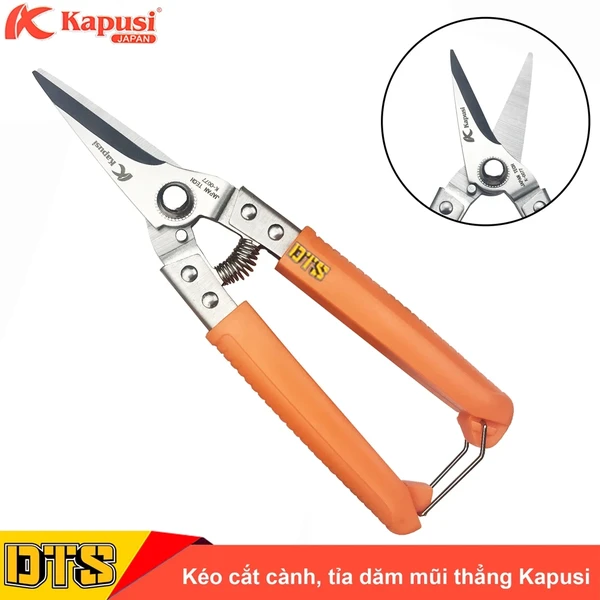
Kéo cắt cành, kéo tỉa dăm mỏ nhọn thép Nhật SK-5 Kapusi…

Cây Cẩm Nhung Lá May Mắn (Fittonia) Để Bàn, Nhiều Màu T…

Chậu bonsai Rồng Tử Sa. Kích thước pb 7.2×6.2cm ll 6.5x…

3Kg than nướng thịt ,than củi nướng thịt ,trồng lan loạ…
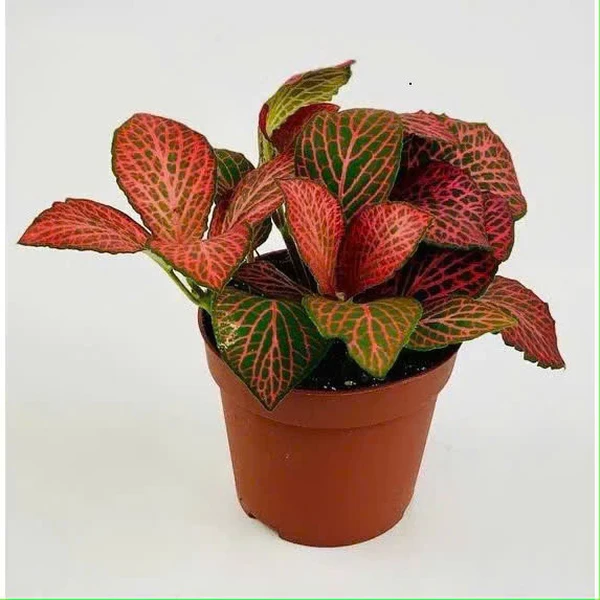
Cây Cẩm Nhung Lá May Mắn (Fittonia) Để Bàn, Nhiều Màu T…
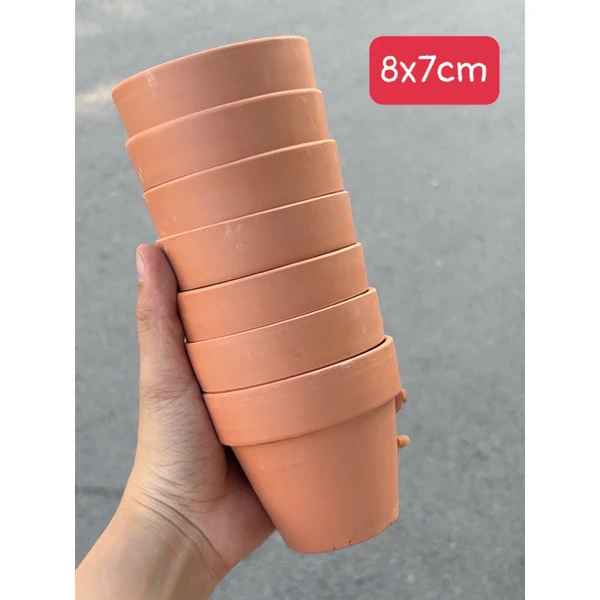
Combo 10 Chậu đất nung trồng sen đá G KT 8x7cm – Trồng …

Chậu Nhựa T38 Trồng Cây Cảnh – Chậu Tròn Trồng Hoa – Ch…

100GRAM DỚN TRẮNG CHI LÊ- RÊU SÂU CHILE GIÁ THỂ ĐẶC BIỆ…

Complete botanical and aquascaping guide for Rotala Enie (Rotala 'Enie'): high PAR lighting, CO2 injection, nitrate limitation, and pruning techniques.
Read Monograph →
Complete botanical and aquascaping guide for Grass-like bladderwort (Utricularia graminifolia): lighting, CO2, trimming regimen, and Dry Start planting techniques.
Read Monograph →
Rough waterclover (Marsilea hirsuta)
Complete botanical and aquascaping guide for Rough waterclover (Marsilea hirsuta): lighting, CO2, trimming regimen, and Dry Start planting techniques.
Read Monograph →
Complete botanical and aquascaping guide for Ludwigia inclinata Cuba (Ludwigia inclinata var. verticillata 'Cuba'): high-intensity lighting, CO2, iron fertilization, and propagation techniques.
Read Monograph →Expert Q&A, Recommended Supplies & Article Feedback
Tap once to connect instantly via Google, Facebook or TikTok — no long forms required!
No questions yet for this article. Tap Google / Facebook / TikTok above to ask the first question!