
Living plant profile
Cajuput tree (Melaleuca cajuputi)
Melaleuca cajuputi
📌 CLINICAL & BIOLOGICAL ABSTRACT — Cajuput tree (Melaleuca cajuputi)Cajuput tree (Melaleuca cajuputi) Melaleuca cajuputi, the Cajuput tree, is a legendary wetland conifer counterpart celebrated for thick spongy paperbark, naturally sculpted windswept driftwood trunks, and therapeutic cajuput essential oils. 1. Botanical Identity & Taxonomic Nomenclature History Melaleuca cajuputi was botanically described by botanist Thomas Powell […]
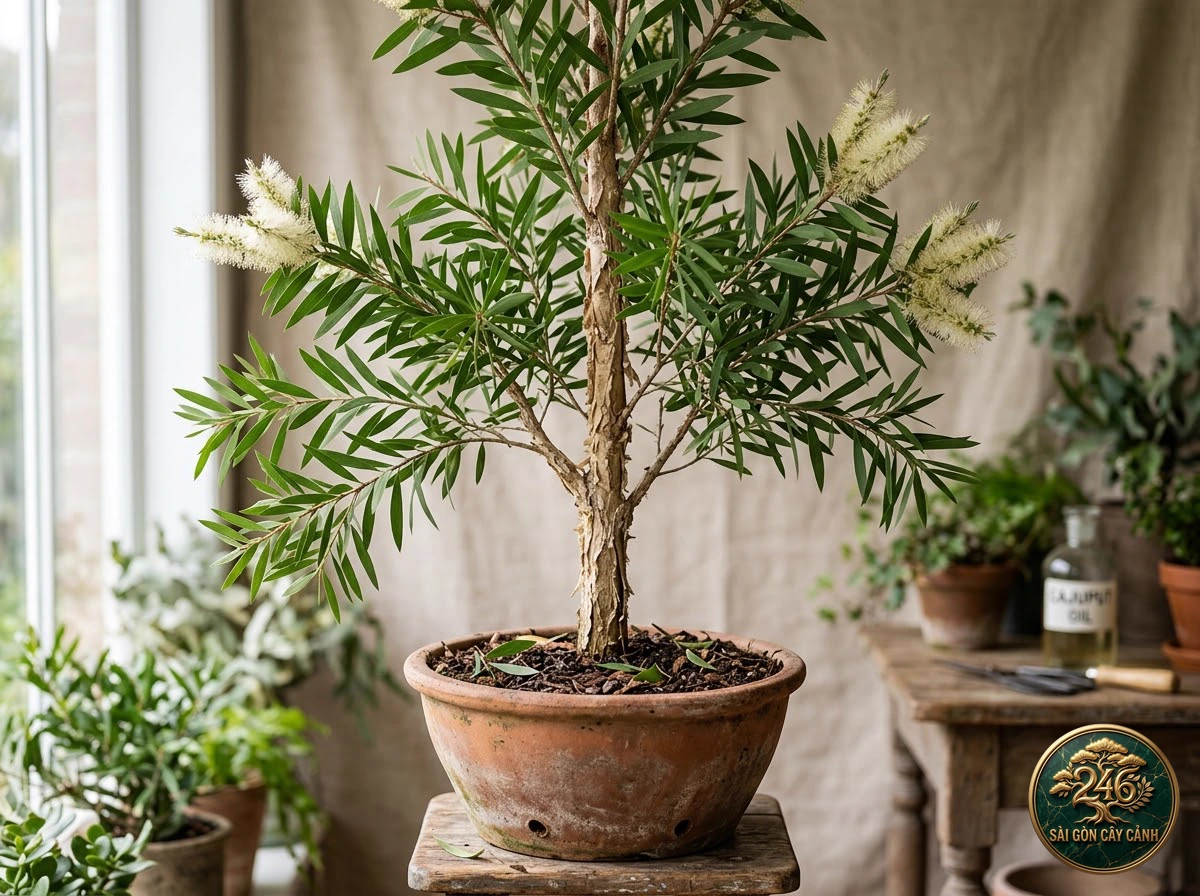
Cajuput tree (Melaleuca cajuputi)
Melaleuca cajuputi, the Cajuput tree, is a legendary wetland conifer counterpart celebrated for thick spongy paperbark, naturally sculpted windswept driftwood trunks, and therapeutic cajuput essential oils.
Sài Gòn Cây Cảnh Care Compass
1. Botanical Identity & Taxonomic Nomenclature History
Melaleuca cajuputi was botanically described by botanist Thomas Powell in 1809. Dominating vast peat swamp ecosystems and acidic floodplains across coastal Southeast Asia and northern Australia, it stands as an enduring symbol of untamed wilderness vitality.
Its essential oil rich in therapeutic 1,8-cineole has been distilled for centuries into traditional Cajuput oil for medicinal relief; in contemporary bonsai art, it is celebrated as a dynamic living sculpture prized for spongy peeling paperbark and dramatic natural deadwood (shari).
2. Morphological Anatomy & Structural Architecture

A medium timber tree reaching ten to twenty meters in wetlands; sculpted in bonsai into evocative windswept, dynamic informal upright, or dramatic cascade forms thirty-five to eighty-five centimeters high. Trunks are encased in thick spongy paperbark of whitish-grey peeling in multiple fibrous sheets.
Alternate narrow lanceolate leaves measure five to ten centimeters with three to five prominent parallel longitudinal veins, exuding an invigorating cajuputol camphor aroma when crushed; inflorescences form creamy-white cylindrical bottle-brush spikes at branch tips; woody cup-shaped capsule fruits cluster tightly along stems.
3. Solar Irradiance Thresholds & Photosynthetic Dynamics
Demands intense, unrestricted solar irradiance between 15,000 and 45,000 lux paired with continuous fresh air circulation recreating coastal wetland winds.
Thrives in full direct sun; copious solar energy stimulates dense essential oil glands in the leaves and accelerates the development of thick, textured white paperbark layers.
4. Mineral Substrate Mechanics & Root Aeration Porosity
Substrate formula benefits from its natural tolerance for acidic peat soils: 50% alluvial loam, 25% coarse river sand, 15% rough pumice, and 10% biochar rice-husk compost.
Exceptional pH tolerance spanning acidic peat (pH 4.5) to neutral conditions (pH 7.0); ample bottom drainage apertures ensure balanced root respiration in shallow bonsai containers.
5. Hydraulic Equilibria & Irrigation Regimens
Irrigation dynamics: as a native wetland species, it relishes steady moisture; saturate the container thoroughly once or twice daily whenever topsoil lightens.
Tolerates temporary waterlogging with zero root rot; however, in bonsai culture, measured wet-to-dry cycling produces tighter internodes and finer branch ramification.
6. Nutrient Biogeochemistry & Fertilization Protocols
Feed with slow-release organic pellets monthly from spring through autumn, supplementing with organic potassium twice a year to promote branch lignification.
Vigorous nutrient absorption rapidly thickens branches; moderate fertilizer dosing maintains refined bonsai proportions without coarse overgrowth.
7. Clonal Propagation & Germplasm Conservation
Propagated from seed harvested from mature capsules; fine dust-like seeds germinate enthusiastically on moist alluvial seedbeds within two weeks.
Also propagated via semi-hardwood cuttings during the monsoon season; bonsai artisans carve dramatic deadwood features (shari) preserved with lime sulfur to contrast against white paperbark.
8. Phytochemical Toxicity & Pet Safety Standards (ASPCA)
PET SAFETY PROFILE: Leaves and paperbark of Melaleuca cajuputi contain zero hazardous phytochemical toxins for domestic pets under ASPCA criteria.
Veterinary note: Concentrated volatile cineole oils may cause temporary gastrointestinal nausea if ingested in large quantities; display on elevated bonsai benches for safety.
9. Clinical Pathology Diagnostics & Treatment Strategies
Clinical monitoring protocol for spongy paperbark moss staining and deadwood shari preservation in Melaleuca cajuputi:
| Clinical Manifestation | Etiological Cause | Standard Treatment Protocol |
|---|---|---|
| Thick white spongy paperbark becomes covered with unsightly green algae or moss scum | Excessive shade combined with persistent overhead sprinkler wetting saturating outer bark | Gently scrub dried moss with a soft brush, relocate tree to full blazing direct sunshine |
| Tender spring foliage becomes skeletonized and webbed by leaf-eating caterpillars | Cajuput looper larvae feeding actively on soft expanding shoot tips | Manually remove caterpillars at dawn, apply biological Bacillus thuringiensis (Bt) spray |
| Branches die back progressively from terminal tips with excessive paperbark shedding | Sudden root ball desiccation during peak hot dry weather spells | Prune dead twig tips to live wood, drench root ball thoroughly, provide temporary shade for two days |
| Circular brown necrotic spots with chlorotic yellow halos scatter across mature leaves | Fungal leaf spot pathogen flourishing under prolonged overcast monsoonal rains | Pluck severely infected spotted leaves, apply biological copper-based protective fungicide |
10. Comparative Morphology & Allied Taxa Diagnosis
Morphological diagnostic matrix contrasting fibrous peeling paperbark and parallel leaf veins of Melaleuca cajuputi against wetland trees:
| Diagnostic Parameter | Melaleuca cajuputi (Cajuput tree) | Comparative Specimen A | Comparative Specimen B |
|---|---|---|---|
| Trunk bark texture and morphology | Thick spongy whitish paperbark peeling in papery layers | Smooth greyish-brown bark | Rugged bark forming knobby warts (nu) |
| Foliar aroma upon crushing | Invigorating, pungent cajuputol cineole aroma | Subtle, mild fresh herbal scent | Inconspicuous scentless leaves |
| Leaf venation pattern | 3 to 5 prominent parallel longitudinal veins | Pinnate venation pattern | Reticulate venation pattern |
| Acidic wetland and flood tolerance | Supreme tolerance for acidic peat and waterlogging | Intolerant of waterlogging, demands drainage | Moisture-tolerant but requires drainage |
11. Biophilic Design Harmony & Contemporary Spatial Aesthetics

Melaleuca cajuputi symbolizes defiant resilience against adversity, aromatic atmospheric cleansing, and triumphant vitality rising from primeval wetlands.
Its invigorating cajuput aroma and windswept sculptural form channel protective yang energy, dispelling mental fatigue and cultivating serene fortitude within modern living spaces.
12. Saigon Cay Canh Provenance & Cultivation Assurance

Saigon Cay Canh curates authenticated Cajuput tree bonsai masterpieces showcasing spongy white paperbark, sculpted deadwood shari, and certified root vitality.
Accompanied by bespoke paperbark preservation tutorials, deadwood stewardship manuals, and continuing conifer care consultations.
💬 Góc Tư Vấn & Hướng Dẫn Kỹ Thuật SGCC
Chuẩn E-E-A-T Kinfolk❓ Chăm sóc Cajuput tree (Melaleuca caju cần lưu ý điều gì quan trọng nhất?
💡 Dạ điều quan trọng nhất là giữ môi trường sống ổn định, tránh sốc nhiệt hay dao động thông số đột ngột, đồng thời cung cấp khẩu phần ăn sạch và tươi mới ạ.
❓ Làm thế nào để phòng ngừa bệnh tật hiệu quả cho các bé?
💡 Dạ anh chị nên giữ vệ sinh chuồng/hồ nuôi sạch sẽ, thay nước hoặc dọn dẹp định kỳ và bổ sung vitamin, men tiêu hóa đều đặn để tăng sức đề kháng ạ.
🌿 Trang Thiết Bị, Đất Trồng & Dụng Cụ Bonsai Tuyển Chọn
Dụng cụ tỉa, giá thể hữu cơ & phân bón chuyên dụng cho cây cảnh.
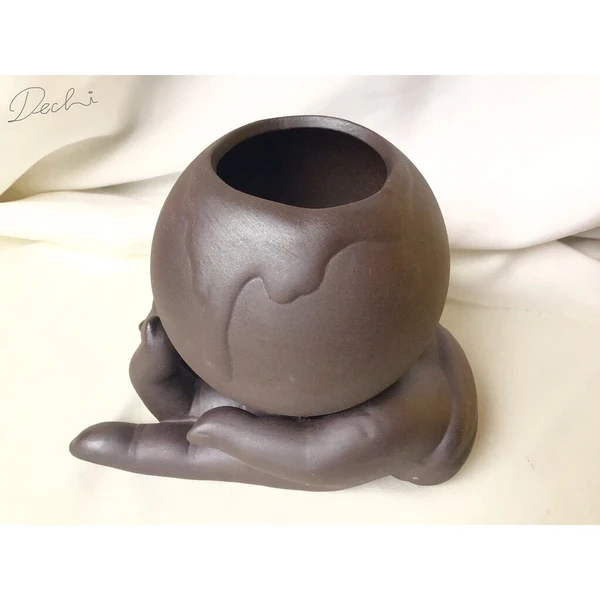
Chậu trồng cây, chậu gốm tử sa trồng bonsai mini- Green…

VIETREES | Cau Tiểu Trâm 40-55cm_Cây xanh để bàn, thanh…

tree- Phân hữu cơ trùn quế cao cấp dạng viên nén, phân …

Kéo Tỉa Lá, Tỉa Dăm, Tỉa Đa Năng Thép Trắng Nguyên Khối…

PHÂN BÓN LÁ NPK 20-20-20+TE GROWMORE 100g
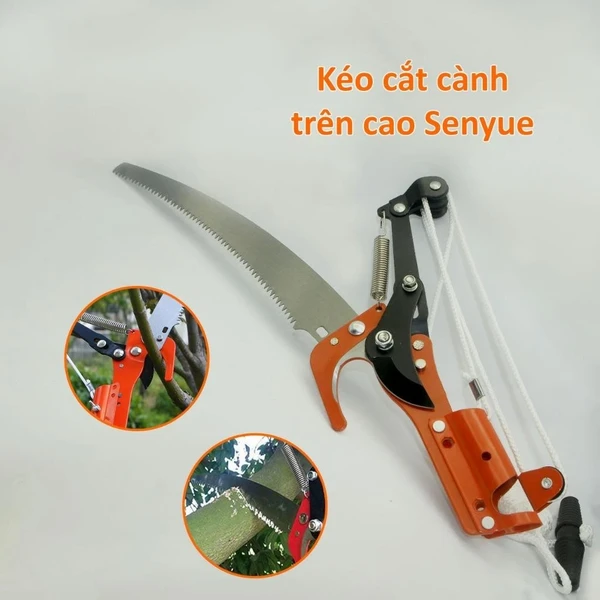
Bộ cưa kéo cắt cành trên cao 2 bánh, 3 bánh có trợ lực …

Đất trồng cây nén dạng viên sơ dừa, đất sạch hữu cơ vi …

Phân Trùn Quế SFARM 10kg, 100% nguyên chất, đã qua xử l…

Cây Kim Tiền, Kim Phát Tài, Kim Tiền Mini, Cây Mới Khỏe…
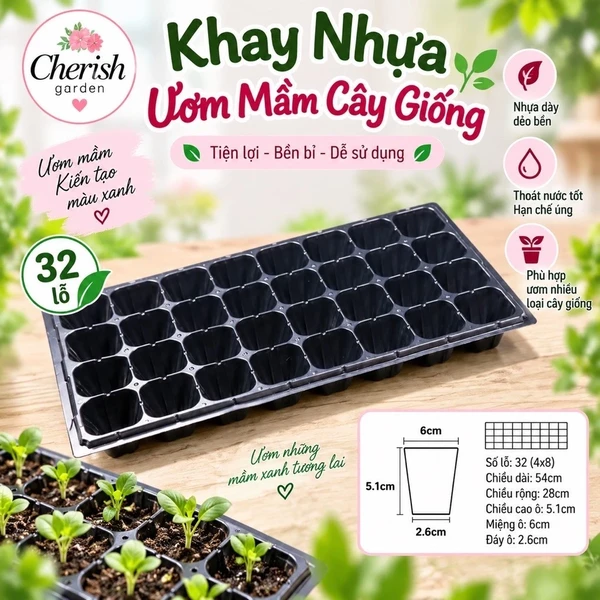
Cherish Shop – Khay Nhựa ươm mầm, Khay ươm hạt giống , …

Kéo Cắt Cành Trên Cao 2m Cán Sắt Trợ Lực Lưỡi Thép Sắc …
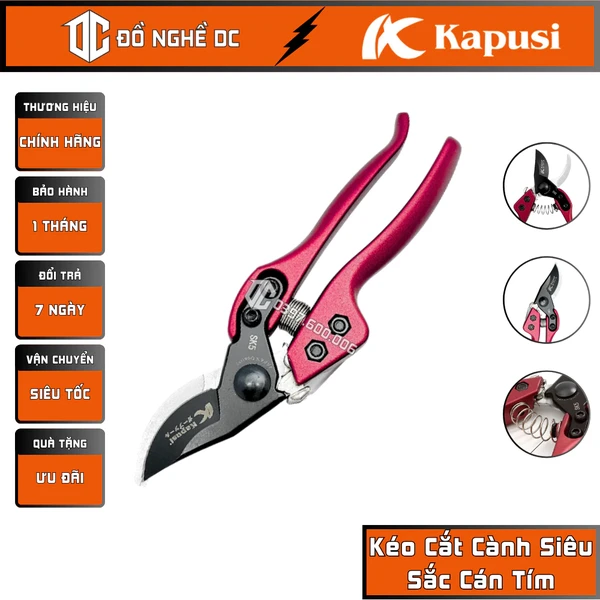
Kéo Cắt Cành Siêu Sắc, Kéo Tỉa Cành Cây, Dụng cụ Làm Vư…

Lesser bougainvillea (Bougainvillea glabra)
Lesser bougainvillea (Bougainvillea glabra) Bougainvillea glabra, widely known as lesser bougainvillea or paperflower, is a celebrated woody ornamental...
Read Monograph →
Japanese camellia (Camellia japonica)
Japanese camellia (Camellia japonica) Camellia japonica, acclaimed as Japanese camellia or rose of winter, is the aristocratic queen...
Read Monograph →
Tea plant (Camellia sinensis)
Tea plant (Camellia sinensis) Camellia sinensis, universally revered as the tea plant or green tea tree, is a...
Read Monograph →
Japanese privet (Ligustrum japonicum)
Japanese privet (Ligustrum japonicum) Ligustrum japonicum, acclaimed as Japanese privet or waxleaf privet, is an imposing evergreen woody...
Read Monograph →Expert Q&A, Recommended Supplies & Article Feedback
Tap once to connect instantly via Google, Facebook or TikTok — no long forms required!
No questions yet for this article. Tap Google / Facebook / TikTok above to ask the first question!