
Living plant profile
Tea plant (Camellia sinensis)
Camellia sinensis
📌 CLINICAL & BIOLOGICAL ABSTRACT — Tea plant (Camellia sinensis)Tea plant (Camellia sinensis) Camellia sinensis, universally revered as the tea plant or green tea tree, is a venerable evergreen woody subject celebrated for its fragrant white seven-petaled blossoms with golden stamens, silken spring leaf flushes, and twisted gnarled trunks in heritage bonsai. 1. Botanical Identity […]
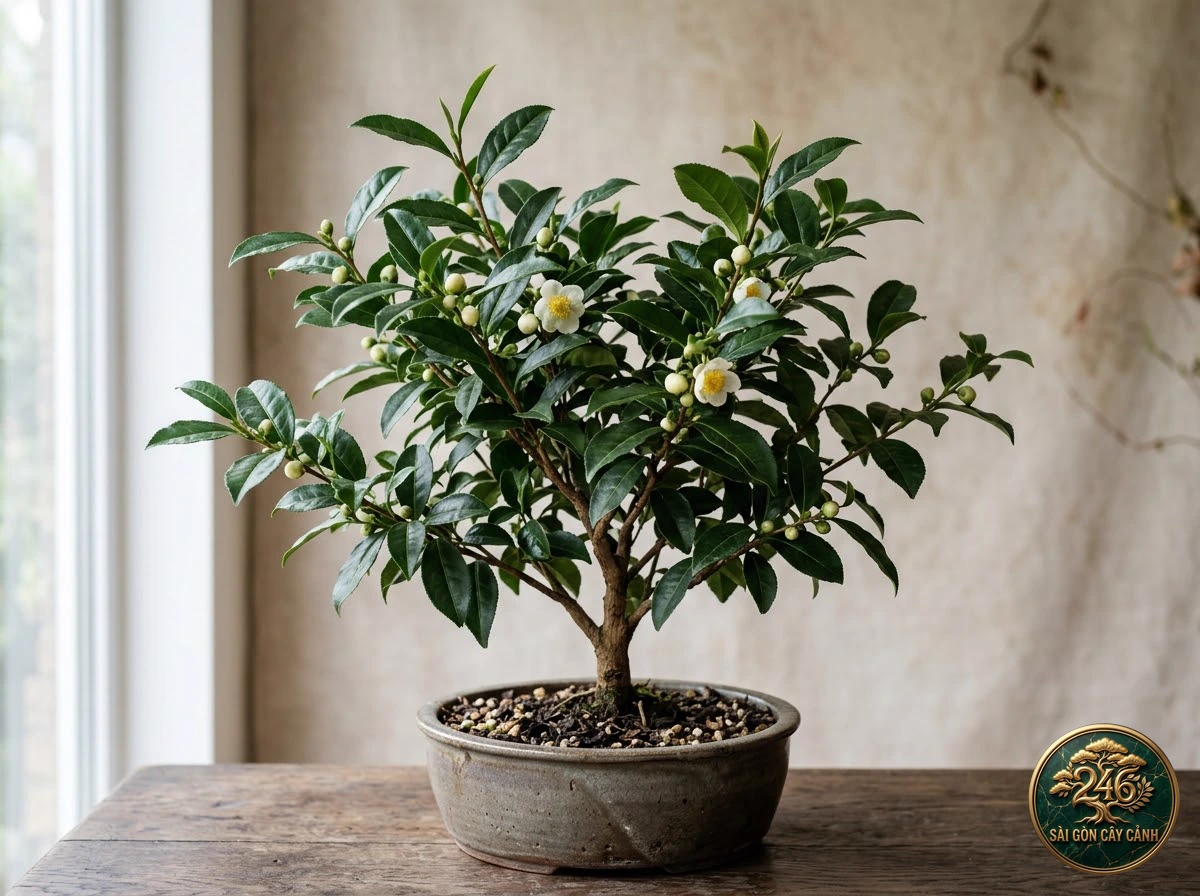
Tea plant (Camellia sinensis)
Camellia sinensis, universally revered as the tea plant or green tea tree, is a venerable evergreen woody subject celebrated for its fragrant white seven-petaled blossoms with golden stamens, silken spring leaf flushes, and twisted gnarled trunks in heritage bonsai.
Sài Gòn Cây Cảnh Care Compass
1. Botanical Identity & Taxonomic Nomenclature History
Camellia sinensis was initially classified as Thea sinensis by Carl Linnaeus in 1753 in Species Plantarum and united into Camellia by German botanist Carl Ernst Otto Kuntze in 1887 in Revisio Generum Plantarum; the generic name Camellia honors Jesuit missionary and botanist Georg Joseph Kamel, while sinensis reflects its ancient Chinese botanical origin.
In Asian tea ceremony culture and classical penjing tradition, ancient wild tea trees (such as highland Shan Tuyet tea trees) are revered as sacred living heritage; their sinuous lichen-encrusted trunks, deeply textured bark, and fragrant pure white blossoms opening in late autumn make tea bonsai a sublime emblem of contemplative tranquility and enduring wisdom.
2. Morphological Anatomy & Structural Architecture
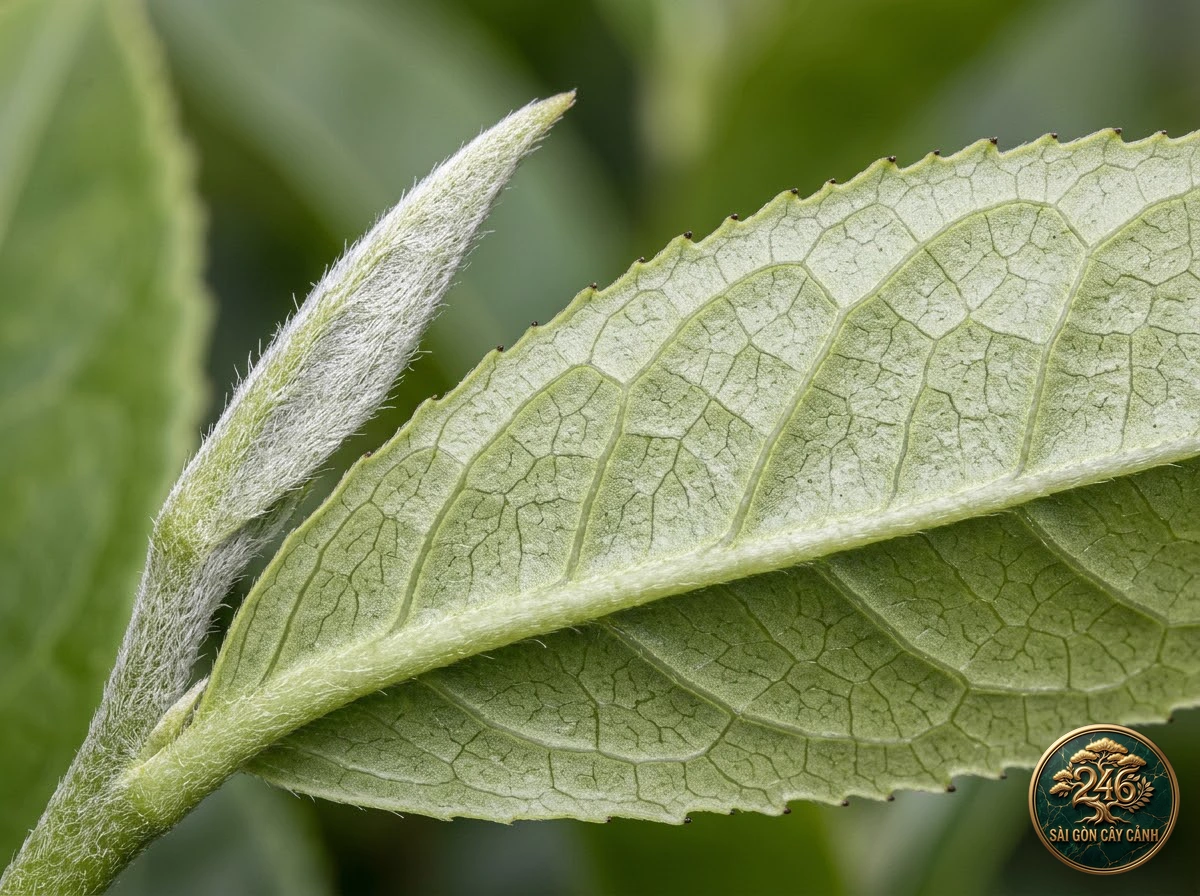
A small evergreen tree or spreading shrub growing two to nine meters tall in native highlands; miniaturized in bonsai cultivation to thirty to seventy centimeters in formal upright, slanting, literati, or multi-trunk aged styles. Mature bark is pale ash-grey to brownish-grey with delicate fissures, frequently clothed in wild lichens and velvety moss; juvenile shoots are clad in fine appressed silvery pubescence.
Leaves are alternate, elliptic to obovate-lanceolate, four to twelve centimeters long and two to five centimeters wide with sharply serrulate margins; upper surface is deep glossy green with pronounced venation; emerging terminal buds are densely covered in silken silvery-white hairs known as silver needles. Flowers appear solitary or in clusters of two to three in leaf axils; calyx features five persistent suborbicular sepals; corolla consists of seven to eight cupped pure white petals two and a half to three and a half centimeters across surrounding a radiant central burst of golden-yellow stamens emitting a delicate sweet fragrance; fruits are three-lobed woody capsules housing rounded glossy brown seeds.
3. Solar Irradiance Thresholds & Photosynthetic Dynamics
Prefers bright filtered sunlight to gentle open shade replicating misty montane slopes, thriving under illumination levels between 25,000 and 55,000 lux to synthesize rich polyphenols and sustain dense foliage.
Requires four to six hours of sunlight daily; morning sun is ideal, with 30-40% shading recommended during intense tropical summer afternoons to protect tender emerging leaf flushes from solar scorching.
4. Mineral Substrate Mechanics & Root Aeration Porosity
Potting medium requires mandatory natural acidity and sharp drainage: 50% medium akadama, 30% kanuma or fine pumice, 15% aged pine bark/needle compost, and 10% aerated biochar.
Demands acidic substrate with pH 5.0 to 6.0; tea rootlets are acutely sensitive to lime and alkaline substrate, demanding soft rainwater and acidic feeds to avoid severe alkaline-induced chlorosis.
5. Hydraulic Equilibria & Irrigation Regimens
Irrigation management: Prefers cool, uniform substrate moisture, watering deeply until water flows freely from drainage ports as soon as surface aggregates turn dry.
Utilize natural rainwater or dechlorinated filtered water; tea plants have high transpiration demands during spring leaf flush and autumn bloom, yet cannot tolerate waterlogged hypoxic roots; mist foliage regularly during arid spells.
6. Nutrient Biogeochemistry & Fertilization Protocols
Nutritional regimen: Apply acid-loving organic slow-release fertilizers (composted oilseed cake or specialized azalea/camellia feeds) monthly; spray chelated iron and organic micronutrient solutions bi-weekly to maintain deep forest-green foliar luster.
Pruning and wiring: Pinch back terminal buds after spring flush to multiply fine ramification; carry out structural branch pruning in late winter following flowering, utilizing soft aluminum wire to guide supple branches into elegant ancient lines.
7. Clonal Propagation & Germplasm Conservation
Propagates readily via semi-hardwood nodal cuttings taken in early rainy season; single-node cuttings six to eight centimeters long struck into perlite-peat mix develop fibrous root networks within four to six weeks under high humidity.
Also propagated from fresh winter seeds sown immediately after capsule dehiscence, or air-layering selected matured sculptural branches.
8. Phytochemical Toxicity & Pet Safety Standards (ASPCA)
Botanical safety review confirms that Camellia sinensis is entirely benign in living spaces, with blossoms and foliage lacking hazardous systemic toxins dangerous to companion animals.
Tea leaves contain natural caffeine and polyphenols producing a slightly bitter astringent flavor that naturally deters dogs and cats from chewing or ingesting them.
9. Clinical Pathology Diagnostics & Treatment Strategies
Pathology inspection protocol for tea mosquito bug deterrence and endogenous polyphenol synthesis maintenance in Camellia sinensis:
| Clinical Manifestation | Etiological Cause | Standard Treatment Protocol |
|---|---|---|
| Foliage exhibits prominent interveinal chlorosis where lamina turns yellow while veins stay green | Iron chlorosis deficiency induced by compacted alkaline potting medium or hard calcareous tap water | Apply chelated iron drench (Fe-EDDHA), repot into acidic akadama-kanuma mix, utilize pure rainwater |
| Upper leaf surface develops circular brownish-black lesions with greyish centers spreading outward | Anthracnose fungal infection (Colletotrichum camelliae) flourishing under warm, stagnant humidity | Remove infected leaves, thin inner branches to improve ventilation, spray organic bio-copper fungicide |
| Tender shoot tips curl tightly, with delicate webbing and black aphid colonies on undersides | Aphid or thrips infestation extracting sap from juvenile terminal growth in warm spring weather | Rinse off colonies with water jet, apply cold-pressed organic neem oil or insecticidal soap in morning |
| Branch terminals suffer sudden dieback with bark turning dry cracked greyish-brown | Fungal dieback entering through unsealed pruning wounds or root hypoxia from saturated soil | Prune dead wood 5 cm into clean tissue, sanitize shears with 70% medical alcohol, seal with paste |
10. Comparative Morphology & Allied Taxa Diagnosis
Morphological comparative matrix contrasting prominent reticulate leaf venation and golden-centered white flowers of Camellia sinensis:
| Diagnostic Parameter | Camellia sinensis (Tea plant) | Comparative Specimen A | Comparative Specimen B |
|---|---|---|---|
| Petal count and floral dimensions | Small blooms 2.5-3.5 cm with 7-8 white petals emitting sweet fragrance | Large formal blooms 6-12 cm thick-petaled multi-layered in crimson/pink | Medium flowers 4-7 cm delicate single petals shedding softly in pink/white |
| Foliage architecture and leaf texture | Leaves elliptic 4-12 cm with serrate margins, silver silken young buds | Leaves ovate 5-11 cm thick and coriaceous with porcelain-like gloss | Leaves smaller 3-6 cm more slender, with fine drooping branchlets |
| Blooming cadence and seasonality | Blooms profusely in late autumn to early winter from October to December | Blooms in mid-winter to early spring from January to March | Blooms early from mid-autumn to early winter from September to November |
| Practical utilization and cultural symbolism | Global tea beverage culture, revered antique contemplative bonsai | Royal ornamental winter flower, aristocratic perseverance symbol | Romantic autumn garden subject, graceful flowing informal bonsai |
11. Biophilic Design Harmony & Contemporary Spatial Aesthetics

In Eastern cultural tradition and Feng Shui philosophy, the tea tree embodies contemplative purity, peaceful serenity, gracious hospitality, and enduring longevity.
Its venerable aged trunk and ethereal white blossoms inspire mindful tranquility, dissolving modern stress and blessing living spaces with harmonious auspicious vitality.
12. Saigon Cay Canh Provenance & Cultivation Assurance
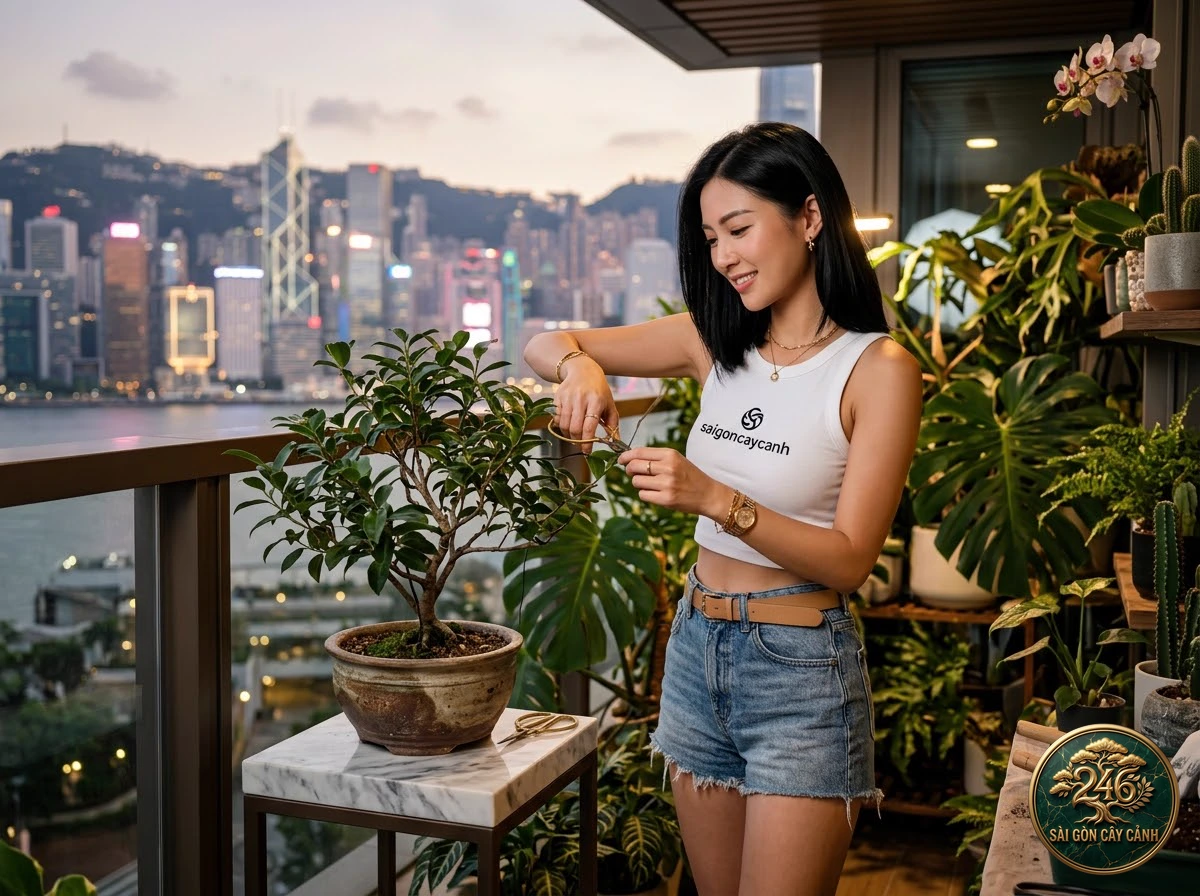
Saigon Cay Canh curates venerable Camellia sinensis bonsai specimens displaying ancient lichen-encrusted trunks, silken silver-flushed buds, and fragrant snowy winter blossoms.
Established in custom artisan ceramic pots, backed by certified vitality, and accompanied by dedicated lifelong cultivation support.
💬 Góc Tư Vấn & Hướng Dẫn Kỹ Thuật SGCC
Chuẩn E-E-A-T Kinfolk❓ Chăm sóc Tea plant (Camellia sinensis cần lưu ý điều gì quan trọng nhất?
💡 Dạ điều quan trọng nhất là giữ môi trường sống ổn định, tránh sốc nhiệt hay dao động thông số đột ngột, đồng thời cung cấp khẩu phần ăn sạch và tươi mới ạ.
❓ Làm thế nào để phòng ngừa bệnh tật hiệu quả cho các bé?
💡 Dạ anh chị nên giữ vệ sinh chuồng/hồ nuôi sạch sẽ, thay nước hoặc dọn dẹp định kỳ và bổ sung vitamin, men tiêu hóa đều đặn để tăng sức đề kháng ạ.
🌿 Trang Thiết Bị, Đất Trồng & Dụng Cụ Bonsai Tuyển Chọn
Dụng cụ tỉa, giá thể hữu cơ & phân bón chuyên dụng cho cây cảnh.
Cây Trầu Bà Lá Xẻ Form Lá Nhỏ (Mini Mons Form Thái), Câ…

Cây trầu bà đế vương lá vàng – 25-35cm, cây kiểng lá ph…

Cây Trầu Bà Lá Xẻ Nam Mỹ Monstera Deli, Sazat Plant, Câ…
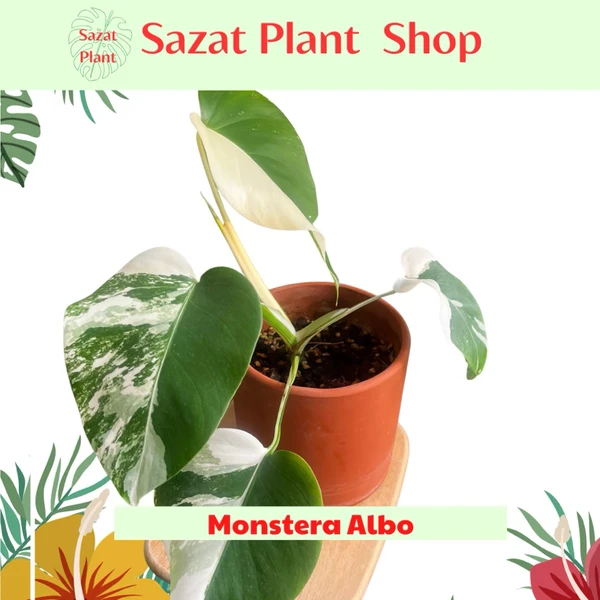
Cây Trầu Bà Lá Xẻ Đột Biến Monstera Var Albo – Sazat Pl…

Cây Trầu Bà Đế Vương Đỏ, Sazat Plant, cao 20cm, Cây Kiể…

Bình tưới vườn, Plant Mister, Máy phun bơm, Máy phun áp…

Bộ Vòi Nước Tưới Cây Đa Năng 2000 Lỗ Phun Sương Vòi Xịt…
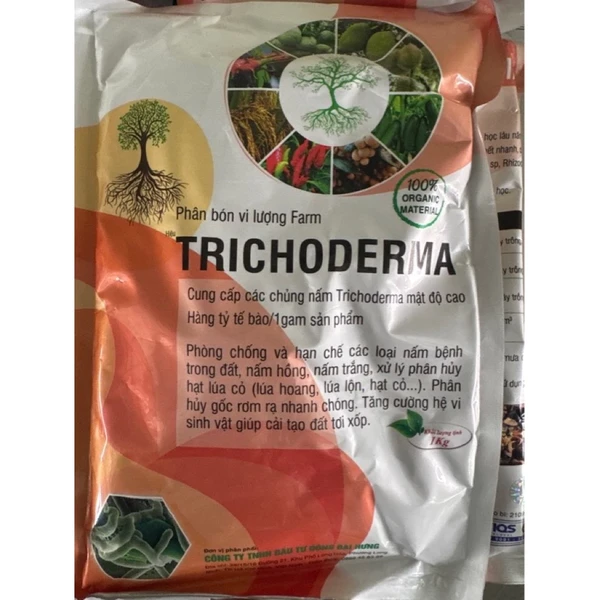
Chế Phẩm Sinh Học Nấm Đối Kháng TRICHODERMA Farm – 100%…

Cây hương thảo Rosemary 25cm thơm ngát đuổi muỗi gia vị…

Phân trùn quế MONROVIA – 100% nguyên chất, viên nén tan…
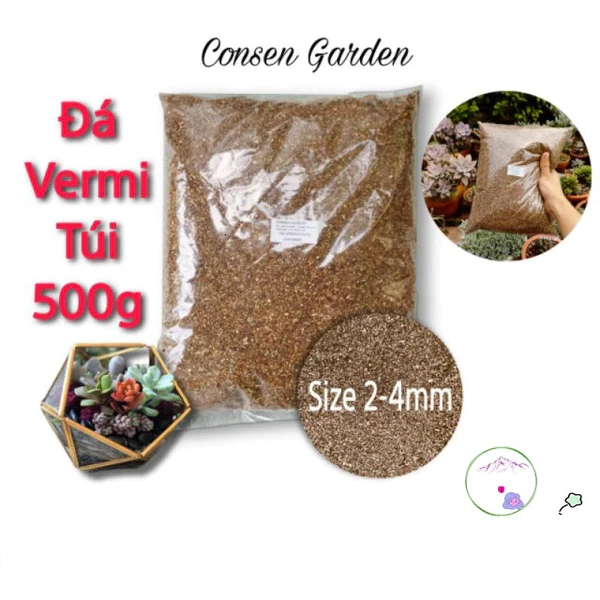
Vermiculite Đá – Gói 500g/1kg Hoàn Hảo Cho Trồng Rau Mầ…

Bộ vòi xịt nước tưới cây đa năng 8 chế độ kèm dây tưới …
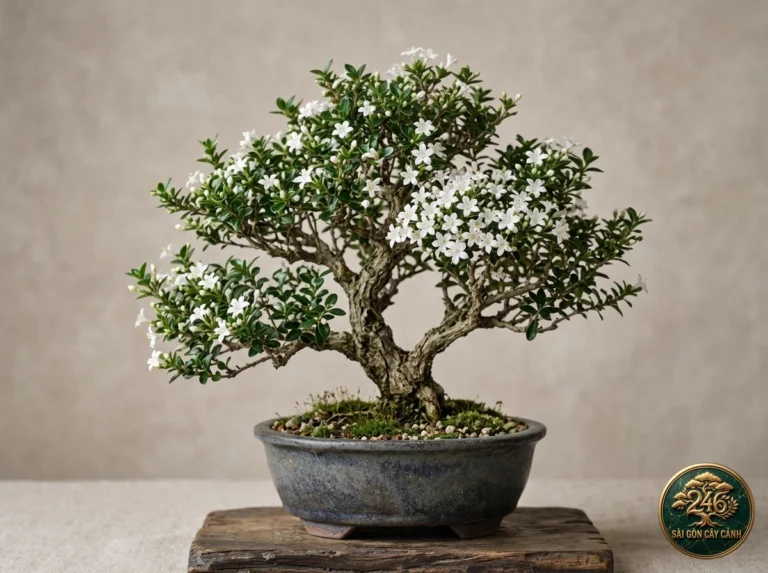
Snowrose (Serissa japonica)
Snowrose (Serissa japonica) Serissa japonica, poetically known as the snowrose, tree of a thousand stars, or Japanese snowrose,...
Read Monograph →
Japanese camellia (Camellia japonica)
Japanese camellia (Camellia japonica) Camellia japonica, acclaimed as Japanese camellia or rose of winter, is the aristocratic queen...
Read Monograph →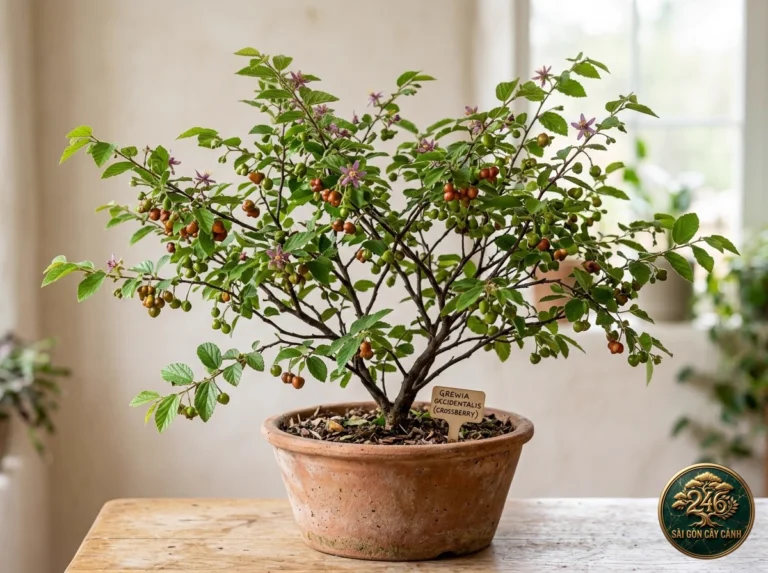
Crossberry (Grewia occidentalis)
Crossberry (Grewia occidentalis) Grewia occidentalis, universally known as the crossberry or four-corner berry, is an extraordinary woody ornamental...
Read Monograph →
Chinese privet (Ligustrum sinense)
Chinese privet (Ligustrum sinense) Ligustrum sinense, widely known as Chinese privet, is a versatile and celebrated woody subject...
Read Monograph →Expert Q&A, Recommended Supplies & Article Feedback
Tap once to connect instantly via Google, Facebook or TikTok — no long forms required!
No questions yet for this article. Tap Google / Facebook / TikTok above to ask the first question!