
Living plant profile
Common juniper (Juniperus communis)
Juniperus communis
📌 CLINICAL & BIOLOGICAL ABSTRACT — Common juniper (Juniperus communis)Common juniper (Juniperus communis) Juniperus communis, the common juniper, possesses the widest circumpolar distribution of any woody plant, celebrated for aromatic berry-like cones vital to world gin distilling heritage. 1. Taxonomic Identity & Botanical Nomenclature Juniperus communis was formally classified by Carl Linnaeus in 1753. A […]

Common juniper (Juniperus communis)
Juniperus communis, the common juniper, possesses the widest circumpolar distribution of any woody plant, celebrated for aromatic berry-like cones vital to world gin distilling heritage.
Sài Gòn Cây Cảnh Care Compass
1. Taxonomic Identity & Botanical Nomenclature
Juniperus communis was formally classified by Carl Linnaeus in 1753. A cornerstone of European ethnobotany, its aromatic branches were burned for purifying domestic hearths and distilling traditional botanical elixirs.
This resilient conifer thrives across Arctic tundra, windswept moorlands, and Mediterranean limestone karst, exhibiting unparalleled ecological adaptability among gymnosperms.
2. Morphological Architecture & Structural Anatomy
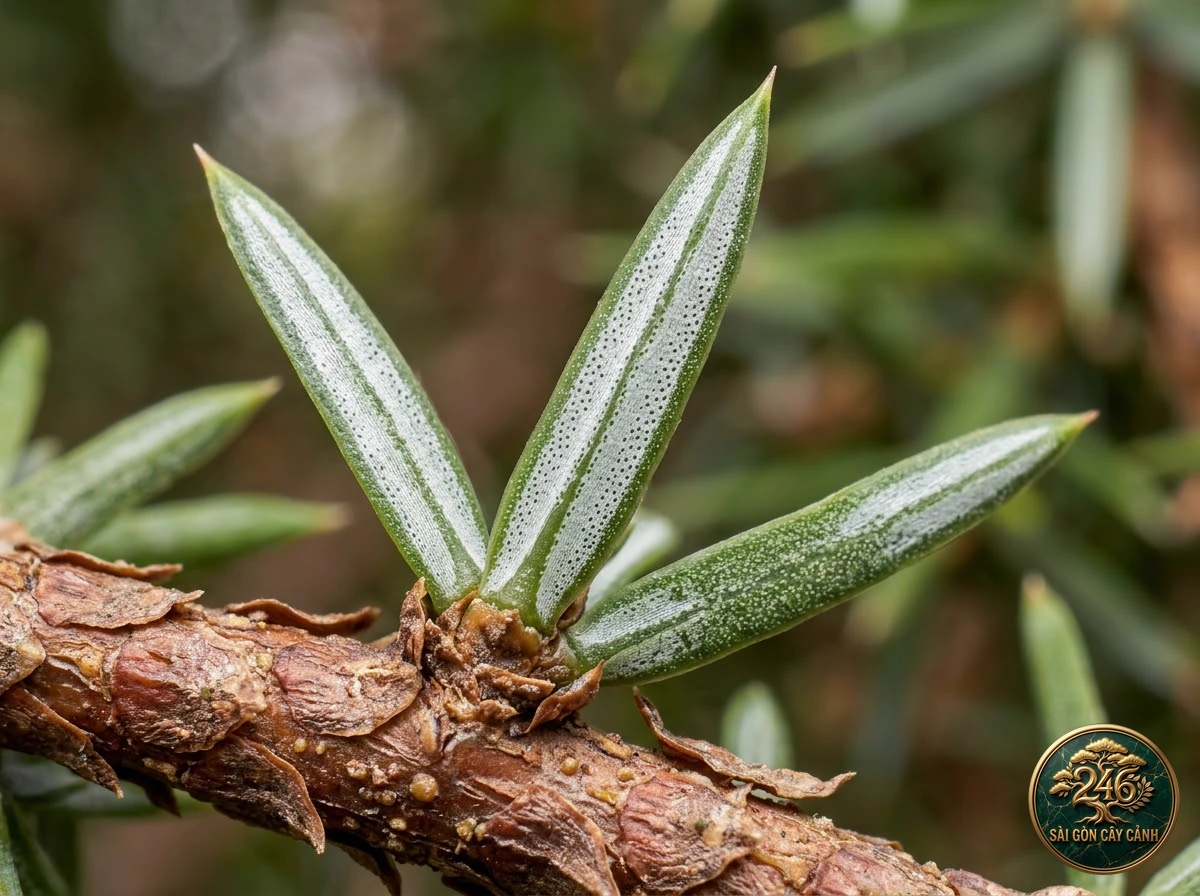
Ranges from prostrate shrubs to small columnar trees one to ten meters high; bonsai culture compacts specimens into rugged compositions thirty to seventy centimeters tall with peeling reddish-brown bark.
Needle-like leaves emerge in whorls of three, eight to twenty millimeters long with a broad, chalk-white stomatal band across the upper surface; fleshy seed cones take two to three seasons to ripen from green to glaucous blue-black.
3. Photoperiod Energetics & Photosynthetic Dynamics
Thrives under open solar irradiance between 15,000 and 45,000 lux, requiring intense sunlight to concentrate therapeutic aromatic resins and maintain needle firmness.
Indoor exhibition should not exceed three to four consecutive days, followed by immediate return to well-ventilated outdoor environments.
4. Mineral Substrate Composition & Aeration Hydraulics
Ideal aggregate formula demands superior pore aeration: 50% hard akadama, 25% crushed volcanic scoria, 15% pumice, and 10% coarse acidic peat fiber.
Adapts to pH levels between 5.5 and 7.5, provided macro-porosity guarantees immediate gravity runoff without root zone suffocation.
5. Irrigation Regimen & Hydric Balance
Irrigation discipline: check moisture by tactile inspection, soaking thoroughly only when the surface layer feels dry to the touch.
Possessing immense drought resilience due to dense cuticular waxes, under-watering is far less hazardous than excessive soil saturation.
6. Mineral Nutrition & Slow-Release Fertilization
Top-dress with slow-release organic pellets monthly during active vegetative flushes from mid-spring through late autumn.
Supplement with monthly early-morning foliar micronutrient sprays containing chelated iron, zinc, and manganese to sustain needle vibrancy.
7. Vegetative Propagation & Germplasm Preservation
Propagate by cold-stratified seeds over three months, or harvest mature terminal heel cuttings in early autumn.
Treat cuttings with 0.3% IBA rooting hormone and strike in bottom-heated sharp sand beds at 20 degrees Celsius for twelve weeks.
8. Toxicology Profile & Household Pet Biosafety (ASPCA)
PET SAFETY PROFILE: Berries and needles contain concentrated pinene and volatile terpenes; ingestion of substantial quantities can induce gastrointestinal and mild renal irritation in pets under ASPCA veterinary guidance.
Positioning trees on elevated outdoor stands prevents accidental ingestion while displaying the bonsai to best architectural effect.
9. Clinical Pathology Diagnostics & Treatment Protocol
Clinical monitoring matrix for needle tip scorch and balanced mineral therapy in Juniperus communis:
| Clinical Manifestation | Pathological Etiology | Targeted Treatment Protocol |
|---|---|---|
| Needles turn crispy bronzed-brown after prolonged indoor display | Severe light starvation combined with dry, stagnant air conditioning | Relocate immediately to sheltered outdoor morning sun and mist canopy at dawn |
| Developing berry-like cones blacken, rot, and abort prematurely | Fungal fruit rot flourishing during prolonged rain saturation | Remove afflicted cones, thin crowded branchlets, and spray biological bio-fungicide |
| Emerging spring shoots distort with dense aphids clustering in needle axils | Juniper aphid colonies sap-feeding during vigorous early spring growth flushes | Dislodge pests with sharp water jet and apply cold-pressed horticultural mineral oil |
| Trunk wobbles in container accompanied by sour, anaerobic soil odors | Root collar necrosis caused by obstructed bottom drainage apertures | Clear drainage holes immediately, suspend watering for seven days, and drench with humic root stimulant |
10. Comparative Morphology & Allied Taxa Diagnosis
Anatomical differentiation matrix isolating broad-banded Juniperus communis from allied circumpolar junipers:
| Diagnostic Parameter | Juniperus communis (Common juniper) | Comparative Specimen A | Comparative Specimen B |
|---|---|---|---|
| Stomatal band anatomy | Single broad chalk-white band covering upper blade | Two distinct narrow parallel stomatal lines | Appressed scales with microscopic wax pores |
| Seed cone maturation span | Prolonged 2 to 3 year cycle ripening to blue-black | Ripens in 1 to 2 seasons | Ripens within a single season |
| Native biogeographic range | Circumpolar Northern Hemisphere down to Mediterranean | Endemic to southern Japanese coasts | Temperate East Asia |
| Phytochemical utilization | Cones distilled for world gin flavoring and medicine | Specialized ornamental and bonsai culture | Aromatic timber and bonsai |
11. Biophilic Design Harmony & Contemporary Spatial Aesthetics
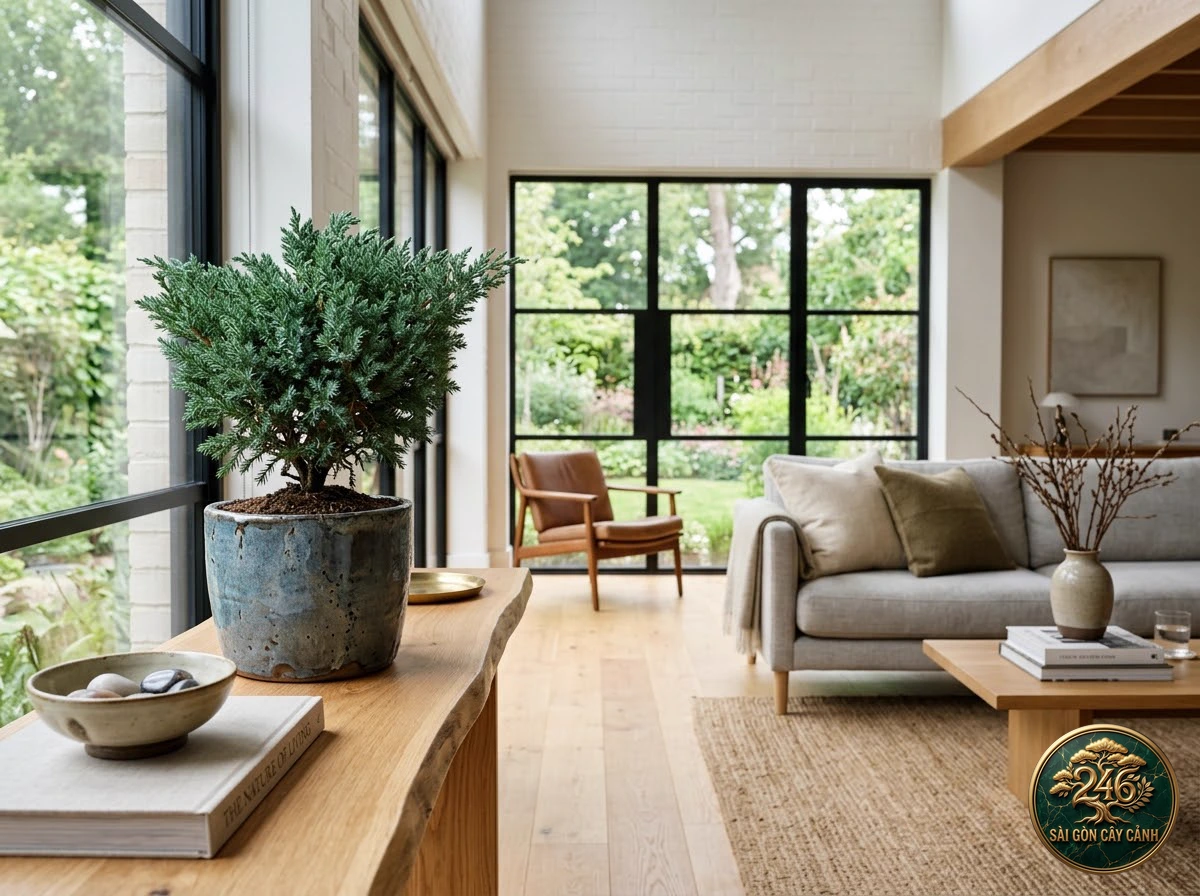
Juniperus communis symbolizes spiritual purification, enduring fortitude, and peaceful natural sanctuary across ancient mythologies.
The crisp balsamic fragrance diffusing naturally from its foliage calms sensory fatigue, fostering serene clarity in contemporary living spaces.
12. Saigon Cay Canh Provenance & Cultivation Assurance

Saigon Cay Canh curates authenticated Juniperus communis bonsai with mature weathered bark and densely established foliar pads.
Supplied with premium Japanese organic nutrients and lifetime styling consultation.
💬 Góc Tư Vấn & Hướng Dẫn Kỹ Thuật SGCC
Chuẩn E-E-A-T Kinfolk❓ Chăm sóc Common juniper (Juniperus co cần lưu ý điều gì quan trọng nhất?
💡 Dạ điều quan trọng nhất là giữ môi trường sống ổn định, tránh sốc nhiệt hay dao động thông số đột ngột, đồng thời cung cấp khẩu phần ăn sạch và tươi mới ạ.
❓ Làm thế nào để phòng ngừa bệnh tật hiệu quả cho các bé?
💡 Dạ anh chị nên giữ vệ sinh chuồng/hồ nuôi sạch sẽ, thay nước hoặc dọn dẹp định kỳ và bổ sung vitamin, men tiêu hóa đều đặn để tăng sức đề kháng ạ.
🌿 Trang Thiết Bị, Đất Trồng & Dụng Cụ Bonsai Tuyển Chọn
Dụng cụ tỉa, giá thể hữu cơ & phân bón chuyên dụng cho cây cảnh.
Treo Tường Planter Chân Đế Sắt Móc Trang Trí Dễ Dàng Lắ…

Kéo cắt cành SADA chính hãng Nhật Bản SK5 – KÌM CẮT CÀN…

Combo 2 kéo cắt tỉa cây cảnh xuất xứ JAPAN kéo cắt cành…
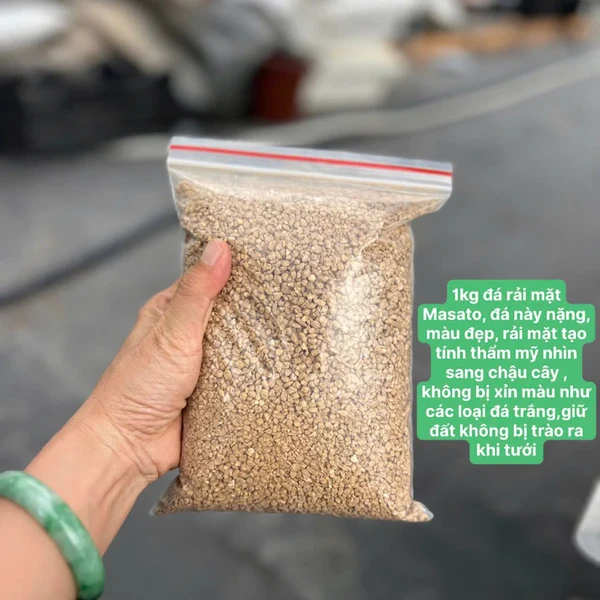
1kg đá Masato rải mặt sen đá cho đẹp
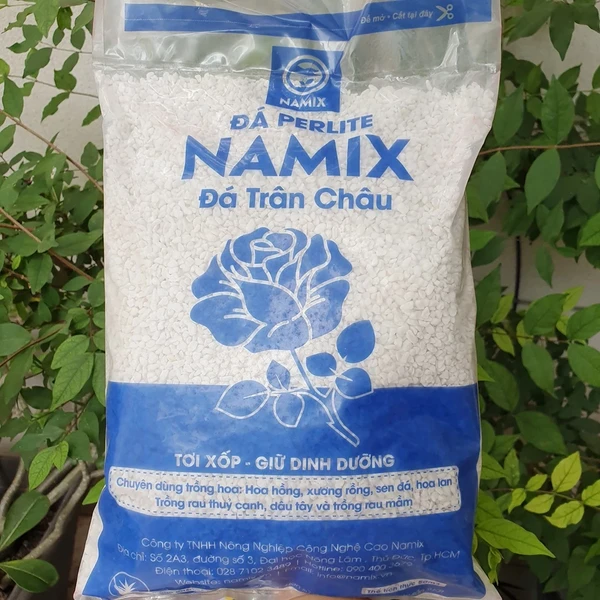
Đá trân châu Perlite (đá trân châu)- giàu khoáng chất, …

Cây Trầu Bà Nam Mỹ Lá Xẻ Đại Kèm Chậu Cao Khoảng 1m2 Tr…

Vòi phun nước tưới cây vòi tưới cây đa năng 8 chế độ, v…
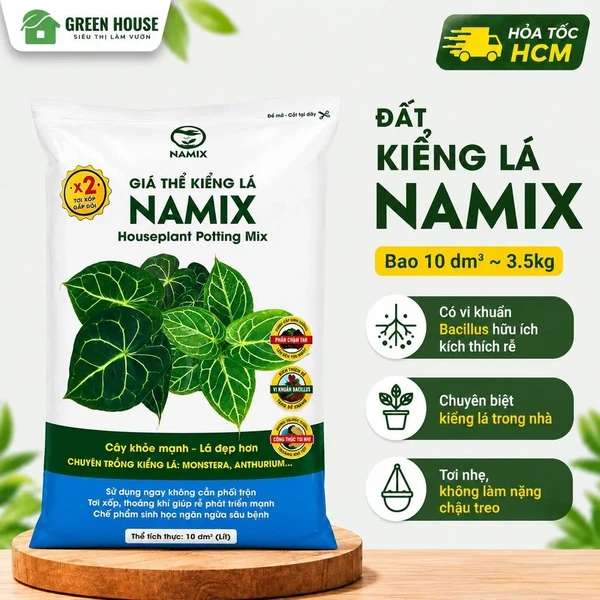
Giá Thể Trồng Kiểng Lá NAMIX Bao 10dm ~ 3,5kg | Ngừa sù…
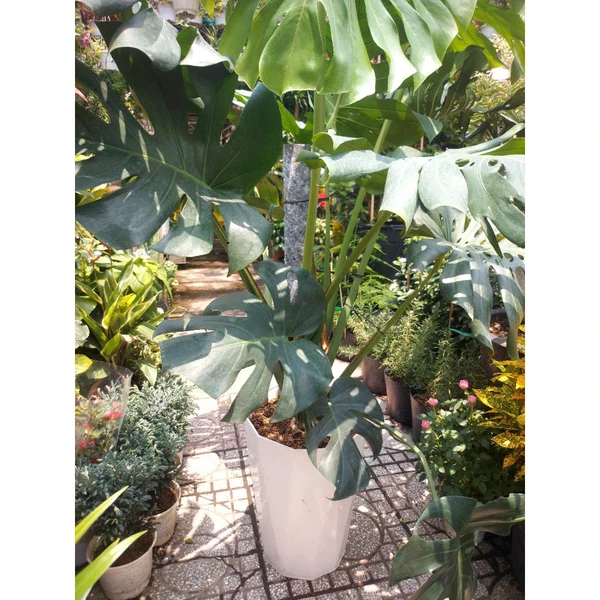
Cây Trầu Bà Nam Mỹ Lá Xẻ Đại Kèm Chậu Cao Khoảng 1m2 Tr…

Móc treo cây cho cây treo trong nhà, 2 gói Mộc mạc Tran…
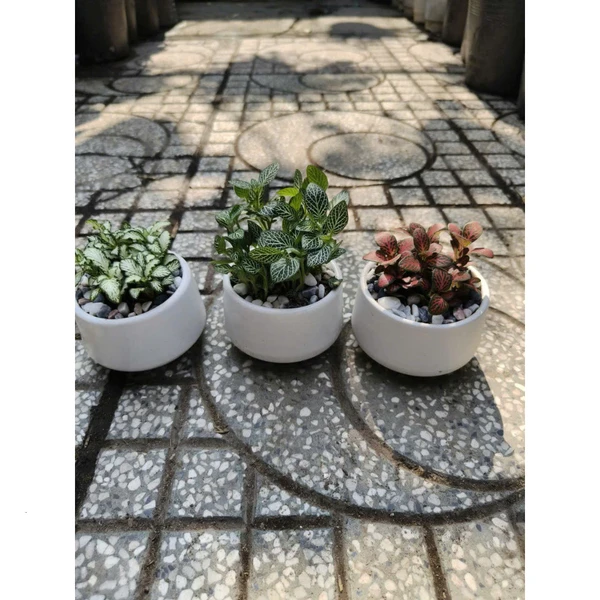
Cây Cẩm Nhung Lá May Mắn ( Fittonia) Để Bàn, Nhiều Màu …

Thuốc Kích Thích Sinh Trưởng Atonik 1.8SL Gói 10ml – Kí…

Lesser bougainvillea (Bougainvillea glabra)
Lesser bougainvillea (Bougainvillea glabra) Bougainvillea glabra, widely known as lesser bougainvillea or paperflower, is a celebrated woody ornamental...
Read Monograph →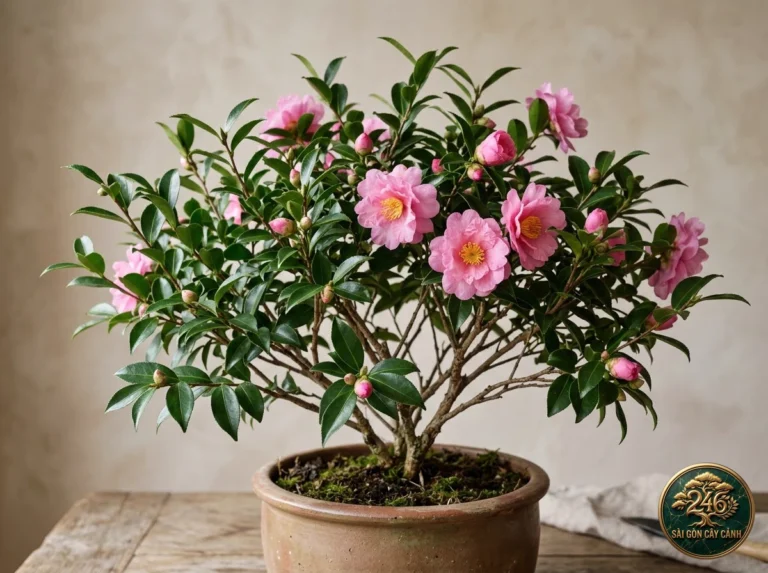
Sasanqua camellia (Camellia sasanqua)
Sasanqua camellia (Camellia sasanqua) Camellia sasanqua, celebrated as sasanqua camellia or autumn camellia, is an enchanting fall-blooming woody...
Read Monograph →
Coastal premna (Premna serratifolia)
Coastal premna (Premna serratifolia) Premna serratifolia, widely known as coastal premna or sea-coast Premna, is a celebrated littoral...
Read Monograph →
Toringo crabapple (Malus toringo)
Toringo crabapple (Malus toringo) Malus toringo, widely celebrated as toringo crabapple or Siebold crabapple, is a premier deciduous...
Read Monograph →Expert Q&A, Recommended Supplies & Article Feedback
Tap once to connect instantly via Google, Facebook or TikTok — no long forms required!
No questions yet for this article. Tap Google / Facebook / TikTok above to ask the first question!