Living plant profile
Common zinnia (Zinnia elegans)
Zinnia elegans
📌 CLINICAL & BIOLOGICAL ABSTRACT — Common zinnia (Zinnia elegans)Common zinnia (Zinnia elegans) Zinnia elegans, universally celebrated as common zinnia, elegant zinnia, or youth-and-age, is an iconic and flamboyant flowering annual forb within the Asteraceae family. Indigenous to the rugged grasslands and rocky slopes of Mexico, it is acclaimed worldwide for its colossal composite flower […]

Common zinnia (Zinnia elegans)
Zinnia elegans, universally celebrated as common zinnia, elegant zinnia, or youth-and-age, is an iconic and flamboyant flowering annual forb within the Asteraceae family. Indigenous to the rugged grasslands and rocky slopes of Mexico, it is acclaimed worldwide for its colossal composite flower heads measuring 5 to 10 cm across, distinguished by exceptionally crisp, durable papery petals spanning an electrifying spectrum from scarlet, magenta, fiery tangerine, and golden-amber to lilac and pure white. Endowed with phenomenal heat tolerance and drought endurance, it blooms relentlessly under blazing tropical summer skies. Within Saigon Cay Canh landscape collections, common zinnia symbolizes steadfast friendship and enduring vitality, serving as a premier cut flower and vibrant bedding display for luxury estate gardens.
Sài Gòn Cây Cảnh Care Compass
1. Botanical Identity & Taxonomic Nomenclature History
Zinnia elegans was officially established by Austrian botanist Nikolaus Joseph von Jacquin in 1792 within his landmark botanical compendium Collectanea. The generic name Zinnia commemorates Johann Gottfried Zinn (1727–1759), an eminent German professor of medicine, anatomist, and botanist at Gottingen University celebrated for groundbreaking studies on ocular anatomy and plant taxonomy. The specific epithet elegans signifies ‘elegant’ or ‘graceful’ in Latin, paying tribute to the symmetrical beauty of its papery floral heads.
Indigenous to the arid scrublands of Mexico, the common zinnia was revered by indigenous peoples for its everlasting floral fortitude, retaining vivid coloration even when petals dried. Transported to the Royal Botanical Garden of Madrid in the late 18th century, it catalyzed an international horticultural craze across European botanical courts. Acclimatized across Vietnam through elite F1 selections by Saigon Cay Canh, it thrives under equatorial sunshine, offering relentless blooms and robust vigor for prestigious residential landscapes.
2. Morphological Anatomy & Structural Architecture

Morphologically, Zinnia elegans develops as an upright, robust annual herbaceous forb attaining heights between 0.3 and 0.8 meters with a lateral canopy spread of 0.3 to 0.45 meters. The central stem is rigid, cylindrical, branching readily from axillary nodes; green stems often display purplish flushes and are densely clothed in stiff, hispid whitish trichomes that confer a pronounced coarse, sandpapery texture upon touch. Leaves are sessile, cordate-clasping, and oppositely arranged; blades are ovate-lanceolate to oblong-elliptic measuring 5 to 10 cm long by 2 to 5 cm wide, featuring acute apices and entire margins. Both adaxial and abaxial foliar surfaces are scabrous, displaying prominent reticulate venation beneath.
Inflorescences arise as massive solitary terminal capitula borne on stout peduncles 4 to 10 cm long. The floral head spans 5 to 10 cm across, enclosed by a hemispherical involucre composed of multi-tiered overlapping phyllaries with dark margins. The floral architecture ranges from single to densely double dahlia-flowered forms, packing numerous crisp, chartaceous ray florets with an unmistakably dry, papery texture in brilliant hues of scarlet, magenta, flaming orange, canary-yellow, lilac, and ivory. The central elevated conical disc is encircled by tiny golden-yellow star-shaped tubular disc florets rich in nectar. The fruit is a flattened, oblanceolate cypsela 5 to 7 mm long ripening to brownish-grey lacking an awned pappus.
3. Solar Irradiance Thresholds & Photosynthetic Dynamics
Zinnia elegans is an obligate heliophyte performing best under unfiltered direct sunlight with luminous intensities between 50,000 and 90,000 lux. A daily duration of at least 6 to 8 hours of intense direct solar exposure is mandatory to ensure stocky stem lignification, promote protective hispid trichome density, and induce vibrant pigment saturation across papery petals.
When grown in shaded microclimates below 25,000 lux, stems stretch loosely, internodal distances elongate, branches become brittle, and plants become acutely susceptible to foliar powdery mildew blights. The species exhibits phenomenal resistance to tropical heat exceeding 38 degrees C, supported by protective foliar trichomes and leathery cellular cuticles that drastically curtail transpirational water loss.
4. Mineral Substrate Mechanics & Root Aeration Porosity
The root architecture of common zinnia consists of a deep taproot coupled with an expansive lateral fibrous network, demanding deep, fertile, humus-enriched topsoil engineered for rapid gravity drainage without pooling. Stagnant anaerobic waterlogging persisting beyond 24 hours suffocates delicate feeder rootlets, triggering shoot wilt and widespread foliar abscission.
For vigorous root respiration, Saigon Cay Canh utilizes a fast-draining potting blend blending 40% rich sandy loam, 25% coarse horticultural perlite, 15% crushed pine bark chips, 15% aged worm castings, and 5% activated charcoal, sustaining a stabilized pH of 6.3 to 7.2 over free-flowing container drain ports.
5. Hydraulic Equilibria & Irrigation Regimens
During juvenile development and active vegetative branching flushes, Zinnia elegans requires consistent daily moisture. The baseline watering protocol calls for soaking the root zone thoroughly at dawn whenever the upper 2 cm of substrate feels dry. During dry tropical summer spells, irrigate once daily; during the monsoon season, suspend watering until surface soils drain.
Deliver water strictly around the soil perimeter; never blast overhead water into foliage or floral heads during evening hours, as lingering moisture on hispid leaves constitutes the primary catalyst for powdery mildew infection. Following torrential downpours, verify that drainage trenches around garden beds remain completely free of standing water.
6. Nutrient Biogeochemistry & Fertilization Protocols
To sustain stout lignified stems and fuel massive 10 cm papery floral heads across garden beds, Zinnia elegans demands disciplined mineral nutrition. Top-dress with aged vermicompost or slow-release organic pellets (NPK 6-8-12) monthly at 1 to 2 kg worked into the perimeter drip line.
Following apical pinching and during terminal floral bud initiation, dissolve a water-soluble balanced formula (NPK 15-20-25 or NPK 16-16-16) at 1.5 to 2.0 grams per liter, drenching the root zone every 10 to 12 days. Complement with foliar sprays rich in chelated calcium, boron, and magnesium every 20 days to ensure pedicel tensile strength, holding colossal flower heads proudly against wind and rain.
7. Clonal Propagation & Germplasm Conservation
Zinnia elegans propagates with exceptional ease from seed, achieving germination rates exceeding 95%. The optimal sowing window spans warm spring or early dry season months, requiring only 50 to 65 days from germination to magnificent floral anthesis. Mature flattened cypselae harvested from fully desiccated flower heads are cleaned and stored in dry paper envelopes.
Sow seeds into germination flats filled with washed coco coir, carbonized rice hulls, and perlite, lightly covering seeds with a 0.5 cm substrate layer and misting gently. Placed in a warm, bright shaded nursery, germination occurs synchronously within 3 to 5 days. When seedlings reach 15 to 20 days of age bearing 3 to 4 true leaf pairs, perform primary apical pinching to stimulate vigorous lateral branching before transplanting into final beds or containers.
8. Phytochemical Toxicity & Pet Safety Standards (ASPCA)
Botanical safety profile and ASPCA pet safety standards: Classified within the Asteraceae family, Zinnia elegans is recognized as completely NON-TOXIC and safe around companion animals (dogs, cats, horses) and humans under standard ASPCA toxicological benchmarks. The entire plant—including coarse hispid stems and vivid papery blossoms—synthesizes zero dangerous alkaloids or injurious plant toxins.
Accidental ingestion of petals or casual brushing against foliage by domestic pets provokes zero toxicological harm or systemic distress. Furthermore, the harsh scabrous texture naturally discourages companion animals from chewing on leaves. Horticulturists should practice routine deadheading of spent floral heads, sanitize cutting shears with 70% medical alcohol, and maintain routine biophilic hygiene to keep garden plantings flourishing safely.
9. Clinical Pathology Diagnostics & Treatment Strategies
Clinical pathology screening for powdery mildew control and deadheading cycles in Zinnia elegans:
| Clinical Manifestation | Etiological Cause | Standard Treatment Protocol |
|---|---|---|
| Stems become etiolated and floppy, internodes stretch excessively, and papery heads emerge sparse and pale | Severe solar deficiency caused by positioning in dense shade below 25,000 lux for extended periods | Shear back weak elongated stems using 70% medical alcohol cleaned pruners, providing at least 7 hours of full open-sky sunlight daily to restore robust erect growth |
| Leaves develop white powdery fungal patches expanding across surfaces causing yellowing and premature leaf curling | Golovinomyces cichoracearum powdery mildew fueled by stagnant air circulation and humid conditions | Prune infected foliage, sanitize tools with 70% alcohol, and apply biological neem oil or potassium bicarbonate twice 5 days apart |
| Potting soil is waterlogged, lower leaves turn yellow and drop prematurely, and shoots wilt | Root asphyxiation and rot induced by poor drainage or clogged container drainage ports | Suspend watering immediately, clear container drainage holes, aerate surface soil, and drench with Trichoderma |
10. Comparative Morphology & Allied Taxa Diagnosis
Morphological comparative matrix contrasting crisp chartaceous papery petals and non-toxic ASPCA certification in Zinnia elegans:
| Diagnostic Parameter | Zinnia elegans (Common zinnia) | Comparative Specimen A | Comparative Specimen B |
|---|---|---|---|
| Capitulum Architecture and Diameter | Substantial daisy heads 5 to 10 cm across with crisp papery petals spanning scarlet, pink, orange, and white | Massive globular double heads 8 to 12 cm across packing hundreds of ruffled lemon-yellow or deep orange florets | Compact composite heads 3 to 5 cm across with bicolored velvety mahogany-red and bright golden ray florets |
| Growth Habit and Structural Stature | Stiff upright annual forb 0.3 to 0.8 meters tall with coarse hispid trichomes covering stems and leaves | Stout erect annual forb 0.5 to 1.0 meters tall with grooved stems and sturdy upright branching habit | Low mounding bushy annual forb 0.2 to 0.45 meters tall, forming a dense hemispherical spreading cushion |
| Companion Animal Safety and ASPCA Profile | NON-TOXIC (certified completely benign and safe for companion animals under ASPCA non-toxic benchmarks) | MILDLY TOXIC / CAUTION (contains phototoxic thiophenes in sap provoking mild dermatitis or gastric upset) | MILDLY TOXIC / CAUTION (contains thiophenes in vegetative tissue causing mild irritation if chewed) |
11. Biophilic Design Harmony & Contemporary Spatial Aesthetics

Within botanical symbolism and biophilic landscape aesthetics, common zinnia stands as a sovereign emblem of steadfast friendship, enduring affection, radiating optimism, and vibrant resilience. Its durable papery petals retaining brilliance through wind and rain introduce uplifting vital energy, enlivening residential sanctuaries with uninhibited joy.
Boasting phenomenal floral vase life lasting two to three weeks both on the plant and in floral arrangements, Zinnia elegans serves as a premier commercial cut flower and ornamental landscape specimen: massed in broad colorful ribbons across resort grounds, bordering private villa walkways, arranged in bespoke interior floral displays, or cultivated in terracotta containers on sun-drenched southern verandas.
12. Saigon Cay Canh Provenance & Cultivation Assurance

Saigon Cay Canh delivers magnificent, nursery-grown specimens of pure Zinnia elegans F1 selections, featuring stout lignified stems, densely branched canopies, healthy root systems, and prolific floral buds prepared to burst into kaleidoscopic papery displays across estate landscapes and floral exhibitions.
We provide 100% botanical taxonomic verification, comprehensive plant health warranties, prompt on-site delivery services, and dedicated floricultural care advisory for luxury private estates and civic hospitality venues.
💬 Góc Tư Vấn & Hướng Dẫn Kỹ Thuật SGCC
Chuẩn E-E-A-T Kinfolk❓ Chăm sóc Common zinnia (Zinnia elegan cần lưu ý điều gì quan trọng nhất?
💡 Dạ điều quan trọng nhất là giữ môi trường sống ổn định, tránh sốc nhiệt hay dao động thông số đột ngột, đồng thời cung cấp khẩu phần ăn sạch và tươi mới ạ.
❓ Làm thế nào để phòng ngừa bệnh tật hiệu quả cho các bé?
💡 Dạ anh chị nên giữ vệ sinh chuồng/hồ nuôi sạch sẽ, thay nước hoặc dọn dẹp định kỳ và bổ sung vitamin, men tiêu hóa đều đặn để tăng sức đề kháng ạ.
🌿 Trang Thiết Bị, Đất Trồng & Dụng Cụ Bonsai Tuyển Chọn
Dụng cụ tỉa, giá thể hữu cơ & phân bón chuyên dụng cho cây cảnh.

Đá trân châu Perlite (đá trân châu)- giàu khoáng chất, …
ATONIK 100ML CHAI NHÔM THUỐC KÍCH THÍCH SINH TRƯỠNG – R…

CÂY TRẦU BÀ ĐẾ VƯƠNG ĐỎ CHẬU TO NHƯ HÌNH [ CÂY PHONG TH…

Chậu Chữ Nhật Vát Trồng Cây Mini bonsai tiểu cảnh – Chậ…
Sen Đá Size Vỉ Mini 3-5 cm Các Loại, Đã Thuần Khí Hậu, …
Kesoto Sắt Treo Tường Treo Cây Móc Nặng Chậu Trồng Giỏ …
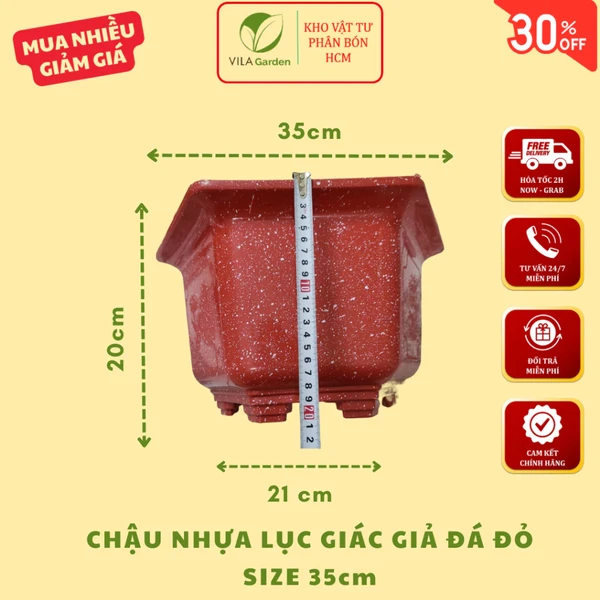
Chậu Nhựa Lục Giác Giả Đá Màu Đỏ Trồng Hoa, Cây Cảnh F3…

Đôn gỗ đựng cây cảnh, Kệ gỗ kê chậu hoa, giá gỗ để chậu…

Kéo cắt cành cộng lực YOKOHAMA SK5 xuất xứ JAPAN Kéo cắ…

Keo liền da cây Mỹ Tiến 100g – (Vườn Sài Gòn)

Chậu đất nung hoạ tiết sọc chéo, chậu trồng sen đá và c…

Keo liền sẹo Đen Mỹ tiến mau liền sẹo, bảo vệ vết cắt c…

Busy Lizzie (Impatiens walleriana)
Busy Lizzie (Impatiens walleriana) Impatiens walleriana, internationally celebrated as busy Lizzie, sultana, or patient Lucy, is a luxuriant...
Read Monograph →
Carnation (Dianthus caryophyllus)
Carnation (Dianthus caryophyllus) Dianthus caryophyllus, universally revered as carnation, clove pink, or the divine flower, is an aristocratic,...
Read Monograph →
Moss rose (Portulaca grandiflora)
Moss rose (Portulaca grandiflora) Portulaca grandiflora, universally treasured as moss rose, sun plant, or eleven o’clock, is a...
Read Monograph →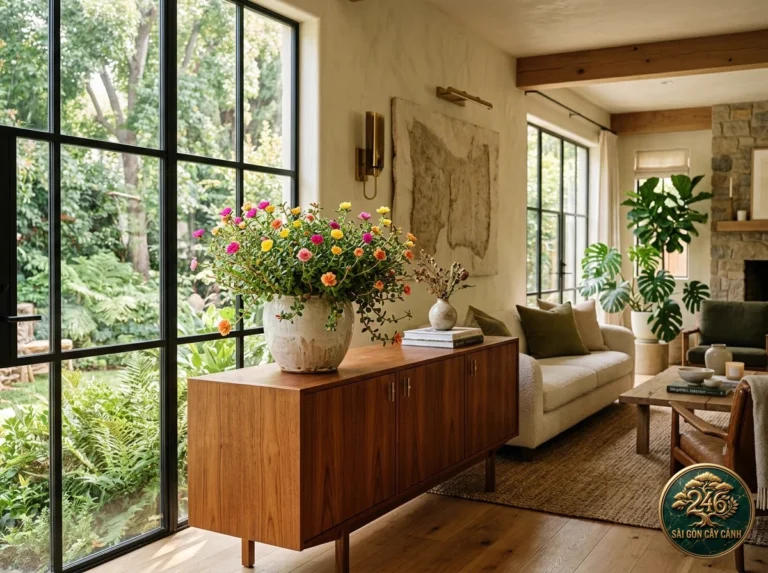
Wingpod purslane (Portulaca umbraticola)
Wingpod purslane (Portulaca umbraticola) Portulaca umbraticola, widely known as wingpod purslane, ornamental purslane, or broadleaf moss rose, is...
Read Monograph →Expert Q&A, Recommended Supplies & Article Feedback
Tap once to connect instantly via Google, Facebook or TikTok — no long forms required!
No questions yet for this article. Tap Google / Facebook / TikTok above to ask the first question!