
Living plant profile
Confederate rose (Hibiscus mutabilis)
Hibiscus mutabilis
📌 CLINICAL & BIOLOGICAL ABSTRACT — Confederate rose (Hibiscus mutabilis)Confederate rose (Hibiscus mutabilis) Hibiscus mutabilis, globally celebrated as Confederate rose, cotton rosemallow, or the chameleon flower, is an East Asian botanical marvel renowned for its diurnal color-shifting blooms that open pristine pure white at dawn, flush pastel pink by midday, and deepen into rich velvety […]
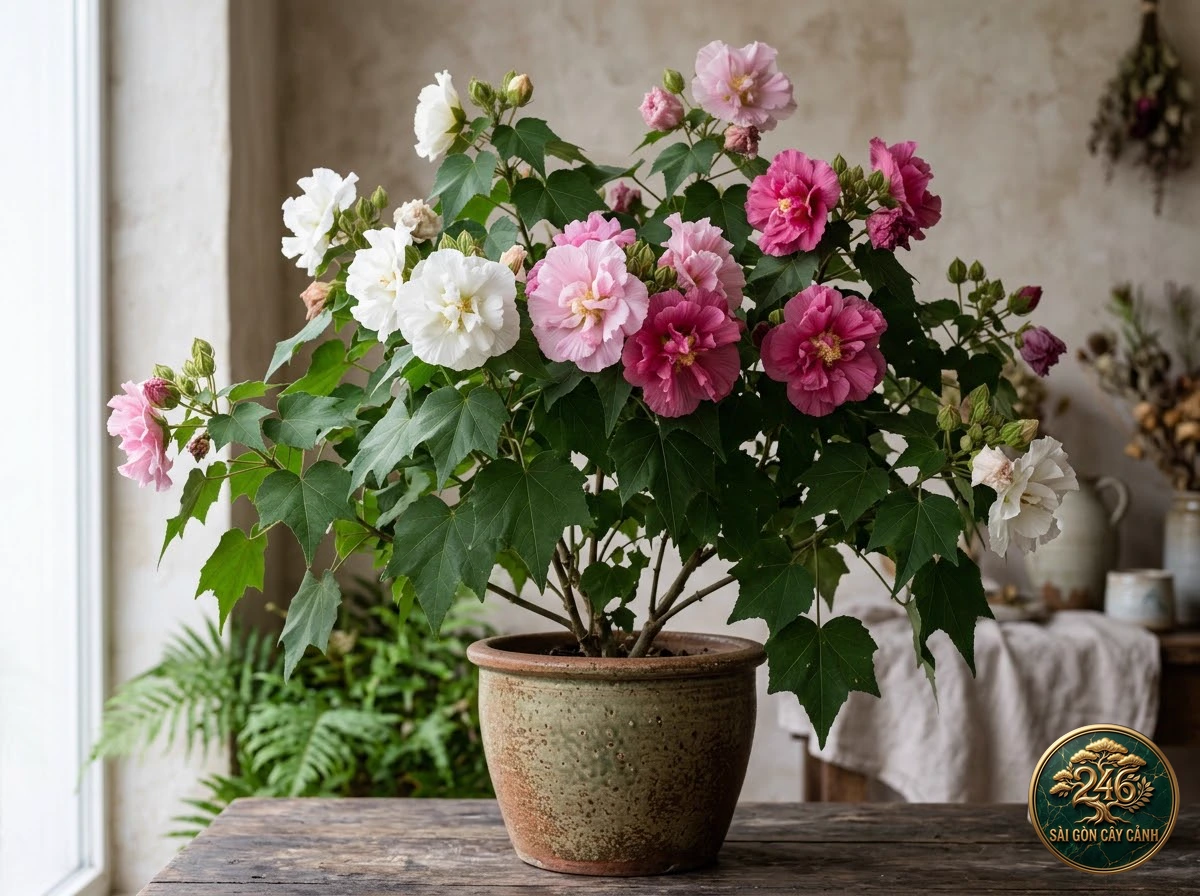
Confederate rose (Hibiscus mutabilis)
Hibiscus mutabilis, globally celebrated as Confederate rose, cotton rosemallow, or the chameleon flower, is an East Asian botanical marvel renowned for its diurnal color-shifting blooms that open pristine pure white at dawn, flush pastel pink by midday, and deepen into rich velvety crimson by twilight. Featuring luxuriant multi-petaled blossoms resembling antique garden roses and broad heart-shaped foliage, this species embodies ephemeral elegance and transformative beauty across luxury landscapes.
Sài Gòn Cây Cảnh Care Compass
1. Botanical Identity & Taxonomic Nomenclature History
Hibiscus mutabilis was scientifically cataloged by Swedish taxonomist Carl Linnaeus in 1753 within his foundational treatise Species Plantarum. The specific epithet mutabilis derives from Latin denoting ‘changeable’ or ‘mutable’, honoring the extraordinary diurnal chromatic transformation exhibited by its petals within a single day. The generic name Hibiscus traces back to ancient Greek hibiskos, an archaic name for mallow flora.
Classified in the family Malvaceae, the species possesses an illustrious heritage spanning millennia across East Asian culture and imperial garden design. During the Five Dynasties period, Emperor Meng Chang ordered thousands of Confederate roses planted atop the walls of Chengdu, christening it the historic ‘City of Hibiscus’. In contemporary Vietnamese landscape architecture, Confederate rose is prized as an aristocratic botanical jewel, imparting poetic romance and dynamic color transformations.
2. Morphological Anatomy & Structural Architecture

Morphologically, Hibiscus mutabilis manifests as an expansive deciduous woody shrub or small multistemmed tree attaining heights of 2 to 5 meters, with spreading branches forming a wide rounded crown. Stems are enveloped in smooth grey-brown bark, with robust juvenile shoots densely clothed in stellate hairs and glandular pubescence. Leaves are alternate; blades are broad-ovate to suborbicular with 5 to 7 shallow triangular lobes measuring 10 to 25 cm long by 10 to 22 cm wide, coarsely crenate-dentate, borne on long pubescent petioles.
Blossoms are solitary, emerging from upper leaf axils on 5 to 12 cm long articulated pedicels. The double flowers are colossal, spanning 10 to 15 cm across, packed with ruffled overlapping petals resembling ruffled antique roses. The diurnal chromatic mechanism is governed by rapid temperature-mediated biosynthesis of anthocyanin pigments (predominantly cyanidin glycosides): blossoms open pristine white or pale cream at dawn, deepen to pastel rose-pink under midday warmth, and saturate into deep purplish-crimson by dusk before closing. The fruit is a globose pubescent capsule enclosing hairy reniform seeds.
3. Solar Irradiance Thresholds & Photosynthetic Dynamics
Hibiscus mutabilis is an obligate full-sun heliophyte requiring intensive solar irradiance to fuel the substantial photosynthetic demands of its massive foliar canopy and activate rapid anthocyanin synthesis. It demands at least 6 hours of unfiltered direct solar radiation daily, thriving within light thresholds spanning 40,000 to 80,000 lux. Direct morning sunlight drives rapid petal expansion, while midday thermal irradiance accelerates the vivid pink-to-crimson pigment transition.
When sited in partial shade, the color-changing phenomenon becomes subdued and sluggish, blooms fail to achieve full breadth, and premature floral bud drop increases. The species demonstrates outstanding adaptability to tropical monsoon climates, easily withstanding high summer ambient heat provided rhizosphere hydration remains constant.
4. Mineral Substrate Mechanics & Root Aeration Porosity
The root system of Confederate rose features a deep anchoring taproot supported by extensive lateral fibrous networks, demanding a porous, humus-rich soil structure engineered for rapid gravitational drainage. Prolonged root waterlogging during heavy rainy periods starves cambial tissues of oxygen, quickly triggering devastating root rot and foliar collapse.
The specialized media formulation developed by Saigon Cay Canh incorporates 40% rich alluvial loam, 25% thoroughly washed coco coir, 20% carbonized rice husks, and 15% aged vermicompost inoculated with Trichoderma, supplemented with perlite. Substrate pH is calibrated between 6.0 and 6.8. Generous gravel drainage courses are essential at container bottoms and planting pits to ensure optimal aeration.
5. Hydraulic Equilibria & Irrigation Regimens
With its gargantuan lobed leaves and massive blossoms, Hibiscus mutabilis exhibits rapid transpiration rates during warm periods and requires generous, disciplined hydration. Standard irrigation involves deep morning soaking daily, with supplementary light late-afternoon watering during intense heat spells whenever the upper 2 cm of soil becomes dry.
Deliver water directly to the soil perimeter, strictly avoiding harsh overhead hose pressure onto open double blooms to prevent fragile waterlogged petals from tearing and rotting. During heavy monsoon deluges, verify that surface drainage channels around the base function smoothly to eliminate stagnant standing water.
6. Nutrient Biogeochemistry & Fertilization Protocols
To sustain magnificent flushes of colossal double blooms from midsummer into autumn, Confederate rose demands balanced, substantial nutrition enriched with phosphorus, potassium, and chelated trace elements to maximize petal substance and chromatic saturation. Broadcast slow-release organic granules (NPK 6-12-12) or aged oilcake meal around the drip line every 40 to 45 days.
During floral evocation cycles, apply a water-soluble high-phosphate and high-potassium formula (NPK 15-30-15) at 1 gram per liter every 10 to 12 days. Complement with monthly foliar applications of chelated iron, magnesium, and boron to preserve vibrant foliar greenness and reinforce pedicel tensile strength against bud abortion.
7. Clonal Propagation & Germplasm Conservation
Hibiscus mutabilis is propagated with exceptional ease via semi-hardwood stem cuttings or air-layering during warm, humid spring and summer seasons. Stem cuttings yield over 90% rooting success: harvest 15 to 20 cm finger-thick semi-lignified shoots, make a clean 45-degree angle cut beneath a node using shears sanitized with 70% medical alcohol, and reduce foliar lamina by two-thirds.
Dip the basal end in 1,000 ppm IBA rooting powder, then insert 5 to 7 cm deep into moist sharp sand and perlite under 50% shade. Provided ambient moisture is maintained, vigorous adventitious roots proliferate within 20 to 25 days, followed by rapid axillary shoot development.
8. Phytochemical Toxicity & Pet Safety Standards (ASPCA)
Botanical safety evaluation and ASPCA pet safety standards: Classified within the Malvaceae family, Hibiscus mutabilis is officially recognized as non-toxic and pet-safe under standard ASPCA companion animal guidelines. The species poses zero toxicological hazards to dogs, cats, or horses, synthesizing no hazardous cardiac glycosides or toxic alkaloids.
In traditional East Asian herbal medicine, blossoms and foliage of Confederate rose have been safely utilized for their cooling, detoxifying properties. Nonetheless, to protect delicate pristine blossoms and prevent mechanical indigestion from rough fibrous leaves, site specimens mindfully away from destructive pets. Always sanitize pruning shears with 70% medical alcohol to prevent pathogen transmission.
9. Clinical Pathology Diagnostics & Treatment Strategies
Clinical diagnostic screening for bud mealybug eradication and anthocyanin color-shift nutrition in Hibiscus mutabilis:
| Clinical Manifestation | Etiological Cause | Standard Treatment Protocol |
|---|---|---|
| Floral buds turn yellow and abort before exhibiting diurnal color shift | Thermal shock induced by harsh midday summer sun combined with localized root dehydration | Apply wood chip mulch around root zone, irrigate deeply at dawn, and install 30% shade cloth during heat waves exceeding 36 degrees C |
| Tender apical shoots infested with dense mealybug colonies obscuring developing buds | Pseudococcidae sap-feeding insects distorting flower buds and preventing ruffled petal expansion | Manually swab mealybug clusters on bud pedicels using 70% medical alcohol, followed by organic sprays of emulsified neem oil |
| Broad leaves rolled and folded by leaf-rolling caterpillars nesting inside | Lepidopteran larvae feeding on broad foliar lamina of Confederate rose during warm humid periods | Manually crush folded leaf nests or apply organic biological insecticide containing Bacillus thuringiensis (Bt) |
10. Comparative Morphology & Allied Taxa Diagnosis
Morphological comparative matrix isolating diurnal chromatic transformation and multi-petaled double blooms of Hibiscus mutabilis:
| Diagnostic Parameter | Hibiscus mutabilis (Confederate rose) | Comparative Specimen A | Comparative Specimen B |
|---|---|---|---|
| Diurnal Color Transformation | Miraculous diurnal shift: opening pure white at dawn, rose-pink at noon, deep crimson by dusk | Stable creamy-yellow petals with dark purple eye; fleshy scarlet-red accrescent calyx | Constant velvety vermilion-scarlet; petals remain tightly furled into a lantern shape |
| Floral Architecture | Dense multi-petaled double bloom resembling an antique ruffled rose 10-15 cm across | Single campanulate bloom with 5 spreading petals backed by a fleshy edible red calyx | Tubular swirling corolla that never opens flat, with a long exerted staminal column |
| Foliar Morphology | Broad cordate blade with 5 to 7 shallow triangular lobes clothed in soft pubescence | Deeply palmately divided into 3 to 5 narrow lobes with sharp serrations | Ovate to hastate unlobed to shallowly lobed blade with soft velvety pubescence |
11. Biophilic Design Harmony & Contemporary Spatial Aesthetics

In architectural landscape design and Eastern biophilic philosophy, Confederate rose symbolizes magnificent prosperity, refined grace, dynamic good fortune, and domestic fulfillment. Its miraculous diurnal color transitions represent graceful adaptability, emotional wisdom, and continuous life renewal.
The plant serves impeccably as a majestic standalone lawn specimen in private villa estates, clustered welcoming accents near villa porticos, sweeping walkway borders across eco-resorts, or potted in large artisanal ceramic urns adorning sunny terraces.
12. Saigon Cay Canh Provenance & Cultivation Assurance

Saigon Cay Canh delivers verified acclimated Hibiscus mutabilis specimens, featuring established root balls, dense multi-branched canopies, and lavish displays of swollen buds ready to showcase their diurnal color shifts upon installation.
We provide 100% certified botanical taxonomy, customized structural pruning advice to stimulate prolific flowering flushes, and comprehensive living establishment guarantees across all distinguished residential and commercial developments.
💬 Góc Tư Vấn & Hướng Dẫn Kỹ Thuật SGCC
Chuẩn E-E-A-T Kinfolk❓ Chăm sóc Confederate rose (Hibiscus m cần lưu ý điều gì quan trọng nhất?
💡 Dạ điều quan trọng nhất là giữ môi trường sống ổn định, tránh sốc nhiệt hay dao động thông số đột ngột, đồng thời cung cấp khẩu phần ăn sạch và tươi mới ạ.
❓ Làm thế nào để phòng ngừa bệnh tật hiệu quả cho các bé?
💡 Dạ anh chị nên giữ vệ sinh chuồng/hồ nuôi sạch sẽ, thay nước hoặc dọn dẹp định kỳ và bổ sung vitamin, men tiêu hóa đều đặn để tăng sức đề kháng ạ.
🌿 Trang Thiết Bị, Đất Trồng & Dụng Cụ Bonsai Tuyển Chọn
Dụng cụ tỉa, giá thể hữu cơ & phân bón chuyên dụng cho cây cảnh.
Mixed soil – Đất trộn giá thể trộn sẵn cây Kiểng lá Ind…
Cây Hương Thảo Rosemary To Gốc Già Đuổi Muỗi, Thơm Thảo…
Cây Hương Thảo Rosemary Size Trung Hương Thơm Dịu Nhẹ G…

Cây Hương Thảo Rosemary To Gốc Già Đuổi Muỗi, Cây Khoẻ …
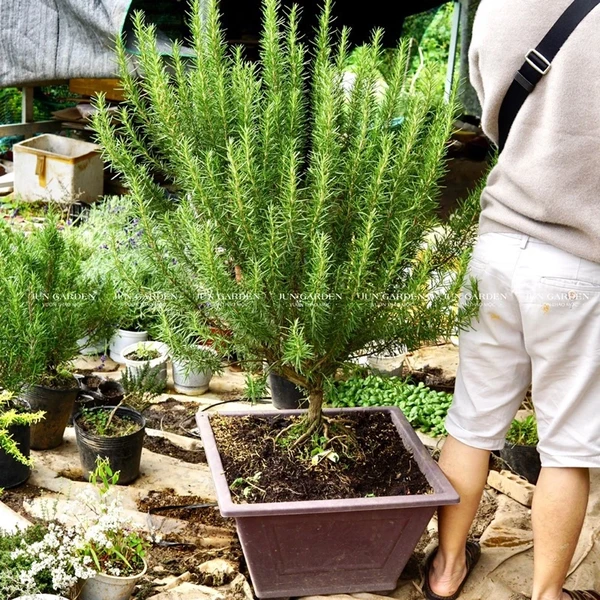
Cây Hương Thảo Rosemary 1 Mét To Lớn Làm Gia Vị Âu, Đuổ…
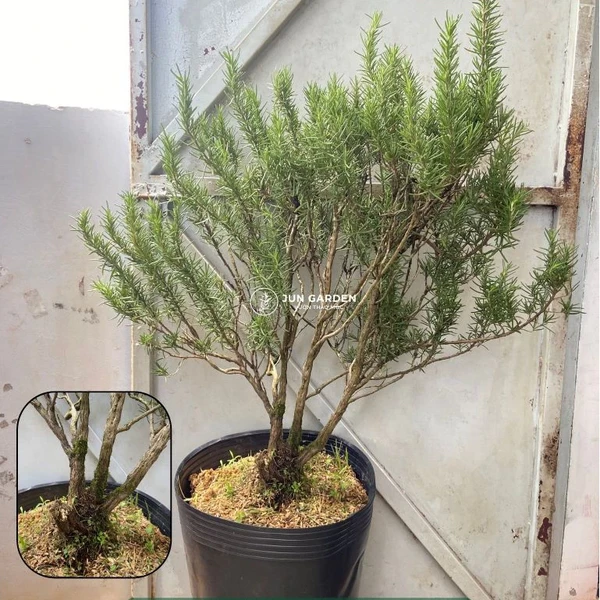
Cây Hương Thảo Rosemary To Lớn Gốc Già, Thơm Thảo Cây K…
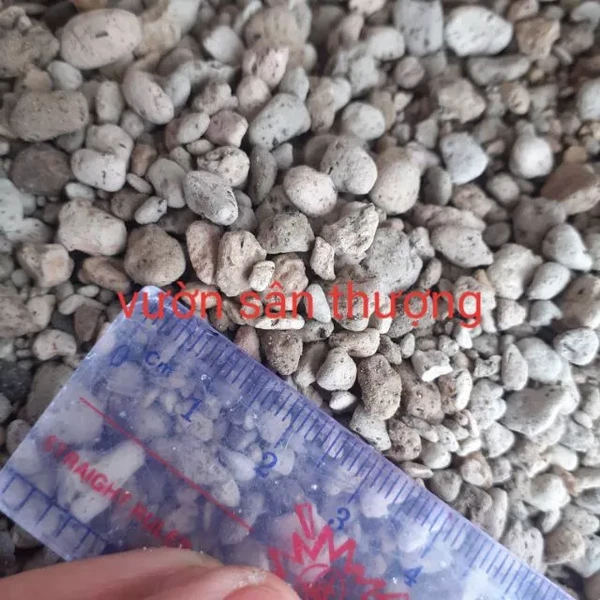
1 kg Đá Pumice Indo ( bọt đá núi lửa, nham thạch) Size …

trầu bà đế vương đỏ ,cây phong thủy( bụi to đẹp)

Phân trùn quế nguyên chất SFARM PB01 Phân Trùn Quế Hữu …

Chậu Hoa Hình Bầu Dục Khay Nhựa Dày Tròn Dài Miếng Lót …

5kg Vôi bột nông nghiệp dùng cải tạo đất, khử chua,hạ p…

Kéo cắt cành cộng lực cầm tay, Kéo cắt cành trợ lực , K…

Panicle hydrangea (Hydrangea paniculata)
Panicle hydrangea (Hydrangea paniculata) Hydrangea paniculata, universally known as panicle hydrangea or peegee hydrangea, is a majestic, cold-hardy,...
Read Monograph →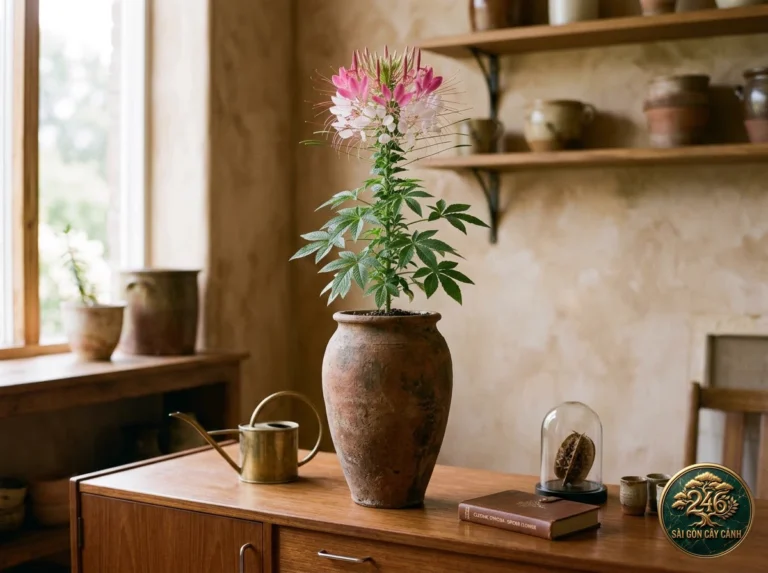
Spiny spiderflower
Cleome spinosa, universally celebrated in ornamental horticulture as spiny spiderflower, spider plant, or pink queen, is an aristocratic,...
Read Monograph →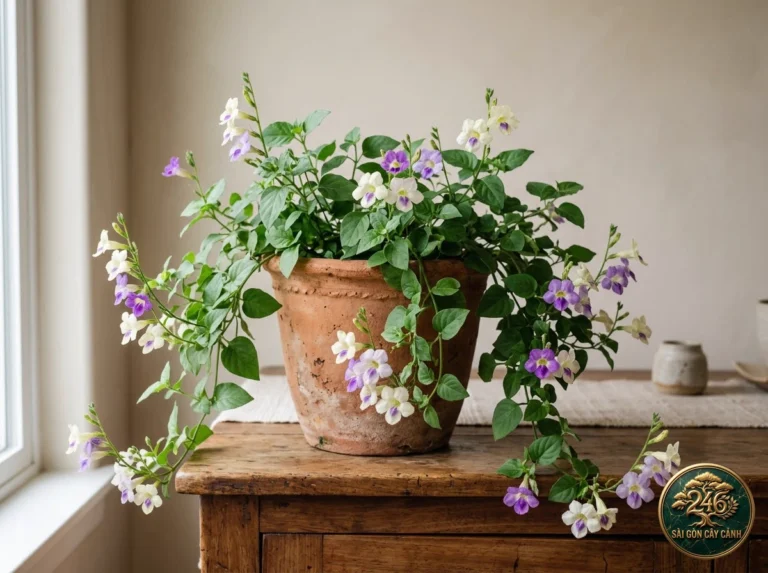
Chinese violet
Asystasia gangetica, widely celebrated in subtropical and tropical landscaping as Chinese violet, Ganges primrose, or creeping foxglove, is...
Read Monograph →
New Guinea impatiens (Impatiens hawkeri)
New Guinea impatiens (Impatiens hawkeri) Impatiens hawkeri, universally admired as New Guinea impatiens, is an aristocratic, dramatically oversized...
Read Monograph →Expert Q&A, Recommended Supplies & Article Feedback
Tap once to connect instantly via Google, Facebook or TikTok — no long forms required!
No questions yet for this article. Tap Google / Facebook / TikTok above to ask the first question!