
Living plant profile
Limnophila indica
🧭 Sài Gòn Cây Cảnh Care Compass CARE COMPASS 360° ☀️ Light Bright indirect light 💧 Water Water when topsoil dries 🪴 Substrate Well-draining aerated mix 🌡️ Temperature 18°C – 32°C 💨 Humidity 55% – 80% 🎯 Difficulty Easy to Moderate 🐾 Pet Safety 1 📌 CLINICAL & BIOLOGICAL ABSTRACT — Indian marshweed (Limnophila indica), […]

Sài Gòn Cây Cảnh Care Compass
Indian marshweed (Limnophila indica), belonging to the botanical family Plantaginaceae, is an esteemed freshwater aquatic plant celebrated in the art of nature aquascaping and biophilic living aquarium design at Saigon Cay Canh. Renowned for its graceful submerged foliage, active photosynthetic oxygen pearling, and robust vitality in clean filtered water, the species serves as an essential living foundation for natural aquascapes, Dutch-style planted tanks, and biotope aquariums.
1. Botanical Origin and Aquatic Nomenclature History
In aquatic taxonomy and nomenclature, Limnophila indica commands a prominent position within the family Plantaginaceae. In its native distribution, the plant inhabits crystal-clear equatorial streams, gently flowing riverbanks, and nutrient-rich seasonal wetlands across tropical and subtropical biomes. The generic designation Limnophila reflects extraordinary dual adaptability between submerged and emersed life cycles.
Meticulously cultivated and selected through generations of professional aquascapers, Indian marshweed has become a quintessential aquatic flora in Vietnam, imparting wild natural beauty and biological stability to home aquariums and commercial display tanks.
2. Morphological and Underwater Anatomical Characteristics
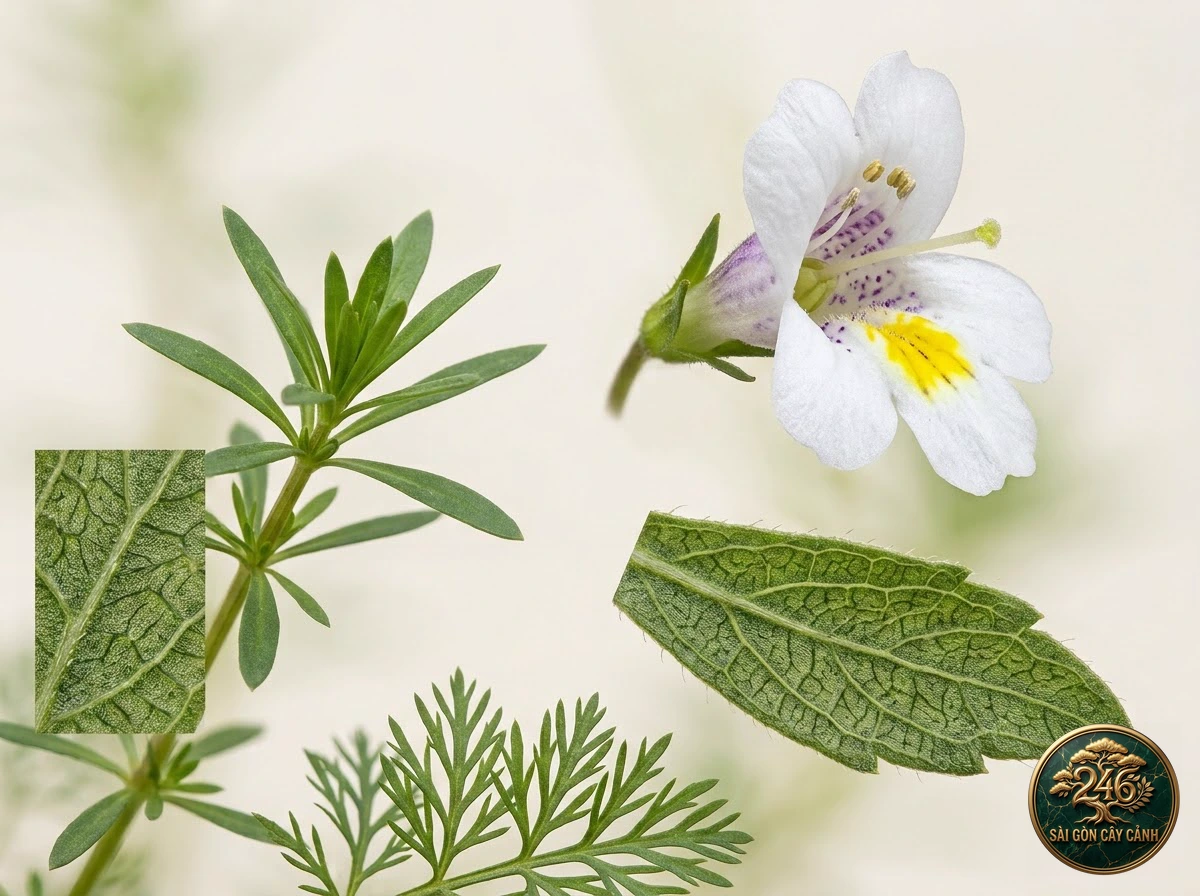
Morphologically, Limnophila indica develops specialized aerenchyma tissues to achieve structural buoyancy and facilitate efficient internal gas exchange underwater. Submerged stems remain supple and flexible, swaying rhythmically with water currents while ascending toward surface light.
Submerged leaf blades possess an ultra-thin cuticle, allowing direct foliar absorption of dissolved mineral nutrients and carbon dioxide directly from the surrounding water column. Foliar coloration dynamically ranges from vibrant jade green to rich reddish-pink or bronze depending on light spectrum intensity and chelated iron levels. A dense fibrous root system anchors firmly into aquatic substrate while adventitious water roots emerge at nodal junctures.
3. Photobiological and Aquarium Lighting Requirements
Photobiologically, Limnophila indica requires specialized high-PAR full-spectrum WRGB aquarium LED lighting delivering between 60 and 120 micromol/m2/s at substrate depth to promote compact growth and rich pigmentation.
A disciplined photoperiod of 6 to 8 hours daily is optimal. Implementing a split lighting schedule (e.g., 3.5 hours on – 2 hours siesta – 3.5 hours on) effectively deters nuisance algae proliferation while satisfying vegetative photosynthetic energy demands.
4. Edaphic and Aquarium Substrate Specifications
The root system of Limnophila indica thrives within specialized nutrient-rich volcanic aquasoil granules (2-3mm diameter) infused with humic and fulvic acids. The granular porosity enables gentle bottom-water circulation, delivering dissolved oxygen to beneficial nitrifying substrate microbes.
For epiphyte varieties, boiled driftwood branches or inert Seiryu stones provide secure anchoring platforms where rhizomes attach firmly without risk of anaerobic collar decay.
5. Water Chemistry and Pressurized CO2 Dynamics
Cultivating Limnophila indica requires stable freshwater parameters: water temperature between 22 and 28 degrees C, pH 6.0 to 7.2, and total hardness GH 3 to 8 dGH. Water must be continuously cycled through external canister filtration delivering flow rates 4 to 6 times total tank volume hourly.
Pressurized carbon dioxide injection maintained between 15 and 30 ppm is vital for luxuriant growth. Under optimal CO2 and illumination, submerged leaves exhibit copious oxygen pearling, releasing billions of micro-bubbles that transform the aquarium into a spellbinding underwater sanctuary.
6. Aquascaping Design and Water Management
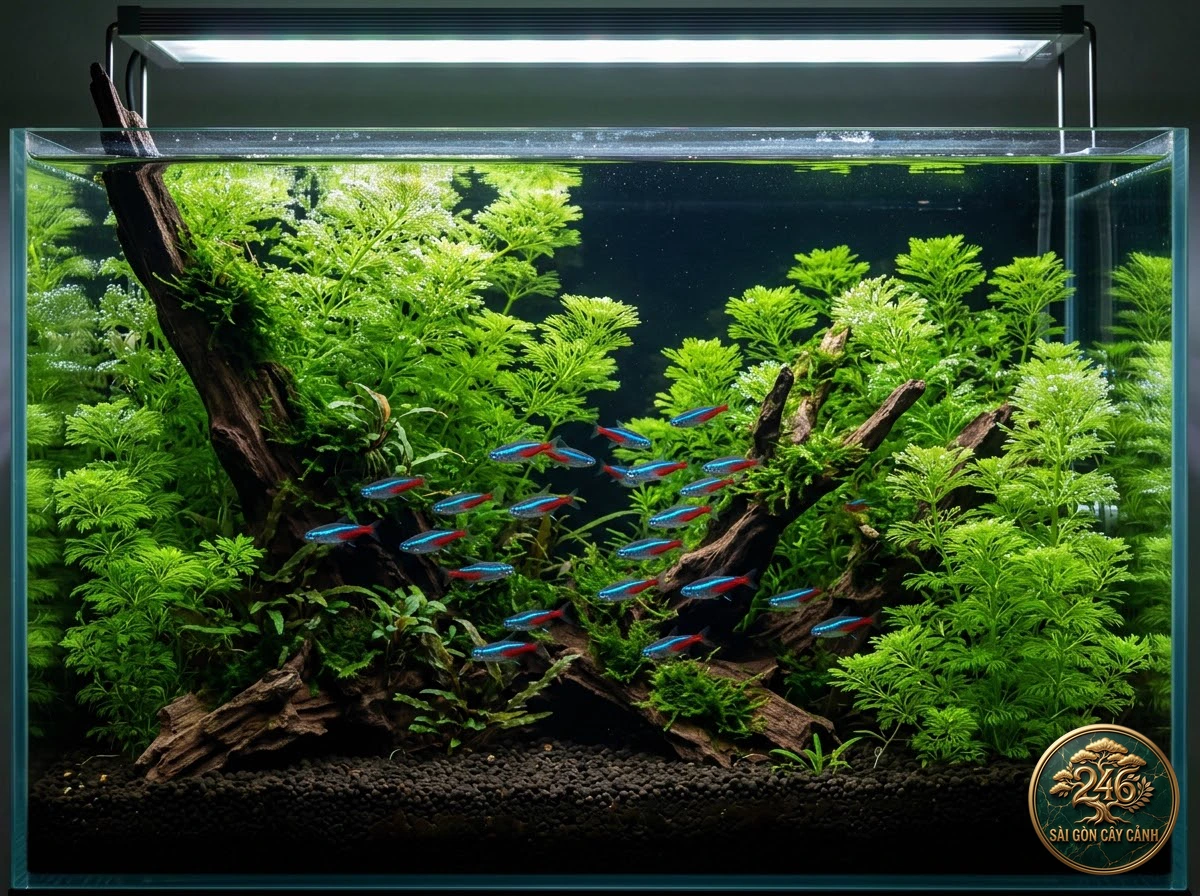
Within aquascaping layouts, Limnophila indica is strategically deployed according to its architectural stature: creating lush foreground carpets, vibrant midground accents around hardscape stone formations, or dense background hedges concealing rear glass panels. Real-world underwater photography showcases the thriving plant enveloped by peaceful schooling tetras.
Routine maintenance involves weekly 30% water changes with declorinated water, supplemented by disciplined micro and macronutrient liquid dosing to maintain biological equilibrium.
7. Submerged Propagation and Pruning Techniques
Propagation of Limnophila indica is effortlessly performed via apical stem cuttings or vegetative runner division. Utilizing specialized curved aquascaping shears, cut vigorous terminal shoots (7 to 10 cm in length) and insert them at a 45-degree angle into the substrate using stainless steel tweezers; roots develop within 3 to 5 days.
Regular trimming promotes dense lateral branching, transforming sparse stems into magnificent bushy topiary shapes.
8. Ecological Safety for Ornamental Fish and Dwarf Shrimp
From an aquarium biosecurity perspective, Limnophila indica is 100% benign and non-toxic to all tropical fish species (neons, discus, angelfish, bettas) and delicate freshwater dwarf shrimp (Caridina and Neocaridina). The lush foliage provides safe harbor for fry and fosters natural nutritive biofilm for grazing invertebrates.
9. Aquarium Algae Diagnostics and Nutrient Deficiency Matrix
Clinical diagnostic matrix for identifying and resolving aquatic imbalances during the cultivation of Limnophila indica:
| Observed Symptom | Underlying Etiology | Corrective Horticultural Protocol |
|---|---|---|
| Black beard algae (BBA) or hair algae clinging to foliage margins | Unstable CO2 levels, poor water circulation, or accumulated organic waste | Stabilize CO2 delivery, introduce Caridina multidentata (Amano shrimp), and spot-treat with liquid carbon |
| Newly emerged terminal leaves appear bleached white or pale yellow | Severe bioavailable iron (Fe) deficiency impairing underwater chlorophyll synthesis | Dose specialized chelated iron supplements (Fe-EDTA/DTPA) according to recommended aquarium volumes |
| Older lower leaves develop pinhole perforations and decay prematurely | Macronutrient Potassium (K) deficiency causing foliar nutrient remobilization | Increase potassium dosing (K2SO4), perform routine vacuuming of substrate detritus, and adhere to water changes |
10. Comparative Taxonomic and Aquascaping Matrix
Aquatic botanical matrix highlighting growth characteristics and layout placement criteria for Limnophila indica:
| Aquascaping Criteria | Indian marshweed (Limnophila indica) | Comparative Aquatic Species A | Comparative Aquatic Species B |
|---|---|---|---|
| Recommended Aquascape Placement | Midground to background dense vibrant thicket | Foreground creeping carpet adhering to substrate | Epiphytic hardscape attachment on wood and stone |
| Growth Dynamics and Trimming Frequency | Moderate to fast under pressurized CO2 and high light | Slow-growing, requiring minimal routine maintenance | Surface-floating canopy moderating downward light |
| Compatibility with Aquatic Fauna | 100% non-toxic, providing natural grazing biofilm for shrimp | Completely safe for sensitive freshwater biotopes | Protective biological cover for juvenile fry |
11. Biophilic Nature Aquarium Application in Modern Architecture

In biophilic design and Asian water-element philosophy, a pristine nature aquarium housing thriving colonies of Indian marshweed acts as a mesmerizing living art piece in luxury residences. The gentle movement of living water and lush greenery fosters serenity, promotes mental rejuvenation, and balances indoor atmospheric energy.
Saigon Cay Canh delivers end-to-end design, installation, and biological maintenance of bespoke biophilic aquariums, integrating exquisite aquatic flora into timeless living environments.
12. Nursery Cultivation Standards at Saigon Cay Canh
Every specimen of Indian marshweed (Limnophila indica) curated by Saigon Cay Canh is micropropagated in sterile tissue culture environments before acclimating in state-of-the-art nursery aquaculture systems.
We guarantee pristine aquatic stock 100% free of nuisance snails and algae spores, delivering vigorous root systems primed for immediate acclimation in private and commercial planted aquariums.

💬 Góc Tư Vấn & Hướng Dẫn Kỹ Thuật SGCC
Chuẩn E-E-A-T Kinfolk❓ Dạ em chào Sài Gòn Cây Cảnh, cây Thủy Cúc Ấn Độ (Indian marshweed) của em trồng một thời gian phần thân dưới bị rụng lá và úng gốc thì phải khắc phục thế nào ạ?
💡 Dạ Ban Biên Tập xin giải đáp ạ! Hiện tượng rụng lá gốc ở Limnophila indica thường xảy ra do tầng lá phía trên phát triển quá dày rậm làm che khuất ánh sáng chiếu xuống phần nền, hoặc do phân nền bị nén chặt thiếu lưu thông oxy. Anh/chị hãy tiến hành tỉa bớt phần ngọn khỏe mạnh để cắm lại xuống nền, cắt bỏ phần thân già phía dưới, đồng thời đảm bảo đèn WRGB rọi đều toàn hồ và bổ sung dòng chảy canister vừa đủ để nuôi dưỡng trọn vẹn bộ rễ ạ.
❓ Để cây Thủy Cúc Ấn Độ lên màu hồng đỏ rực rỡ và sủi bọt oxy (pearling) mạnh thì cần lưu ý những thông số gì thưa cửa hàng?
💡 Dạ thưa anh/chị, để cây lên màu hồng cam đẹp và sủi bọt oxy tơi bời, mình cần kết hợp 3 yếu tố cốt lõi: (1) Đèn WRGB cường độ cao từ 60-120 µmol/m²/s chiếu 6-8 tiếng/ngày (có thể chia chế độ ngắt quãng siesta); (2) Bổ sung CO2 hòa tan ổn định 20-30 mg/L; và (3) Châm phân nước đa – vi lượng định kỳ kết hợp nền giàu sắt (Fe). Khi quang hợp đỉnh cao, lá cây sẽ liên tục nhả những chuỗi ngọc oxy lấp lánh rất tuyệt vời ạ!
🌿 Trang Thiết Bị, Đất Trồng & Dụng Cụ Bonsai Tuyển Chọn
Dụng cụ tỉa, giá thể hữu cơ & phân bón chuyên dụng cho cây cảnh.

Chậu nhựa trồng cây cao cấp Monrovia cỡ số 5 kèm đĩa ló…

PHÂN TRÙN QUẾ DẠNG VIÊN NÉN SFARM BAO 5KG – GIÚP KÍCH C…
Hạt giống hoa Hồng Leo Pháp đủ màu hoa nở quanh năm dễ …

Gốm Xinh – Chậu Ang Mini (9x5cm) Gốm Bát Tràng Men Hỏa …

Combo KÍCH RỄ MAI VÀNG A01 100ml và KEO LIỀN DA CÂY MỸ …

Kéo Cắt Cành SK5 Sắc Bén, Kéo Tỉa Cành Cây Làm Vườn Tay…
Chế Phẩm Sinh Học Trichoderma SP 100gr – Đối Kháng Nấm …

Dụng cụ làm vườn mini,Bộ dụng cụ làm vườn mini cao cấp …

Chậu nhựa mỏng vành cứng trồng cây-Chậu nhựa TTK 180, T…

Tượng Phật Bà Quan Âm Tọa Đài Sen Đá Lưu Ly Cao Cấp, Tr…
Sắt Treo Tường Treo Cây Móc Hạng Nặng Chậu Trồng Giỏ Gi…

BỘ DỤNG CỤ KÉO GHÉP CÀNH CÂY ĐA NĂNG VÀ 2 CUỘN BĂNG GHÉ…
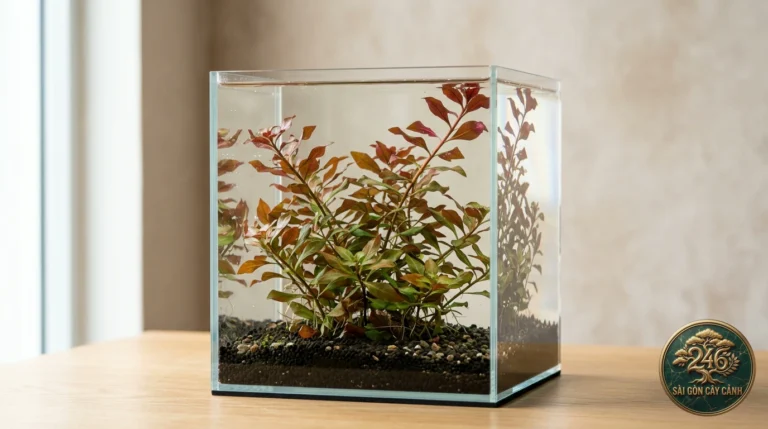
Complete botanical and aquascaping guide for Creeping primrose-willow (Ludwigia repens): high-intensity lighting, CO2, iron fertilization, and propagation techniques.
Read Monograph →
Rotala ramosior Florida (Rotala ramosior ‘Florida’)
Complete botanical and aquascaping guide for Rotala ramosior Florida (Rotala ramosior 'Florida'): high PAR lighting, CO2 injection, nitrate limitation, and pruning techniques.
Read Monograph →
Complete botanical and aquascaping guide for Rotala Vietnam (Rotala 'Vietnam'): high PAR lighting, CO2 injection, nitrate limitation, and pruning techniques.
Read Monograph →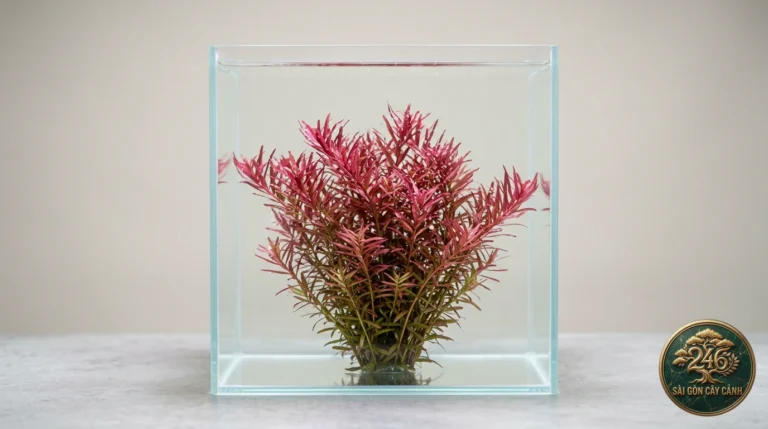
Complete botanical and aquascaping guide for Rotala Blood Red (Rotala 'Blood Red'): high PAR lighting, CO2 injection, nitrate limitation, and pruning techniques.
Read Monograph →Expert Q&A, Recommended Supplies & Article Feedback
Tap once to connect instantly via Google, Facebook or TikTok — no long forms required!
No questions yet for this article. Tap Google / Facebook / TikTok above to ask the first question!