
Living plant profile
Monterey cypress (Cupressus macrocarpa)
Cupressus macrocarpa
📌 CLINICAL & BIOLOGICAL ABSTRACT — Monterey cypress (Cupressus macrocarpa)Monterey cypress (Cupressus macrocarpa) Cupressus macrocarpa, the Monterey cypress, is an iconic California conifer famous for sculpted windswept canopies, invigorating lemon-scented foliage, and remarkable maritime resilience. 1. Taxonomic Identity & Botanical Nomenclature Cupressus macrocarpa was collected by Karl Theodor Hartweg and described by George Gordon in […]

Monterey cypress (Cupressus macrocarpa)
Cupressus macrocarpa, the Monterey cypress, is an iconic California conifer famous for sculpted windswept canopies, invigorating lemon-scented foliage, and remarkable maritime resilience.
Sài Gòn Cây Cảnh Care Compass
1. Taxonomic Identity & Botanical Nomenclature
Cupressus macrocarpa was collected by Karl Theodor Hartweg and described by George Gordon in 1849. In the wild, it survives as a relict species confined to two tiny coastal preserves at Point Lobos and Cypress Point, California.
Celebrated globally for its heroic endurance against Pacific salt gales and maritime fog, it has become a revered subject in coastal parklands and dramatic windswept bonsai.
2. Morphological Architecture & Structural Anatomy
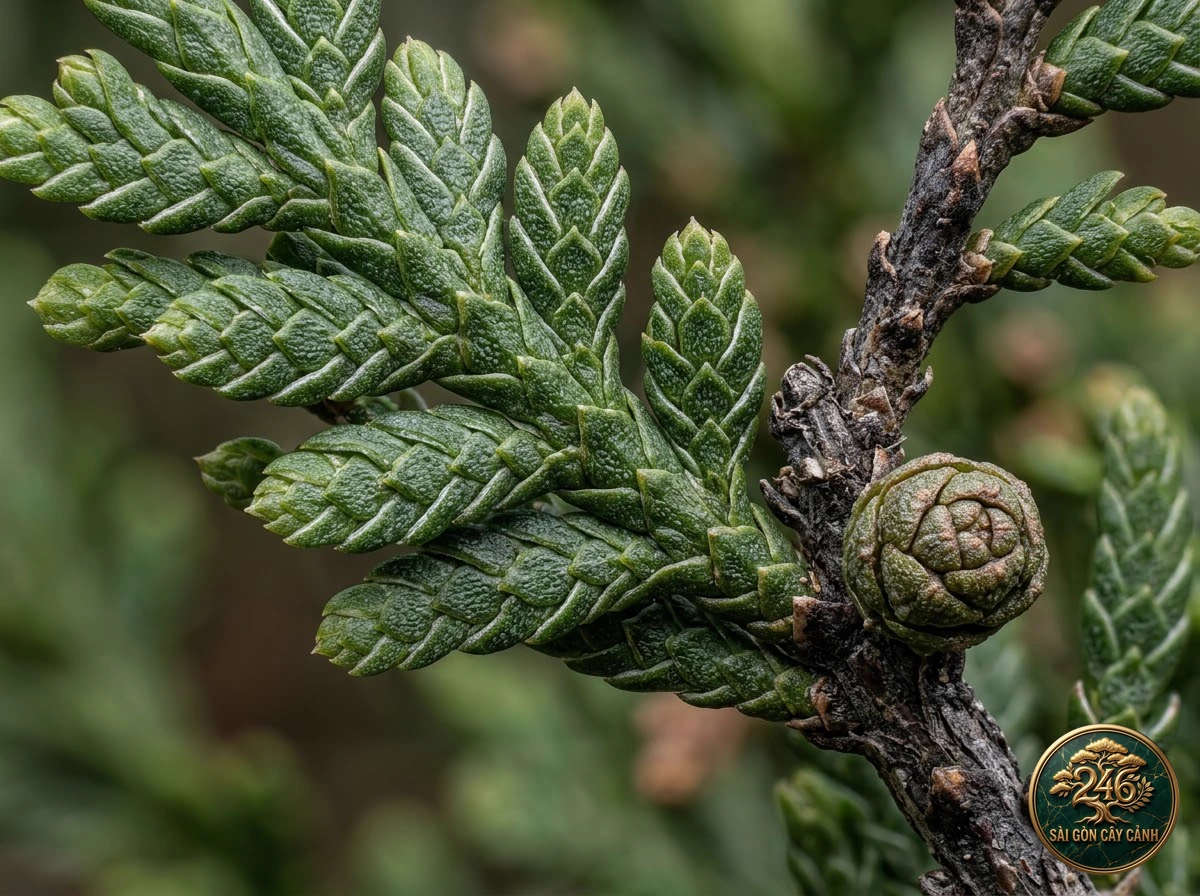
Forms an imposing windswept tree ten to twenty-five meters high with a picturesque tabular crown; in bonsai cultivation, master specimens thirty to ninety centimeters tall express dramatic windswept (Fukinagashi) styling. Grey-brown bark ridges deeply with age.
Tiny scale-like leaves appress closely along branchlets, releasing a distinctive invigorating citrus-lemon aroma when bruised; massive woody globose cones measure twenty to forty millimeters with heavy peltate scales.
3. Photoperiod Energetics & Photosynthetic Dynamics
Demands bright coastal illumination between 12,000 and 35,000 lux, thriving in brisk, buoyant air circulation reminiscent of cool Pacific onshore breezes.
Requires at least five hours of direct solar exposure daily to sustain vibrant golden-green foliage pigmentation and prevent lower branch self-pruning.
4. Mineral Substrate Composition & Aeration Hydraulics
Substrate formula demands outstanding macro-porosity: 45% hard akadama grain, 30% volcanic pumice, 15% crushed lava grit, and 10% washed coarse coir chunk.
Thrives in neutral to mildly acidic media (pH 6.0 to 7.0), reacting adversely to fine silt compaction that inhibits gas exchange around active roots.
5. Irrigation Regimen & Hydric Balance
Irrigation regimen: saturate thoroughly when surface aggregates become moderately dry, maintaining consistent subterranean moisture without standing tray water.
Unlike arid-interior junipers, Monterey cypress relishes early-morning foliage misting that mimics the dense sea fogs of its native coastal sanctuary.
6. Mineral Nutrition & Slow-Release Fertilization
Supply balanced slow-release organic pellets monthly from early spring through autumn, tapering off during midsummer thermal peaks.
Supplement with bimonthly calcium and magnesium trace amendments to reinforce structural lignification in young branching tips.
7. Vegetative Propagation & Germplasm Preservation
Propagated from seed extracted from matured woody cones, or via late-summer semi-hardwood terminal cuttings under controlled humidity mist.
Treat cuttings with 0.4% IBA rooting compound in sterilized perlite-sand beds at 20 degrees Celsius, achieving stable rooting in eight to ten weeks.
8. Toxicology Profile & Household Pet Biosafety (ASPCA)
PET SAFETY PROFILE: Cupressus macrocarpa needles contain aromatic citrus monoterpenes, causing minor self-limiting digestive irritation if grazed heavily by pets under ASPCA standards.
Non-toxic upon physical contact; displaying specimens on architectural plinths ensures both optimum light exposure and safe pet separation.
9. Clinical Pathology Diagnostics & Treatment Protocol
Diagnostic evaluation of Seiridium branch canker lesions and vitality regimens for Cupressus macrocarpa:
| Clinical Manifestation | Pathological Etiology | Targeted Treatment Protocol |
|---|---|---|
| Foliage becomes brittle and turns mottled yellow from bottom tiers upward | Light starvation coupled with stagnant indoor air conditioning | Relocate immediately to a breezy outdoor balcony receiving bright morning sun |
| Branches exhibit sunken bark lesions with dark pustules weeping copious resin | Seiridium cardinale canker infection penetrating wounded cambium | Prune infected limb five centimeters below lesion, sterilize shears, and apply seal-paste |
| Emerging terminal shoots wilt limp and droop like slender whipcord | Localized root desiccating or hot dry wind exposure draining leaf turgor | Submerge root pot in water bucket for ten minutes to rehydrate and mist canopy |
| Foliage surface shows fine webbing and loses its glossy citrus-green sheen | Spider mite infestation thriving in low-humidity microclimates | Power-spray canopy with fresh water and apply cold-pressed biological neem oil |
10. Comparative Morphology & Allied Taxa Diagnosis
Comparative matrix examining citrus foliage aroma and massive cones in Cupressus macrocarpa versus coastal allies:
| Diagnostic Parameter | Cupressus macrocarpa (Monterey cypress) | Comparative Specimen A | Comparative Specimen B |
|---|---|---|---|
| Foliage essential oil aroma | Invigorating citrus-lemon fragrance when bruised | Deep resinous balsamic pine scent | Sweet, delicate cedarwood fragrance |
| Mature cone dimensions | Massive woody cones 20 to 40 mm long | Small berry-like fleshy cones 6 to 8 mm | Compact globose woody cones 8 to 12 mm |
| Natural canopy silhouette | Broad tabular flat-topped windswept umbrella | Strictly fastigiate pencil-like column | Pyramidal spire with weeping sprays |
| Native ecological provenance | Maritime cliffs of Monterey, California | Dry limestone slopes of the Mediterranean | Moist montane temperate forests of Japan |
11. Biophilic Design Harmony & Contemporary Spatial Aesthetics

Cupressus macrocarpa embodies unyielding courage, oceanic majesty, and the sculptural refinement of contemporary biophilic landscape design.
Its crisp natural citrus aroma revitalizes stagnant interior atmospheres, instilling clarity and dynamic vitality throughout the living space.
12. Saigon Cay Canh Provenance & Cultivation Assurance

Saigon Cay Canh curates authenticated Monterey cypress specimens with established taper, vibrant citrus-scented foliage, and certified root health.
Accompanied by personalized windswept styling masterclasses and dedicated horticultural support.
💬 Góc Tư Vấn & Hướng Dẫn Kỹ Thuật SGCC
Chuẩn E-E-A-T Kinfolk❓ Chăm sóc Monterey cypress (Cupressus cần lưu ý điều gì quan trọng nhất?
💡 Dạ điều quan trọng nhất là giữ môi trường sống ổn định, tránh sốc nhiệt hay dao động thông số đột ngột, đồng thời cung cấp khẩu phần ăn sạch và tươi mới ạ.
❓ Làm thế nào để phòng ngừa bệnh tật hiệu quả cho các bé?
💡 Dạ anh chị nên giữ vệ sinh chuồng/hồ nuôi sạch sẽ, thay nước hoặc dọn dẹp định kỳ và bổ sung vitamin, men tiêu hóa đều đặn để tăng sức đề kháng ạ.
🌿 Trang Thiết Bị, Đất Trồng & Dụng Cụ Bonsai Tuyển Chọn
Dụng cụ tỉa, giá thể hữu cơ & phân bón chuyên dụng cho cây cảnh.

Móc chậu hoa sắt treo tường, giá thép dày, giá treo ban…

Upscale GIỚI HẠN 4 Móc treo tường bằng sắt, Móc kim loạ…
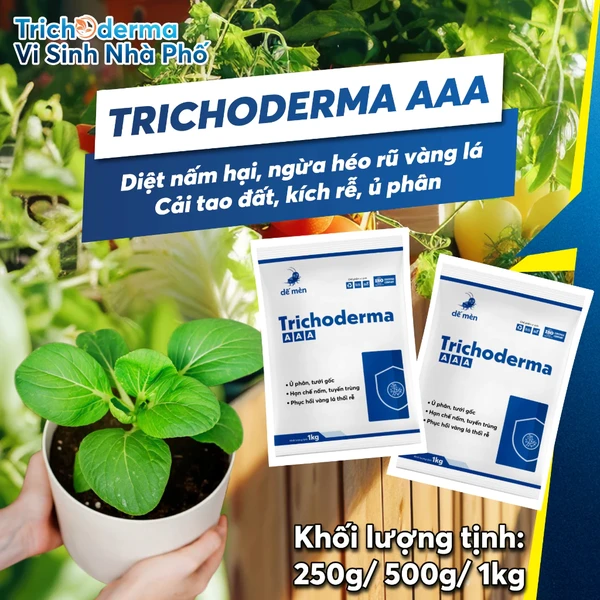
Chế Phẩm Trichoderma AAA Dế Mèn – Nấm Đối Kháng Vi Sinh…

Kéo cắt cành SK5 nhật bản, Kéo cắt cành nhật bãi Tay cầ…

Chậu trồng cây Bonsai, Cây tiểu cảnh mini bằng chất liệ…

Phân bón lá Growmore USA , NPK Growmore 30-10-10 / 6-30…
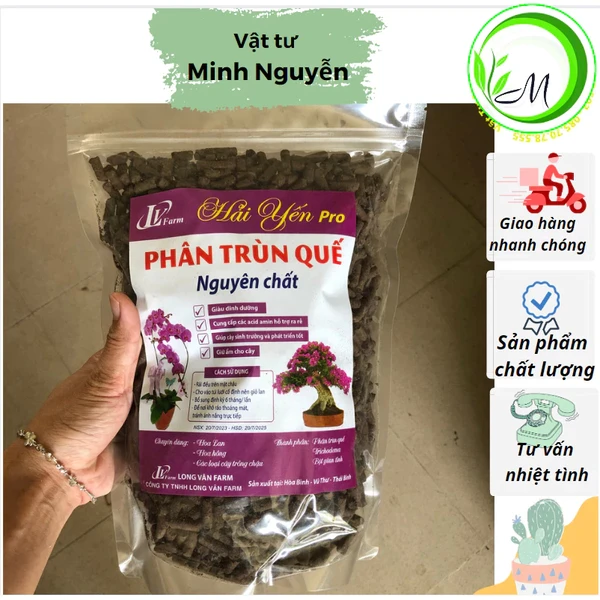
Phân vi sinh hữu cơ, phân viên nén trùn quế cho lan H…
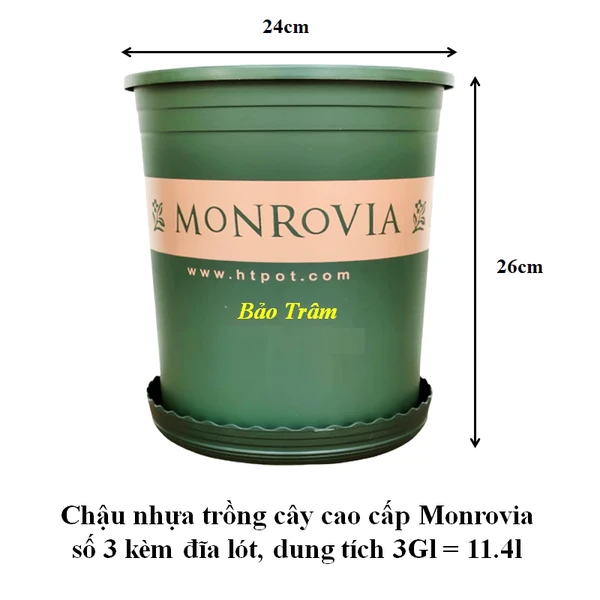
Chậu nhựa trồng cây cao cấp Monrovia cỡ số 3 kèm đĩa ló…

Cây tài lộc, Cây tiền vàng đế túi tiền, Cây kim tiền ph…
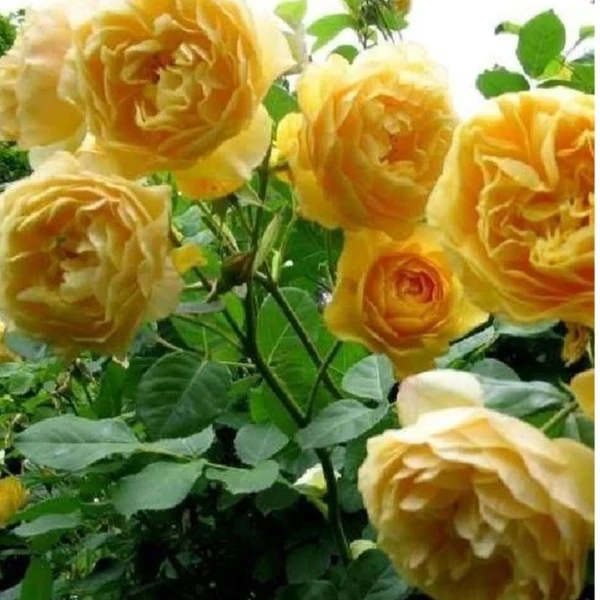
Hạt giống hoa hồng leo pháp hoa màu vàng { gói 20 hạt/k…

Móc treo có thể điều chỉnh Móc giỏ hoa chắc chắn và có …
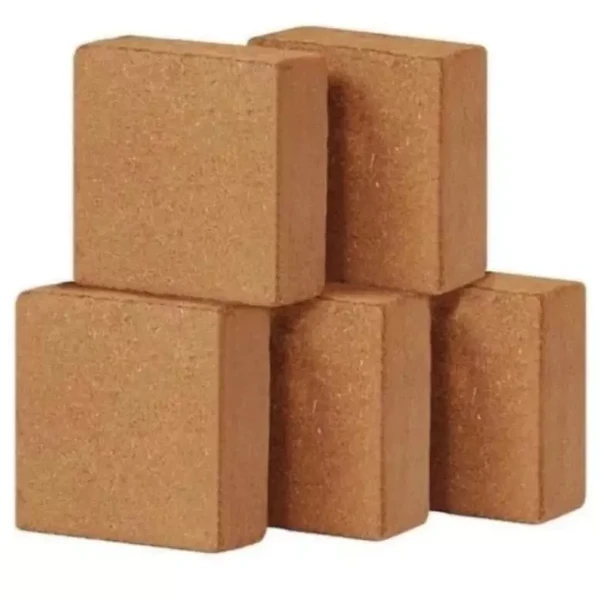
Xơ dừa nén 5kg, Mụn dừa nén, Đất trồng nén 5kg trồng câ…

Japanese camellia (Camellia japonica)
Japanese camellia (Camellia japonica) Camellia japonica, acclaimed as Japanese camellia or rose of winter, is the aristocratic queen...
Read Monograph →
Toringo crabapple (Malus toringo)
Toringo crabapple (Malus toringo) Malus toringo, widely celebrated as toringo crabapple or Siebold crabapple, is a premier deciduous...
Read Monograph →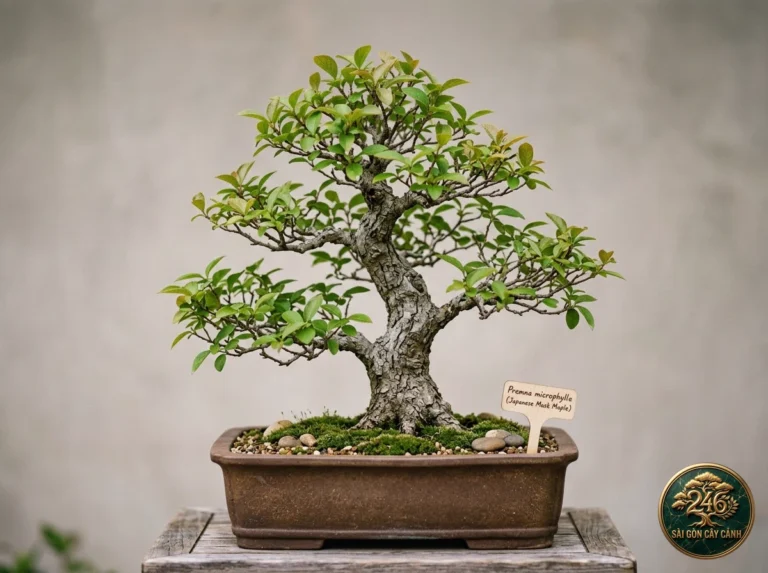
Japanese musk maple (Premna microphylla)
Japanese musk maple (Premna microphylla) Premna microphylla, commonly known as Japanese musk maple or small-leaf premna, represents a...
Read Monograph →
Littleleaf cotoneaster (Cotoneaster microphyllus)
Littleleaf cotoneaster (Cotoneaster microphyllus) Cotoneaster microphyllus, celebrated as littleleaf cotoneaster or rockspray cotoneaster, is an exquisite alpine prostrate...
Read Monograph →Expert Q&A, Recommended Supplies & Article Feedback
Tap once to connect instantly via Google, Facebook or TikTok — no long forms required!
No questions yet for this article. Tap Google / Facebook / TikTok above to ask the first question!