
Living plant profile
Pinwheel flower
Tabernaemontana divaricata
📌 CLINICAL & BIOLOGICAL ABSTRACT — Pinwheel flowerTabernaemontana divaricata, universally revered across tropical Asia as pinwheel flower, crape jasmine, or East Indian rosebay, is an aristocratic, sweetly scented evergreen woody shrub in the dogbane family (Apocynaceae). Native to moist subtropical and tropical forest understories across South and Southeast Asia spanning India, Thailand, and Vietnam, this […]

Tabernaemontana divaricata, universally revered across tropical Asia as pinwheel flower, crape jasmine, or East Indian rosebay, is an aristocratic, sweetly scented evergreen woody shrub in the dogbane family (Apocynaceae). Native to moist subtropical and tropical forest understories across South and Southeast Asia spanning India, Thailand, and Vietnam, this celebrated botanical classic is admired for its lustrous, deep emerald leathery foliage that provides a pristine stage for waxy, pure white blossoms. Spanning 3 to 5 cm in diameter, each flower features five delicately ruffled petal lobes twisting in clockwise pinwheel symmetry (or opulent double forms resembling miniature gardenias), exhaling an intoxicating sweet fragrance that intensifies after dusk. Classified within the Apocynaceae, the plant secretes acrid milky latex rich in bioactive indole alkaloids (principally coronaridine) that induce veterinary toxicity per ASPCA standards. Within Saigon Cay Canh landscape architecture, crape jasmine is an indispensable sensory asset for moonlit fragrance gardens, luxury villa pathways, and formal biophilic courtyards.
1. Botanical Origin and Nomenclature History
Initially cataloged in 1753 by Carl Linnaeus as Nerium divaricatum, the species was systematically transferred in 1819 to the genus Tabernaemontana by German botanists Johann Jacob Roemer and Josef August Schultes, adopting the taxonomic foundation of Robert Brown. The generic name commemorates Jacob Theodor von Bergzabern (1520–1590), a pioneering German physician and botanist known by his Latinized moniker Tabernaemontanus (‘mountain tavern’). The specific epithet divaricata is Latin for ‘widely spreading’ or ‘straddling’, characterizing its distinctive dichotomous, spreading branch architecture.
Deeply revered in Asian horticultural traditions for sacred rituals and spiritual contemplation, crape jasmine symbolizes transcendent purity and nocturnal peace. In Vietnam, where it is affectionately known as hoa ngoc but or hoa lai trau, it bridges historic aristocratic heritage with modern landscape design, thriving across luxury hospitality resorts and private urban estates as an iconic fragrant shade subject.
2. Morphological and Anatomical Characteristics
Morphologically, Tabernaemontana divaricata is an erect, densely branched evergreen woody shrub scaling 1.2 to 2.5 meters in height with a spreading crown 1 to 2 meters across. Stems exhibit characteristic dichotomous branching; bark is pale grayish-brown with fine lenticels; young twigs are smooth, cylindrical, deep green, and exude copious acrid milky latex upon breakage. Foliage is arranged in opposite pairs; petioles measure 3 to 10 mm; blades are elliptic to oblong-lanceolate, 8 to 16 cm long and 3 to 6 cm wide, featuring cuneate bases, short-acuminate apices, and entire to repand margins; foliar surfaces are thin-coriaceous, glabrous, and lustrous emerald green with 6 to 10 pairs of curved lateral veins.
Inflorescences are loose terminal or axillary cymes bearing 3 to 10 blossoms. The calyx possesses 5 small ovate lobes 2 to 3 mm long. The salverform corolla measures 3 to 5 cm in diameter, consisting of a slender cylindrical tube 1.5 to 2.5 cm long flaring into 5 asymmetric, obovate petal lobes with ruffled margins twisting in clockwise pinwheel fashion (single form) or multi-layered imbricate petals resembling miniature gardenias (double flore-pleno form). Blossoms are glistening porcelain white, exuding a heavy sweet perfume after sundown. The fruit comprises paired, horizontally spreading curved follicles 3 to 7 cm long ripening to vibrant orange-red and splitting to reveal seeds enveloped in crimson arils.
3. Photobiological and Microclimatic Requirements
Photobiologically, Tabernaemontana divaricata flourishes in bright filtered sunlight and gentle morning solar irradiance. Optimal vegetative growth and saturated floral fragrance occur under 4 to 6 hours of direct morning sunlight (07:00 to 11:00) with light flux levels between 35,000 and 60,000 lux. Gentle morning sun fuels robust bud formation while preserving deep chlorophyll luster across the thick foliage.
While accommodating higher light levels when root zones remain adequately hydrated, fierce unfiltered equatorial midday sun exceeding 37 degrees C in southern Vietnam scorches delicate white petals and induces foliar stress. Cultivating plants beneath open tree canopies or providing 30% midday shade cloth preserves pristine blossom quality. The species flourishes within ambient temperatures from 24 to 35 degrees C accompanied by relative humidity between 70% and 85%.
4. Edaphic and Substrate Specifications
The extensive root network of Tabernaemontana divaricata combines anchoring lateral woody roots with fibrous water-absorbing rootlets concentrated in the upper 40 cm of the rhizosphere. It requires a fertile, loamy substrate with generous organic matter that maintains consistent moisture without risking saturation; water stagnation exceeding 36 hours precipitates rapid root asphyxiation and Phytophthora root rot, causing premature blossom shedding and foliar chlorosis.
The planting medium formulated by Saigon Cay Canh incorporates 40% sterilized alluvial loam, 30% washed desalted coco peat, 15% carbonized rice hull ash for macroporosity, and 15% mature organic vermicompost. Substrate pH should remain stabilized between 6.0 and 6.8. Planting containers must incorporate generous drainage perforations lined with coarse gravel to ensure free water passage.
5. Precision Irrigation Regimes
Water requirements for Tabernaemontana divaricata are moderately high to support its substantial woody biomass and continuous flushes of fragrant blossoms. During the dry season in southern Vietnam, administer a thorough root soaking once daily in early morning hours (06:30 to 07:30), supplemented by light evening hydration if the substrate surface dries out, sustaining 65% to 75% soil moisture.
Watering protocol: direct water onto the soil surface around the root perimeter; avoid heavy hydraulic sprays directed into open blossoms, which can bruise delicate petals. Throughout heavy monsoonal rain spells, suspend supplemental watering and elevate pots to accelerate drainage and ensure root oxygenation.
6. Mineral Nutrition and Fertilization Schedules
Because plants produce extensive woody biomass and continuously initiate giant fragrant blossoms year-round, disciplined balanced fertilization is essential. Following major bloom flushes (every 2 to 3 months), top-dress with a thin layer of aged vermicompost to nourish emerging lateral shoots.
Every 10 to 12 days, apply a dilute liquid drench of balanced NPK 15-15-15 or NPK 12-12-17 (1.5 grams per liter of water) around the root perimeter. As floral buds initiate at shoot tips, apply foliar sprays rich in chelated calcium, boron, and potassium humate to reinforce pedicel rigidity under heavy flower loads, intensify petal saturation, and extend on-plant blossom freshness for 3 to 4 weeks.
7. Propagation Techniques and Architectural Pruning
Propagation of Tabernaemontana divaricata is reliably executed via vegetative stem cuttings or air layering for rapid establishment of large specimen shrubs. Air layering is ideal for mature branches: select vigorous semi-woody stems 1 to 1.5 cm in diameter, girdle a 2 cm bark ring, wrap in moist sphagnum or coco coir, and secure with polyethylene film; robust root clusters develop within 4 to 6 weeks.
Stem cuttings are harvested as 12 to 18 cm semi-firm terminal shoots bearing 3 to 4 nodes, with foliage reduced by half to limit transpirational loss, and inserted into moist sand or perlite under mist. Robust roots emerge within 10 to 14 days. Periodic structural pruning post-anthesis reins in leggy branches and induces compact canopy ramification.
8. ASPCA Veterinary Toxicological Assessment
Botanical safety profile and ASPCA pet safety standards: Classified within the family Apocynaceae, Tabernaemontana divaricata is verified by the American Society for the Prevention of Cruelty to Animals (ASPCA) and global veterinary toxicology registries as TOXIC TO DOGS, CATS, AND HORSES.
All vegetative and floral organs contain copious acrid milky sap rich in complex indole alkaloids, principally coronaridine, tabernaemontanine, and voacangine. The toxicological mechanism stems directly from physiological neuroactive interference and severe mucous membrane irritation driven by bioactive indole alkaloids. Direct contact with milky latex induces ocular inflammation, while ingestion of foliage or blossoms by companion animals induces acute symptoms including severe oral irritation, profuse hypersalivation, vomiting, diarrhea, and lethargy. Consequently, Saigon Cay Canh recommends cultivating crape jasmine in isolated landscape zones beyond pet access.
9. Clinical Plant Pathology Diagnostics
Clinical pathology protocol for spider mite suppression and nocturnal perfume fertigation in Tabernaemontana divaricata:
| Clinical Symptoms | Pathological Diagnosis | Prescriptive Protocol |
|---|---|---|
| Abaxial foliar surfaces develop fine stippled chlorosis and microscopic webbing, accompanied by bud abortion | Two-spotted spider mites (Tetranychus urticae) siphoning cellular sap during warm, arid intervals | Rinse leaf undersides with pressurized morning water jets, and apply horticultural mineral oil (SK Enspray) or Ortus bio-acaricide |
| Terminal shoots and floral buds show white cottony mealybug masses accompanied by sticky honeydew and sooty mold | Citrus mealybugs (Pseudococcus spp.) colonizing young succulent tissues during warm humid weather | Wash colonies off with focused water jets, and treat with horticultural mineral oil or systemic spirotetramat (Movento) |
| Basal woody stems near the soil line turn water-soaked and brownish-black, causing sudden foliar wilt and clump collapse | Collar and root rot (Phytophthora or Fusarium spp.) induced by stagnant saturation in poorly drained soil | Cut back blighted terminal twigs, reduce overhead watering frequency, and treat root zone with azoxystrobin fungicide |
10. Comparative Taxonomic and Morphological Matrix
Morphological comparative matrix evaluating pure white ruffled pinwheel blossoms, sweet nocturnal fragrance, and dichotomous branching of Tabernaemontana divaricata:
| Taxonomic Criteria | Pinwheel flower (Tabernaemontana divaricata) | Comparative Species Group A | Comparative Species Group B |
|---|---|---|---|
| Blossom coloration and corolla morphology | Luminous pure white ruffled pinwheel corolla 3 to 5 cm wide diffusing an intoxicating sweet jasmine fragrance at night | Deep fleshy star-shaped scarlet blossoms 3 to 4 cm wide with a prominent jagged golden corona, unscented | Tall spherical racemes carrying airy pink-and-white spider flowers adorned with 5-to-7 cm filiform stamens |
| Fragrance profile and scent emission timing | Intoxicating sweet jasmine-like perfume intensifying prominently after dusk and throughout the night | Unscented blossoms with rigid fleshy petals retaining intense scarlet coloration for weeks on the branch | Pungent musky herbal aroma that naturally deters foliar herbivores and garden pests |
| Veterinary toxicological status (ASPCA) | TOXIC to companion animals due to acrid milky latex and indole alkaloids (coronaridine); isolate from pets | MILD CAUTION advised due to Apocynaceae latex; restrict companion animals from chewing woody foliage | 100% NON-TOXIC to companion animals; foliage and blooms are certified completely pet-safe |
11. Biophilic Landscape Application and Feng Shui Symbolism
In cultural symbolism and Eastern Feng Shui metaphysics, Tabernaemontana divaricata embodies pure Metal and serene Water energies, symbolizing spiritual transcendence, moral integrity, tranquil equilibrium, and protective serenity. Its luminous white pinwheel blossoms diffusing pure fragrance into the moonlit night attract benevolent chi, clearing environmental negativity and inspiring mental clarity and harmony.
Within contemporary Saigon Cay Canh landscape architecture, crape jasmine reigns as an elite nocturnal sensory specimen: framing formal villa gate entrances, lining ambient garden walkways for evening fragrance strolls, commanding heavy classical stoneware urns in private courtyards, or accentuating serene koi pond margins with splendid poise.
12. Procurement and Nursery Specifications at Saigon Cay Canh
Saigon Cay Canh is an authoritative master grower and purveyor of authenticated Tabernaemontana divaricata cultivars across southern Vietnam, distributing both single-flowered pinwheel and double flore-pleno series in heavy containers for luxury hospitality and private villa developments.nnWe provide guaranteed cultivar authenticity, high bloom vigor with extensive root balls, disease-free stock, competitive nursery pricing, and dedicated turn-key tropical landscape design and installation advisory nationwide.
Sài Gòn Cây Cảnh Care Compass
Nursery Care Journal & Living Greenery Moments
At Saigon Cay Canh greenhouse, each photograph captures genuine everyday care moments between plant lovers and living greenery, spreading a passion for nature and green-living inspiration.

💬 Góc Tư Vấn & Hướng Dẫn Kỹ Thuật SGCC
Chuẩn E-E-A-T Kinfolk❓ Chăm sóc Pinwheel flower cần lưu ý điều gì quan trọng nhất?
💡 Dạ điều quan trọng nhất là giữ môi trường sống ổn định, tránh sốc nhiệt hay dao động thông số đột ngột, đồng thời cung cấp khẩu phần ăn sạch và tươi mới ạ.
❓ Làm thế nào để phòng ngừa bệnh tật hiệu quả cho các bé?
💡 Dạ anh chị nên giữ vệ sinh chuồng/hồ nuôi sạch sẽ, thay nước hoặc dọn dẹp định kỳ và bổ sung vitamin, men tiêu hóa đều đặn để tăng sức đề kháng ạ.
🌿 Trang Thiết Bị, Đất Trồng & Dụng Cụ Bonsai Tuyển Chọn
Dụng cụ tỉa, giá thể hữu cơ & phân bón chuyên dụng cho cây cảnh.
Hạt Giống Hoa Cúc Họa Mi Trắng Daisy Flower Seeds-1500 …
200 Hạt Giống Hoa Cúc Họa Mi Trắng – Hoa Cánh Đơn Nhụy …

Kéo Cắt Cành Siêu Sắc, Kéo Tỉa Cành Cây, Dụng cụ Làm Vư…

Bình Xịt Bóp Tay 500ml GOSE – Bình Phun Sương Tưới Cây …

2 cây giống cà chua bi lùn quả ngọt( cây con)
Phân Hữu Cơ Vi Sinh Trichoderma + TE Đầu Trâu HCMK7 1Kg…
Chậu trồng cây men sôi, chậu cây mini siêu xinh, chậu s…

Phân bón lá Growmore USA , NPK Growmore 30-10-10 / 6-30…

Dây nhôm uốn cây cảnh, bon sai đủ kích cỡ giá rẻ nhất. …
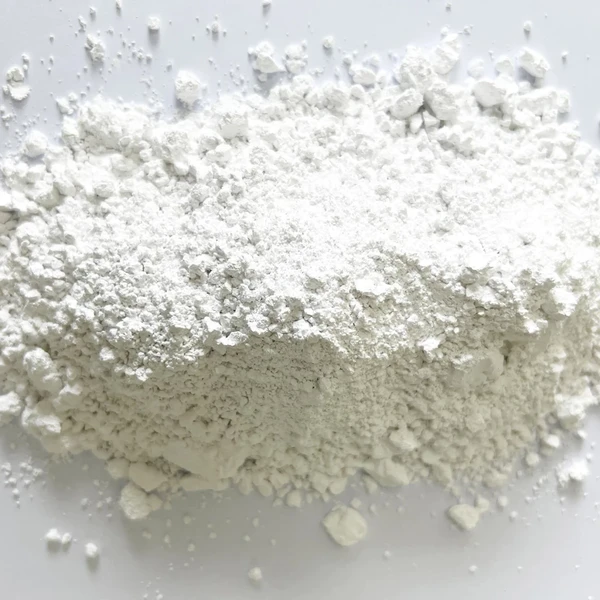
VÔI BỘT NÔNG NGHIỆP – Hạ phèn khử chua, diệt trừ nấm bệ…

Đất nung Akadama- Đất sạch trồng Bonsai, cây cảnh, hoa …
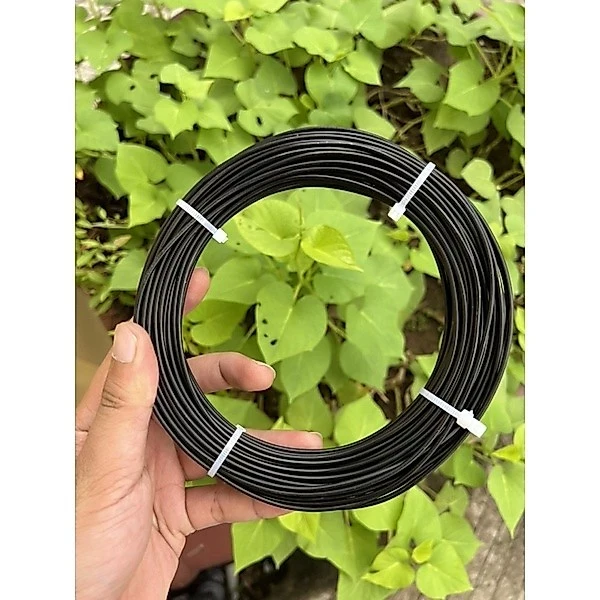
200g Dây Nhôm Uốn Cây Cảnh Loại 2mm, Cây Bonsai, chất l…
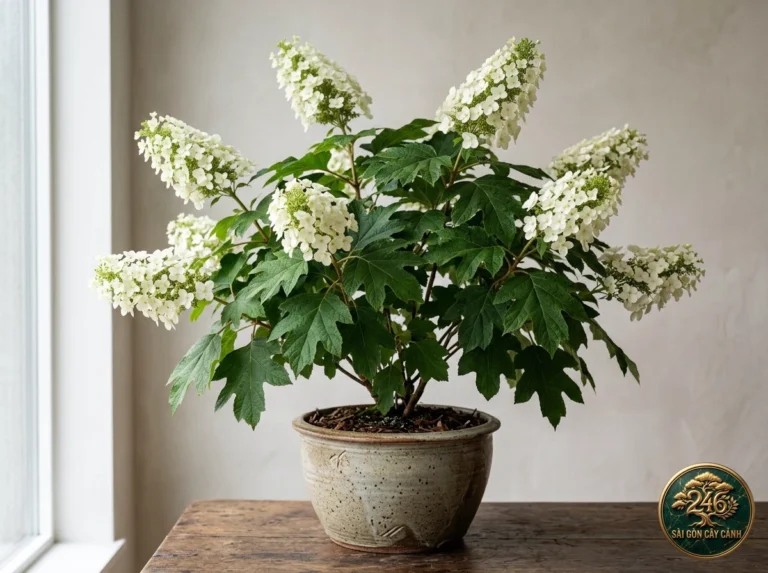
Oakleaf hydrangea (Hydrangea quercifolia)
Oakleaf hydrangea (Hydrangea quercifolia) Hydrangea quercifolia, internationally celebrated as oakleaf hydrangea, is an awe-inspiring, structurally dramatic deciduous flowering...
Read Monograph →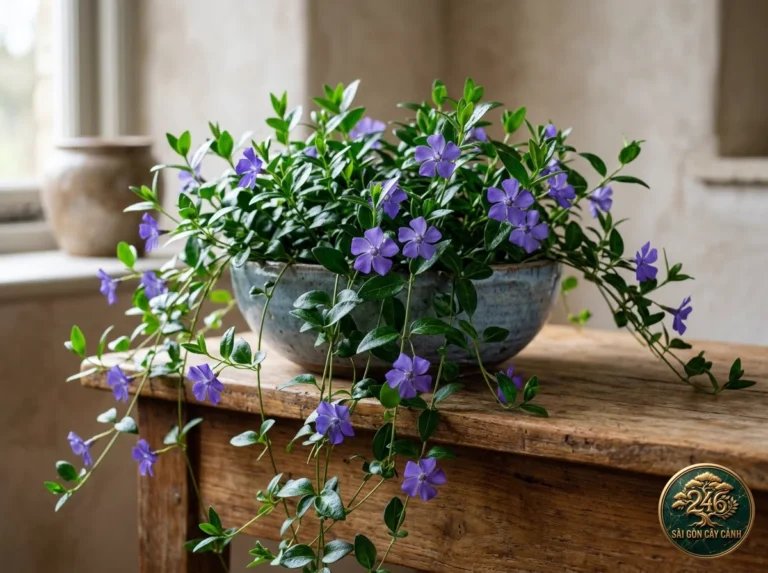
Lesser periwinkle
Vinca minor, universally recognized as lesser periwinkle, dwarf periwinkle, or creeping myrtle, is an aristocratic, evergreen perennial subshrub...
Read Monograph →
Greater periwinkle
Vinca major, celebrated in international horticulture as greater periwinkle, bigleaf periwinkle, or large periwinkle, is a vigorous, semi-woody...
Read Monograph →
French hydrangea (Hydrangea macrophylla)
French hydrangea (Hydrangea macrophylla) Hydrangea macrophylla, internationally celebrated as French hydrangea, bigleaf hydrangea, or hortensia, is a magnificent...
Read Monograph →Expert Q&A, Recommended Supplies & Article Feedback
Tap once to connect instantly via Google, Facebook or TikTok — no long forms required!
No questions yet for this article. Tap Google / Facebook / TikTok above to ask the first question!