
Living plant profile
Red frangipani (Plumeria rubra)
Plumeria rubra
📌 CLINICAL & BIOLOGICAL ABSTRACT — Red frangipani (Plumeria rubra)Red frangipani (Plumeria rubra) Plumeria rubra, commonly designated as red frangipani or temple tree, stands as an iconic tropical flowering architectural tree intrinsically linked to sacred heritage landscapes, luxury resort sanctuaries, and distinguished botanical gardens. Characterized by succulent sculptured branch architecture, broad glossy foliage, and pinwheel […]

Red frangipani (Plumeria rubra)
Plumeria rubra, commonly designated as red frangipani or temple tree, stands as an iconic tropical flowering architectural tree intrinsically linked to sacred heritage landscapes, luxury resort sanctuaries, and distinguished botanical gardens. Characterized by succulent sculptured branch architecture, broad glossy foliage, and pinwheel blooms emanating intoxicating nocturnal perfume, this species embodies profound serenity, enduring resilience, and immaculate biophilic elegance.
Sài Gòn Cây Cảnh Care Compass
1. Botanical Identity & Taxonomic Nomenclature History
Plumeria rubra was formally established by Carl Linnaeus in his monumental 1753 publication Species Plantarum. The genus name Plumeria commemorates seventeenth-century French Franciscan botanist Charles Plumier, who extensively documented New World flora during Caribbean expeditions. The specific epithet rubra derives from Latin signifying red, denoting the vibrant corolla pigmentation observed in the original botanical type specimens from Central America.
Positioned within the family Apocynaceae, Plumeria rubra possesses a distinguished historical trajectory across maritime trade routes into tropical Asia. Throughout Vietnam, the tree holds revered cultural status as an emblem of spiritual clarity and monastic detachment, gracing ancient pagoda courtyards, historical temple grounds, and tranquil contemplative landscape gardens.
2. Morphological Anatomy & Structural Architecture
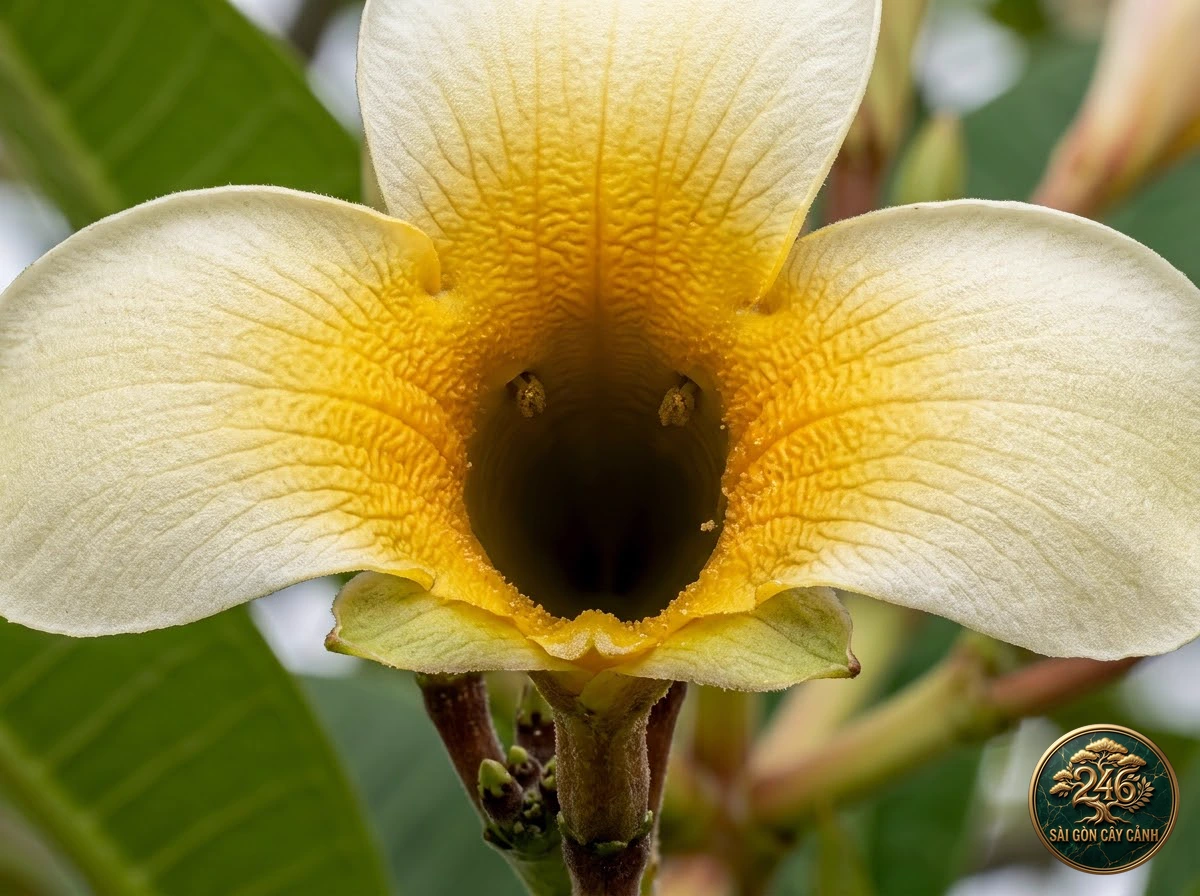
Morphologically, Plumeria rubra develops as a pachycaul small succulent tree attaining heights of 4 to 8 meters, forming a broad sculptural canopy with thick, fleshy branches clad in smooth greyish bark laden with laticiferous channels discharging copious white milky latex. Leaves are spirally clustered at terminal branch extremities; blades are obovate-oblong measuring 20 to 45 cm in length, possessing acute apices and distinct eucamptodromous venation with prominent secondary veins uniting into an intramarginal loop.
Inflorescences arise as terminal pedunculate cymes projecting well above the foliage. The salverform corolla features five thick, waxy petals arranged in an overlapping sinistrorse contorted aestivation, spanning 5 to 8 cm in diameter. Floral coloration varies from deep carmine and rose pink to sunset yellow and bicolors, emitting an intense intoxicating fragrance at dusk designed to attract sphingid hawk moths. Fruits consist of paired cylindrical follicles 15 to 30 cm long bearing winged seeds.
3. Solar Irradiance Thresholds & Photosynthetic Dynamics
Plumeria rubra is an obligate full-sun heliophyte requiring an absolute minimum of 6 to 8 hours of unfiltered direct solar irradiance daily to trigger floral primordia differentiation and preserve dense branch lignification. The optimal light threshold spans from 45,000 to 85,000 lux. Under full radiant sunlight, internodes remain compact, architectural branching bifurcates symmetrically, and terminal inflorescences yield prolific floriferous clusters.
When positioned in structural shade beneath architectural overhangs or deep canopies, specimens suffer severe etiolation, yielding brittle attenuated branches, pale foliar chlorosis, and total floral cessation. The species exhibits remarkable thermodynamic tolerance, easily withstanding high urban heat-island indices without suffering sunburn.
4. Mineral Substrate Mechanics & Root Aeration Porosity
The root architecture of Plumeria rubra is succulent and highly aerobic, adapted naturally to rocky slopes and dry tropical hillsides. The root zone is exceptionally vulnerable to hypoxic waterlogging, which quickly triggers fatal basal collar rot induced by Phytophthora and Pythium pathogens. Growing media must therefore exhibit rapid gravitational percolation and high macro-pore volume.
The specialized potting substrate formulated by Saigon Cay Canh incorporates 40% coarse Japanese pumice or crushed volcanic scoria, 30% sandy loam, 20% biochar carbonized rice husks, and 10% Trichoderma-inoculated aged compost. The ideal substrate pH is neutral, spanning 6.5 to 7.2. Generous gravel drainage courses must line container bases to ensure unimpeded hydrological egress.
5. Hydraulic Equilibria & Irrigation Regimens
Hydraulic management for Plumeria rubra relies on distinct wet-dry oscillatory cycles. During warm active flushes, deliver a thorough deep soak only after the upper 4 to 5 cm of the substrate has dried out completely. Apply water evenly until excess effluent streams from bottom ports, allowing the root ball to dry down before re-irrigation.
Throughout torrential tropical monsoon cycles, surface drainage gradients must be maintained to prevent soil supersaturation. During deciduous winter rest or pre-floral induction in late dry season, intentionally restrict irrigation by 70% to desiccate terminal branch tips slightly, forcing metabolic resources into robust inflorescence buds.
6. Nutrient Biogeochemistry & Fertilization Protocols
Nutritional regimens for Plumeria rubra prioritize high phosphorus and potassium ratios to stimulate floral bud differentiation and strengthen succulent cambium, while strictly moderating nitrogen inputs. During early vegetative surges, apply balanced slow-release organic pellets with an NPK profile of 6-12-12 or aged oilcake meal around the root zone every 60 days.
Prior to flowering flushes from March through September, apply bi-weekly foliar sprays of high-phosphate fertilizers such as NPK 10-52-10 or monopotassium phosphate (0-52-34) diluted to 1 gram per liter, fortified with chelated boron and calcium to prevent juvenile bud abscission and enhance petal coloration.
7. Clonal Propagation & Germplasm Conservation
Plumeria rubra exhibits remarkable vegetative regeneration and is most effectively propagated via semi-lignified stem cuttings harvested during the onset of dry periods. Sever vigorous 30 to 50 cm branch segments using sharp sterile pruning shears. Crucially, cuttings must be cured in a dry, warm, shaded location for 7 to 10 days until latex exudation ceases and a firm suberized basal callus forms.
Once callused, coat the basal cut with 1,500 ppm IBA rooting powder and insert into sterile moist river sand or perlite. Place cuttings under bright indirect light. Adventitious root clusters emerge vigorously after approximately 25 to 30 days. Wedge grafting and seed propagation are also utilized by breeders to cultivate novel chromatic cultivars.
8. Phytochemical Toxicity & Pet Safety Standards (ASPCA)
Phytochemical toxicity evaluation and ASPCA pet safety standards: As a member of the Apocynaceae family, all vegetative parts of Plumeria rubra, including bark, foliage, and petioles, contain viscous white milky latex rich in iridoid lactones, plumericin, and plumeric acid. This latex is an irritant that can cause contact dermatitis, pruritus, and erythema on sensitive human dermal tissues.
Under ASPCA veterinary guidelines, the plant is classified as possessing mild to moderate toxicity for canines and felines; ingestion of vegetative matter induces salivation, mild vomiting, and transient gastrointestinal discomfort. Always wear gloves during pruning operations, clean sap-coated shears with 70% medical alcohol, and site specimens mindfully in family spaces.
9. Clinical Pathology Diagnostics & Treatment Strategies
Clinical diagnostic screening for succulent shoot rot suppression and cambial recovery in Plumeria rubra:
| Clinical Manifestation | Etiological Cause | Standard Treatment Protocol |
|---|---|---|
| Succulent stem tips soften and turn black with foul decay | Phytophthora or Pythium collar rot induced by hypoxic waterlogging | Immediately cease watering, excise rotten wood with sterile blade, seal with sulfur, and drench with Ridomil Gold |
| Underside of leaves covered in dense bright orange powdery pustules | Plumeria rust disease caused by Coleosporium plumeriae fungal spores | Rake and incinerate infected fallen foliage, spray copper fungicides or hexaconazole every 10 days |
| White cottony mealybugs clustered on growing tips and floral buds | Sap-sucking scale insects causing distorted buds and honeydew sooty mold | Manually swab mealybug colonies using 70% medical alcohol, followed by organic horticultural neem oil sprays |
10. Comparative Morphology & Allied Taxa Diagnosis
Morphological comparative matrix distinguishing polymorphic floral pigmentation and broad elliptic leaves of Plumeria rubra:
| Diagnostic Parameter | Plumeria rubra (Red frangipani) | Comparative Specimen A | Comparative Specimen B |
|---|---|---|---|
| Floral Chromaticity | Highly polymorphic ranging from crimson, rose, coral to polychrome | Immaculate pure white corolla centered with intense lemon yellow throat | Bright pure white flowers with minute subtle creamy pale yellow eye |
| Foliar Morphology | Broad elliptic-oblong blades 20-45 cm, acute apex, strongly deciduous | Linear-oblanceolate leaves with revolute margins, tomentose underside | Distinctive spathulate or fiddleshaped foliage with narrowed waist |
| Growth Architecture | Pachycaul tree 5-8 m, strongly seasonal deciduous habit, thick limbs | Compact tree 3-5 m, dense crown, high maritime salt tolerance | Upright multistemmed shrub 2-4 m, evergreen lush foliage retained year-round |
11. Biophilic Design Harmony & Contemporary Spatial Aesthetics

In architectural landscape design and Eastern biophilic philosophy, Plumeria rubra symbolizes perennial endurance, immaculate virtue, and harmonious energy balance. With its imposing sculptural silhouette and sweet nocturnal fragrance, the tree serves as an authoritative focal element in luxury villa courtyards, spiritual retreats, and tropical modernist garden layouts.
From a visual perspective, the deciduous habit creates a dramatic winter architectural silhouette of muscular grey branches that doubles as living sculpture, offering striking opportunities for uplighting and dimensional contrast against modern minimalist facades.
12. Saigon Cay Canh Provenance & Cultivation Assurance
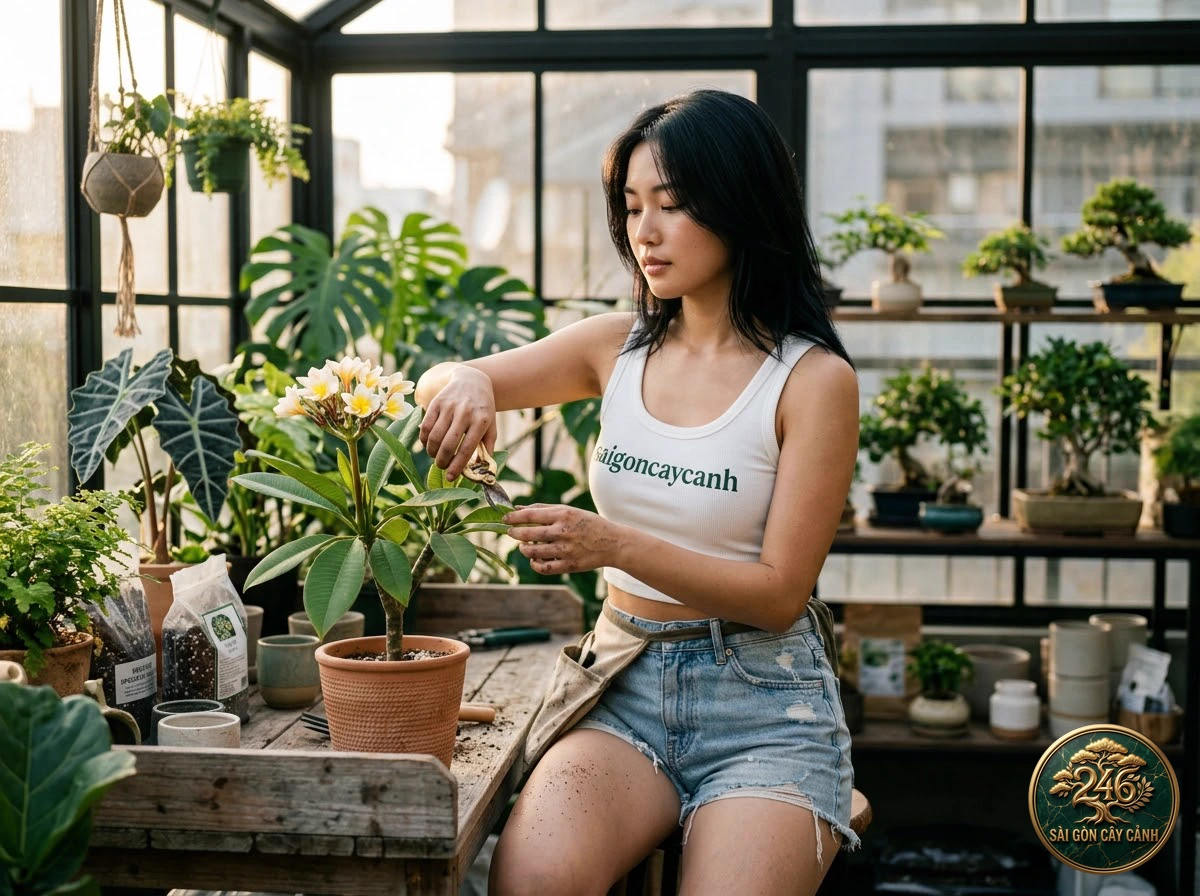
Saigon Cay Canh meticulously curates every Plumeria rubra specimen from genetically verified mother trees boasting vibrant pigmentation and sculptured trunk movements, seasoned for over 24 months in specialized aeration nursery substrates under rigorous phytosanitary care.
We provide verified botanical taxonomy, comprehensive establishment warranties upon installation, and bespoke pruning and nutritional management protocols managed by experienced landscape horticulturists.
💬 Góc Tư Vấn & Hướng Dẫn Kỹ Thuật SGCC
Chuẩn E-E-A-T Kinfolk❓ Chăm sóc Red frangipani (Plumeria rub cần lưu ý điều gì quan trọng nhất?
💡 Dạ điều quan trọng nhất là giữ môi trường sống ổn định, tránh sốc nhiệt hay dao động thông số đột ngột, đồng thời cung cấp khẩu phần ăn sạch và tươi mới ạ.
❓ Làm thế nào để phòng ngừa bệnh tật hiệu quả cho các bé?
💡 Dạ anh chị nên giữ vệ sinh chuồng/hồ nuôi sạch sẽ, thay nước hoặc dọn dẹp định kỳ và bổ sung vitamin, men tiêu hóa đều đặn để tăng sức đề kháng ạ.
🌿 Trang Thiết Bị, Đất Trồng & Dụng Cụ Bonsai Tuyển Chọn
Dụng cụ tỉa, giá thể hữu cơ & phân bón chuyên dụng cho cây cảnh.
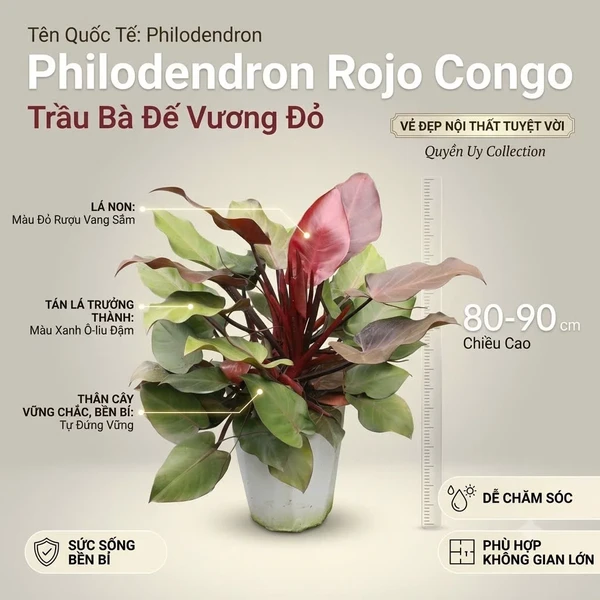
Cây Trầu Bà Đế Vương Đỏ Philodendron Red Congo Cao 80-9…

Chậu nhựa trồng cây, Chậu tròn giả sứ in hình Size 220(…

OSMOCOTE 14-14-14 1 kg Phân tan chậm nhập khẩu Nerther…
1 Ký Cành Giống Hoa Mười Giờ KEM TIỂU THƯ – Hoa Mười Gi…
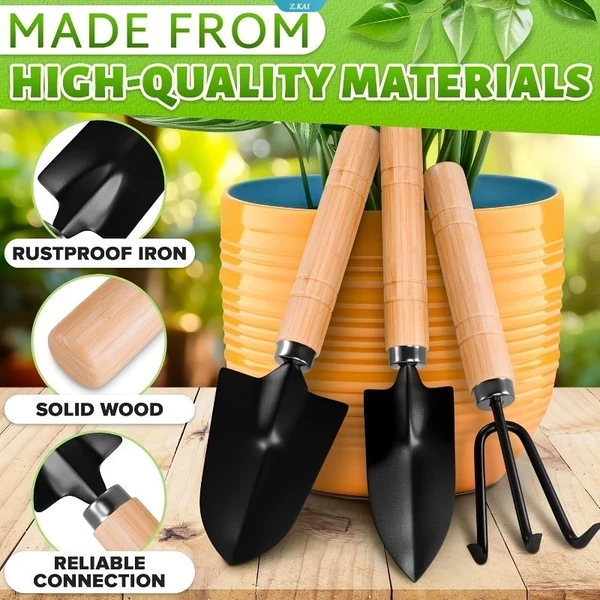
3 Dụng cụ làm vườn nhỏ – Bộ dụng cụ làm vườn mini có ch…

Kéo cắt cành SK5 nhật bản, Kéo cắt cành nhật bãi Tay cầ…
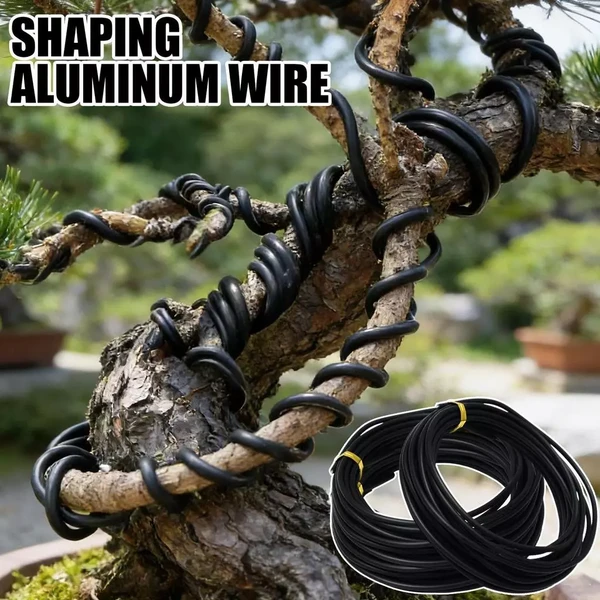
Dây nhôm uốn nhánh – Dây cây cảnh đen để làm vườn Định …
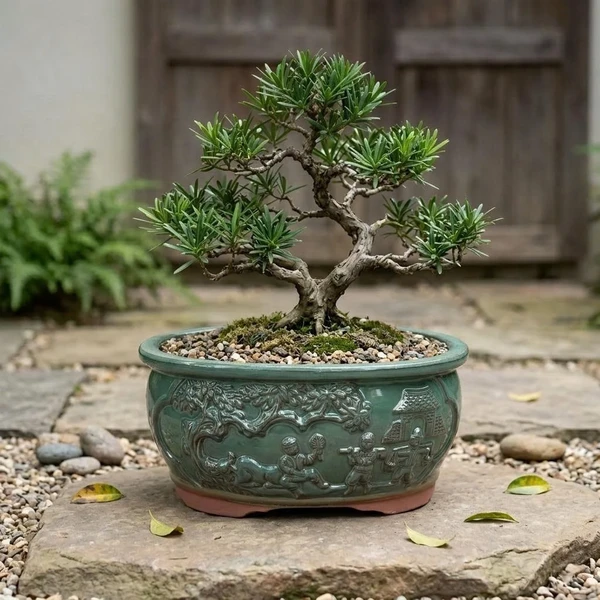
Chậu Bonsai Dáng Oval Dài Men Xanh Hỏa Biến Chạm Nổi – …

Kéo Ghép Cành Đa Năng Đài Loan Thép SK5 Nhật Bản – Bộ K…

Chậu câu mini men hỏa biến màu xanh ngọc trồng sen đá, …

Phân trùn quế SFARM hữu cơ (5KG) nguyên chất, dạng bột,…
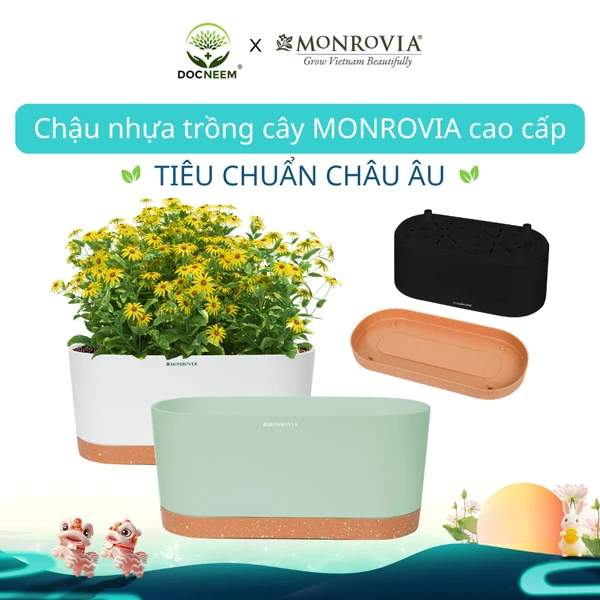
Chậu nhựa trồng hoa, cây cảnh chữ nhật Monrovia A610 – …

Busy Lizzie (Impatiens walleriana)
Busy Lizzie (Impatiens walleriana) Impatiens walleriana, internationally celebrated as busy Lizzie, sultana, or patient Lucy, is a luxuriant...
Read Monograph →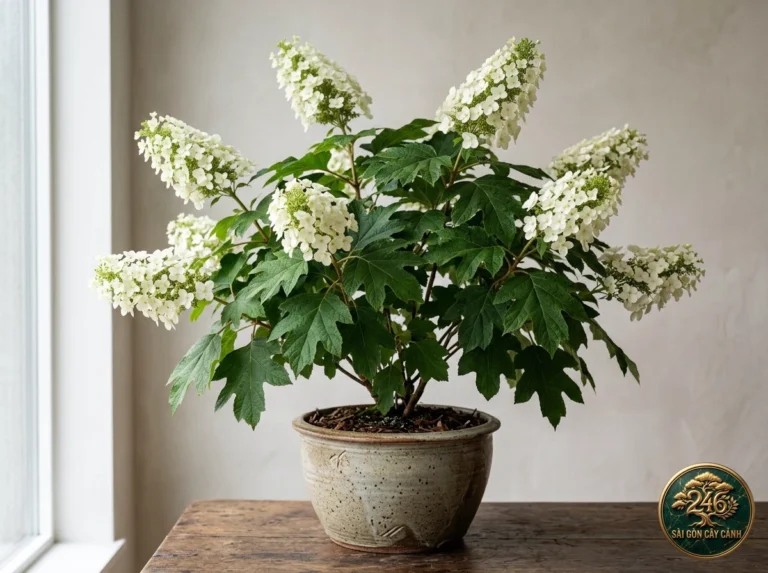
Oakleaf hydrangea (Hydrangea quercifolia)
Oakleaf hydrangea (Hydrangea quercifolia) Hydrangea quercifolia, internationally celebrated as oakleaf hydrangea, is an awe-inspiring, structurally dramatic deciduous flowering...
Read Monograph →
Cigar plant
Cuphea ignea, universally celebrated in tropical horticulture as the cigar plant, firecracker plant, or Mexican cigar flower, is...
Read Monograph →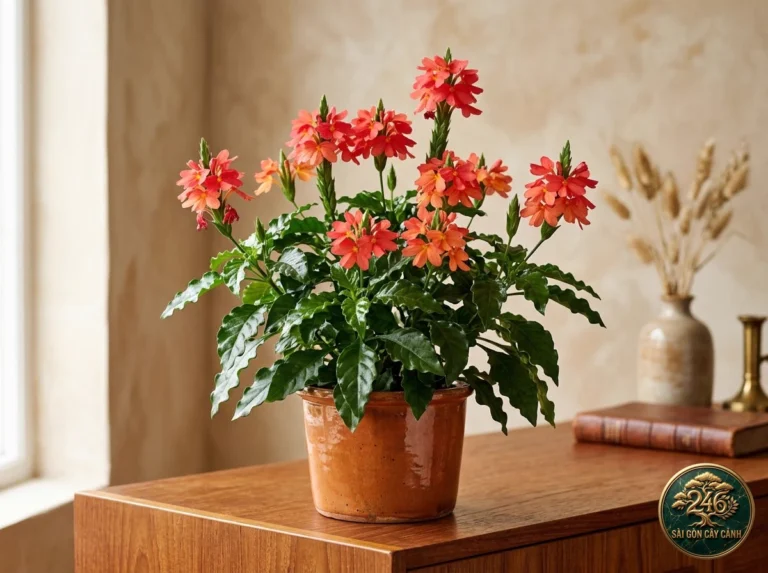
Nile crossandra
Crossandra nilotica, celebrated internationally as the Nile crossandra or East African firecracker flower, is an aristocratic, evergreen tropical...
Read Monograph →Expert Q&A, Recommended Supplies & Article Feedback
Tap once to connect instantly via Google, Facebook or TikTok — no long forms required!
No questions yet for this article. Tap Google / Facebook / TikTok above to ask the first question!