
Living plant profile
Snake plant
Dracaena trifasciata
Snake plant (Dracaena trifasciata) is a celebrated acaulescent clumping architectural succulent renowned for its sculptural, erect sword-like foliage and exceptional tolerance of environmental neglect. Serving as a foundational cornerstone of biophilic interior decoration, it thrives effortlessly in contemporary homes and modern workspaces alike. The definitive factor for success in apartment cultivation lies in establishing a […]
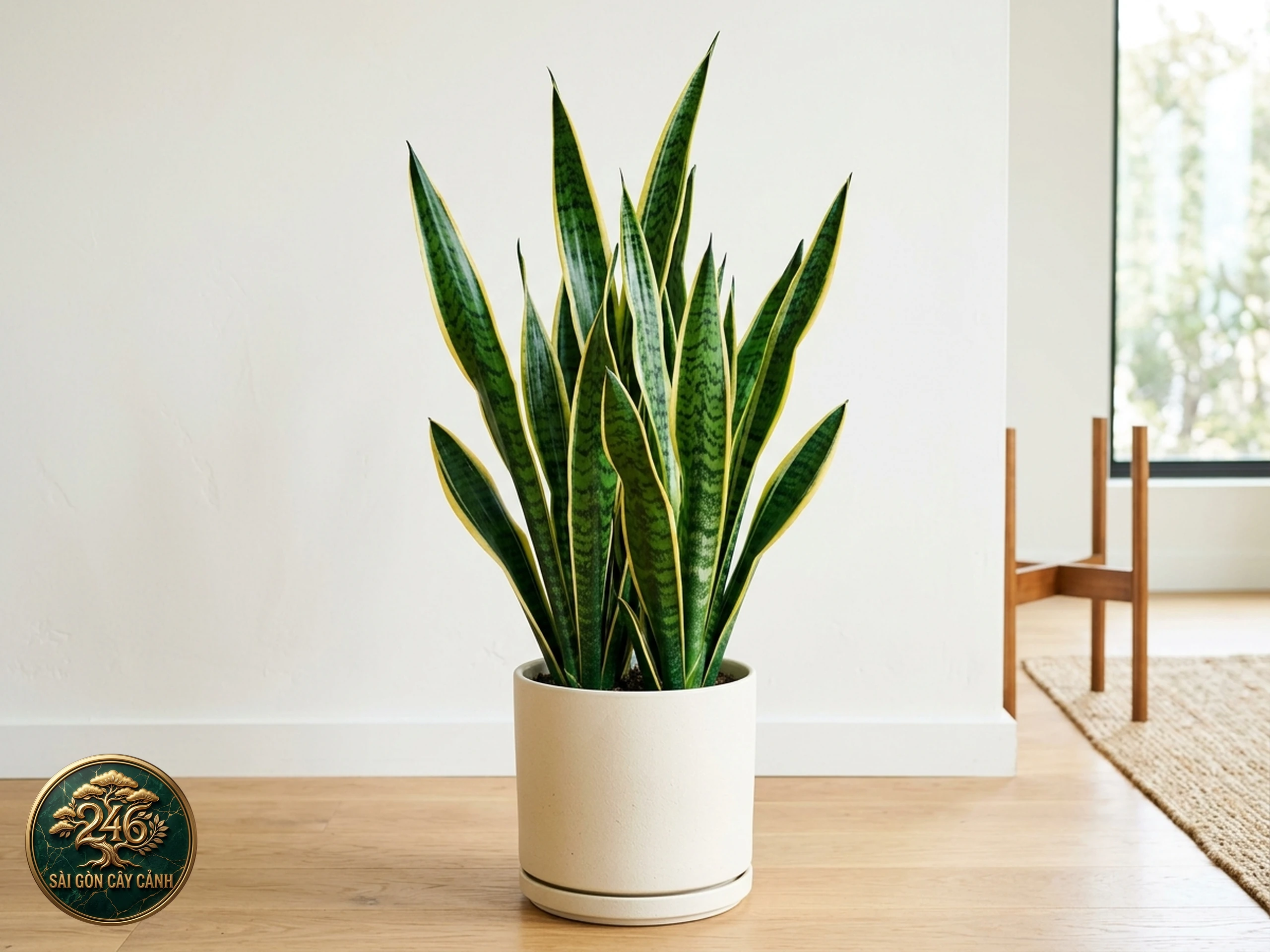
Snake plant (Dracaena trifasciata) is a celebrated acaulescent clumping architectural succulent renowned for its sculptural, erect sword-like foliage and exceptional tolerance of environmental neglect. Serving as a foundational cornerstone of biophilic interior decoration, it thrives effortlessly in contemporary homes and modern workspaces alike. The definitive factor for success in apartment cultivation lies in establishing a responsive watering routine guided by direct substrate assessment rather than a rigid calendar schedule.
1. Taxonomic Profile & Genetic Origin of Dracaena Trifasciata
| Scientific Name | Dracaena trifasciata |
|---|---|
| Botanical Family | Asparagaceae (Asparagus family) |
| Growth Habit | Acaulescent clumping architectural succulent with erect rigid leaves |
| Light Exposure | Full sun to deep shade (500 – 5,000 lux); highly adaptable light range |
| Watering Requirement | Strict soak-and-dry regimen; allow substrate to dry out 100% between waterings |
| Recommended Substrate | Fast-draining gritty succulent mix: 50% pumice/coarse perlite, 30% lava rock or grit, 20% potting soil |
| Optimal Temperature | 15°C – 32°C (59°F – 90°F); sensitive to prolonged chill below 10°C |
| Relative Humidity | 30% – 60% RH; thrives in dry, air-conditioned rooms |
| Care Difficulty | Extremely easy / Thrives on minimal intervention |
| Pet Safety Status | Toxic to Pets (Contains steroidal saponins causing gastrointestinal distress in dogs and cats) |
Native to tropical West Africa from Nigeria east to the Congo, Dracaena trifasciata inhabits arid savannas, open dry woodlands, and rocky sub-tropical scrublands. To endure prolonged seasonal droughts, the species evolved dense subterranean rhizomes that store substantial carbohydrate and water reserves. Its thick, fibrous foliage is coated in a heavy protective cutin layer that dramatically reduces non-stomatal transpiration, enabling it to survive weeks of arid desiccation that would prove fatal to thinner-leaved understory houseplants.
2. Architectural Blade Anatomy & Water Storage Succulent Tissue
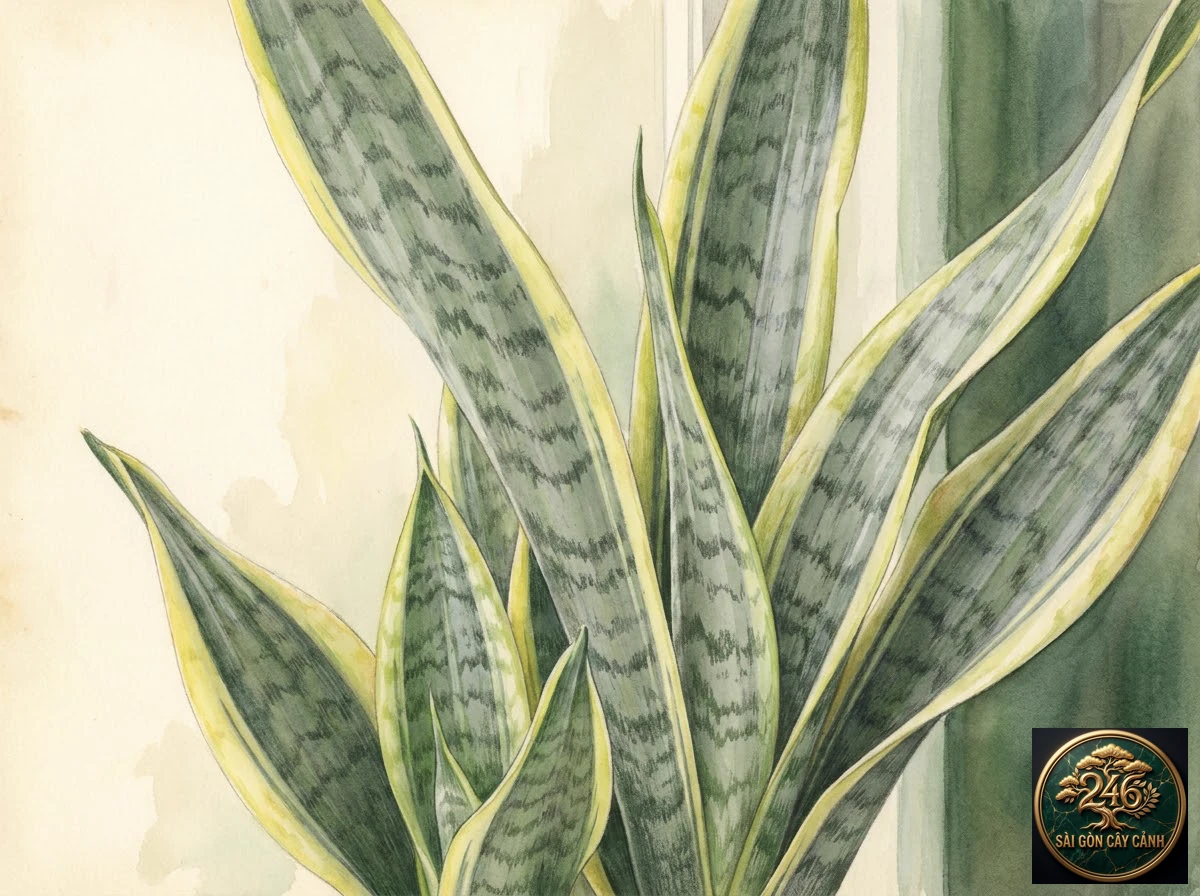
Accurate identification of Dracaena trifasciata requires close inspection of foliar structure, petiole anatomy, and developmental habit. In commercial horticulture, ambiguous common names frequently cause misidentification, leading to improper care regimens.
A defining physiological marvel of the snake plant is its specialized Crassulacean Acid Metabolism (CAM) photosynthetic pathway. Unlike conventional C3 houseplants that open stomata during daytime heat, Dracaena trifasciata keeps stomata tightly closed throughout sunny daylight hours to prevent moisture loss. At night, stomatal apertures open to absorb carbon dioxide, converting it into organic malic acid stored within cellular vacuoles. During the subsequent day, this stored carbon is enzymatically released internally for solar carbohydrate synthesis while stomata remain sealed.
Key Diagnostics: Distinguished from Dracaena masoniana (whale fin snake plant with solitary, wide paddling leaves) and Sansevieria cylindrica (which develops rigid, cylindrical rounded spears without flat channeled surfaces). Cross-banding zig-zag patterns and vibrant yellow margins on cultivars like ‘Laurentii’ confirm botanical authenticity.
3. Crassulacean Acid Metabolism: Bedroom Night Oxygen Generation
Within urban residences, position the plant in accordance with natural lighting dynamics: Excellent for low-light bedroom corners, contemporary entry foyers, and minimalist living rooms where natural lighting is modest. Avoid placing foliage directly in cold convective drafts from air conditioning units, as rapid evaporative loss compromises leaf margins while soil remains wet.
4. Strict Neglect-Based Irrigation: Allowing Absolute Root Dry-Out
Do not adhere to a predetermined watering schedule. Transpiration rates fluctuate with seasonal warmth, airflow, and pot volume.
Three-Step Moisture Check:
- Insert a wooden dowel or finger 3-5 cm into the potting medium.
- If damp substrate particles adhere to the probe: Delay watering for 48-72 hours.
- When the probe emerges clean and dry: Saturate the root zone thoroughly until water flows freely from drainage holes, then discard standing saucer water after 15 minutes.
5. High-Mineral Gritty Substrate Blend for Xerophytic Indoor Plants
The root system of Dracaena trifasciata demands substantial gas exchange. Dense potting soils compact over repeated waterings, generating hypoxic conditions that foster anaerobic root pathogens.
The root system of the snake plant consists of thick, orange-tinted rhizomes accompanied by fibrous feeder roots. These rhizomes demand high mechanical stability and rapid moisture drainage. When potted in water-retentive garden soil or unbroken peat, anaerobic conditions quickly develop around the subterranean crowns, leading to soft rhizome rot caused by Fusarium pathogens. Ensuring high mineral gravel content and selecting broad, stable terracotta pots accommodates the plant’s top-heavy structural weight while facilitating ambient gas diffusion.
Recommended Soil Mix: Extremely gritty mineral substrate composed of 50% pumice/coarse perlite, 30% volcanic grit or expanded clay, and 20% screened potting soil to ensure rapid gravitational drainage. Unglazed terracotta or specialized aerated nursery pots provide superior root zone oxygenation compared to non-porous containers.
6. Minimalist Feeding Program: Preventing Leaf Softening and Lodging
Modest, consistent fertilization sustains healthy foliage without mineral burn. During active vegetative flush (spring and summer), supply balanced liquid organic fertilizer diluted to half strength monthly. Discontinue feeding during dormant or low-light winter intervals.
Because Dracaena trifasciata possesses an exceptionally slow metabolic turnover rate, its nutritional demands are remarkably modest. Over-feeding is far more damaging than under-feeding, as excess nitrogen forces weak, floppy, elongated leaves that lose their architectural rigidity. A light application of balanced slow-release fertilizer granules or a diluted half-strength liquid succulent formula applied once in early spring and once in mid-summer is more than sufficient. Never apply fertilizers to bone-dry substrate; always moisten the root zone lightly beforehand to prevent root tip burn.
7. Remedying Rhizome Rot, Blade Splitting, and Fungal Sunken Spots
| Observed Symptom | Primary Root Cause | Verification Method | Corrective Action |
|---|---|---|---|
| Lower leaf chlorosis (yellowing) | Overwatering / hypoxic root environment | Inspect lower substrate moisture | Extend dry intervals, verify drainage holes |
| Crispy brown margins | Sub-optimal ambient humidity / AC airflow | Measure room humidity, check draft paths | Relocate away from vents, elevate humidity |
| Etiolation (pale, stretched stems) | Insufficient photosynthetic photon flux | Assess light intensity at foliage level | Shift closer to bright indirect source |
| Soft basal stem / wilting | Fungal root compromise (pythium/phytophthora) | Unpot root ball and inspect root firmness | Excise decayed roots, treat with fungicide, repot |
8. Countering Armored Scale Insects and Over-Moist Pathogens
Mealybugs and two-spotted spider mites present the most frequent pest challenges. Regular foliar cleansing with a damp microfiber cloth serves as primary defense. For localized infestations, isolate the specimen and treat with 70% isopropyl alcohol via cotton swab or apply cold-pressed horticultural neem oil during evening hours.
Owing to its thick waxy cuticle and fibrous internal structure, the snake plant is rarely troubled by common houseplant insect pests. However, overwatered or stressed specimens in stagnant indoor air can occasionally attract mealybugs deep within the tight basal leaf rosettes. If detected, remove insects manually using a cotton swab dipped in 70% isopropyl alcohol. Keeping the leaf base clean and dry prevents fungal infections from establishing in the crown.
9. Division of Rhizomatous Clumps Versus Leaf-Cutting Chimera Changes
Propagate during the active growth season via vegetative stem cuttings or division. Select vigorous nodes possessing aerial root initials. Sever cleanly with sanitized shears, allow callous formation for two hours, then root in clean aerated water or damp sphagnum moss under warm, diffused light.
10. Saponin Chemical Profile: Toxicity Symptoms in Dogs and Cats
11. Year-Round Low-Maintenance Schedule for Urban Dwellers
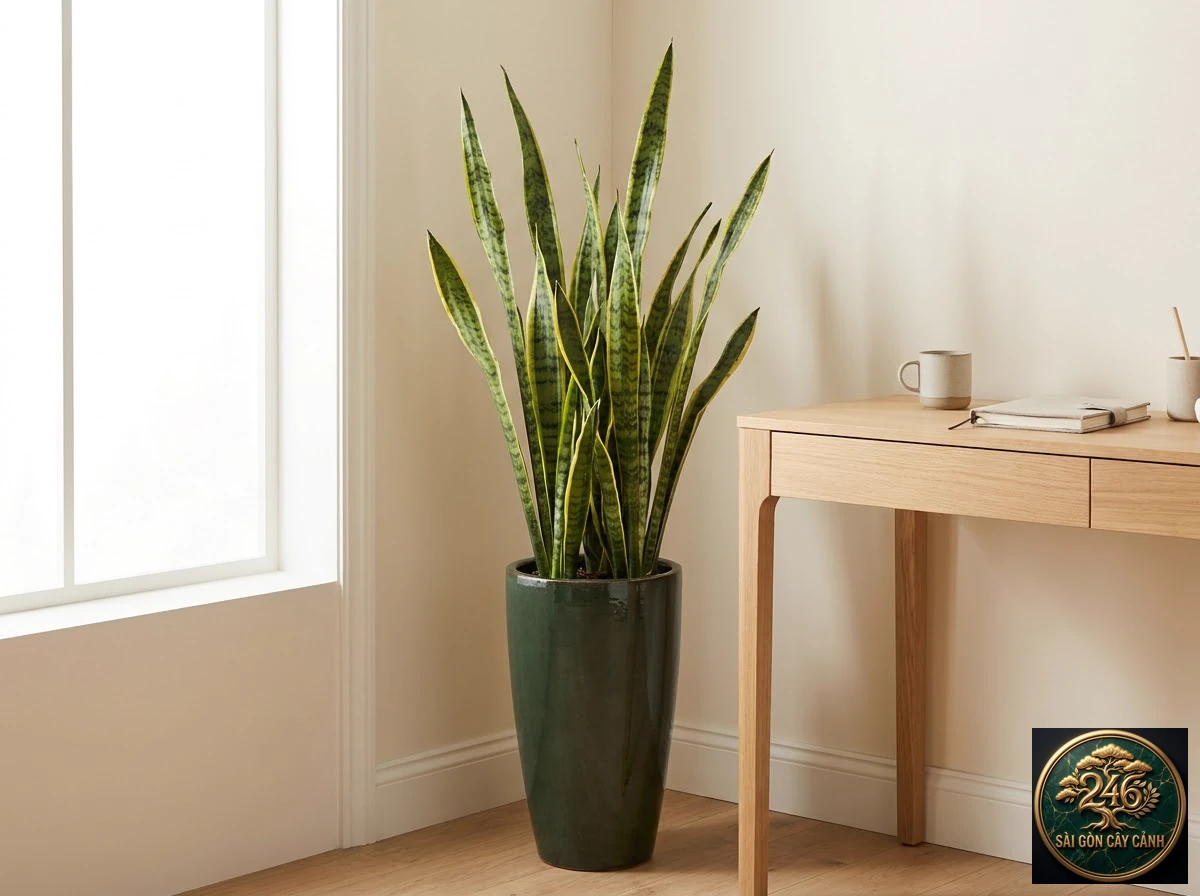
The sculptural foliage of Dracaena trifasciata harmonizes gracefully with biophilic, Scandinavian, and contemporary architectural settings. Pair alongside trailing pothos or structural snake plants to create dynamic multi-tiered botanical arrangements.
In contemporary interior architecture, the stark vertical silhouettes of Dracaena trifasciata introduce clean lines that complement industrial, Scandinavian, and mid-century modern aesthetic spaces. Grouping multiple specimens in monolithic rectangular planters creates natural biophilic space dividers in offices, hotel lobbies, and urban studio apartments, providing architectural presence without requiring demanding daily maintenance.
12. Critical Pitfalls in Modern Interior Sansevieria Cultivation
“Plants can thrive indefinitely in windowless interior spaces” — All vegetative growth requires photosynthetic photons. In rooms devoid of natural light, full-spectrum horticultural LED fixtures must be provided for 8-10 hours daily to maintain metabolic equilibrium.
“Snake plants generate enough oxygen to fully purify indoor apartment air without mechanical ventilation” — While Dracaena trifasciata performs Crassulacean Acid Metabolism and absorbs carbon dioxide overnight, the volumetric gas exchange of a single containerized houseplant is negligible compared to the respiratory demands of humans in an enclosed room. Indoor plants provide undeniable psychological, aesthetic, and localized humidity benefits, but they should complement, rather than replace, standard fresh air ventilation and HVAC air filtration systems.
13. Frequently Asked Questions (FAQ)
When should this plant be repotted?
Repot every 18-24 months or when roots spiral densely and emerge through bottom drainage ports. Select a replacement container 3-5 cm wider in diameter.
Should foliar shine products or oils be applied?
Never apply culinary oils or commercial leaf gloss. They occlude stomata, hindering gas exchange and attracting particulate debris. Clean foliage solely with pure water.
Is daily misting beneficial in air-conditioned apartments?
Misting provides only transient humidity spikes and may cause fungal leaf spot if foliage remains wet without air movement. Use a pebble tray or ultrasonic humidifier for sustained ambient moisture.
How can I distinguish underwatering from overwatering?
Underwatered foliage exhibits uniform dry limpness in a desiccated root ball. Overwatered plants display yellowing lower leaves accompanied by mushy, dark petioles and sodden soil.
Can tap water be used directly?
Municipal water often contains dissolved chlorine and fluorides that cause tip burn in sensitive foliage. Allow water to sit uncovered for 24 hours prior to irrigation.