
Living plant profile
Tamarind (Tamarindus indica)
Tamarindus indica
📌 CLINICAL & BIOLOGICAL ABSTRACT — Tamarind (Tamarindus indica)Tamarind (Tamarindus indica) Tamarindus indica, the timeless tamarind tree, is a beloved tropical shade and bonsai legend celebrated for rugged fissured bark, feather-light nyctinastic pinnate foliage, and brown pods filled with tangy-sweet pulp. 1. Botanical Identity & Taxonomic Nomenclature History Tamarindus indica was formally documented by Carl […]

Tamarind (Tamarindus indica)
Tamarindus indica, the timeless tamarind tree, is a beloved tropical shade and bonsai legend celebrated for rugged fissured bark, feather-light nyctinastic pinnate foliage, and brown pods filled with tangy-sweet pulp.
Sài Gòn Cây Cảnh Care Compass
1. Botanical Identity & Taxonomic Nomenclature History
Tamarindus indica was formally documented by Carl Linnaeus in 1753, establishing the monotypic genus Tamarindus within Fabaceae.
Deeply entwined with Vietnamese cultural heritage from the romantic tamarind-shaded boulevards of Saigon to national culinary delicacies; in bonsai traditions, it represents an iconic classical subject revered for indestructible rot-resistant heartwood, deeply furrowed bark, and multi-century longevity.
2. Morphological Anatomy & Structural Architecture
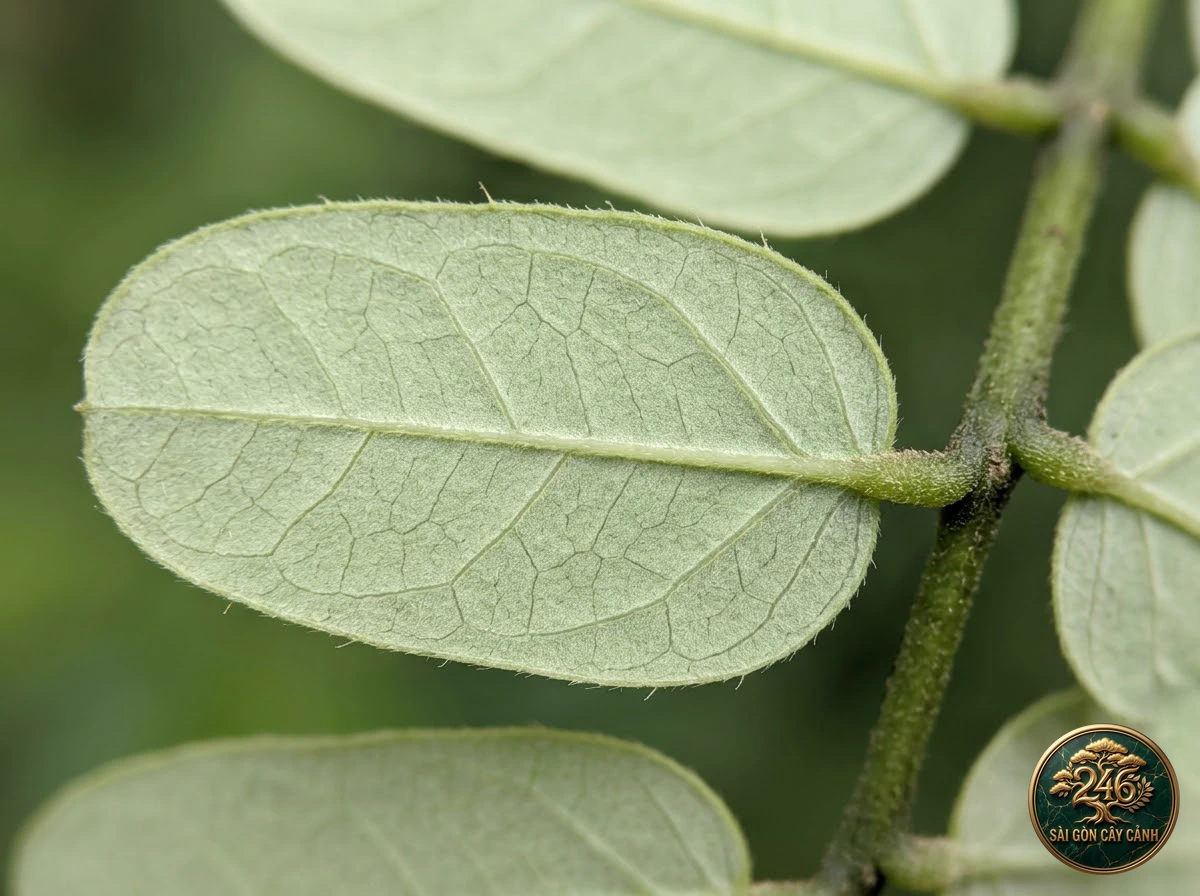
A massive evergreen tree attaining heights of fifteen to twenty-five meters in habitat with an expansive spreading crown; styled in bonsai into grand formal upright, slanting, windswept, or cascading specimens thirty to one hundred centimeters tall. Trunks boast thick, rugged dark grey-brown bark deeply fissured with vertical ridges over dense red heartwood.
Leaves are evenly pinnate, seven to fifteen centimeters long, composed of ten to twenty pairs of oblong leaflets twelve to twenty-five millimeters long, exhibiting pronounced nyctinastic behavior by folding closed at dusk or during cool rain. Pale yellow blossoms striped with red venation emerge in nodding racemes; fruits are oblong curved brown pods seven to fifteen centimeters long containing tangy-sweet brown pulp rich in tartaric acid encasing shiny hard seeds.
3. Solar Irradiance Thresholds & Photosynthetic Dynamics
An obligate tropical heliophyte requiring brilliant solar exposure between 25,000 and 60,000 lux for optimal carbohydrate synthesis and robust cambial development.
Demands six to eight hours of direct sunlight daily; shading triggers rapid leaflet abscission and progressive inner branch dieback.
4. Mineral Substrate Mechanics & Root Aeration Porosity
Substrate should balance moisture retention with rapid percolation: 45% granulated alluvial loam, 30% medium akadama, 15% pumice, and 10% cured earthworm castings.
Exhibits broad edaphic adaptability across sandy loams, heavy clays, and mildly saline soils (pH 6.0 to 7.5); symbiotic nitrogen-fixing root nodules sustain vigor.
5. Hydraulic Equilibria & Irrigation Regimens
Irrigation discipline: Maintain consistent moderate moisture, soaking thoroughly when surface aggregate lightens.
Tamarind possesses legendary drought resistance via deep roots and nyctinastic leaf-folding; nevertheless, in shallow bonsai containers, daily watering during hot dry periods preserves delicate ramification.
6. Nutrient Biogeochemistry & Fertilization Protocols
Apply slow-release organic fertilizer pellets monthly; supplement with organic phosphorus and potassium at the start of the monsoon to encourage root renewal and branch hardening.
Pruning: Displays exceptional back-budding capacity on ancient wood; prune back secondary branches in spring and perform selective partial defoliation to refine miniature leaf size.
7. Clonal Propagation & Germplasm Conservation
Readily propagated from seeds; the hard seed coat benefits from twelve hours of soaking in 50°C warm water before sowing in moist sand, germinating in one to two weeks with over 90% success.
For bonsai styling, air-layering mature branches with expressive natural movement or sourcing aged stump material provides venerable trunks with decades of character.
8. Phytochemical Toxicity & Pet Safety Standards (ASPCA)
Biological safety records confirm that Tamarindus indica tamarind trees are completely benign and safe around household pets.
Ripe fruit pulp is entirely non-toxic and widely utilized in culinary foods; the hard internal seeds should not be swallowed whole by small dogs to avoid mechanical choking hazards.
9. Clinical Pathology Diagnostics & Treatment Strategies
Pathology screening for stem-borer damage and heavy sweet-sour fruit retention protocols in Tamarindus indica:
| Clinical Manifestation | Etiological Cause | Standard Treatment Protocol |
|---|---|---|
| Foliage is heavily chewed and skeletonized by hungry caterpillars | Leaf-eating caterpillars or loopers feeding vigorously on succulent monsoon flushes | Manually pick caterpillars and apply biological Bacillus thuringiensis (Bt) spray formulation |
| Undersides of leaves become coated in dark sooty mold diminishing gloss | Sooty mold fungus proliferating on honeydew secreted by scale insects or mealybugs | Wash canopy thoroughly with pressurized water and spray cold-pressed organic neem oil |
| Expanding shoots wither from tips downward with brownish gum oozing from bark | Anthracnose fungal infection thriving during prolonged humid rainy spells | Excise blighted terminal tips, suspend night foliage misting, and apply organic bio-fungicide |
| Leaflets turn chlorotic yellow and shed heavily while root ball emits sour odor | Root asphyxiation from compacted potting medium and inadequate drainage apertures | Elevate container for drainage, suspend watering, aerate topsoil, and apply Trichoderma drench |
10. Comparative Morphology & Allied Taxa Diagnosis
Morphological diagnostic matrix contrasting nyctinastic pinnate foliage and rugged furrowed bark of Tamarindus indica:
| Diagnostic Parameter | Tamarindus indica (Tamarind) | Comparative Specimen A | Comparative Specimen B |
|---|---|---|---|
| Mature fruit morphology and flavor | Curved brown pods with tart-sweet sticky pulp rich in tartaric acid | Tightly coiled spiral pods with sweet white-pink edible arils | Flat straight woody pods containing smooth oval seeds |
| Nyctinastic foliar response | Prominent night-folding of all 10-20 leaflet pairs at dusk or rain | Foliage with only 4 broad leaflets arranged like butterfly wings | Bipinnately compound fine leaflets folding gently at night |
| Heartwood density and coloration | Dark red heartwood of exceptional hardness, virtually rot-proof | Lighter softer wood with creamy sapwood pliable for wiring | Excious precious fragrant rosewood with sweet incense scent |
| Primary horticultural utilization | Premier classical venerable bonsai celebrated for dramatic deadwood | Fruiting bonsai and street shade landscape specimen | Precious timber conservation and majestic specimen bonsai |
11. Biophilic Design Harmony & Contemporary Spatial Aesthetics

The tamarind tree embodies enduring longevity, steadfast resilience against turbulent storms, and warm familial solidarity.
Its venerable furrowed trunk and lush feather-like canopy channel grounded positive earth energy, anchoring lasting prosperity and protective serenity over the household.
12. Saigon Cay Canh Provenance & Cultivation Assurance

Saigon Cay Canh curates exceptional aged Tamarindus indica bonsai masterpieces boasting sculptural weathered trunks, dense twigging, and refined foliage pads.
Housed in bespoke artisan ceramic vessels and accompanied by comprehensive lifelong horticultural guidance.
💬 Góc Tư Vấn & Hướng Dẫn Kỹ Thuật SGCC
Chuẩn E-E-A-T Kinfolk❓ Chăm sóc Tamarind (Tamarindus indica) cần lưu ý điều gì quan trọng nhất?
💡 Dạ điều quan trọng nhất là giữ môi trường sống ổn định, tránh sốc nhiệt hay dao động thông số đột ngột, đồng thời cung cấp khẩu phần ăn sạch và tươi mới ạ.
❓ Làm thế nào để phòng ngừa bệnh tật hiệu quả cho các bé?
💡 Dạ anh chị nên giữ vệ sinh chuồng/hồ nuôi sạch sẽ, thay nước hoặc dọn dẹp định kỳ và bổ sung vitamin, men tiêu hóa đều đặn để tăng sức đề kháng ạ.
🌿 Trang Thiết Bị, Đất Trồng & Dụng Cụ Bonsai Tuyển Chọn
Dụng cụ tỉa, giá thể hữu cơ & phân bón chuyên dụng cho cây cảnh.

Hạt giống hoa Hồng Leo Pháp đủ màu (Tặng phân bón), hoa…

Dao Ghép Cành 2 Lưỡi Cán Gỗ, chuyên dụng cho trồng cây,…

Cạp Tròn, Cạp Xéo, Kìm Bổ Cắt Tỉa Cây Cảnh Bonsai Sắc B…

BƠM PHUN SƯƠNG mini Đầu Đen 12v Dùng Cho Bình Phun,Tưới…
… combo 5 Chậu Nhựa Trồng Cây Cao Cấp Monrovia 3GAL (…
100 CHAI KEO MỸ TIẾN HỒNG, KEO LIÊN DA CÂY, KEO LIỀN SẸ…
Viên nén xơ dừa 600g mụn dừa đã qua xử lý – Trồng rau m…
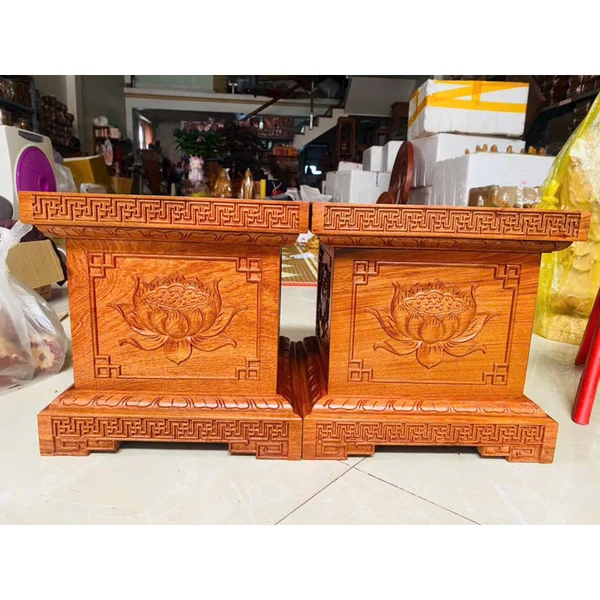
Đôn gỗ hương đá chạm khắc hoa sen kích thước cao 20,30c…

Đá Masato – Loại cao cấp, sạch bụi, không vụn – Rải mặt…

Dụng cụ làm vườn mini,Bộ dụng cụ làm vườn mini cao cấp …
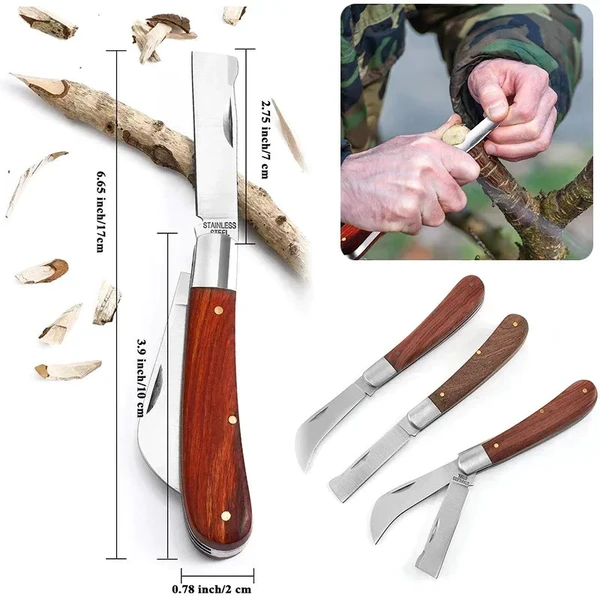
Dao ghép cành gấp, dao ghép cây chuyên nghiệp cho vườn …
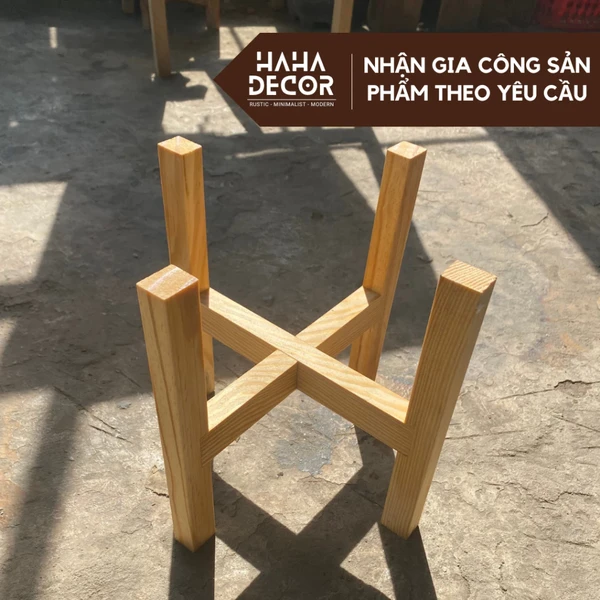
Đôn để chậu cây gỗ thông mỹ, Kệ gỗ kê cây cảnh Đường kí…
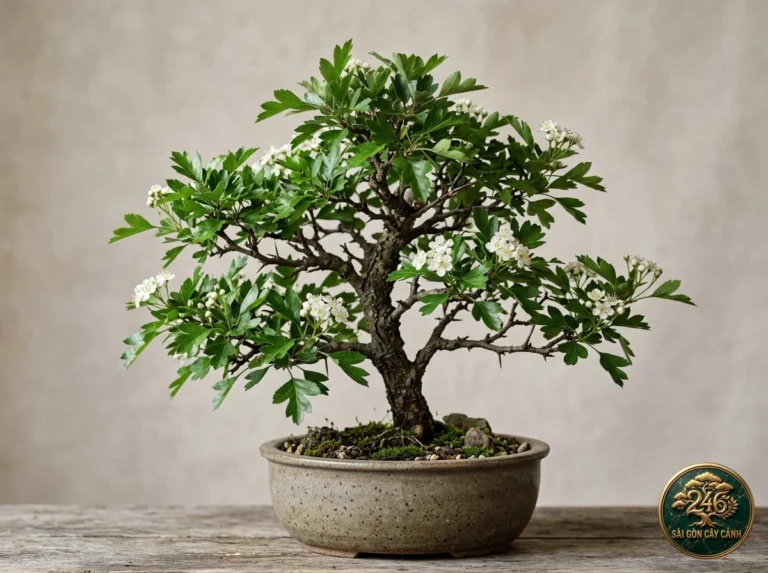
Common hawthorn (Crataegus monogyna)
Common hawthorn (Crataegus monogyna) Crataegus monogyna, revered as common hawthorn or oneseed hawthorn, is a legendary deciduous woody...
Read Monograph →
Littleleaf cotoneaster (Cotoneaster microphyllus)
Littleleaf cotoneaster (Cotoneaster microphyllus) Cotoneaster microphyllus, celebrated as littleleaf cotoneaster or rockspray cotoneaster, is an exquisite alpine prostrate...
Read Monograph →
Chinese wisteria (Wisteria sinensis)
Chinese wisteria (Wisteria sinensis) Wisteria sinensis, celebrated worldwide as the Chinese wisteria, reigns as the supreme queen of...
Read Monograph →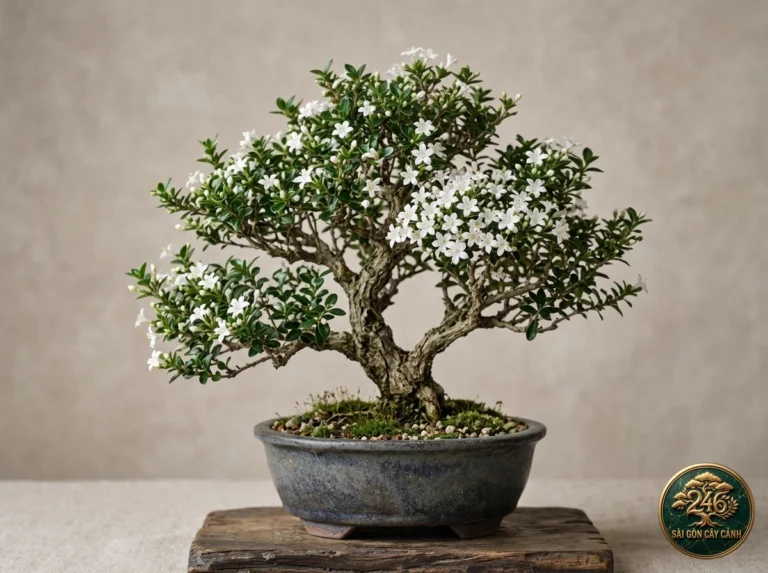
Snowrose (Serissa japonica)
Snowrose (Serissa japonica) Serissa japonica, poetically known as the snowrose, tree of a thousand stars, or Japanese snowrose,...
Read Monograph →Expert Q&A, Recommended Supplies & Article Feedback
Tap once to connect instantly via Google, Facebook or TikTok — no long forms required!
No questions yet for this article. Tap Google / Facebook / TikTok above to ask the first question!