
Living plant profile
White spruce (Picea glauca)
Picea glauca
📌 CLINICAL & BIOLOGICAL ABSTRACT — White spruce (Picea glauca)White spruce (Picea glauca) Picea glauca, the White spruce, is a pristine North American boreal conifer celebrated for silvery glaucous blue-green needles, charming compact cones, and subarctic resilience. 1. Botanical Identity & Taxonomic Nomenclature History Picea glauca was botanically established by German botanist Andreas Voss in […]
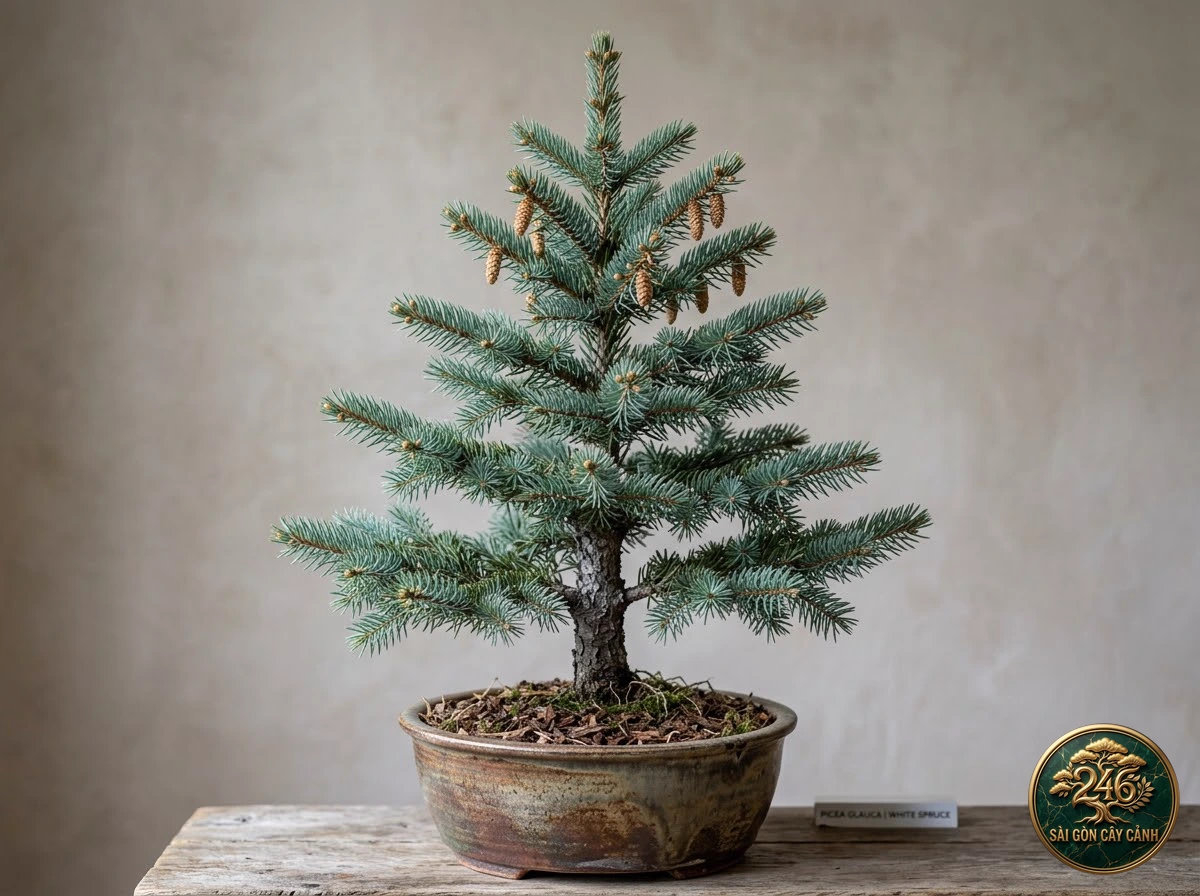
White spruce (Picea glauca)
Picea glauca, the White spruce, is a pristine North American boreal conifer celebrated for silvery glaucous blue-green needles, charming compact cones, and subarctic resilience.
Sài Gòn Cây Cảnh Care Compass
1. Botanical Identity & Taxonomic Nomenclature History
Picea glauca was botanically established by German botanist Andreas Voss in 1907 from Conrad Moench’s 1785 classification. A dominant keystone tree across North American boreal forests from Alaska to Newfoundland, it defines the subarctic frontier.
Revered by Indigenous peoples who crafted flexible lashing ropes from its roots and medicinal salves from its aromatic pitch, its dwarf sport Picea glauca ‘Conica’ has become an internationally celebrated conifer for miniature bonsai cultivation.
2. Morphological Anatomy & Structural Architecture

A medium-to-large conifer reaching fifteen to thirty meters in wild boreal zones; trained in bonsai into dense conical formal uprights, twin-trunk, or group plantings twenty-five to sixty centimeters tall. Bark is thin ashy grey peeling into small circular scales.
Needles are quadrangular, fifteen to twenty millimeters long, distinct glaucous blue-green dusted with whitish powdery wax, releasing an aromatic pungent scent when crushed; cones are slender cylindrical three to six centimeters long, pendulous with flexible rounded scales.
3. Solar Irradiance Thresholds & Photosynthetic Dynamics
Demands generous sunshine between 15,000 and 38,000 lux accompanied by vigorous natural ventilation to maintain the radiant glaucous powdery bloom on the needles.
Requires five to six hours of daily direct light; light deficits cause the striking silvery-blue tone to dull to muted green and stall secondary branchlet ramification.
4. Mineral Substrate Mechanics & Root Aeration Porosity
Requires an open, highly porous conifer mix: 50% hard akadama grain, 25% coarse pumice, 15% Kiryu volcanic grit, and 10% aged conifer bark fines.
Multiple wide bottom drainage apertures with coarse gravel prevent water pooling; a slightly acidic aggregate with pH 5.5-6.5 provides the ideal niche for symbiotic mycorrhizae.
5. Hydraulic Equilibria & Irrigation Regimens
Irrigation regimen: soak thoroughly once the surface aggregate begins to dry, preserving cool sub-surface moisture without allowing standing water in drainage saucers.
Appreciates early morning foliar misting to cleanse stomata; during prolonged overcast spells, reduce watering frequency and verify substrate aeration.
6. Nutrient Biogeochemistry & Fertilization Protocols
Top-dress with slow-release organic pellets monthly from spring bud break through early autumn, supplementing with organic trace micronutrients during needle flushes.
Cease high-nitrogen feeding by late summer to encourage complete branchlet lignification before winter dormancy arrives.
7. Clonal Propagation & Germplasm Conservation
Propagated from seed after thirty days of cold moist stratification, or via semi-hardwood terminal cuttings in late summer for dwarf cultivars like ‘Conica’.
Cuttings treated with 0.4% IBA rooting hormone and inserted into sterile perlite beds under controlled mist form robust roots within eight to ten weeks.
8. Phytochemical Toxicity & Pet Safety Standards (ASPCA)
PET SAFETY PROFILE: Foliage and bark of Picea glauca contain zero toxic compounds dangerous to dogs and cats under ASPCA criteria.
Its naturally antiseptic resinous scent deters domestic pets from nibbling; elevating bonsai containers on stands preserves the sculptural form while keeping pets safe.
9. Clinical Pathology Diagnostics & Treatment Strategies
Clinical monitoring protocol for glaucous bloom loss and conical spire shaping in Picea glauca:
| Clinical Manifestation | Etiological Cause | Standard Treatment Protocol |
|---|---|---|
| Foliage loses silvery-blue powdery bloom and dulls to flat pale green | Deprivation of direct solar radiation or extended indoor confinement without light | Move tree outdoors to bright morning sunshine receiving at least five direct hours daily |
| Fine yellow speckling covers needles with microscopic webbing inside branch crotches | Spruce spider mite (Oligonychus ununguis) infestation under hot, dry microclimates | Power-wash canopy thoroughly, spray cold-pressed organic neem oil twice spaced seven days |
| Emerging spring shoot tips suddenly wilt, crook downward, and turn blackish-brown | Sirococcus shoot blight fungal infection flourishing during prolonged wet overcast weather | Excise blighted shoot tips, apply copper-based bio-fungicide, and improve ventilation |
| Massive needle drop progresses upward from lower branches with sour, mushy roots | Severe root rot caused by blocked drainage holes and waterlogged compacted aggregate | Emergency repotting into coarse akadama-kiryu aggregate, excise rotten roots, withhold water |
10. Comparative Morphology & Allied Taxa Diagnosis
Morphological diagnostic matrix contrasting powdery blue wax bloom of Picea glauca against North American spruce allies:
| Diagnostic Parameter | Picea glauca (White spruce) | Comparative Specimen A | Comparative Specimen B |
|---|---|---|---|
| Needle coloration and wax bloom | Silvery glaucous blue-green with powdery white bloom | Lustrous deep dark emerald green | Soft bright lime-green |
| Mature seed cone size | Compact 3-6cm, thin flexible rounded scales | Longest in genus 10-18cm, cylindrical | Ovate 2-4cm, woody scales |
| Geographic wild distribution | North American boreal zone (Alaska & Canada) | Northern and Central Europe | Alps and Carpathian Mountains |
| Foliar scent upon crushing | Distinctly pungent, sharp aromatic fragrance | Rich balsamic, sweet resinous pine aroma | Light, subtle fresh citrusy aroma |
11. Biophilic Design Harmony & Contemporary Spatial Aesthetics

Picea glauca symbolizes serene purity, steadfast integrity, and transcendent resilience amidst temporal turmoil.
Its luminous silvery-blue foliage and dignified conical profile introduce cleansing vitality, banishing stagnation and cultivating deep meditative peace.
12. Saigon Cay Canh Provenance & Cultivation Assurance

Saigon Cay Canh curates authenticated White spruce bonsai specimens with pristine conical architecture, shimmering silvery-blue foliage pads, and certified root vitality.
Accompanied by custom conical canopy shaping guides and dedicated lifetime conifer advisory.
💬 Góc Tư Vấn & Hướng Dẫn Kỹ Thuật SGCC
Chuẩn E-E-A-T Kinfolk❓ Chăm sóc White spruce (Picea glauca) cần lưu ý điều gì quan trọng nhất?
💡 Dạ điều quan trọng nhất là giữ môi trường sống ổn định, tránh sốc nhiệt hay dao động thông số đột ngột, đồng thời cung cấp khẩu phần ăn sạch và tươi mới ạ.
❓ Làm thế nào để phòng ngừa bệnh tật hiệu quả cho các bé?
💡 Dạ anh chị nên giữ vệ sinh chuồng/hồ nuôi sạch sẽ, thay nước hoặc dọn dẹp định kỳ và bổ sung vitamin, men tiêu hóa đều đặn để tăng sức đề kháng ạ.
🌿 Trang Thiết Bị, Đất Trồng & Dụng Cụ Bonsai Tuyển Chọn
Dụng cụ tỉa, giá thể hữu cơ & phân bón chuyên dụng cho cây cảnh.
1kg than củi, than nướng thịt, than trồng lan

COMBO Kìm cạp Tròn + Kìm Cạp Xéo Thép Trắng Không gỉ ,C…

Combo Kìm Cạp Tròn + Kìm Cạp Xéo Thép Trắng Làm Cây Bon…

Gói 30 hạt giống quả cà chua bi lùn vàng F1 ngọt

Chậu đất nung hoạ tiết sọc chéo, chậu trồng sen đá và c…

Đôn Vuông Trang Trí Kê Cây Cảnh, Chậu Hoa, Bình Gốm Gỗ …

Kéo cắt cành Okatsune Nhật Bản – Kéo tỉa dăm, kéo bonsa…

Bộ vòi tưới cây đa năng 8 chế độ, vòi phun nước, vòi xị…

Kéo cắt cành SK5 Nhật bản, kìm cắt cành trợ lực khỏe, m…

1kg Đá Pumice xám, đá lông vũ , đá bọt nhập khẩu Indone…
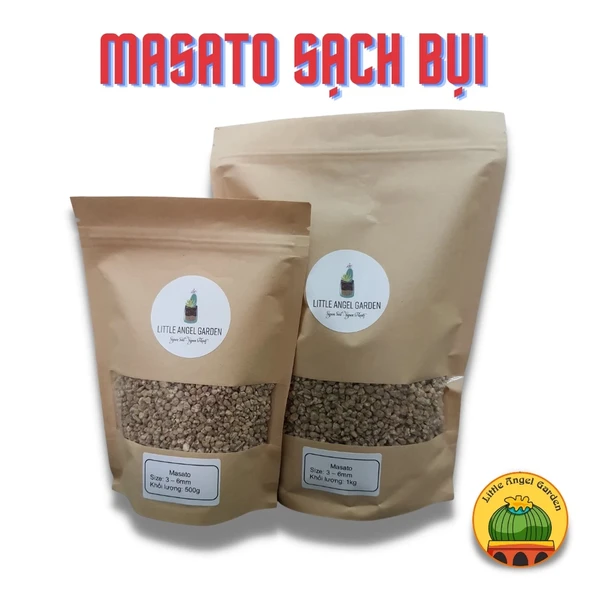
Đá khoáng Masato sạch bụi| Size 2-4 và 3-6mm| Rải mặt t…
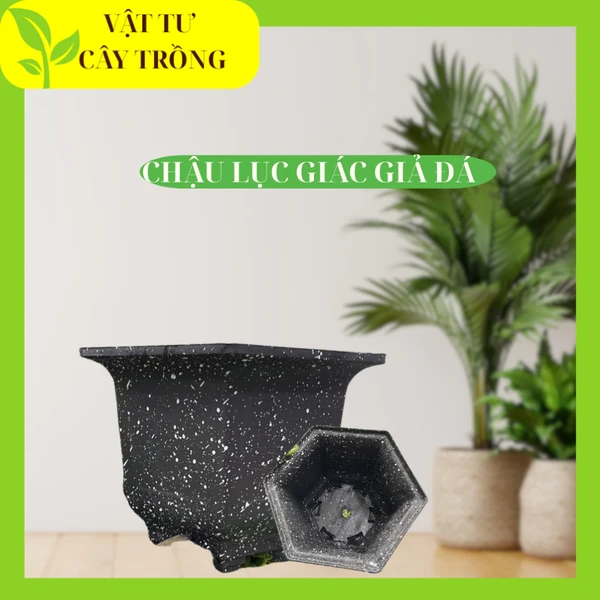
Chậu Nhựa Lục Giác Giả Đá Trồng Cây Cảnh, Nuôi Cá– Bền …
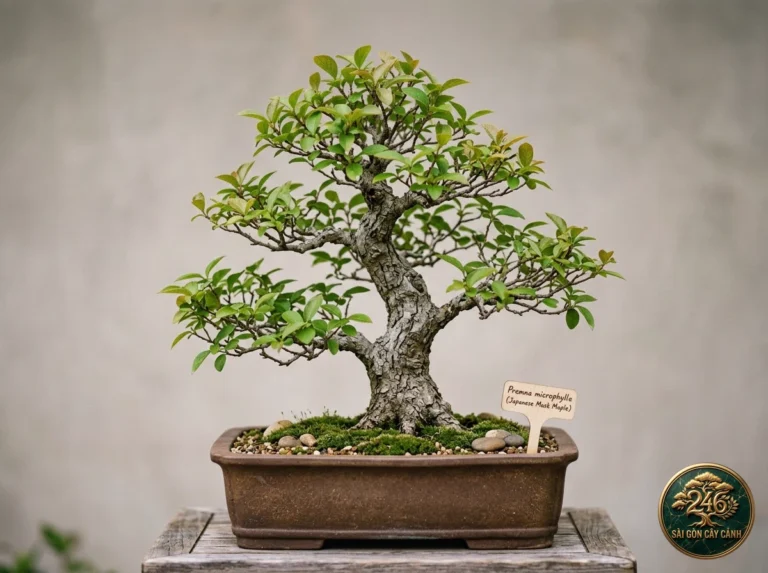
Japanese musk maple (Premna microphylla)
Japanese musk maple (Premna microphylla) Premna microphylla, commonly known as Japanese musk maple or small-leaf premna, represents a...
Read Monograph →
Diamond persimmon (Diospyros rhombifolia)
Diamond persimmon (Diospyros rhombifolia) Diospyros rhombifolia, celebrated as diamond persimmon or princess persimmon, is a prized shohin bonsai...
Read Monograph →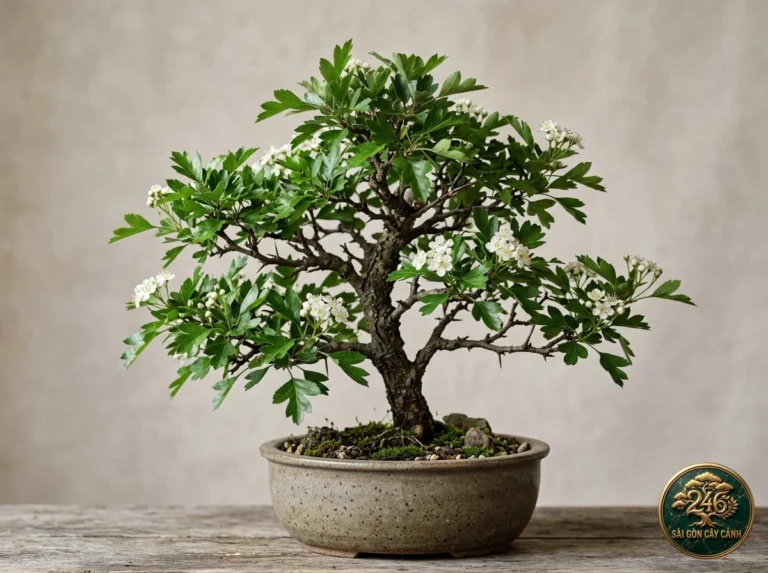
Common hawthorn (Crataegus monogyna)
Common hawthorn (Crataegus monogyna) Crataegus monogyna, revered as common hawthorn or oneseed hawthorn, is a legendary deciduous woody...
Read Monograph →
Fukien tea tree (Carmona retusa)
Fukien tea tree (Carmona retusa) Carmona retusa, universally cherished as the Fukien tea tree or Philippine tea, stands...
Read Monograph →Expert Q&A, Recommended Supplies & Article Feedback
Tap once to connect instantly via Google, Facebook or TikTok — no long forms required!
No questions yet for this article. Tap Google / Facebook / TikTok above to ask the first question!