
Living plant profile
Saguaro Cactus (Carnegiea gigantea)
Carnegiea gigantea
Carnegiea gigantea is the iconic monumental saguaro cactus of the Sonoran Desert, renowned for massive fluted columnar trunks, formidable spine clusters, a

Saguaro Cactus (Carnegiea gigantea): Sonoran Monumental Columnar Architecture Guide
Carnegiea gigantea is the iconic monumental saguaro cactus of the Sonoran Desert, renowned for massive fluted columnar trunks, formidable spine clusters, and a lifespan exceeding two hundred years.
Sài Gòn Cây Cảnh Care Compass
1. Botanical Nomenclature & Taxonomic History
Carnegiea gigantea was first scientifically documented by George Engelmann in 1848 before Nathaniel Britton and Joseph Rose established Carnegiea in 1908 in honor of industrialist and philanthropist Andrew Carnegie. It stands as the quintessential emblem of the Sonoran Desert in Arizona and northern Mexico.
Serving as a keystone ecological pillar, it provides nest cavities for Gila woodpeckers and nourishing nectar for migratory pollinating bats each spring.
2. Morphological Architecture & Anatomical Specializations

The saguaro matures into a colossal columnar giant twelve to sixteen meters tall with a trunk diameter of thirty to sixty centimeters, only developing characteristic candelabra arms after fifty to seventy-five years.
Stems possess twelve to thirty deep vertical accordion ribs that expand to store thousands of liters of rainwater; large areoles bear fifteen to thirty rigid spines up to seven centimeters long, crowned by waxy white floral coronas.
3. Photosynthetic Photoperiod & Radiation Dynamics
Demands intense direct solar radiation of 10,000 to 25,000 lux, requiring six to eight hours of unfiltered sunlight daily to maintain photosynthetic CAM efficiency and dense spine armature.
In humid subtropical climates, stage specimens on elevated full-sun platforms; shade induces sickly apical tapering and weakens immune defense.
4. Mineral Substrate Matrix & Aeration Dynamics
Requires an extreme mineral-dominant substrate (80-90% mineral grit): 50% coarse pumice, 25% volcanic lava scoria, 15% sharp granite sand, and 10% arid clay loam.
This rapid-draining formulation replicates desert scree soils, preventing stagnant moisture around the deep anchoring taproot.
5. Hydraulic Equilibrium & Precision Irrigation Protocol
Irrigate with extreme discipline: soak thoroughly every twelve to fifteen days during scorching summer heat once the potting mix is bone-dry.
During humid rainy seasons or cool winter months, cease watering completely for four to eight weeks to permit natural seasonal dormancy.
6. Nutrient Management & Mineral Supplementation
Apply specialized low-nitrogen mineral succulent nutrition with chelated micronutrients once annually in early spring to sustain steady, natural columnar growth.
7. Vegetative Propagation & Conservation Protocols
Propagated strictly from seed; surface-sow onto moist sterilized mineral grit at controlled temperatures between 28C and 32C under gentle diffused light.
Germination occurs within ten to fifteen days; seedlings grow with extreme patience, attaining two to three centimeters in their initial two years.
8. Biochemical Toxicity Evaluation & Pet Safety Standards (ASPCA)
Carnegiea gigantea is completely non-toxic under ASPCA evaluation, possessing zero harmful chemical compounds for animals or humans.
Nonetheless, its formidable rigid spines represent a severe mechanical hazard; position specimens carefully away from active pet pathways and child reach.
9. Physiological Diagnostic Matrix & Targeted Intervention
Standardized diagnostic assessment of cortical lesions and monumental pillar preservation for Carnegiea gigantea:
| Clinical Diagnostic Sign | Primary Root Cause | Corrective Horticultural Protocol |
|---|---|---|
| Base of trunk turns tough, brown, and textured | Natural basal corking providing structural foundation as plant ages | Normal physiological maturation; requires zero horticultural intervention |
| Base becomes soft, dark, and exudes odor | Fatal basal rot spurred by moisture retention and anaerobic soil | Behead cleanly above infection, air-dry callus for four weeks, reroot in dry pumice |
| Stem tip tapers narrowly and leans toward light | Severe etiolation from inadequate photon exposure | Relocate to unobstructed full-sun position or install high-output full-spectrum grow lights |
| Accordion ribs contract deeply inward | Protective physiological dehydration during prolonged dry heat | Bottom-water lightly in the early morning to allow rib tissues to rehydrate |
10. Comparative Diagnostic Matrix & Allied Xerophyte Differentiation
Morphological matrix distinguishing Carnegiea gigantea from allied centennial columnar xerophytes:
| Diagnostic Parameter | Carnegiea gigantea (Target Taxon) | Allied Congeneric Relative A | Allied Congeneric Relative B |
|---|---|---|---|
| Branching morphology | Solitary monumental column developing candelabra arms with age | Massive branched trunk with basal heavy candelabra limbs | Compact golden-spined globular barrel mound |
| Vertical rib count | 12 to 30 deep accordion ribs with high hydraulic flexibility | 11 to 17 prominent thick-walled vertical ribs | 20 to 40 closely spaced narrow acute ribs |
| Growth velocity | Extremely slow; lifespan exceeds 150-200 years | Slow, though moderately faster than saguaro | Moderate growth among globular xerophytes |
| Ecological origin | Inland Sonoran Desert upland slopes | Baja California peninsula and coastal Sonora | High limestone plateaus of central Mexico |
11. Biophilic Interior Aesthetics & Architectural Display

Carnegiea gigantea commands extraordinary architectural presence, serving as an irreplaceable sculptural centerpiece for luxury southwest landscaping and contemporary atrium entries.
Its fluted columnar geometry creates timeless serenity, embodying monumental resilience and silent desert majesty.
🌿 Trang Thiết Bị, Đất Trồng & Dụng Cụ Bonsai Tuyển Chọn
Dụng cụ tỉa, giá thể hữu cơ & phân bón chuyên dụng cho cây cảnh.

Phân bón lá NPK chuyên dùng Growmore 30-10-10 + TE 100g

Phân trùn quế viên nén ONEFARMS,phân trùn quế viên nén …
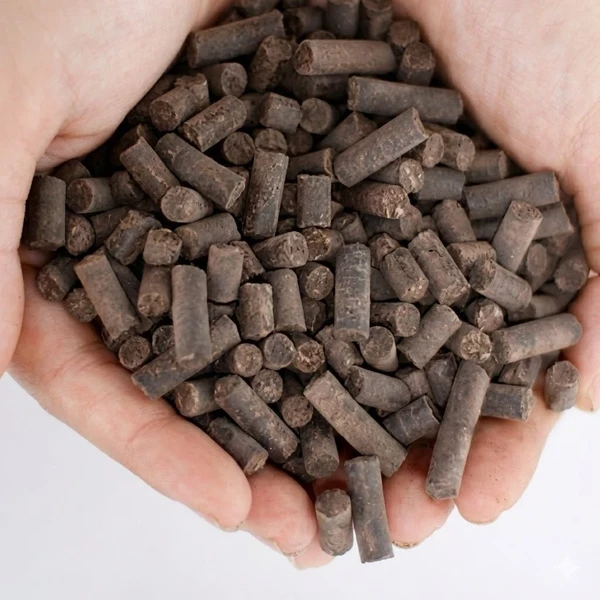
Mua 7kg tặng 1kg, Phân trùn quế viên nén ONEFARMS,phân …
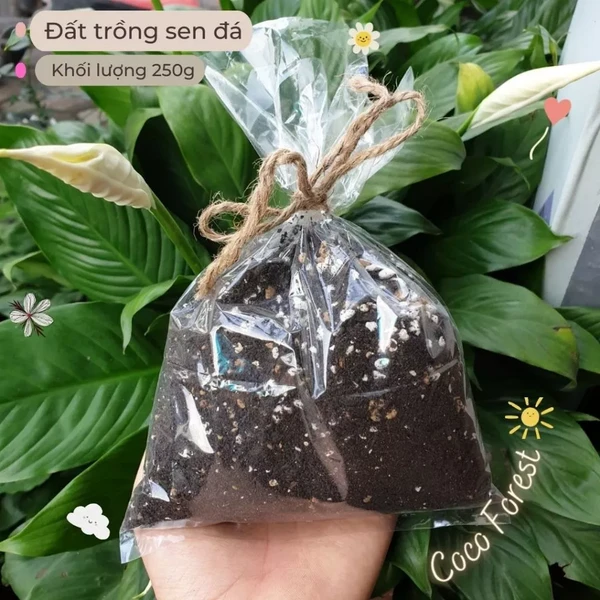
Đất trồng sen đá, xương rồng trộn sẵn 250g 🔥Coco Forest…
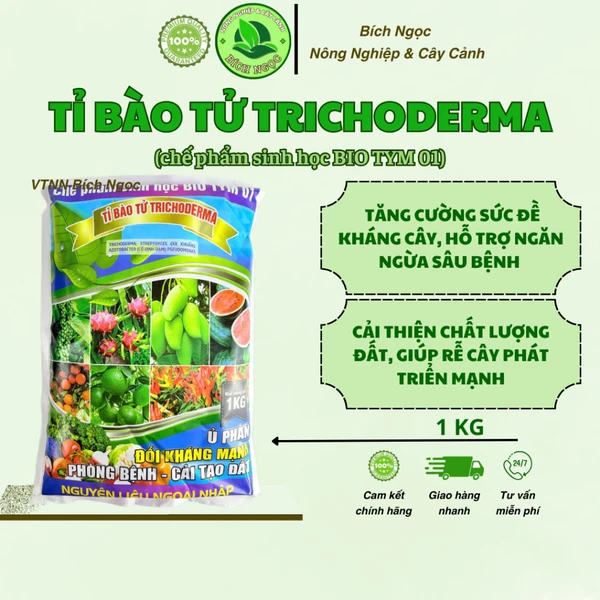
Chế Phẩm Sinh Học BIO Nấm TRICHODERMA – Ủ Phân, Cải Tạo…
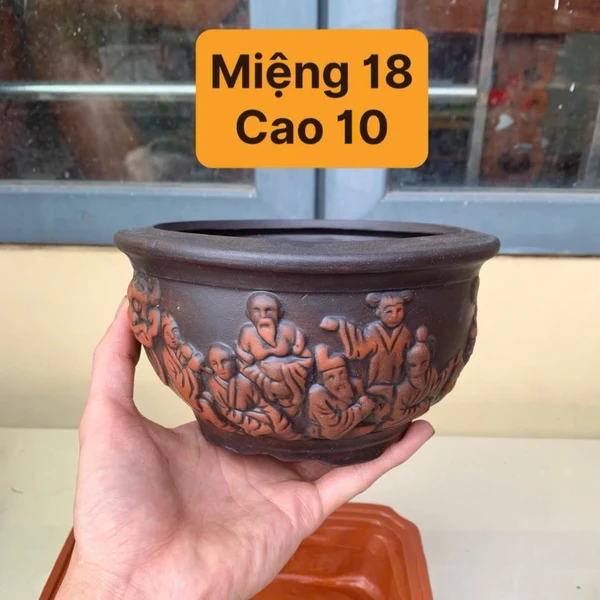
Chậu Tròn bát tiên bonsai cây cảnh mini màu đỏ hoặc đen…
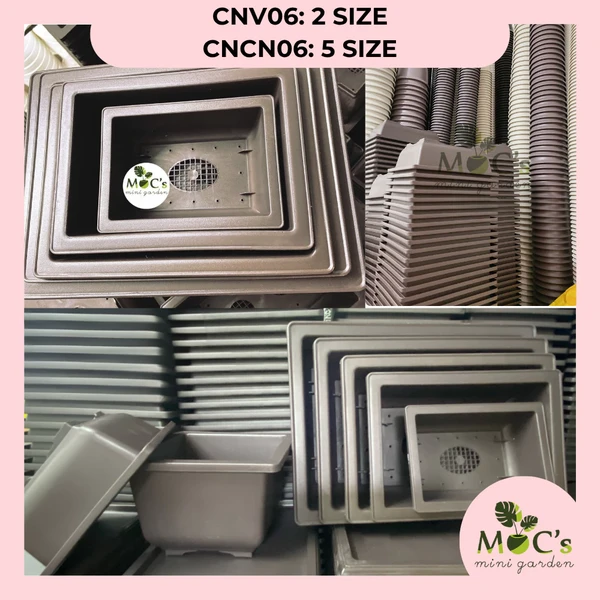
Chậu Nhựa Trồng Bonsai -Cây Cảnh -Mai Vàng – Sen Đá – X…
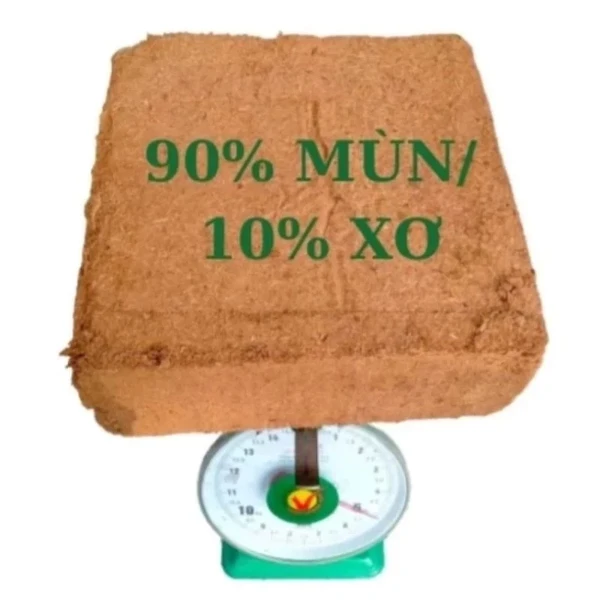
Nang (5kg) Xơ dừa nén, Mụn dừa nén, Đất trồng nén 5kg t…

Đôn Vuông Trang Trí Kê Cây Cảnh, Chậu Hoa, Bình Gốm Gỗ …

Chậu Nhựa Lục Giác Giả Đá Màu Đỏ Trồng Hoa, Cây Cảnh F2…
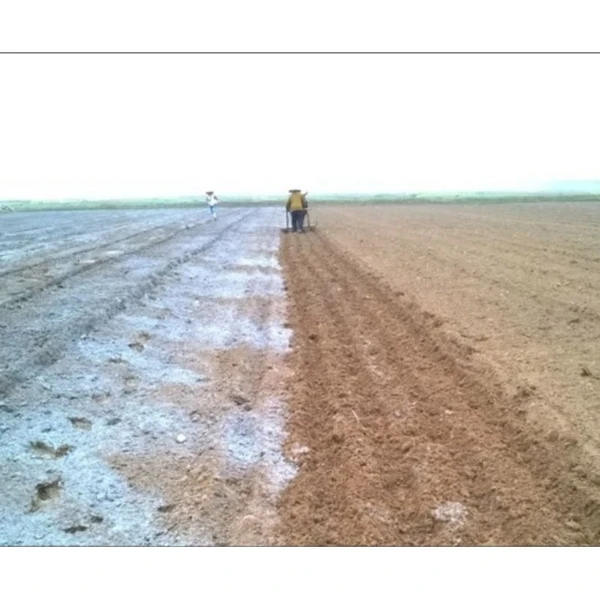
Vôi bột nông nghiệp dùng cải tạo đất, khử chua, xử lý g…
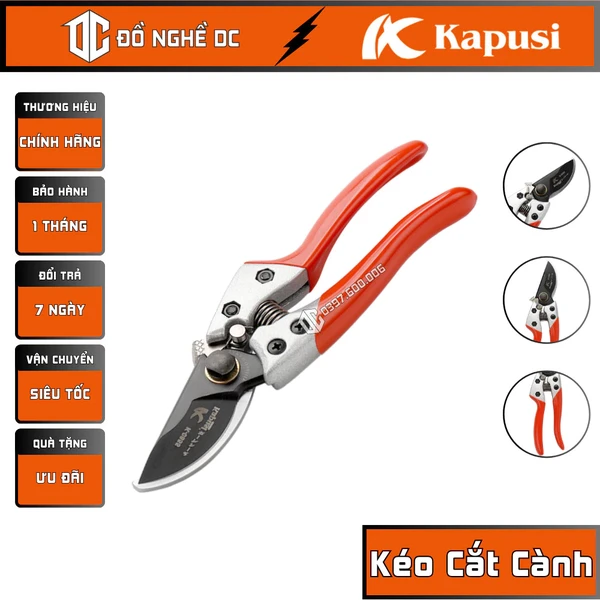
Kéo Cắt Cành Siêu Sắc, Kéo Tỉa Cành Cây, Dụng cụ Làm Vư…
Nursery Care Journal & Living Greenery Moments
At Saigon Cay Canh greenhouse, each photograph captures genuine everyday care moments between plant lovers and living greenery, spreading a passion for nature and green-living inspiration.

💬 Góc Tư Vấn & Hướng Dẫn Kỹ Thuật SGCC
Chuẩn E-E-A-T Kinfolk❓ Chăm sóc Saguaro Cactus (Carnegiea gi cần lưu ý điều gì quan trọng nhất?
💡 Dạ điều quan trọng nhất là giữ môi trường sống ổn định, tránh sốc nhiệt hay dao động thông số đột ngột, đồng thời cung cấp khẩu phần ăn sạch và tươi mới ạ.
❓ Làm thế nào để phòng ngừa bệnh tật hiệu quả cho các bé?
💡 Dạ anh chị nên giữ vệ sinh chuồng/hồ nuôi sạch sẽ, thay nước hoặc dọn dẹp định kỳ và bổ sung vitamin, men tiêu hóa đều đặn để tăng sức đề kháng ạ.

Desert Rose (Adenium obesum)
Adenium obesum, widely known as the Desert Rose, is a legendary African succulent pachycaul prized for its massive swollen basal caudex, sculptural grey br
Read Monograph →
Blue Barrel Cactus (Ferocactus glaucescens)
Ferocactus glaucescens is the celebrated Blue Barrel cactus of central Mexico, renowned for its frosted glaucous blue-grey ribbed stems, striking contrast
Read Monograph →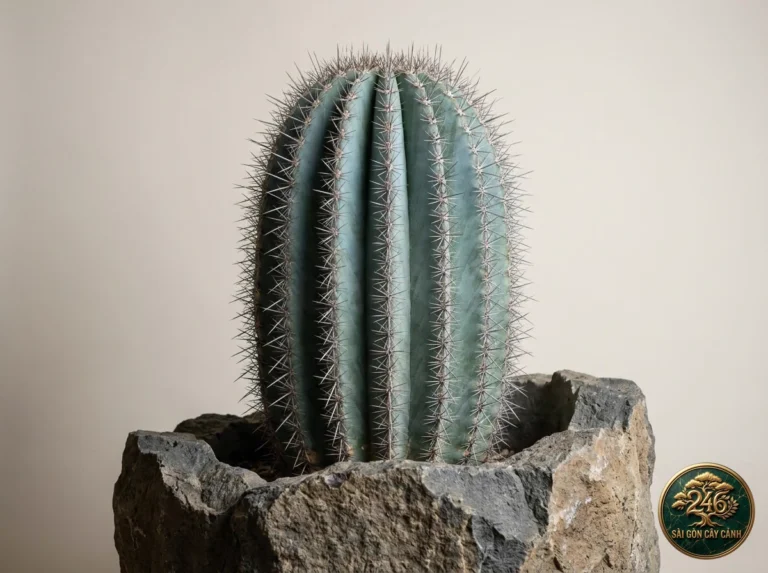
Cardon Cactus (Pachycereus pringlei)
Pachycereus pringlei, known as the Mexican giant cardon or elephant cactus, is the heaviest cactus on Earth, indigenous to Baja California, boasting massiv
Read Monograph →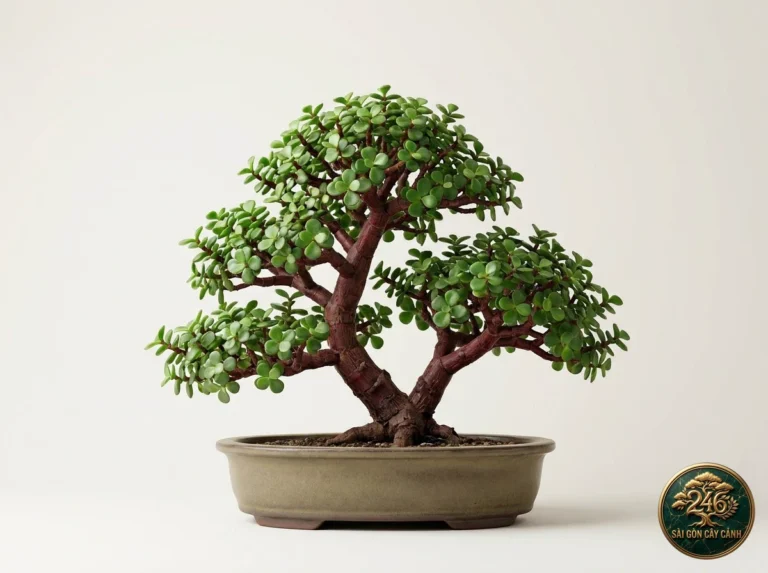
Elephant Bush (Portulacaria afra)
Portulacaria afra, celebrated as the Elephant Bush or Spekboom, is a remarkable South African succulent shrub renowned for mahogany-red woody stems, rounde
Read Monograph →Expert Q&A, Recommended Supplies & Article Feedback
Tap once to connect instantly via Google, Facebook or TikTok — no long forms required!
No questions yet for this article. Tap Google / Facebook / TikTok above to ask the first question!